
Think one training split beats the other every time? Not true.
Push Pull Legs and Upper/Lower both hit muscles twice weekly but in very different ways, so the right choice depends on your schedule, recovery, and goals.
PPL gives higher weekly volume and short, focused sessions if you can train five to six days, while Upper/Lower fits busier lives with four weekly workouts, more rest, and simpler programming.
Below I’ll show which one suits beginners, people short on time, and those chasing size.
At‑a‑Glance Comparison of Push Pull Legs and Upper/Lower
Push Pull Legs splits your training by movement. One day you push (chest, shoulders, triceps), one day you pull (back, biceps), and one day you hit legs. Most people run it six days a week, training each muscle group twice. Upper/Lower splits your week into upper body and lower body sessions, usually four days a week, also hitting each muscle twice per week but with fewer trips to the gym.
Neither split is universally better. PPL lets you pile more volume onto each muscle group and dedicate full sessions to specific areas, which is great if you can commit to the schedule and recover from it. Upper/Lower gives you more rest days, shorter weekly time commitment, and simpler programming. That makes it easier to stick with long term and easier on your recovery.
Here’s the quick decision guide based on your situation:
Train 3 to 4 days per week: Upper/Lower is the better fit. You hit every muscle twice weekly without needing to be in the gym five or six days.
Train 5 to 6 days per week and prioritize upper body size: PPL works well because you can split push and pull into separate high volume sessions.
New to lifting or managing a busy schedule: Upper/Lower is simpler to follow and easier to recover from.
Intermediate or advanced and chasing muscle growth: PPL gives you room for higher weekly volume and more exercise variety per muscle.
Want strong legs and don’t mind frequent lower body work: Upper/Lower puts legs front and center with two dedicated sessions every week.
Prefer focused, shorter sessions: PPL sessions tend to be more compact because you’re only training one or two movement patterns each day.
Training Frequency Differences
Both splits can hit each muscle group twice per week, but they get there differently. PPL typically runs six days. Push, Pull, Legs, Push, Pull, Legs. So you train each muscle every three to four days. Upper/Lower runs four days (Upper, Lower, Upper, Lower) and also hits each muscle roughly twice per week, but you’re only in the gym four times instead of six.
If you can only train three or four days per week, Upper/Lower keeps frequency high without burning you out. With PPL at that frequency, you’re only hitting each muscle about 1.3 times per week, which most research suggests is less effective for hypertrophy than twice weekly stimulation. If you can train five or six days, both splits become viable. Your choice comes down to volume goals and which muscles you want to emphasize.
Key frequency takeaways:
Upper/Lower (4 days/week): each muscle trained about 2 times per week.
PPL (6 days/week): each muscle trained about 2 times per week.
PPL (4 days/week): each muscle trained about 1.3 times per week. Less ideal for growth.
Frequency sweet spot for hypertrophy: most lifters do best hitting each muscle at least twice per week, which favors Upper/Lower if you’re limited to three or four sessions.
Recovery and Fatigue Management

PPL’s higher session count sounds manageable until you hit week four or five. Six workouts per week means less downtime for your nervous system and smaller muscle groups like biceps, rear delts, and calves, which get worked almost every session through direct or indirect volume. Many lifters start strong on PPL and then skip sessions once life gets busy or fatigue stacks up.
Upper/Lower gives you built in rest days. With only four sessions per week, you have three full days off to recover, sleep, and handle life. That buffer makes it easier to stay consistent over months, not just weeks.
Legs are more taxing than upper body work because you’re moving bigger loads and using more total muscle mass. So Upper/Lower’s two lower body days per week can feel demanding. But that’s still less cumulative leg fatigue than if you tried to cram similar leg volume into a single weekly session on PPL.
If you play a sport, do cardio, or have a physically demanding job, Upper/Lower’s lower weekly session count and extra rest days give you more room to recover. PPL works if your life outside the gym is low stress and your sleep and nutrition are locked in.
A “perfect” PPL done 60 percent of the time will usually give worse results than a solid Upper/Lower you complete 90 percent of the time. Consistency compounds.
Training Volume and Exercise Variety
PPL lets you load up volume on a single muscle group in one session. A dedicated push day might include three or four chest exercises, two or three shoulder movements, and isolation work for triceps. Easily 15 to 18 sets for chest alone across the week. That concentrated work is great if your goal is hypertrophy and you have the recovery capacity to handle it.
Upper/Lower spreads your weekly volume across fewer, broader sessions. Each upper day covers chest, back, shoulders, biceps, and triceps. You might only hit six to eight sets per muscle per session. Over two upper days, that’s 12 to 16 weekly sets per muscle, which is still in the effective range for growth but doesn’t quite match PPL’s ceiling. The upside is that Upper/Lower keeps sessions balanced and prevents any single muscle group from monopolizing your training week.
| Split | Typical Weekly Volume | Typical Exercise Variety |
|---|---|---|
| Push/Pull/Legs (6 days/week) | 16 to 20+ sets per muscle per week | High; dedicated sessions allow 4 to 6 exercises per muscle group |
| Upper/Lower (4 days/week) | 12 to 16 sets per muscle per week | Moderate; sessions cover multiple muscle groups with 2 to 3 exercises each |
| Push/Pull/Legs (4 days/week) | 10 to 14 sets per muscle per week | Moderate; lower frequency limits exercise rotation |
| Upper/Lower (3 days/week) | 10 to 12 sets per muscle per week | Moderate; fewer sessions mean tighter exercise selection |
Suitability for Beginners vs Advanced Lifters
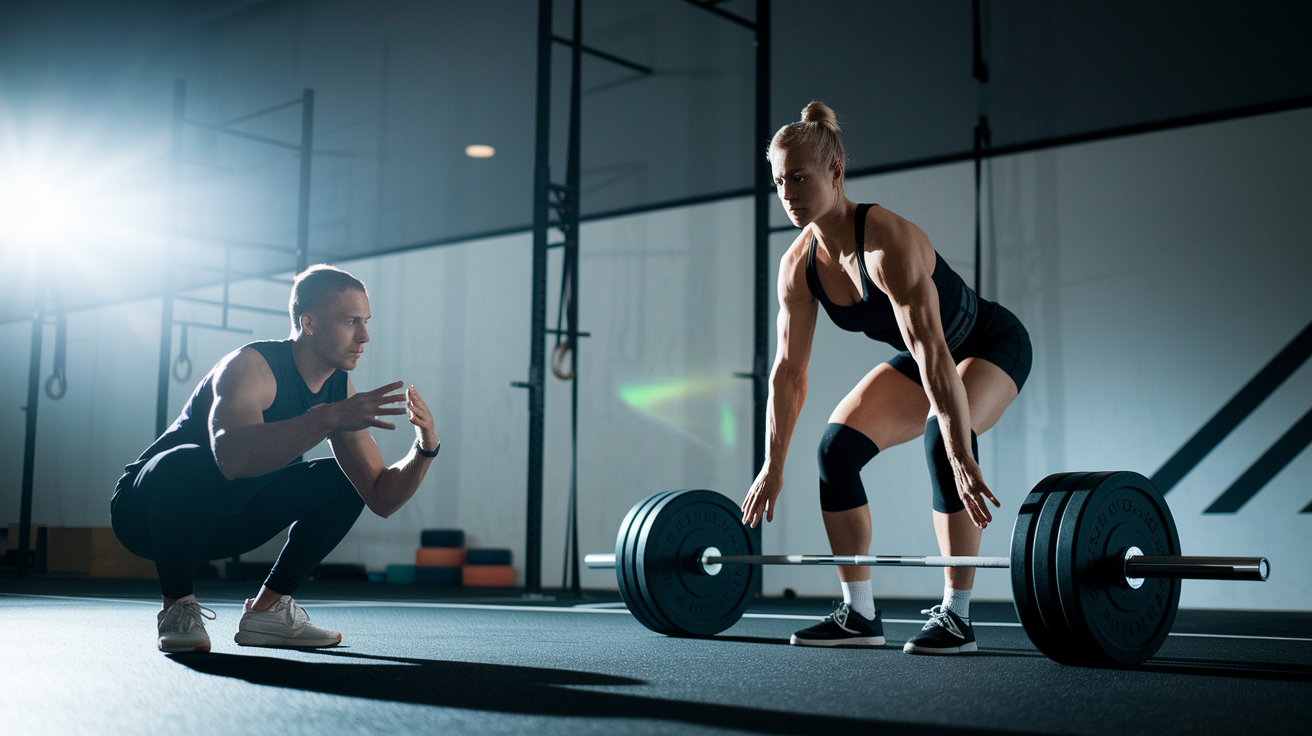
Beginners grow with almost any reasonable plan, but simpler is usually better. Upper/Lower gives new lifters a clear structure. Upper body one day, lower body the next. It keeps volume manageable while they learn movement patterns and build work capacity. Four sessions per week is easier to schedule and recover from than six, and it still hits the twice weekly frequency sweet spot.
Advanced lifters often need higher weekly volume to keep progressing. PPL makes it easier to pile on sets without turning every workout into a two hour marathon. If you’ve been training consistently for a few years and your lifts have slowed down, splitting push and pull into separate days lets you focus hard on chest or back without compromising the other. That specialization can break through plateaus.
If you’re somewhere in the middle (around a year of consistent training), both splits can work. Pick based on your schedule and recovery. If you can commit to five or six days and you want to emphasize upper body growth, try PPL. If you value simplicity, balance, and frequent leg work, stick with Upper/Lower.
Key decision factors:
Training age: beginners benefit from fewer, simpler sessions. Advanced lifters benefit from higher volume and specialization.
Recovery capacity: newer lifters recover faster and don’t need as many weekly sessions. Experienced lifters can often handle more frequency if nutrition and sleep are dialed in.
Goal clarity: if you want balanced development, Upper/Lower is safer. If you want to prioritize specific muscle groups, PPL gives you the room to do it.
Time Commitment and Schedule Flexibility
PPL typically demands five or six gym sessions per week, but each session is shorter and more focused. A push day might take 60 to 75 minutes because you’re only training chest, shoulders, and triceps. If you can carve out an hour most days and prefer daily structure, PPL fits that rhythm.
Upper/Lower requires only three or four weekly sessions, but each one covers more muscle groups, so sessions can stretch to 90 minutes or longer if you’re doing higher volume. If your week is unpredictable or you travel often, four sessions are easier to protect than six. Missing one Upper/Lower session still leaves you with three workouts that week. Missing one PPL session throws off your entire rotation.
Scheduling considerations:
Daily availability: PPL suits lifters who can commit to the gym most days but only for an hour. Upper/Lower suits lifters who prefer fewer, longer sessions.
Weekend flexibility: if you want weekends off, Upper/Lower is easier to schedule Monday, Tuesday, Thursday, Friday. PPL usually runs straight through the week.
Travel and disruptions: Upper/Lower is more forgiving when life gets messy because you can still hit twice weekly frequency with just four sessions.
Session length preference: if long workouts drain you, PPL’s shorter, focused sessions feel more manageable. If you prefer fewer trips to the gym, Upper/Lower wins.
Pros and Cons of Each Split
Push/Pull/Legs:
Pro: Higher weekly volume ceiling. Easier to hit 16+ sets per muscle without marathon sessions.
Pro: Better for upper body specialization. You can really destroy chest or back in a single workout.
Pro: Shorter, more focused sessions. 60 to 75 minutes per day.
Con: Requires five to six weekly sessions. Harder to sustain long term.
Con: Recovery demands are higher. Cumulative fatigue builds faster with more frequent training.
Upper/Lower:
Pro: Easier adherence. Only four sessions per week, three full rest days.
Pro: Simpler structure. Just alternate upper and lower, no need to track push/pull/legs cycles.
Pro: Strong leg emphasis. Legs get two full sessions every week, not sidelined.
Pro: Better for busy schedules. Fewer weekly trips to the gym.
Con: Sessions can run long. Covering all upper body muscles in one workout takes time.
Con: Less specialization. Harder to dedicate a full session to chest or back alone.
Which pros and cons matter most depends on your lifestyle and goals. If you have the time, recovery capacity, and a desire for high upper body volume, PPL’s specialization is worth the extra sessions. If you value consistency, balance, and fewer weekly commitments, Upper/Lower’s simplicity and built in rest days will serve you better over the long haul.
Sample Workouts for Both Splits

These templates give you a starting framework you can adjust based on your equipment, experience, and volume needs. Use them as written for a few weeks, track your lifts and recovery, then tweak exercise selection or rep ranges as needed.
Push/Pull/Legs (6 days/week):
Push Day 1: Flat barbell bench press (3 sets, 6 to 8 reps), incline dumbbell press (3 sets, 8 to 10 reps), cable fly (3 sets, 10 to 12 reps), overhead press (3 sets, 6 to 8 reps), lateral raise (3 sets, 10 to 12 reps), triceps pushdown (3 sets, 8 to 10 reps).
Pull Day 1: Barbell row (3 sets, 6 to 8 reps), lat pulldown (3 sets, 8 to 10 reps), cable row (3 sets, 8 to 10 reps), face pull (3 sets, 12 to 15 reps), barbell curl (3 sets, 8 to 10 reps), hammer curl (3 sets, 10 to 12 reps).
Leg Day 1: Back squat (4 sets, 6 to 8 reps), Romanian deadlift (3 sets, 8 to 10 reps), leg press (3 sets, 10 to 12 reps), leg curl (3 sets, 10 to 12 reps), calf raise (4 sets, 12 to 15 reps).
Push Day 2: Incline barbell press (3 sets, 6 to 8 reps), dumbbell bench press (3 sets, 8 to 10 reps), dumbbell overhead press (3 sets, 8 to 10 reps), cable lateral raise (3 sets, 12 to 15 reps), overhead triceps extension (3 sets, 10 to 12 reps).
Pull Day 2: Deadlift (3 sets, 5 to 6 reps), pull up (3 sets, 6 to 10 reps), single arm dumbbell row (3 sets, 8 to 10 reps), rear delt fly (3 sets, 12 to 15 reps), preacher curl (3 sets, 10 to 12 reps).
Leg Day 2: Front squat or leg press (3 sets, 8 to 10 reps), walking lunge (3 sets, 10 to 12 reps per leg), leg extension (3 sets, 10 to 12 reps), glute bridge (3 sets, 10 to 12 reps), seated calf raise (4 sets, 12 to 15 reps).
Upper/Lower (4 days/week):
Upper Day 1: Barbell bench press (4 sets, 6 to 8 reps), barbell row (4 sets, 6 to 8 reps), overhead press (3 sets, 8 to 10 reps), lat pulldown (3 sets, 8 to 10 reps), dumbbell lateral raise (3 sets, 10 to 12 reps), barbell curl (3 sets, 8 to 10 reps), triceps pushdown (3 sets, 8 to 10 reps).
Lower Day 1: Back squat (4 sets, 6 to 8 reps), Romanian deadlift (3 sets, 8 to 10 reps), leg press (3 sets, 10 to 12 reps), leg curl (3 sets, 10 to 12 reps), calf raise (4 sets, 12 to 15 reps).
Upper Day 2: Incline dumbbell press (3 sets, 8 to 10 reps), pull up or lat pulldown (3 sets, 8 to 10 reps), dumbbell row (3 sets, 8 to 10 reps), cable fly (3 sets, 10 to 12 reps), face pull (3 sets, 12 to 15 reps), hammer curl (3 sets, 10 to 12 reps), overhead triceps extension (3 sets, 10 to 12 reps).
Lower Day 2: Front squat or leg press (3 sets, 8 to 10 reps), walking lunge (3 sets, 10 to 12 reps per leg), leg extension (3 sets, 10 to 12 reps), glute bridge (3 sets, 10 to 12 reps), seated calf raise (4 sets, 12 to 15 reps).
Who Should Choose Each Split?

If you can only train three or four days per week, Upper/Lower is the clear winner. You’ll hit every muscle twice weekly without needing to be in the gym five or six days, and you’ll have more rest days to recover and handle life outside training. If your legs are already strong or well developed relative to your upper body, Upper/Lower keeps them progressing without dedicating extra sessions to them.
PPL makes sense if you can commit to five or six sessions per week and you want to emphasize upper body size. It gives you the room to pile volume onto chest, back, and shoulders without turning every workout into a two hour slog. If you’re intermediate or advanced and chasing muscle growth, PPL’s higher weekly volume ceiling can help break through plateaus.
Quick profile guide:
Busy schedule, new to lifting, or want simplicity: Upper/Lower.
Can train 5 to 6 days/week and want upper body focus: PPL.
Want balanced development and strong legs: Upper/Lower.
Intermediate/advanced and chasing hypertrophy: PPL (if you can recover from it).
Prefer fewer, longer sessions: Upper/Lower. Prefer shorter, daily sessions: PPL.
How to Decide Based on Your Goals and Schedule

Start by counting how many days per week you can realistically train for the next eight to twelve weeks. If that number is three or four, choose Upper/Lower. If it’s five or six and you can sustain it, PPL becomes an option.
Next, think about recovery. If you play a sport, do cardio, or work a physically demanding job, the extra rest days in Upper/Lower will serve you better than cramming in six gym sessions.
Finally, consider your goals. If you want to prioritize legs or maintain balanced development, Upper/Lower naturally allocates half your training to lower body. If you want to grow your chest, back, or shoulders faster than your legs, PPL gives you dedicated sessions and more weekly volume for those areas.
Practical next steps:
Trial an 8 week block: pick one split, track your lifts, session completion, and how you feel, then switch splits for another 8 weeks and compare.
Match weekly availability: 3 to 4 days means Upper/Lower. 5 to 6 days means PPL (if recovery supports it).
Let adherence decide: the split you’ll actually complete every week is better than the “optimal” one you skip half the time.
Final Words
In the action, this post gave a straight comparison of push/pull/legs and upper/lower. You saw how they differ in frequency, recovery, volume, pros and cons, sample workouts, and which lifters each suits.
Short verdict: PPL is best for higher volume and specialization. Upper/lower is easier to recover from and simpler to fit into a busy week.
If you’re still wondering push pull legs vs upper lower split which is better, pick the one that fits your schedule, test it for 8–12 weeks, and adjust. You’ll get clearer results and keep improving.
FAQ
Q: What is the 3-3-3 rule for gym?
A: The 3-3-3 rule for gym is a simple strength template: three sets of three reps for main lifts (3×3), often spread across three weekly sessions to balance intensity and recovery.
Q: Which workout split is most effective? Why are push pull legs the best split? Is PPL or PPLUL better?
A: The most effective workout split depends on goals, experience, and schedule. Push‑pull‑legs (PPL) gives more specialization and weekly volume; PPLUL (hybrid) eases recovery and fits busier schedules—choose by time and recovery.

