
Think shakes are just quick sugar hits that leave you hungry again in an hour?
High protein high fiber shakes change that.
They feed your muscles, slow digestion, and keep blood sugar steady so you feel fuller longer.
This guide gives clear targets (20–40 g protein, 6–15 g fiber), easy recipes, and swaps for vegan, keto, or budget needs.
No fluff—just practical builds you can blend today.
If you want a shake for breakfast, post-workout, or weight loss, this is the plan that actually works.
Complete Guide to High Protein High Fiber Shakes for Your Goals
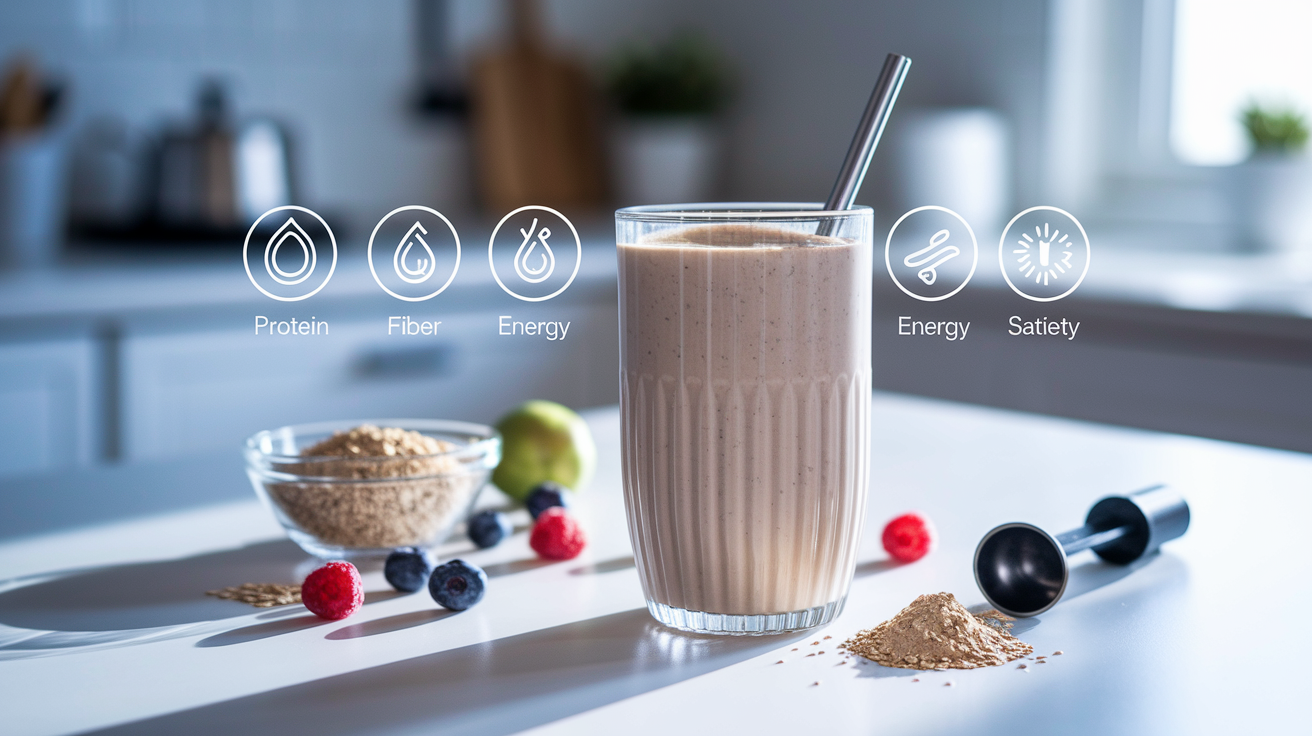
A solid high protein high fiber shake needs 20 to 40 grams of protein and 6 to 15 grams of fiber per serving. What you’re using it for matters. Meal replacement? Go higher on both, around 300 to 450 calories total. Post-workout? Focus on 20 to 40 grams of fast protein with moderate fiber. Weight loss? Keep it between 300 and 400 calories with at least 25 grams of protein and 8 grams of fiber so you don’t get hungry again in an hour.
Your daily protein needs sit somewhere between 0.8 and 1.6 grams per kilogram of body weight if you’re not super active, and 1.6 to 2.2 grams per kilogram if you’re training regularly or trying to build muscle. Fiber targets are 25 grams for women and 38 grams for men, or about 14 grams per 1,000 calories. One shake with 20 grams of protein and 8 grams of fiber can cover a big chunk of breakfast or a snack without leaving you starving later.
These shakes work because protein slows how fast your stomach empties and fiber adds bulk. Your blood sugar climbs more slowly, digestion stays busy longer. That combo helps muscle recovery after training, keeps energy stable when you’re cutting calories, and stops the mid-morning crash that happens when breakfast is just carbs. When you hit both macros in the same drink, you don’t need separate supplements or extra snacks.
Core Ingredients That Power High Protein High Fiber Shakes
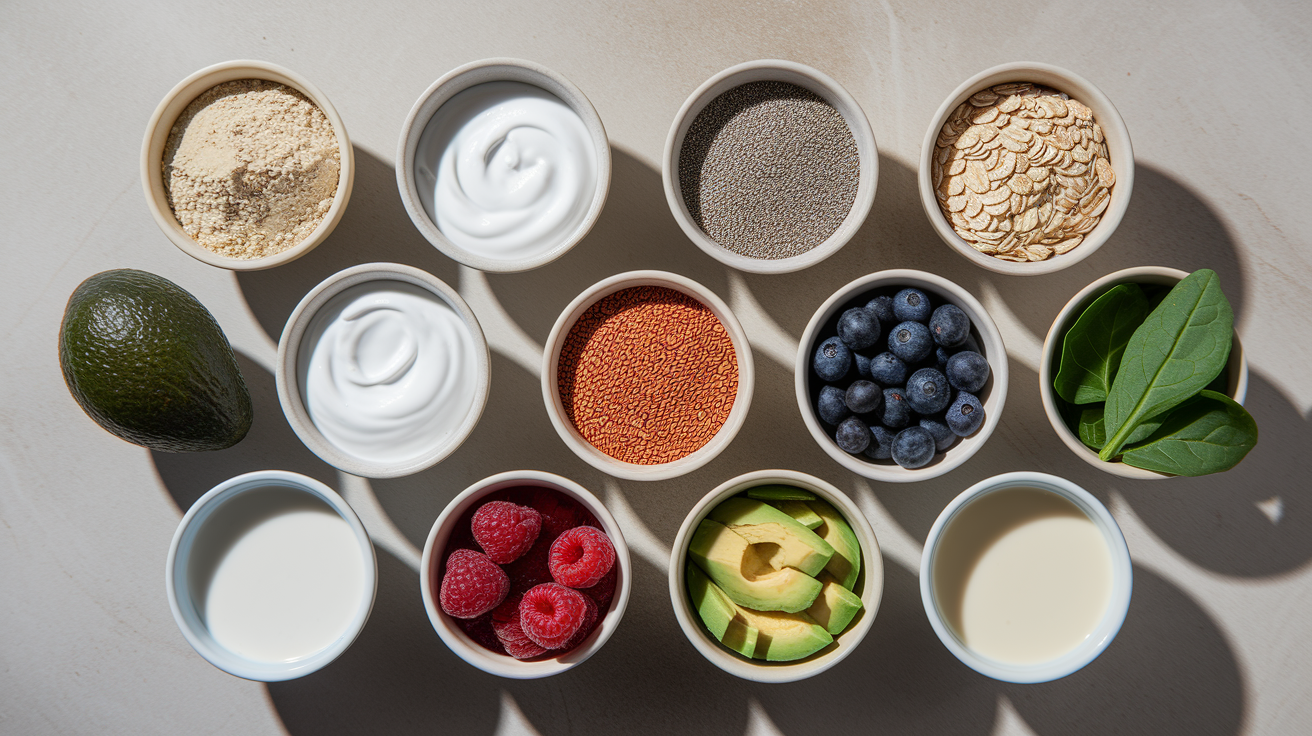
Protein comes from powder, dairy, or plant sources that deliver 20 to 30 grams per scoop or serving. Whey isolate usually gives you 20 to 27 grams per scoop and digests fast, which makes it great post-workout. Pea protein and soy protein both hit around 20 to 25 grams per scoop and work well for vegan or dairy-free builds. Greek yogurt adds 10 grams per quarter to half cup, plus probiotics and creaminess. Cottage cheese pushes protein higher. Silken tofu blends smooth and adds 8 to 10 grams of plant protein per half cup.
Fiber comes from seeds, oats, vegetables, and add-ins that thicken the shake and slow digestion. Rolled oats give you 2 to 4 grams of fiber per quarter to half cup and add body without much sweetness. Chia seeds are a powerhouse: 4 to 10 grams of fiber depending on whether you use one or two tablespoons, and they gel up to create a thicker texture. Ground flaxseed adds about 2 to 3 grams of fiber per tablespoon plus omega-3s. Psyllium husk is the most concentrated option, delivering soluble fiber quickly at just one teaspoon to one tablespoon per shake. Avocado brings healthy fats plus fiber and makes plant shakes silky instead of gritty.
Top fiber boosters to keep on hand:
- Chia seeds (1 to 2 tablespoons for 4 to 10 grams of fiber)
- Ground flaxseed (1 tablespoon for 2 to 3 grams of fiber)
- Rolled oats (quarter to half cup for 2 to 4 grams of fiber)
- Psyllium husk (1 teaspoon to 1 tablespoon for potent soluble fiber, use cautiously)
- Avocado (quarter to half for creaminess and 3 to 5 grams of fiber)
High Protein High Fiber Shake Recipes With Exact Macros
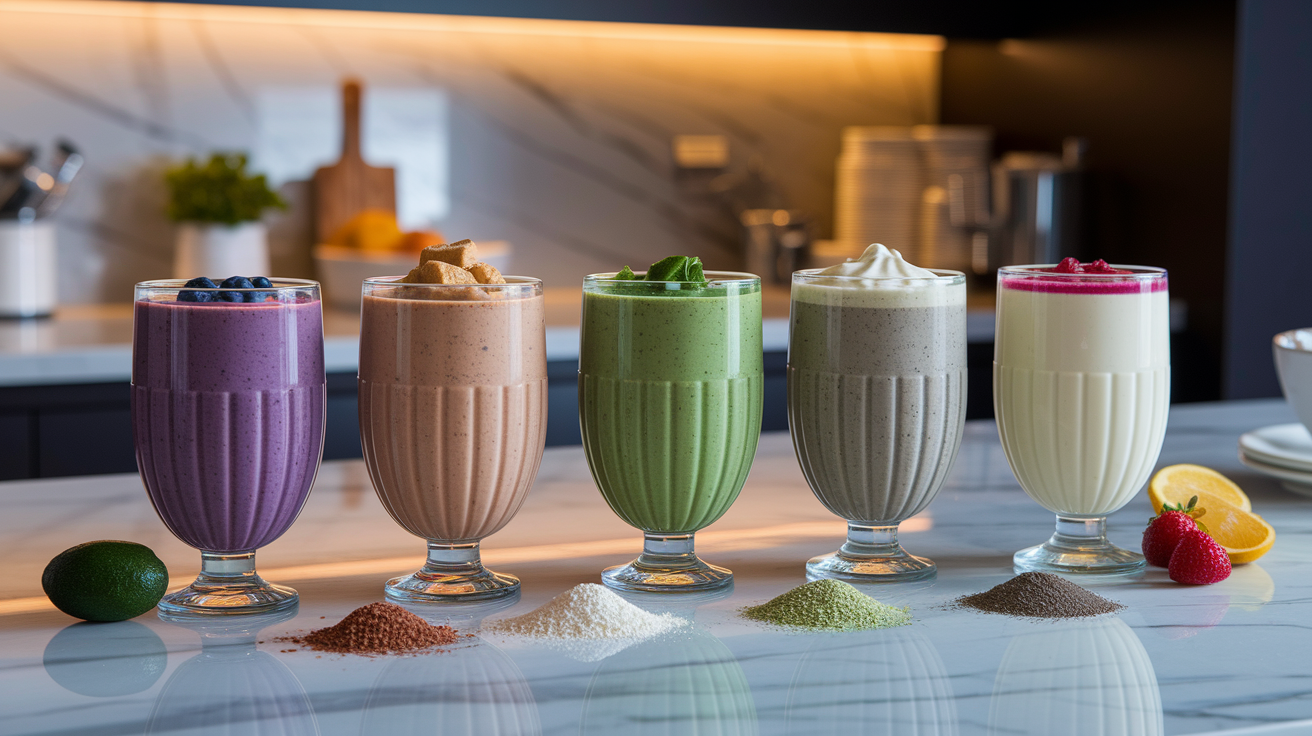
Each recipe here hits at least 20 grams of protein and 6 grams of fiber. Some push well past 30 grams of protein and 10 grams of fiber depending on your goals and activity level. Use these as starting templates and adjust the liquid or ice to match how thick you like it.
Berry Oat Protein Shake
This balanced breakfast shake delivers protein and fiber without excess calories or sugar. Combine 1 cup of unsweetened almond milk, 1 scoop of whey or plant protein powder (25 grams of protein), half a cup of frozen mixed berries, a quarter cup of rolled oats, 1 tablespoon of ground flaxseed, and a handful of ice cubes. Blend for 30 to 45 seconds at high speed until smooth. The oats and flaxseed give you texture and slow-digesting carbs. Berries add antioxidants and natural sweetness without spiking blood sugar.
Approximate nutrition per serving: 300 to 360 calories, 25 to 30 grams of protein, 8 to 10 grams of fiber.
Chocolate Peanut Butter Banana
This shake works well for muscle building or higher-calorie days when you need more energy and recovery support. Use 1 cup of low-fat milk or soy milk, 1 scoop of chocolate whey protein (25 grams of protein), 1 medium banana, 2 tablespoons of natural peanut butter, 1 tablespoon of chia seeds, and ice. Blend for 45 to 60 seconds until the chia seeds are fully mixed in and the shake is thick. Peanut butter adds healthy fats and a creamy texture. The banana provides quick-digesting carbs to replenish glycogen after high-intensity training.
Approximate nutrition per serving: 450 to 520 calories, 35 to 45 grams of protein, 8 to 12 grams of fiber.
Green Avocado Pea-Protein Shake
This vegan shake delivers high fiber and complete plant protein without dairy or animal products. Blend 1 cup of soy milk, 1 scoop of pea protein powder (20 to 25 grams of protein), half an avocado, 1 cup of fresh spinach, and 1 tablespoon of ground flaxseed for 45 seconds. The avocado makes the shake silky and masks the earthy flavor of the pea protein. Spinach adds micronutrients without changing the taste. If you want it sweeter, add a small handful of frozen berries instead of upping liquid sweeteners.
Approximate nutrition per serving: 350 to 420 calories, 25 to 32 grams of protein, 10 to 14 grams of fiber.
Keto-Style High-Fiber Shake
This low-net-carb shake keeps total carbs under control while still delivering fiber and protein for satiety. Use 1 scoop of whey isolate or unflavored collagen peptides (20 to 30 grams of protein), 2 tablespoons of chia seeds, a quarter of an avocado, unsweetened almond milk, a small amount of low-carb sweetener if desired, and ice. Blend until thick and creamy. The chia and avocado provide the fiber and fat you need to stay full. The isolate keeps carbs minimal while supporting muscle repair.
Approximate nutrition per serving: 300 to 380 calories, 25 to 35 grams of protein, 8 to 12 grams of total fiber, with net carbs usually under 10 to 12 grams depending on exact ingredients.
Oat & Greek Yogurt Meal Replacement
This shake works as a complete meal replacement when you need balanced macros and sustained energy. Combine three-quarters of a cup of plain Greek yogurt (20 grams of protein), one-third cup of rolled oats, half a cup of mixed berries, and 1 tablespoon of ground flaxseed. Add a splash of water or milk to reach your preferred consistency and blend until smooth. The Greek yogurt gives you probiotics and a thick base. The oats add slow-digesting carbs that keep you full for hours.
Approximate nutrition per serving: 350 to 450 calories, 30 to 35 grams of protein, 8 to 12 grams of fiber.
Comparing Homemade vs Store-Bought High Protein High Fiber Shakes
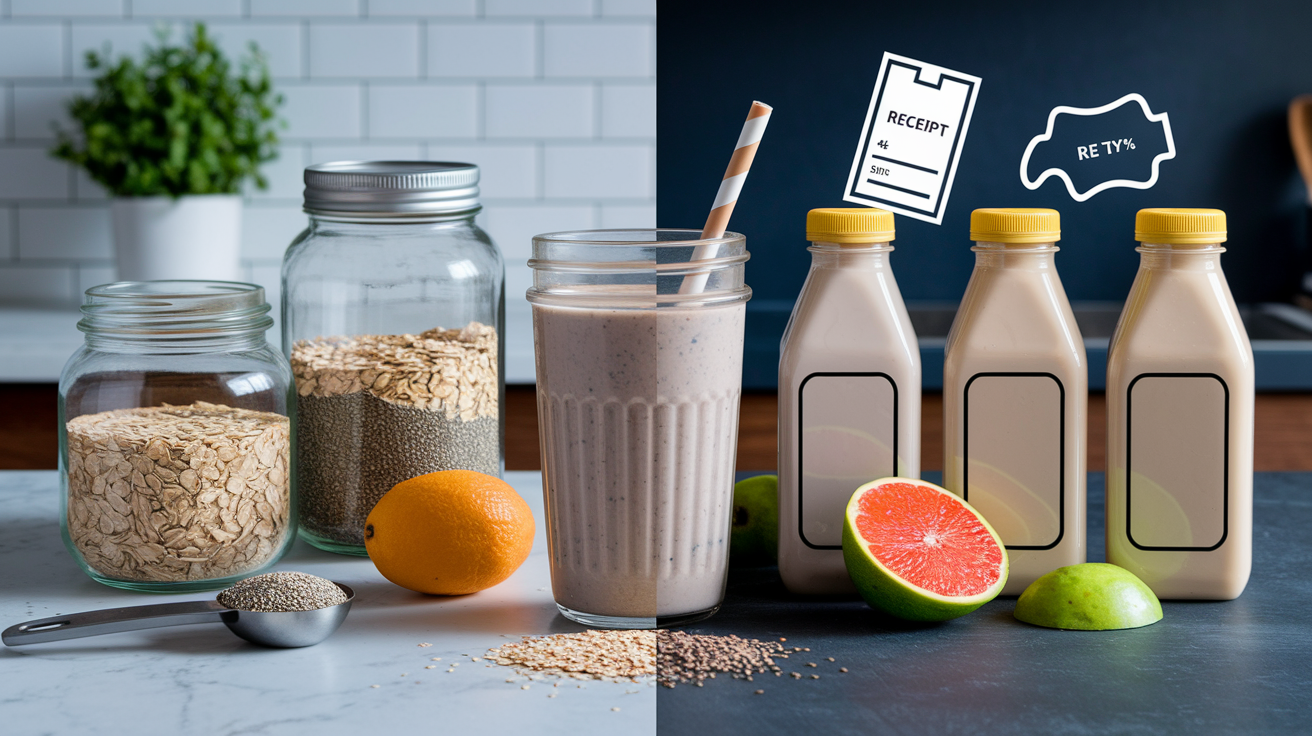
Homemade shakes usually cost between one and two dollars per serving when you buy protein powder, oats, seeds, and frozen fruit in bulk. Ready-to-drink options range from one to four dollars per bottle or serving, with premium brands often pushing toward the higher end. The real difference shows up in the fiber content and ingredient control. Most store-bought shakes deliver only 1 to 5 grams of fiber because fiber thickens the product and shortens shelf life. Many include added sugars or sweeteners to improve taste and texture.
When you make your own shake, you choose exactly how much protein and fiber go in. You can hit 6 to 15 grams of fiber easily by adding chia seeds, oats, or flaxseed. You also avoid emulsifiers, gums, and preservatives that some people find hard to digest. Store-bought shakes win on convenience and consistency, especially when you’re traveling or need something you can grab in under ten seconds. If you go that route, read the label and look for products that list at least 5 grams of fiber and keep added sugars under 10 grams per serving.
| Option | Protein / Fiber per Serving | Typical Cost |
|---|---|---|
| Homemade (bulk ingredients) | 20–40 g protein / 6–15 g fiber | $1.00–$2.00 |
| Premier Protein RTD | ~30 g protein / ~1 g fiber | $1.00–$1.50 |
| Orgain Organic RTD | ~20 g protein / ~5 g fiber | $2.00–$3.00 |
| Huel Ready-to-Drink | ~20 g protein / ~7 g fiber | $2.00–$3.50 |
Dietary Customizations for High Protein High Fiber Shakes
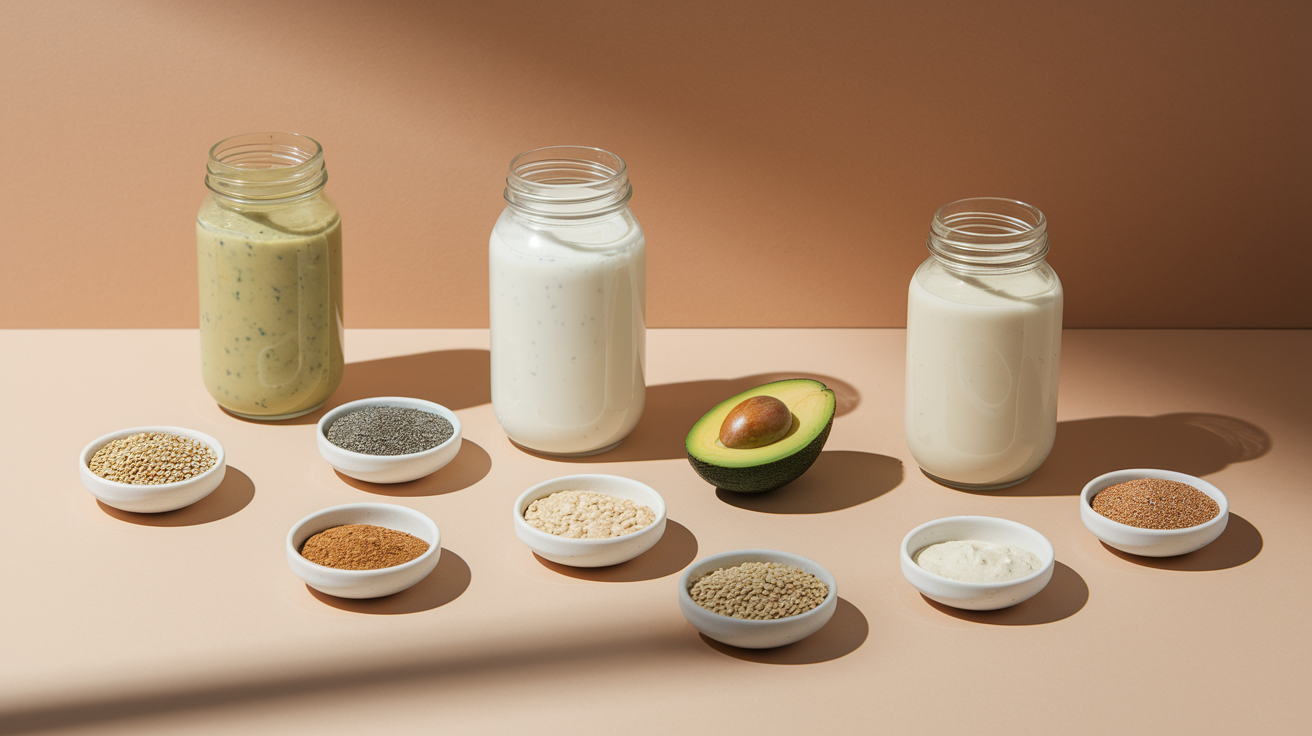
If you’re vegan or avoiding dairy, swap whey for pea protein or soy protein. Both deliver 20 to 25 grams of protein per scoop. Use soy milk, almond milk, or coconut milk as your liquid base. Choose nut butters or seed butters for healthy fats and extra protein. For nut allergies, replace almond butter or peanut butter with sunflower seed butter or tahini. Use hemp seeds or chia seeds for added texture and fiber. These swaps keep the shake allergen-friendly without sacrificing macros.
Lactose-intolerant builds work well with lactose-free milk, almond milk, or coconut milk. You can use a plant-based protein powder or lactose-free whey isolate if you prefer animal protein. Keto-friendly shakes must stay under 10 to 12 grams of net carbs, so skip the oats and banana. Instead use avocado, chia seeds, and a small amount of berries for fiber. Whey isolate or unflavored collagen peptides keep carbs low while still delivering 20 to 30 grams of protein per serving.
For slow-release protein before bed, use casein powder or a blend that includes micellar casein. This digests gradually overnight and supports muscle repair while you sleep. Aim for 20 to 30 grams of casein, add a tablespoon of ground flaxseed for fiber, and use unsweetened almond milk to keep calories moderate. This combination keeps you satisfied without waking up hungry or spiking blood sugar during the night.
Mastering Texture, Flavor & Blending Techniques for High Protein High Fiber Shakes
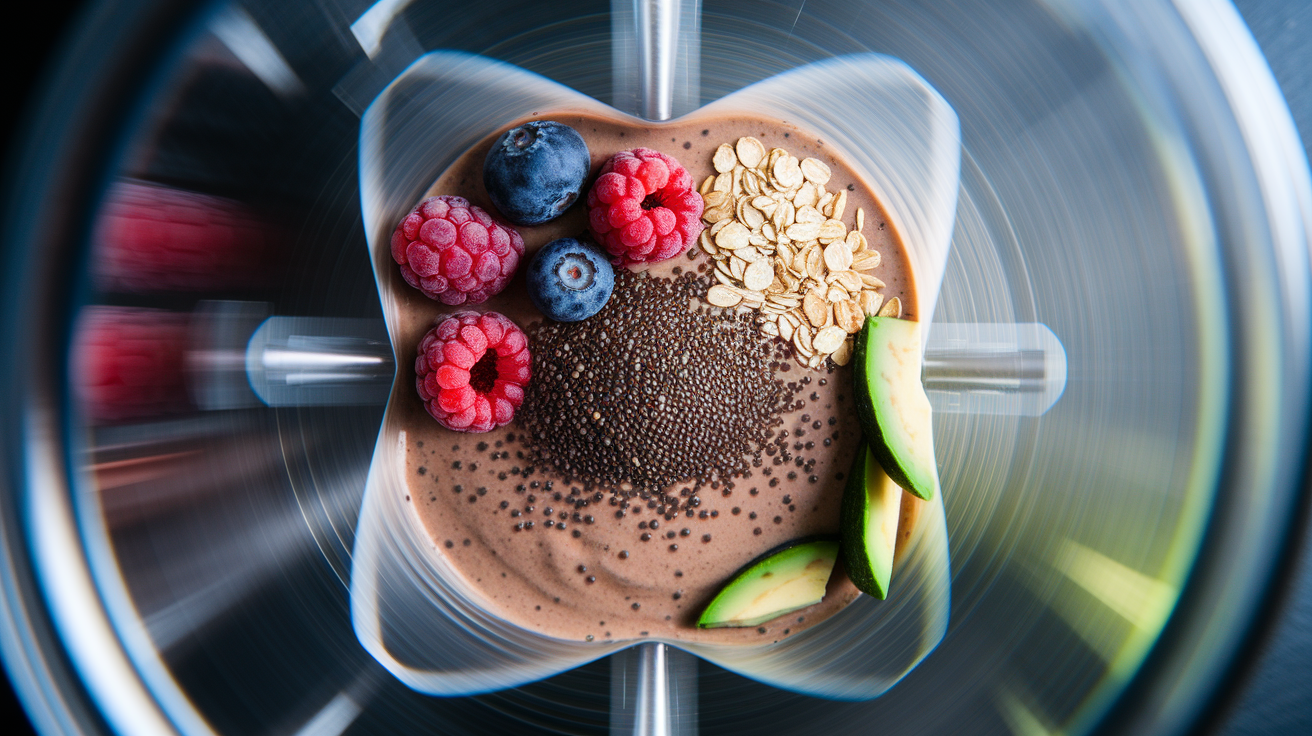
Blend your shake for 30 to 60 seconds at high speed to fully break down seeds, oats, and frozen fruit. If the shake feels gritty or chalky, it usually means the plant protein or fiber sources need more time or a little fat to smooth them out. Add a tablespoon of nut butter, a quarter of an avocado, or a few spoonfuls of full-fat Greek yogurt to create a silkier texture and mask any earthy or beany flavors from pea or soy protein. Frozen fruit works better than fresh for creating a thick, creamy base without needing extra ice or sweeteners.
If your shake turns out too thick, add a quarter to half cup of liquid and blend again for 15 seconds. Too thin? Toss in more frozen fruit, an extra tablespoon of chia seeds, or a few ice cubes and blend until it reaches the consistency you want. A pinch of salt makes chocolate and peanut butter flavors pop. A teaspoon of lecithin or a quarter of an avocado adds body and stops separation when the shake sits in the fridge.
Flavor-masking strategies for plant proteins:
- Add 1 tablespoon of cocoa powder or cacao to cover earthy pea protein
- Use frozen banana or a small handful of frozen mango for natural sweetness
- Include a pinch of cinnamon, vanilla extract, or a few drops of almond extract
- Blend in a tablespoon of nut butter to add richness and smooth out grit
Timing, Hydration & Safe Fiber Intake for High Protein High Fiber Shakes
How to Increase Fiber Without Digestive Issues
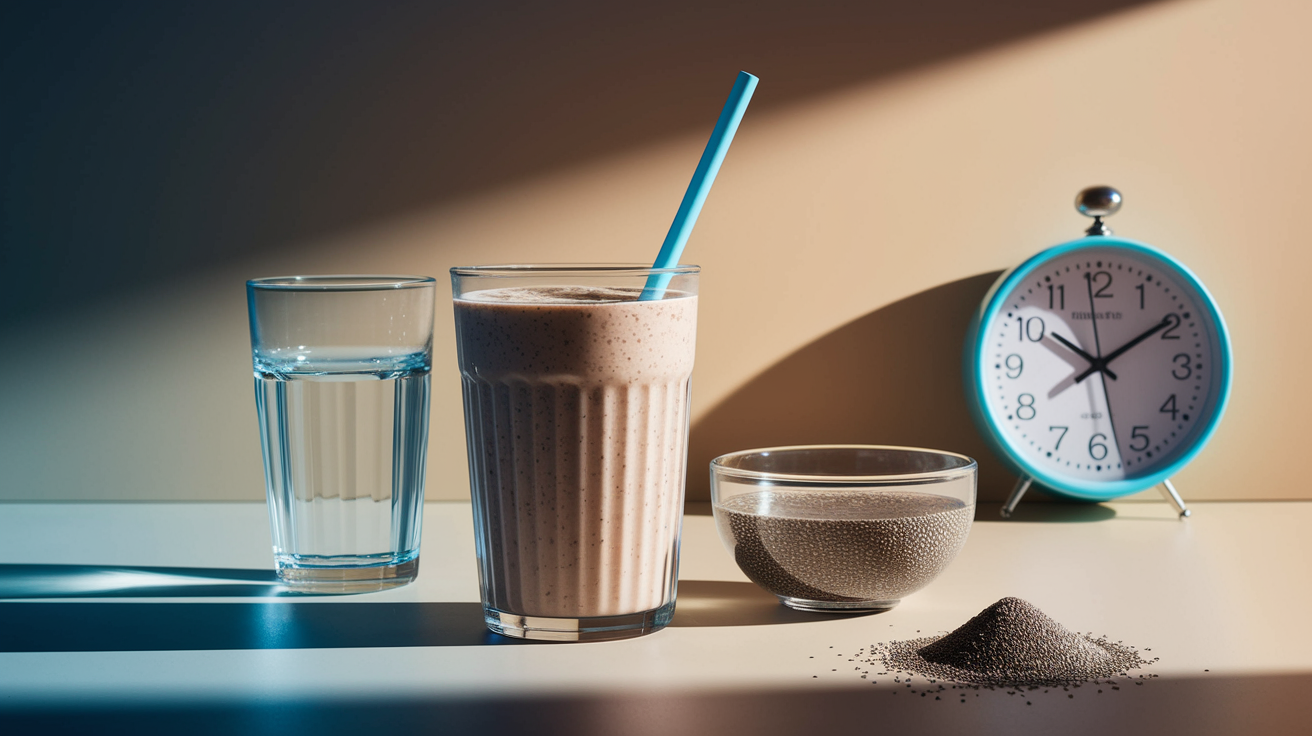
Start with 6 to 8 grams of fiber per shake if you’re not used to high-fiber foods. Then add 2 to 3 grams every few days over the course of one to two weeks. Jumping straight to 15 grams of fiber in a single shake can cause bloating, gas, and cramping, especially if your usual diet is lower in fiber. Drink an additional 8 to 16 ounces of water with every high-fiber shake to help the fiber move through your digestive system and prevent it from sitting heavy in your stomach. Psyllium husk and chia seeds absorb a lot of liquid, so hydration becomes even more important when you use those ingredients.
If you take medications that require consistent absorption, space your high-fiber shake at least one to two hours away from those doses. Soluble fiber can interfere with how quickly certain drugs enter your bloodstream. Your doctor or pharmacist can tell you which medications need that buffer. For most people, a gradual fiber ramp-up plus consistent hydration gets rid of digestive issues within a week or two.
Best Times of Day to Use High Protein High Fiber Shakes
A breakfast shake with 20 to 35 grams of protein and 8 to 12 grams of fiber supports stable blood sugar and keeps you full until lunch. Works even better if you pair it with a small handful of nuts or a piece of fruit. Post-workout shakes should prioritize 20 to 40 grams of fast-digesting protein like whey isolate, with moderate fiber so the protein absorbs quickly for muscle recovery. If you trained hard and depleted glycogen, include 20 to 40 grams of carbs from banana, oats, or berries to replenish energy stores.
Meal-replacement shakes work best when they contain 300 to 400 calories, at least 25 grams of protein, and 8 to 15 grams of fiber. This combination mimics the satiety and nutrient density of a balanced plate without requiring meal prep or cooking. Before bed, a shake with 20 to 30 grams of casein protein and a tablespoon of flaxseed provides slow-release amino acids overnight and supports recovery without spiking blood sugar or leaving you too full to sleep.
Weekly High Protein High Fiber Shake Plan for Convenience and Consistency
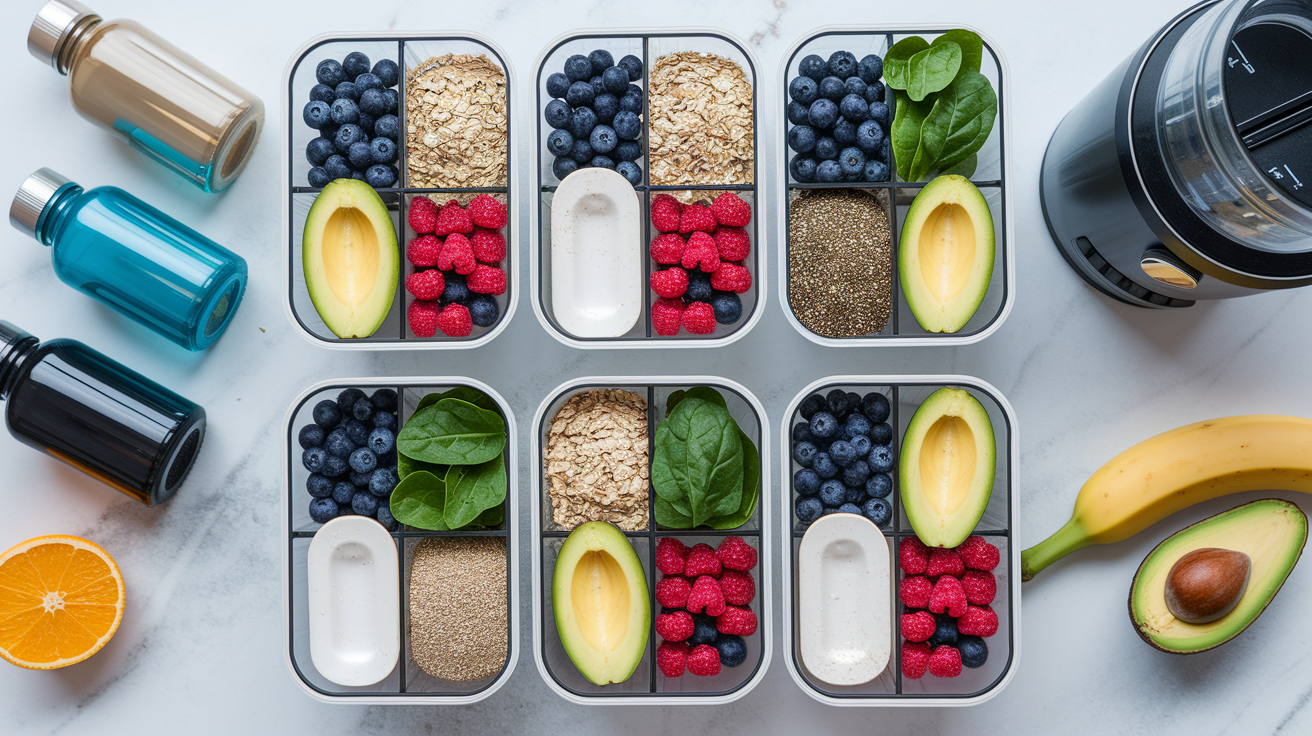
A structured weekly plan removes decision fatigue and makes sure you’re hitting your protein and fiber targets consistently. Pre-measure dry ingredients into individual bags or containers on Sunday, then add liquid and ice when you’re ready to blend. Shakes store in the fridge for 24 to 48 hours, but chia seeds and psyllium husk will thicken over time. Drink them fresh or shake well before consuming. If you freeze smoothie cubes made from blended fruit, greens, and liquid, you can toss a few into your blender with protein powder and finish the shake in 30 to 45 seconds.
-
Monday (Berry Oat Protein Shake): 1 cup almond milk, 1 scoop whey or plant protein, half cup frozen berries, quarter cup oats, 1 tablespoon flax. Target: 300 to 360 calories, 25 to 30 grams protein, 8 to 10 grams fiber.
-
Tuesday (Chocolate Peanut Butter Banana): 1 cup low-fat milk, 1 scoop chocolate whey, 1 banana, 2 tablespoons peanut butter, 1 tablespoon chia. Target: 450 to 520 calories, 35 to 45 grams protein, 8 to 12 grams fiber.
-
Wednesday (Green Avocado Pea-Protein Shake): 1 cup soy milk, 1 scoop pea protein, half avocado, 1 cup spinach, 1 tablespoon flax. Target: 350 to 420 calories, 25 to 32 grams protein, 10 to 14 grams fiber.
-
Thursday (Keto-Style High-Fiber Shake): 1 scoop whey isolate, 2 tablespoons chia, quarter avocado, unsweetened almond milk, ice. Target: 300 to 380 calories, 25 to 35 grams protein, 8 to 12 grams fiber, under 10 to 12 grams net carbs.
-
Friday (Oat & Greek Yogurt Meal Replacement): Three-quarters cup Greek yogurt, one-third cup oats, half cup berries, 1 tablespoon flax. Target: 350 to 450 calories, 30 to 35 grams protein, 8 to 12 grams fiber.
-
Saturday (Berry Oat Protein Shake): Same as Monday for easy prep and consistent macros.
-
Sunday (Chocolate Peanut Butter Banana): Same as Tuesday, or use this day to test a new recipe or ingredient combination.
Final Words
in the action, you have clear macronutrient targets (20–40 g protein, 6–15 g fiber), top ingredients, five recipe options, and timing and texture tips to fit breakfasts, workouts, or meal replacements.
Use the weekly plan, customization notes, and blending fixes to make shakes that keep you full, steady your blood sugar, and help recovery.
Start small, track how you feel, and tweak one thing this week. With simple swaps and consistency, high protein high fiber shakes can become an easy, sustainable habit.
FAQ
Q: Are there any protein shakes that are high in fiber?
A: High-fiber protein shakes do exist. Look for 20–40 g protein and 6–15 g fiber per serving—examples include Huel, some Orgain RTDs, or DIY shakes with whey/pea plus oats, chia, or flax.
Q: Can I drink a protein shake with my Adderall?
A: You can usually drink a protein shake with Adderall. High-fiber shakes may slow absorption or cause stomach upset for some—space them 1–2 hours from the dose if you notice changes, or check with your prescriber.
Q: Can you drink protein shakes while on Zepbound?
A: You can generally drink protein shakes while on Zepbound (tirzepatide), but the drug slows gastric emptying; high-fiber or large shakes can increase nausea and fullness—start small, sip slowly, and space 1–2 hours if advised.
Q: Can you lose weight on a high protein, high fiber diet?
A: You can lose weight on a high-protein, high-fiber diet because it raises fullness, preserves muscle, and helps control calories; aim for 20–40 g protein and 6–15 g fiber per shake as a guide.

