
Barbells look hardcore, but they’re not always the smartest choice for beginners.
Barbells let you lift more weight and progress smoothly, yet dumbbells are safer when you’re training alone, take up less space, and expose imbalances early.
So for most beginners, dumbbells are the better starting tool, especially for home training or when you don’t have a spotter.
If your goal is pure strength and you have a proper rack and safety gear, build your main lifts around barbells.
Ultimately, the best plan uses both, with barbells for heavy tension and dumbbells for balance and range.
Quick Verdict: Best Beginner Fit for Barbell vs Dumbbell Programs
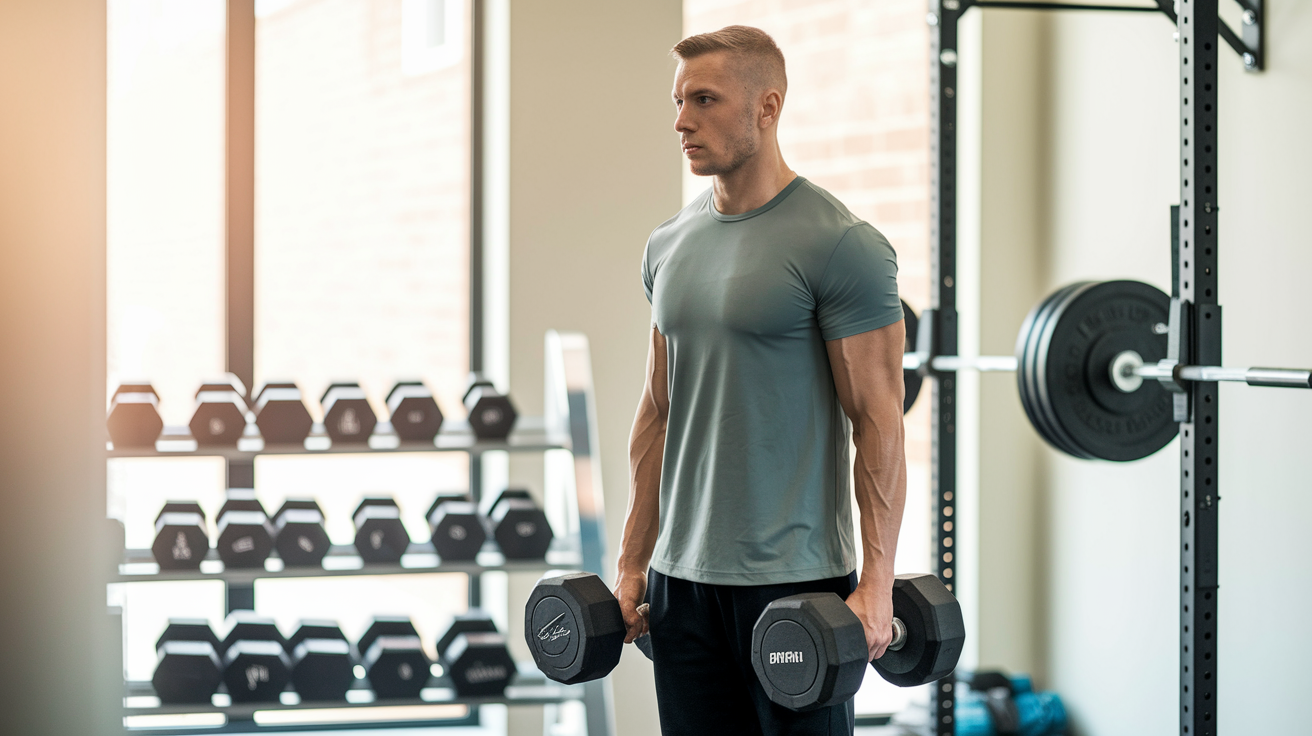
For most beginners, dumbbells win. They’re safer when you’re solo, don’t eat up much space, and they’ll expose strength imbalances before they become a problem. You can fail a set without getting pinned, which matters when there’s no spotter around. If you’re setting up at home on a budget, dumbbells get you training without the overhead of racks and bars.
But barbells let you lift heavier, period. Studies put the difference at 10–20% more load on the same movement, and you can add weight in tiny steps (2.5 lb per side) instead of big jumps. That smoother progression keeps you in the sweet spot for strength gains week after week. If you’ve got gym access with racks and safety gear, or your goal is straight up getting stronger, barbells belong at the center of your program.
Here’s how it breaks down by situation:
- Home gym, tight budget, no spotter: Adjustable dumbbells.
- Gym access, racks available, strength is the priority: Barbell compounds.
- Fixing imbalances or coming back from injury: Dumbbells for control and joint alignment.
- Building muscle and mobility: Dumbbells give you more range and stabilizer work.
- Interested in powerlifting or serious strength long term: Build around barbell squats, deadlifts, and presses.
The best long-term play? Use both. Start sessions with heavy barbell work for mechanical tension, finish with dumbbell accessories for activation, balance, and extra volume.
Comparing Barbell vs Dumbbell Learning Curve and Technique Demands
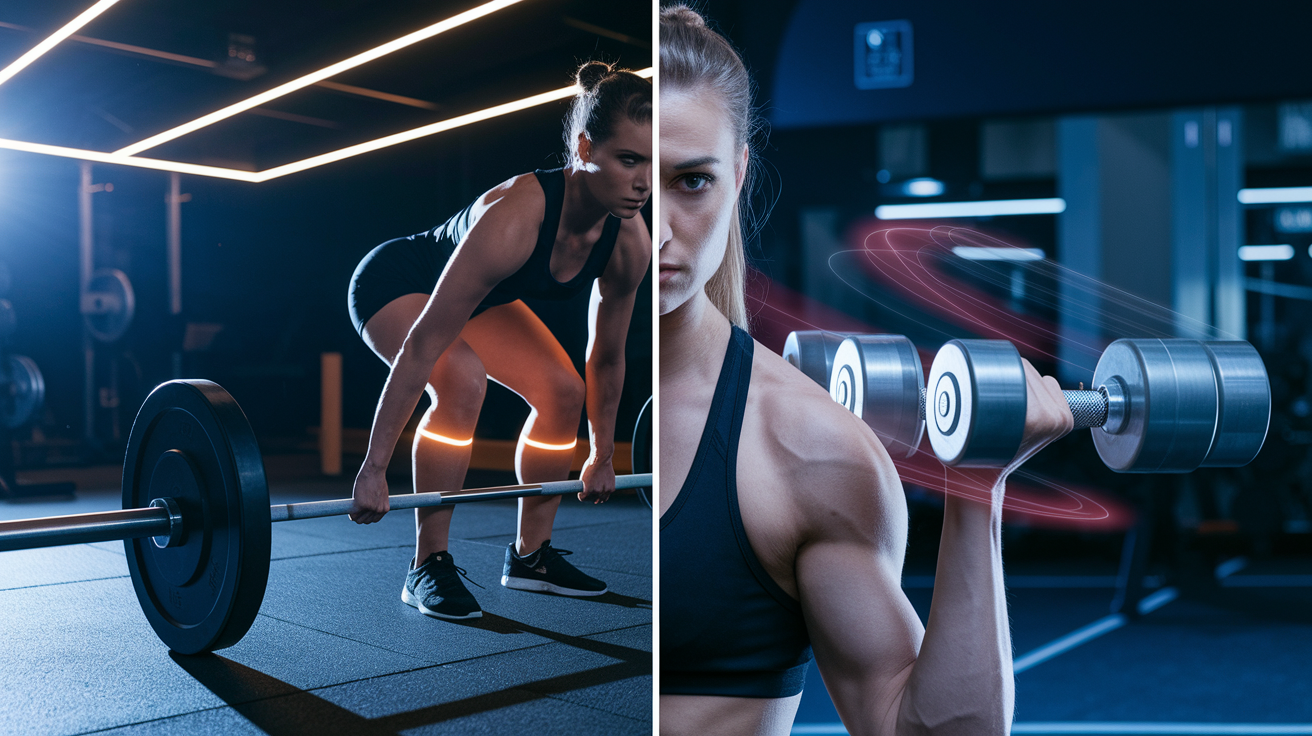
Barbells lock you into a fixed path, which sounds simple but can feel awkward at first. Your joints don’t always line up with a straight bar, and you need help getting into position for squats or bench. Once you’ve got the pattern down, it’s repeatable. But getting there means sorting out foot placement, elbow angles, and bar path while the weight sits on your back or chest.
Dumbbells let your arms move independently, which feels more natural but asks for more control. That freedom is great for your joints, terrible for beginners who haven’t built the stability yet. You’ll burn energy just getting heavy dumbbells into starting position, especially on presses. And it’s easy to let one side drift or compensate without realizing it.
Common technique hurdles:
- Barbell squats: keeping the bar path straight, managing knee drift, holding a neutral spine under load.
- Barbell bench press: controlling descent, keeping wrists stacked, failing safely when there’s no spotter.
- Dumbbell rows: stopping your torso from rotating, controlling the non-working side, avoiding momentum.
- Dumbbell presses: kicking weights up efficiently, tracking two independent paths, lowering under control when the set’s done.
Muscle Activation, ROM, and Stabilizer Demand in Barbell vs Dumbbell Programs
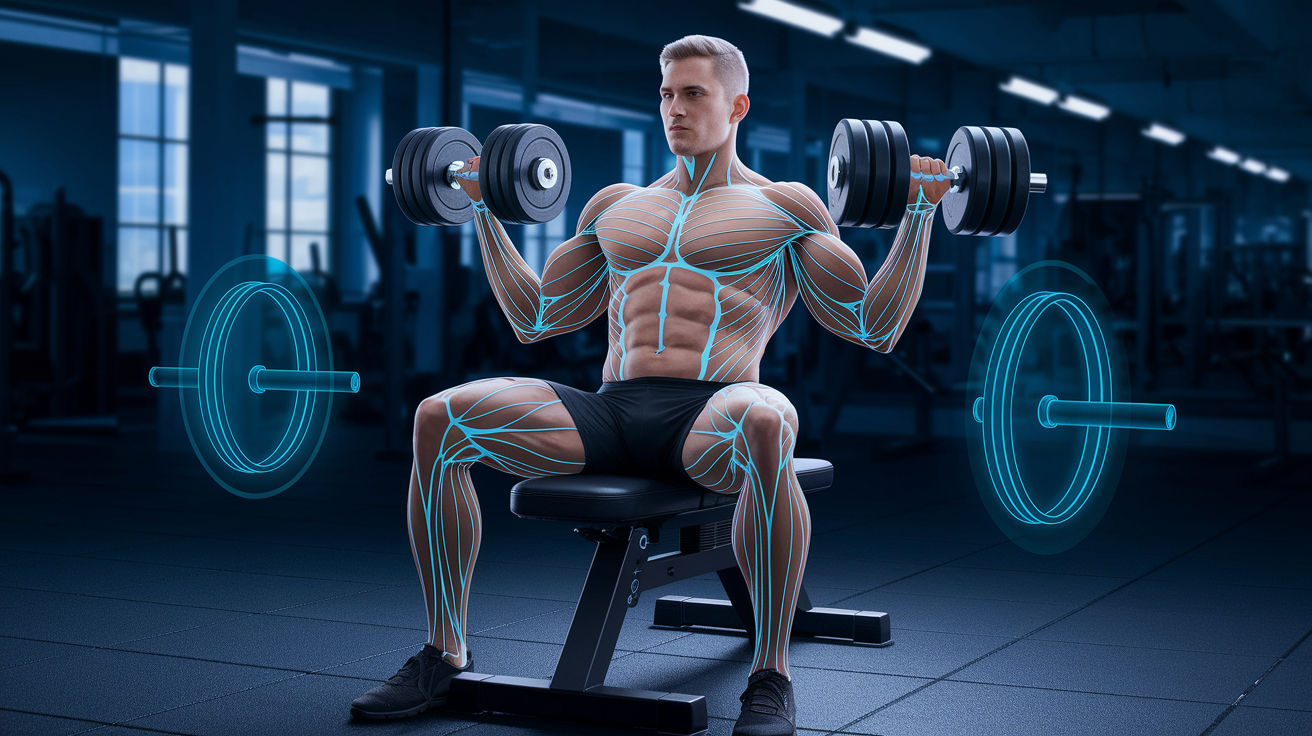
Dumbbells activate more muscle in key areas. A 2016 study in the Journal of Strength and Conditioning Research showed higher pec activation during dumbbell presses compared to barbell bench, and EMG data backs up greater chest and front delt recruitment across flat and incline variations. The mechanics explain part of it: dumbbells let you stretch deeper at the bottom and squeeze the weights together at the top, adding a few inches of range you don’t get with a fixed bar.
That extra range and the independent control per arm forces stabilizers and core to fire harder. Your shoulders, rotator cuffs, and smaller support muscles work constantly to keep two separate weights on track, which builds joint stability and surfaces weaknesses early. Barbells lock your hands in place and reduce stabilizer demand, letting you channel more energy into pressing or pulling the load. Less stabilization means heavier weight, but it also means your strong side can cover for your weak side without you noticing.
For beginners, dumbbell stabilizer demand builds better movement quality and catches imbalances before they’re ingrained. Barbell efficiency speeds up absolute strength gains and makes it easier to overload big muscle groups.
| Training Tool | Activation/ROM Notes |
|---|---|
| Barbell | Fixed bar path, bilateral load, less stabilizer work, efficient force transfer to major muscles, slightly limited ROM in presses and rows |
| Dumbbell | Independent arm paths, higher pec and delt activation (EMG confirmed), deeper ROM on presses, more core and stabilizer recruitment, natural joint alignment |
| Barbell (unilateral risk) | Stronger side can compensate, imbalances can grow undetected |
| Dumbbell (balance benefit) | Forces equal work per side, exposes and corrects imbalances early |
Strength Progression and Overload Potential: Barbell vs Dumbbell Outcomes

Barbells win when you want to lift the most weight and track steady gains over months. Research shows you can typically handle 10–20% more absolute load with a barbell compared to dumbbells in the same lift. A 2011 study in the Journal of Sports Science found subjects pressed nearly 20% more with a barbell bench than with dumbbells, and a 2013 paper showed a similar 10% advantage in standing shoulder presses. The efficiency comes from the bilateral setup and not burning energy stabilizing two independent weights before and during reps.
Heavier loading means greater mechanical tension, which drives muscle growth according to a 2010 meta-analysis of hypertrophy mechanisms. Just as important for beginners, barbells let you add weight in tiny steps. Standard Olympic plates include 2.5 lb discs, so you can bump total load by just 5 lb (2.5 per side) week to week. Dumbbells typically jump in 5 lb steps per hand, meaning a 10 lb total increase when you step up. If you’re benching 30 lb dumbbells for 8 reps and the next pair is 35 lb, you might only hit 4–5 reps, forcing you to grind at the same weight for weeks.
| Tool | Typical Load Jump | Total Increase Per Step | Progression Smoothness | Best Use Case |
|---|---|---|---|---|
| Barbell | 2.5 lb per side | +5 lb total | Very smooth, weekly micro-loading possible | Maximizing strength, long-term overload |
| Dumbbell | 5 lb per hand | +10 lb total | Larger jumps, harder to stay in target rep range | Higher-rep accessory work, unilateral balance, safer solo training |
| Barbell (heavy compound) | Can use fractional plates (1.25 lb) | +2.5 lb total | Ideal for novice linear progression | Squat, deadlift, bench press, overhead press |
| Dumbbell (accessory/hypertrophy) | Add reps or tempo instead | Progress via volume or time under tension | Good for muscle building when weight jumps are too large | Rows, lateral raises, curls, triceps extensions |
| Combined approach | Barbell for main lifts, dumbbell for accessories | Smooth barbell progression + high activation dumbbell volume | Best overall for beginners | Balanced strength and hypertrophy programs |
Safety Considerations: Solo Training, Injury Risk, and Fail-Safety in Barbell vs Dumbbell Work
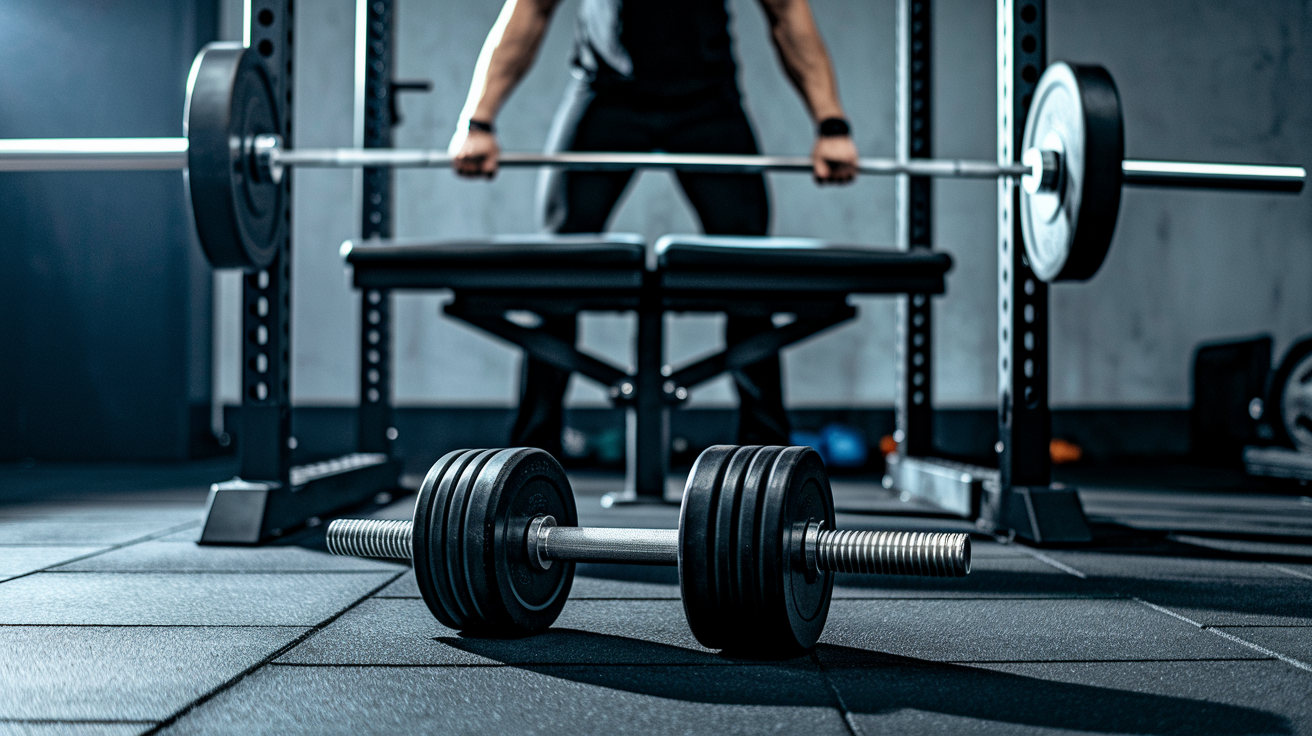
Barbells carry more risk when you’re alone, especially on bench. If you fail a rep without a spotter or safety pins, the bar can pin you across your chest or neck. Squats present the same problem: without a rack with safeties or a spotter, a failed rep leaves you stuck under a bar you can’t safely drop. The fixed bar path also locks your wrists, elbows, and shoulders into one plane, which can stress joints if the movement doesn’t match your natural alignment.
Dumbbells eliminate the pinning risk because you can drop them to the side or let them fall if a set goes wrong. That makes them safer for home training without a spotter. The tradeoff is controlling two independent weights takes more focus and coordination, and it’s easier to lose balance mid-rep or tweak something if one side drifts. Beginners also sometimes underestimate the energy it takes to kick heavy dumbbells into starting position, which leads to sloppy setup and wasted reps.
Key safety points:
- Always use a spotter or safety bars when doing heavy barbell bench or squats. If you don’t have either, keep a rep or two in reserve and don’t train to failure.
- Start light with both tools and prioritize form over load. Bad technique under a barbell can get dangerous fast. Bad technique with dumbbells usually just makes the set inefficient.
- When using dumbbells, practice controlled lowering. Dropping weights mid-set is safer than getting pinned, but slamming them down at the end of every set increases injury risk and equipment damage.
- Learn to fail safely with each tool. For barbells, know the roll-of-shame for bench and how to dump a squat. For dumbbells, practice letting go smoothly when you hit failure.
- If rehabbing an injury or dealing with joint discomfort, favor dumbbells. The natural movement path reduces stress on shoulders, elbows, and wrists compared to a locked bar.
Equipment Cost, Space Requirements, and Practical Setup Differences
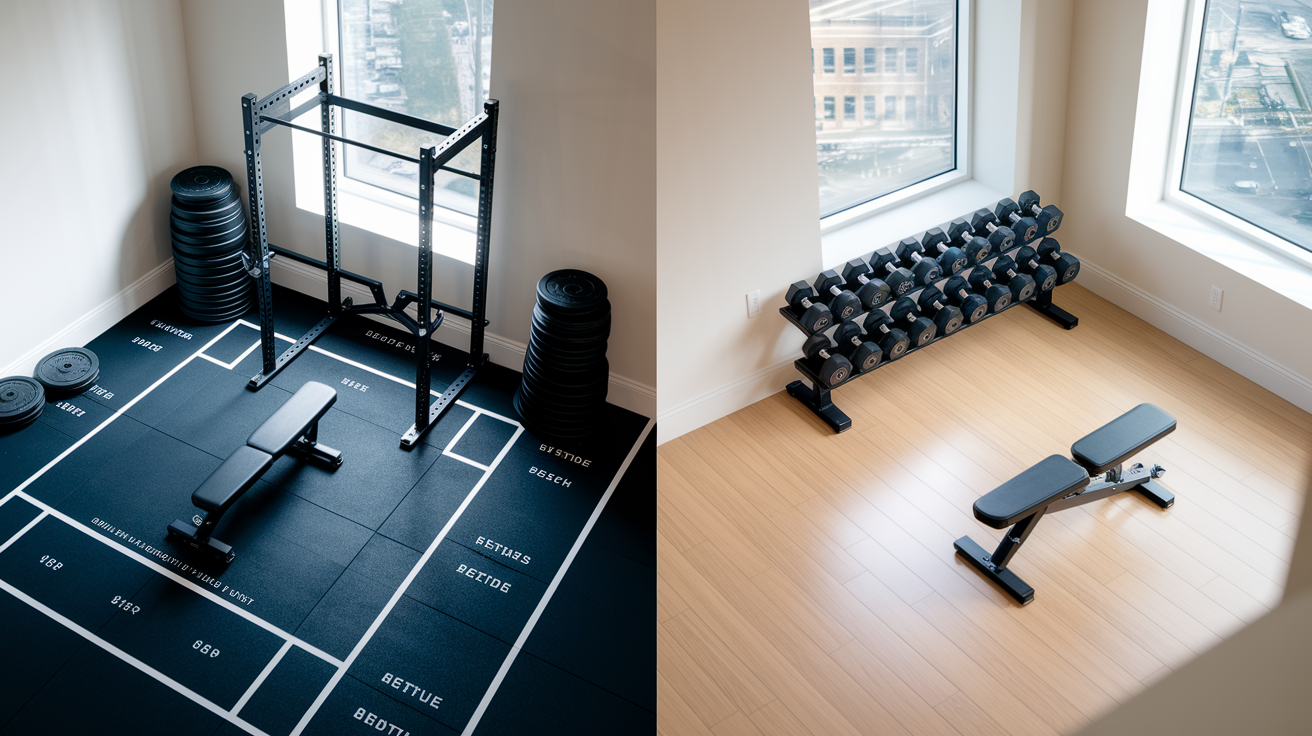
Barbells demand more than just the bar. A standard Olympic barbell runs 4–7 feet long, you’ll need weight plates (commonly 15 lb, 30 lb, and 45 lb to start), and ideally a power rack or squat stand with safety bars. That setup eats floor space, requires ceiling clearance for overhead work, and the upfront cost can easily hit several hundred dollars even for a basic home setup. If you’re renting an apartment or working in a garage with limited room, storing a full barbell rig and enough plates for progressive overload becomes a constraint.
Dumbbells, especially adjustable sets, pack versatility into a small footprint. A quality pair of adjustable dumbbells can replace an entire rack of fixed weights, and you can stash them in a closet or under a bed when you’re done. Budget-friendly fixed sets are widely available, and even mid-range adjustable options cost less than a barbell plus rack plus plates. For beginners training at home, dumbbells win on cost and space efficiency.
For a detailed breakdown of equipment considerations when setting up a home gym, check out Barbell vs Dumbbell: Best Option for a Home Gym.
| Tool | Typical Cost | Space Requirement | Additional Gear Needed |
|---|---|---|---|
| Barbell setup | $300–$800+ (bar, plates, rack) | ~8×8 ft floor space, 8+ ft ceiling for overhead press | Power rack or squat stand, bench, collars, safety bars |
| Adjustable dumbbells | $150–$400 for quality set | ~2×3 ft floor space | Optional bench for pressing |
| Fixed dumbbells (full set) | $200–$600 depending on range | Rack or shelf storage, ~3×4 ft | Bench recommended for variety |
| Combined setup (barbell + dumbbells) | $500–$1,200+ | 10×10 ft or dedicated garage/basement space | Full rack, bench, barbell, plates, adjustable or fixed dumbbells |
Exercise Variety and Training Possibilities with Barbell vs Dumbbell Programs
Barbells excel at the big compound movements that build foundational strength: back squats, conventional and sumo deadlifts, bench press, overhead press, and barbell rows. These lifts let you load heavy, train multiple muscle groups at once, and provide clear, trackable progress markers beginners can use to gauge whether their program is working. The barbell back squat alone hits quads, glutes, hamstrings, and core in one movement. The deadlift recruits nearly every muscle in your posterior chain.
Dumbbells open up a different set of possibilities, especially for unilateral and isolation work. Goblet squats teach squat mechanics with less intimidation and back stress than a barbell. Single-arm dumbbell rows let you work each side independently and expose imbalances early. Dumbbell lunges, split squats, and Bulgarian split squats build single-leg strength and balance in ways barbell variations can’t match. For upper body, dumbbell shoulder presses allow a more natural arc, dumbbell chest presses provide deeper stretch and higher activation, and movements like lateral raises, rear delt flies, and hammer curls fill gaps barbell programs often miss.
Neither tool covers everything. Barbell programs often neglect unilateral work and smaller stabilizers. Dumbbell-only programs struggle to deliver the heavy mechanical tension needed for maximal strength. A well-rounded beginner should have access to both, even if one takes priority based on goals and logistics.
Essential beginner exercises by tool:
- Barbell: back squat, deadlift (conventional or sumo), bench press, overhead press, barbell row, Romanian deadlift.
- Dumbbell: goblet squat, dumbbell bench press (flat and incline), single-arm dumbbell row, dumbbell shoulder press, dumbbell lunges or split squats, dumbbell Romanian deadlift, lateral raises, hammer curls, triceps extensions.
Beginner Program Structure: Barbell vs Dumbbell Examples
A solid beginner barbell program runs three times per week and centers on core compound lifts with simple linear progression. Each session focuses on one or two main movements, keeping total volume manageable while you learn technique and build work capacity. The classic template alternates between two workouts: one built around squat and bench, the other around deadlift and overhead press, with a simple progression rule. Add 5 lb to the bar each week if you completed all your sets with good form.
A beginner dumbbell program also works well on a three-times-per-week schedule, using full-body sessions that pair upper and lower movements in higher rep ranges to offset the fact that you can’t load as heavy. Goblet squats replace back squats, dumbbell presses replace barbell bench, and unilateral rows and lunges fill out each session. Progression comes from adding reps first, then moving up to the next dumbbell pair when you can hit the top of your target range for all sets.
For a research-backed comparison of barbell and dumbbell training including EMG findings and detailed program structures, see If you want to learn whether barbells or dumbbells are more effective.
| Session | Exercise | Sets × Reps |
|---|---|---|
| Barbell A (Mon/Fri) | Back Squat Bench Press Barbell Row |
3×5 3×5 3×8 |
| Barbell B (Wed) | Deadlift Overhead Press Optional: chin-ups or lat pulldown |
1×5 3×5 3×6–8 |
| Progression | Add 5 lb to squat/bench/row each week, 10 lb to deadlift every 1–2 weeks, 2.5–5 lb to overhead press. Deload if form breaks down. | |
| Session | Exercise | Sets × Reps |
|---|---|---|
| Dumbbell Full-Body (3×/week) | Goblet Squat Dumbbell Bench Press Single-Arm Dumbbell Row (each side) Dumbbell Shoulder Press Dumbbell Lunges (each leg) Optional: lateral raises, hammer curls |
3×8–12 3×8–12 3×8–12 3×8–12 3×8–12 per leg 2×10–15 |
| Progression | Add reps until you hit 12 on all sets, then move to the next dumbbell weight (typically +5 lb per hand). Focus on controlling tempo and full range of motion. | |
Decision Guide for Beginners: Profiles and Step-by-Step Framework Combined
Choosing between barbell and dumbbell programs comes down to matching the tool to your current situation, your primary goals, and the resources you actually have. Dumbbells are the go-to for anyone training at home without a rack, working with a tight budget, or prioritizing safety and balance work. They let you build muscle, improve coordination, and correct imbalances without the overhead of heavy equipment or the risk of getting pinned under a bar. Barbells are the better pick if you have gym access, a rack with safeties, or a clear goal of maximizing how much weight you can move. They’re essential if you’re interested in powerlifting, Olympic lifting, or any sport that demands heavy bilateral strength.
The reality for most beginners is the best long-term approach isn’t either/or, it’s both. Start with whichever tool fits your current setup and goals, then add the other as your training matures, your budget grows, or your space expands. Many successful lifters begin with a dumbbell-only program at home, learn movement patterns and build a base of strength and stability, and then transition to barbell compounds once they join a gym or invest in a rack. Others start with barbell training in a commercial gym and add dumbbell accessory work once they realize their weaker side is lagging or they need more shoulder health and mobility work.
Ideal beginner scenarios:
- Home gym, limited space, training solo: Dumbbells. Adjustable sets give you progression potential in a compact footprint, and you can fail safely without a spotter.
- Gym access with racks and spotters, strength-focused goals: Barbells. Use the big compounds (squat, bench, deadlift, overhead press) as your foundation and add dumbbell accessories for balance and volume.
- Correcting imbalances, rehabbing an injury, or new to lifting: Dumbbells. The independent arm work and natural movement paths reduce joint stress and expose weaknesses early.
- Budget under $300 and no long-term space commitment: Dumbbells. A quality adjustable set costs less than a barbell setup and travels easier if you move.
- Long-term interest in powerlifting, Olympic lifting, or maximal strength sports: Barbells. These disciplines require barbell proficiency, and the sooner you start learning bar path and technique, the faster you’ll progress.
- Looking for the most well-rounded beginner approach: Combine both. Barbell compounds for heavy mechanical tension, dumbbell work for muscle activation, unilateral strength, and injury prevention.
Step-by-step decision process:
- Assess your training location. If you’re at home without a rack, dumbbells are safer and more practical. If you have gym access or a garage setup with a rack and safeties, barbells become viable.
- Identify your primary goal. Maximizing strength and lifting the most weight possible favors barbells. Building muscle, improving balance, and staying injury-free works just as well (or better) with dumbbells.
- Check your budget and space. Barbells demand more of both. If either is tight, start with dumbbells and upgrade later.
- Consider whether you’ll train alone. Solo training is safer with dumbbells. Barbell work without a spotter requires excellent technique, conservative load selection, and ideally a rack with safeties.
- Plan your progression path. If you’re starting from zero and want a clear, repeatable template, barbell programs offer simpler tracking and micro-loading. If you’re dealing with imbalances or joint issues, dumbbell programs give you more control and a gentler learning curve.
For a step-by-step guide to reasoning through barbell versus dumbbell choices and understanding the trade-offs for your specific situation, read Barbells Vs. Dumbbells: Deciding The Most Effective Workout For You.
Final Words
For most beginners, dumbbell programs are the best starting option—especially at home. They’re safer solo, help fix imbalances, and need less space.
Barbells shine when you want to lift heavier and have a rack, plates, or coaching. We covered technique, activation, progression, safety, cost, and sample plans so you can choose with confidence.
If you’re still deciding, ask what matters now: convenience or max strength. barbell vs dumbbell based programs which is better for beginners often comes down to space, supervision, and goals. Start simple and keep showing up—you’ll get there.
FAQ
Q: Which is better for beginners, dumbbells or barbells? Should beginners start with dumbbells?
A: The better choice for beginners between dumbbells and barbells is usually dumbbells for home training, safety, and correcting imbalances. Use barbells if you want max heavy strength and have a rack or coach.
Q: Are dumbbell workouts as effective as barbell workouts?
A: Dumbbell workouts are as effective as barbell workouts for muscle growth and balance, but barbells allow heavier loads and smoother progression, so they may build raw strength faster.
Q: Should I do barbell or dumbbell first?
A: You should do barbell or dumbbell first depending on your goal and energy. Prioritize heavy barbell compounds early if chasing strength; pick dumbbells first if training alone, fixing imbalances, or learning movement.

