
Think you need a whole room of gear to get a good workout?
You don’t.
The right compact gym system can give you strength, cardio, and mobility without taking over your apartment.
I break down four real space-savers, like a Marcy machine station, a foldable NordicTrack treadmill, Bowflex adjustable dumbbells, and a TRX strap, and show how each fits in corners, closets, or under a bed.
You’ll get who each is best for, the real trade-offs, and one easy step to start building a small, powerful home gym this week.
Top Space-Saving Home Gym Equipment (Quick Picks)
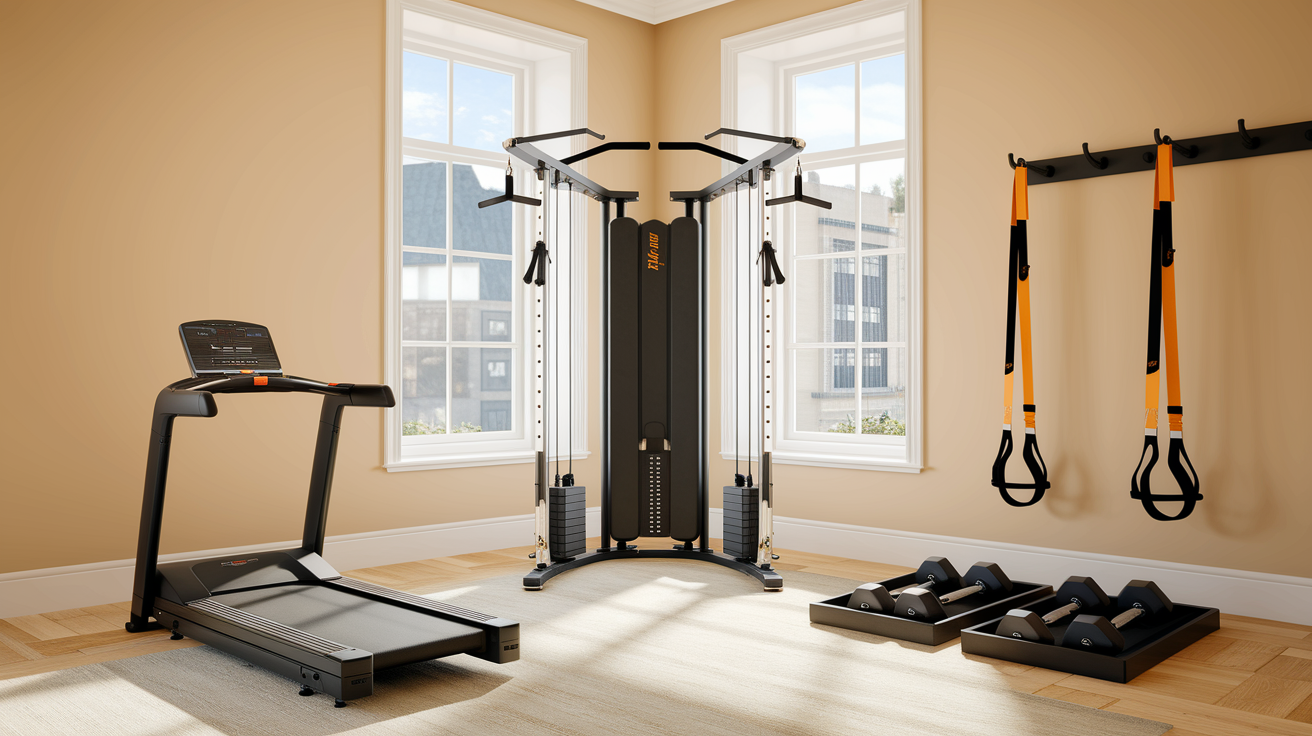
If you need an answer now, here are four compact home gym systems that actually fit in small spaces without taking over your apartment or multipurpose room.
Marcy Multifunctional Home Gym Station
Dimensions: 70 × 43 × 82 inches
Price range: $400–$600 USD
Weight capacity: 300 lbs
Best for apartment lifters who want traditional machine movements (lat pulldowns, pec deck, leg extensions) without wall installation or a permanent footprint.
NordicTrack T Series 10 Foldable Treadmill
Dimensions: 70 × 35 × 57 inches (folds upright to reclaim floor space)
Price range: $600–$800 USD
Weight capacity: 300 lbs
Best for walkers and joggers who need cardio in a corner or multipurpose room, incline range 0%–12%.
Bowflex SelectTech Adjustable Dumbbells (552 model)
Dimensions: 15.8 × 8.3 × 9 inches per dumbbell (stored in trays)
Price range: $300–$400 USD
Weight capacity: Adjustable from 5 to 52.5 lbs per dumbbell
Best for beginners and intermediate lifters who want clean strength training without a rack of fixed-weight pairs cluttering the room.
TRX Home2 System
Dimensions: Packable into a small bag, anchors to any door
Price range: $150–$200 USD
Weight capacity: Bodyweight-dependent, door anchor rated for 300+ lbs
Best for travelers, renters, or anyone who needs portable upper-body and core training without installing hooks or buying plates.
These four systems cover the core needs of most small-space lifters, whether you lean toward machine training, cardio, free weights, or bodyweight resistance. Each fits in a standard multipurpose room or corner and can be moved, folded, or stashed when not in use.
In-Depth Reviews of the Best Compact Home Gyms
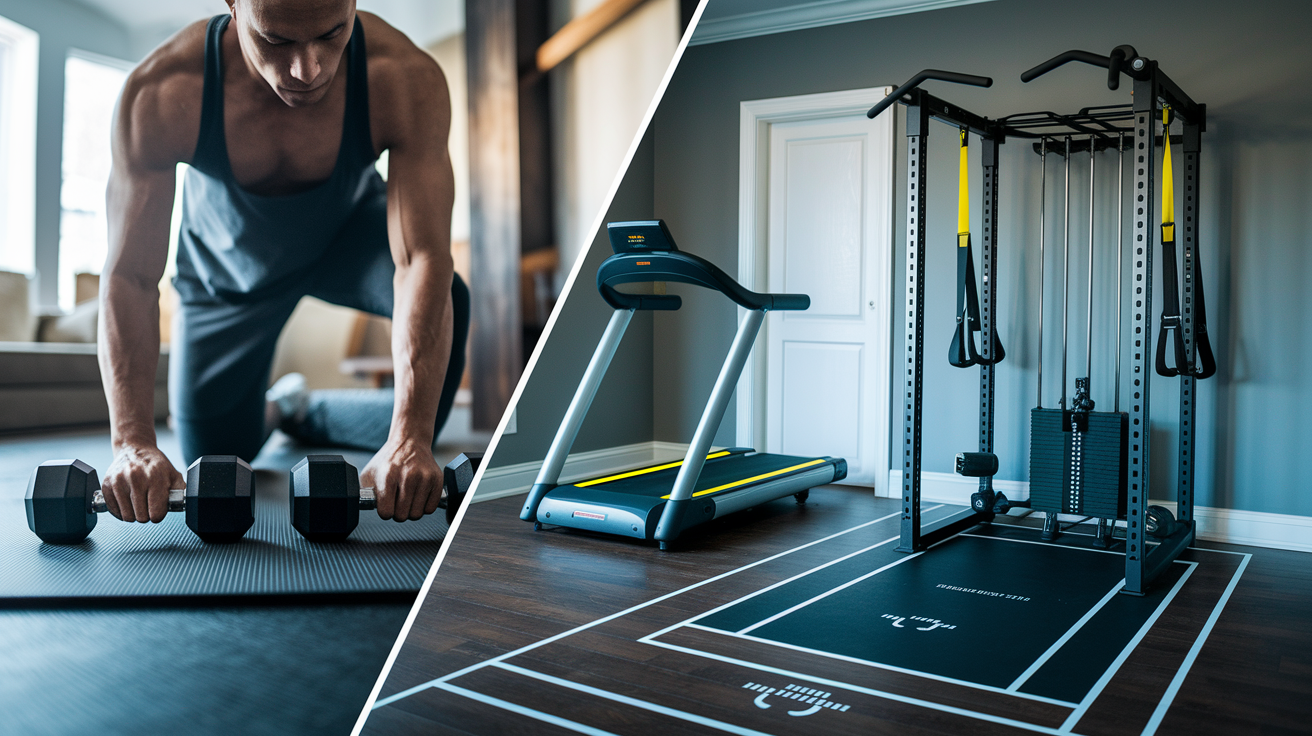
When evaluating compact home gym systems, the key performance factors are resistance type (plates, bands, bodyweight, or electromagnetic), physical footprint, build quality, adjustability (weight increments, seat positions, attachment variety), and consistency in real-world use. Here’s how four standout options perform when you actually live with them.
Marcy Multifunctional Home Gym Station is the closest thing to a traditional gym machine that still qualifies as compact. At 70 × 43 × 82 inches, it’s bulkier than a foldable treadmill but smaller than a full Smith machine setup, and it doesn’t require wall mounting or permanent installation. The machine uses a plate-loaded stack (you supply your own Olympic plates), so resistance feels direct and translatable. When you load six plates at 15 pounds each, you know you’re pressing 90 pounds. Not “twelve power rods” or some ambiguous setting. The station supports bench press, pec deck, lat pulldown, seated curl, cable extensions, and basic leg extension and curl movements. Real-world feedback from nearly 2,000 reviews (averaging 4.6 stars) notes that assembly is time consuming and the machine is heavy once built. But once it’s set up, it’s stable and reliable for progressive-overload training.
The Marcy is ideal for small-space lifters who want machine-style movements without the visual bulk or permanent footprint of a full multi-station gym. If you’ve ever walked into a gym and blanked on what to do with a power rack, this gives you the guided paths of machines in a format that fits a spare bedroom or garage corner. One downside: leg exercises are functional but limited. Quad extensions and hamstring curls work, but you won’t replicate heavy barbell squats or Romanian deadlifts on this machine alone.
Pros: Plate-loaded resistance is clear and familiar, supports traditional gym movements (bench, lat pull, pec deck, cable work), no wall installation required, stable once assembled, fits in a standard spare room.
Cons: Assembly takes several hours and requires two people, heavy and difficult to move once built, leg exercises are basic and limited, no built-in plate storage (you’ll need a separate tree or rack).
Best for: Intermediate lifters in apartments or small homes who want machine-guided strength training and have room for a semi-permanent setup.
NordicTrack T Series 10 Foldable Treadmill is the most practical cardio pick for small spaces. It folds vertically to reclaim floor space, and the cushioned deck (0% to 12% incline) is gentle enough for daily walks but capable of supporting light jogging. The iFIT integration adds trainer-led classes and global workouts filmed in 50+ countries, and the SmartAdjust feature auto-tunes speed and incline based on your heart rate and performance data. The 10-inch HD touchscreen is responsive, and the machine runs quietly on magnetic resistance. Real users note that the fold mechanism is smooth and that the treadmill can be stored upright against a wall without taking up much room. But streaming classes require a stable Wi-Fi connection. Place your router nearby or expect buffering during workouts.
One thing to watch: you need at least 2 feet of clearance on each side and 6 feet behind the deck for safe entry and exit. If your room is tight, measure first. The T Series 10 is best for walkers, light joggers, and anyone who wants low-impact cardio without dedicating an entire room to a treadmill. If you’re training for a half marathon or want steep inclines for cross training, step up to the Commercial 2450 (incline/decline range –3% to 12%) or the X16 (incline range –6% to 40%). But those models cost more and take up more floor space.
Pros: Folds vertically to save floor space, cushioned deck is joint-friendly, iFIT integration with trainer-led classes and auto-adjust features, quiet magnetic resistance, HD touchscreen is clear and responsive.
Cons: Requires stable Wi-Fi for streaming classes, assembly takes one to two hours, not ideal for heavy runners (weight capacity 300 lbs), needs clearance space when unfolded, iFIT subscription adds recurring cost.
Best for: Apartment dwellers and small-home owners who walk or jog regularly and want cardio equipment that disappears when not in use.
Bowflex SelectTech Adjustable Dumbbells (552 model) replace a full rack of fixed-weight pairs in a footprint smaller than a yoga mat. Each dumbbell adjusts from 5 to 52.5 pounds in 2.5-pound increments, using a simple dial mechanism that locks the selected weight plates into place. The trays keep the dumbbells organized and off the floor, and the adjustment process is smooth and secure. No rattling plates mid-set. Users with almost 10,000 reviews (4.8-star average) report that the SelectTech system makes progressive overload easy: when you hit the top of your rep range, dial up 2.5 pounds and keep moving forward. The compact trays can slide under a bench or into a closet when you’re done.
One limitation: the dumbbells are bulkier than traditional hex dumbbells, so certain movements (like close-grip chest presses or overhead tricep extensions) feel slightly awkward at first. The adjustment mechanism is durable, but you’ll want to handle the weights carefully. Dropping them can damage the internal selector. These are best for controlled strength training in a home setting. Not for CrossFit-style high-rep throwing or Olympic lifts. If you’re new to lifting or returning after a break, the SelectTech 552s give you everything from light rehab work (5 pounds) to solid hypertrophy training (52.5 pounds) without cluttering your space with a dozen pairs of dumbbells.
Pros: Replaces 15 pairs of fixed-weight dumbbells, smooth dial adjustment with secure plate locking, compact storage trays, wide weight range (5–52.5 lbs) supports beginner to intermediate training, thousands of positive user reviews.
Cons: Bulkier profile than traditional hex dumbbells, not designed for high-impact or dropping movements, adjustment mechanism can fail if dumbbells are dropped or mishandled, higher upfront cost than buying a few fixed pairs.
Best for: Home lifters who want clean, space-efficient strength training and plan to progress gradually without buying new weights every few months.
TRX Home2 System is the most packable option on this list. The suspension-strap system anchors to any door (or ceiling mount if you have the clearance and hardware), and the entire setup packs into a small bag that fits in a closet or under a bed. The Home2 model uses reinforced webbing and secure buckles, and it supports almost any upper-body and core exercise you can think of: rows, chest presses, tricep extensions, bicep curls, planks, pikes, and more. Because resistance scales with your body angle, beginners can make exercises easier by standing more upright, and advanced users can increase intensity by shifting their feet farther from the anchor point. Real users note that the straps feel sturdy and that the door anchor holds securely even during heavy rows. But leg exercises are limited. You can do lunges and single-leg squats, but there’s no way to add heavy external resistance for squats or deadlifts.
The TRX is ideal for travelers, renters who can’t install wall hooks, or anyone who wants portable strength training that doesn’t require weights or machines. The optional app costs extra (a common complaint in reviews), but you can find free TRX workout videos online if you don’t want the subscription. One thing to know: if you’re sore all the time, bodyweight-only training might not give you enough stimulus for long-term strength gains, especially in your legs. Pair the TRX with a set of adjustable dumbbells or a foldable bench for a more complete setup.
Pros: Highly portable and packable, door-anchor setup requires no permanent installation, scalable resistance for all fitness levels, extensive upper-body and core exercise library, low upfront cost.
Cons: Limited leg-exercise options without external weights, optional app subscription adds cost, requires a sturdy door or ceiling mount, bodyweight-only resistance may plateau for advanced lifters.
Best for: Renters, travelers, or small-apartment dwellers who want upper-body and core training without buying weights or permanent equipment.
Comparison of Leading Compact Home Gym Options
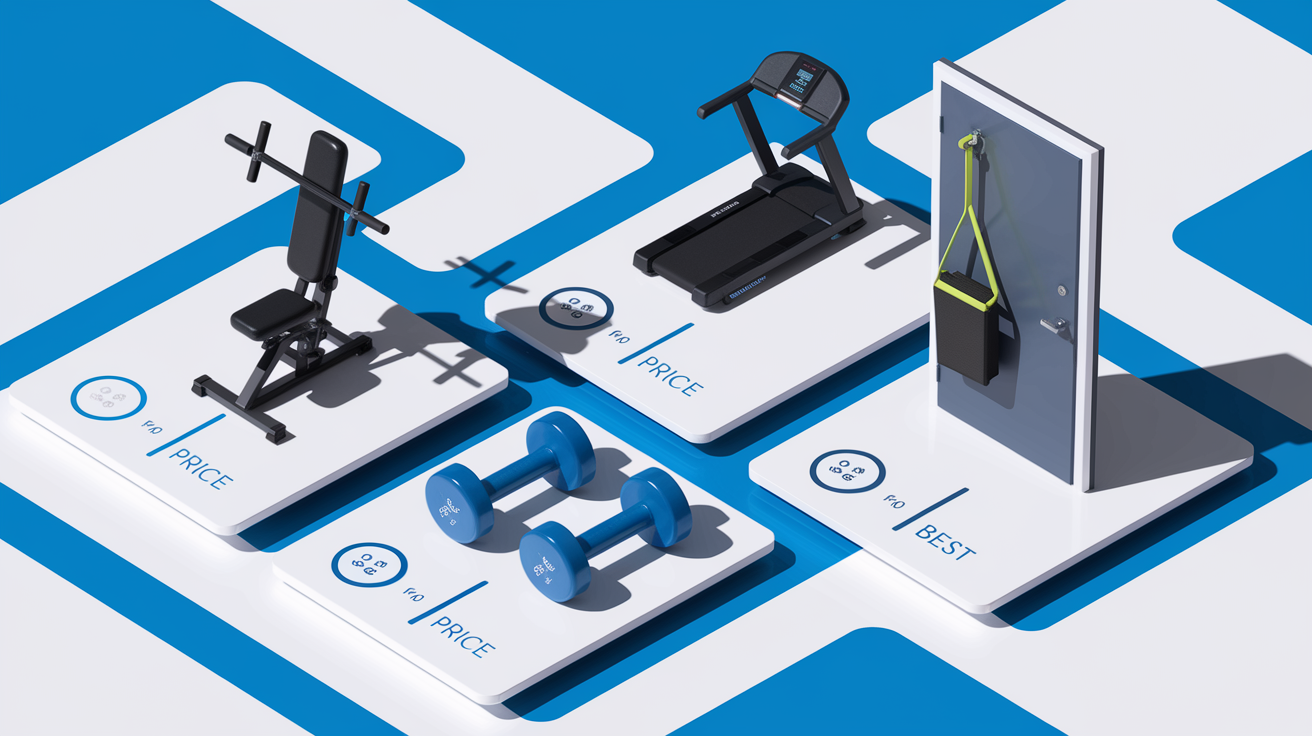
| Product | Footprint Size | Resistance Type | Price Range | Best For |
|---|---|---|---|---|
| Marcy Multifunctional Home Gym Station | 70 × 43 × 82 inches | Plate-loaded stack | $400–$600 USD | Traditional machine movements in small spaces |
| NordicTrack T Series 10 Foldable Treadmill | 70 × 35 × 57 inches (folds upright) | Magnetic motor | $600–$800 USD | Walkers and joggers needing foldable cardio |
| Bowflex SelectTech Adjustable Dumbbells | 15.8 × 8.3 × 9 inches per dumbbell | Free weights (dial-adjust) | $300–$400 USD | Clean strength training without a full dumbbell rack |
| TRX Home2 System | Packable (door-anchor) | Bodyweight suspension | $150–$200 USD | Portable upper-body and core training |
If you’re choosing based on space constraints, pick the foldable treadmill or TRX system. Both disappear when you’re done. If you want traditional gym movements and have a corner or spare room, the Marcy station gives you the most exercise variety. If you’re building a simple strength program around free weights, the SelectTech dumbbells replace an entire rack without cluttering your floor. Match the footprint and resistance type to your training style and available square footage, and you’ll have a setup you can use consistently without tripping over equipment between workouts.
Pros and Cons of Compact Home Gyms
Compact home gyms solve the space problem. But they come with trade-offs. Here’s what you gain and what you give up.
Pros:
Fits in multipurpose rooms, corners, or spaces smaller than a walk-in closet. No need for a dedicated home gym room.
Foldable or portable designs (treadmills, TRX straps, adjustable dumbbells) reclaim floor space when workouts are done.
Lower cost than full multi-station gym systems or commercial-grade machines.
Movable without permanent wall installation, ideal for renters or anyone who might relocate.
Supports progressive overload and consistent training, which are the two factors that drive results over time.
Cons:
Reduced max resistance or weight capacity compared to full gym equipment. Heavy barbell squats and deadlifts are harder to replicate.
Limited attachment variety and exercise options, especially for legs and posterior chain movements.
Some systems require ongoing subscriptions for digital classes or app features (iFIT, Tonal, MIRROR).
Assembly can be time consuming and may require two people, especially for machine-based systems.
Compact doesn’t always mean lightweight. Once assembled, machines like the Marcy station are difficult to move.
Balance these factors by asking what you need most. If you’re training for general strength and health, compact systems deliver enough resistance and variety to keep you progressing. If you’re chasing powerlifting PRs or heavy compound lifts, you’ll eventually need a barbell, rack, and plates. But for most people training at home, a well-chosen compact system and a simple weekly plan will get the job done without taking over the living room.
Buyer’s Guide: How to Choose a Compact Home Gym
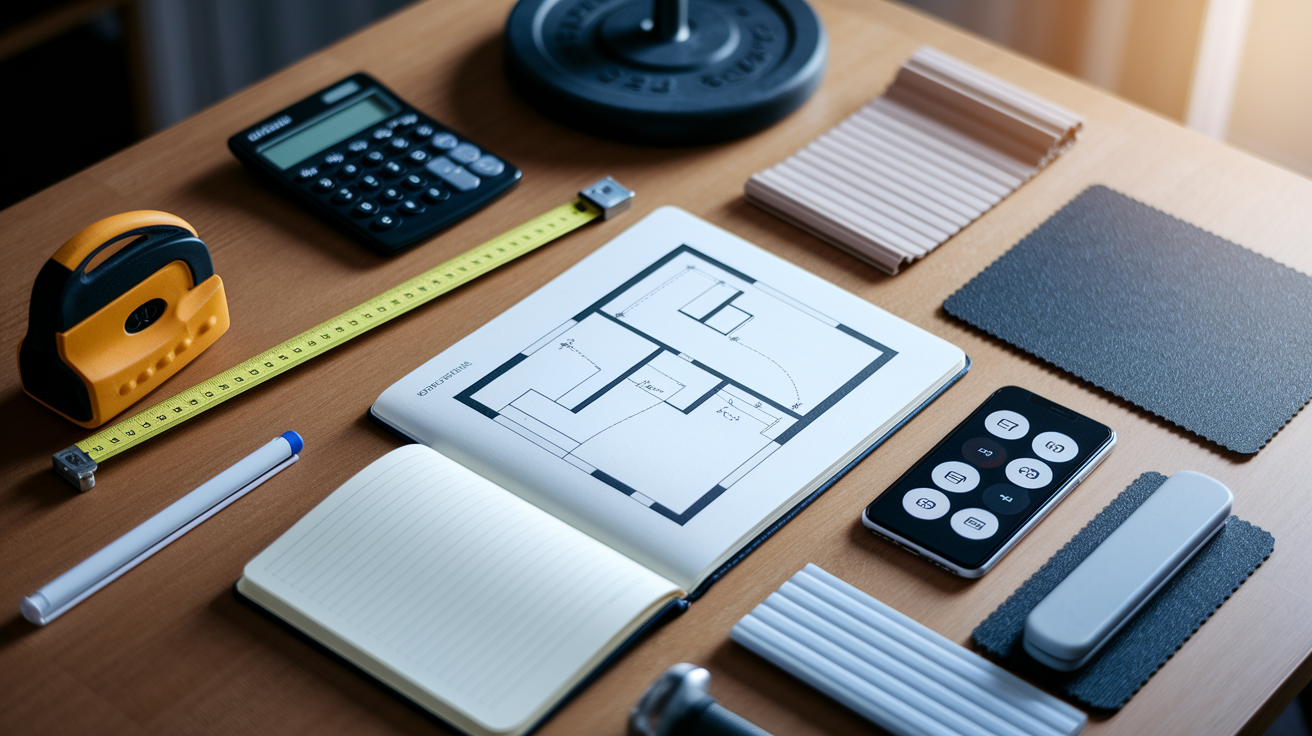
Choosing the right compact home gym starts with understanding what you actually need. Not what looks cool in a product photo. Here’s how to match equipment to your space, goals, and budget.
Start by measuring your available space. Length, width, and ceiling height. Write it down. Then subtract the clearance you’ll need for safe movement. For treadmills, leave at least 2 feet on each side and 6 feet behind the deck. For resistance systems, make sure you can extend your arms fully overhead and to the sides without hitting walls or furniture. If your ceiling is lower than 8 feet, wall-mounted systems like Tonal or overhead cable attachments may not work.
Seven key buying factors:
Budget range. Compact systems span from $150 (TRX straps) to $4,000+ (Tonal or Tempo Move with accessories). Decide your max spend before you start comparing features, and remember that tech-driven systems often add $30–$50/month in subscription fees.
Resistance type. Plate-loaded systems (Marcy) feel most like traditional gym equipment and let you track exact weight. Electromagnetic systems (Tonal) are smooth and space-efficient but expensive. Bodyweight suspension (TRX) is portable and cheap but limited for leg training. Free weights (SelectTech dumbbells) are versatile and subscription-free.
Noise level. Magnetic resistance (treadmills, bikes, rowers) runs quieter than fan-based or friction systems. If you live in an apartment or work out early in the morning, prioritize quiet equipment.
Mobility and storage. Foldable equipment (treadmills, benches) reclaims space between workouts. Portable systems (TRX, resistance bands) pack into closets or bags. Heavy machines (Marcy, Bowflex) are semi-permanent once assembled.
Ceiling height and vertical clearance. Overhead presses, pull-ups, and cable movements require at least 8 feet of clearance. Measure before buying wall-mounted systems or tall machines.
Maximum user weight. Most compact systems support 250–300 lbs. If you’re over that range or plan to use the equipment with multiple users, confirm the weight capacity before purchasing.
Exercise variety. Identify your must-have movements (bench press, squats, rows, cardio). Make sure the system can deliver them or that you can supplement with a small accessory (resistance bands, a pull-up bar, or a foldable bench).
Match your equipment to your fitness goals by working backward from your weekly plan. If your program calls for heavy squats, deadlifts, and bench presses, you’ll need a barbell-compatible system (or at least heavy adjustable dumbbells and a bench). If you’re focused on cardio, mobility, and bodyweight strength, a foldable treadmill and a TRX system will cover most of your bases. If you want machine-guided movements with progressive overload, a plate-loaded or cable-based system like the Marcy station is the most practical option.
Common mistakes to avoid: buying equipment that’s too bulky for your actual space, ignoring subscription costs when calculating total ownership price, choosing a system that doesn’t support your primary lift or cardio preference, and skipping the clearance measurements before assembly. If you’ve ever set up a treadmill only to realize you can’t open the door anymore, you know why measuring twice matters.
Setup and Space-Saving Tips for Small Home Gyms
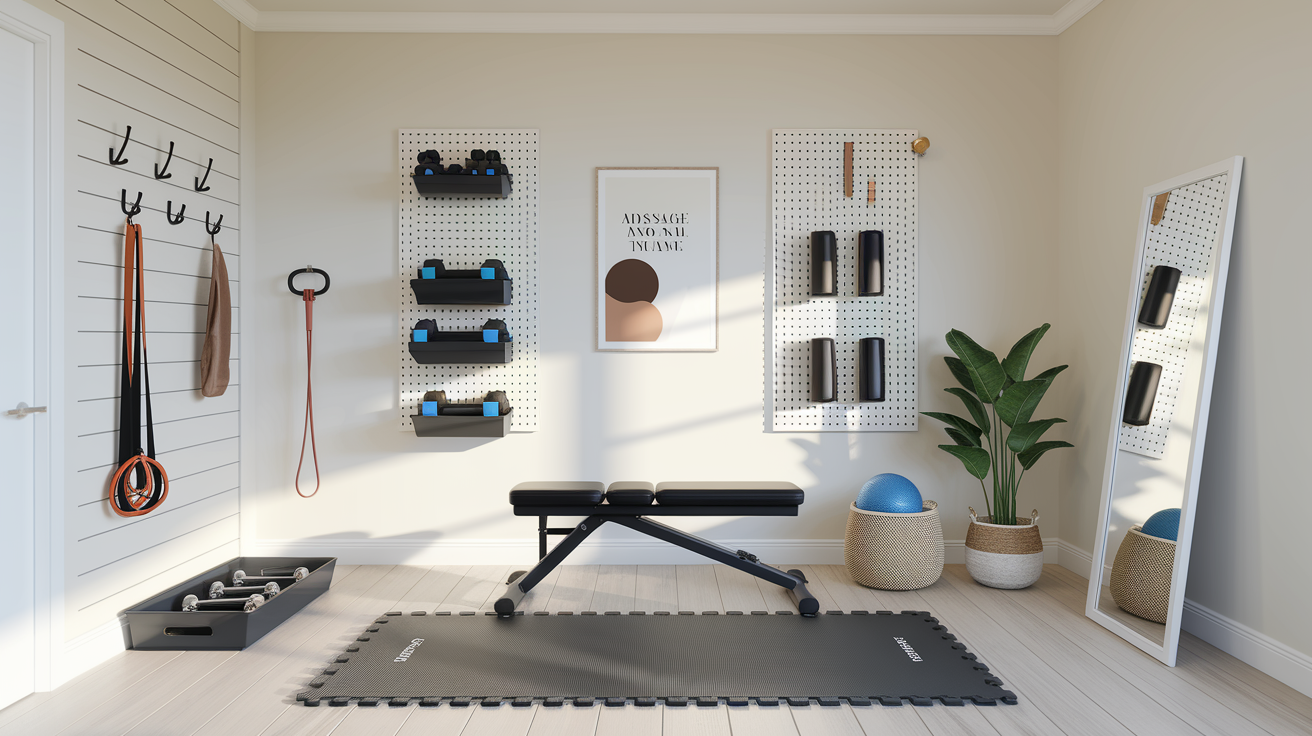
An efficient layout makes the difference between a workout space you use every week and a pile of equipment that turns into a coat rack. Even in a tight room, smart setup and storage let you train consistently without tripping over dumbbells or folding the bench after every set.
Start by defining a mat zone. A 6-by-6-foot area with a durable workout mat where you handle all floor exercises, stretching, foam rolling, and cooldowns. That mat becomes your anchor point. Position larger equipment (treadmill, machine station, rower) around the perimeter, leaving at least 2 feet of clearance on the sides and behind for safe entry and exit. If your treadmill folds, store it vertically against a wall when not in use. If your bike or rower folds, lean it in a corner or slide it into a closet. Use vertical storage for everything you can. Wall hooks for resistance bands and jump ropes, narrow shelves for foam rollers and massage balls, and pegboard or hanging racks for accessories.
Six practical setup tips:
Store foldable benches and steps upright or stacked when not in use. Test the fold mechanism before buying to make sure it’s smooth and secure.
Use narrow storage bins or baskets for small accessories (bands, gloves, straps) so they don’t scatter across the floor.
Mount a full-length mirror on one wall for form checks during lifts and bodyweight movements. It doubles as a visual spacer that makes the room feel larger.
Place a small speaker or tablet stand within reach of your mat zone so you don’t have to cross the room mid-workout to skip a song or check your next set.
Keep recovery tools (foam roller, massage ball, compact massage gun) in a single bin next to your mat so you can knock out 5 minutes of rolling right after your last set.
If you’re using adjustable dumbbells, keep the storage trays in a fixed spot. Dial adjustments only work smoothly when the weights return to the tray in the correct position.
Maintaining an uncluttered workout area is simple: put equipment back in its spot after every session, and don’t let the space become a drop zone for laundry or bags. If your home gym lives in a multipurpose room, add a small design touch. A motivational print, a plant, a clean paint color. Something to make the area feel intentional rather than like a storage closet. When the space looks ready, you’re more likely to show up and train.
Final Words
You got a fast shortlist of space‑saving picks, then deeper reviews that covered dimensions, resistance type, durability, and real user feedback.
We put those options into a comparison table, ran pros and cons, and gave a clear buyer’s guide with seven practical factors plus setup and storage tips.
Measure your space, match the footprint and resistance style to your goals, and avoid common buying mistakes.
Find the best compact home gym for your room and routine, and enjoy consistent progress with gear that actually fits your life.
FAQ
Q: What is the best compact at home exercise equipment?
A: The best compact at-home exercise equipment is adjustable dumbbells, resistance bands, a foldable bench, and a compact cable machine — they give full-body strength and mobility while taking little floor space.
Q: What is the 3-3-3 rule for gym?
A: The 3-3-3 rule for gym means performing three sets of three reps (3×3), focusing on heavy compound lifts with full recovery between sets to build maximal strength.
Q: What is the best exercise machine for spinal stenosis and what gym equipment is best for osteoarthritis?
A: The best exercise machines for spinal stenosis and osteoarthritis are low-impact options—recumbent bikes, ellipticals, and cable machines—because they reduce joint and spine load while letting you control resistance and range of motion.

