
Who needs a full rack when a single compact machine can replace a whole gym?
If you’ve only got a corner of a living room, a spare bedroom, or a garage shelf, compact home gym machines give full-body training without stealing your space.
They fold, mount, or tuck away and can handle everything from squats to lat pulldowns depending on the model.
This guide compares the top multi-function compact machines by footprint, resistance type, and price so you can pick the one that fits your space, strength goals, and budget.
Top Compact Machines Compared for Fast Purchase Decisions
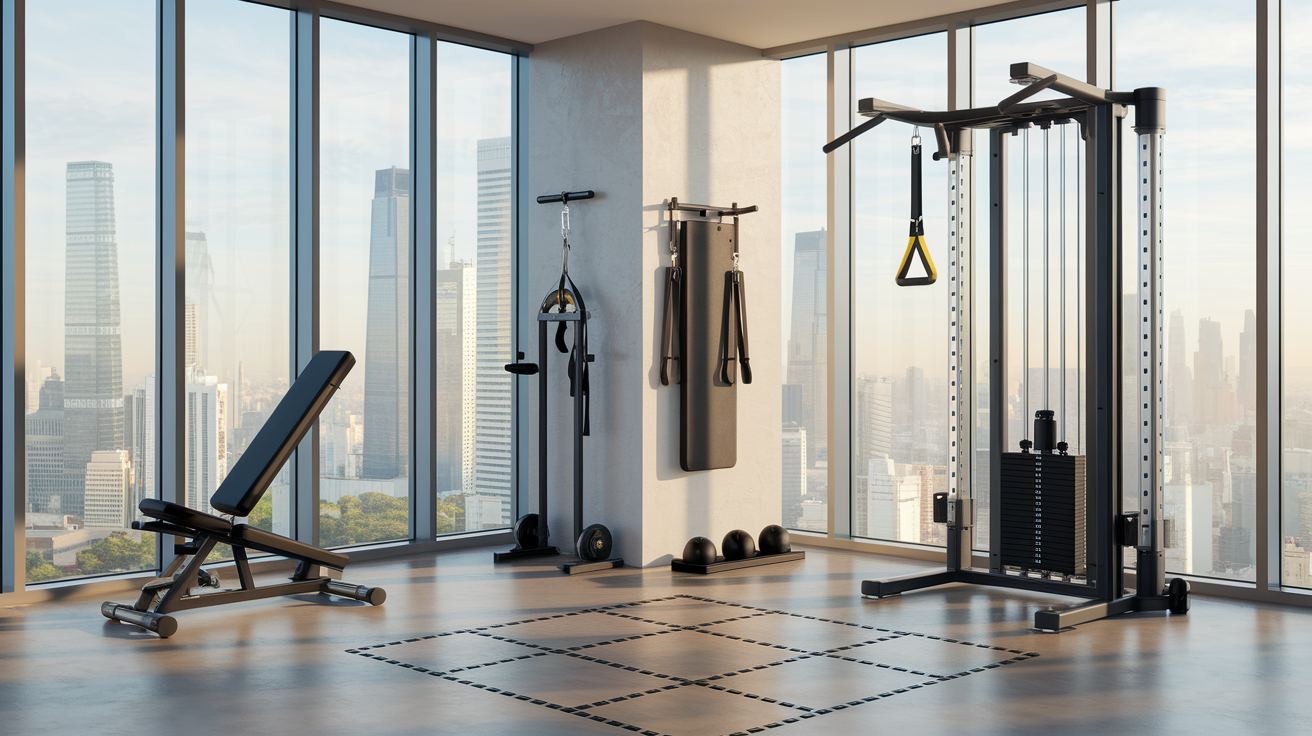
If you’re shopping for a compact home gym machine, you’re probably working with a living room corner, a spare bedroom, or a spot in your garage where a full power rack won’t fit. Good news: you don’t need a dedicated gym space to build muscle, improve cardio, or train for functional strength. Compact home gym machines pack multiple exercise options into a single footprint, often between 4 and 8 square feet. Many fold, collapse, or mount to walls when you’re done. Think of these as the Swiss Army knife of home fitness. One machine replaces 10 to 70 individual pieces of equipment.
When comparing the best compact home gym options, look at three numbers first: dimensions (length x width x height), resistance capacity (how much weight or tension the system can handle), and price. A $200 resistance band system won’t feel the same as a $2,000 cable trainer. But both can deliver full body workouts if matched to your goals. Below, you’ll find the top picks broken down by footprint, resistance type, and what they do best.
Top 5 Compact Home Gym Machines at a Glance:
Bowflex Xtreme 2 SE gets you 53″ L x 49″ W x 83.25″ H for $1,499. Resistance rod system up to 210 lb (upgradeable to 310 lb). Best for full body strength training with 70+ exercises and no monthly subscription.
Force USA G3 All in One Trainer measures 78″ W x 60.5″ D x 87″ H at $1,999. Dual 220 lb weight stacks with 2:1 cable ratio. Best for cable focused workouts and lat/pulldown movements in a smaller footprint than traditional home gyms.
PRx Profile ONE Squat Rack is wall mounted, folds to less than 5″ depth, under $1,000, and supports up to 1,000 lb. Best for serious barbell lifts in tight spaces. Requires drilling into wall studs.
BodyBoss Home Gym 2.0 is a portable board system with reinforced loops and heavy resistance bands, under $100. Best budget option for squats, presses, and rows when paired with bodyweight and cardio work.
TRX Home2 System offers door anchored suspension straps, highly portable, under $200. Best for bodyweight focused upper body and core training with minimal storage footprint.
| Model | Dimensions | Price | Best For | Resistance Type |
|---|---|---|---|---|
| Bowflex Xtreme 2 SE | 53″ L x 49″ W x 83.25″ H | $1,499 | Full body strength, 70+ exercises | Power Rods, 210–310 lb |
| Force USA G3 | 78″ W x 60.5″ D x 87″ H | $1,999 | Cable & lat pulldowns | Dual 220 lb weight stacks |
| PRx Profile ONE | Folds to <5" from wall | Under $1,000 | Barbell squats/presses in small spaces | Free weights, 1,000 lb capacity |
| BodyBoss 2.0 | Portable board + bands | Under $100 | Budget resistance training | Heavy resistance bands |
| TRX Home2 | Straps, door mounted | Under $200 | Bodyweight upper body & core | Bodyweight suspension |
These five machines cover the spectrum from budget friendly portability to serious strength capacity. If your priority is progressive overload with real weight, the PRx or Force USA models deliver. If you need something that disappears into a closet after every workout, the BodyBoss or TRX will fit. The Bowflex sits in the middle. Versatile, proven by nearly 2,000 reviews averaging 4.6 stars, and it requires no subscription fees.
Foldable and Space Saving Gym Systems
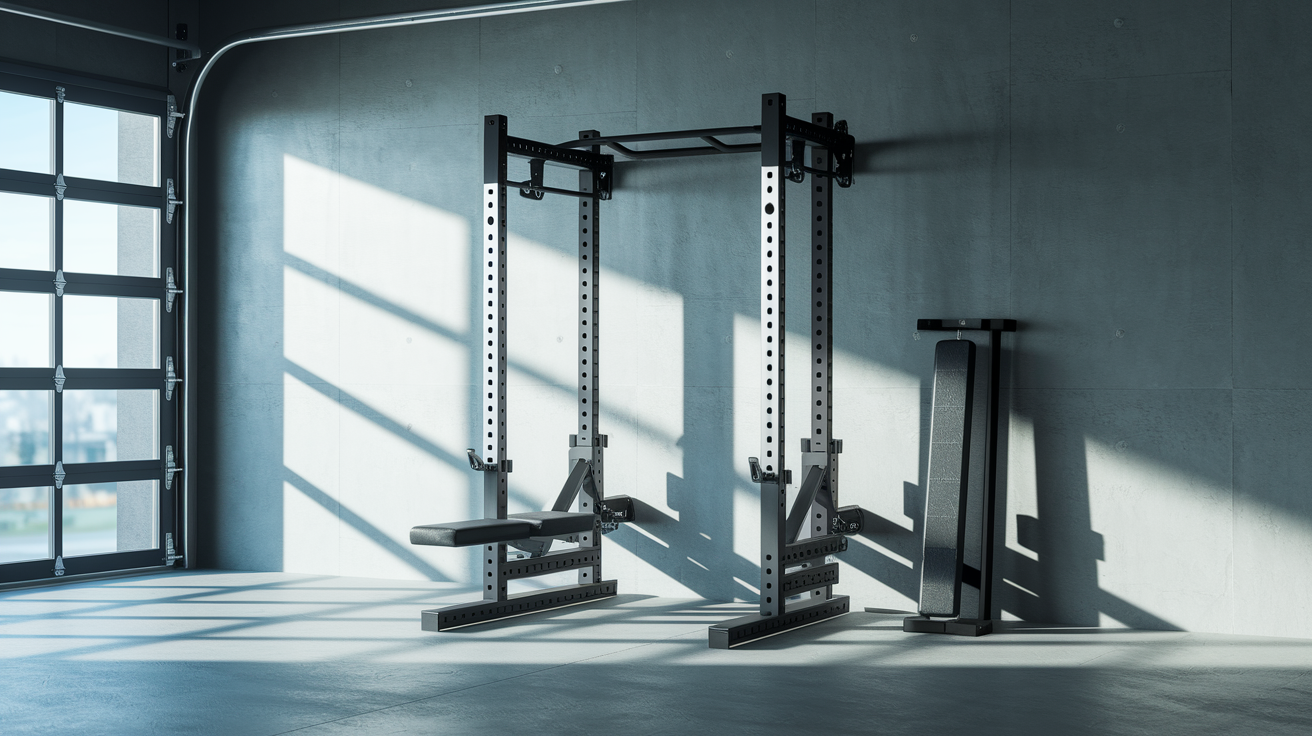
Foldable home gym systems are built around one goal: reclaim your floor space the moment your workout ends. These machines use hinges, gas shocks, or quick release pins to collapse into a slim profile. Sometimes as narrow as 5 inches. So you can slide them under a bed, lean them against a wall, or tuck them into a closet. The trade off is usually stability during heavy lifts, but manufacturers have closed that gap with reinforced frames, wider bases during setup, and bolt down options for users who want permanent strength without a permanent footprint.
The PRx Profile ONE is the gold standard for foldable barbell training. Mounted to wall studs spaced 16 or 24 inches on center, it folds flush to the wall (under 5 inches deep) when not in use. Yet supports up to 1,000 lb when locked open. Four 100 lb gas shocks let you fold it up one handed after squats or bench presses. You’ll need a ceiling height of at least 94 inches (107 inches is better for tall users). Installation requires drilling into studs, so this isn’t renter friendly unless you’re okay patching holes later. For serious lifters in small apartments or shared spaces, it’s the only way to do heavy barbell work without a permanent rack eating up 16 square feet of floor.
Foldable benches and step platforms add versatility without the commitment. Adjustable utility benches with 11 lock in positions (like the Ironmaster Super Bench) support 1,000 lb flat and 600 lb incline, yet weigh only 60 lb and store in a corner. Collapsible step risers let you add plyometric drills or step ups, then nest flat under furniture. When comparing foldable systems, check these three specs:
Stability when deployed. Wider bases and bolt down holes reduce wobble during heavy compound lifts.
Resistance capacity. Foldable doesn’t mean flimsy. Many wall mounted racks handle 600 to 1,000 lb safely.
Best use case. Foldable racks shine for barbell squats and presses. Foldable benches pair well with adjustable dumbbells or bands. Suspension straps like TRX are the ultimate “hide it in a bag” option for bodyweight training.
Resistance Based Compact Home Gyms
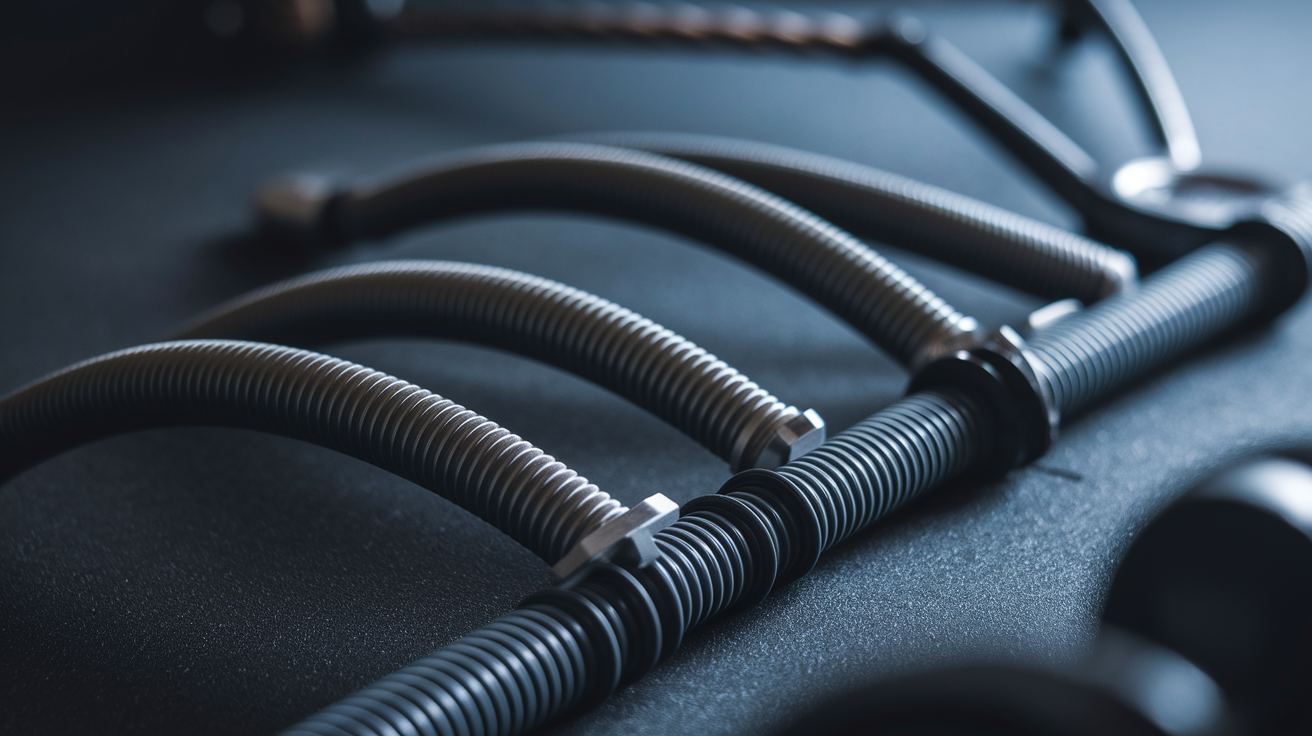
Resistance based gyms use tension rods, heavy duty bands, or friction mechanisms instead of iron weight plates. Which keeps the machine lighter, quieter, and easier to move. The Bowflex line popularized Power Rods. Flexible composite rods that bend under load and provide smooth, joint friendly resistance. The Xtreme 2 SE ships with rods totaling 210 lb of resistance, upgradeable to 310 lb, and supports 70+ exercises including chest presses, leg extensions, lat pulldowns, and ab crunches. Because there are no clanging plates, it’s apartment friendly and low maintenance. No oil, no cable fraying from metal on metal contact.
Resistance ranges vary widely. Budget band based systems like the BodyBoss 2.0 use reinforced steel loops anchored to a portable board, with heavy bands providing roughly 50 to 150 lb of equivalent resistance depending on band thickness and stretch. That’s enough for accessory work, higher rep training, and beginners. But advanced lifters will find the top end limiting for squats or deadlifts. Mid range machines like the Bowflex hit 210 to 310 lb, which covers most people’s strength needs if you’re not chasing powerlifting PRs. Cable based compact gyms (like the Force USA G3) use actual weight stacks. Dual 220 lb stacks in the G3’s case. So the resistance ceiling is much higher and the feel is closer to a commercial gym.
Durability depends on the resistance mechanism. Power Rods are backed by a 5 year warranty on the Bowflex and rarely break, but the machine’s plastic pulley components get mixed reviews for longevity. Resistance bands degrade over time, especially if stored in sunlight or stretched beyond their rated capacity. So budget for replacements every 12 to 24 months if you train hard. Cable weight stacks are the most durable. Steel cables and pulleys last decades with minimal upkeep, but they add machine weight (the Force USA G3 weighs around 277 lb) and require more floor space. If you want a compact gym you’ll use daily for years, prioritize metal frames, sealed bearings in pulleys, and a multi year warranty on the resistance system itself.
Vertical and Wall Mounted Gyms
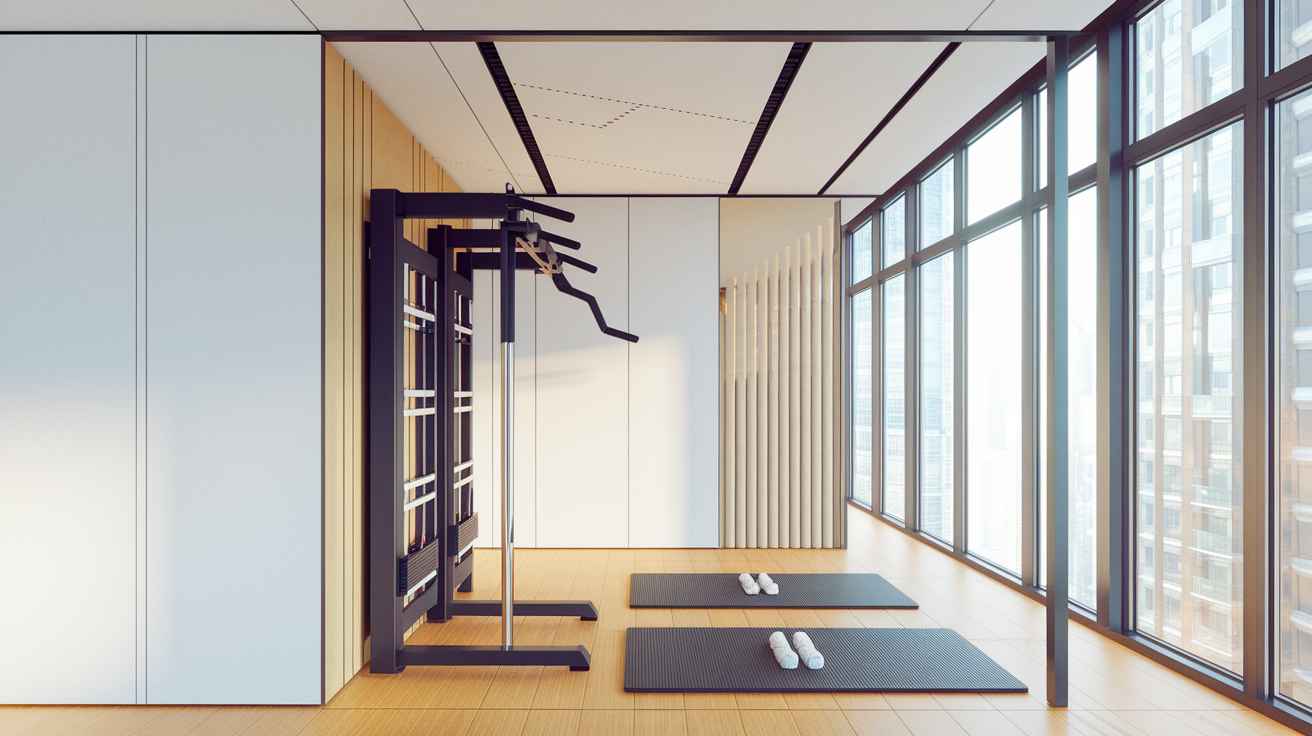
Vertical trainers and wall mounted systems solve the floor space problem by building upward instead of outward. These machines mount to a wall or stand tall on a small base, using height (typically 80 to 93 inches) to house pulley systems, weight stacks, or resistance mechanisms. The trade off is ceiling clearance. You’ll need at least 94 to 97 inches of ceiling height for most units, and some exercises (like overhead presses or pull ups) feel cramped in spaces under 100 inches. Measure twice before you buy. An 89 inch rack in a room with 94 inch ceilings leaves only 5 inches of clearance, which can feel tight during dynamic movements.
Installation varies from simple to committed. The Tonal 2 is wall mounted with a sleek profile (21.5″ W x 50.9″ H) and foldable arms, requiring only a few anchor bolts into studs. Think of it like mounting a large TV. The unit houses digital resistance (up to 200 lb per arm, 250 lb combined depending on the spec you verify) and a 24 inch interactive screen. Setup takes a few hours, and the brand recommends roughly 64 square feet of floor space for programmed workouts. The REP Fitness Ares 2.0, by contrast, is a bolt on dual stack cable system (260 lb per stack, upgradeable to 310 lb each) designed to attach to REP’s PR 4000 or PR 5000 power racks. It’s modular, so you can start with a basic rack and add the Ares later. But total assembly, rack plus cables, can take 6 to 10 hours depending on your experience.
Vertical and wall mounted gyms are ideal for apartment residents, condo owners, or anyone renting a space where floor real estate is expensive. A wall mounted system like the PRx Profile ONE or Tonal 2 keeps the floor clear for yoga, stretching, or simply living your life between workouts. Just confirm your lease allows drilling into studs, and always check the manufacturer’s ceiling height and clearance requirements before ordering. If your ceilings are under 94 inches, you’re better off with a compact floor based machine or a low profile bench and dumbbell setup.
Compact Multifunction Cable Machines
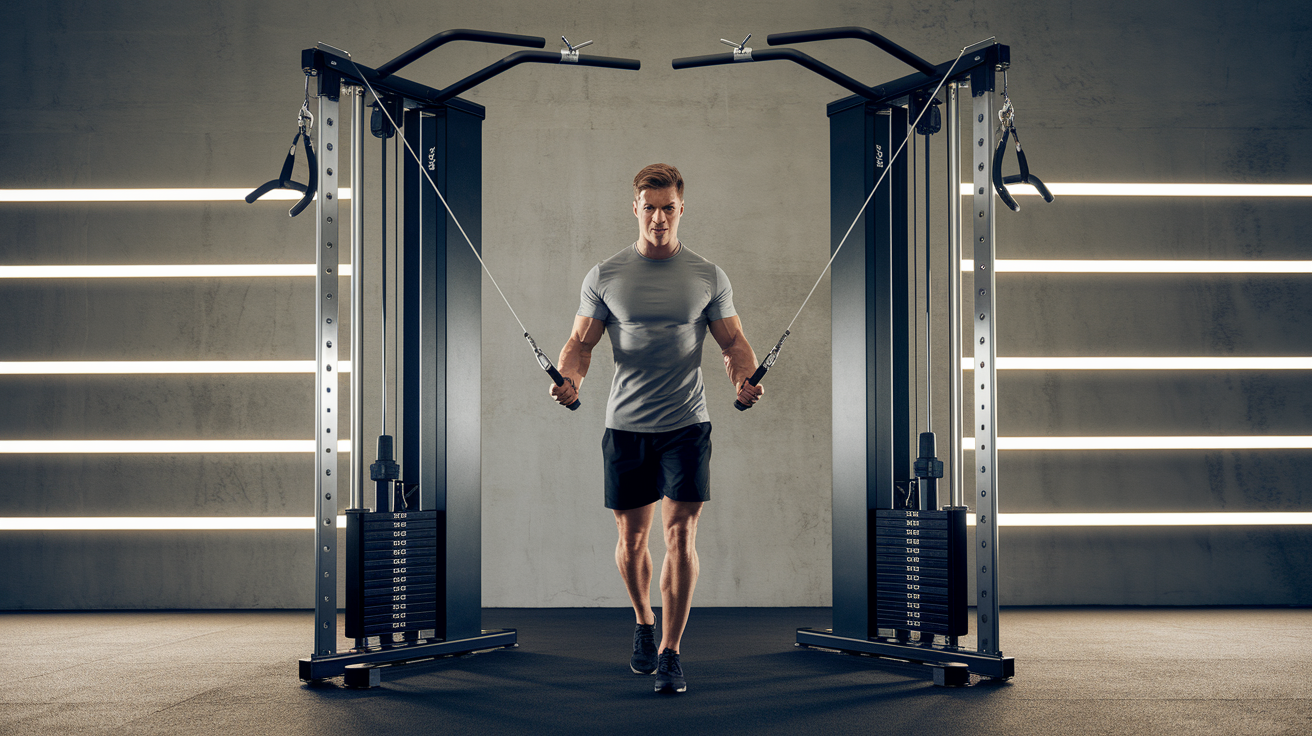
Cable machines offer the smoothest, most gym like resistance feel in a compact footprint. Because they use adjustable pulleys and weight stacks to create constant tension through every rep. The Force USA G3 All in One Trainer packs a 5 in 1 setup into a 78″ W x 60.5″ D x 87″ H frame. Power rack, Smith machine, dual cable pulley, chin up station, and core trainer. The dual 220 lb weight stacks run on a 2:1 pulley ratio, meaning 220 lb on the stack delivers 110 lb of resistance at the handle (the ratio trades resistance for smoother motion). Sixteen height positions on the cable columns let you hit high pulls, low rows, chest flies, and everything in between without changing machines.
Pulley adjustability is the make or break feature. Single column cable systems limit you to exercises along one vertical track, which works for lat pulldowns and tricep pushdowns but not much else. Dual column systems (like the Force USA G3 or the more expensive Force USA C10, which adds 13 functions and dual 220 lb stacks for $4,499) give you true functional trainer flexibility. Think cable crossovers, unilateral presses, and rotational core work. The 2:1 pulley ratio smooths out the resistance curve and reduces jerky motion at the start of each rep, but it halves your effective weight. If you’re strong, confirm the stack size. 220 lb on a 2:1 ratio equals 110 lb per handle, which is enough for most upper body work but can feel light on heavy rows or lat pulls for larger lifters.
Compact cable machines are harder to move than band or rod systems. The Force USA G3 weighs close to 300 lb. But they’re rock solid once assembled and rarely require maintenance beyond checking cable tension and lubricating pulleys. The value here is high. The G3 is $1,999 and replaces five separate machines, earning a 5/5 value score in testing. Just plan for 6 to 10 hours of assembly time (or budget $500 to $800 for professional installation), and make sure you have 78 inches of width and 87 inches of height to spare. If your space allows it and your budget supports it, a dual stack cable trainer gives you the most exercise variety per square foot of any compact home gym.
Choosing the Right Compact Home Gym for Your Space
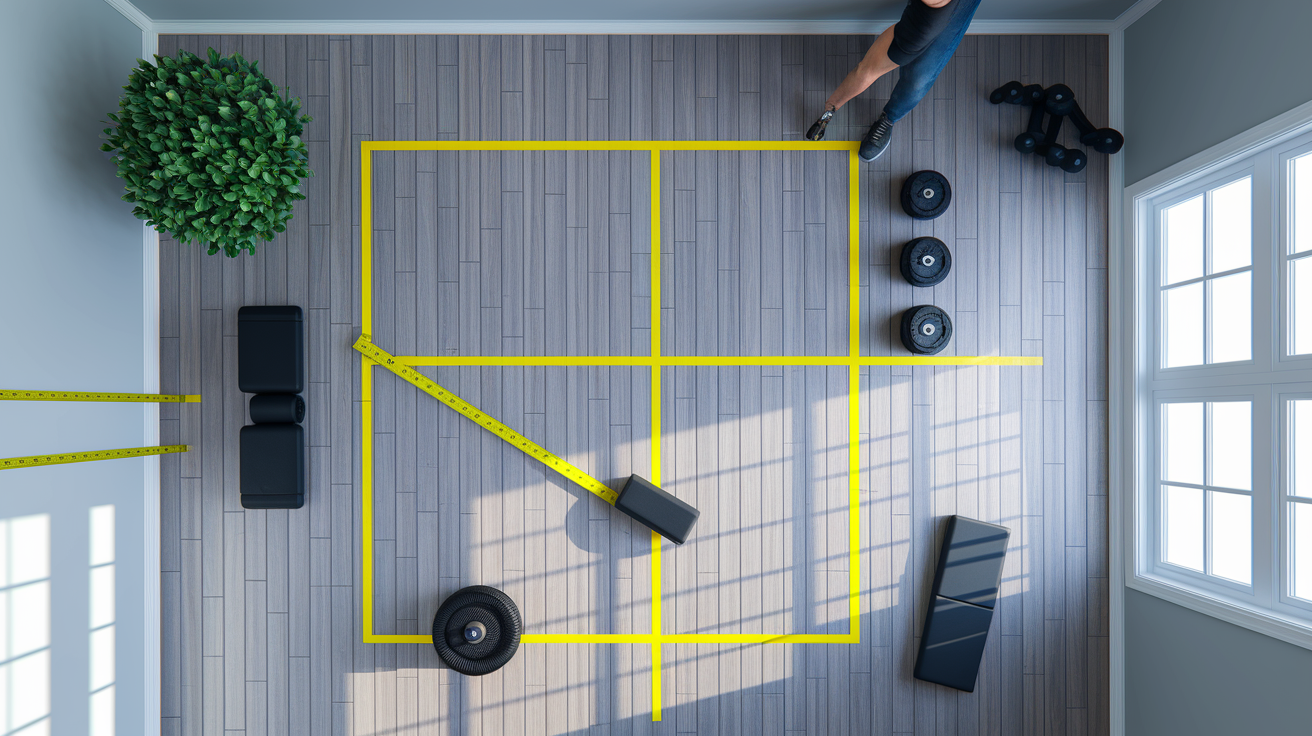
Before you buy, measure your space in three dimensions: length, width, and ceiling height. Walk into the room with a tape measure and mark out the machine’s footprint on the floor using painter’s tape. Add at least 2 feet of clearance on the sides and 6 feet behind any cardio equipment like treadmills for safe entry and exit. Treadmill accidents often happen when users step off the back of a moving belt into a wall or furniture. For strength machines, add 12 to 18 inches around each side for bar clearance during bench presses or squats, and confirm that your ceiling is at least 6 inches taller than the machine’s listed height to avoid bonking your head during overhead presses.
Once you’ve confirmed fit, think about how the machine will live in your space between workouts. Foldable and wall mounted options like the PRx Profile ONE or Tonal 2 reclaim floor space but require permanent mounting or drilling. Portable systems like the BodyBoss or TRX stow in a closet or under a bed, but you’ll need to set them up and break them down every session. Fine if you work out three times a week, annoying if you train daily. Traditional compact machines like the Bowflex Xtreme 2 SE or Force USA G3 stay in place, so they work best in a spare bedroom, garage corner, or basement where they can live full time.
Four factors to weigh after you’ve confirmed the machine will fit:
Budget vs. longevity. A $200 band system will get you started, but expect to replace bands and accessories every 12 to 24 months. A $2,000 cable or rod machine with a multi year frame warranty can last a decade or more, making the per workout cost lower over time.
Maintenance needs. Resistance bands and rods require almost no upkeep. Cable systems need occasional pulley lubrication and cable inspections. Smart gyms with screens and motors (like Tonal) may need software updates or tech support.
Versatility for your goals. If you want to build muscle with progressive overload, prioritize machines with high resistance capacity (210 lb or more) and the ability to add weight or upgrade. If your focus is cardio, mobility, and bodyweight strength, lighter portable systems will do the job.
Durability assessment. Check warranty length (frame warranties of 5 to 10 years signal confidence), read user reviews for recurring complaints about plastic parts or wobbly frames, and confirm weight capacity matches your current and future strength levels. Buying a 600 lb capacity rack now saves you from upgrading in two years when you’re squatting 400 lb.
Final Words
Start by measuring your space and your budget, then use the quick comparisons here to zero in on a model.
We covered top picks with dimensions, prices, and resistance types, plus foldable systems, resistance-based units, vertical trainers, and compact cable machines, so you can compare at a glance.
Pick the smallest footprint that still lets you do your key moves. Aim for a compact home gym machine that fits your ceiling, stays within your budget, and offers the resistance range you need.
You’ll be training at home sooner than you think.
FAQ
Q: What is the best compact home gym equipment?
A: The best compact home gym equipment is a vertical trainer or compact cable system that delivers many exercises in a small footprint—typically $200–$2,000, durable, and space‑saving for apartments or garages.
Q: What is the 3-3-3 rule for gym?
A: The 3-3-3 rule for gym is commonly used either as three sets of three reps for heavy strength work or as a simple beginner plan—three workouts per week for three weeks to track progress.
Q: What exercise machine is good for osteoporosis?
A: An exercise machine good for osteoporosis is a resistance-based option like a leg press, cable column, or weight-bearing stepper that allows gradual progressive loading to strengthen bone, used with medical approval.
Q: What gym machines are good for sciatica?
A: Gym machines good for sciatica are low-impact, back-friendly options like recumbent bikes, ellipticals, and adjustable cable machines for controlled core and glute strengthening; avoid heavy spinal loading and consult a clinician.

