
Think ice baths win recovery?
Saunas are a quiet rival.
Studies and athlete reports show regular sauna use speeds muscle healing by increasing blood flow, loosening tight tissue, and activating heat shock proteins that help cells repair.
Ten to twenty minutes after training clears metabolic waste, eases stiffness, and often improves sleep so your body rebuilds better overnight.
This piece lays out the science, compares heat to cold, and gives simple sauna routines you can try this week to cut soreness and recover faster.
Do Saunas Help with Muscle Recovery?

Yes, saunas can help your muscles recover by boosting circulation, loosening tension, and speeding up the removal of metabolic junk that piles up during training. When you’re sore after a workout, part of that ache comes from microtrauma and waste products like lactate. Heat opens up your blood vessels, bringing more oxygen and nutrients to damaged tissue while clearing out the stuff that makes you stiff and sore.
Beyond the physical flush, sauna heat triggers relaxation in your nervous system. That tightness you’re carrying in your shoulders, lower back, or legs after a heavy session? It softens when you’re exposed to sustained warmth. A lot of athletes say they feel less “locked up” and more mobile after a sauna session, even if the soreness hasn’t disappeared completely. The heat doesn’t erase the work you did. But it can make the recovery window feel shorter and more manageable.
Saunas also support your body’s natural repair processes by activating heat shock proteins, molecules that help cells recover from stress and protect muscle tissue. While the science is still building, current evidence suggests regular sauna use can complement your training cycle, especially during high-volume phases when recovery demand is highest.
Immediate recovery benefits you’ll notice:
- Reduced muscle tightness and stiffness within hours of a session
- Improved joint mobility and range of motion post-workout
- Faster decline in soreness ratings over the following 24 to 48 hours
- Better relaxation and lower subjective stress levels
- Better sleep quality on nights after sauna exposure
How Heat Therapy Supports Recovery
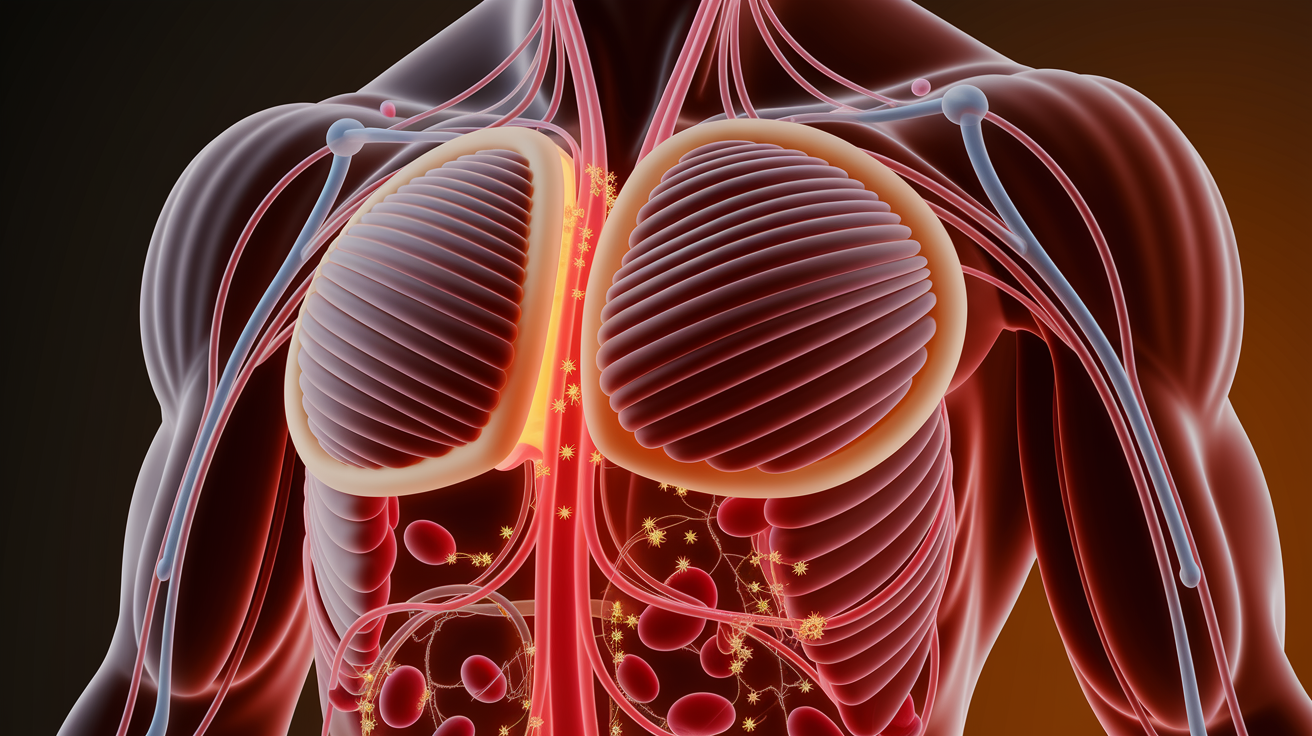
Heat therapy works by triggering vasodilation, the widening of blood vessels, which increases blood flow to tired muscles. More blood means more oxygen, glucose, and amino acids arriving at the tissue that needs repair. At the same time, improved circulation carries away metabolic waste products that build up during exercise, like hydrogen ions and damaged cell fragments. This dual action is the foundation of heat’s recovery benefit.
Thermal stress also activates a family of proteins called heat shock proteins. These act like cellular repair crews, stabilizing damaged structures and helping muscles adapt to the stress you’ve placed on them. Over time, repeated heat exposure can make this repair process more efficient. Your body gets better at bouncing back after hard training. The heat doesn’t replace rest or nutrition, but it does give your system an extra push when it’s under load.
Physiological effects of heat exposure:
- Increases local tissue temperature, boosting enzyme activity and metabolic rate
- Relaxes smooth muscle in blood vessel walls, lowering vascular resistance
- Reduces muscle spindle excitability, decreasing involuntary muscle tension
- Stimulates the release of endorphins, which modulate pain perception
- Promotes parasympathetic nervous system activity, supporting rest and digest mode
- Triggers the production of heat shock proteins that protect and repair cells
Recommended Sauna Protocols for Recovery
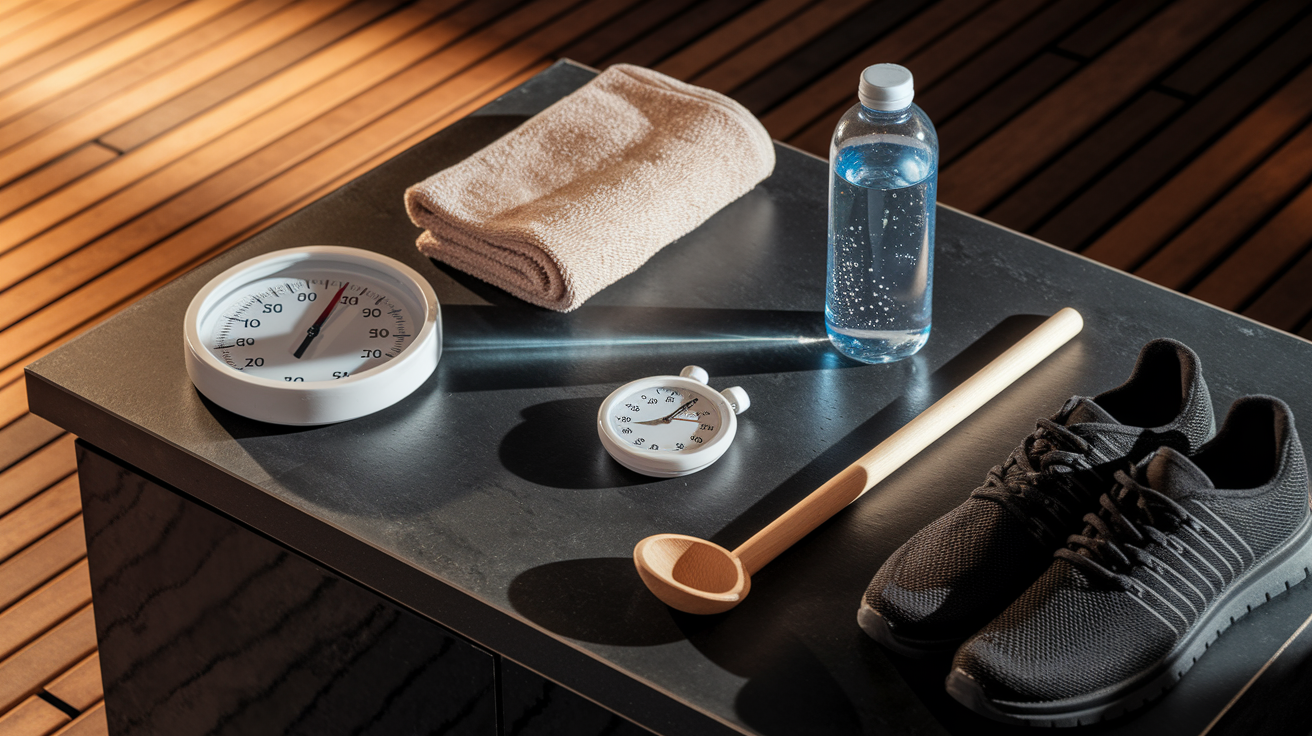
For recovery purposes, aim for a sauna temperature between 158°F and 194°F (70 to 90°C), depending on your tolerance and the type of sauna you’re using. Traditional dry saunas tend to run hotter, while infrared models operate at lower ambient temperatures but still raise core body heat effectively. If you’re new to sauna use, start at the lower end of the range and work your way up as your body adapts.
Session duration should fall between 10 and 20 minutes. Beginners can start with a single 5-minute round and add time gradually. Some protocols use multiple shorter rounds (three 8-minute bouts with 5-minute breaks in between), which can be easier to tolerate than one long session. Timing matters too. Using the sauna 10 to 30 minutes after your workout, once your heart rate has settled, lets you capture the recovery window without adding stress when your system is already taxed.
Practical sauna protocol steps:
- Rehydrate with 12 to 16 ounces of water immediately post-workout before entering the sauna
- Wait 10 to 20 minutes after training to let your heart rate return to near-baseline
- Enter the sauna for 10 to 15 minutes on your first few sessions, then extend to 20 minutes as tolerated
- Sit or lie comfortably. Avoid sudden movements that might spike heart rate or blood pressure
- Cool down naturally for 5 to 10 minutes after exiting before showering or leaving
- Drink another 12 to 16 ounces of fluids within the hour following the session
- Repeat 2 to 3 times per week during high-training phases for consistent adaptation
| Protocol Element | Recommended Range |
|---|---|
| Temperature | 158–194°F (70–90°C) |
| Session Duration | 10–20 minutes per round |
| Timing Post-Workout | 10–30 minutes after training |
| Weekly Frequency | 2–3 sessions for recovery focus |
Comparing Sauna Use with Other Recovery Methods

Heat and cold therapy serve different recovery goals. Sauna use promotes relaxation, boosts circulation, and supports long-term adaptations like increased plasma volume and heat shock protein activity. Cold therapy (ice baths or cold water immersion) focuses on reducing acute inflammation and numbing soreness immediately after intense training. Cold constricts blood vessels, which can limit swelling and dull pain signals, but it may also blunt some of the adaptive responses your body needs to grow stronger over time.
Contrast therapy alternates hot and cold exposure to create a pumping effect in your circulatory system. The idea is that repeated constriction and dilation flush metabolic waste more aggressively than either modality alone. Some athletes swear by it for leg recovery, especially after competitions or high-volume weeks. That said, the evidence for contrast therapy isn’t dramatically stronger than either heat or cold used alone. If you enjoy the ritual and it helps you feel better, it’s a reasonable tool to rotate in.
Key comparisons:
- Sauna supports relaxation and long-term cardiovascular adaptations. Cold therapy targets acute soreness and swelling
- Heat can support muscle repair and growth signaling. Excessive cold may interfere with hypertrophy when used after every strength session
- Contrast therapy may improve perceived recovery more than objective performance metrics
- Sauna is well-suited for endurance athletes and high-frequency trainers. Cold works well for contact sports or acute injury management
- Choose heat when you want to support adaptation. Choose cold when you need to manage pain or inflammation right now
Types of Saunas and Their Recovery Benefits
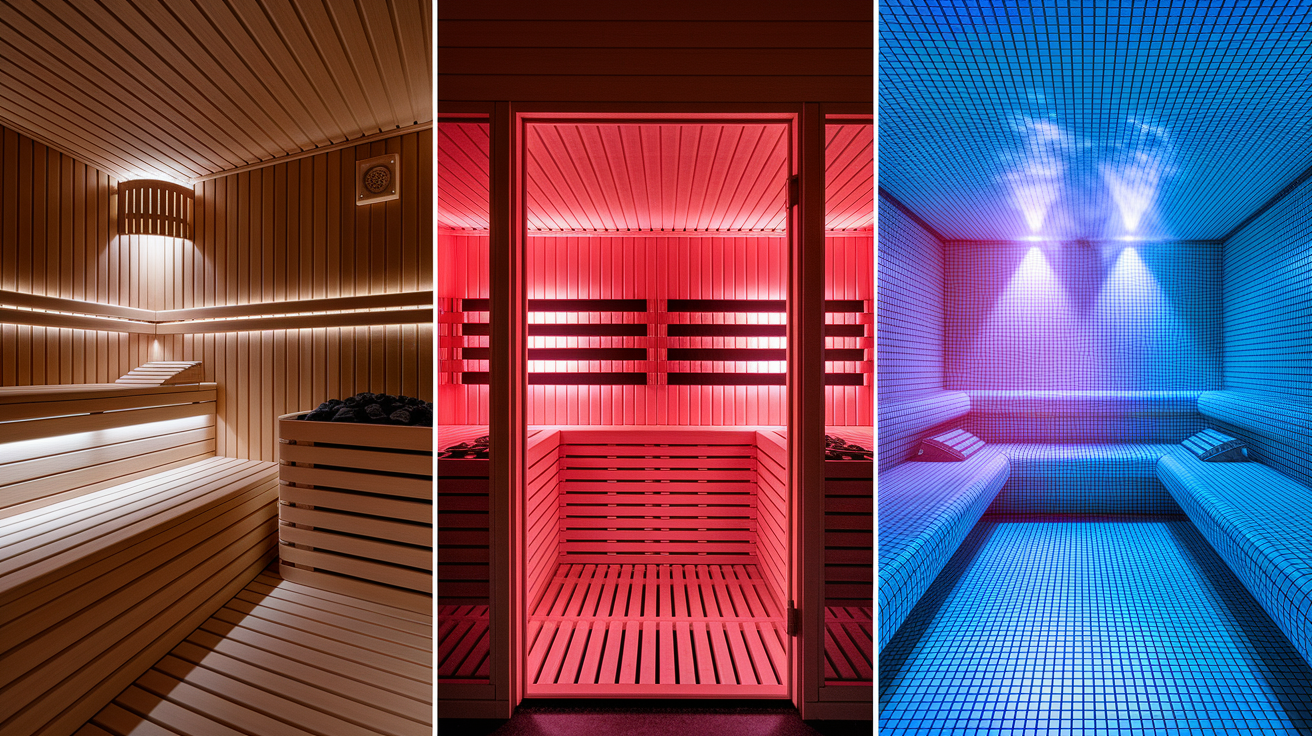
Traditional saunas use a stove or heated rocks to warm the air, often reaching temperatures above 176°F (80°C) with low humidity. The intense ambient heat forces your body to dissipate warmth through sweating and increased heart rate, mimicking moderate cardiovascular exercise. These sessions tend to be shorter (8 to 15 minutes) because the high temperature can feel overwhelming quickly. Traditional saunas are excellent for cardiovascular conditioning and plasma volume expansion over time.
Infrared saunas heat your body directly using infrared light panels rather than warming the air around you. Ambient temperatures stay lower, typically 100 to 140°F (38 to 60°C), making the experience more comfortable for longer sessions. The infrared wavelengths penetrate skin and soft tissue, raising core temperature while you sit in a relatively cool room. This direct heating is thought to support cellular repair processes and may help muscle recovery with less cardiovascular strain than traditional models.
Steam rooms add high humidity to moderate heat, usually around 110 to 120°F (43 to 49°C). The moist environment can feel more intense than dry heat at the same temperature, and the humidity may help with respiratory comfort if you have sinus congestion. Steam rooms don’t raise core temperature as aggressively as dry saunas, so they’re often used for relaxation and light recovery rather than targeted heat adaptation. All three types can support recovery, but the intensity and duration you choose will depend on your tolerance and training goals.
| Sauna Type | Heat Source | Recovery Benefits |
|---|---|---|
| Traditional (Dry) | Heated rocks or electric stove; dry air | Cardiovascular conditioning, plasma volume expansion, intense sweating |
| Infrared | Infrared light panels; lower ambient temp | Direct tissue heating, cellular repair, longer comfortable sessions |
| Steam Room | Boiling water; high humidity | Gentle relaxation, respiratory comfort, moderate sweat rate |
Hydration and Electrolyte Needs After Sauna Use
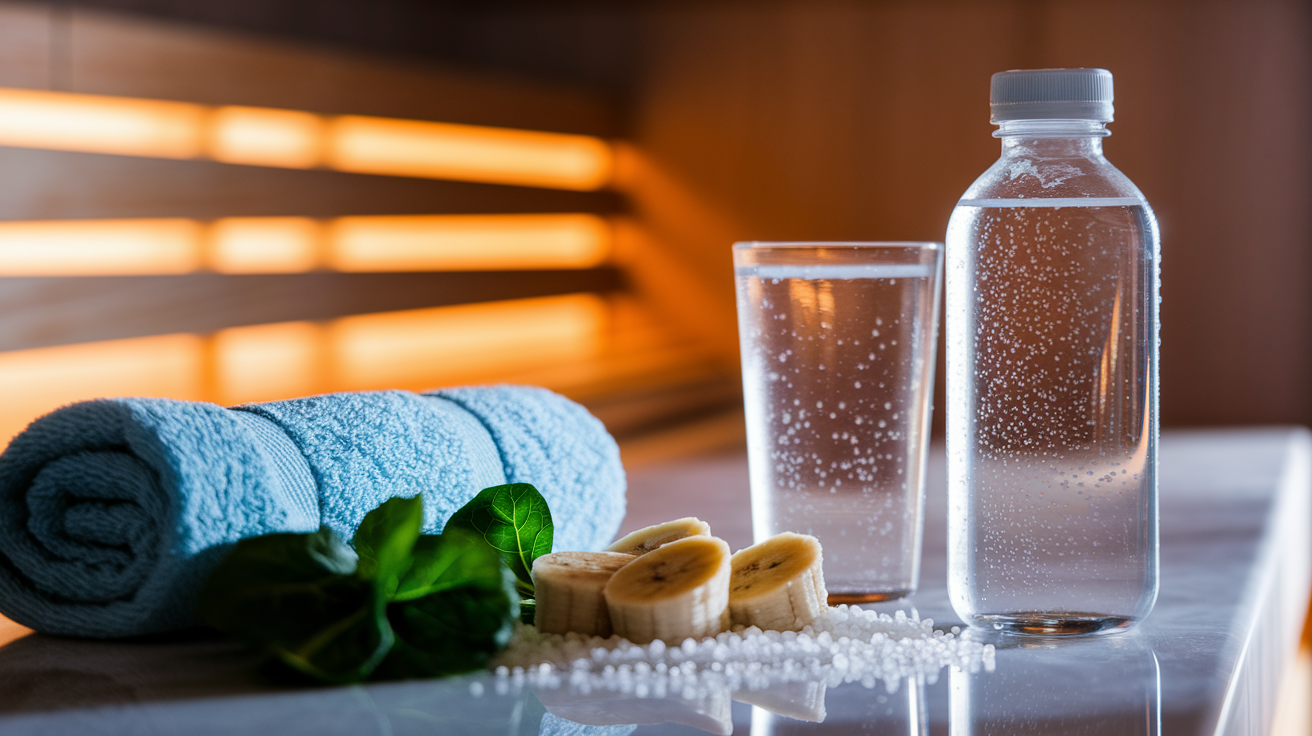
Sauna sessions trigger heavy sweating, which means you’re losing both water and electrolytes, primarily sodium and potassium. If you don’t replace those losses, you risk dehydration, cramping, and impaired recovery. Dehydration reduces blood volume, making it harder for your cardiovascular system to deliver nutrients and clear waste. It also increases perceived exertion in your next workout, so staying on top of hydration isn’t optional.
Drink at least 12 to 16 ounces of water immediately after your workout and before entering the sauna. Continue sipping during the session if the facility allows it, and aim for another 16 to 24 ounces within the hour after you exit. If you’re using the sauna multiple times per week or after particularly sweaty training, add an electrolyte drink, a banana, or a handful of salted nuts to replace what you’ve lost. Your urine should be pale yellow by the evening after a sauna session. If it’s darker, you’re behind on fluids.
Hydration guidelines:
- Drink 12 to 16 ounces before entering the sauna and another 16 to 24 ounces after
- Monitor urine color. Pale yellow indicates adequate hydration
- Add electrolyte powder or a sports drink if you’ve trained hard and sweated heavily
- Eat potassium-rich foods like bananas, leafy greens, or nuts after longer sessions
- Avoid alcohol before or after sauna use, as it accelerates dehydration and impairs recovery
Safety Considerations and Who Should Avoid Saunas
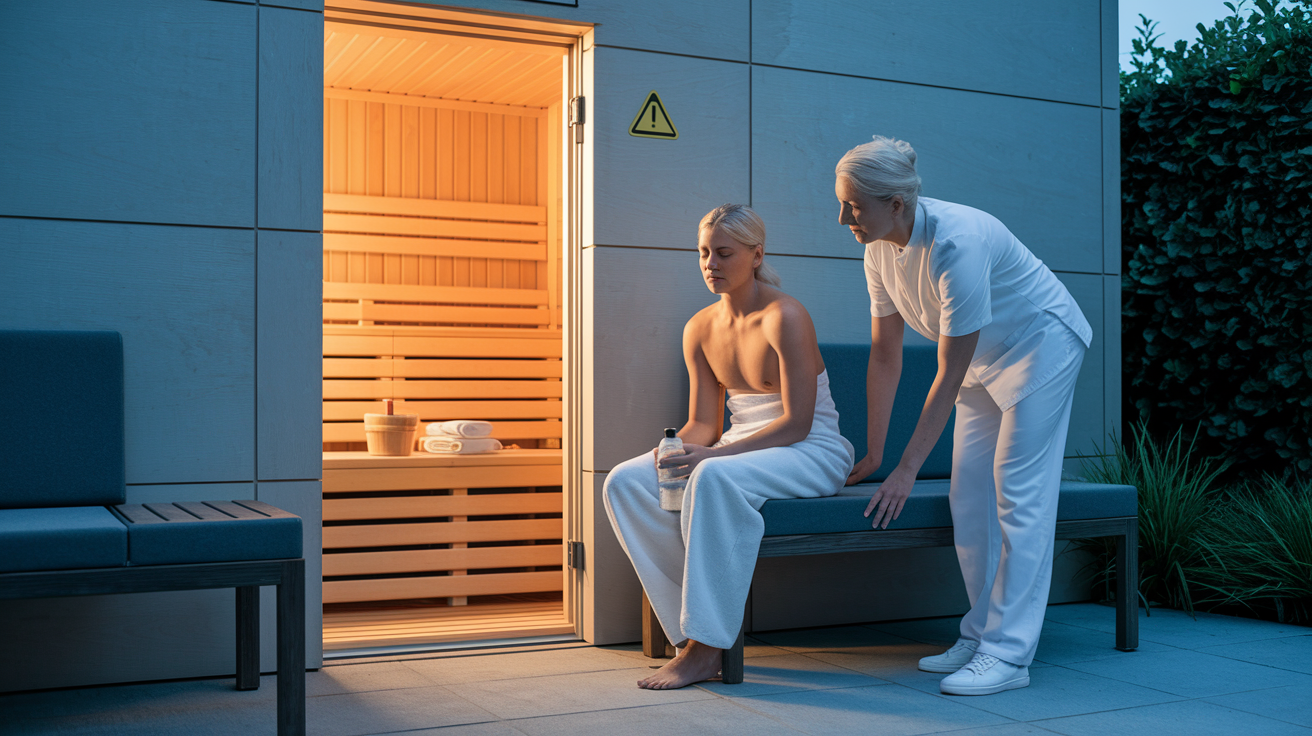
Saunas are generally safe for healthy individuals, but the heat places extra demand on your cardiovascular system. If you have uncontrolled high blood pressure, a history of heart attack or stroke, or unstable cardiovascular disease, get medical clearance before using a sauna. Blood pressure can drop during and after heat exposure, which may cause dizziness or fainting, especially if you stand up quickly. Combine that with certain blood pressure medications, and the risk increases.
Pregnant women, people with low baseline blood pressure, and anyone actively trying to conceive should also exercise caution. Frequent sauna use has been linked to temporary reductions in sperm count, and elevated core temperature during pregnancy may carry risks. If you have eczema, psoriasis, or other chronic skin conditions, the heat and humidity can trigger flare-ups. Public saunas may also harbor bacteria and mold, so check that facilities are cleaned regularly and consider bringing your own towel.
Red flags and avoidance scenarios:
- Exit immediately if you feel dizzy, faint, nauseous, or unusually weak
- Avoid sauna use if you have a fever, acute illness, or are severely dehydrated
- Skip sessions if you’re on medications that affect heart rate or blood pressure without consulting your doctor first
- Don’t use a sauna immediately after heavy alcohol consumption
- People with cardiovascular disease, recent heart attack, or stroke history should get clearance from a clinician
- If you’re trying to conceive, limit frequent high-heat exposure until pregnancy is confirmed
Scientific Evidence and Expert Insights

Research shows that regular sauna use can reduce perceived muscle soreness and improve markers of recovery, particularly when combined with endurance training. A 2018 study found that distance runners who added post-workout sauna sessions increased their time to exhaustion by 32% over three weeks, likely due to expanded plasma volume and improved thermoregulation. Another trial reported that adding 15 minutes of sauna exposure three times per week for eight weeks improved VO2 max beyond exercise alone, suggesting that heat acts as a mild training stimulus in its own right.
Expert consensus is that sauna use is most beneficial when treated as part of a broader recovery strategy, not a standalone fix. Coaches and sports scientists point out that heat adds a training stressor, so you need to account for that load. If you’re already training at high volume, adding frequent sauna sessions without adjusting intensity or volume can impair next-day performance rather than enhance it. A 2020 crossover study found that swimmers who used a post-workout sauna without compensating for the added stress performed worse the following morning than those who used a passive recovery protocol. The takeaway? Heat helps, but it’s not cost-free.
Key scientific findings:
- Post-workout sauna use can expand plasma volume and improve endurance capacity in as little as three weeks
- Regular heat exposure activates heat shock proteins that support cellular repair and muscle preservation
- Sauna bathing multiple times per week is associated with lower risk of cardiovascular events and improved mental health markers in long-term observational studies
- Adding sauna immediately post-exercise without adjusting training load may impair next-session performance due to added physiological stress
Final Words
Right after a session, heat ramps up blood flow, relaxes muscles, and helps clear metabolic waste, so saunas can ease post-workout tightness and lower delayed soreness.
Follow simple protocols: 10–20 minutes at 70–90°C or a gentler infrared option, rehydrate, and skip it if you feel faint. You can pair or alternate with cold when inflammation is the main issue.
Used smartly, sauna for recovery is a small habit that helps you bounce back faster and enjoy training more. Try it once this week and see how you feel.
FAQ
Q: How effective is a sauna for recovery?
A: A sauna is effective for recovery because heat raises blood flow, eases muscle tension, and can reduce delayed soreness while boosting relaxation. Use short 10–20 minute sessions post‑workout and stay hydrated for best results.
Q: Is sauna good for high cortisol?
A: A sauna may help lower high cortisol by promoting relaxation and stress reduction, but responses vary. Try gentle 10–15 minute sessions, watch symptoms, and check with your healthcare provider if you have chronic stress or medications.
Q: Is sauna ok for lupus?
A: A sauna may be okay for people with lupus if their disease is stable, but heat can trigger flares for some. Ask your rheumatologist, start with short cool sessions, and stop if you feel worse.
Q: Does infrared sauna help with Hashimoto’s?
A: An infrared sauna may ease symptoms like stiffness and stress but doesn’t treat Hashimoto’s. There’s limited evidence; check with your endocrinologist, use short sessions, and avoid if your thyroid is unstable or you feel unwell.

