
What if your scale isn’t lying?
Stress might be quietly adding inches to your waist.
Chronic stress tweaks hormones like cortisol, ghrelin, and dopamine, which raise appetite and push fat toward your middle.
It also makes you crave sugary, fatty foods and breaks habits, so calories sneak back in even when you try to eat clean.
This post explains the biology in plain language and gives simple, day-one steps to stop stress-driven weight gain you can try this week.
Clear Explanation of Stress-Related Weight Gain
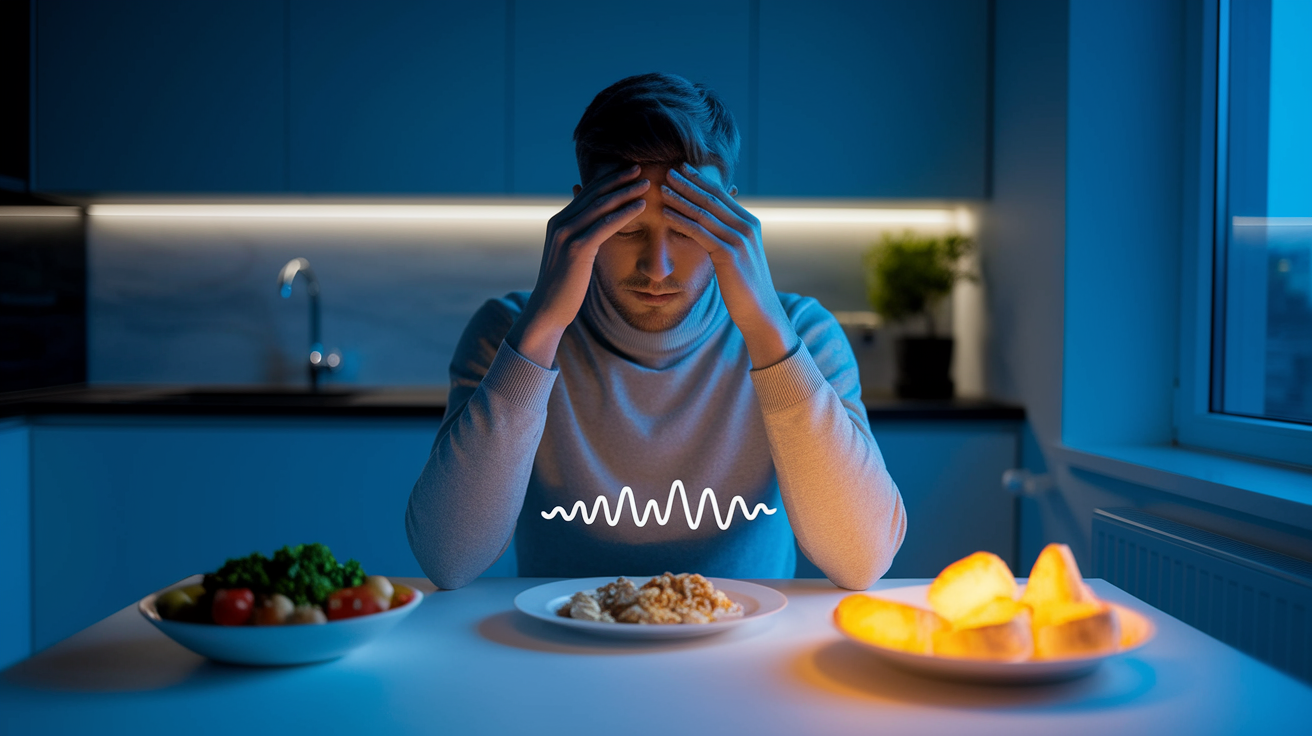
Stress-related weight gain happens when ongoing psychological pressure throws your hormones out of balance and messes with how you eat. The result? You’re hungrier, you want junk food more often, and fat lands right around your middle. Adults between roughly 20 and 50 report the highest stress levels, a pattern backed by a study tracking 1.5 million people. That overlap explains why unexplained weight creep often starts during those decades. When stress hangs around for weeks or months, cortisol stays high longer than your body’s designed to handle. That triggers a cascade of hormonal changes that make gaining fat easier and losing it harder. And that weight doesn’t spread evenly. Chronic stress drives visceral fat to wrap around your organs, raising metabolic and heart disease risk.
The mechanism here is both biological and behavioral. Elevated cortisol ramps up appetite, sharpens cravings for sugar and fat, destabilizes your blood sugar, lowers insulin sensitivity, and suppresses thyroid hormones. All of that slows metabolism and pushes your body to store energy as fat. At the same time, stress lowers dopamine reward signaling and raises ghrelin (the hunger hormone), creating a biological push toward high-calorie comfort foods and locking in binge-eating patterns. Even if you eat clean during the day, you might find yourself reaching for snacks late at night or after stressful meetings. The hormonal drive to eat feels urgent and automatic, not like a choice.
Catching stress-driven weight gain early can stop the compounding health risks and the frustration of doing everything right without seeing results. Watch for these signs:
- Gradual or rapid increase in waist size, even when total body weight barely changes
- Persistent, urgent cravings for sweets, salty snacks, or high-fat foods that feel impossible to ignore
- Increased appetite even after regular meals, often with blood-sugar crashes
- Fat that piles on around your midsection, creating a “stress belly” look
- Sleep trouble, fatigue, or low energy that makes sticking to workouts harder
- Emotional eating triggered by work pressure, family stress, deadlines, or feeling overwhelmed
Hormonal and Metabolic Mechanisms Behind Stress Weight Patterns
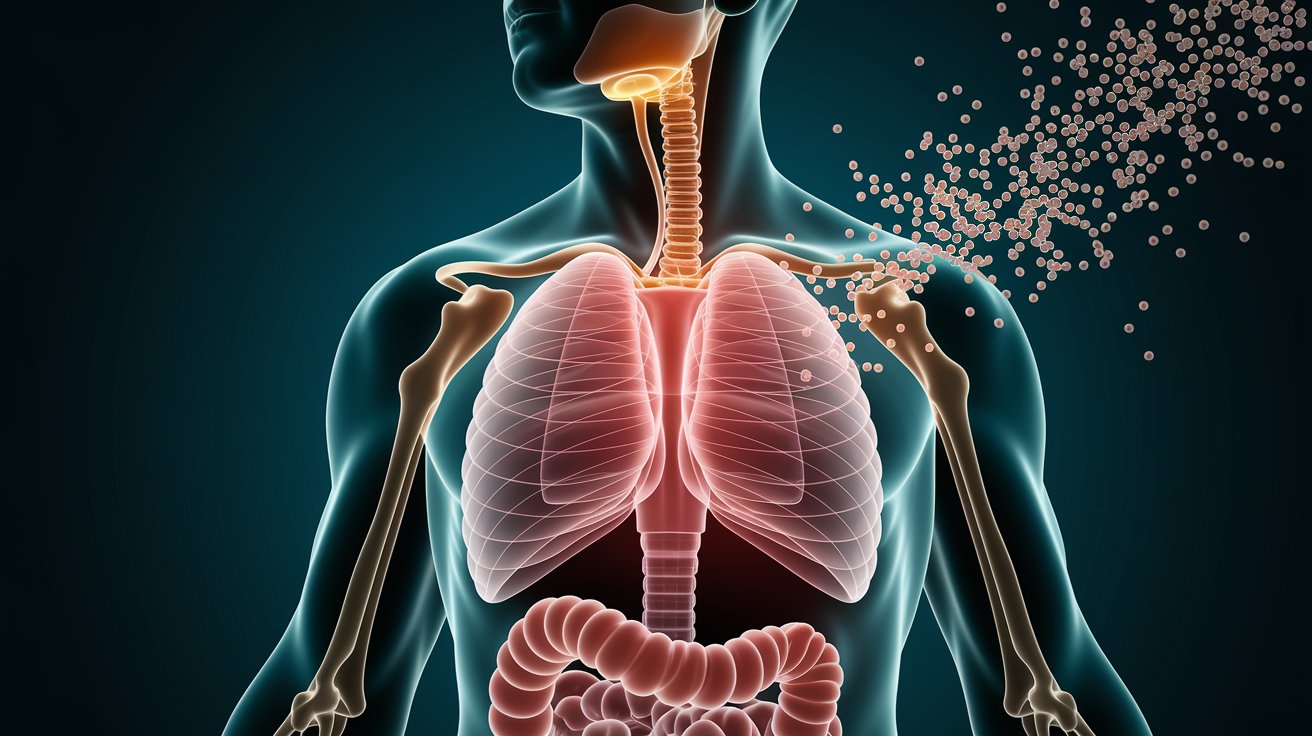
Cortisol is your body’s main stress hormone, released by the adrenal glands to mobilize energy when you’re under threat. In short bursts, cortisol raises blood sugar, sharpens focus, and helps you respond. But when stress becomes chronic, cortisol stays elevated day after day, and that prolonged exposure rewires metabolism. High cortisol suppresses CRH (corticotropin-releasing hormone), an appetite-suppressing signal in the brain, so hunger goes up. It also drives blood glucose up and then lets it crash, creating energy swings that make you reach for quick carbs. Over time, elevated cortisol reduces insulin output and blunts insulin sensitivity in muscle and fat cells. Glucose has a harder time getting into muscle for storage and gets converted to fat instead.
Thyroid hormones are the next domino. Chronic cortisol downregulates TSH (thyroid-stimulating hormone), which lowers circulating levels of T3 and T4, the hormones that set your metabolic rate. Even if thyroid labs stay in the “normal” range, a stress-driven dip in thyroid function can slow calorie burn by hundreds of calories per day. Weight gain becomes almost invisible until your clothes feel tight. That metabolic slowdown is why some people notice weight creep despite no change in food intake or activity.
Ghrelin and dopamine complete the picture. Ghrelin (often called the “hunger hormone”) rises sharply under stress, increasing appetite and lowering both insulin sensitivity and metabolic rate. Chronic stress also blunts dopamine release and response, so your brain’s reward system needs a bigger “hit” to feel satisfied. Highly palatable foods (rich in sugar, fat, and salt) trigger dopamine surges that temporarily relieve the stress-induced low, reinforcing cravings and making binge eating feel rewarding rather than shameful. This hormonal loop is why stress eating feels so automatic and why “just eat less” advice misses the biology driving the behavior.
The net metabolic effect is a shift toward energy storage. Cortisol, insulin resistance, low thyroid output, high ghrelin, and blunted dopamine all favor fat accumulation, and that fat lands in visceral deposits around the stomach, liver, and intestines. That’s the type most strongly linked to metabolic disease.
| Metabolic Variable | Normal State | Chronic Stress State |
|---|---|---|
| Appetite and Cravings | Stable hunger cues; moderate appetite; varied food preferences | Elevated baseline hunger; intense cravings for sugar/fat; suppressed satiety signals |
| Metabolic Rate | Normal thyroid output; efficient calorie burn; stable energy expenditure | Reduced thyroid hormones; lower resting metabolic rate; decreased calorie burn |
| Fat Distribution | Proportional subcutaneous fat; minimal visceral accumulation | Preferential visceral (abdominal) fat storage; central obesity pattern |
Emotional Eating and Stress-Induced Overeating Behaviors

Stress eating is the behavioral side of stress weight gain, driven by the same hormonal shifts that increase appetite and cravings. When dopamine signaling is blunted and ghrelin is elevated, your brain interprets highly palatable food as both a source of relief and a biological need, not a want. That’s why stress eating often feels automatic, almost compulsive, rather than a conscious decision. The food delivers a quick dopamine spike that temporarily soothes the low-reward state created by chronic stress, reinforcing the habit loop. Over time, your brain learns to anticipate that relief, and the urge to eat becomes paired with specific stress triggers. After a tense meeting. During an evening slump. When scrolling through stressful news.
Women show a stronger stress-eating response than men in controlled studies, likely due to interactions between cortisol, estrogen, and reward pathways. One study found that women under stress ate significantly more high-sugar and high-fat foods than men, and the effect was magnified when stress was chronic rather than acute. This gender difference helps explain why stress-related weight gain can feel more frustrating and harder to stop for many women, even when they’re aware of the pattern and trying to use willpower alone.
Habit formation is the final piece. Once a stress-eating cycle is established, the behavior becomes automatic. The stress cue (tight deadline, argument, fatigue) triggers the routine (grab chips, order takeout, eat standing at the counter), which delivers the reward (brief dopamine relief), and the loop strengthens. Breaking that loop requires addressing both the biological drive and the learned behavior. Willpower alone can’t override a hormone-amplified craving paired with a deeply wired habit.
Common stress-eating triggers include:
- Late afternoon or evening fatigue, especially after a long workday
- Right after stressful meetings, difficult conversations, or conflict
- Boredom or low stimulation, particularly when sitting in front of screens
- Emotional overwhelm, sadness, loneliness, or anxiety
- Tight deadlines or high-pressure work periods
- Disrupted routines, travel, or changes in schedule
- Lack of structure around meals, leading to grazing or skipping-then-binging cycles
- Social eating environments where high-calorie foods are normalized or expected
Recognizing Symptoms and Body Areas Affected by Stress Weight Gain
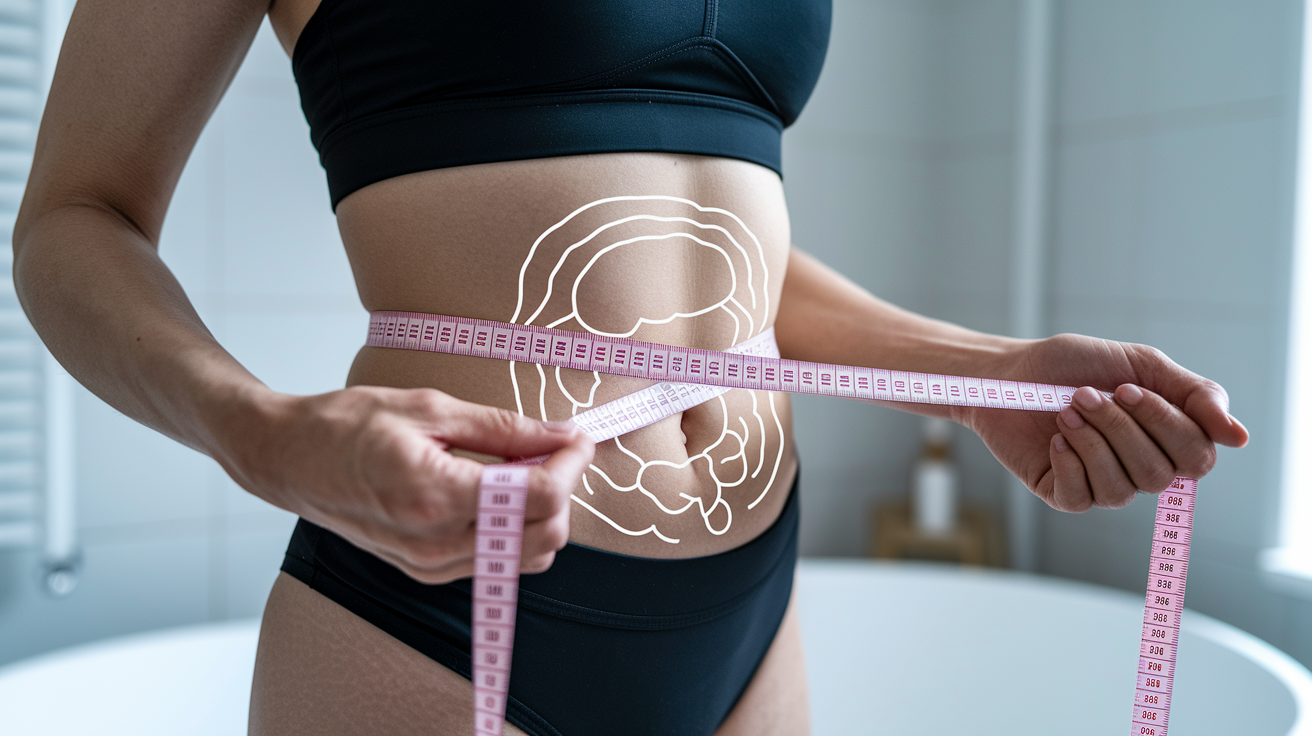
Stress weight gain typically shows up first in the abdomen, creating what’s often called “stress belly” or “cortisol belly.” Visceral fat (the metabolically active fat wrapping around the stomach, liver, intestines, and other internal organs) is cortisol’s preferred storage site. Unlike subcutaneous fat (the pinchable layer under your skin), visceral fat releases inflammatory markers and fatty acids directly into the bloodstream, raising risk for insulin resistance, high blood pressure, and cardiovascular disease. Waist circumference is the simplest and most reliable way to track visceral fat. A measurement above 35 inches in women or 40 inches in men signals elevated metabolic risk, even if total body weight or BMI appears normal.
Beyond where the fat lands, stress-related weight patterns come with a cluster of recognizable symptoms. Sugar cravings intensify and feel harder to ignore. Appetite spikes unpredictably, sometimes within an hour of eating a full meal. Energy crashes in the afternoon or evening, making it harder to stick to planned workouts or resist convenient snacks. Sleep becomes lighter or more fragmented, and mood shifts toward irritability, low motivation, or mild anxiety. These symptoms often appear before significant weight gain shows up on the scale, so noticing them early can prompt action before fat accumulation becomes entrenched.
| Symptom | Physiological Explanation |
|---|---|
| Intense sugar and fat cravings | Elevated cortisol and ghrelin increase appetite and preference for calorie-dense foods; low dopamine drives reward-seeking behavior |
| Increased abdominal/waist fat | Chronic cortisol preferentially directs fat storage to visceral deposits around internal organs |
| Blood-sugar instability and energy crashes | Cortisol spikes glucose then allows sharp drops; reduced insulin sensitivity impairs stable glucose delivery to cells |
| Poor or fragmented sleep | Elevated evening cortisol disrupts normal sleep architecture; sleep loss further raises cortisol and ghrelin |
| Reduced exercise tolerance or motivation | Lower thyroid output decreases metabolic rate and energy; elevated cortisol can increase perceived effort during workouts |
Health Risks Linked to Stress-Related Weight Gain
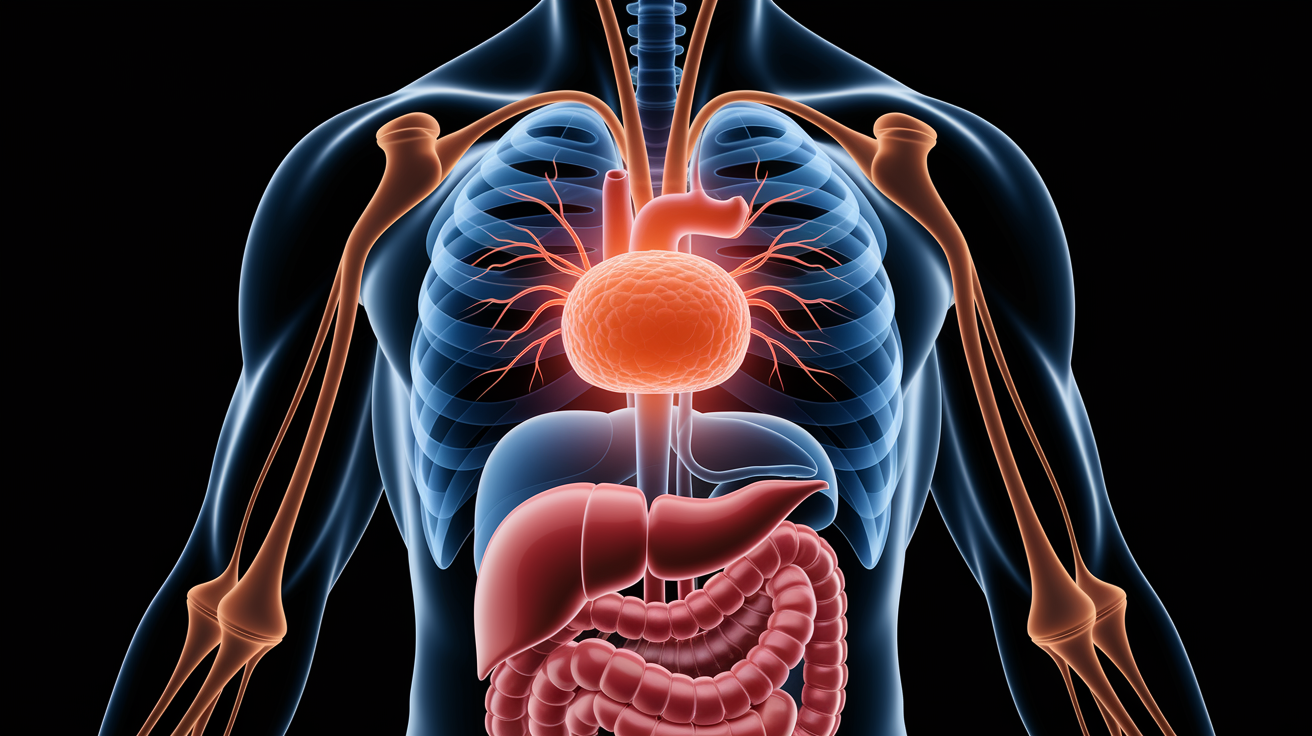
Stress-driven weight gain, particularly visceral fat, raises risk for a broad range of chronic diseases. Visceral fat is metabolically active, secreting inflammatory cytokines and free fatty acids that interfere with insulin signaling, elevate blood pressure, and promote arterial plaque formation. Over time, this creates a perfect storm for metabolic syndrome, a cluster of conditions including high blood pressure, high fasting glucose, elevated triglycerides, and low HDL cholesterol. Metabolic syndrome is a direct precursor to type 2 diabetes, cardiovascular disease, and stroke. Even when total body weight stays within a “healthy” BMI range, excess visceral fat independently predicts these outcomes. The location of fat matters as much as the amount.
Beyond metabolic and cardiovascular consequences, chronic stress-related weight gain intersects with mental health. Depression and anxiety disorders are both causes and consequences of dysregulated cortisol and disrupted eating patterns. One study of 105 obese women with binge-eating disorder found that 24 percent met criteria for post-traumatic stress disorder, highlighting how unresolved trauma can drive both weight gain and disordered eating. That bidirectional relationship means addressing weight alone without treating underlying psychological stress often leads to frustration and relapse.
Hormone-mediated risks extend to cancer. Chronic cortisol elevation, insulin resistance, and chronic inflammation all contribute to cancer risk independent of body weight, with particular links to breast, colon, and endometrial cancers. Some of this risk is driven by the fat tissue itself, which produces estrogen and other signaling molecules that can promote tumor growth. But part of the risk comes directly from the prolonged stress response and its downstream metabolic effects.
Major clinical risks tied to stress-related weight gain:
- Hypertension and increased cardiovascular disease risk
- Type 2 diabetes and prediabetes
- Dyslipidemia (high triglycerides, low HDL cholesterol)
- Increased risk of heart attack and stroke
- Elevated risk for certain cancers, particularly hormone-sensitive types
Exercise and Movement Strategies to Reduce Stress Weight Gain

Exercise is one of the most effective tools for reducing both stress and stress-related weight gain. But the type, intensity, and social context all matter. A 12-week randomized study of 69 adults found that participants who attended 30-minute group fitness classes reported significantly greater improvements in emotional well-being, mental health, and perceived stress compared to those who exercised at home or remained inactive. The group environment provided accountability, social support, and a psychological break from daily stressors, amplifying the physiological benefits of movement. That finding suggests showing up to a scheduled class, even a short one, can deliver outsized returns for stress management and long-term adherence.
Strength training is particularly valuable for countering stress-related metabolic slowdown. Chronic cortisol breaks down muscle tissue to release amino acids, reducing lean mass and lowering resting metabolic rate over time. Resistance exercise two to three times per week (using bodyweight, dumbbells, resistance bands, or machines) stimulates muscle protein synthesis, preserves or builds lean tissue, and gradually raises baseline calorie burn. That metabolic boost helps offset the thyroid-suppressing effects of stress and makes fat loss more sustainable. You don’t need heavy weights or long sessions. Two or three 30 to 45-minute sessions hitting major muscle groups (legs, back, chest, shoulders) are enough to see measurable changes over 8 to 12 weeks.
Low-intensity movement throughout the day (often called NEAT, or non-exercise activity thermogenesis) adds up quietly but powerfully. Walking, standing, light household tasks, and fidgeting collectively burn hundreds of calories per day and help regulate cortisol without triggering the additional stress response that can come from intense cardio or overtraining. Overtraining is a real risk when stress is already high. Adding too much high-intensity interval training or long runs can push cortisol higher, worsen sleep, and amplify cravings. If you’re already under chronic stress, prioritize walking, yoga, and moderate steady-state cardio over aggressive boot camps or daily HIIT sessions.
Effective movement types for stress-weight management:
- Strength training 2 to 3 times per week to preserve muscle and raise metabolic rate
- Daily walking (20 to 40 minutes) to lower cortisol and increase NEAT without overtraining
- Yoga or stretching for nervous-system downregulation and improved sleep quality
- Low-intensity steady-state cardio (walking, cycling, swimming) for sustainable calorie burn
- Group fitness classes for social support, accountability, and mental-health benefits
- Increased daily NEAT through standing, light chores, and breaking up sedentary time
Nutrition Approaches to Counter Stress-Driven Cravings and Fat Storage
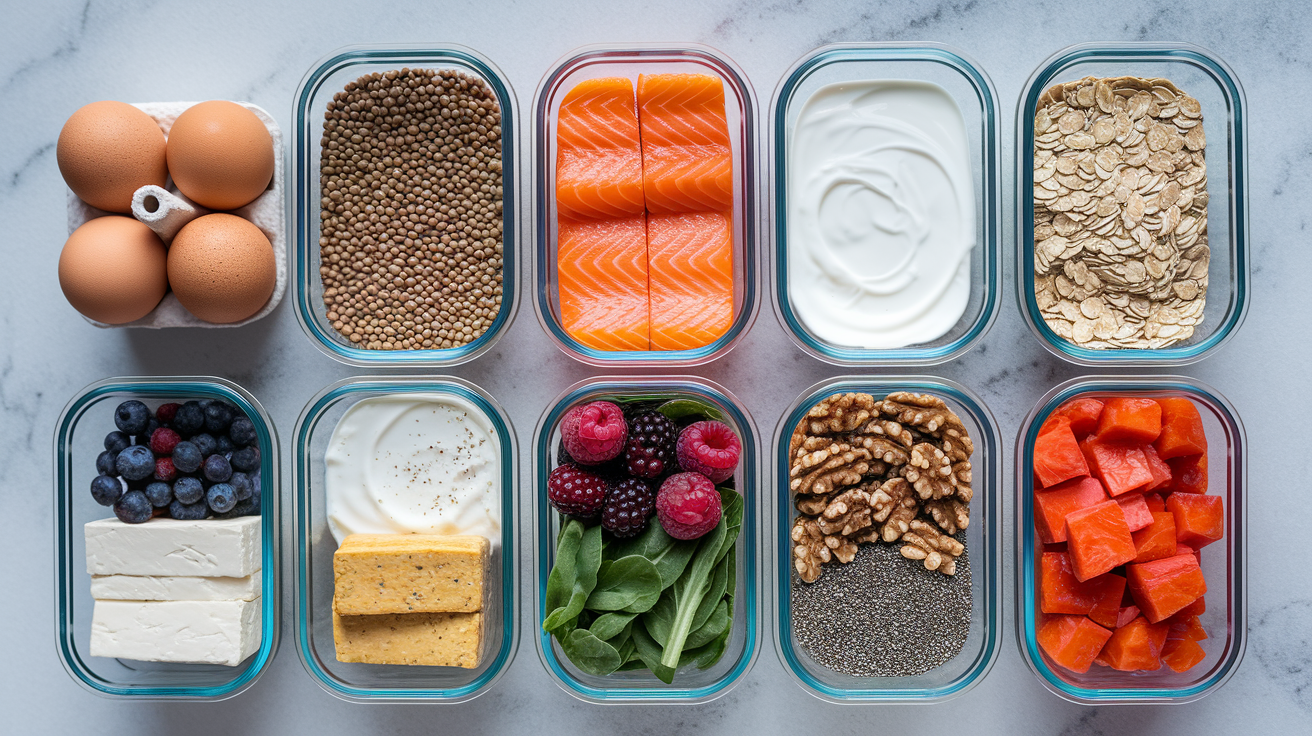
Stress shifts food preferences toward calorie-dense, highly palatable options rich in sugar, fat, and salt. The exact foods that deliver quick dopamine hits and reinforce overeating patterns. Countering that biological push requires both strategic food choices and environmental changes that make healthier eating easier when willpower is low. Protein intake at each meal is one of the most reliable levers. Protein increases satiety, stabilizes blood sugar, and requires more energy to digest than carbs or fats. Aiming for 20 to 30 grams of protein per meal (from sources like eggs, Greek yogurt, chicken, fish, tofu, or legumes) can blunt the appetite spikes and crashes that drive stress eating.
Omega-3 fatty acids have direct anti-inflammatory and mood-stabilizing effects. A randomized controlled trial of 68 medical students used 2,500 milligrams per day of fish oil for 12 weeks and found significant reductions in both inflammatory markers and anxiety symptoms. Omega-3-rich foods include fatty fish (salmon, mackerel, sardines, herring), oysters, flaxseeds, chia seeds, and walnuts. Eating two to three servings of fatty fish per week or adding a daily tablespoon of ground flaxseed can help modulate the stress response and reduce the inflammatory burden of visceral fat.
Fiber slows digestion, stabilizes blood sugar, and feeds beneficial gut bacteria, all of which support healthier eating patterns. High-fiber foods (vegetables, fruits, whole grains, legumes, nuts, and seeds) increase meal volume without adding excessive calories, helping you feel full longer and reducing the urge to snack between meals. Probiotic-rich or fermented foods like yogurt, kefir, kimchi, sauerkraut, and miso support gut health. Emerging research links gut microbiome diversity to improved stress resilience and reduced inflammatory signaling.
Practical dietary shifts include swapping ultra-processed snacks for whole-food options, eating meals at regular times to prevent blood-sugar crashes, and using a food-and-trigger log to identify patterns. Noticing that cravings spike after skipping breakfast or during evening work hours can guide simple structural changes. Like prepping a high-protein breakfast or scheduling an evening walk. Those interrupt automatic eating.
| Food Choice | Benefit for Stress-Weight Management |
|---|---|
| Fatty fish, flaxseeds, walnuts (omega-3 sources) | Reduce inflammation and anxiety; support mood stability; shown effective at ~2,500 mg/day in RCT |
| High-protein meals (eggs, chicken, tofu, legumes) | Increase satiety, stabilize blood sugar, reduce appetite spikes and cravings |
| High-fiber vegetables, fruits, whole grains | Slow digestion, increase meal volume, prevent blood-sugar crashes, support gut health |
Helpful food categories for countering stress-driven weight gain:
- Lean proteins (poultry, fish, tofu, tempeh, legumes) to stabilize appetite and preserve muscle
- Omega-3-rich foods (salmon, mackerel, sardines, flax, chia, walnuts) for inflammation and mood
- High-fiber vegetables (broccoli, spinach, peppers, Brussels sprouts) for volume and satiety
- Whole grains (oats, quinoa, brown rice, farro) for sustained energy and blood-sugar stability
- Fermented or probiotic foods (yogurt, kefir, kimchi, sauerkraut) to support gut health
- Nuts and seeds in controlled portions for healthy fats, fiber, and micronutrients
- Fruits with lower glycemic load (berries, apples, pears) for sweetness without glucose spikes
Sleep, Recovery, and Stress Hormone Regulation

Adults aged 18 to 60 need at least 7 hours of sleep per night for optimal metabolic and hormonal function. Yet chronic stress is one of the leading causes of insufficient sleep. When sleep debt accumulates, cortisol stays elevated into the evening and overnight, times when it should naturally decline. That disrupts your body’s normal diurnal rhythm. Elevated nighttime cortisol prevents deep, restorative sleep, which in turn raises ghrelin, lowers leptin (the satiety hormone), and decreases insulin sensitivity the following day. That hormonal cascade increases appetite, intensifies cravings for high-calorie foods, and lowers metabolic rate. A perfect recipe for weight gain.
Sleep loss also undermines exercise recovery and motivation. When you’re tired, the perceived effort of a workout feels higher, adherence drops, and the temptation to skip training or reduce intensity increases. Over weeks, that compounds into reduced lean muscle mass, lower calorie burn, and fewer opportunities to downregulate stress through movement. Poor sleep also impairs decision-making and impulse control, making late-night snacking and stress-eating episodes more likely.
Improving sleep hygiene is one of the highest-leverage interventions for reversing stress-related weight gain. Small changes to evening routines can restore normal cortisol rhythms, improve insulin sensitivity, and reduce hunger signaling within days to weeks. Consistency matters more than perfection. Going to bed and waking at the same time each day (even on weekends) helps anchor circadian rhythms and makes falling asleep easier over time.
Evidence-backed sleep hygiene practices:
- Aim for 7 to 9 hours of uninterrupted sleep per night
- Maintain consistent bed and wake times, even on weekends, to anchor circadian rhythm
- Avoid screens (phones, tablets, computers) for 60 minutes before bed to reduce blue-light exposure
- Keep the bedroom cool (65 to 68°F) and as dark as possible; use blackout curtains if needed
- Limit caffeine intake after 2:00 p.m. to prevent interference with sleep onset
- Avoid alcohol within 3 hours of bedtime; it disrupts sleep architecture and raises nighttime cortisol
Psychological and Emotional Interventions for Reducing Stress Eating

Stress eating is as much a learned behavior as it is a hormonal response. That means psychological tools can interrupt the automatic loop between stress cue and food reward. Mindfulness practices (paying deliberate, nonjudgmental attention to thoughts, emotions, and physical sensations) help create space between the urge to eat and the act of eating. In that gap, you can notice whether the hunger is physical or emotional, identify the specific trigger (boredom, frustration, fatigue), and choose a different response. Even 5 to 10 minutes of daily mindfulness practice, through meditation apps or simple breathing exercises, can reduce the frequency and intensity of stress-eating episodes over several weeks.
Cognitive-behavioral therapy (CBT) is one of the most effective structured interventions for breaking stress-eating patterns. CBT helps identify distorted thoughts (“I’ve already ruined today, so I might as well keep eating”) and replace them with more balanced, realistic responses (“One snack doesn’t define the day; I can make a different choice at dinner”). A trained therapist or structured self-help program can teach skills like urge surfing (riding out a craving without acting on it), stimulus control (removing trigger foods from easy reach), and behavioral experiments (testing whether the feared consequence of not eating actually happens). For people with a history of trauma, binge eating, or clinical depression, professional support is often necessary to make sustainable progress.
Routine self-care and boundary-setting correlate with lower perceived stress in longitudinal studies. Self-care doesn’t mean spa days or expensive retreats. It’s the practice of protecting time for activities that restore rather than deplete you. A 15-minute walk. A phone call with a supportive friend. Simply saying no to an optional obligation. Setting boundaries around work hours, social commitments, and caregiving responsibilities reduces chronic stress load and makes it easier to stick to exercise, sleep, and eating routines.
Social support is another powerful buffer. One study found that 24 percent of 105 obese women with binge-eating disorder met criteria for PTSD, underscoring how isolation, trauma, and disordered eating often co-occur. Therapy, peer support groups, or even a consistent workout buddy can provide accountability, validation, and practical help during high-stress periods, reducing reliance on food as the primary coping mechanism.
Emotional-regulation techniques to reduce stress eating:
- Daily mindfulness or meditation practice (5 to 15 minutes) to create space between urge and action
- Cognitive-behavioral strategies to challenge automatic thoughts and test alternative responses
- Urge surfing: notice and ride out cravings without immediately acting on them
- Routine self-care activities scheduled like appointments to reduce chronic stress load
- Clear boundaries around work, social, and caregiving demands to protect recovery time
Supplements and Medical Evaluation in Stress-Related Weight Issues

Supplements can support stress-weight management when used as part of a broader plan. But they aren’t standalone solutions. Omega-3 supplementation has the strongest evidence for reducing both inflammation and anxiety. The randomized controlled trial mentioned earlier used 2,500 milligrams per day of fish oil (providing EPA and DHA) for 12 weeks and found measurable reductions in inflammatory markers and self-reported anxiety in medical students. That dose is higher than most over-the-counter capsules provide, so check labels carefully and aim for a combined EPA+DHA total near 2,000 to 2,500 milligrams daily when supplementing for stress-related benefits.
Vitamin D deficiency is common and has been linked to sleep disorders, mood disruption, and inflammation in multiple meta-analyses. Correcting deficiency (through moderate sun exposure, dietary sources like fatty fish, fortified dairy, or egg yolks, or supplementation) can improve sleep quality and reduce some of the hormonal imbalances that contribute to stress weight gain. Vitamin D testing is inexpensive and widely available. Serum levels above 30 ng/mL are generally considered sufficient, though some practitioners target 40 to 50 ng/mL for optimal immune and metabolic function.
It’s important to distinguish between stress-driven cortisol elevation (which is reversible through lifestyle changes) and hypercortisolism (Cushing’s syndrome), a medical condition caused by pituitary or adrenal tumors or long-term steroid medication. Cushing’s presents with a distinct set of physical signs that go beyond simple belly fat and require prompt medical evaluation. If you notice rapid, unexplained weight gain concentrated in the face and trunk, along with unusual skin changes or severe muscle weakness, testing for hypercortisolism is warranted.
Red-flag symptoms that warrant medical evaluation:
- Rapid weight gain in the face (moon face) and upper back (buffalo hump)
- Purple stretch marks on the abdomen, thighs, or breasts (striae)
- Skin that bruises easily or becomes thin and fragile
- Marked muscle weakness, especially in the hips and shoulders
- Persistently high blood pressure or blood glucose despite lifestyle changes
Actionable Plan to Prevent and Reverse Stress Weight Gain
Preventing and reversing stress weight gain requires a coordinated approach that addresses hormones, behavior, sleep, movement, and nutrition at the same time. The plan should be simple enough to follow during high-stress periods, when decision fatigue is high and willpower is low. Start with the highest-leverage interventions first (sleep and basic stress management), then layer in movement and dietary changes as routines stabilize. Tracking a few key metrics (waist circumference, sleep hours, stress-eating episodes) provides feedback and helps you spot patterns before they become entrenched.
Daily actions form the foundation. Prioritize 7 to 9 hours of sleep by setting a consistent bedtime and removing screens an hour before bed. Add 5 to 10 minutes of deep breathing, meditation, or a short walk immediately after waking or during a midday break to downregulate the stress response. Eat three structured meals with 20 to 30 grams of protein each, and include at least one serving of omega-3-rich food or a fish-oil supplement. Move for at least 20 to 30 minutes. Walking counts, as does a short strength session or yoga practice.
Weekly planning creates structure and reduces decision fatigue. Schedule two to three strength-training sessions of 30 to 45 minutes each, targeting major muscle groups. Attend one or two group fitness classes if possible. The social and accountability benefits amplify the physical effects. Prep high-protein breakfasts and snacks for the week ahead to avoid morning skips and afternoon grazing. Review your food-and-trigger log to identify stress-eating patterns and plan one or two environmental changes (like removing candy from your desk or scheduling an evening walk after work).
Monthly check-ins track progress and allow course corrections. Measure waist circumference at the same time of day, ideally first thing in the morning. Note changes in cravings, energy, mood, and exercise consistency. If waist circumference is rising or cravings are intensifying despite following the plan, revisit sleep quality, consider whether you’re overtraining, and look for hidden stressors (work deadlines, relationship issues, financial pressure) that may need direct attention.
| Timeframe | Action |
|---|---|
| Daily | Sleep 7 to 9 hours; 5 to 10 min breathing or meditation; 20 to 30 min movement (walk, strength, yoga); eat 3 meals with 20 to 30 g protein each; take omega-3 supplement or eat one serving fatty fish |
| Weekly | Attend 2 to 3 strength-training sessions; join 1 to 2 group fitness classes; prep high-protein meals/snacks; review food-trigger log and adjust environment |
| Monthly | Measure waist circumference; assess cravings, energy, mood; adjust exercise intensity or volume if needed; address new stressors proactively |
Eight-step plan to prevent and reverse stress weight gain:
- Establish a consistent sleep schedule with 7 to 9 hours per night and wind-down routine
- Practice daily stress reduction (5 to 10 minutes of breathing, meditation, or mindful walking)
- Move regularly: 2 to 3 strength sessions per week plus daily low-intensity activity (walking, NEAT)
- Eat structured meals with protein at each one to stabilize blood sugar and reduce cravings
- Add omega-3-rich foods (fatty fish, flax, walnuts) or supplement with ~2,500 mg/day fish oil
- Correct vitamin D deficiency through testing, sunlight, diet, or supplementation
- Track waist circumference, sleep hours, and stress-eating triggers weekly or biweekly
- Seek therapy or counseling if trauma, binge eating, or high emotional distress is present
Final Words
Act now: focus on hormones, habits, sleep, and movement to stop stress-driven fat gain.
This post showed how chronic stress raises cortisol, shifts appetite and metabolism, and favors belly fat. It gave clear fixes—strength training, walking and NEAT, high-protein meals, omega-3s, better sleep, mindful eating, and when to see a clinician.
Start by tracking waist, sleep, and stress-eating triggers, then add one small habit each week. With steady steps you can reverse stress weight gain and feel more in control.
FAQ
Q: How to tell if weight gain is from cortisol?
A: Weight gain from cortisol shows as more belly fat, growing waist circumference, stronger sugar and fat cravings, persistent stress or poor sleep, and trouble losing weight despite diet—see a clinician for testing.
Q: Can anxiety cause weight gain?
A: Anxiety can cause weight gain by raising stress hormones, increasing cravings and emotional eating, disrupting sleep, and lowering activity. These combine to favor fat storage, especially around the midsection.
Q: How to lose weight and reduce stress?
A: To lose weight and reduce stress, improve sleep (≥7 hours), move regularly (strength plus walks), prioritize protein and fiber, use mindful eating or CBT, and track waist or habits. Start with a 20–30 minute walk.
Q: Can stress cause weight gain without overeating?
A: Stress can cause weight gain without overeating by raising cortisol, changing insulin and thyroid signaling, increasing visceral fat storage, and lowering metabolic rate—so body stores more fat even without extra calories.

