
Most stress tips are slow or useless — you need tools that calm you in minutes.
When your heart races and your head spins, a few simple moves can flip your nervous system from fight-or-flight to calm.
This post shows seven stress coping mechanisms that bring real relief fast, no quiet room or special gear required.
Pick one and try it next time your chest tightens or your thoughts spiral, and notice how quickly your body starts to settle.
Quick, Evidence‑Based Ways to Reduce Stress Right Now

When stress hits hard, your body floods with cortisol and adrenaline. These hormones trigger physical tension, racing thoughts, and that familiar tight chest feeling. Fast techniques work by flipping the switch on your nervous system, activating the parasympathatic “rest and digest” response that calms you down within minutes.
You don’t need special equipment or a quiet room. Most of these methods take under five minutes and work wherever you are. At your desk, in your car, standing in line at the grocery store.
Here are seven immediate stress reducers you can use right now:
4-7-8 breathing – Inhale through your nose for 4 counts, hold for 7, exhale through your mouth for 8. Repeat 3–4 cycles. This rhythm slows your heart rate and signals safety to your brain.
Cold water on your wrists – Run cold water over the insides of your wrists for 30 seconds. It cools blood flow and calms your pulse.
5-4-3-2-1 grounding – Name 5 things you see, 4 you can touch, 3 you hear, 2 you smell, and 1 you taste. It pulls your focus away from spiraling thoughts.
Tense and release – Squeeze your fists tight for 5 seconds, then let go. Repeat with your shoulders, jaw, and legs. This quick muscle relaxation clears built up tension.
Walk for 2 minutes – Step outside or down the hall. Movement burns off stress hormones and gives your mind a reset.
Press your palms together – Push hard for 10 seconds, then release. The physical effort interrupts the stress loop.
Hum or sigh loudly – A long exhale or hum vibrates your vagus nerve, which tells your body to calm down.
Pick one and try it the next time your heart starts racing or your thoughts won’t slow down.
Understanding How Stress Affects the Body
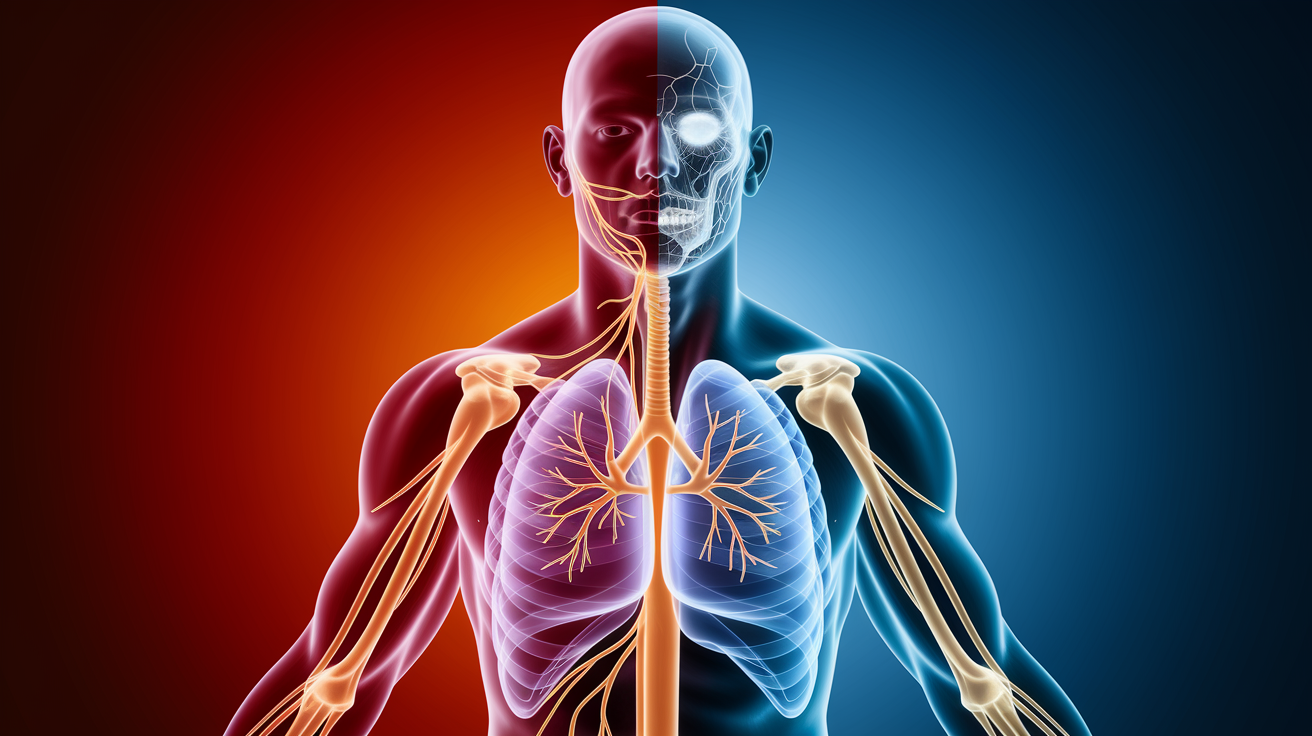
Stress kicks your body into survival mode. The moment your brain detects a threat, real or imagined, it fires up the sympathetic nervous system. Your adrenal glands dump cortisol and adrenaline into your bloodstream. Heart rate climbs. Breathing gets shallow. Muscles tense.
This fight or flight response evolved to help you escape predators, not to handle a flooded inbox or a tight budget. But your body can’t tell the difference. When stress becomes chronic, those same chemicals meant to save your life start wearing you down.
Long term exposure to stress hormones weakens your immune system, raises your risk for heart disease, messes with digestion, and disrupts sleep. It also rewires your brain. High cortisol shrinks the hippocampus (the part responsible for memory and learning) and enlarges the amygdala, the fear center. That’s why stressed people feel forgetful, foggy, and on edge.
Here’s what happens physically during a stress response:
Pupils dilate to sharpen vision. Heart pumps faster to deliver oxygen to muscles. Breathing speeds up to fuel the body. Digestion slows or stops to conserve energy. Muscles tighten, especially in the neck, shoulders, and jaw.
When you understand this cascade, it’s easier to see why calming techniques work. Slow breathing, muscle relaxation, and grounding exercises interrupt the alarm system and tell your body the threat has passed.
Long Term Coping Strategies for Ongoing Stress
Quick fixes help in the moment, but if stress is showing up every day, you need a plan that works over weeks and months. Long term strategies retrain your nervous system, build resilience, and lower your baseline stress load. They won’t eliminate hard situations, but they’ll change how your body and brain respond.
The goal is to layer habits that regulate your system over time. Think of it like maintenance, not crisis control. These practices reduce cortisol, improve mood, strengthen focus, and help you recover faster when life gets hard.
Start with one or two and build from there. Trying to overhaul everything at once usually backfires.
Here are six sustainable strategies that hold up over the long haul:
Regular exercise – Aim for at least 30 minutes of moderate movement most days. Walking, cycling, swimming, or dancing all work. Exercise burns off stress hormones and releases endorphins. A 2018 meta analysis found people who exercised regularly had 43% fewer days of poor mental health.
Consistent sleep schedule – Go to bed and wake up at the same time every day, even weekends. Adults who sleep less than 7 hours a night are three times more likely to report stress symptoms. Sleep is when your brain clears out cortisol and repairs damage from the day.
Mindfulness or meditation practice – Start with 5 minutes a day. Use a guided app or just focus on your breath. A 2021 review in JAMA Psychiatry found mindfulness based interventions as effective as antidepressants for reducing anxiety.
Creative activity – Draw, write, play music, cook, garden. A 2016 study in Art Therapy showed that 45 minutes of creative work significantly lowered cortisol levels.
Social connection – Schedule regular time with people who make you feel steady. Isolation feeds stress. Even brief check ins with friends or family buffer the impact of hard weeks.
Structured downtime – Block out time for hobbies, rest, or doing nothing. Constant productivity keeps your nervous system stuck in high gear. Rest is part of the strategy, not a reward for finishing.
These aren’t quick wins. You’re building a foundation that makes stress less damaging over time.
Cognitive Approaches That Change Stressful Thinking

Stress isn’t just what happens to you. It’s also how you interpret what happens. Cognitive strategies work by shifting the stories you tell yourself about pressure, failure, uncertainty, and control. When you change the narrative, the physical stress response often follows.
Cognitive behavioral therapy techniques are some of the most researched tools for stress reduction. A 2019 meta analysis found strong evidence that CBT lowers both anxiety and perceived stress by targeting automatic negative thoughts. You don’t need a therapist to start using these methods, though working with one can speed things up.
The core idea is simple. Catch the thought, check if it’s accurate, and replace it with something more balanced. Most stressful thinking falls into predictable traps: catastrophizing, black and white judgments, mind reading, or assuming the worst. When you learn to spot those patterns, you can interrupt them before they spiral.
Here are five cognitive methods that reduce stress reactivity:
Thought challenging – Write down the stressful thought. Ask: What’s the evidence for this? What’s the evidence against it? What would I tell a friend in this situation? Replace the thought with a more realistic version.
Reframing – Look for another angle. Instead of “I failed,” try “I learned what doesn’t work.” Instead of “This is a disaster,” ask “What can I control right now?”
Decatastrophizing – When your brain predicts the worst, ask: What’s the actual worst that could happen? What’s the best? What’s most likely? This shrinks the fear down to size.
Self compassion practice – Talk to yourself the way you’d talk to someone you care about. Harsh self talk keeps stress high. Kind self talk calms the nervous system.
Gratitude or positive focus – Spend two minutes listing things that went okay today. Stress narrows your focus to threats. Gratitude widens it back out.
These techniques work best when you practice them regularly, not just in crisis. Start a thought diary or set a daily reminder to check in on your mental patterns.
Lifestyle Adjustments That Support Stress Reduction
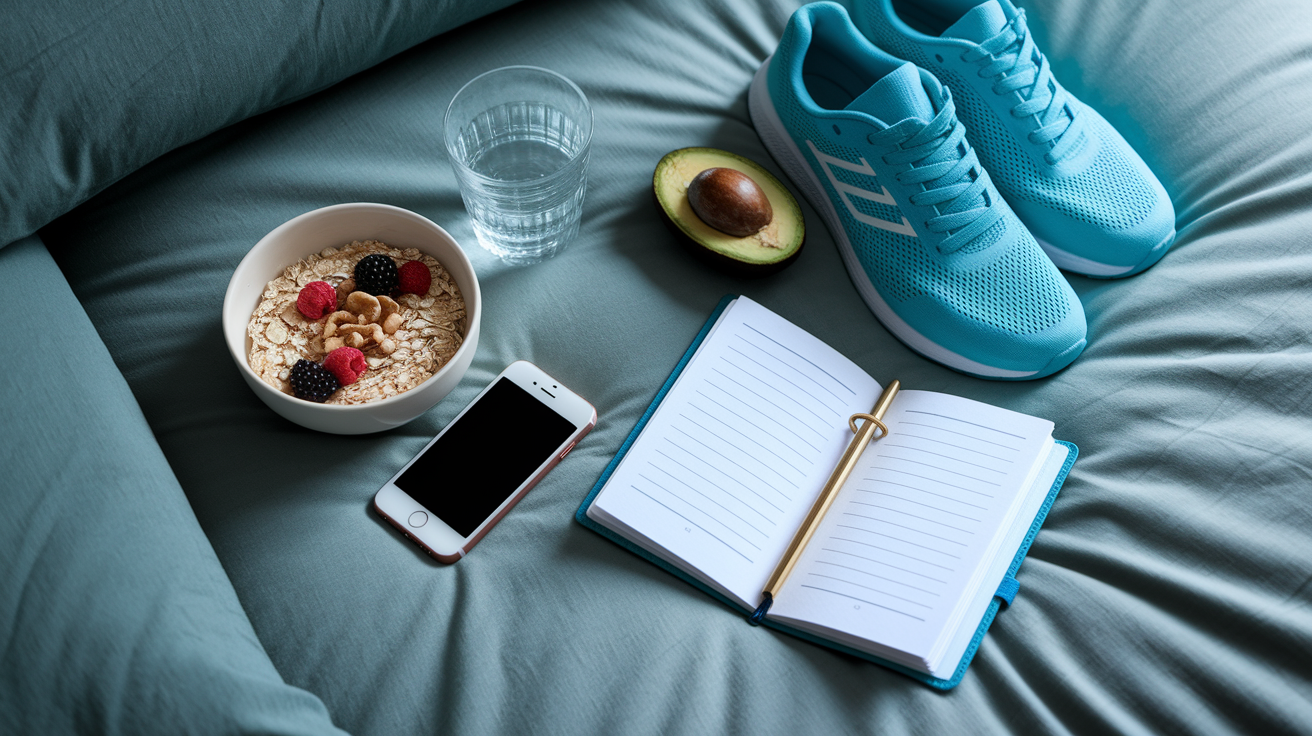
The way you live day to day either feeds stress or starves it. Sleep quality, what you eat, how you move, and the boundaries you set all shape your nervous system’s baseline. Small, consistent changes in these areas can lower your stress load more than any single technique.
You don’t need a complete lifestyle overhaul. Pick one or two areas where you’re struggling and make targeted adjustments.
Sleep is the foundation. Adults who sleep fewer than 7 hours a night are three times more likely to report stress symptoms. Poor sleep floods your system with cortisol and makes everything feel harder. Practical sleep hygiene includes going to bed at the same time, keeping your room cool and dark, and limiting screens one to two hours before bed. Avoid caffeine and alcohol close to bedtime. They disrupt deep sleep, which is when your brain clears out stress hormones.
Nutrition plays a bigger role than most people realize. Up to 38% of adults report overeating or choosing unhealthy foods because of stress. High sugar and high processed diets spike blood sugar, which then crashes and triggers more cortisol release. Focus on whole foods, complex carbs like oats and whole grains, omega 3s from fish or flax, and magnesium rich foods like dark chocolate, avocados, and nuts. Stay hydrated. Dehydration alone can raise cortisol.
Here are eight lifestyle habits that lower stress over time:
7–9 hours of sleep per night – Non negotiable for stress resilience.
30 minutes of moderate exercise most days – Walking, swimming, cycling, or anything that gets your heart rate up.
Balanced meals with protein, vegetables, and whole grains – Protein first, then veggies, then carbs if you need energy.
Limit caffeine to mornings – Too much or too late in the day keeps your system wired.
Set work life boundaries – Turn off email after hours. Take real breaks. Say no when your plate is full.
Schedule time off – Vacations and rest days aren’t luxuries. They’re part of the plan.
Reduce alcohol – It might feel relaxing in the moment, but it disrupts sleep and raises anxiety the next day.
Build margin into your day – Don’t pack every minute. Buffer time between tasks reduces the feeling of being behind.
Start where you are. If sleep is a mess, focus there first. If your diet is mostly takeout, add one real meal a day. Layer changes slowly so they stick.
Practical Ways to Apply These Strategies Daily
Knowing what works doesn’t mean much if you can’t make it happen. The gap between strategy and action is where most stress relief plans fall apart. You need a system that fits into your real life, not a perfect version of it.
Start small. Pick one or two techniques from this list and commit to them for two weeks. Don’t try to overhaul everything at once. Habit stacking works better than willpower. Attach a new stress relief habit to something you already do every day. Breathe for two minutes after you brush your teeth. Do a five minute walk after lunch. Journal while your coffee brews.
Track what you’re doing and how it feels. Use a notes app, a calendar, or a simple checklist. When you see patterns, you can adjust. If something isn’t working after a week, swap it out. Not every method works for every person, and what helps this month might lose effectiveness over time. That’s normal.
Here are six simple steps to integrate stress coping into your day:
Anchor one technique to an existing routine – Morning coffee, commute, lunch break, or bedtime. Use the routine as your cue.
Set a daily reminder – A phone alarm or calendar notification helps until the habit sticks.
Keep tools visible – Leave a yoga mat out, set your running shoes by the door, or keep a journal on your nightstand.
Start with 5 minutes – Short sessions build consistency. You can always add time later.
Track what you did, not what you skipped – Focus on wins, not missed days. Progress isn’t linear.
Adjust when life changes – Busy weeks need simpler strategies. Calmer weeks can handle longer practices. Flexibility keeps the system working.
If stress is interfering with sleep, work, or relationships for more than a few weeks, consider reaching out for professional support. Therapy, counseling, or medical evaluation can offer targeted help when self directed strategies aren’t enough. Eight to twelve sessions of cognitive behavioral therapy have been shown to produce significant improvements in stress and anxiety symptoms.
Final Words
Try a quick breathing break right now, it’s one of the fast stress reducers we covered. The post gave seven immediate tools you can use in minutes.
We explained how stress lights up your nervous system, then walked through long-term habits like exercise, rest, and mindfulness, plus cognitive tools such as reframing. We also listed lifestyle tweaks and practical steps to make these habits stick.
Use these stress coping mechanisms daily with simple habit stacks, and start with one small change this week. You’ll build more calm, step by step.
FAQ
Q: What are 5 coping strategies for stress?
A: Five coping strategies for stress are deep breathing, progressive muscle relaxation, grounding (5‑4‑3‑2‑1), brief mindfulness, and a short walk or light movement to lower arousal and refocus attention.
Q: What are the 7 steps in managing stress?
A: The seven steps in managing stress are identify triggers, rate intensity, use a quick relief skill, reframe unhelpful thoughts, plan practical solutions, set clear boundaries, and schedule recovery time.
Q: What is the 3 3 3 rule for stress?
A: The 3‑3‑3 rule for stress is name three things you can see, move three body parts, then take three slow breaths to ground yourself and calm the nervous system.
Q: What are the 4 types of coping mechanisms?
A: The four types of coping mechanisms are problem‑focused (fixing the issue), emotion‑focused (soothing feelings), avoidance (distracting or withdrawing), and meaning‑focused (finding purpose or learning from it).

