
Stress isn’t just a feeling.
It rewires your body.
Have you ever felt your stomach flip, your jaw tighten, or your heart race during a tense day?
In seconds your body flips into alarm mode.
Hormones like adrenaline and cortisol reroute blood, slow digestion, and sharpen focus.
But when that alarm never turns off, those short fixes become wear and tear.
This post shows the main physical changes stress causes, which body systems suffer, and the real health risks that can build over time.
How Stress Works: The Body’s Alarm System
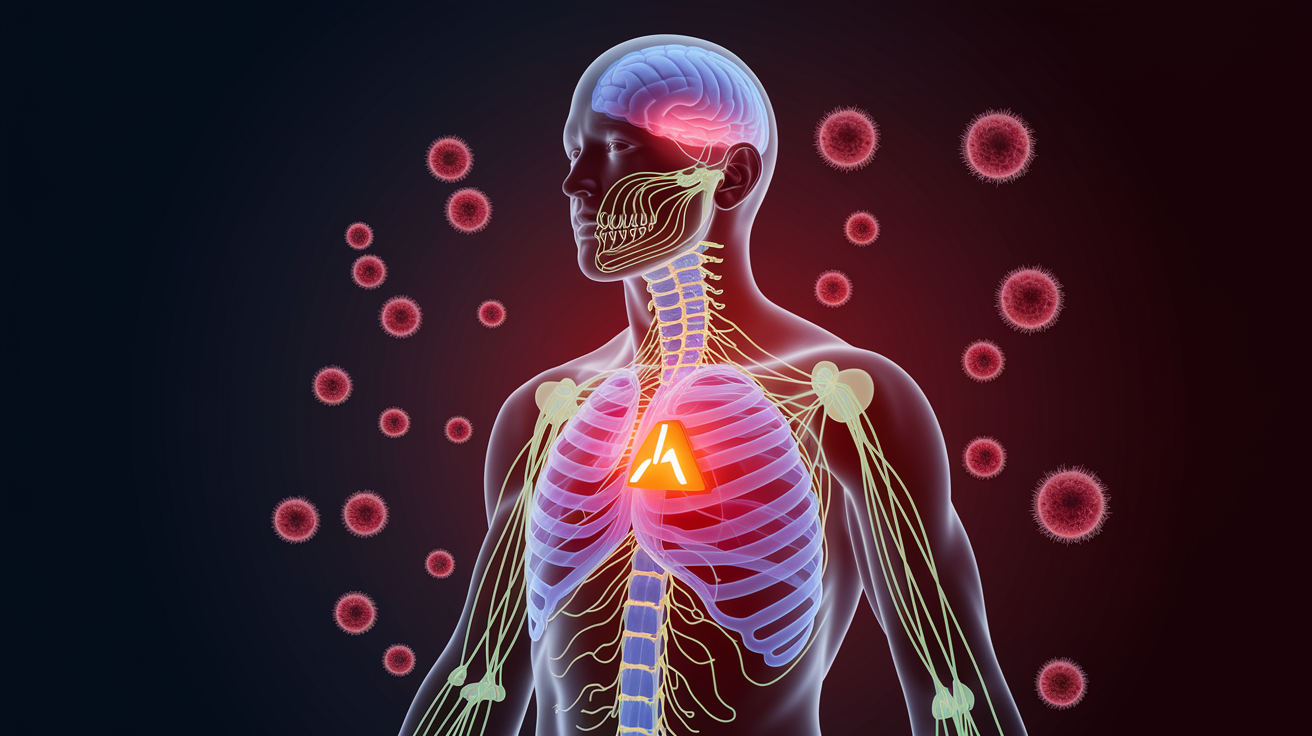
Your body treats stress like a threat. Doesn’t matter if it’s an angry email or an actual bear.
Within seconds, your sympathetic nervous system flips on. Adrenaline dumps into your bloodstream. Heart rate jumps, blood pressure spikes, breathing speeds up. That’s the sympathetic-adrenal-medullary response, and it’s built to get you moving fast.
At the same time, a slower system kicks in. The hypothalamic–pituitary–adrenal axis starts a hormone chain reaction. Your hypothalamus releases corticotropin-releasing hormone. That signals your pituitary to release adrenocorticotropic hormone. Which tells your adrenal glands to pump out cortisol.
Cortisol peaks around 20 to 30 minutes after stress hits. It sticks around for hours. Adrenaline is your sprint, cortisol’s the marathon.
Together, these hormones shift everything. Digestion slows down. Immune system dials back. Blood sugar climbs to fuel your muscles. Growth, repair, reproduction? All on pause. Your body’s entire focus is survival.
Short bursts of this are fine. Actually brilliant. It’s what helped our ancestors outrun predators. Today it helps you slam the brakes when someone cuts you off.
But when the alarm never shuts off? That same biology starts tearing you apart.
Acute Stress: The Immediate Response
Acute stress is your quick-response mode. Lasts seconds to minutes, maybe a few hours.
Heart rate climbs 10 to 30 beats per minute. Systolic blood pressure can jump 10 to 40 mm Hg. Pupils dilate, breathing quickens, blood sugar ticks up as your liver dumps stored glucose.
You feel it. Pounding heart, sweaty or cold hands, churning stomach. Muscles tense, especially neck, shoulders, jaw.
These changes are adaptive. Your body’s priming you to fight or run. Blood shifts toward big muscles. Brain gets a temporary alertness boost. Reaction time sharpens.
Once the stressor passes, you usually reset within minutes to hours. Heart rate drops, blood pressure comes down, cortisol clears. You might feel shaky or tired, but you recover.
That’s how it’s supposed to work. Short, sharp, done.
Chronic Stress: When the Alarm Stays On
Chronic stress happens when your stress response stays activated for weeks, months, years.
Could be a toxic job. Money problems. Caregiving for someone who’s sick. Ongoing relationship fights. Political anxiety, chronic pain. The trigger varies, but the biology’s the same. Your body never stands down.
Cortisol stays elevated or spikes over and over. Adrenaline surges become routine. Your heart, immune system, gut, brain, metabolism start showing wear.
This isn’t just “feeling stressed.” It’s measurable damage building up in your tissues and organs.
| Factor | Acute Stress | Chronic Stress |
|---|---|---|
| Duration | Seconds to hours | Weeks to years |
| Primary hormones | Adrenaline (immediate) | Cortisol (sustained) |
| Heart rate change | +10–30 bpm, transient | Elevated resting heart rate |
| Blood pressure | Transient spike (+10–40 mm Hg) | Sustained elevation; risk of hypertension |
| Immune function | Temporarily enhanced | Suppressed; higher infection rates |
| Metabolism | Glucose mobilized for energy | Insulin resistance, central fat gain |
| Recovery | Usually complete within hours | Cumulative damage; may require intervention |
The American Psychological Association reports that roughly 70 to 80 percent of adults experience physical symptoms tied to stress. Not occasional jitters. Real, measurable changes in how your body works.
Cardiovascular System: Heart and Blood Vessels Under Pressure
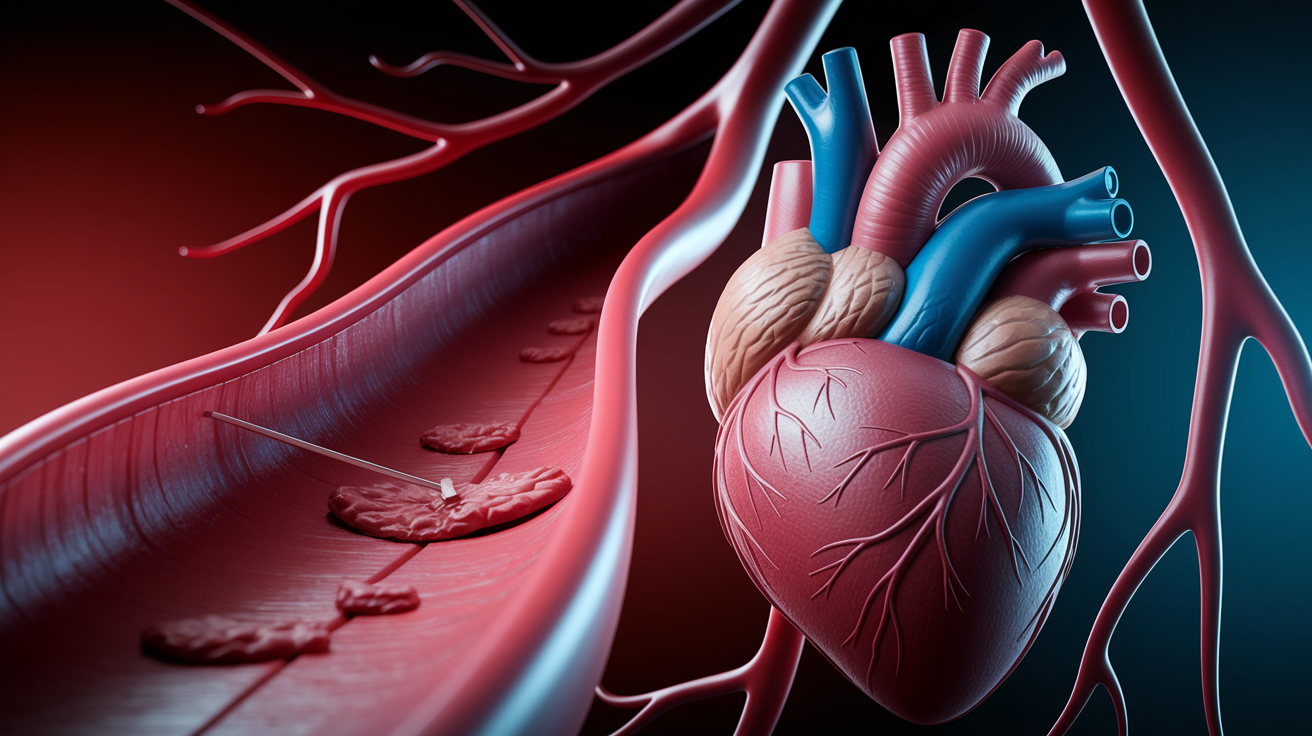
Chronic stress keeps your heart working harder than it should.
Sustained high cortisol and repeated adrenaline surges push blood pressure up. Over time, this can turn into persistent hypertension (resting blood pressure at or above 130/80 mm Hg).
Stress speeds up atherosclerosis, the buildup of plaque in artery walls. Large population studies show that chronic stress or job strain links to about 40 to 60 percent higher risk of coronary heart disease. That’s a relative risk of roughly 1.4 to 1.6 in affected groups.
You might notice chest tightness, palpitations, racing heart even when you’re sitting still. Some people develop arrhythmias, irregular heartbeats that feel like skipped beats or fluttering.
The mechanism’s straightforward. Adrenaline tells your heart to beat faster and harder. Cortisol promotes inflammation and messes with how your body handles cholesterol and blood sugar. Together, they create conditions where plaques form faster and blood vessels stay tight.
If you measure your resting heart rate and it’s consistently over 100 beats per minute, or your blood pressure stays elevated for weeks, that’s a red flag.
Immune System: Defenses Dialed Down
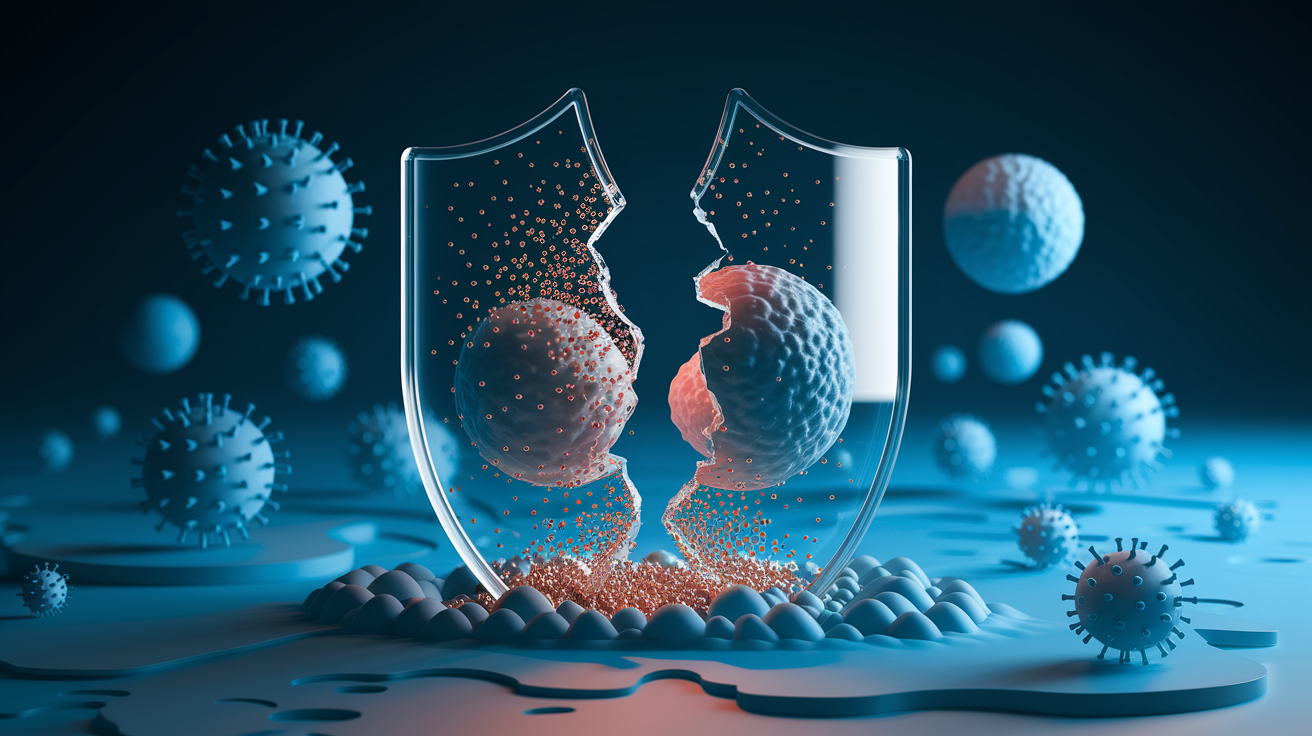
Your immune system is finely balanced. Cortisol tips it.
Short bursts of cortisol can sharpen immunity, part of the acute stress boost. But chronic elevation does the opposite. It suppresses cellular immunity, including natural killer cells and T-cell function. Antibody responses to vaccines drop. Wound healing slows.
Studies on caregivers and chronically stressed people show measurable changes, often 20 to 50 percent reductions in selected immune markers like vaccine antibody titers or wound closure rates.
What that looks like in real life? More colds. Slower recovery from infections. Longer healing times after cuts or surgery. Autoimmune conditions like eczema, psoriasis, rheumatoid arthritis flare more often.
The CDC and NIH have documented links between chronic stress and higher rates of inflammatory diseases. The mechanism involves cortisol’s effect on cytokine production and the balance between pro-inflammatory and anti-inflammatory signals.
If you’re getting sick every month, or cuts that used to heal in a week now take two, your immune system might be running on empty.
Digestive System: Gut in Overdrive or Shutdown
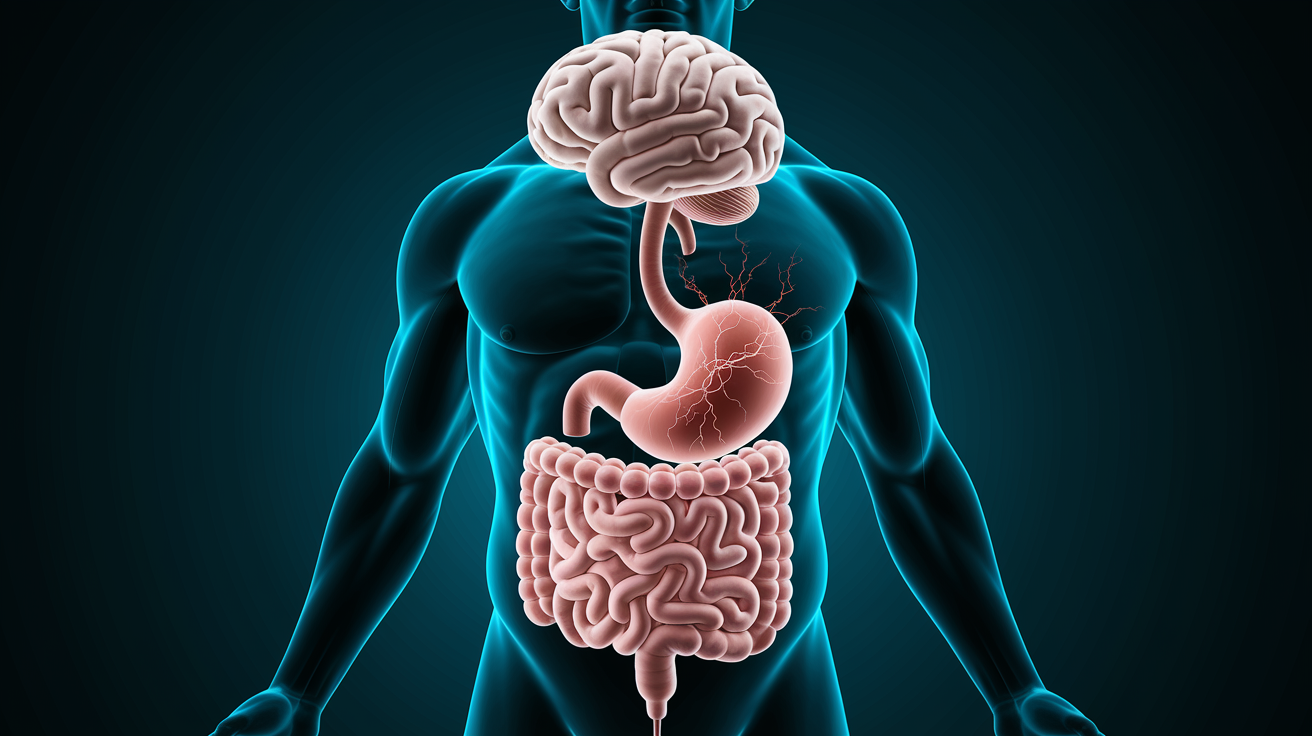
Stress hits your gut hard.
Your brain and gut talk constantly through the vagus nerve and the enteric nervous system. When you’re stressed, signals change. Gut motility speeds up or slows down. Acid secretion increases. The gut lining can become more permeable.
Common symptoms include stomach pain, nausea, acid reflux, diarrhea, constipation, bloating. Conditions like irritable bowel syndrome and functional dyspepsia often worsen during high-stress periods.
Cortisol and adrenaline shift blood flow away from digestion. That’s why your appetite might disappear during acute stress, or why chronic stress messes with regular bowel habits.
Research also shows stress alters the gut microbiome, the trillions of bacteria that help digest food and regulate inflammation. Changes in microbial balance can contribute to ongoing GI symptoms even after the stressor passes.
If you notice your stomach acting up every time work gets intense, or if you’re cycling between diarrhea and constipation for weeks, stress is probably playing a role.
Nervous System and Brain: Cognitive Fog and Headaches
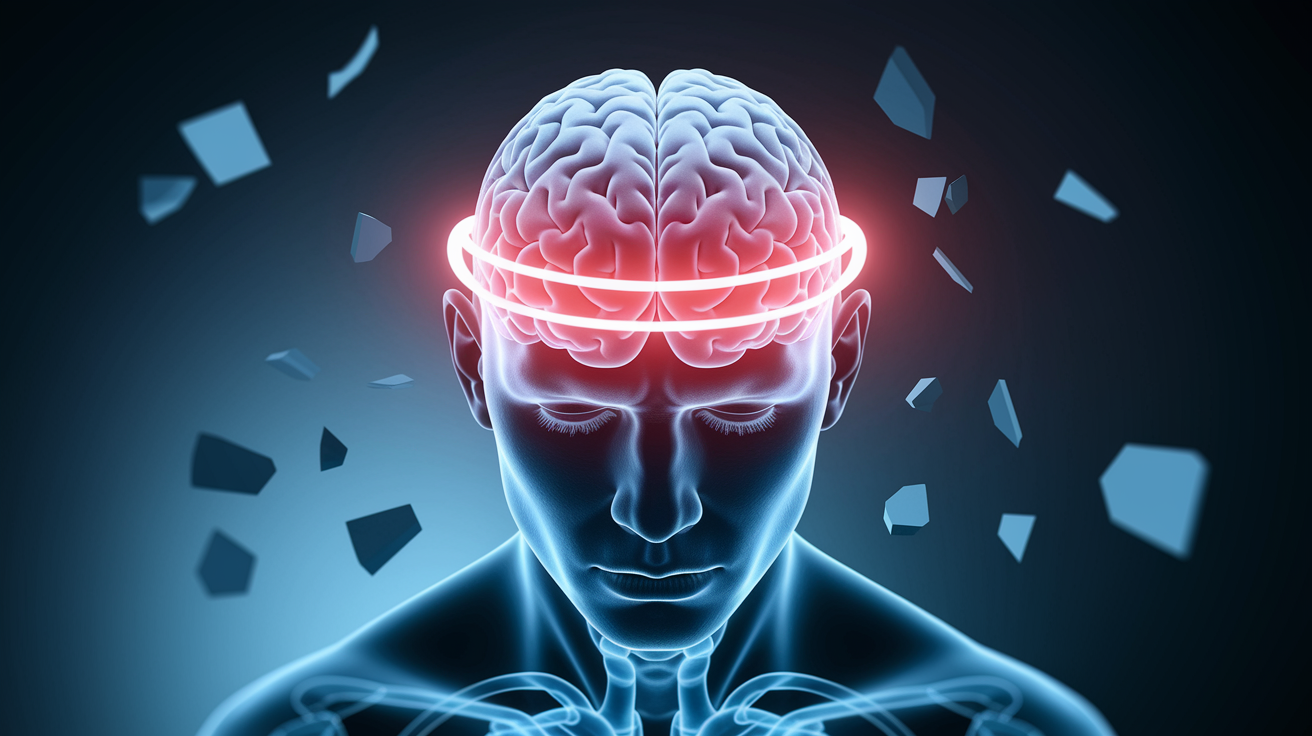
Chronic stress rewires your brain.
The hippocampus, critical for memory, shrinks with prolonged high cortisol exposure. The prefrontal cortex, which handles decision-making and impulse control, shows reduced connectivity. Meanwhile, the amygdala (your brain’s fear center) becomes hyperactive.
What you feel? Memory lapses, trouble concentrating, slower thinking, frequent headaches.
Tension headaches are one of the most common stress symptoms. Tight muscles in your neck, scalp, and face create a band-like pressure around your forehead. Pain’s usually mild to moderate, but constant.
Stress also disrupts sleep. You might fall asleep fine but wake up at 3 a.m. with racing thoughts. Or you lie awake for hours. Either way, sleep becomes fragmented and doesn’t restore you.
The Mayo Clinic notes that chronic sleep disruption from stress feeds back into worsening cognitive function, creating a vicious cycle. Aim for 7 to 9 hours of sleep per night. If you’re consistently under 6 hours for weeks, your stress biology is compounding.
Migraines and cluster headaches can also spike in frequency under chronic stress, likely due to changes in blood vessel tone and neurotransmitter balance.
Musculoskeletal System: Tension, Pain, and Injury Risk
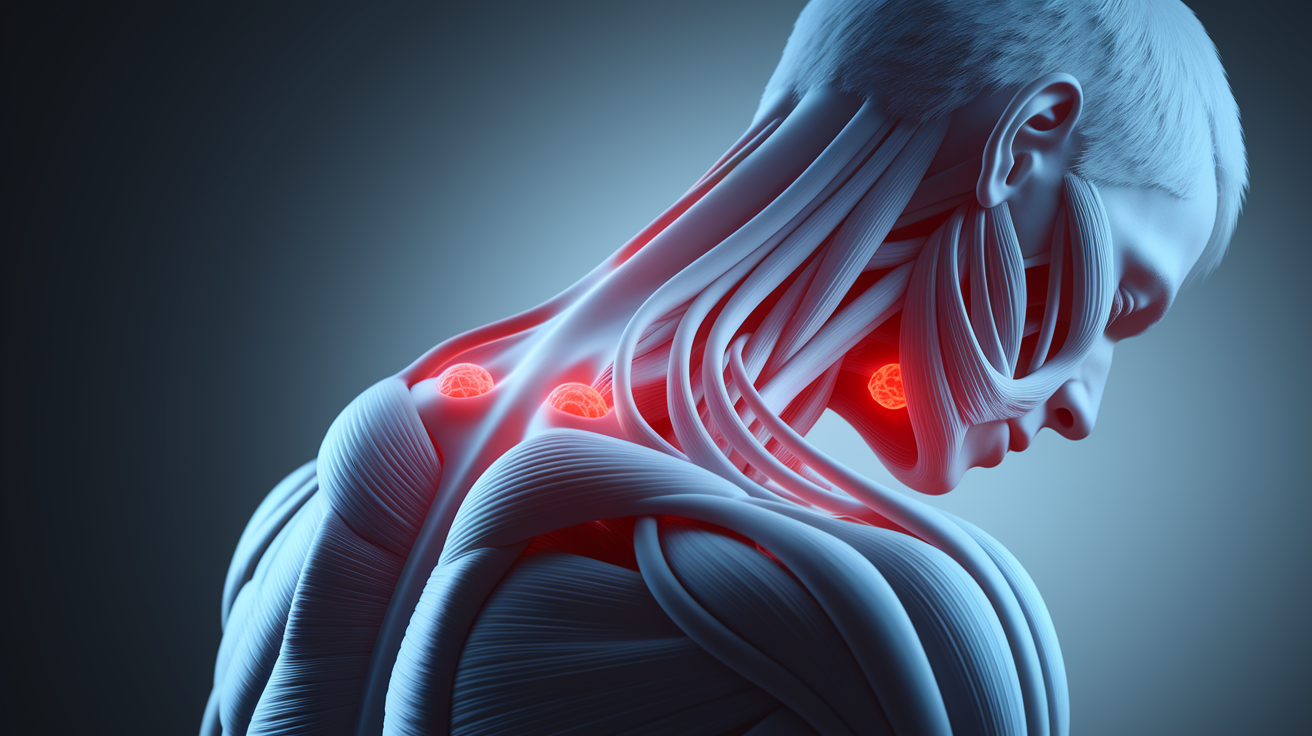
Your muscles tense when you’re stressed. That’s part of the acute response, getting ready to move fast.
But when stress is chronic, muscles never fully relax. Neck, shoulders, jaw, lower back take the brunt. You might clench your teeth at night (bruxism), wake up sore, or develop trigger points (tight knots in muscle tissue that radiate pain).
Myofascial pain syndrome and chronic back pain often have a stress component. Sustained muscle tension reduces blood flow to tissues, slows recovery, and increases injury risk during exercise or daily activity.
If you’re a regular at the gym, chronic stress can make you more prone to strains, overuse injuries, and delayed muscle soreness that lingers longer than normal.
Progressive muscle relaxation (tensing and releasing muscle groups for 10 to 20 minutes) can help reset this chronic tension. Do it 3 to 5 times per week and you’ll likely notice less pain and stiffness.
Endocrine and Metabolic Changes: Weight Gain and Insulin Resistance
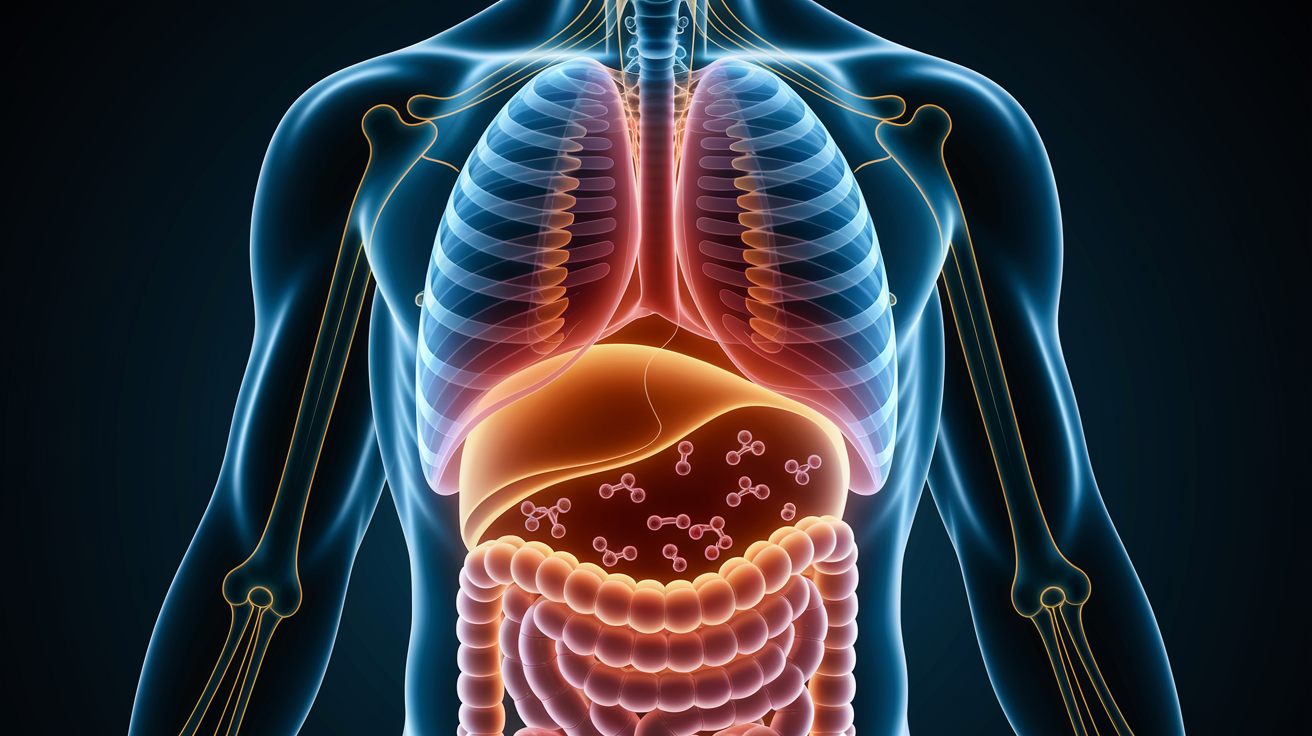
Cortisol is a metabolic hormone. It tells your body to mobilize glucose and store fat, especially around your abdomen.
Chronic high cortisol shifts fat distribution toward visceral (deep belly) fat, which is metabolically active and linked to higher risk of type 2 diabetes, heart disease, and metabolic syndrome.
You might notice increased cravings for sugary or high-fat foods. Cortisol and stress-related brain changes drive this. It’s not a willpower problem, it’s biology pushing you toward quick energy.
Insulin resistance creeps up. Your cells become less responsive to insulin, so your pancreas has to pump out more to keep blood sugar stable. Over months to years, this can lead to prediabetes or diabetes.
Weight gain, especially around the midsection, combined with rising fasting glucose or A1C, signals that chronic stress is affecting your metabolism. A clinician can measure these with simple blood tests.
Reproductive and Sexual Health: Hormones Out of Balance
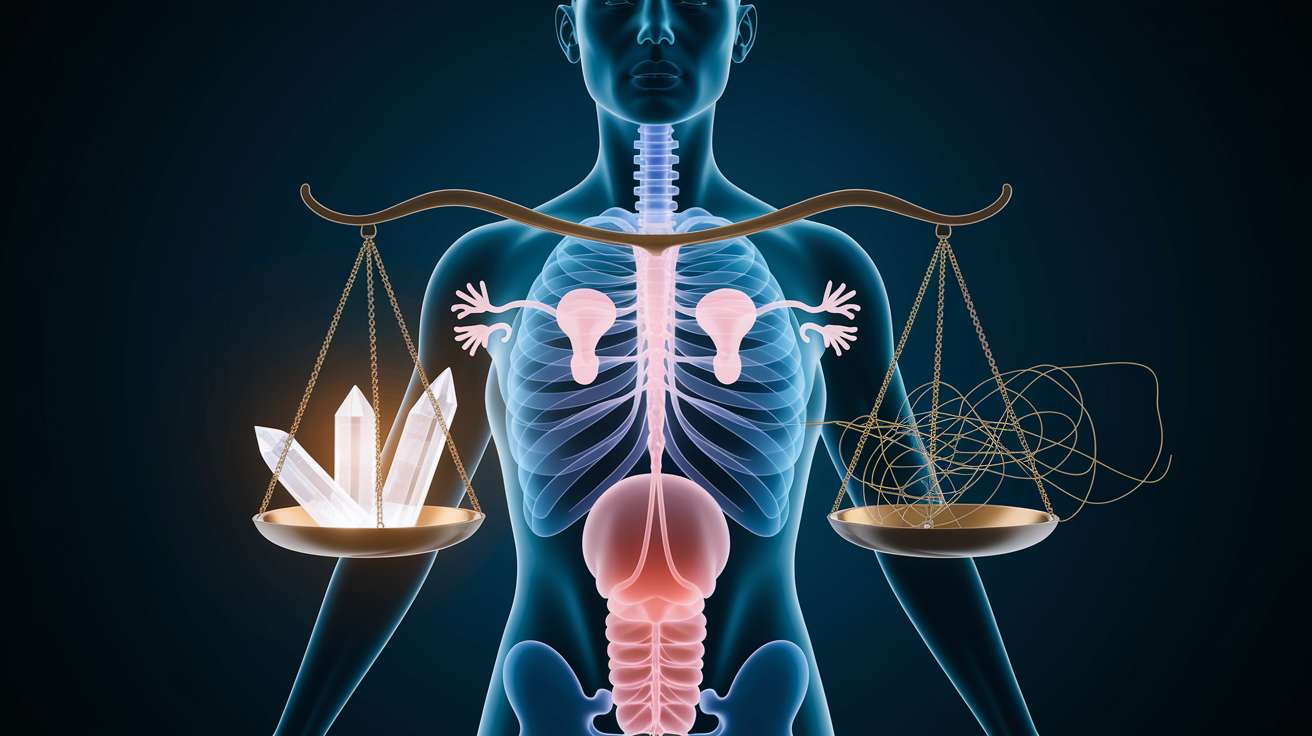
Cortisol competes with sex hormones for resources in your endocrine system.
In women, chronic stress can disrupt menstrual cycles. Periods become irregular, heavier, lighter, or skip altogether. Fertility markers like luteinizing hormone and follicle-stimulating hormone can drop.
In men, testosterone levels may decline. Erectile dysfunction becomes more common, partly due to cortisol’s effects and partly due to the impact of chronic stress on blood flow and autonomic nervous system tone.
Libido drops across genders. When your body thinks it’s under threat, reproduction isn’t a priority.
If you notice changes in your cycle, new difficulties with sexual function, or a sustained drop in libido that lasts weeks to months, stress may be a major factor. Worth discussing with a healthcare provider, especially if other stress symptoms are present.
Skin and Inflammatory Conditions: Flares and Breakouts
Your skin reflects your internal stress state.
Cortisol and stress-related immune shifts can trigger or worsen inflammatory skin conditions. Acne flares, eczema patches spread, psoriasis plaques thicken. Even hair can shed more than usual (a condition called telogen effluvium) after prolonged stress.
The mechanism involves cytokines (immune signaling molecules) and changes in skin barrier function. Stress increases inflammation and can alter sebum production, feeding acne breakouts.
Hives can appear during acute stress, driven by histamine release. If your skin suddenly erupts in red, itchy welts during high-pressure times, that’s a classic stress symptom.
If you track your skin flares and they line up with work deadlines, exams, or family conflict, you’re seeing the stress-skin connection in action.
Respiratory System: Shortness of Breath and Asthma Flares
Stress changes how you breathe.
During acute stress, your breathing rate climbs. You might hyperventilate, taking rapid, shallow breaths that lower carbon dioxide in your blood and cause lightheadedness or tingling in your fingers.
For people with asthma, stress is a known trigger. Stress hormones and autonomic nervous system activation can increase airway hyperresponsiveness, making attacks more frequent or severe.
Even if you don’t have asthma, chronic stress can leave you feeling short of breath or like you can’t get a full, satisfying breath. This often pairs with chest tightness and can mimic cardiac symptoms, which is why it’s important to get checked if it’s new or persistent.
Diaphragmatic breathing (slow, deep breaths at 4 to 6 breaths per minute for 5 to 10 minutes) can reset your respiratory rate and calm your autonomic nervous system. Do it once or twice a day and you’ll train your body to default to calmer breathing.
Sleep Disruption: Insomnia and Fragmented Rest
Chronic stress is one of the most common causes of insomnia.
Cortisol should peak in the morning and drop at night. But chronic stress flattens that rhythm. Cortisol stays elevated into the evening, making it hard to fall asleep. Or it spikes in the middle of the night, waking you up with anxious thoughts.
Sleep becomes fragmented. You wake up feeling tired even after 7 hours in bed. Your body never fully cycles through restorative deep sleep and REM sleep.
Poor sleep feeds back into worse stress biology. Memory, mood, immune function all suffer. Metabolism shifts toward weight gain. Blood pressure stays elevated.
Target 7 to 9 hours of sleep per night. Keep a consistent wake time, even on weekends. Avoid screens 30 to 60 minutes before bed. The blue light and mental stimulation keep cortisol and alertness high.
If you’re logging less than 6 hours regularly for weeks, that’s a measurable risk factor for both physical and mental health decline.
Behavioral Changes: Coping Habits That Backfire
Stress drives behavior changes, and not always helpful ones.
You might lean harder on caffeine to stay alert. Drink more alcohol to unwind. Smoke more. Eat faster or skip meals. Withdraw from friends.
These coping strategies feel like relief in the moment, but they compound the problem. Excess caffeine (more than 400 mg per day, roughly four 8-ounce cups of coffee) keeps your sympathetic nervous system revved up. Alcohol disrupts sleep and metabolism. Tobacco damages your cardiovascular system and immune function.
Track your habits for a week. If you notice your caffeine intake creeping past 400 mg, or alcohol use climbing above 1 drink per day (women) or 2 per day (men), those are clear signs to pull back.
Social isolation is another red flag. Stress makes you want to hide, but social connection is one of the most effective stress buffers. Even 15 to 30 minutes of meaningful interaction per day (a phone call, a walk with a friend) helps lower cortisol and improve mood.
Pain Sensitivity and Sensory Amplification
Chronic stress lowers your pain threshold.
Central sensitization (a process where your nervous system becomes hyperresponsive to pain signals) develops under prolonged stress. Everyday aches feel sharper. Migraines hit harder and last longer. Old injuries flare up.
Research shows that people under chronic stress report higher pain intensity scores for the same objective stimuli compared to less-stressed individuals.
If you notice that minor bumps hurt more than they used to, or chronic pain conditions like fibromyalgia or low back pain are worsening, stress-related sensitization may be at play.
Pain management strategies (mindfulness, progressive muscle relaxation, physical activity) can help reset this heightened sensitivity over time.
Physical Symptom Checklist
If you’re trying to figure out whether stress is affecting your body, look for these common signs:
- Frequent headaches or migraines
- Persistent muscle tension, especially in neck, shoulders, or jaw
- Chest tightness or palpitations
- Shortness of breath or rapid breathing
- Stomach pain, nausea, acid reflux, diarrhea, or constipation
- Frequent infections or colds
- Slow wound healing
- Skin flares (acne, eczema, psoriasis, hives)
- Unexplained aches or joint pain
- Insomnia or fragmented sleep
- Fatigue even after rest
- Changes in appetite or sudden weight gain/loss
- Irregular menstrual cycles
- Reduced libido or sexual difficulties
- Dizziness or lightheadedness
- Increased sensitivity to pain
If several of these symptoms persist for more than 2 to 4 weeks despite self-care, it’s time to see a clinician.
Quantified Evidence: What the Numbers Show
Large-scale studies and meta-analyses give us clear pictures of stress-related health risks.
Cardiovascular disease: Chronic psychosocial stress or job strain increases coronary heart disease risk by roughly 40 to 60 percent (relative risk 1.4 to 1.6) in affected populations, according to reviews published in leading cardiology journals and cited by the American Heart Association.
Immune function: Caregiver studies and chronic-stress cohorts show 20 to 50 percent reductions in selected immune measures, including vaccine antibody responses and wound healing rates. The CDC and NIH have documented these findings in multiple peer-reviewed summaries.
Hypertension: Sustained stress contributes to resting blood pressure elevation. The threshold for hypertension is ≥130/80 mm Hg. If your readings consistently hit or exceed that for several weeks, stress may be a contributing factor.
Metabolic syndrome and diabetes risk: Chronic cortisol exposure and stress-related behaviors (poor sleep, inactivity, high-calorie comfort foods) accelerate insulin resistance and central fat accumulation, raising type 2 diabetes risk.
Symptom prevalence: The American Psychological Association reports that 70 to 80 percent of adults experience physical symptoms linked to stress, with headaches, fatigue, and muscle tension topping the list.
These aren’t vague associations. They’re measurable, dose-dependent relationships. The longer and more intense the stress, the greater the physiological impact.
How to Reduce Stress: Practical, Evidence-Based Steps
You can’t always eliminate stressors, but you can change how your body responds to them.
Exercise: Aim for 150 minutes per week of moderate aerobic activity (think brisk walking, cycling, swimming) plus two strength sessions per week. Exercise lowers cortisol, improves sleep, and boosts mood. Even 30 minutes five times a week hits the target.
Sleep hygiene: Target 7 to 9 hours per night. Set a consistent wake time. Limit screen exposure 30 to 60 minutes before bed. Keep your bedroom cool, dark, and quiet.
Breathing exercises: Practice diaphragmatic breathing at 4 to 6 breaths per minute for 5 to 10 minutes, once or twice daily. This shifts your autonomic nervous system toward parasympathetic (rest-and-digest) dominance. Box breathing is simple: inhale for 4 seconds, hold for 4, exhale for 4, hold for 4, repeat.
Mindfulness and meditation: Start with 10 to 20 minutes per day. Apps, guided recordings, or simple breath-focused meditation all work. Research shows benefits with as little as 10 minutes daily over 8 weeks.
Progressive muscle relaxation: Tense and release each muscle group for 10 to 20 minutes, 3 to 5 times per week. This reduces chronic muscle tension and lowers perceived stress.
Social connection: Schedule 15 to 30 minutes of social or pleasurable activity each day. Call a friend, take a walk with a neighbor, join a hobby group. Reciprocal social support lowers cortisol and buffers stress.
Nutrition: Eat regular meals with whole foods. Limit processed sugars and excess caffeine (stay under 400 mg per day). Skipping meals or loading up on sugar destabilizes blood glucose and worsens stress biology.
Alcohol limits: Keep intake within recommended guidelines (1 drink per day for women, 2 for men). Higher amounts disrupt sleep and metabolism, amplifying stress effects.
Cognitive behavioral therapy (CBT): If stress is interfering with daily function, consider therapy. A typical effective course is 8 to 20 sessions. CBT helps you identify stress triggers, challenge unhelpful thoughts, and build coping skills.
Medical treatments: For chronic anxiety or stress-related disorders, clinicians may prescribe SSRIs (selective serotonin reuptake inhibitors) or SNRIs (serotonin-norepinephrine reuptake inhibitors). Short-term anxiolytics like benzodiazepines are sometimes used, but only under close supervision due to dependence risk.
When to See a Clinician
Some stress symptoms need professional evaluation.
Seek medical help if:
- Your resting blood pressure stays at or above 130/80 mm Hg for several weeks.
- Your resting heart rate is consistently over 100 beats per minute.
- You experience new chest pain, unexplained weight loss or gain, or persistent digestive symptoms.
- Sleep is under 6 hours per night for multiple weeks despite trying sleep hygiene.
- Anxiety or stress interferes with work, relationships, or daily tasks.
- You’re using alcohol, drugs, or other substances to cope.
- You have thoughts of self-harm or feel overwhelmed to the point of hopelessness.
Many primary care settings now integrate behavioral health through collaborative care models. Your doctor can refer you to a psychologist, counselor, or psychiatrist when needed.
Monitoring tools help track progress. Keep a simple sleep diary for 2 to 4 weeks (hours slept, awakenings, how you feel in the morning). Track your resting heart rate and blood pressure daily for 1 to 2 weeks. Note the frequency of physical symptoms like headaches or GI upset each week.
If interventions (exercise, sleep, breathing, social support) are working, you should see measurable improvements within 2 to 8 weeks. If not, that’s a sign to escalate care.
Common Triggers of Chronic Stress
Stress sources vary, but certain patterns show up repeatedly:
- Financial worries (debt, job insecurity, unexpected expenses)
- Work challenges (long hours, job demands, lack of control, toxic workplace culture)
- Relationship conflict (marital strain, family tension, caregiving responsibilities)
- Parenting and childcare demands, especially without adequate support
- Health concerns (chronic illness in yourself or a family member)
- Political and social anxiety (news cycles, social media negativity, community tensions)
- Loneliness and social isolation (lack of meaningful connection)
- Major life transitions (moving, divorce, job loss, bereavement)
- Traumatic events (accidents, injury, natural disasters, crime exposure)
- Substance use issues (addiction in yourself or a loved one)
- Military deployment and PTSD (combat exposure and reintegration challenges)
- Climate change and global uncertainty (existential worries about the future)
Identifying your specific triggers helps you target interventions. If work stress is the driver, boundary-setting and time management matter more than exercise alone. If loneliness is the issue, social connection is the priority.
Final Words
You learned how stress shows up, tight shoulders, poor sleep, wonky appetite, lower motivation, and why it matters for training, recovery, and health.
Then we simplified fixes, small habit shifts for sleep and breathing, consistent meals, short strength sessions you can do when time’s tight, and steady protein choices.
Keep tracking one small change this week. Pay attention to the effects of stress on the body and pick the easiest habit to start. You’ve got this.
FAQ
Q: What are 5 warning signs of stress?
A: Five warning signs of stress are persistent irritability, trouble sleeping, ongoing fatigue, appetite changes, and frequent headaches. Track these symptoms and try small fixes like short walks, sleep routines, or talking to someone.
Q: What are the long-term effects of stress?
A: Long-term effects of stress include higher risk of heart disease, weakened immunity, chronic pain, memory and mood issues, sleep problems, and increased anxiety or depression. Address them early with lifestyle changes and professional care.
Q: What are the 4 types of stress?
A: The four types of stress are acute (short-term), episodic acute (frequent short-term), chronic (ongoing), and eustress (positive stress that motivates). Each type needs different coping steps and recovery time.
Q: How to heal chronic stress?
A: To heal chronic stress, build consistent sleep, regular movement, balanced meals, daily relaxation or breathing breaks, social support, and short-term therapy or coaching. Start with one change and add more over weeks.

