
Ever notice your eyelid start to flutter during a stressful week?
Eye twitching from stress is common and almost always harmless.
When you’re tense, your nerves get jumpy and the tiny muscles in your lids can start firing on their own.
This post explains why that happens, how screen time, dry eyes, sleep loss, and caffeine make it worse, and simple steps to stop it.
You’ll get clear, day-to-day fixes you can try tonight so the twitch fades and your eyes feel normal again.
Understanding Stress-Related Eye Twitching and What It Means

Eye twitching (sometimes called eyelid myokymia) is that involuntary little flutter you get in your upper or lower lid. Stress is one of the biggest everyday triggers. When you’re wound up, your whole body tenses, nerves get jumpy, and those delicate eyelid muscles can start contracting on their own. If you’ve noticed that tiny flutter while staring at a screen during a hectic week, you’re definitely not alone. And it’s almost always harmless.
Most stress-triggered twitches last anywhere from a few seconds to several days. Sometimes they come and go for a couple of weeks. The sensation can feel weird (like your eyelid has its own agenda), but it rarely means anything serious. It won’t damage your vision or hurt your eye. Usually, it stops once whatever’s stressing you out eases up.
Stress shows up in your eyes in more ways than just twitching:
- Eye strain – Long focus sessions, especially screens, leave your eyes tired and sore
- Dry eyes – Stress messes with tear production and how often you blink, so your eyes feel dry and irritated
- Blurred vision – Adrenaline temporarily changes how your eyes focus, causing quick blur
- Eyelid twitching – Those small spasms in the lid muscles, the signature of myokymia
- Headaches or migraines – Tension around your eyes can radiate into your head, sometimes with visual weirdness
Does stress commonly cause eyelid twitching? Yeah. It’s one of the top everyday reasons. Good news is, for most people, the twitch fades once you handle a few simple things: rest, hydration, screen breaks. No medical treatment needed.
Why Eye Twitching Happens During Stress
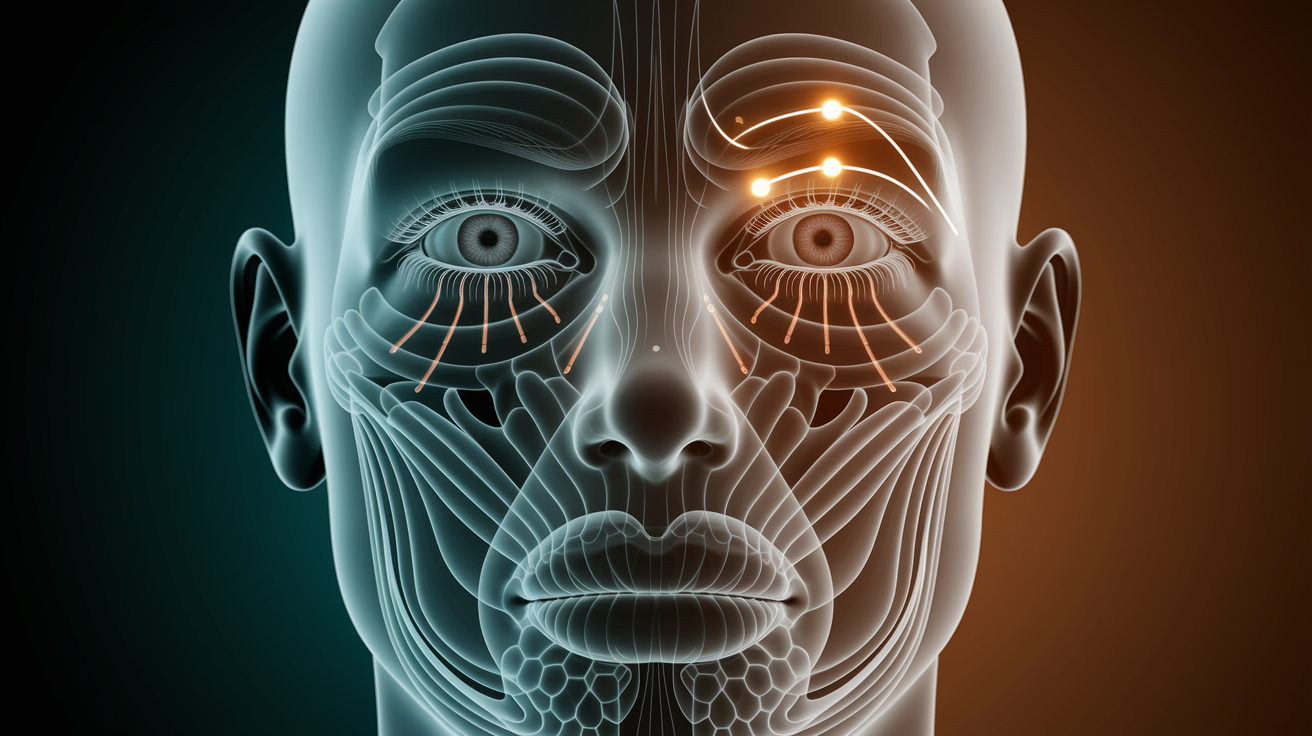
When you’re stressed, your body dumps adrenaline and cortisol into your system. Those hormones prep you for threats, but they also crank up muscle tension and make the nerves controlling your facial muscles more reactive. The tiny muscles in your eyelid are super sensitive to this kind of overstimulation, so they can start firing random signals that turn into twitching. Plus, stress usually means you blink less (especially during intense focus), which dries out your eyes and bugs the muscles even more.
Beyond the direct nerve response, a bunch of lifestyle factors pile on. Long screen time forces your eyes to work harder, cutting your blink rate and straining the muscles around your lids. Caffeine, energy drinks, even alcohol can overstimulate your nervous system. Dehydration cuts tear production, leaving your eyes dry and more prone to spasms. Poor sleep makes everything worse, since tired muscles misfire more easily. Some meds (antihistamines, stimulants) can dry out your eyes or jack up nerve activity. And if you already deal with dry eye, stress will make it flare.
Most eyelid twitching is simple myokymia from fatigue and stress. There are rarer neurological conditions that can cause more serious, sustained spasms. Hemifacial spasm involves one whole side of your face, and blepharospasm forces both eyelids to close involuntarily. These are uncommon and usually come with other obvious symptoms, like facial weakness or drooping. For the vast majority of people, a stress-related twitch stays in the eyelid, lasts a short time, and disappears without treatment.
| Cause | Effect on Eyelid |
|---|---|
| Nerve overstimulation from stress hormones | Muscles contract involuntarily, causing rhythmic spasms |
| Reduced blink rate during screen use | Dry, irritated eyes and increased muscle tension |
| Muscle fatigue from lack of sleep | Increased twitch frequency and longer duration |
Reducing Eye Strain to Stop Stress-Related Twitching

Long device and computer sessions are one of the biggest drivers of stress-related eye twitching. When you stare at a screen, your blink rate drops by about half, your eyes work overtime to hold focus, and your facial muscles lock into a fixed spot. Over time, this combo leads to strain, dryness, and the kind of muscle fatigue that sets off twitching. If your eyelid starts fluttering after a marathon workday in front of a monitor, eye strain is probably the reason.
Four quick adjustments can cut strain and stop twitching fast:
- Take screen breaks using the 20-20-20 rule – Every 20 minutes, look at something 20 feet away for 20 seconds. Gives your focus muscles a rest.
- Blink on purpose – Set reminders to blink fully every few minutes, especially during video calls or reading.
- Adjust lighting to cut glare – Move your screen away from direct sunlight and use soft, even room lighting to drop contrast.
- Update your prescription – If you’re squinting or leaning in to see clearly, your eyes are grinding harder than they should. Schedule an eye test.
Ergonomic tweaks also make a big difference before strain even starts. Position your monitor so the top of the screen sits at or just below eye level. This keeps your gaze slightly downward, reducing lid tension and tear evaporation. Sit about an arm’s length from the screen. If you wear glasses, ask your optician about computer lenses with an anti-reflective coating. Cuts glare and makes focusing easier. Small changes to posture, distance, and lighting can stop twitching from showing up at all.
| Adjustment | Benefit | When to Use |
|---|---|---|
| Screen at eye level | Reduces eyelid tension and tear evaporation | During all computer or device work |
| Anti-reflective coating on lenses | Cuts glare and makes focus easier | Anytime you wear glasses for screen tasks |
| Proper lighting (no direct glare) | Minimizes contrast and reduces eye fatigue | Set up once in your workspace and keep consistent |
Hydration and Dry-Eye Relief for Stress-Related Twitching

Dehydration and dry eyes are quiet contributors to eyelid twitching. When you don’t drink enough water, your body cuts tear production to save fluid, leaving your eyes dry and irritated. At the same time, stress hormones change the makeup of your tears, making them evaporate faster. Dry, irritated eyes send constant signals to the muscles around your lids, which can trigger or drag out twitching. If you’re also clocking hours on screens, wearing contacts, or taking meds like antihistamines or decongestants, your eyes are even more vulnerable.
Staying hydrated keeps tear production healthy and your eyelid muscles running smoothly. Aim for at least 8 glasses of water a day. More if you’re active or in a dry space. Beyond hydration, targeted dry-eye relief can stop twitching faster. Over-the-counter artificial tears (preservative-free is best for frequent use) add moisture and soothe irritation. Omega-3 supplements or foods like salmon and flaxseed support the oil layer of your tears, which slows evaporation. Environmental tweaks matter too: use a humidifier if you’re in a dry room, keep fans or air vents from blowing straight at your face, and give your eyes a break from contacts when you can. Switch to glasses in the evening or on rest days.
Four practical dry-eye relief methods to try today:
- Drink water consistently all day – Keep a water bottle at your desk and set hourly reminders if you forget.
- Use preservative-free artificial tears – Apply as directed, especially during or after long screen sessions.
- Add a humidifier to your workspace or bedroom – Keeps air moist and slows tear evaporation.
- Practice good contact-lens habits and limit wear time – Replace lenses on schedule, clean them right, and give your eyes lens-free time every day.
Cutting Back on Stimulants to Calm Eyelid Spasms

Caffeine and alcohol both overstimulate your nervous system and can drag out or worsen eyelid twitching. Caffeine (in coffee, tea, energy drinks, soda) amps up nerve activity and muscle tension. Alcohol wrecks your sleep quality, dehydrates you, and can make your nervous system more reactive the next day. If you’re dealing with a stubborn twitch, your morning coffee or evening drink might be feeding it.
A simple two-week reduction trial can help you figure out if stimulants are your trigger. Try cutting your caffeine intake in half, switching to decaf, or swapping your afternoon coffee for water or herbal tea. Notice whether the twitching slows or stops. If it does, you’ve found one of your personal triggers. You don’t have to quit caffeine totally, but dialing it back (especially during high-stress stretches) can make a real difference.
Three practical ways to reduce stimulants:
- Switch to decaf or half-caf coffee and tea – You still get the ritual and flavor without the full nerve jolt.
- Cut or ditch energy drinks – These pack high caffeine doses and other stimulants that amplify twitching.
- Replace alcohol with hydrating alternatives – Try sparkling water with fruit, herbal tea, or electrolyte drinks instead of wine or beer.
Improving Sleep to Reduce Stress-Linked Eye Twitching
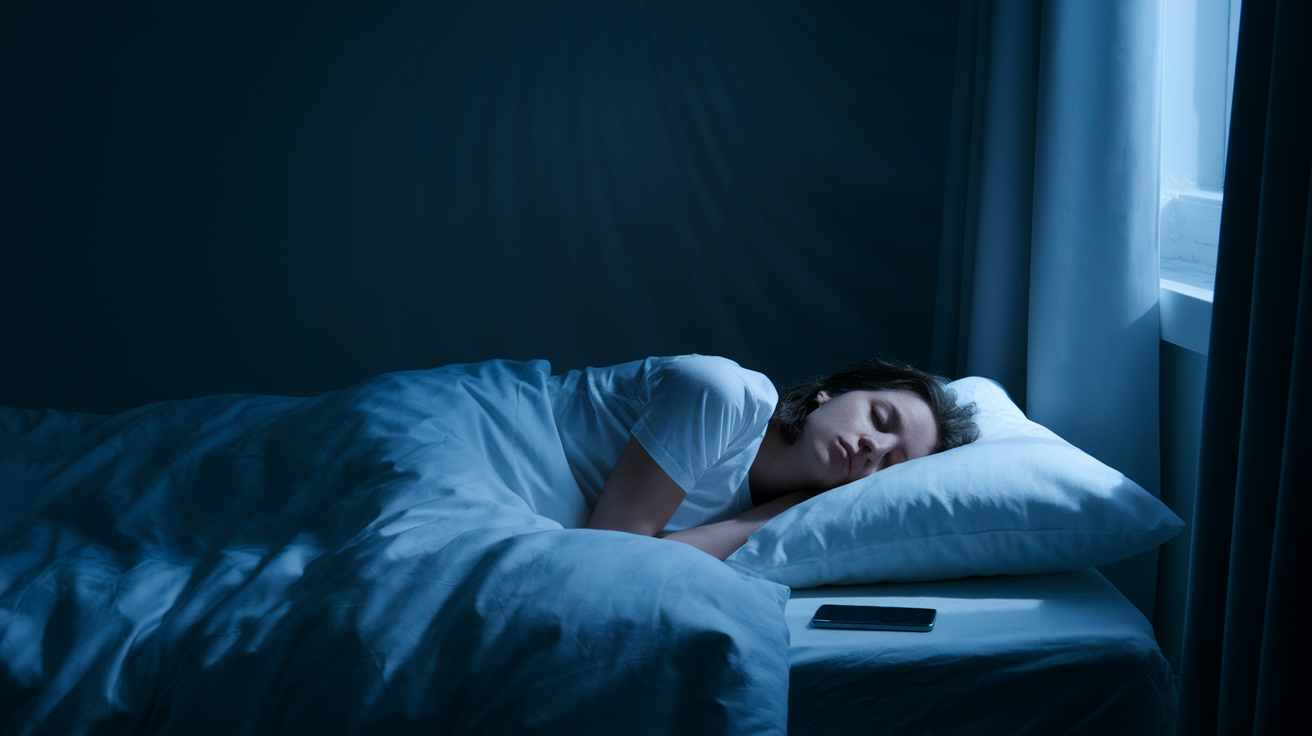
Lack of sleep is one of the fastest paths to eyelid twitching. When you’re tired, your muscles don’t recover right, your nervous system stays on high alert, and small stressors feel bigger. Your eyelid muscles are no exception. Fatigue makes them more likely to misfire and twitch. Adults need about 7 to 8 hours of quality sleep per night for muscle recovery and nervous system regulation. If you’re regularly getting less, twitching is your body’s way of saying it needs rest.
Sleep hygiene (your nightly routine and environment) matters as much as the hours you log. A consistent bedtime and wake time help regulate your internal clock. Cutting screens at least an hour before bed cuts blue-light exposure, which can delay sleep onset. A dark, cool room and a comfortable pillow support deeper, more restorative rest. Skipping caffeine in the afternoon and evening keeps stimulants from messing with your ability to fall and stay asleep.
Four sleep hygiene practices to stop twitching:
- Go to bed and wake up at the same time every day – Consistency trains your body to sleep more efficiently.
- Turn off screens one hour before bed – Read, stretch, or listen to calm music instead.
- Keep your bedroom dark and cool – Use blackout curtains and set the thermostat between 60 and 67°F.
- Skip caffeine after 2 p.m. – It sticks around in your system for hours and can mess with sleep even if you don’t feel wired.
Relaxation Techniques to Calm Stress-Induced Eye Twitching

Stress-reduction techniques work by lowering cortisol, calming your nervous system, and releasing muscle tension. All of that directly cuts the likelihood and length of eyelid twitching. When you’re chronically stressed, your body stays in a jacked-up state, making every muscle (including the ones around your eyes) more reactive. Building regular relaxation practices into your day can stop twitching before it starts and help existing spasms resolve faster.
Four methods that help calm stress-related twitching:
- Deep breathing exercises – Slow, controlled breaths activate your parasympathetic nervous system and drop overall tension.
- Mindfulness or meditation – Even five minutes of focused attention on your breath or body can lower stress hormones.
- Light physical activity – Walking, stretching, or yoga boosts circulation, releases endorphins, and cuts muscle tightness.
- Progressive muscle relaxation – Tensing and releasing muscle groups one at a time (including your face and eyelids) trains your body to let go of chronic tension.
Consistency matters more than duration. A three-minute breathing practice done every morning will help more than an hour-long session you do once and forget. Start small, pick one or two techniques that feel doable, and build from there. Over time, your nervous system will stay calmer, and twitching episodes will get less frequent and shorter.
Simple 3-Step Breathing Practice for Eye Twitching
- Sit comfortably and close your eyes. Rest your hands in your lap and let your shoulders drop away from your ears.
- Breathe in slowly through your nose for a count of 4. Feel your belly rise, not just your chest. Hold for 2 counts.
- Exhale slowly through your mouth for a count of 6. Let your face and jaw soften as you breathe out. Repeat for 5 cycles, then open your eyes and check in with your eyelid. Often, the twitch will have slowed or stopped.
Warm Compresses and Massage to Relax Eyelid Muscles

A warm compress is one of the simplest physical tools to calm an active eyelid twitch. The heat relaxes tight muscles, improves blood flow, and soothes irritation around the eye. If your eyelid’s been twitching for more than a few minutes, a warm compress can bring relief almost right away and help the spasm resolve faster.
How to apply a warm compress in three steps:
- Soak a clean washcloth in warm (not hot) water, wring it out, and fold it.
- Close your eyes and place the cloth gently over your eyelids for 5 to 10 minutes. Re-wet and rewarm if it cools down.
- Repeat 2 to 3 times a day if twitching is frequent or annoying, especially after long screen sessions or at the end of the day.
Gentle eyelid massage can also help. After using a warm compress, use your clean fingertips to apply very light pressure in small circles along the eyelid margin and just above your eyebrow. This releases tension and gets the tiny oil glands in your lids working, which supports tear production and cuts dryness. Some people find relief with acupressure points around the eyes (like the inner corner of the brow or the temples), but always use a light touch. Pressing too hard can irritate the area or make twitching worse.
How to Prevent Eye Twitching From Returning

Prevention is about building daily habits that keep your nervous system calm, your eyes hydrated, and your muscles rested. If you’ve had recurring twitches, a simple self-care plan can stop them from coming back. The goal is to tackle the root causes (stress, fatigue, strain, dehydration, stimulants) before your eyelid starts firing signals again.
Five prevention methods to use every day:
- Take screen breaks using the 20-20-20 rule – Build it into your workflow so it’s automatic.
- Stay hydrated with at least 8 glasses of water daily – Keep a water bottle visible and refill it regularly.
- Go to bed and wake up at consistent times – Prioritize 7 to 8 hours of sleep, even on weekends.
- Moderate your caffeine intake – Stick to 1 to 2 cups of coffee or tea per day, and skip stimulants after early afternoon.
- Use artificial tears or a humidifier if you have dry eyes – Treat dryness as part of your routine, not just when symptoms flare.
Tracking your triggers can also help you spot patterns. Keep a simple note on your phone or in a journal: when the twitch happens, how long it lasts, what you were doing, and what you ate or drank that day. Over time, you might notice that twitching spikes after back-to-back video calls, on days you skip lunch and drink extra coffee, or during allergy season when you’re rubbing your eyes more. Once you know your personal triggers, you can adjust your habits to dodge them.
| Habit | Why It Helps |
|---|---|
| Regular screen breaks | Reduces muscle fatigue and eye strain that trigger twitching |
| Consistent sleep schedule | Allows muscles to recover fully and calms the nervous system |
| Daily hydration and dry-eye care | Supports healthy tear production and reduces irritation that worsens spasms |
When to See a Doctor for Eye Twitching
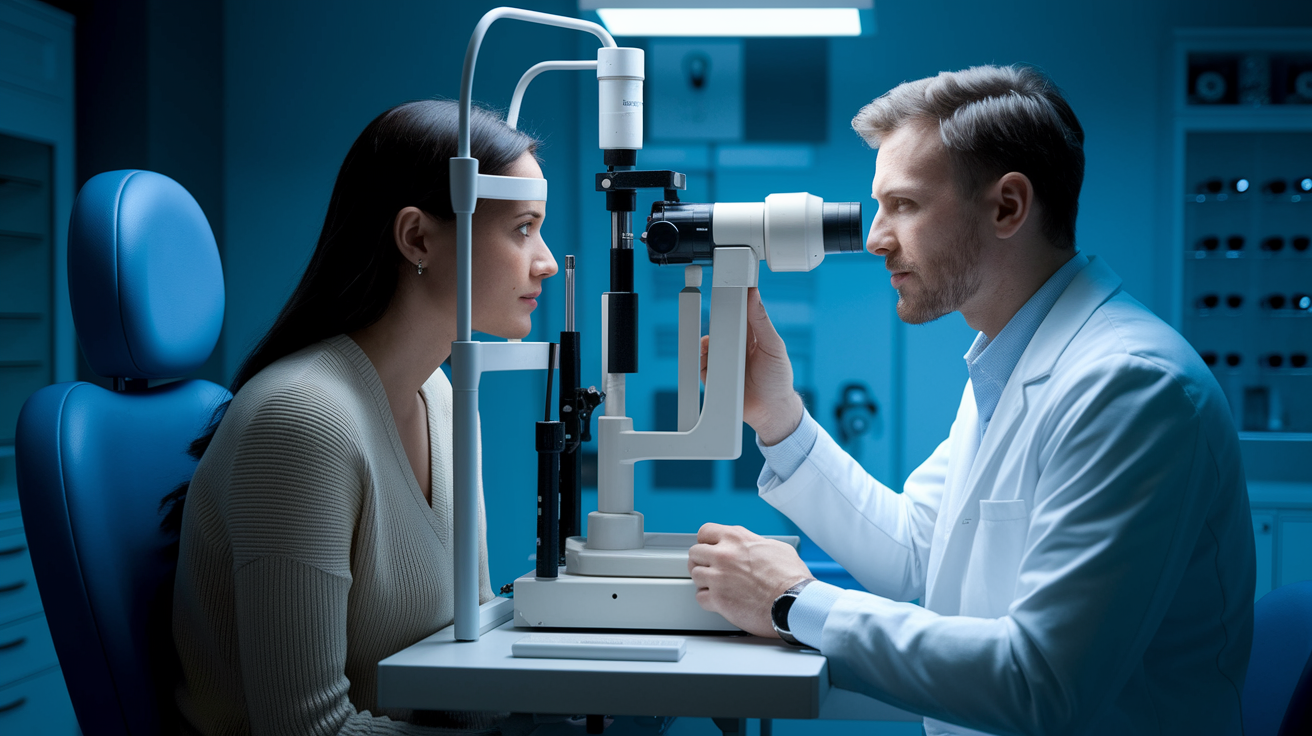
Most eyelid twitching clears up on its own within a few days to a couple of weeks. But if your twitch sticks around beyond about two weeks, gets more frequent or intense, or starts messing with your daily life, it’s time to see a doctor. Ongoing twitching can sometimes point to an underlying issue (like chronic dry eye, a medication side effect, or a less common neurological condition) that needs professional evaluation.
Five red-flag symptoms that mean you should get care promptly:
- Eye pain or real discomfort – Twitching shouldn’t hurt. If it does, something else may be going on.
- Vision changes – New blurriness, double vision, or any loss of vision needs immediate attention.
- Discharge or redness – These can signal infection or inflammation, not just a benign twitch.
- Eyelid drooping – A drooping lid, especially if it’s new or getting worse, can point to nerve or muscle problems.
- Facial weakness or spasms beyond the eyelid – If the twitch spreads to other parts of your face, or you have weakness on one side, see a doctor right away.
In rare cases, persistent or severe twitching can be a sign of blepharospasm (both eyelids closing involuntarily) or hemifacial spasm (one entire side of the face twitching). These conditions are uncommon and usually come with other noticeable symptoms. Your eye doctor can do a thorough exam and, if needed, refer you to a neurologist. The vast majority of stress-related eye twitches stay mild, localized, and temporary. But it’s always better to check if something feels off or doesn’t improve with self-care.
Final Words
In the action: small steps beat panic. You learned what stress-related eyelid twitching is, why it happens, and that most cases are harmless and short-lived.
You also got practical fixes: screen breaks, better hydration, sleep habits, cutting stimulants, warm compresses, simple relaxation, and when to see a doctor.
Use these tips and track what sets it off. Most eye twitching from stress eases in days to weeks, so keep it steady and you’ll likely see real improvement.
FAQ
Q: How do you get rid of stress eye twitches? Why has my eye been twitching for days? How to stop anxiety muscle twitching?
A: Stress- and anxiety-related eye twitches come from nerve overstimulation and fatigue; to stop them, rest, cut caffeine, hydrate, use artificial tears, follow 20-20-20 screen breaks, try warm compresses, and breathe.
Q: Is eye twitching a mini stroke?
A: Eye twitching is usually not a mini stroke; it’s typically benign eyelid myokymia. See a doctor if it lasts over two weeks or comes with vision changes, eye pain, discharge, drooping, or facial weakness.

