
Most stress supplements are overhyped, but a few actually help you feel calmer.
This post cuts through the noise and names the ones backed by real trials: ashwagandha, magnesium, L-theanine, omega-3s, and oral lavender.
I’ll explain how each works, whether it helps fast or takes weeks, what doses researchers used, and the biggest safety warnings.
If you want calm without guesswork, read the clear, practical guide that tells you what to try this week and what to skip.
Core Overview of Supplements That Help With Stress and Anxiety

Supplements for stress and anxiety support neurotransmitter balance, lower stress hormones like cortisol, improve sleep quality, and calm your nervous system. They’re not the first choice for severe anxiety disorders, but they can help with mild to moderate symptoms, back up existing therapy or medication, and fill nutritional gaps that make stress worse. The strongest evidence supports ingredients like ashwagandha, magnesium, omega-3 fatty acids, lavender extract, and L-theanine. Most of these have been tested in randomized controlled trials and show real improvements in anxiety scales, cortisol levels, or sleep quality.
How quickly something works depends on what it does. Acute relief agents like L-theanine (100–200 mg), GABA (250–500 mg), or lavender oil (80 mg) can produce noticeable calming effects within 30 to 90 minutes. They’re useful for situational anxiety like public speaking or stressful meetings. Adaptogens and daily use supplements like ashwagandha (300–600 mg/day), magnesium (200–400 mg/day), and omega-3s (1–2 grams EPA+DHA per day) typically need consistent use for 2 to 8 weeks before you notice full benefits. Some people feel slightly calmer within days. But the real improvements in baseline stress and sleep usually take a month or more.
Safety is a mixed picture. Most well studied supplements are generally safe when used at evidence backed doses, but there are real risks. Kava has been linked to rare but serious liver damage. 5-HTP and L-tryptophan can interact with SSRIs and increase serotonin syndrome risk. CBD affects how your liver processes many prescription drugs through CYP450 enzymes, so dose adjustments may be needed. Magnesium is one of the safest, but even that has an upper supplement limit of 350 mg/day to avoid digestive upset. If you’re on medication, pregnant, or managing a diagnosed anxiety disorder, consult a provider before adding supplements.
The best researched supplements for stress and anxiety are:
- Ashwagandha (300–600 mg/day) for lowering cortisol, improving stress resilience and sleep
- Magnesium glycinate or threonate (200–400 mg/day) to support GABA, reduce muscle tension and palpitations
- L-theanine (100–200 mg) to increase alpha brain waves and promote calm focus without drowsiness
- Omega-3 fatty acids (1–2 grams EPA+DHA per day) to reduce inflammation and support mood and anxiety symptoms
- Lavender oil extract (80 mg/day, oral standardized formulations) comparable to low dose anxiolytics in some trials
- Saffron extract (Affron®, ~28–30 mg/day) to improve serotonin activity, effective for mild to moderate anxiety and depression
Ingredient-by-Ingredient Breakdown of Popular Anxiety Supplements
Each supplement works through different mechanisms, has varying levels of clinical evidence, and comes with its own dosing guidelines and safety profile. Understanding what each ingredient does, how much to take, and what to watch for helps you make informed choices and avoid wasting money on products that don’t match your symptoms.
Ashwagandha
Ashwagandha is an adaptogen that helps your body handle stress by lowering cortisol and modulating the hypothalamic-pituitary-adrenal (HPA) axis. It also supports GABA receptors, which promotes a calming effect without sedation. Most clinical trials use standardized extracts like KSM-66 or Shoden, which contain specific concentrations of withanolides, the active compounds.
Multiple randomized controlled trials show that ashwagandha reduces perceived stress, anxiety symptoms, and cortisol levels compared to placebo. A 2019 trial using 240 mg/day found significant stress reductions in 30 participants over 60 days. Another trial tested 250 mg/day and 600 mg/day in 60 people and reported dose dependent improvements in anxiety and sleep quality. Most studies run 4 to 8 weeks. Users typically notice changes around the 2 to 4 week mark.
Side effects are usually mild but can include GI upset, drowsiness, and possible thyroid or hormone changes. Ashwagandha can lower blood sugar and blood pressure, so avoid it if you’re on diabetes or hypertension medications without medical supervision. It shouldn’t be used during pregnancy or breastfeeding. Don’t combine it with sedatives or CNS depressants.
Magnesium
Magnesium is involved in over 300 enzyme reactions, including those that regulate GABA activity, cortisol production, and nervous system signaling. Deficiency is common and linked to increased anxiety, muscle tension, palpitations, and poor sleep. Supplementing magnesium can correct these symptoms, especially if you’re low to begin with.
A 2017 review of 18 studies rated the overall evidence as weak but found possible benefits for mild anxiety. More recent trials show that magnesium glycinate (the most calming and absorbable form) and magnesium threonate (which crosses the blood-brain barrier better) work well for stress related symptoms. The NIH recommends 310–320 mg/day for most women and 400–420 mg/day for men from all sources, with a supplement upper limit of 350 mg/day.
Most people tolerate magnesium well. High doses of magnesium citrate or oxide can cause diarrhea and cramping. Magnesium can interact with bisphosphonates, certain antibiotics, diuretics, and proton pump inhibitors. Take it at night if you want to support sleep as well.
L-theanine
L-theanine is an amino acid found in tea leaves that increases alpha brain wave activity, which is associated with relaxed alertness. It also supports GABA, dopamine, and serotonin pathways without causing drowsiness. It’s one of the fastest acting options for situational stress.
A 2019 study gave 200 mg of L-theanine nightly to 30 adults for four weeks and reported improved sleep and reduced stress. Reviews suggest 200–400 mg/day may help reduce stress and improve focus. When combined with caffeine, L-theanine smooths out the jittery edge of coffee while preserving alertness. One cup of tea only provides about 11.7–30 mg, so supplements are necessary to reach clinical doses.
Side effects are rare. The main concern is caffeine content if you’re taking L-theanine from tea rather than capsules. Watch total caffeine intake. The FDA considers about 400 mg/day safe for most healthy adults, but anxiety prone people may need less. There’s limited long term safety data on high dose L-theanine supplements.
Omega-3 Fatty Acids
Omega-3s, especially EPA (eicosapentaenoic acid), reduce inflammation in the brain, support cell membrane function, and modulate neurotransmitter pathways involved in mood and anxiety. They’re one of the most studied supplements for mental health.
Meta-analyses support modest anxiolytic effects, particularly in populations with low baseline omega-3 intake. The effect is stronger with higher EPA formulations. Clinical doses typically range from 1,000 to 2,000 mg combined EPA+DHA per day, with at least 500–1,000 mg coming from EPA. It takes 4 to 12 weeks of consistent use to see mood and anxiety benefits.
Side effects include fishy aftertaste and mild GI upset. Very high doses (above 3 grams/day) can slightly increase bleeding risk, so use caution if you’re on anticoagulants or antiplatelets. Quality matters. Look for third party tested products that are low in heavy metals and oxidation markers.
GABA
GABA (gamma-aminobutyric acid) is the brain’s main inhibitory neurotransmitter. Oral GABA supplements aim to promote relaxation and reduce nervous system excitability. The problem is that it’s unclear how much oral GABA actually crosses the blood-brain barrier.
Some small studies show acute relaxation effects within 30 to 60 minutes at doses of 250–500 mg, but the evidence is mixed and the mechanism is debated. It may work through gut-brain signaling or peripheral nervous system effects rather than direct CNS action. Some users report feeling calmer, others notice nothing.
Side effects are minimal. Mild drowsiness is the most common. GABA is generally safe to try, but manage expectations. It’s not as reliably effective as magnesium, L-theanine, or ashwagandha.
Lavender
Oral lavender oil preparations (like Silexan, a standardized extract) have been tested in several randomized controlled trials and show significant reductions in anxiety symptoms, often comparable to low dose benzodiazepines or SSRIs in mild to moderate cases. Lavender modulates calcium channels and may influence serotonin and GABA pathways.
The typical clinical dose is 80 mg/day of a standardized oral lavender oil formulation. Trials run 6 to 10 weeks and report measurable improvements on validated anxiety scales. It works gradually, not acutely, so it’s a daily supplement rather than a situational fix.
Side effects include mild GI upset and possible interactions with sedatives. Avoid combining lavender with other CNS depressants. Lavender oil for aromatherapy is different from the oral pharmaceutical grade extracts used in research.
Melatonin
Melatonin is a hormone that regulates your sleep-wake cycle. It’s primarily used for sleep, but because poor sleep worsens anxiety, melatonin can indirectly help stress related symptoms. A review of more than 12 randomized trials involving 774 presurgical patients found melatonin as effective as midazolam for reducing anxiety.
Common supplement doses are 1 mg or 5 mg, taken 30 to 60 minutes before bed. Start low. Many people do fine with 0.5 to 3 mg. More isn’t always better, and high doses can cause grogginess the next day.
Product quality is a big issue. A 2017 analysis of 31 melatonin supplements found that most didn’t match their label claims, and about 25% contained serotonin, which isn’t listed and can be risky. Melatonin interacts with anticoagulants, blood pressure meds, diabetes drugs, contraceptives, immunosuppressants, and some psychiatric medications like fluvoxamine. If you’re on any of those, check with your provider first.
| Supplement | Typical Dose | Key Evidence | Main Risk |
|---|---|---|---|
| Ashwagandha | 300–600 mg/day | Multiple RCTs show lower cortisol, reduced stress, better sleep | Can lower blood sugar and blood pressure; avoid in pregnancy |
| Magnesium | 200–400 mg/day | Meta-analysis supports modest anxiety benefit, especially if deficient | High doses cause diarrhea; interacts with certain meds |
| L-theanine | 100–200 mg once or twice daily | RCTs show increased alpha waves, reduced stress, improved focus | Generally well tolerated; watch caffeine if from tea |
| Omega-3 (EPA-rich) | 1,000–2,000 mg EPA+DHA/day | Meta-analyses support anxiolytic effects in multiple populations | Fishy aftertaste; slight bleeding risk at very high doses |
| GABA | 250–500 mg | Small studies show acute relaxation; mechanism debated | Minimal; mild drowsiness possible |
| Lavender (oral) | 80 mg/day | RCTs show anxiety reductions comparable to anxiolytics in mild cases | Mild GI upset; may interact with sedatives |
| Melatonin | 0.5–3 mg before bed | Effective for presurgical anxiety and sleep related stress | Product inconsistency; many drug interactions |
Choosing the Right Stress and Anxiety Supplement for Your Specific Symptoms
Not all anxiety looks the same, so not all supplements work the same way. If your main issue is chronic worry and high baseline stress, you’ll do better with daily adaptogens that lower cortisol over weeks. If you need fast relief before a stressful event, you want something that kicks in within an hour. If your anxiety spikes at night and keeps you awake, sleep focused supplements are the priority.
Here’s how to match your symptoms to the right supplement approach. Restlessness, muscle tension, and constant low grade worry respond well to ashwagandha (300–600 mg/day) plus magnesium glycinate (200–400 mg/day at night). This combo supports GABA, lowers cortisol, and helps both your nervous system and muscles relax. Give it 2 to 4 weeks to see the full effect.
For social anxiety or acute situational stress (like presentations, interviews, or crowded events), L-theanine (100–200 mg) or oral lavender extract (80 mg) taken 30 to 90 minutes beforehand can take the edge off without sedation. CBD is sometimes used for social anxiety, but start low (10–25 mg) and be aware of drug interactions. If panic-like symptoms (racing heart, shallow breathing) are the issue, magnesium and L-theanine together can help calm the physical response.
Sleep related anxiety needs a different stack. Magnesium glycinate (200–400 mg), melatonin (0.5–3 mg), or valerian root (300–600 mg) taken 30 to 60 minutes before bed can improve sleep onset and reduce the anxiety that comes from lying awake. These are bedtime only supplements and shouldn’t be used during the day. If stress makes you feel exhausted and burned out rather than wired, rhodiola rosea (200–400 mg/day) or bacopa (150 mg twice daily) can support energy and mental resilience over 4 to 8 weeks.
Common symptom to supplement matches:
- Social anxiety or acute stress events: L-theanine 100–200 mg or lavender 80 mg before the event
- Chronic worry and high cortisol: ashwagandha 300–600 mg/day plus magnesium 200–400 mg/day
- Racing thoughts and physical tension: magnesium glycinate at night, L-theanine during the day
- Sleep related anxiety or insomnia: magnesium glycinate 200–400 mg, melatonin 0.5–3 mg, or valerian 300–600 mg before bed
- Stress related fatigue and burnout: rhodiola 200–400 mg/day or bacopa 150 mg twice daily
Timing, Stacking, and How Long Stress Supplements Take to Work
Timing matters. Acute relief supplements like L-theanine, GABA, and oral lavender work within 30 to 90 minutes, so take them shortly before a stressful event or at the first sign of rising anxiety. They’re situational tools, not daily maintainers. Daily adaptogens like ashwagandha, magnesium, omega-3s, and saffron need consistent use for 2 to 8 weeks to build up benefits. You might notice small improvements in the first week or two, but the real shift in baseline stress, sleep quality, and resilience happens around the one month mark. Don’t judge these supplements after three days.
Stacking supplements can work well if you understand the logic. Ashwagandha plus magnesium is one of the most popular and safest combos for general stress management. L-theanine plus caffeine (either from tea or as separate supplements) is a solid daytime stack for calm focus without jitters. Lavender or L-theanine taken 60 minutes before a known stressor (like a meeting or flight) adds acute relief on top of your daily baseline stack. Just avoid piling multiple sedatives together. Combining kava, valerian, alcohol, and prescription sleep meds increases drowsiness and can be dangerous.
If you’re taking CBD, be cautious about stacking it with anything metabolized by CYP450 enzymes, which includes a lot of prescription meds. CBD can increase or decrease blood levels of other drugs, so work with a provider if you’re on medications. The same goes for 5-HTP or L-tryptophan. Never combine those with SSRIs or MAOIs due to serotonin syndrome risk.
Common effective stacks and when to use them:
- Daily baseline support: ashwagandha 300–600 mg/day + magnesium glycinate 200–400 mg at night
- Daytime calm and focus: L-theanine 100–200 mg + caffeine 50–100 mg (from coffee or tea)
- Acute situational anxiety: L-theanine 200 mg or lavender 80 mg taken 60 minutes before the event
- Sleep and nighttime anxiety: magnesium glycinate 200–400 mg + melatonin 0.5–3 mg 30–60 minutes before bed
Safety, Interactions, and Who Should Avoid Certain Supplements
Supplements aren’t risk free, and some can cause serious harm if used incorrectly or combined with the wrong medications. Kava is the biggest red flag. It’s been linked to rare but severe liver toxicity, and the FDA issued a warning in 2002 after more than 25 reports of liver damage. A 2019 trial found no anxiety benefit versus placebo, and participants taking kava were more likely to show abnormal liver tests. If you’re considering kava, avoid it if you have any liver condition, drink alcohol regularly, or take hepatotoxic drugs. Even if you’re healthy, the risk benefit ratio doesn’t favor it when safer options exist.
Serotonergic supplements like 5-HTP and L-tryptophan can trigger serotonin syndrome if combined with SSRIs, SNRIs, or MAOIs. Symptoms include agitation, confusion, rapid heart rate, high blood pressure, dilated pupils, muscle rigidity, and in severe cases, seizures. Don’t stack these without explicit medical guidance. St. John’s Wort (sometimes used for mild anxiety or depression) also affects serotonin and induces CYP450 enzymes, which lowers the effectiveness of many prescription drugs, including birth control, blood thinners, and immunosuppressants.
CBD is generally well tolerated but affects how your liver processes drugs through the CYP450 system. This means it can increase blood levels of some medications (raising toxicity risk) or decrease levels of others (making them less effective). If you take any prescription medication, check for interactions before using CBD. Melatonin interacts with a long list of drugs, including anticoagulants, blood pressure meds, diabetes medications, contraceptives, immunosuppressants, and certain psychiatric drugs like fluvoxamine. Product quality is also inconsistent. About 25% of melatonin supplements tested in one study contained unlabeled serotonin.
Magnesium has a supplement upper limit of 350 mg/day for adults because higher doses can cause diarrhea, cramping, and electrolyte imbalances. It also interacts with bisphosphonates, certain antibiotics, diuretics, and proton pump inhibitors. Ashwagandha can lower blood sugar and blood pressure, so avoid it if you’re on diabetes or hypertension meds unless supervised by a provider. It shouldn’t be used during pregnancy or breastfeeding. Valerian and other sedative herbs should never be combined with alcohol, benzodiazepines, or other CNS depressants due to additive sedation and respiratory depression risk.
Major interaction and safety risks to watch for:
- Kava: rare but serious liver toxicity; abnormal liver tests in trials; avoid with liver disease or hepatotoxic drugs
- 5-HTP and L-tryptophan: serotonin syndrome risk when combined with SSRIs, SNRIs, or MAOIs
- CBD: CYP450 interactions with many prescription drugs; dose adjustments often needed
- Melatonin: interacts with anticoagulants, blood pressure meds, diabetes drugs, contraceptives, immunosuppressants, and some psychiatric meds; product content often inconsistent
- Magnesium: supplement upper limit 350 mg/day; interacts with bisphosphonates, antibiotics, diuretics, and PPIs
- Ashwagandha: can lower blood sugar and blood pressure; avoid in pregnancy and breastfeeding
- Valerian: additive sedation with alcohol, benzodiazepines, and CNS depressants; can cause paradoxical insomnia in some people
Consult a healthcare provider before starting any supplement if you’re on prescription medications, pregnant, breastfeeding, have a chronic health condition, or are managing a diagnosed anxiety disorder. Supplements should complement, not replace, evidence based treatments like cognitive behavioral therapy and medication when those are appropriate. If symptoms worsen or don’t improve after 6 to 8 weeks, get evaluated by a provider rather than continuing to self-treat.
How to Evaluate Supplement Quality and Avoid Low-Grade Products
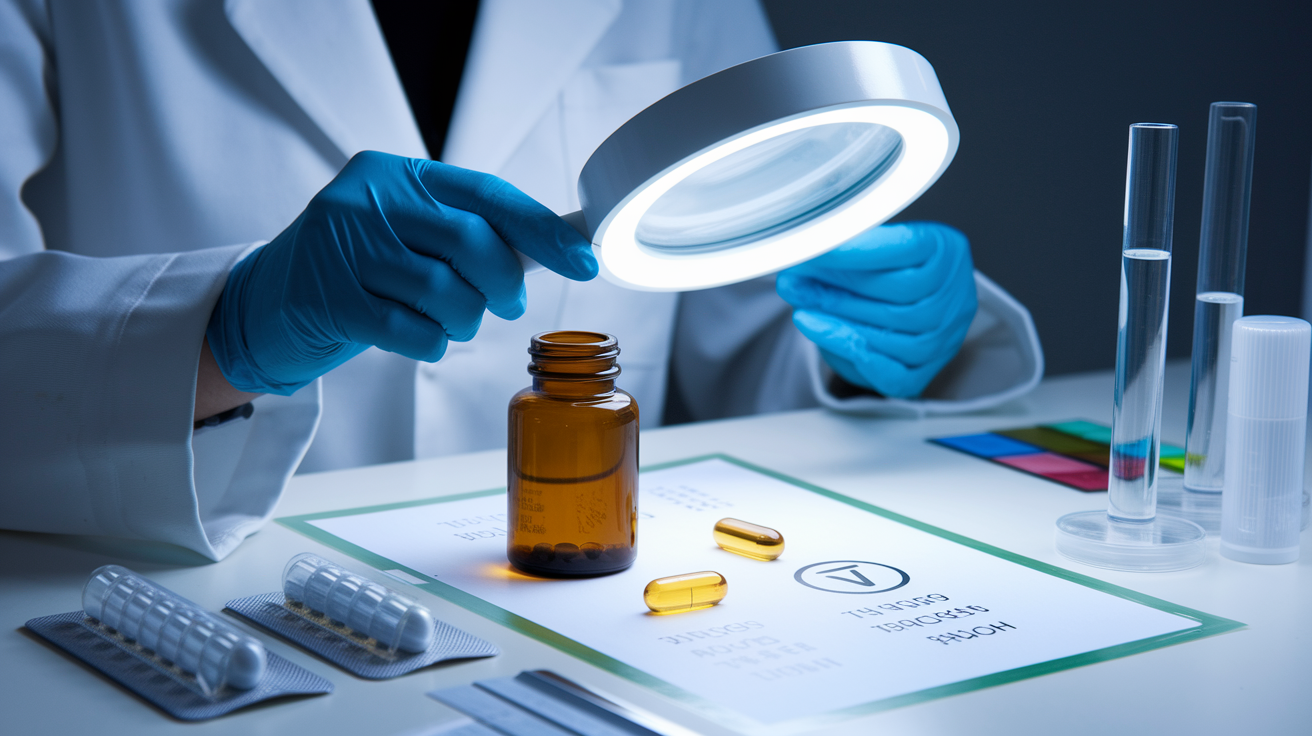
Not all supplements are created equal. Two bottles of ashwagandha can have wildly different amounts of active withanolides, and one magnesium product might be 10% absorbable while another is 90%. Quality markers matter because they determine whether you’re getting the dose that was tested in clinical trials or just paying for filler.
Look for standardized extracts first. Ashwagandha products using KSM-66 or Shoden, lavender using Silexan, saffron using Affron, and citicoline using Cognizin are all standardized formulations with clinical trial backing. These extracts guarantee specific concentrations of active compounds, so you know you’re getting the same ingredient that showed benefits in research. Generic or unstandardized products may contain far less of the active ingredient, or none at all.
Third party testing is non-negotiable if you want confidence in purity and potency. Look for seals from USP (United States Pharmacopeia), NSF International, or ConsumerLab. These organizations test products to verify label claims, screen for contaminants like heavy metals, and check for banned substances. A supplement without third party testing might not contain what the label says. That 2017 melatonin study found most products didn’t match their labels. Some had 80% less melatonin than claimed, others had over 400% more, and about a quarter contained serotonin that wasn’t disclosed.
Avoid proprietary blends that hide individual ingredient amounts behind a total blend weight. If a label says “Calming Blend 500 mg (ashwagandha, L-theanine, lemon balm, valerian)” with no breakdown, you have no idea if you’re getting 400 mg of ashwagandha and 25 mg each of the others, or the reverse. You can’t replicate clinical dosing without knowing the amounts.
Check the form of the ingredient. Magnesium glycinate and threonate are far better absorbed and more calming than magnesium oxide. Omega-3 supplements should list EPA and DHA separately, not just “fish oil.” For minerals and amino acids, look for chelated or easily absorbed forms. Price can be a rough quality proxy. High purity, third party tested, standardized supplements usually cost more than generic store brands. You’ll pay about $10–30/month for quality ashwagandha or magnesium, $15–40/month for good omega-3s, and $30–200+/month for reliable CBD depending on concentration.
| Indicator | What It Means | Why It Matters |
|---|---|---|
| Standardized extract (e.g., KSM-66, Silexan, Affron) | Guaranteed concentration of active compounds used in clinical trials | Ensures you’re getting the effective dose, not just plant powder |
| Third party testing seal (USP, NSF, ConsumerLab) | Independent lab verified purity, potency, and absence of contaminants | Protects against mislabeling, heavy metals, and unlisted ingredients |
| Ingredient form listed (e.g., magnesium glycinate, EPA/DHA breakdown) | Specifies the chemical form, which affects absorption and tolerability | Low quality forms (like magnesium oxide) are poorly absorbed and less effective |
| No proprietary blends | Individual ingredient amounts clearly listed, not hidden in a blend total | Allows you to match clinical dosing and avoid under or overdosing |
| Reasonable price for quality | Higher cost often reflects better sourcing, testing, and standardization | Very cheap supplements often cut corners on purity and active content |
Things to Keep in Mind When Using Stress and Anxiety Supplements
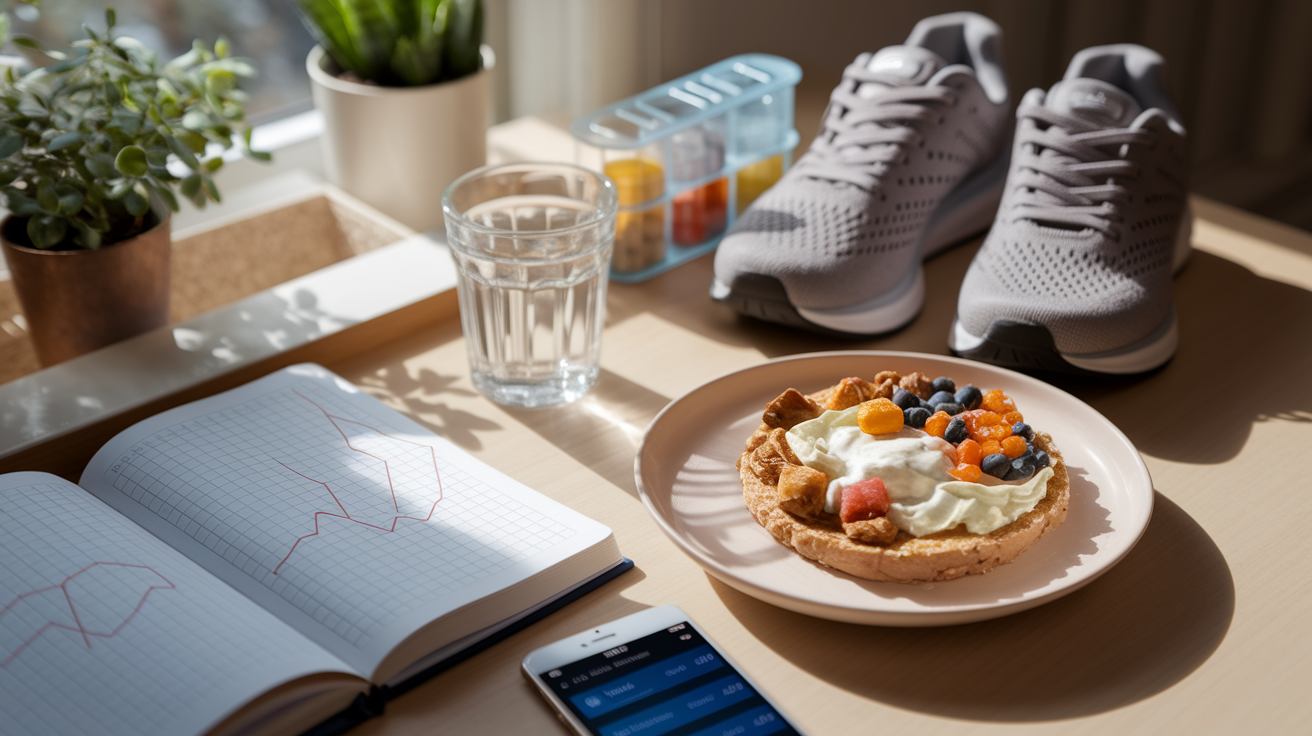
Supplements work best when they’re part of a broader plan that includes sleep, movement, protein intake, and mental health support. Ashwagandha can lower your cortisol, but if you’re only sleeping five hours a night and skipping meals, you won’t see much improvement. Think of supplements as support for the foundation you’re already building, not a replacement for it.
Track your symptoms weekly on a simple 0–10 scale so you can objectively assess whether a supplement is helping. It’s easy to convince yourself something is working when you spent $40 on it, but if your anxiety score hasn’t budged after six weeks, it’s probably not the right fit. Give adaptogens and daily supplements at least 4 to 8 weeks before deciding they don’t work, but if side effects show up early, stop immediately.
Four reminders to keep your supplement routine safe and effective:
- Always disclose supplements to your doctor and pharmacist. Interactions with prescription meds are common and can be serious
- Start with one supplement at a time so you know what’s helping and what’s causing side effects
- Use supplements consistently at the same dose and time of day for at least a month before changing anything
- Keep realistic expectations. Supplements help manage symptoms, they don’t cure anxiety disorders or replace therapy and medication when those are needed
Final Words
You now have a clear map: what works, typical doses and timelines, who benefits, and the main safety flags to watch for.
We broke down key ingredients like ashwagandha, magnesium, L-theanine, lavender, omega-3, and kava, matched supplements to common symptoms, and covered timing, stacks, and quality checks.
Start small, track symptoms weekly, and run meds by your clinician. Used wisely, stress and anxiety supplements can be a helpful part of a calm, steady plan.
FAQ
Q: What supplement is best for stress and anxiety?
A: The supplement best for stress and anxiety is usually ashwagandha (300–600 mg/day), with strong support for magnesium (200–400 mg), L‑theanine, lavender, and omega‑3; kava works but has liver risks.
Q: What can relieve stress and anxiety?
A: Things that can relieve stress and anxiety include sleep, regular movement, therapy, deep breathing, cutting caffeine, and evidence-backed supplements like magnesium or ashwagandha for steady, practical relief.
Q: Why is anxiety worse in the morning?
A: Anxiety is worse in the morning because of the cortisol awakening spike, low blood sugar, poor sleep or nightmares, and morning rumination or anticipatory worry that raises heart rate.
Q: What is a home remedy for anxiety?
A: A home remedy for anxiety is diaphragmatic breathing—slow 4-4-6 breaths for 5–10 minutes, or a brisk 10–20 minute walk; repeat daily and pair with sleep hygiene for best effect.

