
Chasing the 30-minute “anabolic window” is mostly a waste.
Here’s the short answer: both pre-workout and post-workout shakes can help, depending on your goals, schedule, and stomach.
If you train fasted or want to cut muscle breakdown, a pre-workout shake makes sense.
If you want quick repair or don’t want a full meal, a post-workout shake is easier.
What really moves the needle is total daily protein and spreading 20–40 grams around workouts.
This piece shows when each option helps and a simple plan you can try this week.
Optimal Timing for Protein Shake Consumption

The truth? Both before and after your workout can work. There’s no magic answer here. It depends on what you’re trying to do, when you train, and whether your stomach cooperates while you’re lifting.
Research backs this up: getting 20–40 grams of protein within a few hours of your session supports muscle recovery and growth. Before or after doesn’t really matter for most people.
Here’s how the two options break down:
Pre-workout: You get amino acids flowing during your session, which helps cut down muscle breakdown while you train. Good move if you train fasted or hit the gym first thing in the morning.
Post-workout: Kicks off muscle repair right after you finish. Convenient if you don’t want a full meal. Your muscles are ready to soak up nutrients at this point.
Pre-workout downside: Might make you feel full or a little uncomfortable if you drink it too close to training. Sensitive stomach? This can be annoying.
Post-workout downside: Wait too long and you miss the early recovery window when your muscles want protein most.
But here’s what actually matters: your total daily protein and how you spread it out. The “anabolic window” people used to stress about? It’s way longer than anyone thought. We’re talking hours, not minutes. Hit your daily target (1.2–2.2 grams per kilogram of body weight if you train regularly) and keep protein quality high. That beats obsessing over whether you slam your shake 30 minutes before or after your last rep.
Pick the timing that fits your life and keeps you consistent.
How Protein Timing Affects Muscle Recovery

Resistance training tears up muscle fibers. Tiny tears, but real ones. That’s how growth happens. When you lift, push, or pull against resistance, you’re telling your body to adapt and get stronger. Once you’re done, your muscles start repairing. This goes on for 24 to 48 hours, and your body’s actively building new muscle protein to patch those micro-tears and reinforce what’s there. Protein availability during this stretch directly affects how fast your muscles rebuild.
Getting protein around your workout means amino acids are already circulating when your body needs them. Think of it like restocking a warehouse after a big order goes out. If supplies show up on time, the crew works faster. Without enough protein during those first hours and days after training, muscle protein synthesis slows down. Recovery drags.
You don’t have to race against the clock, but you want your body to have what it needs when the repair signal is strongest. That’s why people talk so much about the hours right around your training session.
Understanding the Anabolic Window
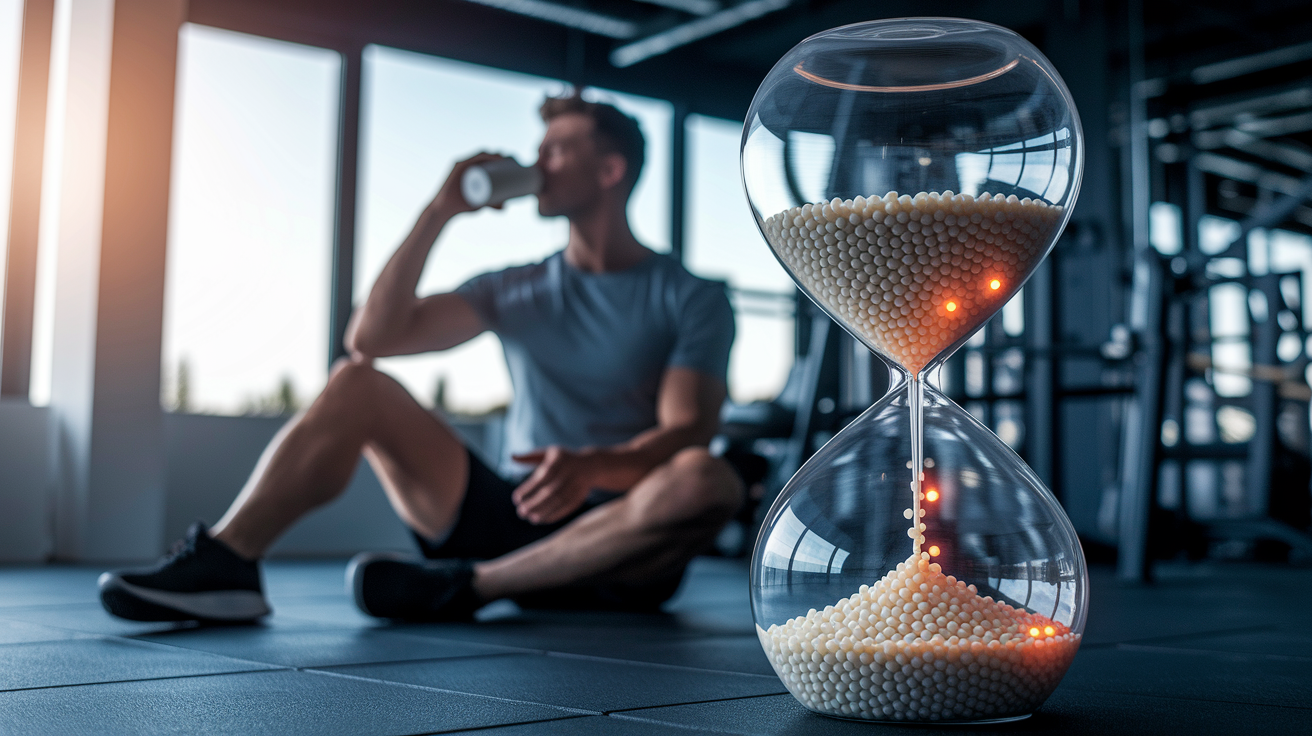
The anabolic window is when your muscles are extra receptive to nutrients after you train. For years, lifters thought this window slammed shut 30 minutes post-workout. Miss it and you supposedly kissed your gains goodbye. Cue the locker-room panic and shake-chugging sprints.
Turns out, modern research disagrees. The anabolic window isn’t some narrow 30-minute slot. It lasts several hours. Sometimes up to a day or more, depending on when you last ate. If you had protein before your workout, those amino acids are still floating around during and after your session. The window’s already covered.
Total daily protein and consistent intake across meals matter way more than nailing some exact post-workout minute. So here’s the practical version: get protein around your training when it makes sense for your schedule. Don’t stress if you finish your shake 90 minutes after your last set instead of 20.
Timing Recommendations for Different Fitness Goals
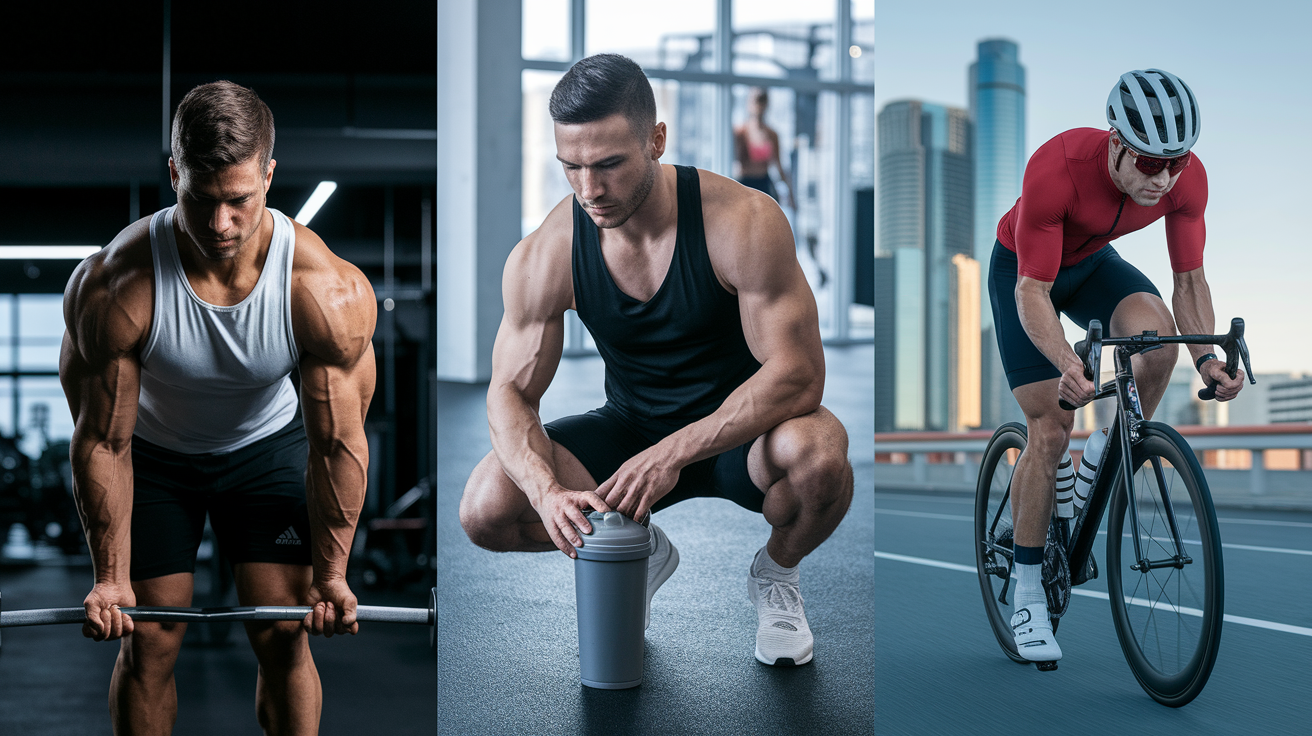
If you’re chasing muscle and strength, focus on consistent daily protein first. Aim for 1.2–2.2 grams per kilogram of body weight, and get 20–40 grams around your workout. Post-workout shakes are popular because muscles are ready for repair right after lifting. But a pre-workout shake works too if that fits better. The real key is hitting your per-meal protein target and spreading intake across the day so your body has a steady supply of amino acids.
For weight loss or recomp, a pre-workout shake can help preserve muscle while you’re cutting calories. Training on lower energy increases the risk of muscle breakdown, and having amino acids available during your session reduces that. A pre-workout shake also helps with hunger, so you’re less likely to overeat later. Post-workout protein still supports recovery, but the pre-workout timing offers extra protection when you’re restricting intake.
Endurance athletes should combine protein with carbs after long or intense sessions. Carbs refuel glycogen, and 20–25 grams of protein helps repair muscle damage from repetitive movement. Supports recovery between training days too. Timing’s flexible here. Within an hour or two after finishing is practical. Pairing protein with carbs in that window speeds up both glycogen resynthesis and tissue repair.
Muscle gain: Post-workout or pre-workout both work. Focus on hitting 20–40g per meal and spreading protein evenly.
Fat loss: Pre-workout shake helps protect muscle during calorie restriction and keeps you full. Post-workout’s fine if you prefer it.
Endurance: Post-session protein (20–25g) combined with carbs supports recovery and glycogen after longer efforts.
Practical Guidelines for Daily Protein Intake
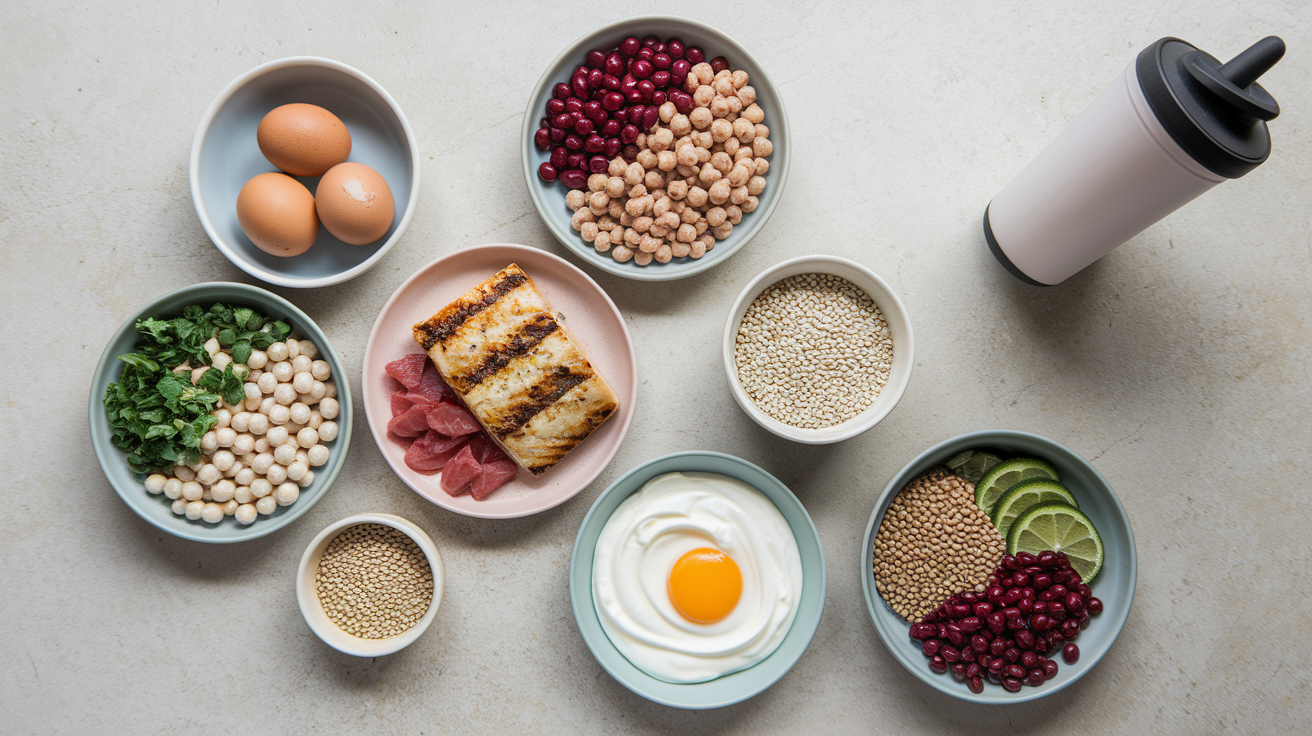
Your workout shake is just one piece of a bigger daily protein strategy. Research suggests spreading protein evenly across three to five meals, around 20–40 grams per meal, to maximize muscle protein synthesis all day. If you only load protein into one or two meals, your body can’t use it all as efficiently. Spreading it out keeps amino acids available when your muscles need them, whether that’s an hour after your workout or eight hours later while you sleep.
Total daily intake drives results more than any single shake timing. For regular exercisers, aim for 1.2–2.2 grams of protein per kilogram of body weight. A 70-kilogram person would target roughly 84 to 154 grams per day depending on training volume and goals. Once you hit that daily number consistently, the exact hour you drink your shake becomes a matter of convenience, not some make-or-break factor.
Aim for 20–40 grams of protein per meal to keep muscle protein synthesis active all day.
Hit a daily total of 1.2–2.2 grams per kilogram of body weight based on your training frequency and intensity.
Use shakes as a practical supplement to whole-food meals. Not as a replacement.
Final Words
When you’re deciding whether to sip before or after training, the quick answer is: both work. They just help different goals.
This post covered timing options, how protein supports muscle repair, why the anabolic window is wider than once thought, and simple timing tips for muscle gain, fat loss, and endurance.
Most important: hit your total daily protein and spread it across meals (about 20–40 grams per serving).
So pick what fits your routine — that’s the practical win when choosing a protein shake before or after workout. Keep it steady and you’ll make progress.
FAQ
Q: Is it better to drink protein shake before or after workout?
A: Drinking a protein shake before or after a workout can both help; choose by goal. Pre-workout aids energy and satiety, post-workout supports recovery. Aim for 20–40 g within a few hours of training.
Q: What is the 30 minute protein rule?
A: The 30-minute and 20-minute protein rules claim you must eat protein immediately after training. Research shows that’s too strict; consuming 20–40 g protein within a few hours still supports muscle synthesis.
Q: What is the 20 minute protein rule?
A: The 20-minute and 30-minute post-workout rules suggest an urgent window for protein intake. Studies now show the anabolic window lasts hours, so prompt eating helps but isn’t absolutely required.
Q: When should you drink a protein shake?
A: You should drink a protein shake within a few hours before or after training, based on your goal. If you can’t eat a meal, have 20–40 g right after to support recovery and reduce hunger.

