
Think any protein powder will build muscle? That’s not true.
Some powders are mostly flavor and calories; others actually speed recovery and boost growth.
This post cuts through the noise and lists the seven protein powders that deliver results, when to use each, and how much to take.
You’ll learn why whey isolate wins after training, when casein helps at night, and how pea‑rice blends match up.
Plus simple timing and serving tips you can use this week.
Top Protein Powders for Building Muscle Fast
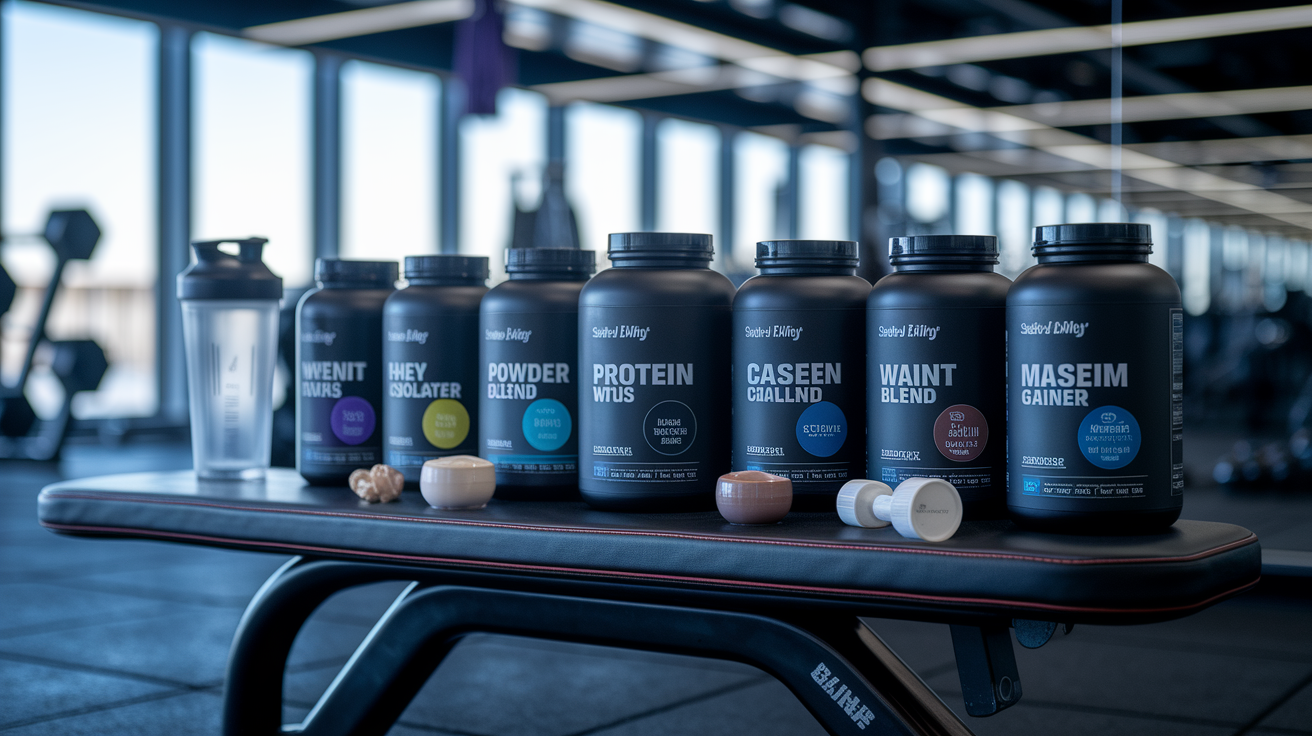
Whey isolate wins for most lifters. It absorbs fast, gives you 2.5–3.0 g of leucine per scoop, and shows up in study after study as the top performer for muscle protein synthesis. It’s the powder that moves the needle on your daily protein goal right when your muscles are ready to use it. If you’re training hard and eating enough to grow, whey isolate is the no-brainer pick.
Here are the seven best protein powders for muscle gain:
-
Whey Isolate (Premium Brand)
Protein per serving: 25–27 g
Price range: $1.50–$2.50 per serving
Best for: Lifters who want fast absorption, low lactose, and minimal carbs post-workout -
Whey Concentrate (Budget Option)
Protein per serving: 20–24 g
Price range: $0.60–$1.00 per serving
Best for: Budget-conscious beginners who don’t have lactose issues and want a creamy shake -
Hydrolyzed Whey
Protein per serving: 24–30 g
Price range: $1.80–$2.80 per serving
Best for: Athletes training multiple times per day who need the fastest possible digestion -
Micellar Casein
Protein per serving: 24–28 g
Price range: $1.20–$2.00 per serving
Best for: Lifters who want a nighttime shake to fuel overnight recovery and wake up less sore -
Pea + Rice Blend (Plant-Based)
Protein per serving: 20–25 g
Price range: $0.80–$1.50 per serving
Best for: Vegans and lactose-intolerant lifters who still want a complete amino acid profile -
Whey Isolate + Creatine Combo
Protein per serving: 25–27 g (plus 3–5 g creatine)
Price range: $1.60–$2.40 per serving
Best for: Lifters who want to stack muscle-building supplements in one scoop and save time -
Mass Gainer Powder
Protein per serving: 40–60 g
Price range: $1.50–$3.00 per serving
Best for: Hard gainers who struggle to eat enough calories and need a liquid meal with carbs and fat included
Choose whey isolate or concentrate if you’re looking for a clean post-workout shake. Grab casein if you train early and want something slow-digesting before bed. Pick a pea-rice blend if you’re plant-based or your gut doesn’t handle dairy. If you’re underweight or burning through calories fast, a mass gainer fills the gap between meals without forcing you to eat another plate of chicken and rice.
How Protein Supports Muscle Growth

Every time you lift, you create tiny tears in your muscle fibers. Protein provides the amino acids your body uses to repair those tears and build the fibers back thicker and stronger. Without enough protein, your body can’t finish the repair job. You stay stuck at the same size no matter how hard you train.
Leucine is the amino acid that flips the switch on muscle protein synthesis. When leucine levels in your blood hit around 2.5–3.0 g, your muscles start the process of turning amino acids into new muscle tissue. Whey protein typically delivers that dose in one scoop, which is why it’s become the go-to choice after a workout. If leucine doesn’t reach that threshold, the signal stays weak and growth slows down.
Whey absorbs in about 30–60 minutes, flooding your bloodstream with amino acids fast. Casein takes 3–7 hours to fully digest, releasing amino acids slowly and keeping synthesis elevated longer. Plant blends sit somewhere in the middle when they combine pea and rice, matching the amino acid profile of whey closely enough that research shows similar muscle growth results over time. The type you choose should match when you need the protein and how your gut handles each source.
How Much Protein You Need Per Day for Muscle Gain
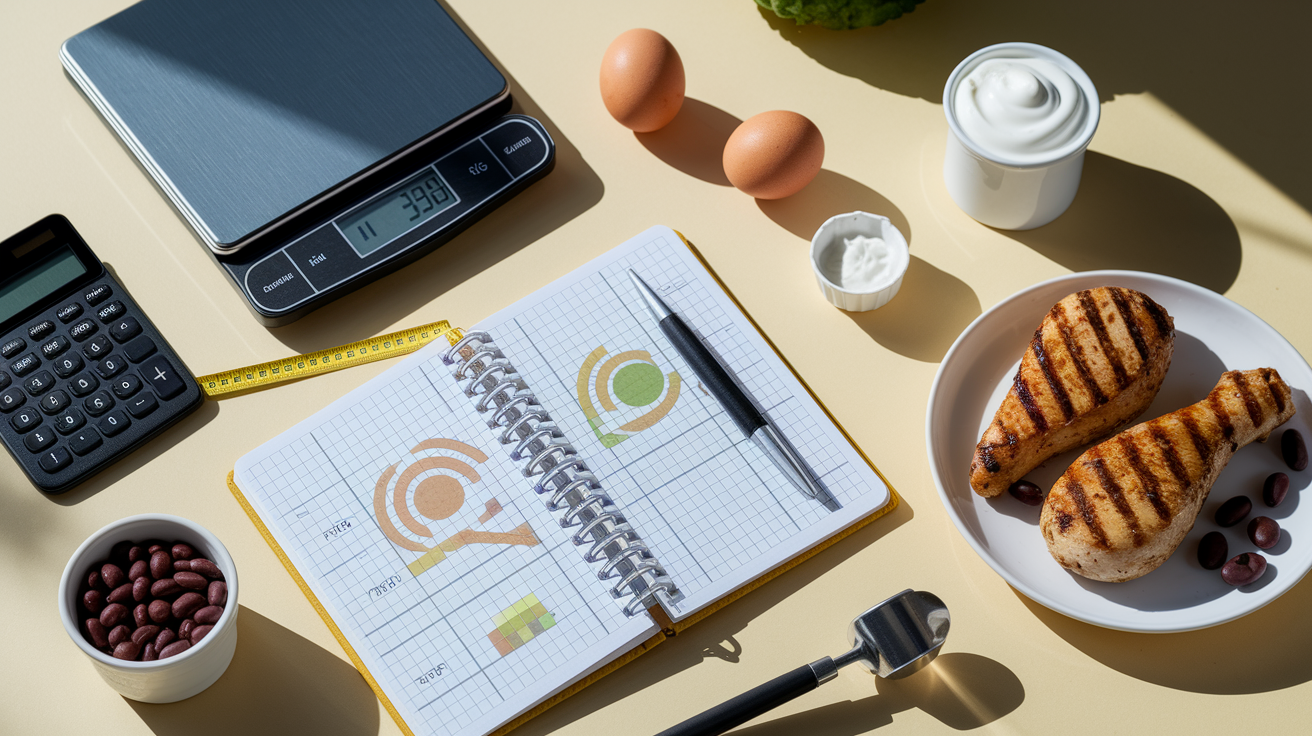
For most people trying to build muscle, 1.6–2.2 g of protein per kg of body weight per day is the range backed by the most evidence. That’s about 0.73–1.0 g per pound. If you weigh 180 lb (82 kg), you’re aiming for roughly 130–180 g of protein spread across the day. Beginners can start at the lower end and still see solid growth as long as training and sleep are dialed in.
Your body composition and training volume push that number up or down. If you’re lean and training five or six days a week, stick closer to 2.0–2.2 g/kg. If you’re just getting started or only training three days, 1.6 g/kg is plenty. Going higher than 2.2 g/kg doesn’t break anything, but research shows diminishing returns for muscle growth once you’re above that number.
You’ll need more protein in these situations:
- You’re in a calorie deficit trying to lose fat while keeping muscle.
- You’re running a high-volume training block with multiple sessions per week.
- You’re an advanced lifter who’s already close to your genetic ceiling.
- You’re over 40 and dealing with age-related muscle loss.
Best Timing Strategies for Maximizing Muscle Growth

The post-workout window isn’t as narrow as the old “one hour or it’s wasted” rule, but protein timing still matters. Consuming 20–40 g of fast-absorbing protein within two hours of your last set jump-starts recovery and keeps muscle protein synthesis elevated for the next few hours. If your session was intense or longer than 90 minutes, add a banana or a slice of toast to restock glycogen and help shuttle amino acids into muscle cells faster.
Pre-workout protein is less about growth and more about performance. A scoop 30–60 minutes before you lift can reduce muscle breakdown during the session and keep your energy stable if you’re training fasted or several hours after your last meal. You don’t need a full shake. Half a scoop or a small snack with 15–20 g of protein does the job without sitting heavy in your stomach.
Taking 30–40 g of casein before bed keeps amino acids trickling into your bloodstream while you sleep. Studies show that overnight muscle protein synthesis stays higher when you go to bed with protein in your system, especially after a hard leg day or any session that leaves you sore. If casein tastes chalky or sits heavy, a small meal with Greek yogurt or cottage cheese works just as well and often feels better in your gut.
Whey vs. Casein vs. Plant Protein: Which Builds the Most Muscle?
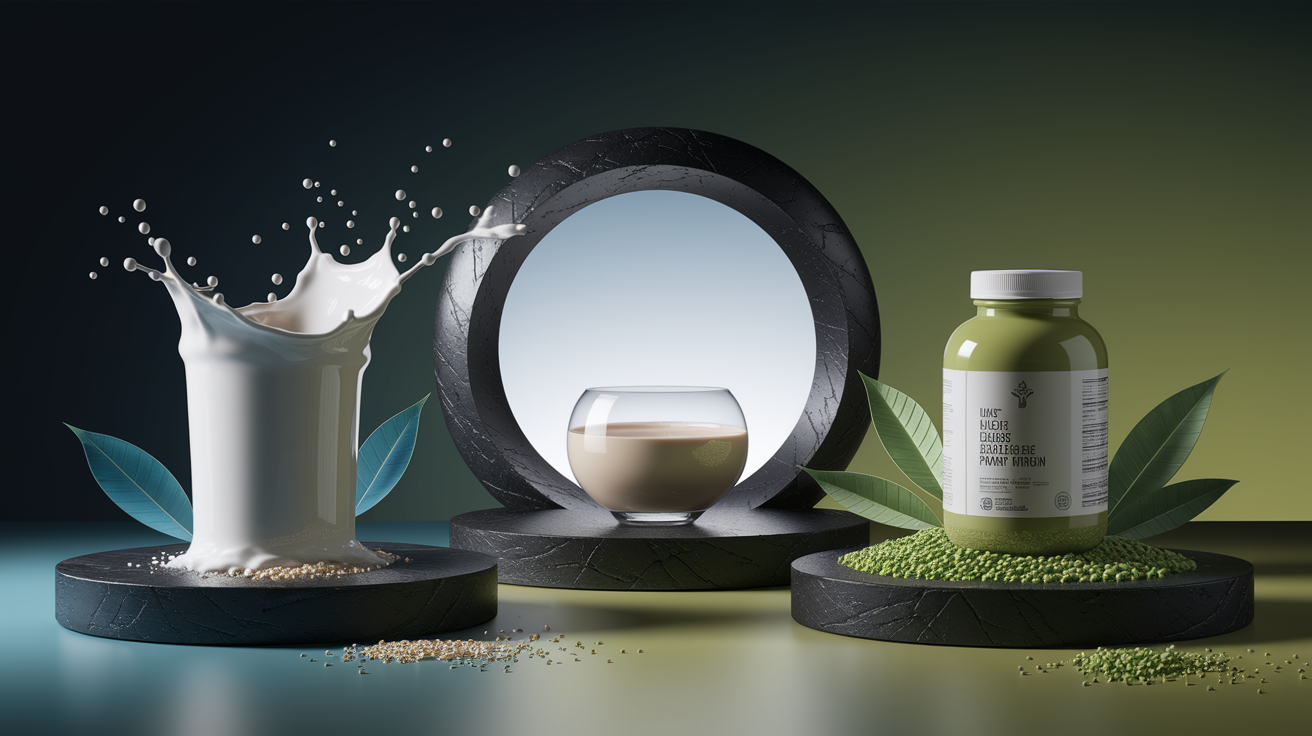
All three can support muscle growth, but they work differently and fit different schedules and digestion styles. Whey is the fastest, casein is the slowest, and plant blends fall in the middle when formulated correctly. Your choice comes down to timing, budget, and how your body handles dairy.
Whey Protein
Whey absorbs in 30–60 minutes and floods your system with leucine and branched-chain amino acids right when your muscles are primed to use them. One scoop typically delivers 20–27 g of protein and 2.5–3.0 g of leucine, hitting the threshold that triggers muscle protein synthesis. Whey isolate strips out most of the lactose and fat, leaving you with a cleaner, faster shake that works well post-workout or any time you need protein without extra calories. Use whey when speed and leucine content matter most. Right after training or when you’ve gone several hours without food and need to catch up fast.
Casein Protein
Casein forms a gel in your stomach and releases amino acids slowly over 3–7 hours, keeping muscle protein synthesis ticking along during long gaps between meals. A typical serving delivers 24–28 g of protein with a similar amino acid profile to whey, just on a slower timeline. It’s the best choice before bed or during the day if you know you won’t eat again for five or six hours. Some people find casein sits heavier or causes mild bloating. If that’s you, try mixing it thinner or switch to micellar casein, which digests a bit smoother than older caseinate blends.
Plant Protein Blends
Single-plant proteins like pea or rice are often low in one or more essential amino acids, but blended powders combine two or three sources to fill those gaps. A pea-and-rice blend can match whey’s amino acid profile closely enough that research shows comparable muscle growth and strength gains over 8–12 weeks. Most plant blends deliver 20–25 g of protein per scoop, with leucine levels around 2.0–2.5 g. Slightly lower than whey but still effective when total daily protein is on target. Plant powders tend to be grittier and earthier, so flavor matters more. They’re ideal for vegans, anyone with lactose intolerance or milk allergies, and lifters who prefer to avoid animal products without sacrificing results.
| Protein Type | Absorption Speed | Leucine Content | Ideal For |
|---|---|---|---|
| Whey | Fast (30–60 min) | 2.5–3.0 g per serving | Post-workout, fast recovery |
| Casein | Slow (3–7 hours) | 2.4–2.8 g per serving | Nighttime, long meal gaps |
| Plant Blend | Medium (1–3 hours) | 2.0–2.5 g per serving | Vegans, lactose intolerance |
Final Words
You’ve got a ranked list of top protein powders, clear science on amino acids and leucine, daily intake targets, and timing tips you can use right away. Use whey for fast post-workout recovery, casein before bed, and plant blends when you need a dairy-free option.
Pick the powder that fits your goals and life, budget, digestion, or fast results, and aim for 1.6–2.2 g/kg spread across the day. Choose a protein powder for muscle gain that fits your routine, hit 20–40 g after training, and be consistent. Small habits add up.
FAQ
Q: What is the best type of protein powder for muscle gain and do protein powders really work for muscle growth?
A: The best type of protein powder for muscle gain is whey protein, fast absorbing and high in leucine, though blended plant formulas (pea + rice) can match results. Powders do work with resistance training and enough calories.
Q: Why do doctors say no to protein powder?
A: Doctors say no to protein powder because of concerns like excess protein for people with kidney disease, hidden additives or contaminants, and unnecessary calories; they often recommend whole-food protein first and a check with your clinician.
Q: Is it okay to drink protein every day?
A: Drinking protein every day is okay if total intake fits your needs (about 1.6 to 2.2 g/kg for muscle gain). Use 20 to 30 g servings, spread across meals, and consult a doctor for kidney issues.

