
Think whey is always better? Think again.
Pea protein powder comes from yellow split peas and gives 20-25 grams of protein per scoop.
It’s dairy-free, hypoallergenic, easier on the stomach, and surprisingly good for muscle and fullness.
This post breaks down why it works, how its amino acids stack up, and simple ways to use it in shakes, baking, and savory meals.
Read on to see if swapping to pea protein actually helps your training and digestion.
Understanding Pea Protein Powder
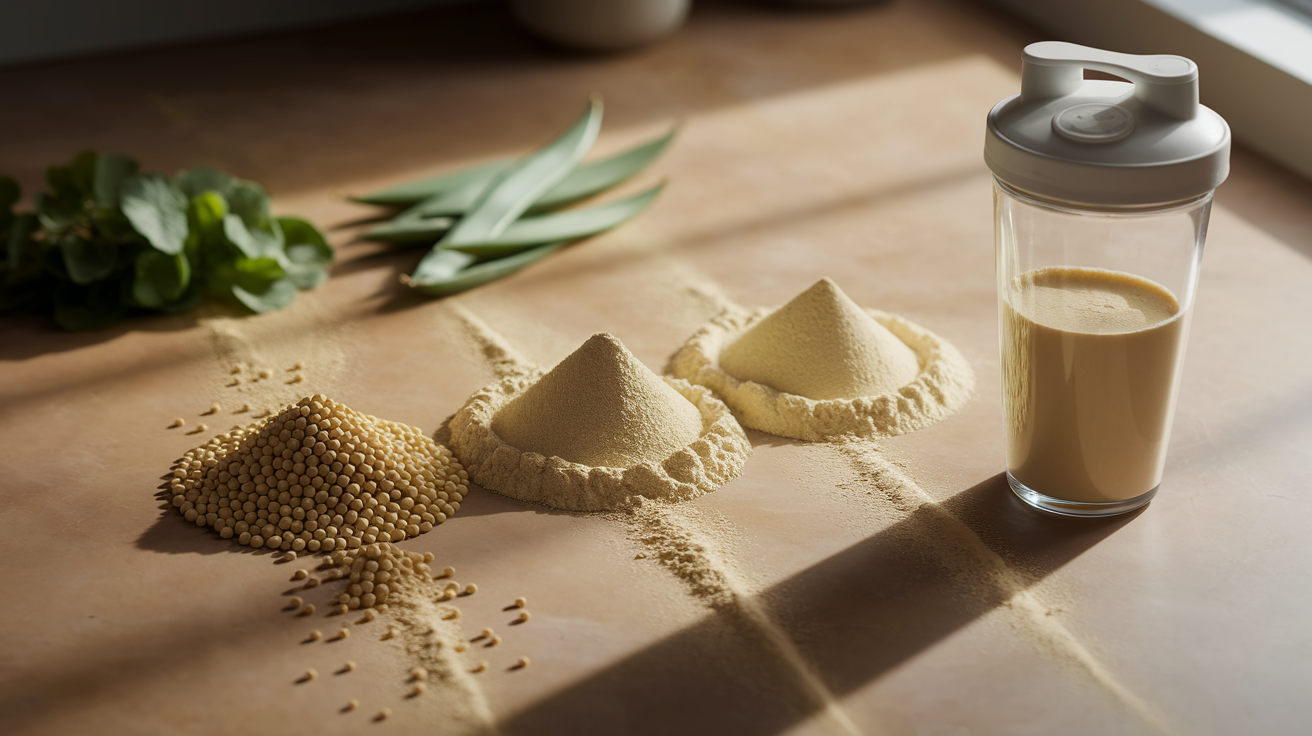
Pea protein powder is what you get when yellow split peas (yes, the soup kind) are dried, ground, and stripped down to their protein core. What’s left is a fine powder that’s usually 80–90% protein by weight. It’s not from dairy, so there’s no lactose or whey. Just plants.
People reach for pea protein for a few pretty straightforward reasons. They don’t want dairy. They can’t do soy. Their stomach gets upset with whey. Or they just want something clean that mixes easily and doesn’t need to sit in the fridge before you shake it up. You’ll see it in ready-to-drink shakes, protein bars, and meal replacements because it works without much fuss.
What makes it different:
- It’s hypoallergenic. Free from all the big eight allergens (dairy, eggs, soy, tree nuts, peanuts, wheat, fish, shellfish), so most restricted diets can handle it.
- Easier to digest. A lot of people say they get less bloating and gas compared to whey, especially if their gut’s a little sensitive.
- Has all nine essential amino acids. Methionine is lower than in animal proteins, but it’s still there.
- Sustainable. Peas don’t need as much water or fertilizer as dairy farming requires. They also fix nitrogen in the soil, which cuts down on synthetic inputs.
- Flexible. Works in sweet stuff like shakes and pancakes, but also savory recipes like veggie burgers.
Nutritional Profile of Pea Protein Powder
A standard 30-gram scoop gives you around 20–25 grams of protein, with not much fat or carbs. Most brands land between 100 and 120 calories per serving. It’s an efficient way to hit your protein number without piling on extra energy. The protein itself includes a decent dose of branched-chain amino acids (BCAAs) like leucine, which matters if you’re trying to build or maintain muscle.
Pea protein isn’t quite as low-carb as pure whey isolate, but it’s still lean enough for most goals. Some products keep 1–3 grams of fiber per serving, others take it out during processing. When you’re looking at labels, watch for added sugars, thickeners, or fillers that bump up the carb count without doing much else.
| Nutrient | Amount per 30g serving |
|---|---|
| Protein | 20–25 g |
| Carbohydrates | 1–4 g |
| Fat | 1–3 g |
| Calories | 100–120 kcal |
| Fiber | 0–3 g |
| BCAAs (leucine + isoleucine + valine) | ~4–5 g |
Key Benefits of Pea Protein
Pea protein helps you maintain and build muscle when you’re hitting your daily protein targets. Studies that compare it to whey in resistance training programs show similar strength and muscle gains when total protein and calories match up. The leucine content, around 2–2.5 grams per 30-gram scoop, is enough to trigger muscle protein synthesis if you get it in within a few hours of training.
It also keeps you full longer. That satiety effect makes it easier to avoid snacking between meals. Protein slows down how fast your stomach empties and signals fullness hormones. If you’re managing your weight, swapping a low-protein snack for a pea protein shake can cut cravings and help you stick to your calorie target without feeling like you’re starving.
There’s also some research suggesting plant proteins, pea included, might support heart health by improving cholesterol ratios and lowering blood pressure. Pea protein is naturally low in saturated fat and has arginine, an amino acid that’s involved in nitric oxide production and vascular function. It’s not going to replace medication or lifestyle changes, but it’s a heart-friendly pick compared to high-fat animal proteins.
What you actually get from it:
- Supports muscle growth and repair when you’re training with resistance.
- Keeps you fuller between meals and helps manage appetite.
- May improve cholesterol and support healthy blood pressure.
- Works for people with dairy, soy, or gluten sensitivities.
- Easier on digestion, with less bloating than whey for most people.
- More sustainable than animal-based proteins, uses fewer resources.
Pea Protein vs Whey Protein
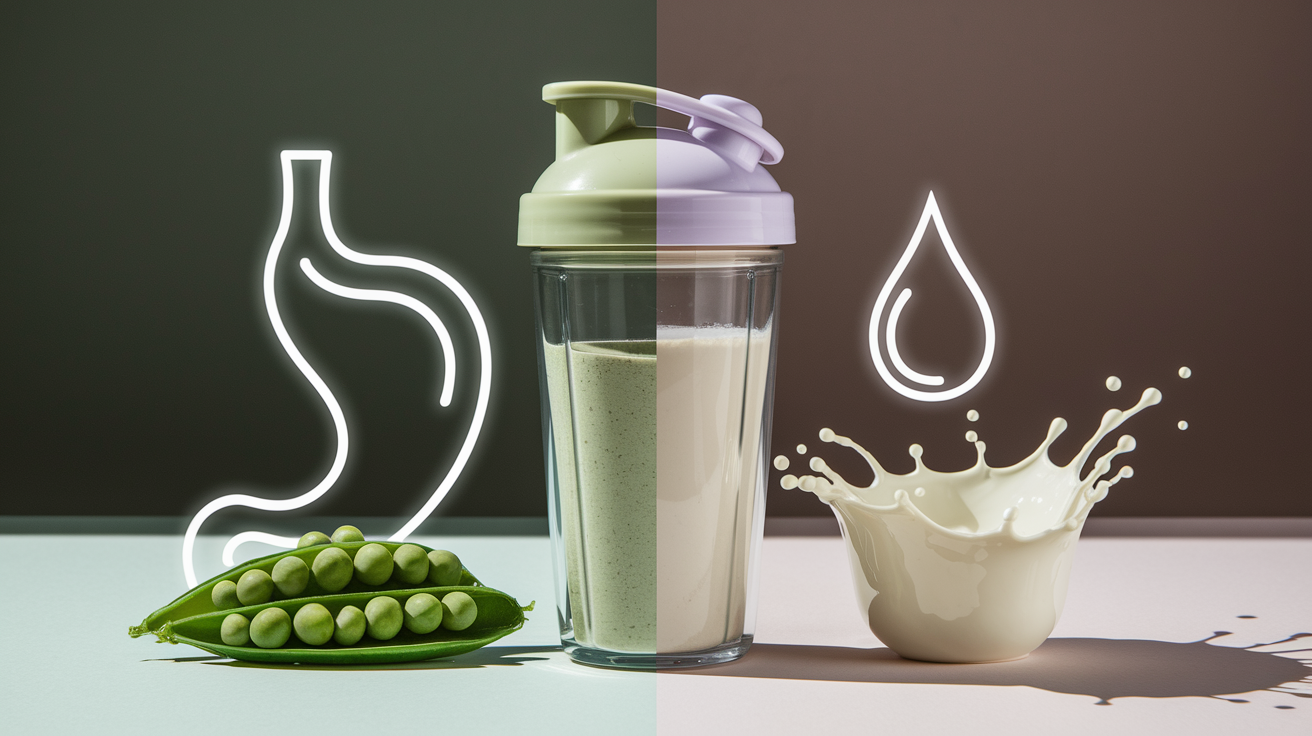
Whey digests faster and packs a slightly bigger leucine hit per gram. That’s why it’s been the go-to for post-workout shakes for years. But when you match total daily protein and leucine, pea protein gets you the same muscle-building results. The real split is how your gut reacts. If you’re lactose intolerant or dairy-sensitive, whey can cause bloating, cramps, and trips to the bathroom. Pea protein doesn’t do any of that.
Taste and cost matter too. Whey tends to be creamier and more neutral, especially in chocolate and vanilla. Pea protein can taste earthy or a little beany, though newer isolates and blends have gotten a lot better. Whey is often cheaper per serving, but pea protein prices have come down as more people use it. And you’re not paying extra for something that won’t wreck your stomach.
| Category | Pea Protein | Whey Protein |
|---|---|---|
| Digestibility | Easy; low bloating for most users | Fast absorption; can cause GI upset in lactose-sensitive individuals |
| Amino Profile | Complete; lower in methionine | Complete; high in all essentials |
| Allergens | None of the top 8 | Contains dairy (lactose, casein) |
| Muscle Growth | Comparable when leucine is matched | Slightly faster acute response |
| Taste | Earthy; varies by brand | Creamy; generally neutral |
| Cost | $0.50–$1.50 per serving | $0.40–$1.20 per serving |
Pea Protein Compared to Other Plant Proteins
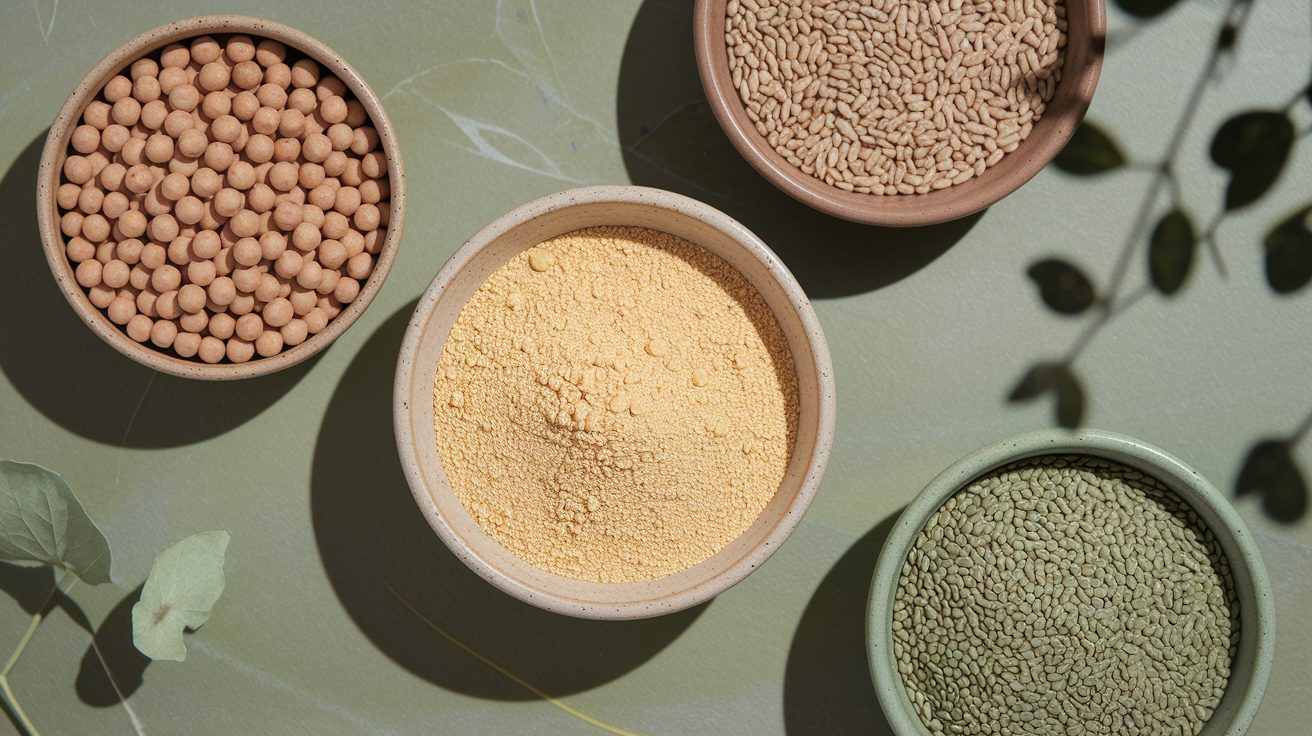
Soy protein isolate is the other big player in plant protein. It’s complete, with a solid amino acid profile and decades of research backing its muscle-building and heart-health benefits. But soy is also a top allergen, and some people avoid it because of phytoestrogen concerns or digestive trouble. Pea protein gives you a similar protein dose without any of that, and it’s easier to find in organic, non-GMO versions.
Rice protein is hypoallergenic and mild in flavor, but it’s low in lysine, an essential amino acid. That’s why rice and pea are often blended together. Each one fills in what the other’s missing. If you’re comparing them solo, pea has a more balanced amino acid spread and a thicker, less chalky texture than rice on its own.
Hemp protein brings fiber, omega-3s, and a nutty flavor. But it’s lower in total protein per scoop, usually around 12–15 grams per 30-gram serving. It’s more of a whole-food supplement than a pure protein isolate. If your goal is getting the most protein per calorie, pea wins. If you want a broader nutrient package and don’t mind grittier texture, hemp has its spot.
Quick takeaways:
- Pea is more hypoallergenic than soy and has a complete amino profile.
- Rice pairs well with pea to balance things out but is weaker on lysine alone.
- Hemp offers extra fiber and fats but less protein density.
- Pea has a cleaner, smoother texture than rice or hemp in shakes.
How to Use Pea Protein Powder
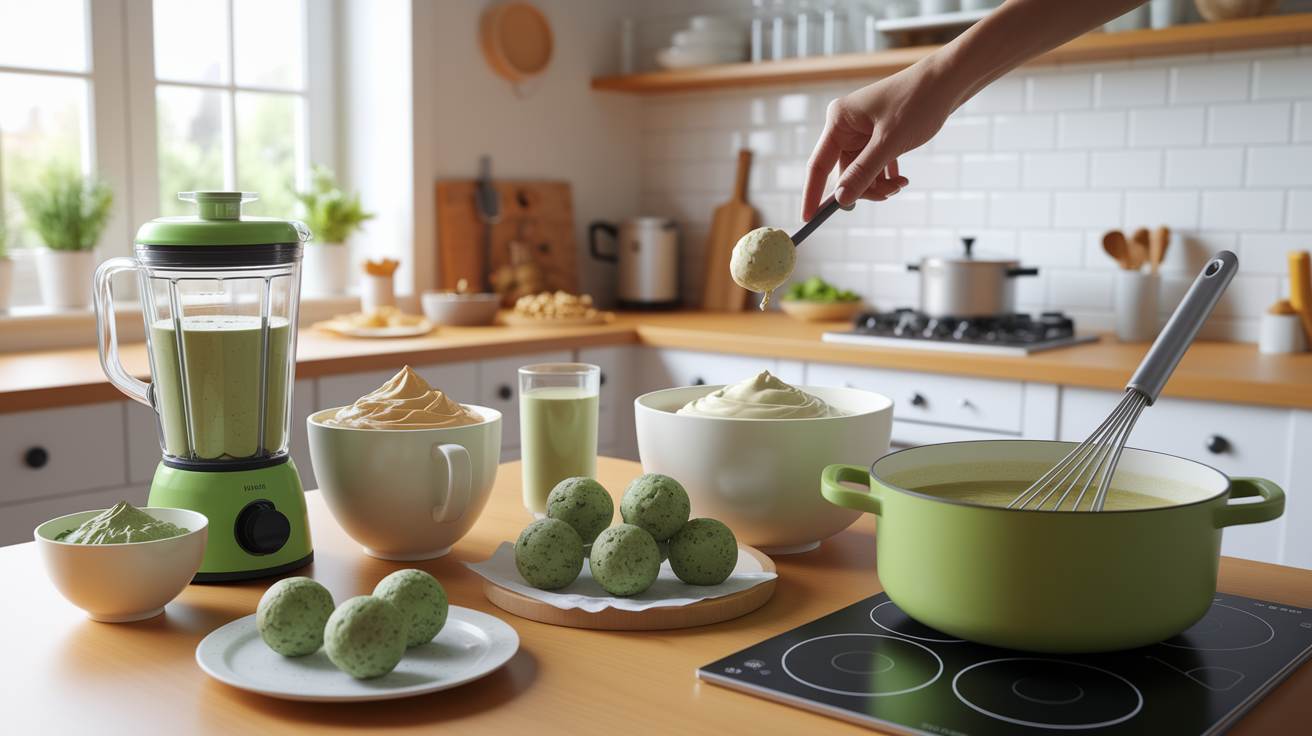
Start with 20–30 grams per serving. That’s one scoop for most brands. If you’re using it post-workout, mix it within an hour of training to help with recovery. For general protein intake during the day, you can add a scoop to breakfast, snacks, or even savory meals. Most people don’t need more than two scoops a day unless they’re very active or can’t get enough protein from whole foods.
Pea protein blends into liquids, batters, and doughs easier than some other plant proteins. It doesn’t clump as much as rice protein. It doesn’t separate like some hemp powders. If you’re new to it, start with one scoop in a smoothie or shake and see how your stomach handles it before you add more.
Five ways to use it:
- Blend one scoop into a post-workout smoothie with a banana, a handful of spinach, and 8–12 ounces of almond milk.
- Stir a scoop into oatmeal while it’s cooking for a high-protein breakfast. Add an extra splash of liquid so it doesn’t clump.
- Mix into pancake or waffle batter, replacing 10–25% of the flour to boost protein without making the texture rubbery.
- Add to energy balls or no-bake bars along with oats, nut butter, and a binder like honey or maple syrup.
- Whisk into soup or stew near the end of cooking for a savory protein boost. Works best with unflavored isolates.
Taste, Texture, and Digestibility
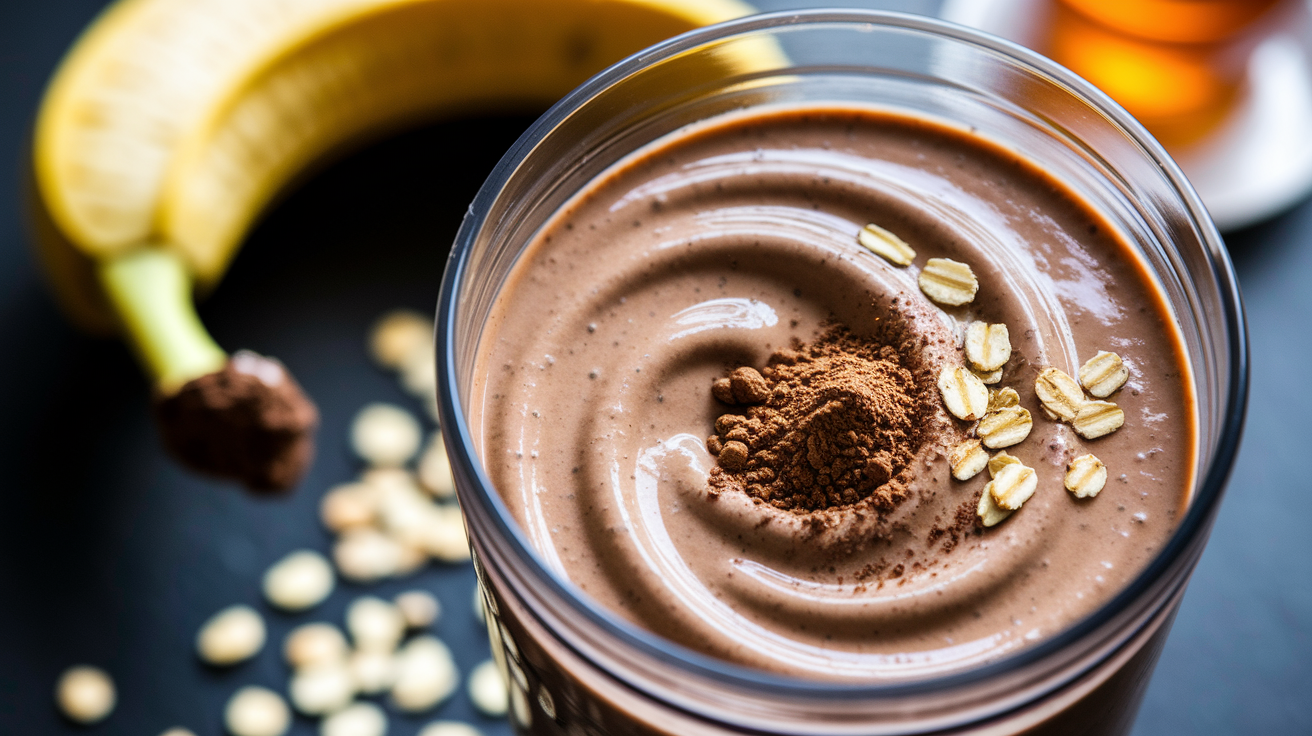
Pea protein has an earthy, slightly beany flavor. Some people like it. Others just deal with it. Unflavored isolates are the most noticeable. Flavored versions with vanilla, chocolate, or berry do a better job covering it up. If you find it too strong, blend it with sweeter stuff like frozen fruit, cocoa powder, or a little honey. The flavor fades when you’re not drinking it plain.
Texture depends on the brand and how finely they mill the protein. Some isolates mix smooth. Others leave a faint grittiness. Using a blender instead of a shaker bottle helps. So does adding a thickener like a frozen banana or a spoonful of oats. If you’re baking with it, the texture issue goes away. It just blends into batters and doughs like flour.
Digestibility is where pea protein really stands out. Most people report way less bloating, gas, and stomach discomfort compared to whey or even soy. That’s partly because peas are naturally low in oligosaccharides, the carbs that cause gas in beans like chickpeas and black beans. If you do feel bloated, start with a smaller serving (15–20 grams) and work your way up. Or split your daily dose across two meals instead of one big shake.
Possible Side Effects and Considerations
Pea protein is usually well tolerated, but some people get mild bloating or gas when they first start using it or jump straight to large servings. This normally settles down after a few days as your gut adjusts. If it doesn’t, try cutting the dose in half or switching to a different brand with fewer additives.
True pea allergies are rare, but they exist. If you have a known legume allergy (chickpeas, lentils, soybeans), talk to your doctor before adding pea protein. Allergic reaction symptoms can include hives, swelling, difficulty breathing, or digestive distress that’s more severe than typical bloating.
Some flavored products have added sodium, artificial sweeteners, or thickeners like xanthan gum or guar gum. If you’re sensitive to those or managing sodium intake for blood pressure, stick with unflavored isolates or check the nutrition label carefully. And if you’re on a low-protein diet for kidney issues or another medical condition, keep your doctor in the loop before adding any protein supplement.
Buying Guide: Choosing the Right Pea Protein Powder
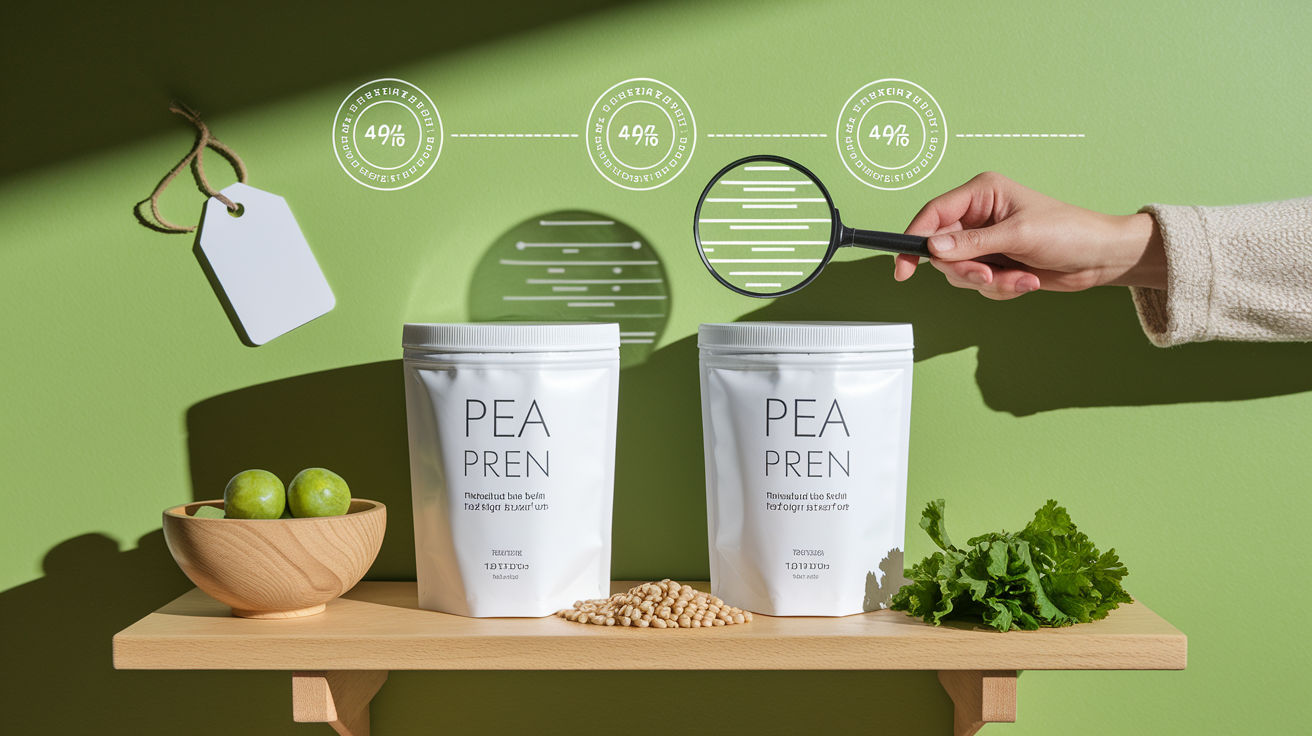
The first thing to check is protein content per serving and the serving size itself. Some brands list 25 grams of protein per 35-gram scoop. Others pack 24 grams into a 28-gram scoop. Do the math to see which one gives you more protein per gram of powder. Higher protein density usually means better processing and fewer fillers.
Read the ingredient list. The best pea proteins have one ingredient: pea protein isolate. Flavored versions will add natural flavors, a sweetener (stevia, monk fruit, or cane sugar), and maybe a pinch of salt. If you see a long list of thickeners, artificial flavors, or added sugars (more than 2–3 grams per serving), the manufacturer is padding the formula instead of investing in quality protein.
When you’re shopping, check:
- Protein per serving and protein density. Aim for 20+ grams per 30-gram scoop.
- Ingredient purity. Single-ingredient or minimal additives for unflavored. Natural sweeteners for flavored.
- Sweetener type. Stevia, monk fruit, or organic cane sugar. Skip acesulfame K or sucralose if you’re sensitive.
- Sourcing and farming practices. Organic, non-GMO, or sustainably grown peas if that matters to you.
- Third-party testing. Look for NSF Certified for Sport, Informed-Sport, or similar if you compete in tested sports.
- Price per serving. Calculate total cost divided by number of servings. Typical range is $0.50–$1.50 per scoop.
Top Pea Protein Powder Picks
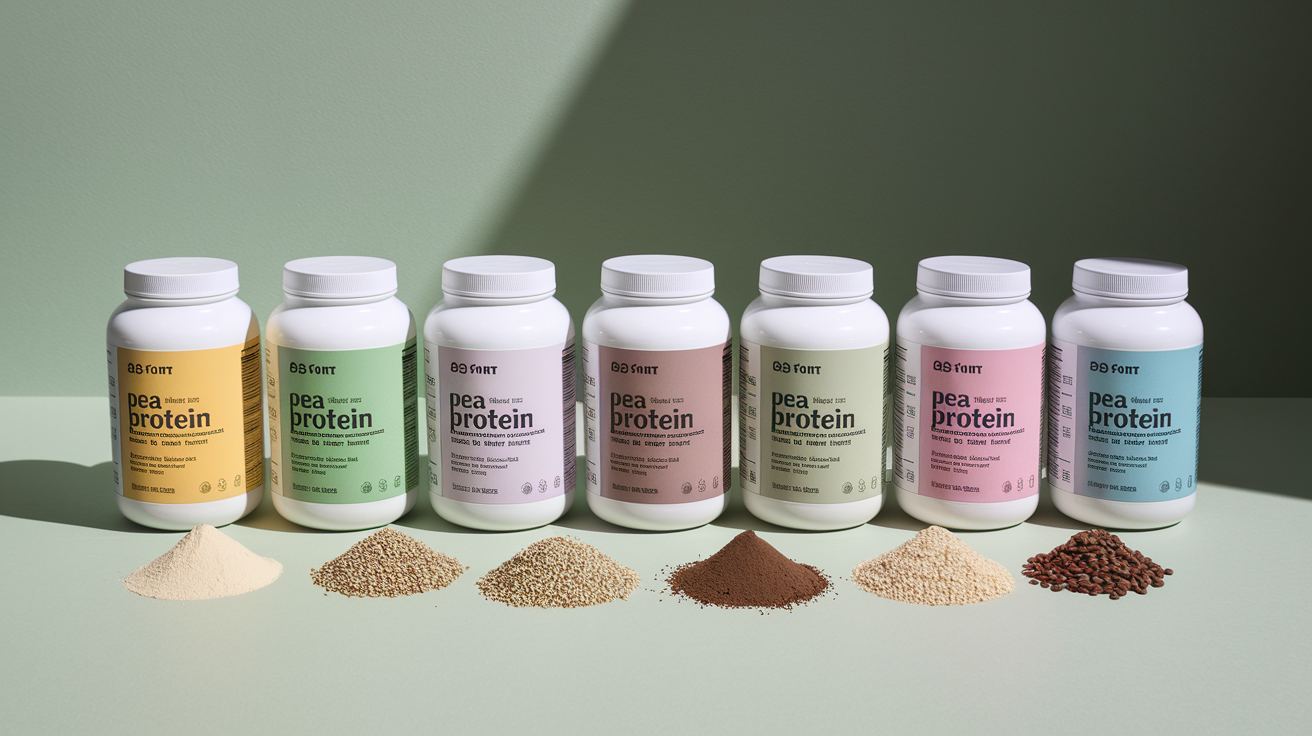
The market’s grown fast. You’ve got dozens of solid options across price points and flavors now. Below are five brands that consistently rank well for ingredient quality, taste, and value.
- Naked Pea: Single-ingredient isolate sourced from North American farms. Unflavored, no sweeteners, and Informed-Sport certified for athletes who need clean testing.
- NOW Sports Organic Pea Protein: USDA organic, Informed-Sport tested, and budget-friendly. Unflavored with a slightly earthy taste that works well in smoothies.
- Vega Sport Premium Protein: Blends pea with sunflower and pumpkin proteins, plus added tart cherry and turmeric. NSF certified and available in berry, chocolate, vanilla, and mocha.
- Orgain Organic Plant Protein: Pea, brown rice, and chia blend. Creamy texture, sweetened with organic cane sugar and stevia. USDA organic and widely available in grocery stores.
- Sunwarrior Warrior Blend: Fermented pea, hemp, and goji blend with organic MCT oil. Kosher, non-GMO, and one of the smoother-tasting plant proteins on the market.
Final Words
Grab a scoop and think practical: we covered what pea protein powder is, its nutrition profile, and the main advantages that make it useful for muscle support and easy digestion.
You also saw how it stacks up against whey and other plant proteins, plus real tips on taste, side effects, how to use it, and what to look for when buying.
Try it in a smoothie or oatmeal this week. Pea protein powder is an easy, low-fuss way to boost protein and see if it works for you.
FAQ
Q: Are pea protein powders good for you?
A: Pea protein powders are good for you as a dairy-free protein source that supports muscle, digests easily, and suits many people, though individual tolerance and goals matter.
Q: Why is pea protein not as good as whey?
A: Pea protein is not as good as whey for rapid post-workout recovery because whey digests faster and has a slightly fuller amino profile, but pea still supports muscle growth for most users.
Q: What is the best brand of pea protein?
A: The best brand of pea protein depends on priorities; top, reliable options include Naked Pea, NOW Sports, Vega, and Orgain—choose by ingredient purity, taste, price, and third-party testing.
Q: Is pea protein ok for acne?
A: Pea protein is generally ok for acne because it’s dairy-free and low in hormones, but additives or personal sensitivity can cause breakouts, so try a short test and monitor your skin.

