
What if the same hormone that helps you jump into action is quietly wrecking your sleep, waistline, and mood?
Cortisol is a steroid made by two small glands on top of your kidneys.
It gives energy and focus in short bursts, but when it stays high it rewires metabolism, raises blood sugar and pressure, blunts immunity, and frays memory and mood.
This post shows how cortisol’s daily rhythm works, what long-term high or low levels do to your body and mind, and simple steps to bring it back toward balance.
Core Meaning of the Cortisol Stress Hormone
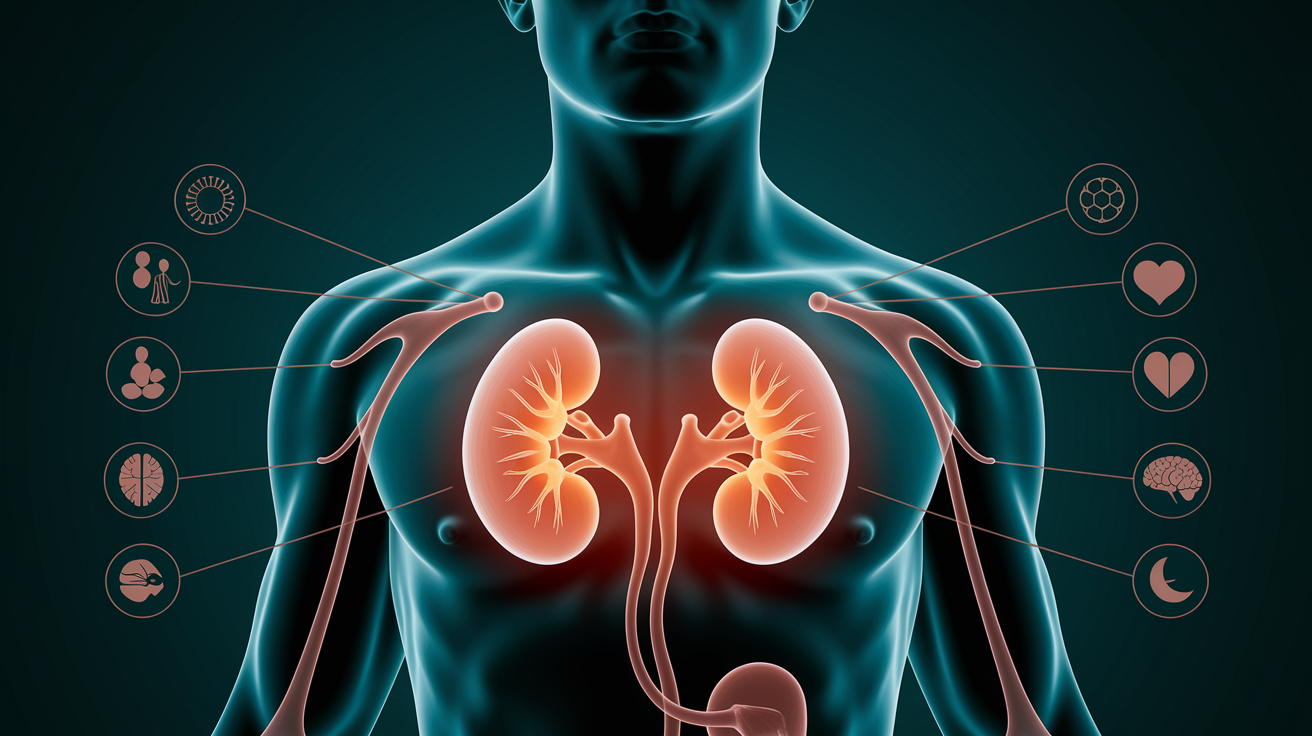
Cortisol is a steroid hormone your adrenal glands make. Those are two small organs sitting on top of your kidneys. Your body dumps cortisol into your bloodstream when you’re stressed, whether that’s from a work deadline, a tense conversation, or an actual threat. People call it the stress hormone because that’s its main job: getting your body ready to handle whatever’s coming at you. In short bursts, it’s helpful. It’s the chemical that gives you energy and focus when you need it most.
But cortisol does way more than just handle stress. It regulates your weight, appetite, metabolism, blood pressure, and blood sugar. It follows a 24-hour pattern, spiking in the morning to wake you up and dropping through the day so you can sleep at night. When everything’s balanced, that rhythm keeps your body running smoothly.
Problems start when stress doesn’t go away. When cortisol stays high for weeks or months, it messes with normal body processes. Your digestion slows down. Your immune system weakens. Sleep gets harder. Your body keeps pulling resources away from maintenance and repair, staying ready for a threat that might never show up. That’s where long-term health issues start.
Cortisol touches five major systems in your body:
- Metabolism – Controls how you turn food into energy and where you store fat.
- Immune system – Manages inflammation and how you fight infections.
- Cardiovascular system – Regulates blood pressure and heart rate.
- Nervous system – Affects your mood, memory, and ability to focus.
- Sleep-wake cycle – Sets your circadian rhythm and energy through the day.
Biological Mechanisms Behind Cortisol Production

Cortisol gets made through a chain of signals called the HPA axis. That stands for hypothalamus, pituitary, and adrenal. Your hypothalamus, a small area at the base of your brain, picks up on stress and releases a hormone that pings your pituitary gland. The pituitary sends another hormone to your adrenal glands, which finally pump out cortisol. This three-step relay lets your body react quickly while keeping cortisol production controlled.
Under normal conditions, the system has brakes built in. When cortisol goes up, it sends feedback signals back to the hypothalamus and pituitary to dial down production. That’s called negative regulation, and it stops cortisol from staying elevated longer than it needs to. When the stress ends, cortisol drops and everything resets. The whole loop works smoothly when the stressor is brief.
Chronic stress breaks that feedback loop. When your hypothalamus senses ongoing pressure, it keeps sending signals and cortisol stays high. Over time, the feedback loop gets less sensitive. Higher cortisol doesn’t trigger the same shutdown. Sleep problems, shift work, anxiety, and constant life stress all mess with normal HPA axis function and can flatten or shift your cortisol curve away from what’s healthy.
| System Component | Primary Role |
|---|---|
| Hypothalamus | Picks up on stress and kicks off the hormone cascade |
| Pituitary gland | Releases hormone that signals your adrenal glands |
| Adrenal glands | Make and release cortisol into your bloodstream |
| Negative feedback loop | Watches cortisol levels and tells the hypothalamus and pituitary to back off |
Cortisol Levels and Daily Rhythms That Shape Stress
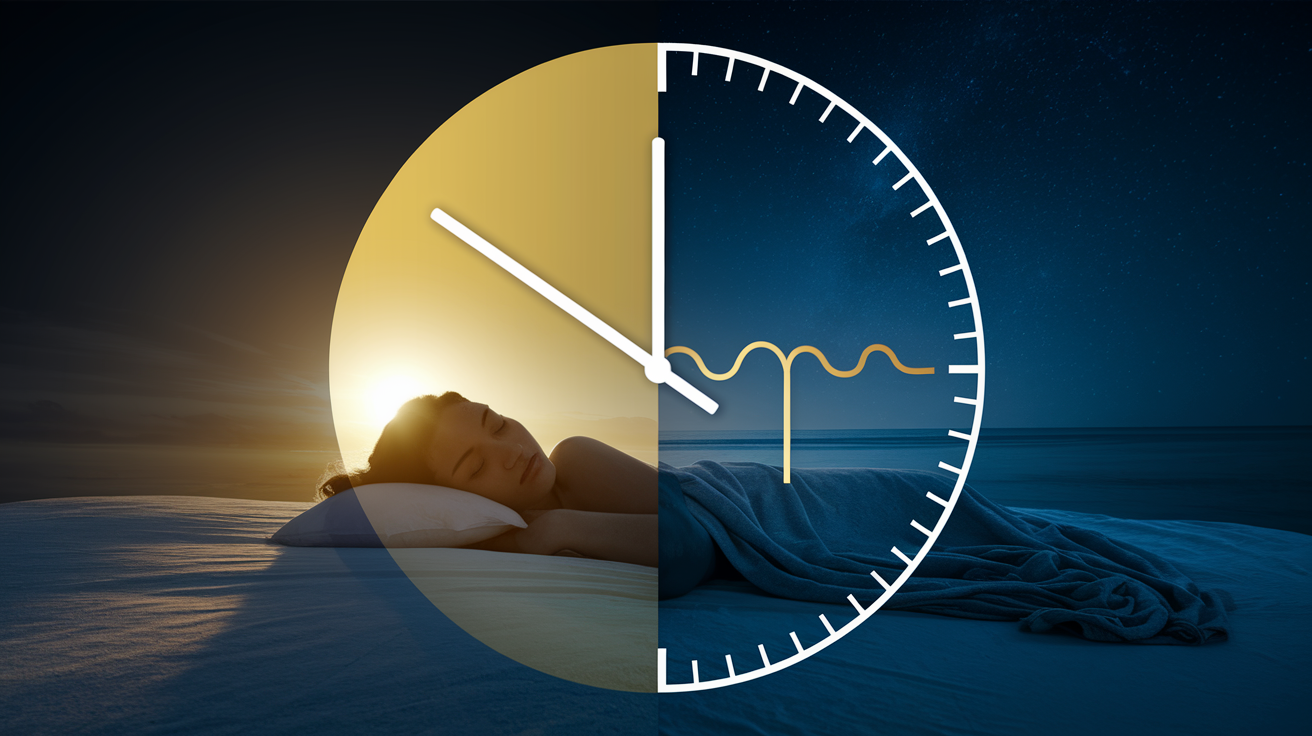
Cortisol follows a daily pattern called a diurnal rhythm. It peaks 30 to 45 minutes after you wake up, a rise known as the cortisol awakening response. That morning spike helps you shift from sleep to awake by releasing glucose and raising alertness. From there, it gradually drops through the day, hitting its lowest point late at night to support deep sleep. When this rhythm’s working right, you feel energized in the morning and tired at bedtime.
Disruptions to this rhythm are common, and they matter. If cortisol stays elevated into the evening or doesn’t rise enough in the morning, you might feel tired all day and wired at night. Measuring the slope of cortisol from morning to evening helps doctors understand how well your HPA axis is working. A flat curve, where cortisol stays roughly the same from morning to night, often shows up in people with chronic stress, burnout, insomnia, or shift work schedules.
Four things that commonly mess with cortisol rhythm:
- Chronic sleep deprivation – Not getting enough sleep blunts the morning rise and keeps levels higher at night.
- Shift work and jet lag – Changing time zones or working nights confuses your internal clock and flattens the curve.
- Ongoing life stress – Constant worries keep cortisol from dropping in the evening.
- Obstructive sleep apnea – Repeated breathing stops during sleep trigger stress responses and raise nighttime cortisol.
Effects of Cortisol on the Body and Stress Response
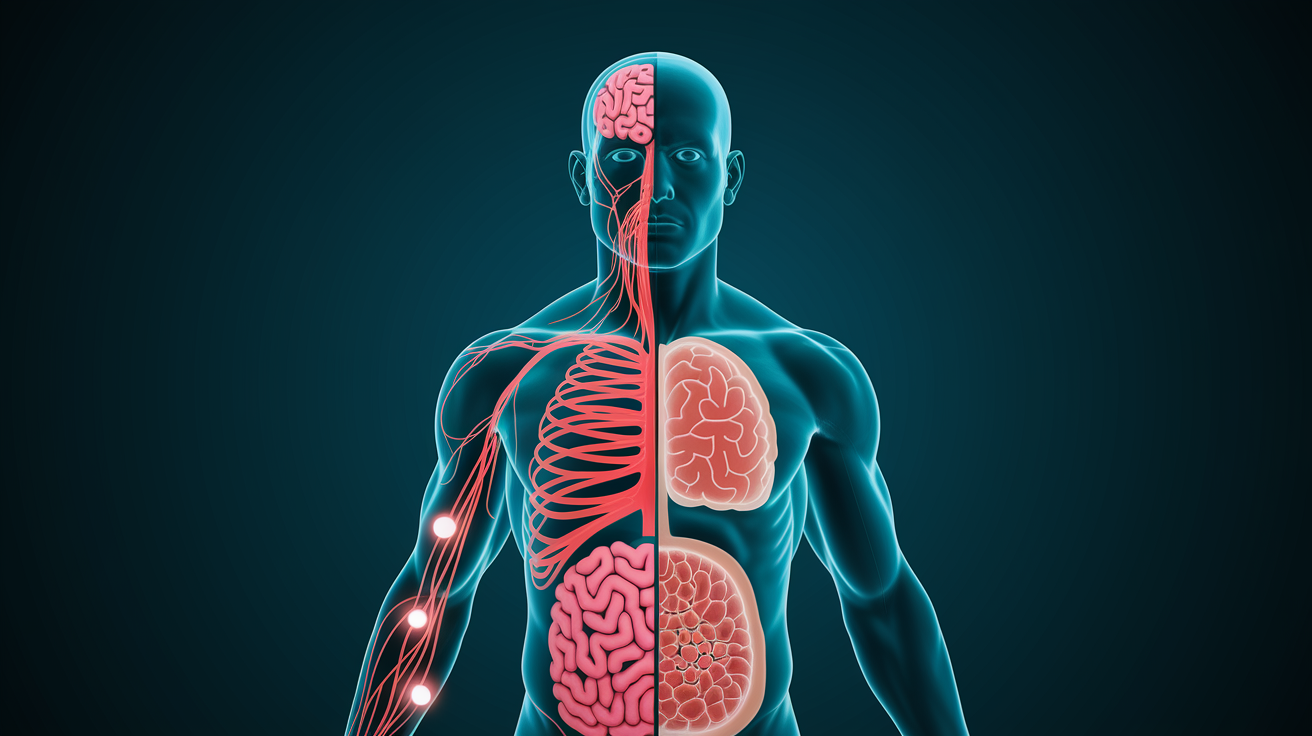
Cortisol touches almost every system. It manages blood sugar by telling your liver to release glucose, giving your brain and muscles quick energy. It controls inflammation by dampening immune responses that could get overactive. It regulates blood pressure by tightening blood vessels and managing fluid balance. And it influences metabolism by affecting how you burn carbs, fats, and proteins. In a short stress situation, these actions help you respond.
When cortisol stays high, though, those helpful actions become problems. Persistent elevation keeps blood sugar up, which can lead to insulin resistance and eventually type 2 diabetes. It suppresses parts of your immune system, leaving you more vulnerable to infections and slowing recovery. It raises blood pressure and increases heart disease risk. And it shifts your metabolism toward storing fat, especially around your belly, where excess fat carries the most risk.
Your brain gets affected too. High cortisol impairs memory formation and recall, making it harder to focus or remember things. Chronic exposure can shrink the hippocampus, the brain region for learning and memory. It amps up activity in the amygdala, the part that processes fear and anxiety, which is why long-term stress often makes mood and emotional control worse.
Six major consequences of long-term cortisol elevation:
- Memory problems and brain fog – Trouble concentrating, learning, or remembering things.
- Weakened immune function – More frequent colds, slower healing, higher infection risk.
- Digestive issues – Constipation, diarrhea, bloating, irritable bowel syndrome.
- Weight gain, especially around the middle – Cortisol promotes fat storage in your midsection.
- Anxiety and depression – Mood disturbances and emotional instability get more common.
- Pre-diabetes or type 2 diabetes – Chronic high blood sugar and insulin resistance develop.
High Cortisol Symptoms and Common Triggers

High cortisol doesn’t always show up with obvious signs, especially early on. A lot of people notice subtle changes first. Gaining weight without changing how you eat. Feeling more tired even though you’re sleeping enough. Struggling to handle stress that used to feel manageable. Over time, symptoms get harder to ignore. You might see stretch marks that are wider and darker purple than normal, develop acne that doesn’t respond to usual treatments, or notice your face looks rounder.
Physical signs can include a fatty deposit between your shoulder blades, sometimes called a buffalo hump. Women might develop excess facial hair or irregular periods. Muscle weakness, especially in your arms and legs, becomes noticeable when things like climbing stairs or lifting objects feel harder. Some people get frequent headaches, jaw pain from clenching, or a rapid heartbeat that seems random. Appetite often changes, either increasing or dropping, and sleep gets disrupted even when you’re exhausted.
The most common cause is chronic stress. Work pressure, caregiving, financial strain, relationship conflict, or any ongoing situation that keeps your nervous system activated. Medical causes are less common but more serious. Cushing syndrome comes from prolonged high cortisol, often from a tumor on the pituitary or adrenal gland. Certain medications, especially long-term corticosteroids for autoimmune conditions, can raise cortisol activity. Lack of sleep and circadian disruption, including night shifts, also push cortisol higher.
If you’re not sure whether your symptoms are cortisol-related or just everyday fatigue, look for patterns. Cortisol issues tend to cluster. It’s not just tiredness. It’s tiredness plus weight gain plus mood changes plus sleep problems. When several symptoms show up together and stick around for weeks, talk to a doctor.
Eight common signs of elevated cortisol:
- Weight gain, especially in your face, neck, and belly
- Purple or red stretch marks on your stomach, thighs, or arms
- Thin skin that bruises easily
- Fatigue that doesn’t get better with rest
- Muscle weakness in your arms and legs
- More anxiety or irritability
- Insomnia or waking up a lot during the night
- High blood pressure or elevated blood sugar
Low Cortisol Symptoms and Conditions That Cause Deficiency

While most cortisol problems come from too much, too little causes serious issues too. Low cortisol, medically called adrenal insufficiency, happens when your adrenal glands don’t make enough. The most common form is Addison’s disease, an autoimmune condition where your immune system attacks the adrenal glands. Low cortisol can also result from pituitary problems, suddenly stopping long-term corticosteroid medications, or damage to the adrenals from infection or injury.
Low cortisol leaves you without the hormonal support you need to regulate blood pressure, blood sugar, and energy. Symptoms include extreme fatigue, unintended weight loss, low blood pressure that makes you dizzy when standing, nausea, vomiting, and digestive upset. Mood changes are common, including depression and irritability. People with adrenal insufficiency often develop darker skin, especially in areas with friction like elbows, knees, and scars. Salt cravings are another hallmark, because cortisol helps regulate sodium balance.
Three hallmark symptoms of low cortisol:
- Severe, ongoing fatigue that doesn’t improve with sleep
- Unexplained weight loss and loss of appetite
- Low blood pressure and dizziness, especially when you stand up
Medical Conditions Related to Cortisol Imbalance

Cushing syndrome is the most well-known condition from chronic cortisol excess. It’s rare, with about 40 to 70 people per million affected, but its effects are significant. The condition creates a characteristic fat pattern: a rounded face often called moon face, a fatty hump at the base of your neck, and central obesity where fat builds up around your belly while your arms and legs stay thin. Skin becomes thin and fragile, bruises easily, and develops wide purple stretch marks. Blood pressure goes up, blood sugar gets hard to control, and infection risk increases because cortisol suppresses immune function.
On the flip side, adrenal insufficiency means your body doesn’t make enough cortisol. Without adequate cortisol, blood pressure drops, blood sugar can fall dangerously low, and your body struggles to respond to stress or illness. Adrenal crisis, a life-threatening situation where cortisol drops suddenly, needs emergency medical treatment. Even mild adrenal insufficiency causes chronic fatigue, weakness, and digestive problems that mess with daily life.
Beyond these main diagnoses, cortisol imbalance contributes to other health conditions. Chronic elevation increases cardiovascular risk by raising blood pressure and promoting plaque buildup in arteries. It weakens bones over time by interfering with calcium absorption and bone formation, leading to osteoporosis. It makes insulin resistance worse and speeds up progression toward type 2 diabetes. And it increases the likelihood of autoimmune flares in people with conditions like rheumatoid arthritis or inflammatory bowel disease, because cortisol normally helps regulate immune activity.
| Condition | Cortisol Level | Key Signs |
|---|---|---|
| Cushing syndrome | Chronically high | Moon face, buffalo hump, central obesity, purple stretch marks, high blood pressure |
| Adrenal insufficiency (Addison’s disease) | Chronically low | Fatigue, weight loss, low blood pressure, skin darkening, salt cravings |
| Subclinical cortisol dysregulation | Mildly elevated or flattened rhythm | Fatigue, mood changes, sleep disruption, mild weight gain |
| Medication-induced cortisol excess | Elevated from corticosteroid therapy | Similar to Cushing syndrome, depends on dose |
Testing and Measuring Cortisol Accurately

Measuring cortisol accurately means understanding when and how it changes. Because cortisol follows a daily rhythm, a single test at one time doesn’t tell the full story. Doctors pick testing methods based on what they need to know. Blood tests measure cortisol at a specific moment, useful for diagnosing acute problems or checking levels at peak times. Urine tests collect all the cortisol your body excretes over 24 hours, giving a picture of total daily production. Salivary tests capture multiple samples throughout the day, showing the shape of your cortisol curve from morning to night.
Each test has strengths and trade-offs. Blood tests are precise and widely available, but they only capture a snapshot and can be affected by the stress of getting blood drawn. A 24-hour urine test is more comprehensive but requires careful collection and can be inconvenient. Salivary cortisol testing is noninvasive and good for tracking daily rhythm, but it needs strict timing and can be influenced by food, drink, or contamination. Labs give reference ranges, but interpreting results correctly means accounting for when the sample was taken, what you were doing, and whether the result fits with symptoms.
Testing gets especially important when symptoms suggest a medical problem like Cushing syndrome or adrenal insufficiency. Primary care doctors can order initial tests and refer to an endocrinologist if results are abnormal or unclear. If symptoms are mild and lifestyle factors like stress or poor sleep seem likely, testing might not be the first step. Instead, focusing on sleep hygiene, stress management, and other practical changes often improves symptoms without needing labs.
| Test Type | What It Measures | Ideal Use Case |
|---|---|---|
| Blood serum cortisol | Cortisol level at a single point in time | Diagnosing acute cortisol excess or deficiency, checking morning peak |
| 24-hour urine cortisol | Total cortisol excreted over one full day | Evaluating overall daily production, screening for Cushing syndrome |
| Salivary cortisol (multiple samples) | Cortisol levels at different times of day | Checking diurnal rhythm and cortisol awakening response |
| Late-night salivary cortisol | Cortisol level before bed | Detecting inappropriate nighttime elevation |
| Dexamethasone suppression test | Cortisol response after medication | Confirming Cushing syndrome when other tests are abnormal |
Four factors that can affect cortisol test accuracy:
- Timing of sample collection – Cortisol varies by hour, so results need to be interpreted based on when the sample was taken.
- Recent stress or illness – Acute stress, infections, or injuries raise cortisol temporarily, which can confuse results.
- Medications – Corticosteroids, birth control pills, and some psychiatric medications alter cortisol or mess with tests.
- Sample handling and contamination – Saliva tests can be affected by food, drink, or improper storage.
Cortisol’s Impact on Weight, Metabolism, and Sleep

Cortisol directly influences where and how your body stores fat. Chronic elevation shifts fat storage toward your abdomen, a pattern that increases risk for heart disease, diabetes, and metabolic syndrome. Cortisol also raises blood sugar by signaling your liver to release glucose, and over time, high cortisol can reduce your cells’ sensitivity to insulin. That means your pancreas has to work harder to keep blood sugar under control, which is one path to insulin resistance and eventually type 2 diabetes.
Sleep and cortisol are tightly linked. Cortisol’s supposed to drop at night to allow deep, restorative sleep. When it stays elevated, falling asleep gets harder and you’re more likely to wake up during the night. Poor sleep, in turn, raises cortisol the next day, creating a cycle where stress disrupts sleep and lack of sleep makes stress worse. Over time, that cycle contributes to weight gain, blood sugar problems, and increased hunger, especially for high-calorie, high-sugar foods that give quick energy when you’re exhausted.
Five metabolic effects of chronic cortisol elevation:
- Increased belly fat storage, even without overeating
- Elevated blood sugar and insulin resistance
- Higher appetite and cravings for sugar and carbs
- Disrupted sleep that prevents overnight metabolic repair
- Muscle breakdown, especially in arms and legs, which slows metabolism further
Lifestyle Factors That Influence Cortisol

Everyday habits and schedules shape your cortisol levels more than most people realize. Shift work is one of the strongest disruptors. Working nights forces your body to stay alert when cortisol should be low, and sleep during the day when cortisol should be high. Over time, this misalignment flattens the cortisol curve and increases risk for metabolic and cardiovascular problems. Jet lag causes a similar but temporary shift, and frequent travelers often notice it takes several days for energy and sleep to normalize after crossing time zones.
Chronic stress and burnout keep cortisol elevated throughout the day and prevent the normal evening decline. People in high-pressure jobs, caregivers, and anyone dealing with ongoing financial or relationship stress often show disrupted cortisol rhythms. Obstructive sleep apnea also raises cortisol because repeated breathing interruptions during sleep trigger the body’s stress response multiple times per night.
Four lifestyle factors that alter cortisol rhythm:
- Poor sleep quality or not getting enough sleep
- Night-shift work or rotating schedules
- Chronic stress, burnout, or ongoing life challenges
- Obstructive sleep apnea and other sleep disorders
Interventions and Techniques That Lower Cortisol
Managing cortisol starts with daily habits that calm your nervous system and support healthy rhythms. Deep breathing is one of the simplest and most effective tools. Slow, controlled breathing activates the parasympathetic nervous system, which counteracts fight-or-flight. Research shows that practicing deep belly breathing for at least five minutes, three to five times per day, lowers cortisol, reduces anxiety, and improves memory. Apps like Insight Timer and Calm offer guided sessions, or you can just breathe in for a count of four, hold for four, and exhale for six.
Mindfulness meditation and cognitive behavioral therapy help retrain how your brain responds to stress. Mindfulness teaches you to notice thoughts and feelings without reacting right away, which reduces the intensity of the stress response. CBT helps you identify and change thought patterns that fuel anxiety and keep cortisol elevated. Both have strong research backing for lowering cortisol and improving mood over time.
Other practical strategies include journaling to process stressful thoughts, engaging in hobbies that absorb your attention, and spending time outdoors. Even short walks around the block or sitting on a porch can lower cortisol. The key is consistency. One meditation session or one walk won’t reset your system, but building these practices into your routine creates benefits over time.
Seven practical strategies to lower cortisol:
- Deep breathing exercises for five minutes, three to five times daily
- Journaling to offload worries or reflect on positive moments
- Engaging in hobbies like drawing, music, gardening, or crafting
- Spending time in nature, even briefly
- Practicing mindfulness or meditation regularly
- Working with a therapist trained in CBT for chronic stress or anxiety
- Reducing caffeine intake, especially in the afternoon
| Method | How It Helps | Recommended Frequency |
|---|---|---|
| Deep breathing | Activates the parasympathetic nervous system, lowers cortisol in real time | 5 minutes, 3 to 5 times per day |
| Mindfulness meditation | Reduces reactivity to stress, improves emotional regulation | Daily, 10 to 20 minutes |
| Journaling | Processes emotions, reduces rumination | Daily or as needed |
| Nature exposure | Calms the nervous system, lowers cortisol passively | Short daily walks or outdoor breaks |
| Cognitive behavioral therapy | Reframes thought patterns that trigger stress responses | Weekly sessions with a trained therapist |
Physiological Modifiers: Nutrition, Supplements, Medications, and Exercise
What you eat affects cortisol. A whole-food, plant-based diet rich in fiber supports gut bacteria and reduces systemic inflammation, which can help lower cortisol over time. Fiber from fruits, vegetables, and whole grains is especially important. On the other hand, high caffeine intake raises cortisol and can perpetuate a cycle where you rely on coffee to counteract fatigue caused by stress and poor sleep. Cutting back on caffeine, especially in the afternoon, often improves sleep and lowers evening cortisol. Added sugar and highly processed foods can also spike cortisol and blood sugar, making it harder to maintain stable energy and mood.
Supplements can support cortisol regulation, but they shouldn’t replace a balanced diet. Magnesium is one of the most studied minerals for stress, and many people don’t get enough from food alone. Vitamin C, B vitamins (especially B12 and folic acid), and ashwagandha have research showing they may help regulate cortisol. Ashwagandha, an adaptogenic herb, has been shown in multiple studies to lower stress, anxiety, and cortisol levels. Any supplement should be discussed with a doctor, especially if you take other medications or have underlying health conditions.
Medications also influence cortisol. Long-term use of corticosteroids like hydrocortisone, prednisone, or dexamethasone raises cortisol activity in the body and can cause side effects that mimic Cushing syndrome. Short-term use is generally safe, but prolonged therapy requires careful monitoring. If you take corticosteroids for an autoimmune condition, transplant, or inflammatory disease, work with your doctor to use the lowest effective dose and taper off when possible.
Exercise has a complex relationship with cortisol. Moderate physical activity, like 30 to 50 minutes of walking, cycling, or strength training at a conversational pace, helps regulate cortisol rhythms and improves sleep. The American College of Lifestyle Medicine recommends daily movement at an intensity where you can talk but not sing. Intense or prolonged exercise, on the other hand, temporarily raises cortisol as part of the body’s normal stress response. That short-term spike is healthy and helps your body adapt, but overtraining without adequate recovery can keep cortisol chronically elevated.
Eight dietary, supplemental, medication-related, and physical activity factors:
- Whole-food, plant-based diet high in fiber to reduce inflammation
- Reduced caffeine intake, especially after midday
- Limited added sugar and processed foods
- Magnesium supplementation if dietary intake is low
- Vitamin C, B12, folic acid, and ashwagandha under medical guidance
- Awareness of corticosteroid side effects if taking prescription steroids
- Daily moderate exercise for 30 to 50 minutes at a conversational pace
- Adequate recovery between intense workouts to prevent overtraining
Final Words
We broke down what cortisol does, how the HPA axis makes it, and why daily rhythms matter. You also learned signs of imbalance, testing options, and practical ways to lower levels.
Start with one small habit, like 10 minutes of deep breathing, a regular sleep time, or swapping a sugary drink for water.
The cortisol stress hormone is normal, but chronic elevation can hurt health. Keep steady, make one small change this week, and you’ll likely notice better energy and sleep.
FAQ
Q: How do I reduce my cortisol levels?
A: Reducing cortisol levels involves regular sleep, moderate daily exercise, short deep-breathing breaks (5 minutes, 3–5 times daily), cutting excess caffeine and sugar, and adding mindfulness, nature time, or therapy.
Q: What does the stress hormone cortisol do to your body?
A: The stress hormone cortisol, made by the adrenal glands, helps wake you, raise blood sugar, and control blood pressure and inflammation; short spikes help survival, while chronic elevation harms sleep, digestion, immunity, and metabolism.
Q: What are signs of high cortisol levels?
A: Signs of high cortisol levels include unexplained belly weight gain, persistent fatigue, trouble sleeping, high blood pressure, frequent headaches, memory or focus problems, digestive issues, mood swings, and purple stretch marks.
Q: How to test for high cortisol?
A: Testing for high cortisol uses saliva (to track daily rhythm), 24-hour urine (total daily output), or blood serum (point-in-time); timing and repeat tests matter, so consult a clinician for the right choice and interpretation.

