Wellness
Stress Management Tips: Enjoy Daily Calm
By robertgrahm
July 23, 2025
Field Notes
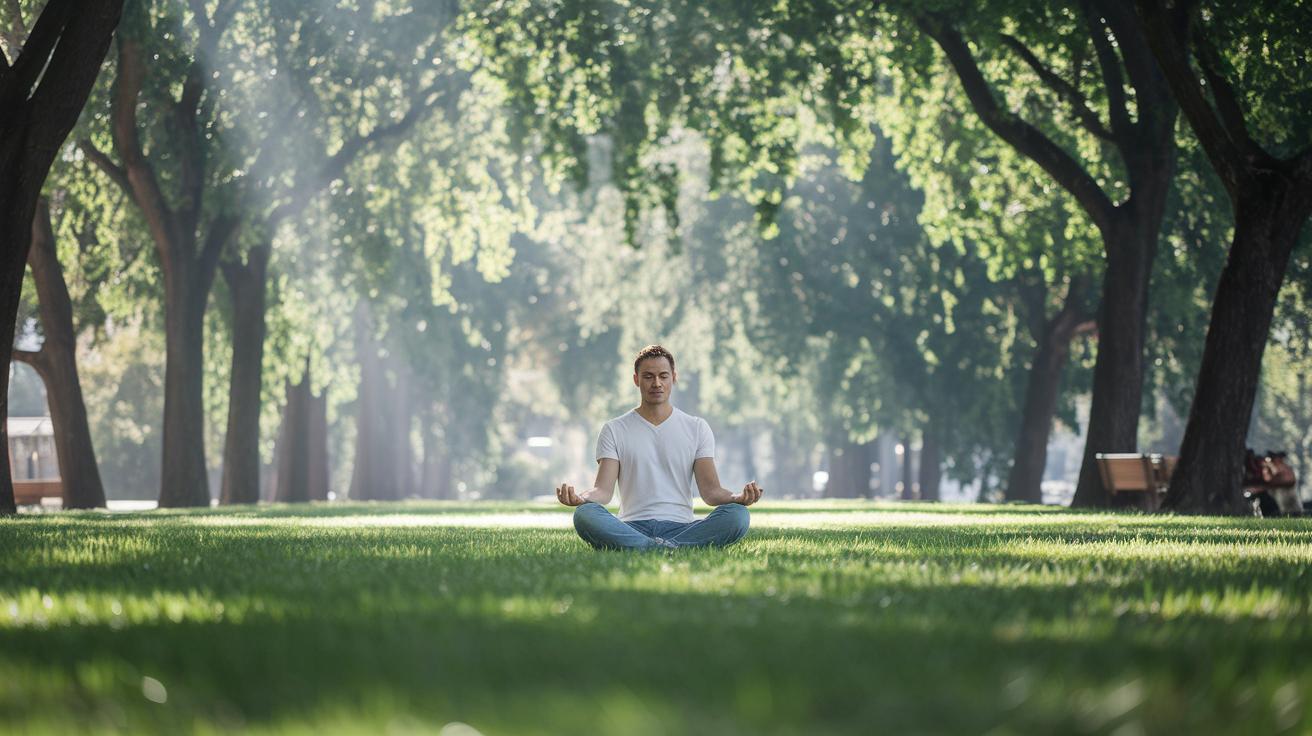
Have you ever noticed stress sneaking in and upsetting a peaceful day? Sometimes a small challenge can feel huge, leaving you worn out and overwhelmed. Today, I want to share some easy, everyday ways to help ease that tension and welcome a little peace.
Maybe all you need is a short break or a few simple moves (like stretching or a brief walk) to turn stress into a signal that you can manage. Have you ever felt a refreshing calm after a quick pause? Let’s explore some mindful shifts that can clear your mind and brighten your day.
Stress Management Tips: Top Quick and Daily Strategies
Stress is like a signal from your body. In small doses, it can sharpen your focus. But when stress lingers, it starts to mess with both your body and your mind. You might feel overwhelmed, imagine a big project or a messy room that suddenly seems too much to handle. A little burst of stress might push you to take action, but too much can make it hard to concentrate and zap your energy.
Recognizing when you're stressed and knowing how to ease it can really brighten your day. Even simple, quick techniques can clear your mind and boost your productivity without turning your whole life upside down.
- Break tasks into bite-sized steps – For instance, if you’re working on a long report, jot down smaller sections you can tackle one by one.
- Take short breaks – Even a five-minute pause can sweep away mental clutter when your workload feels heavy.
- Get moving – Whether it’s a brisk walk, a fun dance, or a light run, putting your phone aside and moving can give your mind a fresh start.
- Prioritize sleep – A good night’s rest helps keep cortisol (a hormone that controls stress) in check and clears away that foggy feeling.
- Know your stress triggers – Notice the situations that spike your tension and come up with small, thoughtful ways to ease them.
These tips aren’t about making huge changes all at once. Think of them as little resets scattered throughout your day, tiny moments of calm amid the hustle. By breaking your projects into smaller steps, fitting in brief breaks for movement and rest, and keeping an eye on what stresses you out, you can create a daily routine that helps keep stress from taking over.
Effective Relaxation Techniques in Stress Management Tips
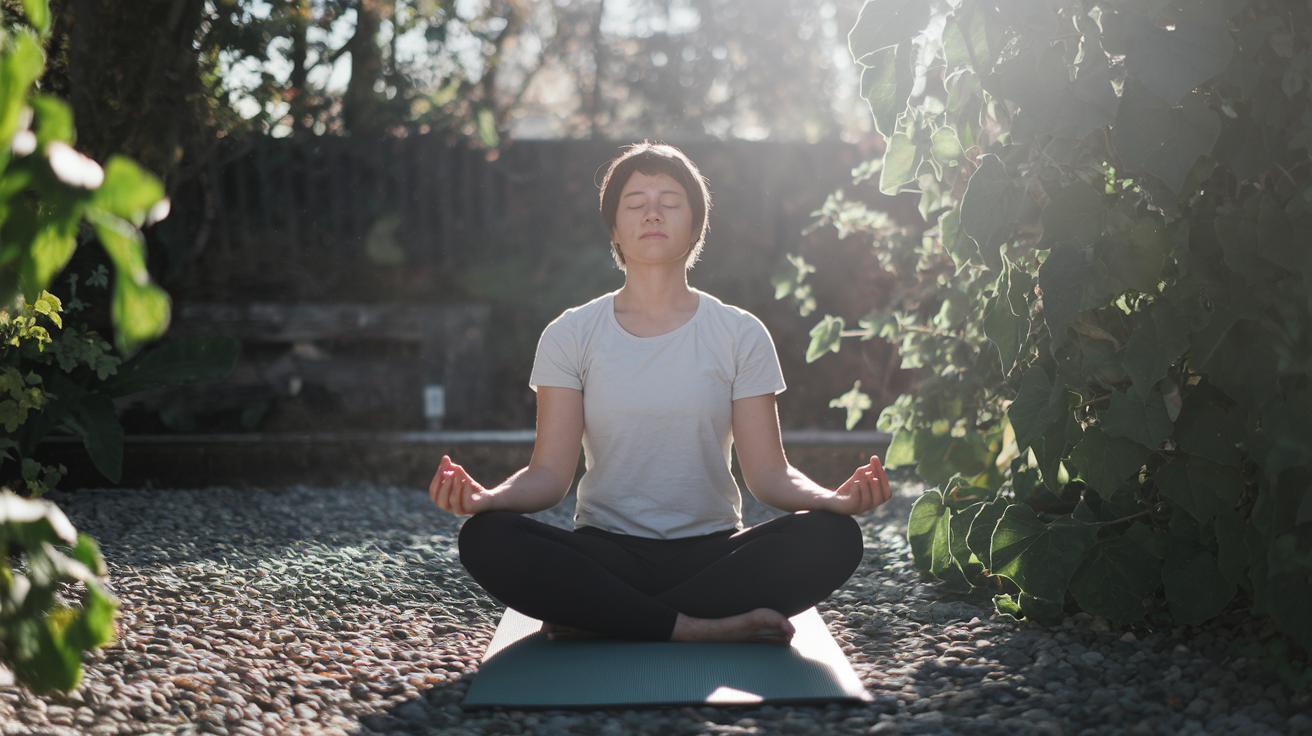
When stress starts creeping in, a few simple exercises can really help calm your mind. You might try deep breathing, breathe in slowly for 5 seconds, hold it for 2, then breathe out for 5, and feel your body start to relax. It’s like giving yourself a little break during a busy day.
Another idea is progressive muscle relaxation. Here’s how it works: tense a group of muscles for a few seconds, then let them go, releasing all that built-up tension. Imagine it as gently easing out of a tight hug.
Close your eyes for a moment and picture a soothing scene, maybe a quiet forest with a gentle breeze or a sunny beach where you can almost feel the soft sand under your feet. This guided imagery can really help clear your mind.
You can also listen to slow, gentle music. That calming sound might lower your heart rate and help your mind settle down, just like a peaceful lullaby.
- Deep breathing for calm: Breathe in for 5 seconds, hold for 2, then slowly breathe out for 5.
- Progressive muscle relaxation: Tense a group of muscles briefly, then relax them completely.
- Guided imagery: Picture a serene place, like a quiet forest or a sunny beach.
- Music therapy: Listen to gentle music to ease your tension.
These techniques can work together to give you a quick reset and help you feel more balanced throughout the day.
Daily Mindfulness Routines for Stress Management Tips
Mindfulness is a wonderful way to ease stress and boost focus. You can mix different relaxation techniques into your daily routine, making them feel natural, like chatting with a friend about your day. Here are some simple examples to help you manage stress naturally.
-
Morning guided meditation – Kick off your day with a quick five-minute session of quiet reflection. Picture yourself sitting comfortably and taking slow, deep breaths, much like the soft light of a sunrise gently waking your mind.
-
Midday breathing pause – When your day starts to feel hectic, take a short pause. Inhale slowly for five seconds and then exhale for five seconds. Think of it as a little reset button for your mind, clearing away any clutter so you can focus again.
-
Evening body scan – As your day winds down, perform a gentle body scan. Start at your feet and slowly move your attention upward, noticing each muscle and letting go of any tension. Imagine the stress melting away, preparing you for a calm, restful night.
By adding these techniques to your routine, you create a steady habit that naturally lowers anxiety, sharpens your focus, and manages stress.
Physical Activity for Stress Management Tips
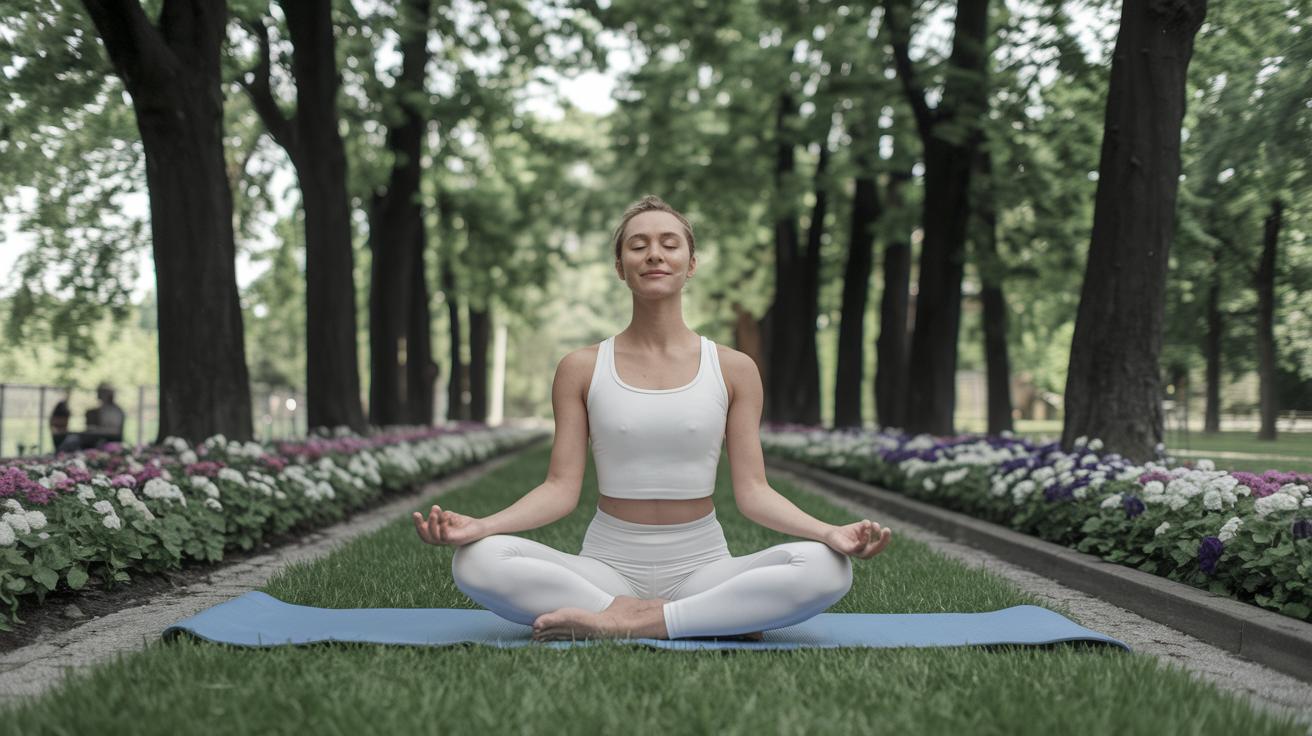
Active movement eases tension and brightens your mood by linking your body and mind. Imagine stepping out for a brisk walk, dancing to your favorite upbeat song, or settling into a gentle yoga flow, each activity offers a little escape from the stress of the day. I even remember feeling a soft calm after a slow tai chi session, when every smooth step seemed to clear away the day's worries.
Here are a few ideas to try:
| Activity | Benefit |
|---|---|
| Walking outdoors | Fresh air and a clear mind |
| Dancing | Makes you feel light and free |
| Running or jogging | Helps melt stress away |
| Yoga | Offers gentle stretches and deep breaths |
| Tai chi | Provides slow, balancing moves |
| Light team sports | Keeps your energy upbeat without overdoing it |
Mix and match based on your mood or schedule. Some days, a nature walk may do wonders, while other times a calm yoga flow or a few rounds of tai chi could give you deeper relief. Experiment until you find that perfect blend that leaves you feeling centered and refreshed.
Nutritional Tips for Calm in Stress Management Tips
Eating healthy foods really helps you manage stress. When life gets overwhelming, your body often uses up important vitamins like A, B complex, C, and E (nutrients that help keep your body steady). Try adding a handful of leafy greens, a few citrus fruits, a sprinkle of nuts, or some seeds to your meals to help you feel more balanced. And sometimes, a warm cup of chamomile tea or a soothing lavender infusion can be just the gentle pick-me-up you need.
Making smart food choices doesn’t have to be hard. Simple changes in what you eat can lift your mood and support your overall health. You might experiment with different mixes of fruits, vegetables, and herbs until you find what makes you feel calm and energetic. For a quick look at how these nutrients help, check out the table below.
| Nutrient | Role in stress reduction | Food sources |
|---|---|---|
| Vitamin A | Helps your body repair cells and stay healthy | Leafy greens, carrots, sweet potatoes |
| B Complex | Helps you handle stress and boosts energy | Nuts, whole grains, legumes |
| Vitamin C | Helps keep you calm and supports your immune system | Citrus fruits, strawberries, bell peppers |
| Vitamin E | Works as an antioxidant to protect your cells | Nuts, seeds, spinach |
When you plan your meals, try to include a variety of these key foods to support your body’s natural stress relief. Perhaps end your meal with a nice cup of herbal tea to unwind. And if you’re up for something new, experiment with different recipes and check out evidence-based nutritional strategies (https://factcheckx.com?p=701) to make little changes that fit your daily routine.
Workplace Calm Methods and Time Management in Stress Management Tips

Whether you're at the office or working from home, it all starts with a clear plan. When you break down large projects into smaller, simpler steps, tasks feel lighter and much more manageable. A little pause here and there, those short breaks, gives you a chance to recharge and stops stress from creeping up.
Setting firm boundaries between work and play is equally vital. By defining set work hours, you create a clear space where you can truly relax and enjoy life beyond deadlines. This easy approach not only boosts your productivity but also helps keep burnout at bay.
- Divide big tasks into smaller, easy steps so you don't feel overwhelmed.
- Enjoy brief, scheduled breaks, even when deadlines are tight.
- Stick to clear work hours to separate your job time from personal moments.
- Make realistic to-do lists that let you focus on one task at a time.
- Try using time-blocking to set aside dedicated periods for specific tasks.
- Practice mini mindfulness moments to quickly reset and regain your calm.
Remember, everyone’s schedule looks a bit different. If you’re juggling constant meetings and tight deadlines, consider rearranging your day to include quiet blocks of time. These simple techniques work whether you're in an office or working from your home space. Find the strategies that make your day flow smoothly, lower your stress, and keep your work and life wonderfully balanced.
Emotional Balance Exercises and Self-Care in Stress Management Tips
Sometimes, even a friendly chat or a quick note in your journal can lift your mood. A simple conversation with someone close helps you feel stronger when life gets bumpy. Writing down your thoughts not only shows you what bothers you, but it also points out what makes you feel better.
Taking a few minutes to give yourself a gentle neck or shoulder massage, or even spending time on creative hobbies like drawing or playing soft music, can really ease your tension. These little acts of caring for yourself work like magic in clearing away built-up stress. It’s all about finding moments that lead to a lasting sense of calm.
- Write in a journal – Jot down your stressed moments and feelings so you can spot any patterns.
- Try self-massage – Take just 1-2 minutes to gently rub your neck and shoulders.
- Enjoy art or music – Spend a few minutes drawing or playing a mellow tune.
- Take a mindful pause – Step away from your routine for a moment of quiet.
- Connect with others – Chat with a friend or someone who listens well.
Making room for these practices is really important. When you set aside even 15 to 20 minutes each day for self-care, you build a routine that nurtures your emotional well-being. Over time, these habits add up to inner strength, keeping stress at a comfortable level and giving each day a touch of calm.
When to Seek Professional Support in Stress Management Tips

Sometimes stress sneaks into your daily routine and starts feeling overwhelming. You might notice that it messes with your focus, sleep, or even your relationships. When this happens, it could be a good idea to get some extra help. Seeing a mental health professional (someone trained to help manage feelings and stress) might open new ways to cope, whether through friendly counseling, online relaxation classes, or insightful stress relief audiobooks. Remember, you don't have to carry the weight of constant stress all by yourself.
If you’re feeling irritable day after day or if your mood seems stuck in a loop, it might be a hint that stress is taking over. Trouble falling asleep or staying asleep can leave you drained, and if tasks at work or home feel extra hard to focus on, that's another sign. These feelings can pile up and make life feel unbalanced.
When stress starts to become a normal part of your life, reaching out for expert advice can really help. Options like stress management webinars or personalized counseling sessions can offer practical steps to ease that pressure. Have you ever noticed how sharing your worries even a little can bring some relief? Taking that step toward professional support might just be the key to finding your balance again.
Final Words
In the action of managing stress, we explored quick anxiety relief methods, effective relaxation techniques, daily mindfulness routines, physical activities, balanced diet tips, and emotional self-care practices. These strategies help you ease tension while keeping your mind sharp.
Each approach works together to offer stress management tips that are practical and uplifting. Embrace physical movement, mindful pauses, and nutritious choices to brighten your day and make every moment a step toward a calmer, more balanced life.
FAQ
What are the five stress management techniques?
The five stress management techniques include breaking tasks into smaller steps, taking short breaks, engaging in physical movement, prioritizing sleep, and recognizing personal triggers to lower tension and boost clarity.
How to relieve stress quickly
Relieving stress quickly involves using deep breathing, brief physical activity, and mindfulness pauses. These methods lower tension almost instantly and help you feel calmer.
10 ways to cope with stress
Coping with stress can blend exercise, deep breathing, setting priorities, mindfulness, creative hobbies, social connections, journaling, restoring sleep, proper nutrition, and dedicated self-care routines.
How to relieve stress for a woman
Relieving stress for a woman combines mindful practices like gentle exercise, creative activities, and social support with balanced nutrition and rest, allowing her to find calm during busy moments.
Stress management PDF
A stress management PDF offers a handy resource that details practical techniques like deep breathing, physical activity, mindfulness, and time management to help guide you through reducing stress.
How to deal with stress and depression
Dealing with stress and depression includes regular physical activity, mindful relaxation, balanced nutrition, creative outlets, and seeking professional support when feelings become overwhelming.
How to relieve stress and anxiety
Relieving stress and anxiety means practicing deep breaths, short mindfulness sessions, physical movement, and enjoyable distractions to help lower tension and create a sense of calm.
How to relieve stress quickly at home
To relieve stress quickly at home, try deep breathing, stretching or a brief walk, listening to calm music, or taking a mindful break—simple actions that reduce tension effectively.
What are the 5 A’s of stress management?
The 5 A’s of stress management focus on awareness, attitude, action, adjustment, and affirmation, offering steps to recognize stress and encourage productive coping methods.
What are the 5 R’s of stress management?
The 5 R’s of stress management involve recognizing, reacting, reframing, relaxing, and rejuvenating, which guide you in addressing stress with practical strategies and a calm mindset.
What are the 5 C’s of stress management?
The 5 C’s of stress management include control, challenge, change, connection, and confidence, outlining key areas to help you build habits that manage stress and foster well-being.