
Buying adjustable dumbbells shouldn’t feel like picking a new car, but it often does.
One set costs $80, another $800, and the specs read like a foreign language.
You want a pair that lasts, switches weight fast during circuits, fits your future strength, and doesn’t eat your floor or budget.
This short guide cuts through the noise and shows you how to pick the right weight range, adjustment type, and price tier for your habits and space.
By the end you’ll know exactly which features matter and what to buy.
Understanding the Problem: Choosing the Right Adjustable Dumbbells

Picking adjustable dumbbells feels harder than it should. You know you need them, you’ve read the reviews, and you still can’t decide if you should spend $80 or $800. The weight ranges sound confusing, the adjustment mechanisms all claim to be fast, and every product page says “best for serious lifters.” You’re not alone.
The core problem is simple: you want a set that won’t break, adjusts quickly between exercises, fits your current strength and your future progress, and doesn’t waste money on features you’ll never use. But the market’s crowded with models that look similar on paper and wildly different in real use. A dial system might change weight in 2 seconds but crack if you drop it once. A magnetic pin system survives drops but costs twice as much. A spin-lock set costs $60 and lasts forever but takes 90 seconds to adjust between exercises.
Here’s the fast answer before we dig in:
Choose your top weight based on where you’ll be in 12 months, not today. If you press 40 lb now, buy a set that goes to at least 50 to 52 lb.
Pick an adjustment mechanism that matches your workout style. Circuit training and supersets need dial or twist-lock speed. Straight sets can tolerate slower pin or spin-lock systems.
Check the build material. Steel and cast iron last 10 to 20 years. Plastic housings save weight but wear faster and can crack.
Consider your floor space. A full fixed dumbbell rack needs about 20 square feet. An adjustable pair with a stand fits in 3 square feet.
Read the warranty length. Budget models offer 90 days to 1 year. Quality mid-range models give 2 years. Premium systems like PowerBlock and Ironmaster offer multi-year or lifetime coverage.
Set a realistic budget tier: $50 to $150 for plate-loaded durability, $300 to $500 for the best balance of speed and build, or $600 to $900+ if you need heavy capacity and drop safety.
Why Adjustable Dumbbell Confusion Happens (Weight, Mechanisms, Prices)
The confusion starts with numbers that don’t line up. One model maxes out at 27.5 lb per dumbbell and costs $150. Another goes to 165 lb and costs $900. A third sits at 52.5 lb for $400. The weight jumps between settings vary too. Some models increase by 2.5 lb per click, perfect for steady progress on curls and lateral raises. Others jump 5 lb at a time. Works fine for heavy presses but makes smaller isolation exercises harder to progress. You’re comparing apples, oranges, and pineapples.
Then there’s the mechanism mess. Dial systems use a plastic selector plate and promise 2-second changes, but user reviews mention cracked housings after a single drop. Magnetic pin systems are built from steel, handle drops from bench height, and cost $200 more. Twist-lock designs look like traditional dumbbells but require both hands to adjust. Spin-lock collars are bulletproof and cheap but take a full minute to swap plates. Each mechanism has a different change time, different weak point, and different price tag.
Price tiers make it worse. Budget sets start around $50 and go up to $150, usually using spin-lock plates. Mid-range models run $300 to $500 and include dial or twist-lock systems with plastic and rubber construction. Premium options cost $600 to $900 or more and feature all-steel frames, expandable weight kits, and warranties that last years or even a lifetime. Deciding which tier matches your needs means predicting how often you’ll train, how heavy you’ll lift in a year, and whether you’ll actually use 90 lb dumbbells or just think you will.
Evaluating Adjustable Dumbbell Weight Range and Increments
Weight range is the first number that matters. If you buy a set that tops out at 25 lb per dumbbell, you’ll outgrow it in 6 to 12 months if you’re training consistently. A beginner pressing 15 lb today will likely press 30 lb within a year. Buy too light and you’re shopping again in six months. Buy too heavy and you overpay for weight plates you won’t touch for years.
Start by testing your current max on a few key lifts: dumbbell bench press, bent-over row, goblet squat, and shoulder press. Write down the heaviest weight you can handle for 8 clean reps on each. Add 20 to 30 percent to that number. That’s your target max weight per dumbbell. If you press 40 lb now, aim for a set that goes to at least 50 to 52 lb. If you row 50 lb, look for sets that reach 65 to 70 lb. This rule keeps you ahead of your progress without spending on capacity you’ll never use.
Increment size controls how smoothly you can progress. Smaller jumps let you add load without overshooting your ability. Here’s what to expect:
2.5 lb increments work best for isolation exercises like curls, lateral raises, and tricep work. A 5 lb jump on a 20 lb curl is a 25 percent increase, which is too big for most people.
5 lb increments are fine for compound lifts like presses and rows once you’re past the beginner stage. A 5 lb jump on a 50 lb press is only 10 percent.
Micro-loading with 1.25 lb plates is rare on selectorized systems but available on spin-lock and plate-loaded models. It’s overkill for most home users.
Mixed increment systems (2.5 lb jumps up to 25 lb, then 5 lb jumps above that) are common on mid-range dial models like the Bowflex 552 and work well for general training.
Expandability matters if you’re serious about progression. Some systems let you buy add-on kits to increase the top weight from 50 lb to 70 lb or 90 lb later.
Check the bottom weight too. A set that starts at 10 lb might be too heavy for rehab work, warmups, or beginners. Most quality sets start at 5 lb.
Count how many weight settings the system offers. More stops between the min and max give you finer control, but anything over 15 settings per dumbbell is usually enough.
| User Level | Recommended Weight Range (per dumbbell) | Typical Increment Size |
|---|---|---|
| Beginner (0–6 months) | 5–25 lb | 2.5 lb |
| Intermediate (6 months–2 years) | 5–52.5 lb | 2.5–5 lb |
| Advanced (2+ years) | 5–90 lb or expandable to 120 lb | 5 lb (with option for 2.5 lb adders) |
Understanding Adjustment Mechanisms for Adjustable Dumbbells
The mechanism is what you’ll interact with dozens of times per workout, so understanding the trade-offs matters. Each system has a different speed, durability profile, and user learning curve.
Dial and Twist Systems
Dial mechanisms use a rotating selector at the end of the dumbbell. Turn the dial to your desired weight, lift the handle out of the cradle, and the correct plates lock onto the handle. Change time runs about 2 to 3 seconds. The Bowflex SelectTech 552 is the most popular dial model. It adjusts fast, which keeps your heart rate up during circuits and supersets. The downside: the selector plates are made of ABS plastic. Drop one from waist height onto concrete and you’ll likely crack the housing, making the entire unit unusable. Dial systems are not drop-safe. If you train to failure on heavy presses, you need a spotter or a plan to lower the weight safely every time.
Magnetic Pin Systems
Magnetic pin designs, most common in PowerBlock models, use a steel selector pin that slides into holes on the side of a rectangular frame. You pull the pin, move it to the desired weight slot, and push it back in. Adjustment takes about 5 to 8 seconds. Slower than a dial but still quick enough for most training. The big win here is durability. PowerBlock dumbbells are built entirely from steel and are rated for drops from bench height. If you miss a rep, you can safely drop them on rubber flooring without breaking anything. The pin mechanism itself can wear over time, but most units include a lifetime warranty on the frame. The unconventional shape takes some getting used to. The rectangular cage sits differently in your hand than a traditional dumbbell, and the frame can limit wrist rotation on certain exercises like hammer curls or bottomed-out flies.
Twist-Lock and Collar Systems
Twist-lock systems, found on models like NÜOBELL, look like classic dumbbells with a rotating collar at each end. Twist the collar to select your weight, and internal mechanisms lock the plates. Adjustment speed is fast, around 2 to 4 seconds, and the round handle feels more natural than a caged pin system. Build quality varies by brand. Higher-end twist-lock models use metal gears and frames. Budget versions use more plastic and can develop play or wobble after a year of heavy use. These systems are usually not drop-rated, so treat them like dial models and control the descent on every rep.
Spin-Lock and Plate-Loaded Systems
Spin-lock dumbbells are the simplest and oldest design: a straight bar, loose weight plates, and threaded collars you screw onto each end. Changing weight takes 30 to 90 seconds because you have to unscrew the collars, slide plates on or off, and tighten everything back down. It’s slow, which makes them a bad fit for circuit training or timed sets. But they’re nearly indestructible. Steel plates and bars last decades. You can drop them, load them with Olympic plates if the bar accepts them, and buy replacement collars for a few dollars if the threads strip. Price is another upside. Quality spin-lock sets run $50 to $150, a fraction of the cost of selectorized systems. If your workout style involves straight sets with long rest periods and you’re on a tight budget, spin-lock durability is hard to beat.
Here’s the short version of each mechanism’s trade-offs:
Dial systems: fastest changes (2 to 3 seconds), moderate cost, not drop-safe, plastic components can crack.
Magnetic pin systems: durable steel construction, drop-rated, slower changes (5 to 8 seconds), unconventional feel, higher cost.
Twist-lock systems: fast changes (2 to 4 seconds), traditional dumbbell shape, moderate durability, usually not drop-safe.
Spin-lock systems: slowest changes (30 to 90 seconds), extremely durable, lowest cost, requires plate storage space.
Assessing Build Quality, Materials, and Durability
Material choice determines whether your dumbbells last 2 years or 20. Steel and cast iron are the gold standard. They handle repeated drops, resist corrosion if kept dry, and don’t degrade under load. PowerBlock uses steel frames. Ironmaster uses cast-iron plates and steel handles. These systems can outlive your training career if you maintain them. Weight is a trade-off. All-metal construction makes the dumbbells heavier to carry and store, but that weight also signals solidity.
Plastic and ABS components reduce cost and weight but introduce weak points. The Bowflex SelectTech models use ABS plastic for the selector housing and some plate reinforcements. This keeps the price under $400 for a pair and makes the dumbbells easier to lift off the cradle. It also means a single drop can crack the housing, especially if it lands on a corner. User reviews consistently mention cracked selector plates as the most common failure. If you choose a model with plastic parts, plan to treat it gently. Lower the dumbbells to the floor between sets. Never drop them.
Rubber and urethane coatings protect your floors and reduce noise, but they behave differently. Rubber is cheaper, available in multiple colors, and grips well. It also leaves black marks on walls and light-colored flooring, and it can smell for the first few weeks. Urethane costs more but is odorless, scratch-resistant, and doesn’t mark surfaces as easily. If you’re setting up a home gym in a carpeted room or finished basement, urethane is worth the extra cost.
Here’s what to check before you buy:
Look for metal frames and handles. Steel or cast iron lasts longest.
Accept plastic housings only if you’re willing to control every rep and never drop the dumbbells.
Choose urethane coating if floor marking or odor is a concern.
Inspect user reviews for reports of cracked components, stripped threads, or selector wear within the first year.
Plan for 10 to 20 years of life from quality metal systems, 3 to 7 years from plastic-reinforced models under normal home use.
Comparing Footprint, Storage, and Space-Saving Benefits
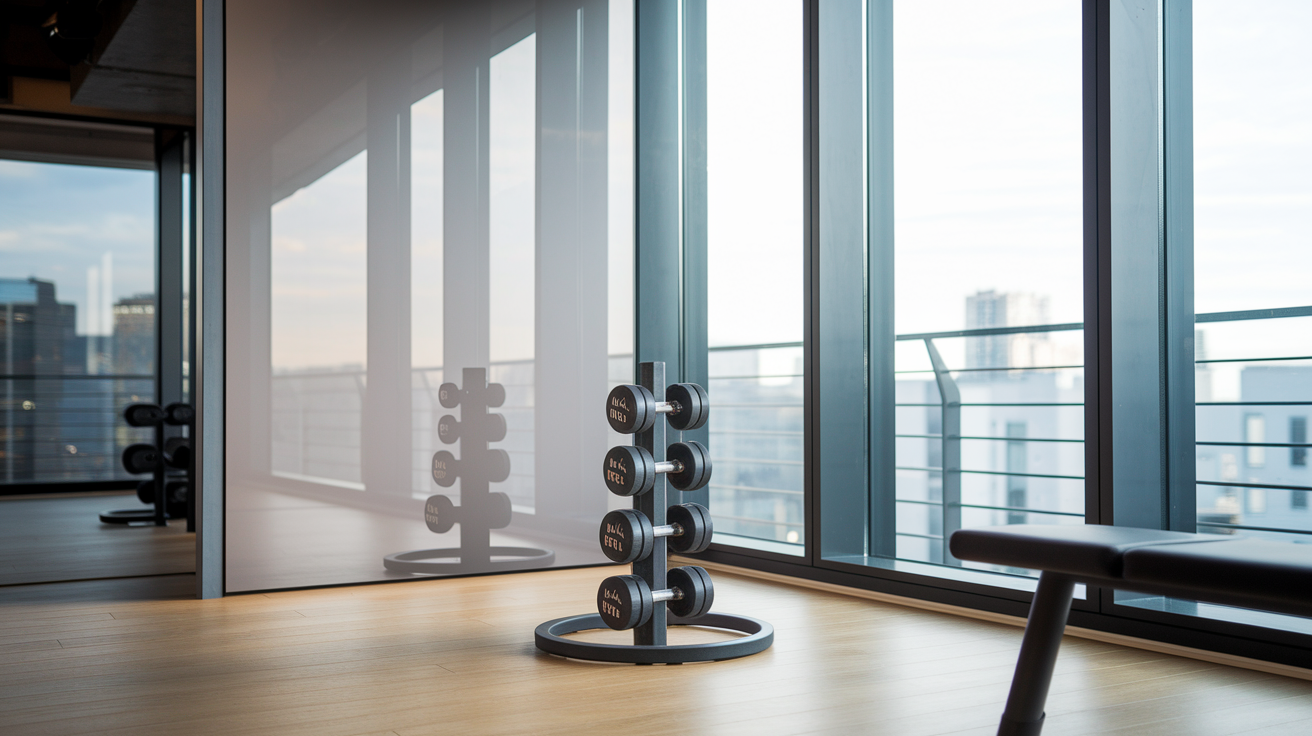
Space savings is one of the main reasons people buy adjustable dumbbells, but the numbers matter. A full fixed-dumbbell rack holding 5 lb to 50 lb in 5 lb increments requires ten pairs of dumbbells. Add the rack itself and you’re looking at a footprint around 10 feet long and 2 feet deep, roughly 20 square feet of floor space. The rack alone costs $800 to $1,500 depending on quality. If you live in an apartment or share a garage gym, that space doesn’t exist.
An adjustable pair replaces that entire rack. The dumbbells themselves sit in a cradle or stand that typically measures 16 to 17 inches long and 8 to 9 inches wide per dumbbell. Two cradles side by side take up about 3 square feet total. PowerBlock models are even more compact because the rectangular design lets you stack expansion kits vertically or store each dumbbell on any stable surface without a dedicated stand. If floor space is tight, measure your available area before shopping. A closet shelf, corner of a bedroom, or under-bed storage can fit most adjustable systems.
Storage also affects workout flow. If your dumbbells live in a closet and you have to walk across the room to change weight, that adds 20 to 30 seconds per adjustment. Keeping the cradle within arm’s reach of your bench or training area cuts that time and keeps your heart rate up during circuits.
Here’s how to choose based on space:
Measure your available floor or shelf space before shopping. Most adjustable pairs need about 3 square feet with a stand.
Choose compact models like PowerBlock if storage is extremely limited. The rectangular shape fits on narrow shelves and doesn’t require a dedicated cradle.
Keep the cradle or stand at bench height (24 to 30 inches) to reduce bending and speed up weight changes.
Factor in space for plate storage if you choose spin-lock or plate-loaded systems. Loose plates need a rack or storage tree.
| Setup Type | Footprint | Typical Cost |
|---|---|---|
| Fixed dumbbell rack (5–50 lb, 10 pairs) | ~20 sq ft (10 ft × 2 ft) | $800–$1,500 |
| Adjustable pair with stand | ~3 sq ft (17 in × 18 in) | $50–$900 depending on model |
Choosing a Dumbbell Based on User Type and Training Goals
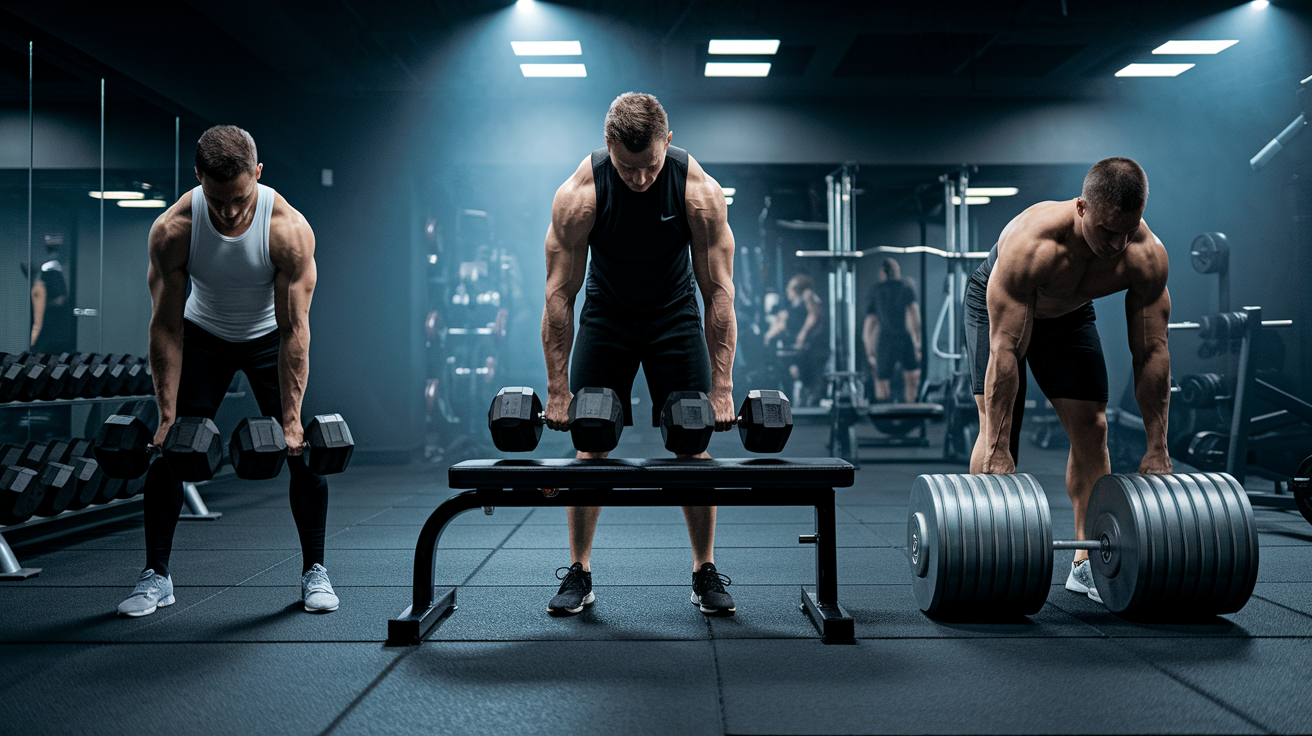
Your training level and goals should drive your purchase, not the other way around. A beginner doesn’t need 90 lb dumbbells, and an advanced lifter will outgrow a 25 lb set in weeks. Match the tool to where you are now and where you’ll be in a year.
Beginners (0 to 6 months of consistent training) usually work with 5 to 25 lb per dumbbell. If you’re just starting, you’ll progress quickly. A goblet squat that feels heavy at 15 lb will feel light at 20 lb within a month. A chest press that maxes out at 20 lb today might hit 35 lb in six months. The Bowflex SelectTech 552, which goes from 5 to 52.5 lb, covers this range and gives room to grow. It costs around $329 to $399 for a pair. If budget is tight and you’re okay with slower adjustments, a quality spin-lock set for $80 to $120 will last just as long and won’t limit your early progress.
Intermediate lifters (6 months to 2 years) typically need 5 to 70 lb per dumbbell. At this stage you’re pressing 40 to 60 lb, rowing similar weights, and doing heavy goblet squats in the 50 to 60 lb range. The Bowflex 552 still works for upper-body pressing and accessory work, but lower-body and back exercises will start hitting the 52.5 lb ceiling. If you’re in this group and plan to keep training, consider models that reach 70 to 90 lb, like the PowerBlock Elite (expandable to 70 or 90 lb depending on the kit) or the Bowflex SelectTech 1090 (10 to 90 lb). These cost $500 to $800 but eliminate the need to buy a second set later.
Advanced lifters and strength athletes (2+ years) need 90 lb and up, or a system expandable beyond 100 lb per dumbbell. At this level, you’re likely pressing 70 to 90 lb for reps, rowing 80+ lb, and doing weighted Bulgarian split squats with 60 to 70 lb per hand. The PowerBlock Elite 90 EXP, which expands to 90 lb per dumbbell, costs around $859 and includes a lifetime warranty. The Ironmaster Quick-Lock system is another option. It starts at 5 to 75 lb and can expand to 165 lb per dumbbell with add-on kits, though the full heavy setup costs $600 to $900 or more. If you’re training for strength sports or just love heavy dumbbell work, these systems are built to handle decades of use.
Here’s the short recommendation by user type:
Beginners or casual users: Bowflex SelectTech 552 (5 to 52.5 lb, ~$329 to $399) or a budget spin-lock set ($80 to $120) if you prefer durability over speed.
Intermediate home-gym users: PowerBlock Elite 50 or 70 ($400 to $600) or Bowflex 1090 (10 to 90 lb, ~$699 to $799) if you need the top-end weight.
Advanced lifters: PowerBlock Elite 90 EXP (~$859) or Ironmaster Quick-Lock expandable to 120 to 165 lb ($600 to $900+ with kits).
Small apartments or multi-user households: PowerBlock or Bowflex 552 for compact footprint and quiet operation.
Budget builders: CAP, Yes4All, or Amazon Basics spin-lock sets ($50 to $150) for near-indestructible steel plates and handles.
Circuit training focus: dial or twist-lock systems (Bowflex, NÜOBELL) for 2 to 4 second changes between exercises.
| User Level | Suggested Model | Price Range |
|---|---|---|
| Beginner | Bowflex SelectTech 552 or spin-lock set | $80–$399 |
| Intermediate | PowerBlock Elite 70 or Bowflex 1090 | $400–$799 |
| Advanced | PowerBlock Elite 90 EXP or Ironmaster expandable | $600–$900+ |
Evaluating Price, Warranty, and Value for Money
Price tiers exist for a reason. Budget models sacrifice speed and convenience but deliver durability. Premium models cost more but include drop safety, lifetime warranties, and expansion options. The trick is matching your budget to your actual needs, not the features that sound cool in a product description.
Budget models ($50 to $150) are almost always spin-lock or plate-loaded designs. You’re buying steel bars, cast-iron plates, and threaded collars. A CAP 40 lb adjustable dumbbell set costs around $60 to $100. A Yes4All 52.5 lb set runs $80 to $120. These systems are virtually indestructible. Drop them, load them, leave them in the garage for a decade, and they’ll still work. The trade-off is time. Changing weight takes 1 to 2 minutes because you have to unscrew collars and swap plates. If your workout involves straight sets with 2 to 3 minute rest periods, that’s not a problem. If you’re doing timed circuits or supersets, it kills your workout flow.
Mid-range models ($300 to $500) balance speed, build quality, and price. The Bowflex SelectTech 552 (~$329 to $399) adjusts in 2 seconds, covers 5 to 52.5 lb, and fits most intermediate lifters. NÜOBELL models in the 50 lb range cost around $379 to $499 and offer a sleek design with fast twist-lock adjustment. These systems use a mix of metal and plastic components. They’re not drop-safe, so you have to control every rep, but they’re durable enough for years of normal home use. Warranties in this tier typically run 2 years, sometimes longer depending on the brand.
Premium models ($600 to $900 or more) deliver heavy-duty construction, drop safety, and long warranties. The PowerBlock Elite 90 EXP costs around $859 and includes a lifetime warranty on the frame. It’s built entirely from steel, rated for drops, and expandable with add-on kits. The Ironmaster Quick-Lock system costs $699 for the base set (5 to 75 lb) and can expand to 165 lb per dumbbell with additional plates. These systems are designed for serious lifters who train to failure, drop weights occasionally, and want a single purchase that lasts 20 years. If you’re lifting heavy multiple times per week and plan to keep training for years, the upfront cost pays off.
Here’s how to evaluate value:
Divide the total cost by the number of fixed-dumbbell pairs the system replaces. A $400 Bowflex 552 replaces about 10 pairs of fixed dumbbells, or $40 per equivalent pair.
Check the warranty length. Anything under 1 year signals budget quality. Two years is standard for mid-range models. Lifetime warranties (PowerBlock, Ironmaster) indicate confidence in long-term durability.
Add the cost of expansion kits if you’re buying a system that starts light but can grow. PowerBlock and Ironmaster both offer add-on weight packs, but they cost $100 to $300 per kit.
Read user reviews for reports of early failures, especially cracked housings, stripped threads, or selector problems within the first 6 to 12 months.
Consider resale value. Quality adjustable dumbbells hold 50 to 70 percent of their original price on the used market if kept in good condition.
Preventing Common Issues With Adjustable Dumbbells
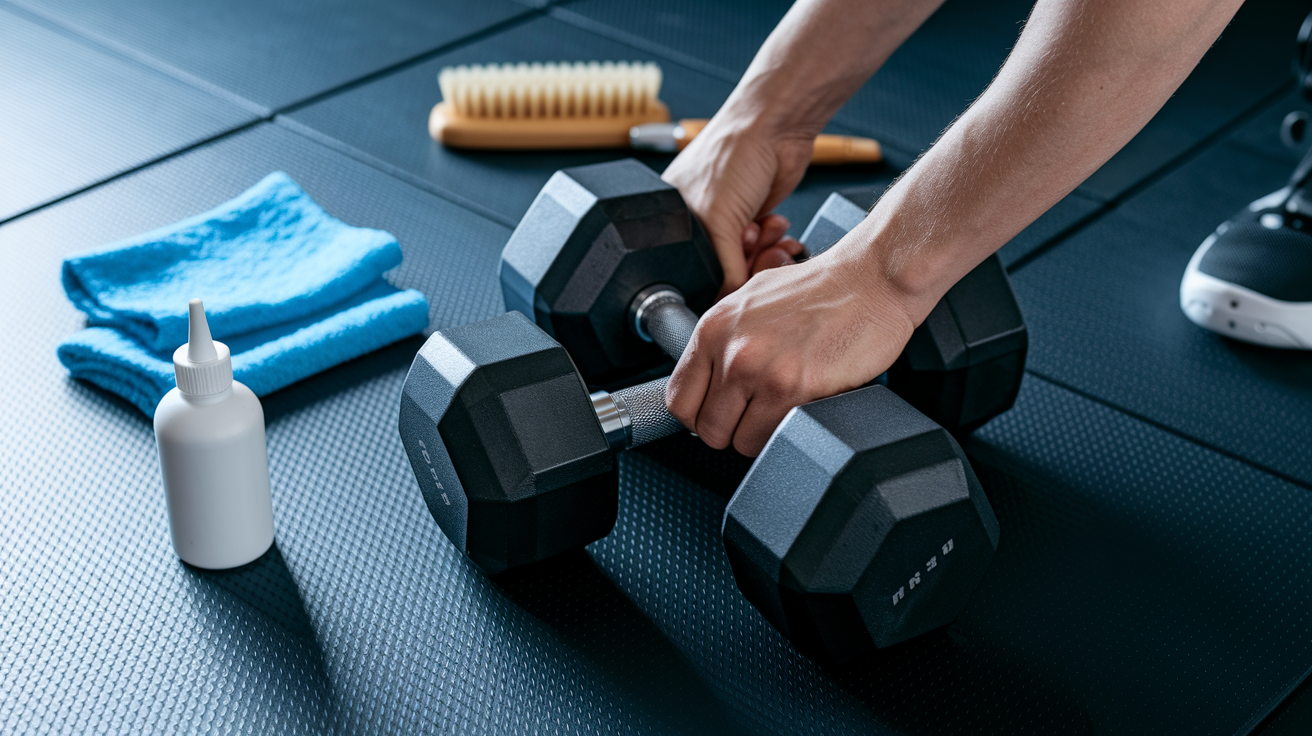
Most problems with adjustable dumbbells come from user error or skipped maintenance, not manufacturing defects. A quick pre-workout check and basic cleaning prevent most failures.
Before every workout, check the selector mechanism. On dial systems, make sure the dial clicks firmly into each weight setting and doesn’t spin freely. On pin systems, verify the pin seats fully into the hole with no wobble. On twist-lock models, twist the collar until it stops and check for any play. Shake the dumbbell gently while it’s still in the cradle. The plates should not rattle or shift. If you hear loose plates or feel movement, don’t lift the dumbbell. Reseat the selector or adjust the mechanism until everything locks tight.
Weekly maintenance takes about 5 minutes. Wipe down the handles with a damp cloth to remove sweat, chalk, and skin oils. Sweat is corrosive and will degrade rubber coatings and metal over time. Check the plate alignment in the cradle. Plates should sit flat and even. If one side is higher than the other, the selector might not be engaging properly. On pin systems, pull the pin out and wipe it with a dry cloth to remove dust and metal shavings that can build up in the holes.
Monthly checks take about 15 minutes. Clean the cradle rails and selector teeth with a dry brush or cloth. Dirt and chalk buildup in the adjustment mechanism can prevent full engagement and cause plates to wobble. On pin systems, apply a light spray of silicone lubricant to the pin and the inside of the selector holes. Wipe off any excess. On twist-lock and dial systems, inspect the plastic housing for hairline cracks, especially around the selector dial or collar threads. Cracks grow over time and eventually cause the housing to fail.
Here are the most common mistakes and how to avoid them:
Dropping selectorized dumbbells on hard floors. Dial and twist-lock systems are not drop-safe. A single drop onto concrete can crack the housing or break internal gears. Always control the descent.
Skipping the shake test. If plates rattle before you lift, they can shift mid-set and throw off your balance or fall off entirely.
Using dumbbells on unstable surfaces. Place cradles on flat, stable flooring. Carpet or uneven floors can cause the dumbbells to wobble in the cradle and prevent full selector engagement.
Storing dumbbells in damp environments. Rust forms on metal plates and selector pins if stored in humid garages or basements. Keep them in a cool, dry area or use a dehumidifier.
Ignoring wear on threaded collars. Spin-lock systems rely on tight threads. If the collar spins freely without tightening, the threads are stripped. Replace the collar immediately.
When to Seek Further Help and Final Purchase Support
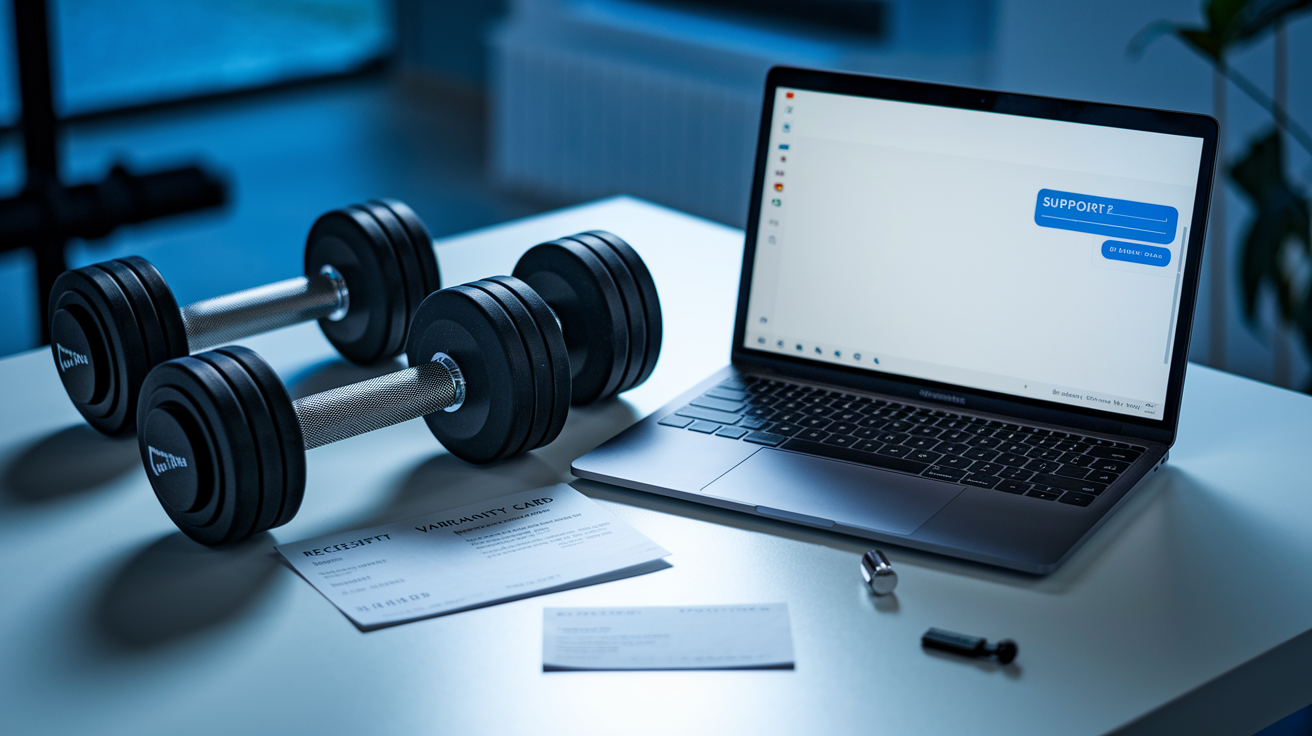
You should contact the manufacturer or retailer before buying if you have questions about expansion options, replacement parts, or compatibility with existing equipment. Most brands offer customer service via phone, email, or live chat. Ask specific questions: Can I buy individual plates later if I lose one? Is the warranty transferable if I sell the dumbbells? What’s the return window if the adjustment mechanism doesn’t work smoothly?
If you’re between two models and can’t decide, reach out to the brand’s support team and describe your training style, current lifts, and space constraints. Most reps can recommend a model that fits your situation better than reading specs alone. Some retailers also offer trial periods, typically 30 days, where you can test the dumbbells at home and return them for a full refund if they don’t work for you. Take advantage of that window. Adjust the weight a few dozen times, run through a full workout, and see if the mechanism feels smooth or if the handle digs into your palms.
After purchase, keep the receipt and warranty card. Register the product on the manufacturer’s website if they offer extended coverage for registered users. If something breaks, contact support immediately. Common warranty-covered issues include broken selector pins, cracked plastic housings on dial systems, and plates that won’t lock into place. Most companies will ship replacement parts or offer a partial refund if the item is out of stock. For issues outside the warranty, like stripped threads on spin-lock collars or lost plates, you can usually buy individual replacement parts directly from the manufacturer or from third-party suppliers for $10 to $50 depending on the part.
Final Words
You’ve zeroed in on what actually changes the outcome: weight range, adjustment mechanism, build materials, footprint, and warranty.
Use the order we covered: pick a weight range that matches your goals, choose an adjustment type you can live with, then vet materials and warranty. Add weight slowly and leave a couple reps in the tank.
If you’re still unsure, try a demo or choose a reputable mid-range set with a solid warranty. This adjustable dumbbells buying guide gives clear steps to decide with confidence.
A thoughtful pick will save space and keep you lifting for years.
FAQ
Q: What are adjustable dumbbells and why should I choose them?
A: Adjustable dumbbells are single pairs that replace 10–18 fixed pairs, save about 1–2 sq ft of space, and give versatile weight options for efficient, full-body home strength training.
Q: How do I choose the right weight range and increment size?
A: To choose weight range and increments, match current strength and goals: beginners 5–25 lb, intermediates to ~52.5–70 lb, advanced 90–165 lb; prefer 2.5 lb increments for steady progression.
Q: How do different adjustment mechanisms compare?
A: Adjustment mechanisms compare by speed and durability: dial (fast, plastic risk), magnetic pin (reliable, drop‑rated), twist‑lock (quick), spin‑lock (slowest, most durable); pick based on speed versus ruggedness.
Q: Which materials and build features affect durability?
A: Materials and build affect durability: steel or cast iron last longest, ABS/plastic parts risk cracking if dropped, urethane coatings resist scratches and odors, expect 10–20+ years with proper care.
Q: How much space and storage do adjustable dumbbells save?
A: Adjustable dumbbells save space by using roughly 3 sq ft with a cradle (cradle ~16–17″ by 8–9″), versus fixed racks needing about 20 sq ft and much more cost.
Q: Which adjustable dumbbells suit beginners, intermediates, and advanced lifters?
A: Choose by training level: beginners do fine with 5–25 lb or spin‑lock sets, intermediates fit 5–52.5 or Bowflex-style models, advanced lifters need 70–165 lb options like PowerBlock or expandable systems.
Q: How should I weigh price, warranty, and overall value?
A: Weigh price and warranty by tier: budget $50–$150, mid $300–$500, premium $600–$900+; prioritize longer warranties (2 years to lifetime) and replaceable parts for better long‑term value.
Q: How do I prevent common issues and maintain adjustable dumbbells?
A: To prevent issues, check selector engagement pre‑workout, avoid drops (especially dial systems), wipe handles weekly, inspect alignment monthly, and tighten parts as recommended.
Q: When should I contact manufacturer support or seek extra help?
A: Contact manufacturer support for broken selector parts, locking failures, plate wobble over 5 mm, missing expansion kits, or questions about trials and returns; keep receipts and serial numbers handy.

