
Have you ever wondered if technology can truly transform your workout? Smart tools like mobile apps and wrist sensors (little devices that track your activity) are making exercise smarter than ever before. Imagine having a coach who checks your data live and adjusts your workout in real time to help you feel and perform at your best.
Today, technology isn’t just making training simpler. It’s also changing the way research is done, giving scientists a new window into how our bodies work when we exercise. Let’s explore together how these modern devices are boosting personal fitness and advancing scientific studies, truly a world where every heartbeat matters.
Integrating Technology into Modern Exercise Science: A Comprehensive Overview
Today’s exercise science is transformed by smart tools like mobile apps, wrist sensors (small devices that monitor things like your heart rate and sleep) and cloud systems that tie everything together. Your smartphone app and a wearable tracker can log your heart rate and even how well you’re sleeping. Picture a coach checking your live data, then quickly tweaking your workout, just like changing gears on a bike to keep your ride smooth.
Fitness apps act like a personal coach right on your phone. They offer quick feedback during your workout while also using handy diagnostic tools (think of them as mini health checks) to give you more accurate insights than usual gadgets. It’s like having a coach in your pocket who guides you through each move, tracks your progress, and suggests small changes that really work for you.
These smart tools aren’t just for your own workouts, they’re changing how studies are done too. Cloud platforms, such as Perch, bring together coaches and athletes by gathering all training data in one spot. This makes it simple to review and compare workout routines, share insights, and use proven research to boost performance. Researchers can easily spot trends and adjust training plans, making exercise management smoother across different locations.
Wearable Devices and Physiological Monitoring in Modern Exercise Science
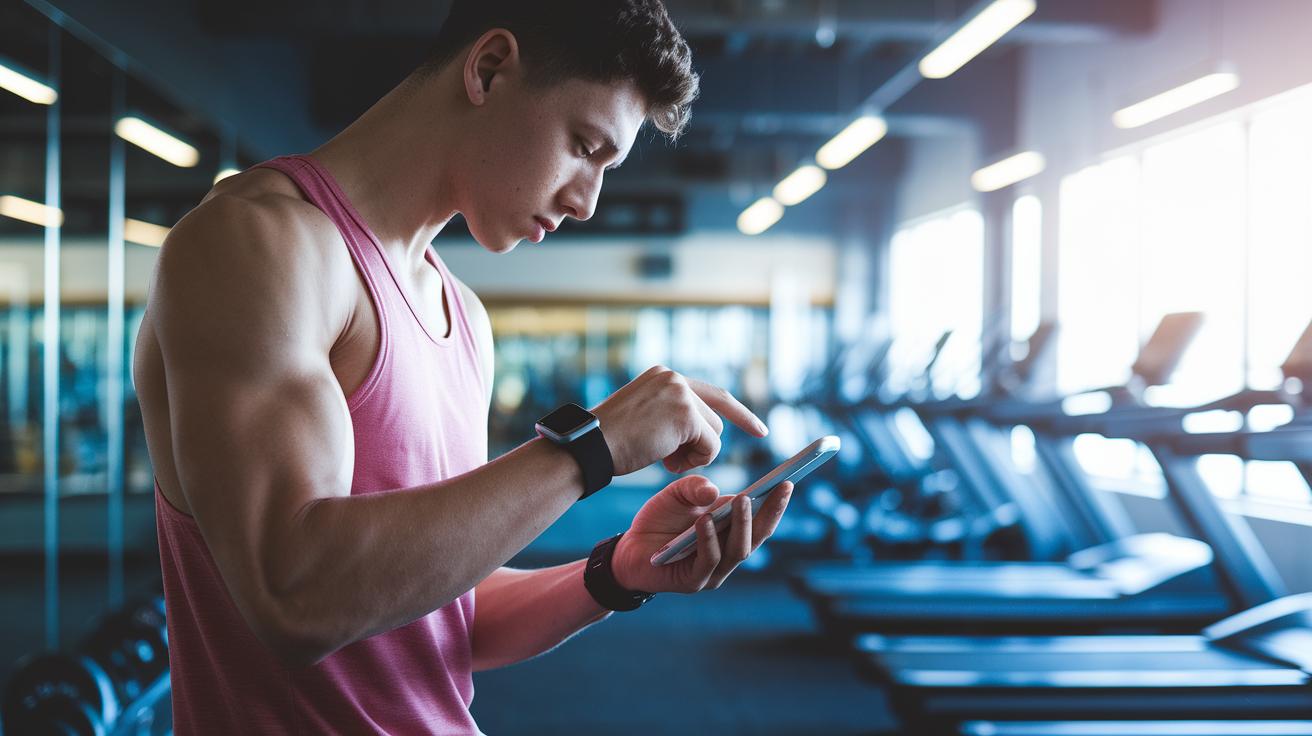
Wearable devices are really changing the game in exercise science. Everyday gadgets like wristbands and heart rate monitors (devices that check your pulse during workouts) gather useful info all day long. Even chest strap monitors join in by offering details such as heart rate variability (the time gap between beats), daily calorie burns, and sleep quality. It's like having a supportive coach by your side every step of your fitness journey. Plus, smartphone fitness apps sync this data easily, making mobile workout management feel simple and smart.
Real-time tracking of how the body moves has also shaken up our view of athletic performance. Imagine sensors and motion-capture cameras that instantly show you how fast you're moving, how powerfully you jump, or how strong each stride is, all without any extra gear weighing you down. NCAA teams and NBA franchises even use these advanced systems along with tools that measure movement speed and 3D cameras to review performance down to the smallest detail. This clear, instant feedback lets athletes fine-tune their form, ramp up or cool down their workouts, and plan better recovery routines.
Here are a few key insights these devices offer:
- Heart rate variability (the time between heartbeats)
- Power output (the strength behind your movements)
- Sleep quality (how restorative your sleep is)
- Movement velocity (the speed of your actions)
- Recovery indices (signals that show how well your body is bouncing back)
Virtual and Augmented Reality’s Impact on Immersive Exercise Science Training
VR Scenario Rehearsal
Imagine stepping into a digital field where every drill feels as real as game day. With VR tools, athletes can practice their specific moves in computer-made environments that get both the body and mind ready (cognitive means using your brain, and motor refers to body movements). One minute you’re enjoying a calm practice, and the next you’re in the heart-pounding atmosphere of a big match. It’s a wonderful way to ease those pre-game jitters. This method lets you mentally run through your moves so that when you’re in the real game, your reactions are quick and sure, sort of like practicing your lines before the big show.
AR Technique Overlays
Now, think about training with a special overlay that fixes your posture and movement in real time. Augmented reality adds helpful cues directly onto your view, almost like a digital coach by your side. Picture taking a jump shot and seeing a gentle tip right in front of your eyes telling you to adjust your angle. This instant feedback helps correct mistakes as they happen, guiding you through every move. It’s like having a friendly mentor who makes sure you’re always on track.
Together, these VR and AR tools don’t just build physical strength, they sharpen your focus and boost your confidence. Their blend of mental rehearsal and real-time correction makes each training session dynamic and engaging, preparing you for any challenge on or off the field.
AI and Data Analytics for Personalized Performance Optimization in Exercise Science
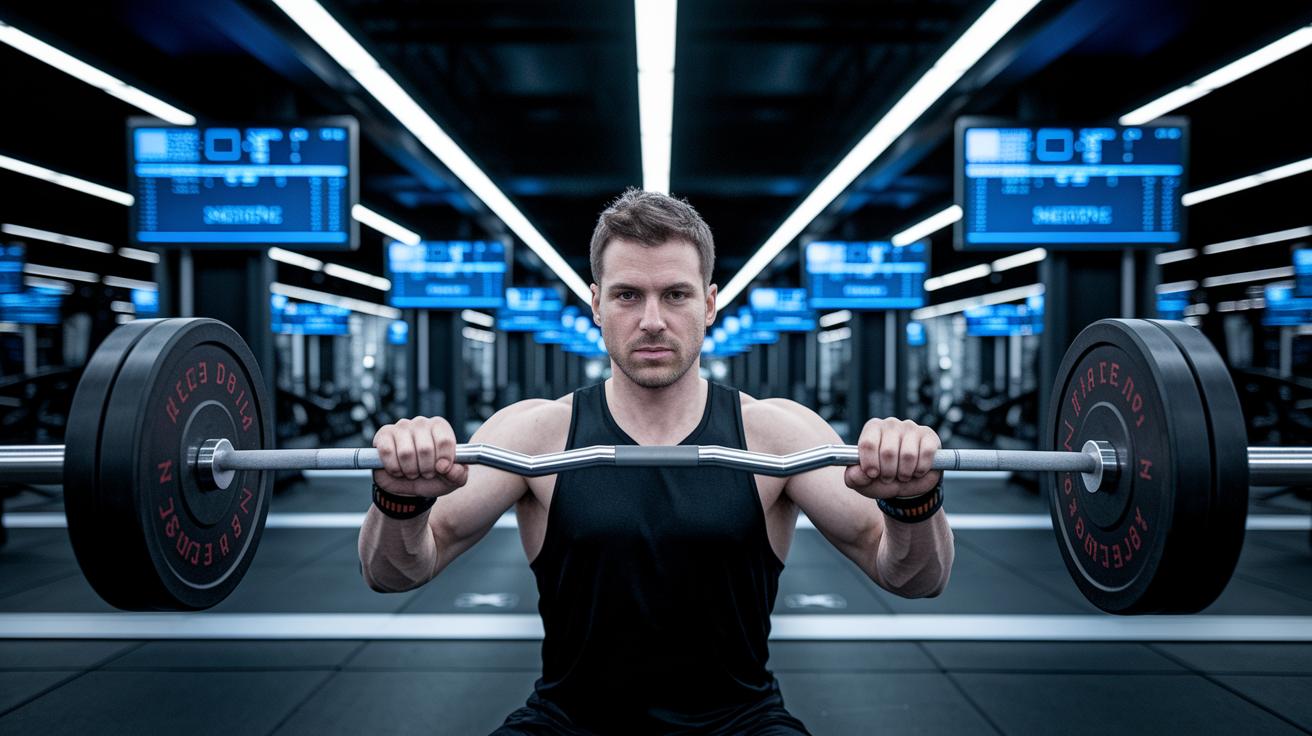
AI-powered tools are transforming the way we plan and adjust our workouts. These systems use machine learning (computer programs that improve with experience) to collect info from sensors like speed, power, and heart rate. They then suggest changes in real time so your session always fits your fitness level perfectly. It almost feels like having a mini coach who tweaks your routine while you're lifting weights or going for a run.
Investors are noticing too, backing these smart training methods with a $4 million funding round and the Catapult acquisition. This shows there is real confidence in how technology can make our workouts better.
Cloud systems add another layer of support by letting you and your coach share live workout data. When your wearable devices send these numbers almost instantly, both of you get quick feedback to make on-the-spot adjustments. This collaboration helps maximize the benefits of every rep and every run, just like having a caring team always ready to help fine-tune your performance with a scientific approach.
| Capability | Data Source | Benefit |
|---|---|---|
| ML load adjustment | Velocity & HR data | Optimal training loads |
| Cloud sync | Wearable streams | Remote program access |
| Predictive analytics | Historical logs | Tailored recovery |
Technology-Driven Injury Prevention and Rehabilitation in Exercise Science
Motion-analysis software (technology that watches how you move) has really changed the way experts catch small issues before they turn into serious injuries. It keeps an eye on your workout to spot mistakes in your form that might cause overuse problems later on. By noticing even tiny shifts in your body’s movement, your coach or therapist can quickly adjust your exercises so you avoid repeated strain. This live tracking is a big help in making sure every rehab session is safe and effective.
New recovery gadgets have become a regular part of rehab routines. Devices like cryotherapy chambers (cold therapy rooms that help reduce inflammation), pneumatic compression boots (boots that use air pressure to massage your legs), and smart recovery tools work together to speed up muscle repair after tough workouts. They even give automatic feedback on your body’s condition, letting your recovery plan change in real time. Many athletes notice that their muscles mend faster and they feel less tired when they use these devices. It’s pretty exciting to see modern technology making recovery simpler and more personalized.
Adaptive recovery plans now get constant automatic updates. With real-time feedback, healthcare professionals can see how your body is reacting and decide exactly when it’s safe to get back in the game. Coaches and therapists can tweak your rehab plan right away with the new data, making sure that every step is just right for your needs.
Collaborative Platforms and Connected Equipment in Exercise Science Research
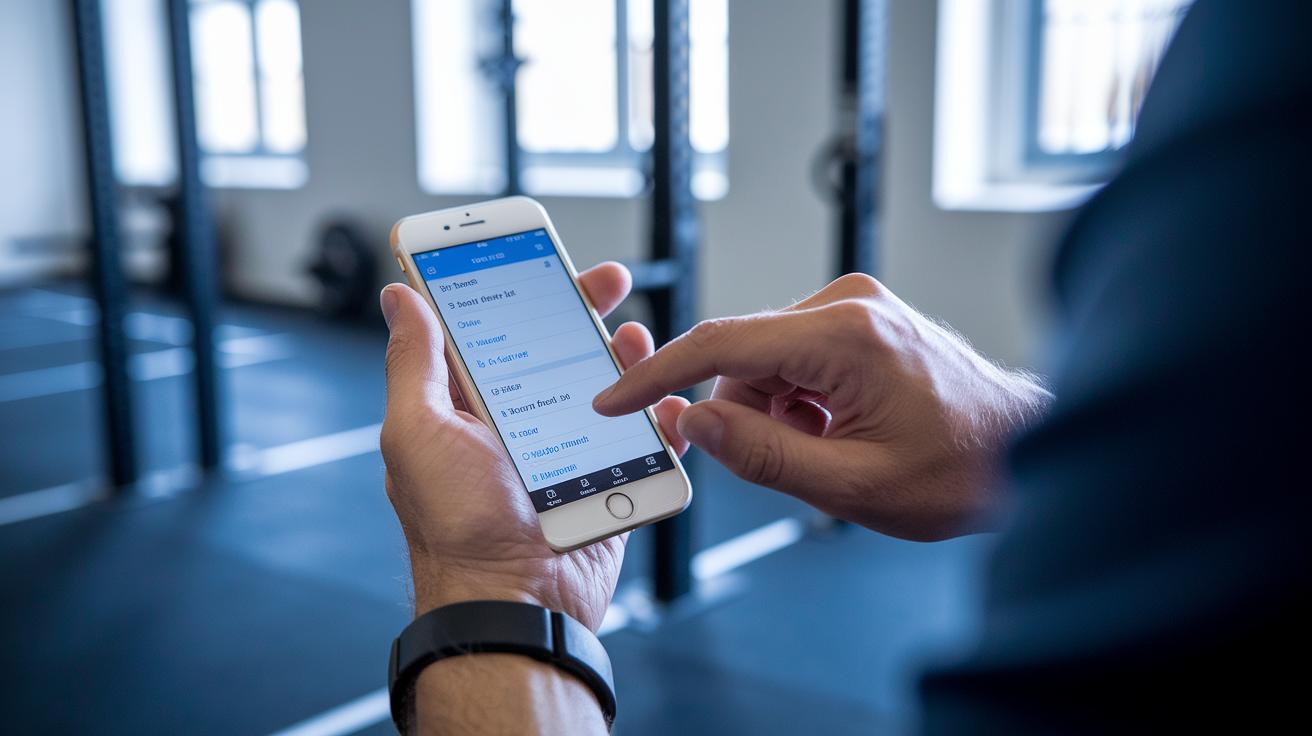
Cloud-based research platforms pull all your workout data into one easy-to-use system. Imagine a coach tweaking a training plan on a smartphone while fresh numbers from a wristband tracker show how athletes are doing, all at the same time. This real-time data flow lets experts adjust exercises based on a full picture of each athlete's performance. It's just like having a friendly, interactive coach with you all day.
Connected devices and mobile apps also make a big difference in studies that span many gyms or centers. They gather data from smart machines and wearable trackers into one neat research database. With everything chatting together, managing workouts becomes a breeze, and researchers can easily compare numbers from different places. This smart setup gives coaches the power to tailor workouts just for you while keeping a consistent, science-backed approach. Ultimately, technology brings together big data and personal fitness care in a way that feels both modern and caring.
Final Words
In the action, we covered how advanced mobile apps, wearable tech, and immersive VR techniques help fine-tune performance while minimizing injury risks. We peeked into smart workouts driven by real-time data and AI-guided performance evaluation, which parts blend seamlessly with nutrition and mindful stress relief. The role of technology in modern exercise science brings practical benefits, turning everyday routines into smarter, personalized sessions. It’s all about feeling good and making small, positive changes each day.
FAQ
What is the role of technology in exercise science, modern science, and modern sports?
The role of technology in these fields is to connect mobile apps, wearables, and cloud platforms with data analytics to track performance, adjust workouts, and improve research accuracy across various scientific and sports environments.
How has modern technology changed fitness?
Modern technology has changed fitness by enabling real-time coaching and personalized workout plans through smartphone apps and wearable devices, making exercise more engaging, efficient, and safe.

