
What if lifting weights is the simplest way to tame PCOS symptoms many women are told to “just live with”?
Strength training improves insulin sensitivity, trims central fat, and nudges hormones back toward balance.
It doesn’t need long gym sessions or heavy barbells, and two to three focused sessions a week can start measurable changes in eight to twelve weeks.
This post breaks down the science, the best workouts, and a practical beginner plan so you can use resistance work to lower insulin, reduce androgen effects, and feel more in control of your cycles and energy.
How Strength Training Helps Manage Core PCOS Symptoms
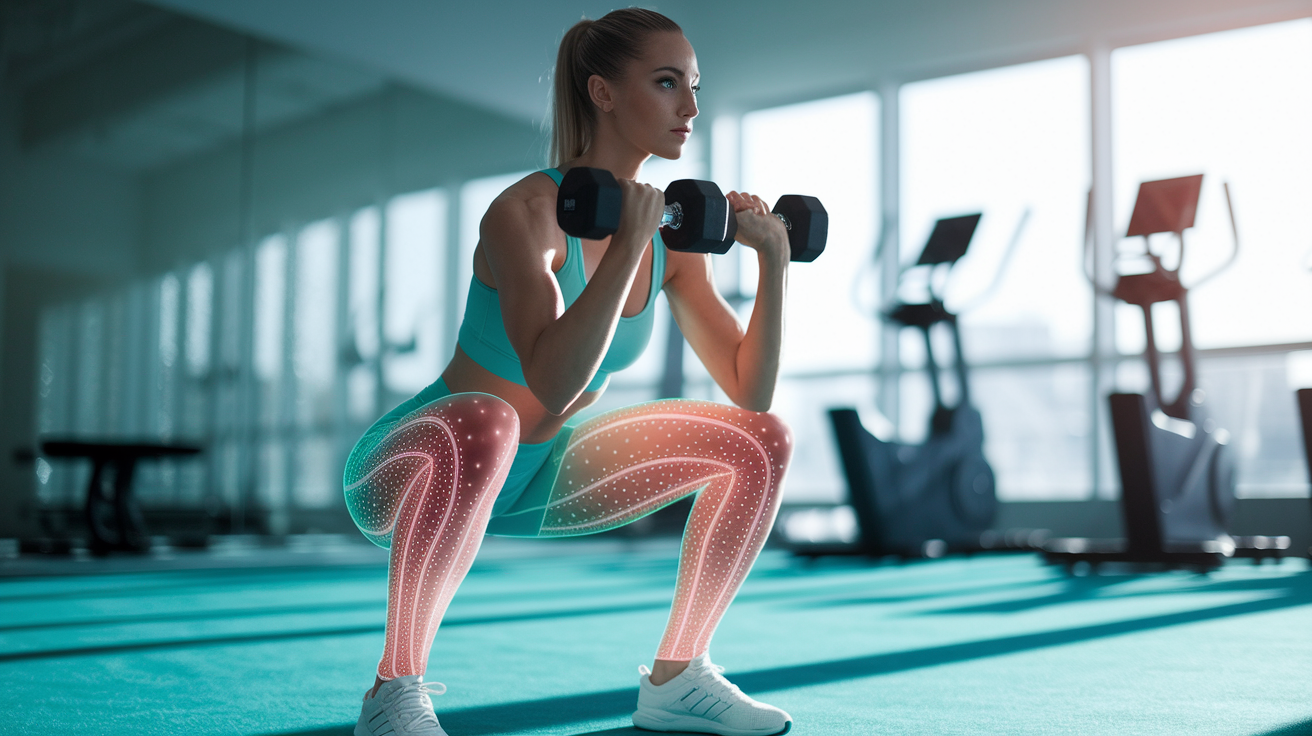
Polycystic ovary syndrome messes with insulin sensitivity, hormone levels, and body composition. A lot of women with PCOS deal with stubborn weight, irregular cycles, and higher testosterone. Strength training tackles each of these directly by building muscle, which basically acts like a metabolic sponge for glucose.
When you lift weights, your muscles pull sugar from your bloodstream to fuel recovery and growth. That improved glucose uptake lowers insulin resistance even if the scale doesn’t budge. Over time, better insulin control can ease hormonal imbalances and reduce androgen symptoms like acne and hair changes.
Unlike cardio alone, resistance training builds lean tissue that burns calories all day. That shift in body composition supports healthier hormone production and can bring back more regular ovulation. Most women see real changes within two to three months of consistent training.
Primary symptom improvements from strength work:
- Insulin resistance drops as muscle tissue pulls glucose more efficiently.
- Testosterone levels can decrease with moderate intensity, higher rep lifting.
- Body composition shifts toward lean mass, reducing central fat that worsens metabolic markers.
- Energy and mood improve through better blood sugar stability and endorphin release.
- Cycle regularity often returns when insulin and inflammation fall.
Starting with two to three full body sessions each week is enough for most beginners. You don’t need heavy weights or long workouts. Controlled movements, simple exercises, and a plan you can repeat week after week will deliver the metabolic and hormonal benefits that make strength training one of the most effective tools for managing PCOS.
Physiological Mechanisms Behind Strength Training’s Impact on PCOS
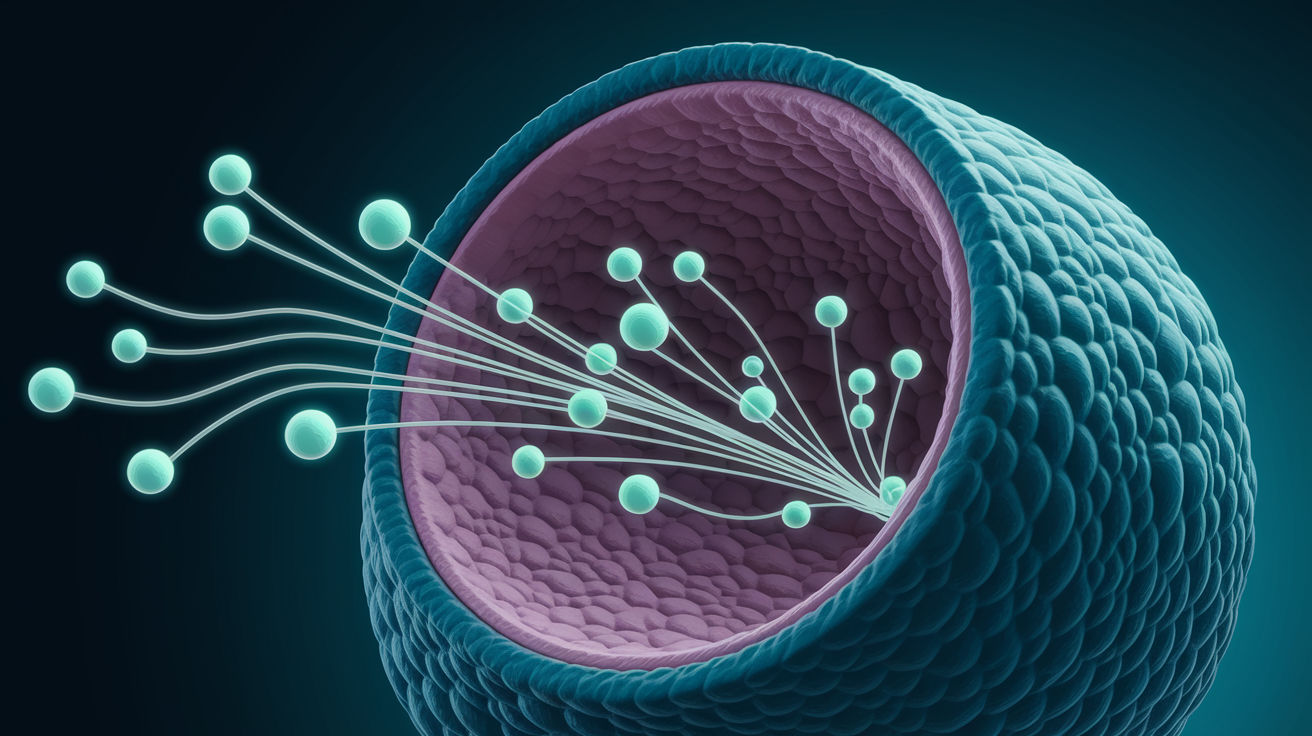
Strength training works by increasing the number and efficiency of glucose transporters in muscle cells. Every time you contract a muscle under load, the tissue becomes more receptive to insulin signaling. That means glucose moves into muscle for storage and energy instead of circulating and triggering more insulin release.
Building lean mass also raises your resting metabolic rate. Muscle is metabolically active tissue, so a body with more muscle burns slightly more calories even at rest. That quiet increase in energy expenditure supports gradual fat loss and helps maintain weight over time, both of which improve insulin sensitivity and reduce inflammation.
Key physiological mechanisms:
- Enhanced glucose uptake through improved GLUT4 transporter activity in muscle.
- Increased resting metabolic rate from greater lean tissue mass.
- Lower systemic inflammation as fat mass decreases and insulin resistance improves.
- Menstrual cycle regulation linked to normalized insulin and reduced androgens.
Resistance exercise also lowers levels of circulating inflammatory markers, which can worsen both metabolic and reproductive symptoms. When inflammation drops, the hypothalamic pituitary ovarian axis often stabilizes, leading to more predictable cycles and better ovulation. These changes frequently become measurable within eight to twelve weeks of consistent training, especially when paired with balanced nutrition and adequate recovery.
Best Strength Training Strategies for PCOS Friendly Results
A strength program for PCOS should prioritize consistency, controlled intensity, and gradual progression. Jumping into very heavy lifts or training to exhaustion can spike cortisol, which worsens insulin resistance and hormonal symptoms. Instead, aim for two to four sessions per week with at least one full rest day between workouts.
Each session should last thirty to sixty minutes, including warm up and cool down. Focus on compound movements that recruit multiple muscle groups, and keep rest periods short enough to maintain a metabolic stimulus but long enough to recover. Most women benefit from moderate loads and higher repetitions rather than maximal lifting.
Sets & Reps
Aim for two to three sets of eight to twelve reps per exercise. That range builds muscle, improves insulin sensitivity, and keeps intensity moderate. If you’re new to lifting, start with one to two sets of eight to fifteen reps and add a third set after four to six weeks.
Intensity & Technique
Use a weight or resistance level that makes the last two to three reps challenging while you can still maintain good form. Slow, controlled movements are more effective than heavy, rushed reps. Lower the weight over two to three seconds, pause briefly, then lift in one to two seconds.
Progressive Overload Rules
Increase load by about 2.5 to 10 percent once you can perform one to two reps over your target for two consecutive sessions. You can also add a set, reduce rest by ten to fifteen seconds, or add two to three reps to progress. Reassess every four to six weeks and plan a deload (reducing intensity by 20 to 40 percent) every four to six weeks to prevent inflammation buildup and cortisol spikes.
| Weekly Frequency | Beginner (0–8 weeks) | Intermediate (8–24 weeks) | Advanced |
|---|---|---|---|
| Sessions per week | 2 full body | 3 full body or upper/lower split | 3–4 split or full body |
| Sets per exercise | 1–2 | 2–3 | 3–4 |
| Rest between sets | 60–90 seconds | 60–90 seconds | 60–120 seconds |
| Deload frequency | Every 6 weeks | Every 4–6 weeks | Every 4–5 weeks |
Track your weights, reps, and how each set felt. That log is the foundation of progressive overload and prevents guesswork. When the plan feels easy, it’s time to increase the challenge. When fatigue or symptoms worsen, back off and let your body recover.
PCOS Friendly Strength Exercises to Prioritize
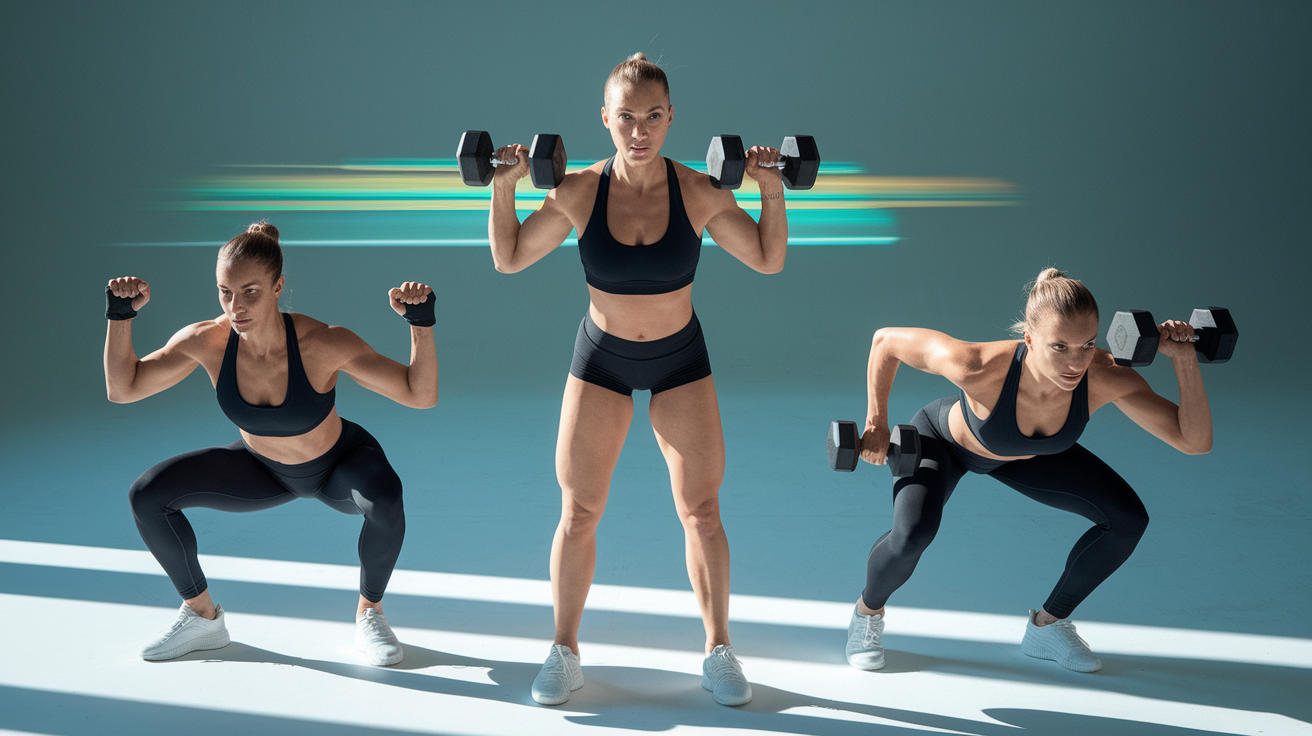
Compound movements that work multiple joints and large muscle groups deliver the biggest metabolic and hormonal benefits. These exercises recruit more muscle, burn more energy, and improve insulin sensitivity more efficiently than isolation moves. Start with bodyweight or light resistance and progress as your technique improves.
Squat Variations
Squats target the quads, glutes, and core. Start with bodyweight squats: feet shoulder width apart, push hips back, lower until thighs are parallel to the floor, then drive through your heels to stand. Once you can do twelve reps with control, add a dumbbell or kettlebell held at chest height for goblet squats.
Deadlift and Romanian Deadlift
Deadlifts build the posterior chain (hamstrings, glutes, and lower back). The Romanian deadlift is safer for beginners: hold a light barbell or dumbbells, hinge at the hips while keeping your back flat, lower the weight to mid shin, then squeeze your glutes to return. Keep the bar close to your body and avoid rounding your lower back.
Hip Thrusts and Glute Bridges
Glute bridges are beginner friendly and activate the glutes without loading the spine. Lie on your back, feet flat, knees bent, then push through your heels to lift your hips until your body forms a straight line. Hold for one second, lower, and repeat. Add a barbell or dumbbell across your hips once bodyweight feels easy.
Push Ups and Bench Press
Push ups work the chest, shoulders, and triceps. Start with incline push ups against a wall or bench if floor push ups are too hard. Once you can do ten controlled reps, move to the floor. Bench press with dumbbells or a barbell adds load and allows progressive overload.
Rows and Pulls
Rows strengthen the upper back and improve posture. Use a resistance band, dumbbells, or a barbell. Hinge forward at the hips, keep your back flat, and pull the weight toward your ribcage, squeezing your shoulder blades together. Avoid jerking or using momentum.
Overhead Press
The overhead press targets shoulders and core stability. Stand with feet hip width apart, hold dumbbells at shoulder height, then press straight up until your arms are fully extended. Lower with control and repeat.
Technique cues to prioritize:
- Push hips back on squats and deadlifts before bending your knees.
- Keep chest up and spine neutral on all lifts.
- Align knees with toes. Don’t let knees cave inward or push far beyond toes.
- Engage core on every rep to protect your lower back.
- Use slow, controlled eccentric (lowering) phases for better muscle stimulus.
- Stop any set if form breaks down or you feel sharp pain.
Home Based Strength Training Options for PCOS
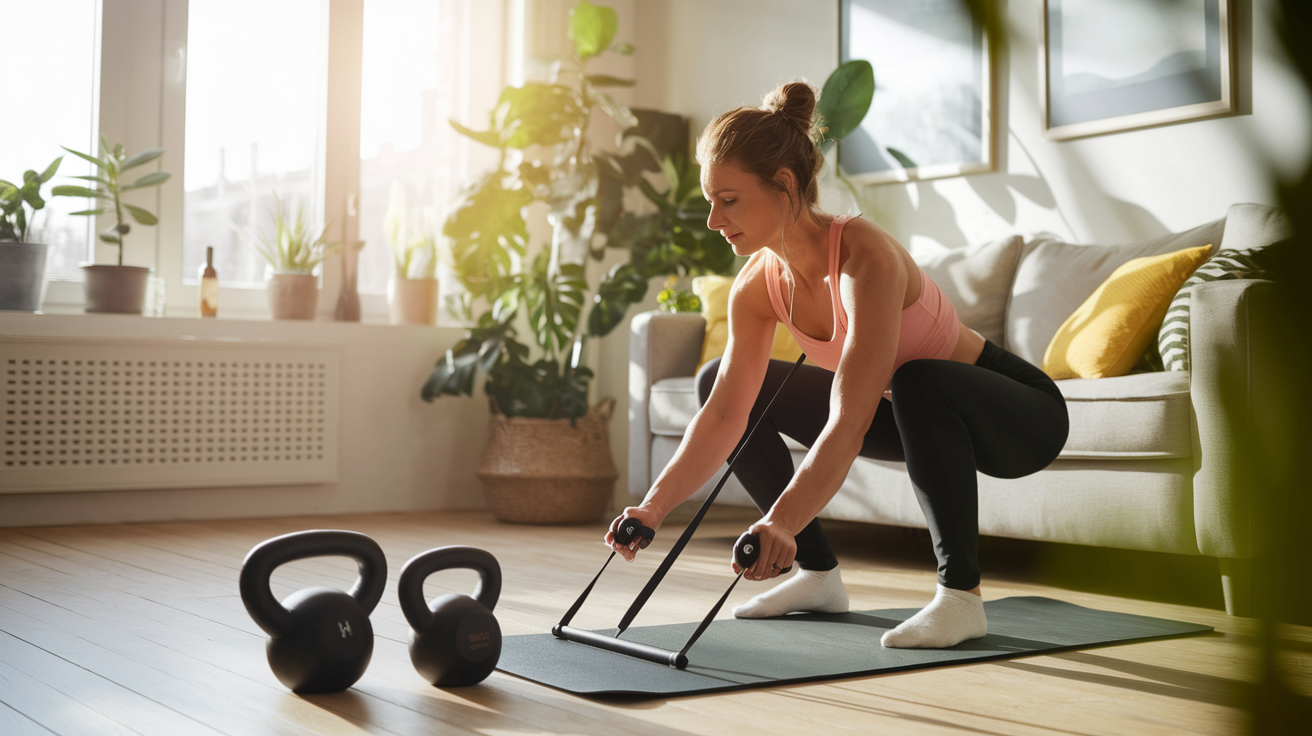
You don’t need a gym membership to build strength and improve insulin sensitivity. A set of adjustable dumbbells or resistance bands and a small space at home are enough to run an effective program. Bodyweight exercises work well for the first few months, and you can add load as you get stronger.
Start every session with a five minute warm up to prepare muscles and joints. Ten bodyweight squats, ten glute bridges, ten wall push ups, and one minute of gentle marching or step touch will raise your heart rate and improve movement quality. Add twenty seconds of deep breathing before you begin your main work.
Sample beginner home circuit (repeat 2–3 times):
- Bodyweight or goblet squats: 8–12 reps
- Glute bridges or Romanian deadlifts with dumbbells: 8–12 reps
- Reverse or forward lunges: 8–12 reps per leg
- Incline push ups or wall push ups: 8–12 reps
- Resistance band rows: 8–12 reps
- Plank hold: 20–30 seconds
Rest sixty to ninety seconds between exercises. When the circuit feels easy, increase reps to fifteen, add a third round, or increase resistance. Once you can complete three rounds with good form, consider adding weight.
Equipment Recommendations
Resistance bands cost ten to forty dollars and offer adjustable tension for rows, squats, and shoulder work. Adjustable dumbbells range from fifty to three hundred dollars depending on brand and weight capacity. A basic set of fixed dumbbells (five, ten, fifteen, and twenty pounds) covers most beginners for the first three to six months. Kettlebells are versatile for goblet squats, deadlifts, and swings. A single adjustable kettlebell or a set of two fixed bells (fifteen and twenty five pounds) is enough to start.
Combining Strength Training With Cardio for PCOS Balance
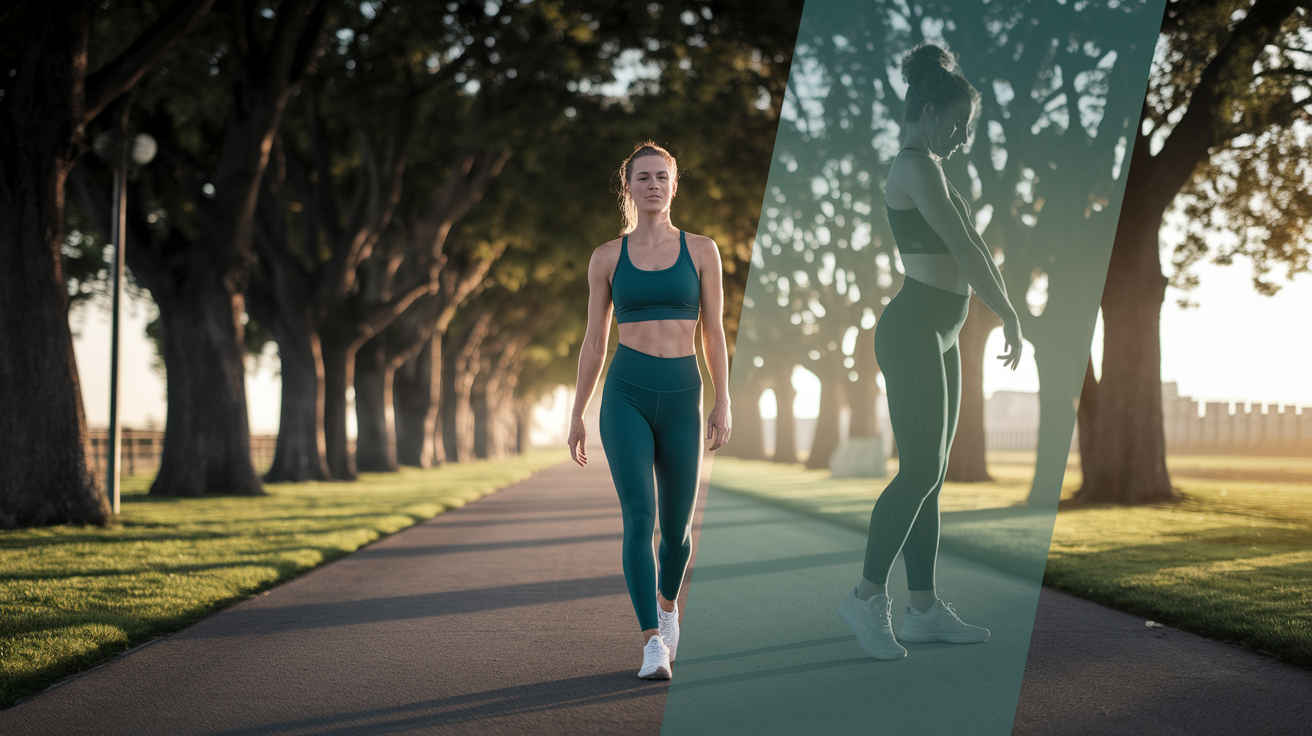
Cardio supports recovery, reduces stress, and adds calorie expenditure without the cortisol spike that comes from overtraining. Gentle, moderate intensity cardio like walking, cycling, or yoga complements strength work and helps regulate mood and energy. High intensity interval training can improve insulin sensitivity but should be limited to one or two sessions per week.
Prioritize strength sessions over cardio. If you train three days a week, dedicate those days to resistance work and add twenty to thirty minutes of walking or stretching on off days. That balance keeps cortisol in check and supports recovery. On high energy days, combine a strength session with moderate cardio. On low energy days, walk, stretch, or rest completely.
Comparing cardio types for PCOS:
- Walking or steady cycling: Low cortisol impact, supports recovery, can be done daily, burns moderate calories.
- HIIT (10–20 minutes): High insulin sensitivity benefit, elevates cortisol if done too often, limit to 1–2 sessions weekly.
- Yoga or mobility work: Lowers stress, improves movement quality, minimal calorie burn, great for active recovery.
- Long or intense cardio sessions: Can raise cortisol, may interfere with strength recovery, not recommended as a primary approach for PCOS.
Nutrition to Support Strength Training for PCOS
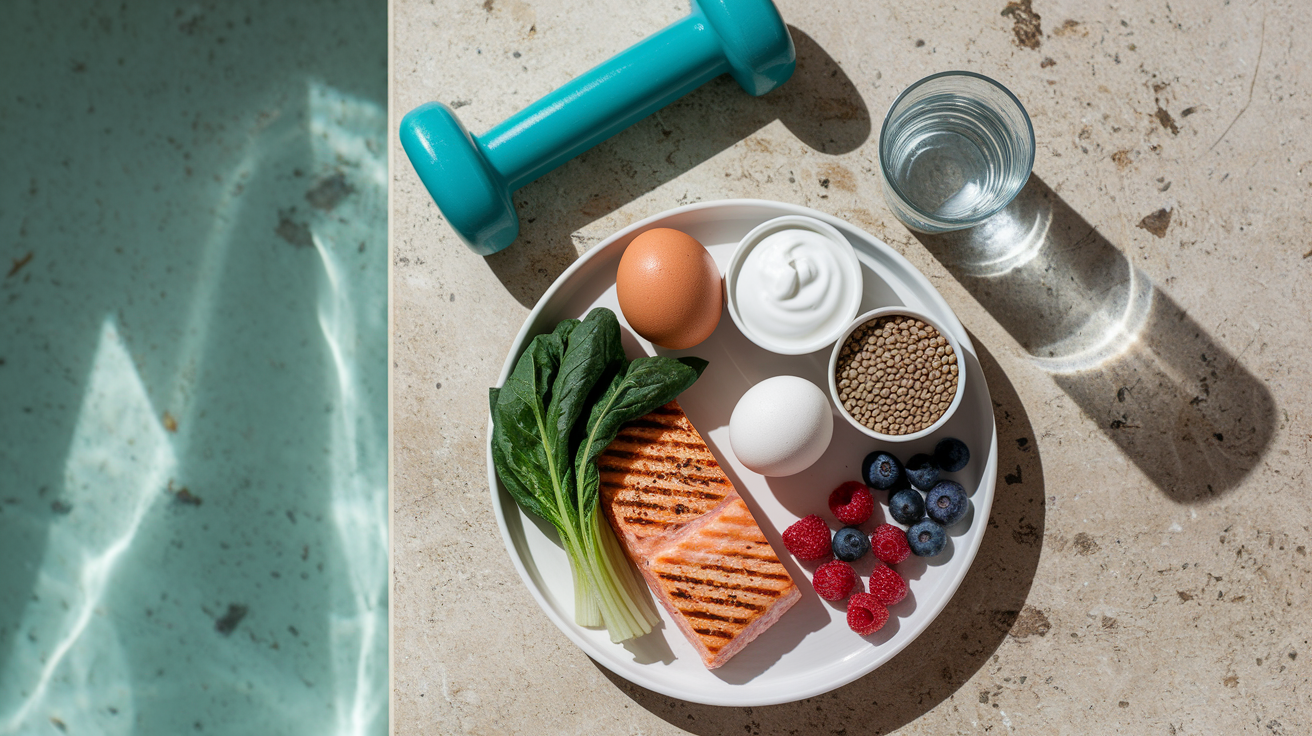
Strength training creates demand for protein and stable blood sugar. Without enough protein, muscles can’t repair and grow. Without balanced meals, insulin and energy levels swing, making it harder to stay consistent and progress. Aim for about 0.8 to 1.0 gram of protein per pound of body weight each day to support muscle recovery and metabolic health.
Distribute protein across three to four meals and include fiber rich vegetables and lower glycemic carbohydrates. Avoid long meal gaps. Going more than four to five hours without eating can trigger blood sugar drops and cravings. Hydrate consistently throughout the day, and consider a small protein snack thirty to sixty minutes before training if you train fasted or feel low energy.
Blood sugar friendly nutrition habits:
- Include protein and fiber at every meal to slow glucose absorption.
- Time higher carb meals around training sessions for energy and recovery.
- Prioritize whole foods: lean meats, fish, eggs, legumes, vegetables, whole grains.
- Limit added sugars and highly processed snacks that spike insulin.
- Stay hydrated. Aim for about half your body weight in ounces of water daily.
| Body Weight (lb) | Daily Protein Target (g) | Example Daily Protein Sources |
|---|---|---|
| 130 | 104–130 | 4 oz chicken (28g), 1 cup Greek yogurt (20g), 2 eggs (12g), 4 oz salmon (25g), 1 scoop protein powder (20g) |
| 160 | 128–160 | 5 oz chicken (35g), 1 cup cottage cheese (28g), 3 eggs (18g), 5 oz lean beef (35g), 1 scoop protein powder (20g) |
| 180 | 144–180 | 6 oz chicken (42g), 1 cup Greek yogurt (20g), 3 eggs (18g), 6 oz fish (36g), 1 scoop protein powder (20g), 1 cup lentils (18g) |
If weight loss is a goal, create a moderate calorie deficit (about 500 calories per day for roughly 0.5 to 1.0 pound per week). A five to ten percent reduction in total body weight often restores ovulation and improves metabolic markers. Pair that deficit with strength training to preserve muscle and prioritize fat loss over lean tissue loss.
Tracking Progress in a PCOS Strength Program

Scale weight alone doesn’t capture the changes strength training creates. You can gain muscle, lose fat, improve insulin sensitivity, and see better cycle regularity without the number on the scale moving much. Track strength, energy, symptoms, and body measurements to get a clearer picture of progress.
Log every workout: exercises, sets, reps, and weights used. Strength gains of ten to twenty percent in the first eight to twelve weeks are common in beginners. If you started goblet squats with a fifteen pound dumbbell and you’re using twenty five pounds after three months, that’s measurable progress. Increased reps at the same weight also counts.
Preferred progress markers for PCOS:
- Strength gains: weight lifted, reps completed, or time under tension.
- Energy and mood: fewer energy crashes, improved mental clarity, better stress tolerance.
- Cycle regularity: more predictable periods, return of ovulation if previously absent.
- Waist circumference: a drop of one to two inches often reflects improved insulin sensitivity and reduced visceral fat.
Check waist circumference and weight monthly, not weekly. Take progress photos every four to six weeks if visual changes help you stay motivated. If you have access to lab work, fasting glucose, fasting insulin, or HbA1c measured every three to six months can confirm metabolic improvements.
How to Prevent PCOS Training Plateaus and Overtraining
Overtraining raises cortisol, worsens insulin resistance, and can trigger the same hormonal symptoms you’re trying to fix. Training too hard, too often, or without enough recovery will stall progress and make you feel worse. Rest is when adaptation happens, not during the workout itself.
Take at least one full rest day between strength sessions. If you train Monday, Wednesday, and Friday, use Tuesday, Thursday, and the weekend for walking, stretching, or complete rest. Limit total hard training to three to four sessions per week, including any high intensity cardio. Every four to six weeks, plan a deload week where you reduce training intensity by twenty to forty percent to let inflammation drop and cortisol reset.
Warning signs of overtraining:
- Persistent daytime fatigue even with adequate sleep.
- Reduced workout performance. Weights feel heavier, reps drop, form breaks down.
- Worsening PCOS symptoms: irregular periods return, acne flares, mood swings increase.
- Disrupted sleep. Trouble falling asleep or staying asleep despite feeling exhausted.
- Persistent muscle soreness that doesn’t improve with rest.
If you notice two or more of these signs, take three to five days completely off from structured exercise. Walk gently, stretch, and prioritize sleep and nutrition. When you return, reduce volume or intensity by about thirty percent for one to two weeks before building back up.
When to Seek Professional Support for PCOS Strength Training

Most women can start a beginner strength program safely on their own, but there are times when medical or coaching support makes sense. If your menstrual cycle hasn’t improved after six months of consistent training and nutrition changes, consult an endocrinologist or gynecologist. Persistent irregularity may require medication or further evaluation.
Rapid, unexplained weight loss (more than 1.5 to 2.0 pounds per week) or new symptoms like severe fatigue, dizziness, or pelvic pain warrant medical review. Joint pain, difficulty performing basic movements, or a history of injury may require assessment by a physical therapist or qualified trainer before progressing.
Red flags that warrant professional support:
- No menstrual improvement after six months of adherence.
- New or worsening pelvic pain, heavy bleeding, or gynecologic symptoms.
- Unexplained rapid weight change or metabolic symptoms.
- Joint pain, movement dysfunction, or inability to perform exercises safely.
Hiring a coach or trainer for one to three sessions can teach proper form, build a personalized program, and correct technique errors that lead to injury. Telehealth coaching is an option if in person support isn’t available. Prioritize trainers with experience in metabolic conditions or women’s health, and always communicate your PCOS diagnosis and any medications you’re taking.
Final Words
Keep lifting regularly and focus on the basics: two to three full‑body sessions weekly, compound moves, and slow progression.
We covered how strength work helps insulin resistance and hormones, explained the physiology, gave programming and home options, showed how to pair cardio, outlined nutrition and tracking, and flagged when to seek help.
Start simple this week: pick three moves, do 2–3 sets of 8–12 reps, and add a little weight when those reps get easy.
Stick with it — strength training for pcos can make steady, meaningful difference.
FAQ
Q: What is the 30 30 30 rule for PCOS?
A: The 30 30 30 rule for PCOS refers to structuring meals with roughly 30% protein, 30% carbohydrates, and 30% healthy fats to help stabilize blood sugar and support clearer hormone balance.
Q: How do Japanese treat PCOS?
A: The Japanese treat PCOS by prioritizing lifestyle first—balanced, lower‑glycemic meals, regular activity, and weight management—then adding standard medical care like metformin, ovulation drugs, or specialist fertility support as needed.
Q: What exercises should I avoid with PCOS?
A: Exercises to avoid with PCOS include constant high‑volume cardio, daily maximal‑intensity sessions, and movements that cause persistent fatigue or injury, since they can raise stress hormones; favor strength work and moderate cardio instead.
Q: Is gym workout good for PCOS?
A: Gym workouts are good for PCOS—especially 2–3 full‑body strength sessions per week plus moderate cardio—because they increase lean muscle, improve glucose uptake, and support healthier hormone regulation when paired with proper recovery.

