
Protein powder isn’t just for shakes.
If your tub is sitting half-full, it can turn ordinary meals into protein-packed wins.
One scoop usually adds about 20 to 25 grams of protein with very little prep.
This post gives practical recipes—smoothie bowls, pancakes, energy balls, bars, and frozen treats—that make hitting protein targets simple and tasty.
No strange ingredients, no long cook times.
Read on for one-scoop swaps, texture fixes, and quick recipes you can make this week.
An Overview of Creative Protein Powder Recipes Beyond Shakes
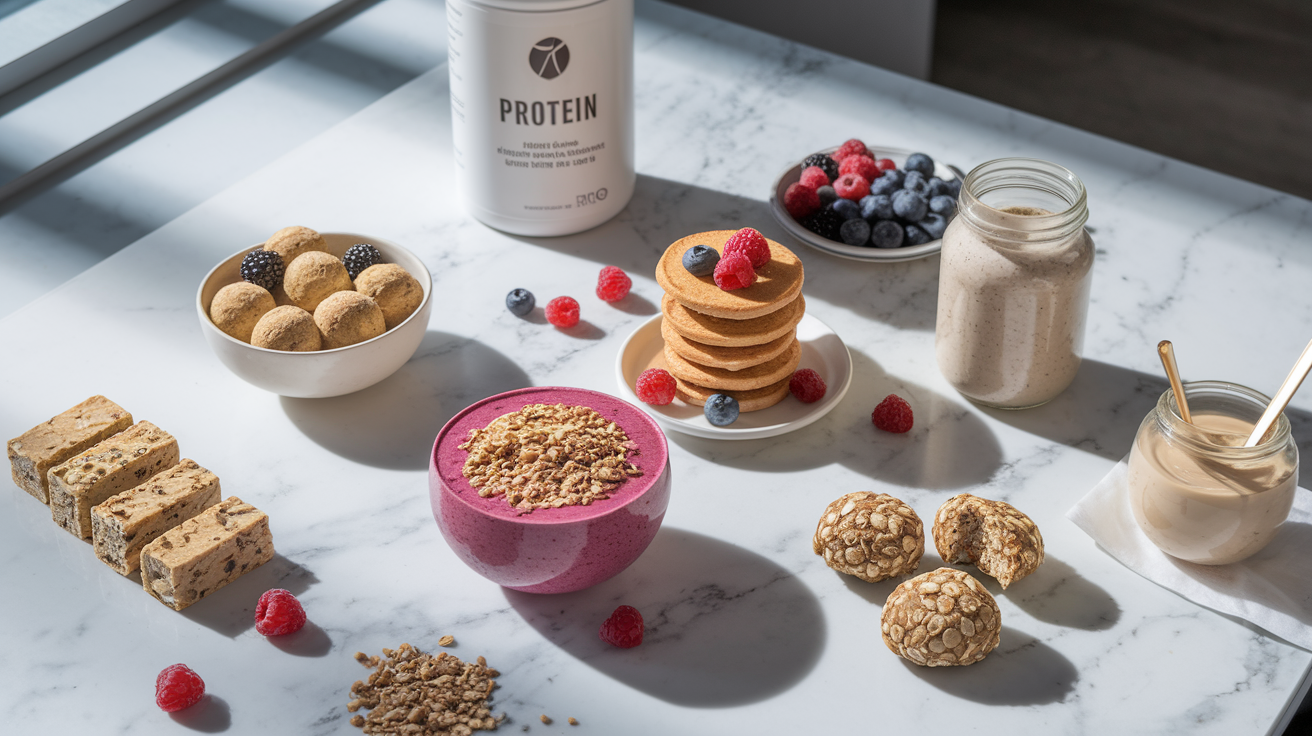
You bought protein powder for shakes. Now the tub’s sitting half-full in the cupboard, collecting dust next to the vitamins you forgot about. If you’ve ever stared at it wondering what else you can do besides the same chocolate milk routine, here’s your answer: smoothie bowls, pancakes, overnight oats, energy balls, muffins, cookies, bars, frozen treats. You can even sneak it into savory stuff like hummus or breakfast pancakes. One scoop (around 30 g) usually gives you 20 to 25 g of protein and somewhere near 120 calories, depending on what you bought.
Tossing a scoop into a recipe bumps the protein without adding much prep. A basic smoothie bowl takes 5 minutes: blend 1 scoop protein, 1 cup unsweetened almond milk, ½ cup frozen berries, ¼ cup Greek yogurt, 1 tablespoon nut butter. Done. Overnight oats are even easier. Mix ½ cup dry oats, 1 scoop protein, ¾ cup milk, 1 tablespoon chia seeds, then stick it in the fridge. These keep you fuller longer and help you hit daily protein targets without cooking anything complicated.
Here are six recipe categories that don’t involve blending another shake:
- Smoothie bowls – thicker than smoothies, topped with granola, fruit, seeds
- Protein pancakes – fluffy breakfast stacks or meal prep batches
- No-bake energy balls – portable snacks ready in 10 minutes plus chill time
- Protein bars – press and chill squares for travel or lunch boxes
- Protein oatmeal – stirred in cold for overnight oats or baked into casseroles
- Frozen treats – blended into “nice cream,” popsicles, frozen yogurt bites
Whether you’re plant based, dairy free, gluten free, or none of the above, there’s a format that fits. The trick is matching the powder type to the texture you want and adjusting liquids from there.
Pros and Cons of Using Protein Powder in Recipes
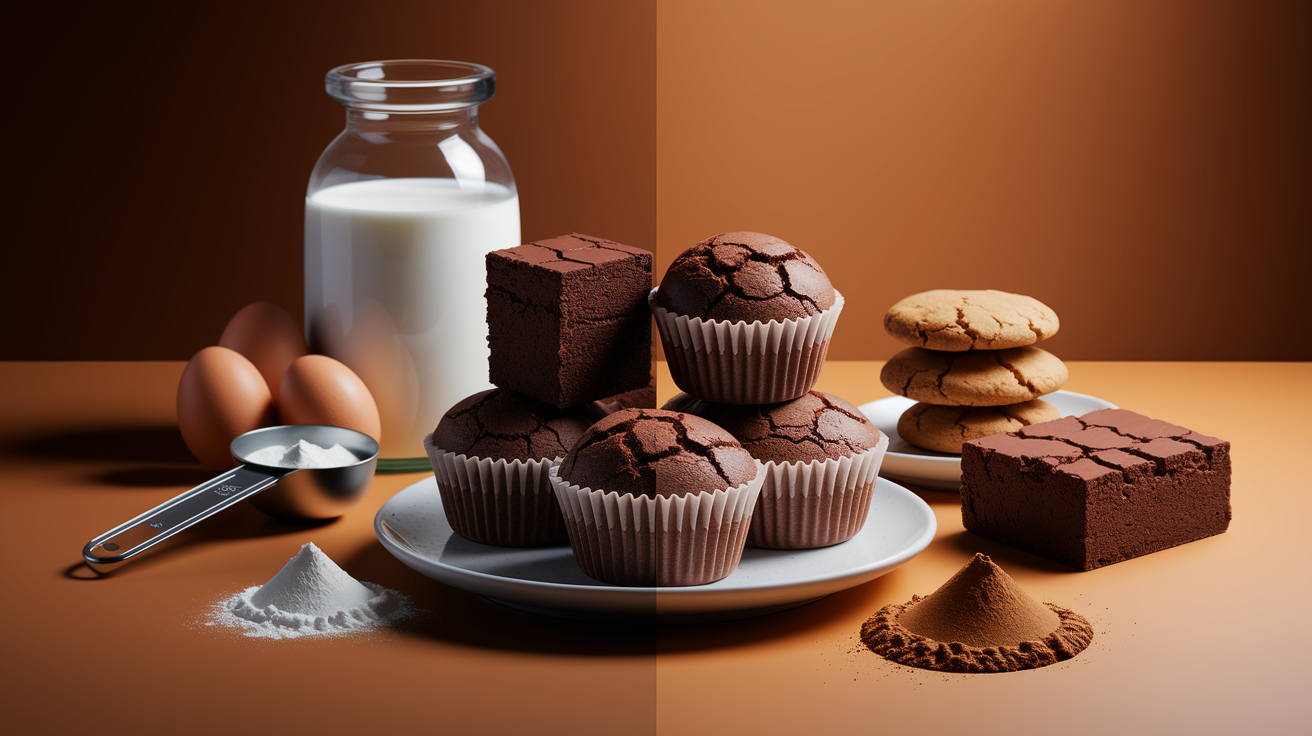
Adding protein powder to food is convenient. But it’s not always plug and play. Knowing the upsides and the texture traps saves you from chalky cookies and dry brownies.
Pros:
- Adds 20 to 25 g protein per scoop without much extra prep
- Works in sweet and savory recipes, from mug cakes to mashed potatoes
- Portable and shelf stable, perfect for meal prep and travel snacks
- Lets you hit protein goals even when you don’t feel like cooking meat or eggs
Cons:
- Can dry out baked goods if you don’t add 1 to 3 tablespoons extra liquid per 30 g protein used
- Some powders taste chalky or gritty, especially unflavored or low quality plant blends
- Requires recipe adjustments. Baking times shorten by 3 to 5 minutes to prevent over drying.
- Flavored powders (vanilla, chocolate) can clash with savory or citrus recipes
The biggest mistake? Treating protein powder like flour and swapping cup for cup. Powder absorbs more liquid than regular flour, so recipes turn dense or rubbery fast. Adding a bit more milk, an extra egg, or a few tablespoons of applesauce usually fixes it. If you’re baking, check doneness earlier than the original recipe says. Protein powder firms up faster in the oven. Overbaking turns brownies into hockey pucks.
What Is Whey Protein in Recipe Applications?
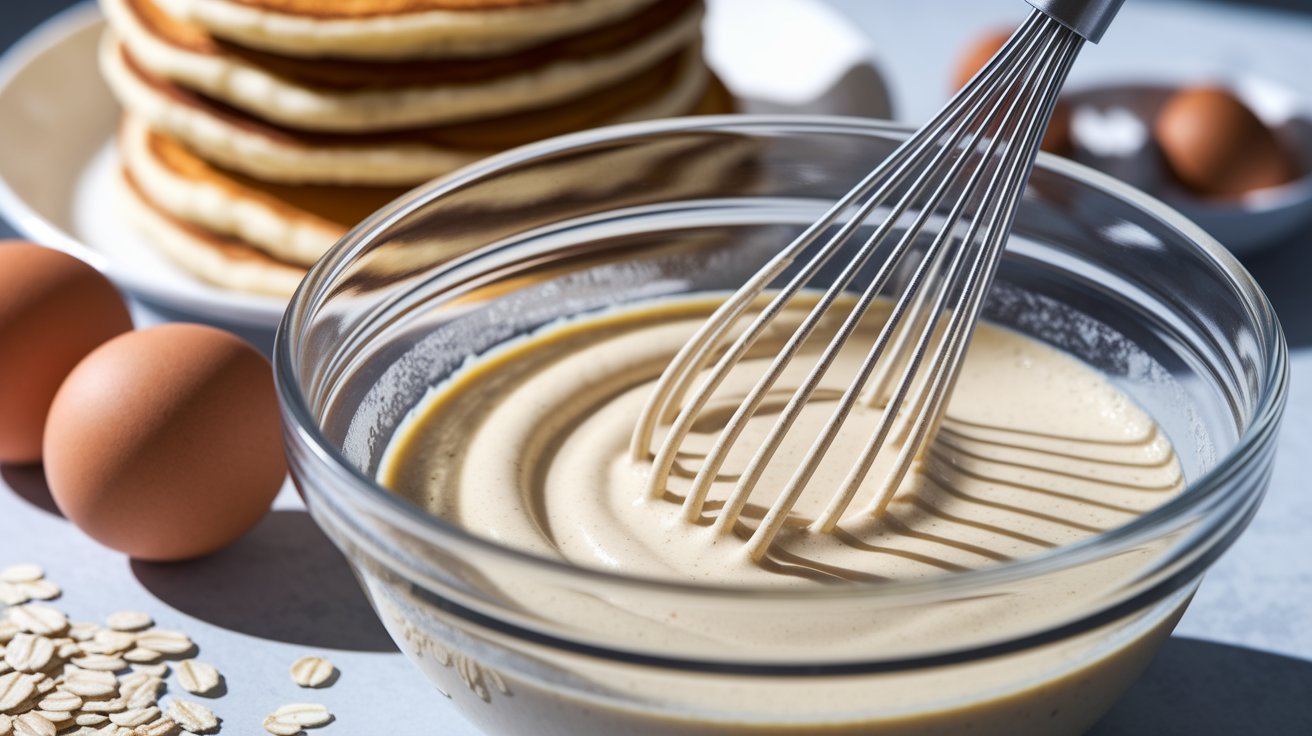
Whey protein is the most common type in recipes because it dissolves easily, tastes mild, and behaves predictably in heat. One scoop of whey isolate typically delivers about 25 g of protein and 120 calories. It comes from dairy, so it’s off the table if you’re vegan or lactose intolerant. But for everyone else it’s the go-to for fluffy pancakes, soft muffins, and smooth smoothie bowls.
Whey mixes into batters without clumping, which makes it beginner friendly. It holds moisture better than most plant powders, so your baked goods stay softer. The downside is that too much whey in a recipe creates a rubbery, dense texture, especially in cookies and bars. Stick to replacing 20 to 30% of the flour rather than half the recipe, and you’ll avoid that gym mat chew.
Best uses for whey protein in recipes:
- Smoothies and smoothie bowls – blends smooth, no grittiness
- Protein pancakes – creates light, fluffy texture when mixed with oats and egg
- Muffins and quick breads – keeps crumb tender if you don’t overbake
- No-bake bars and bites – binds well with nut butter and oats
- Brownies and mug cakes – chocolate whey works especially well in single serve desserts
If you’re using flavored whey (vanilla, chocolate, strawberry), make sure it matches the recipe flavor profile. Vanilla whey in lemon muffins tastes fine. Chocolate whey in a savory pancake does not.
What Is Plant-Based Protein for Cooking?
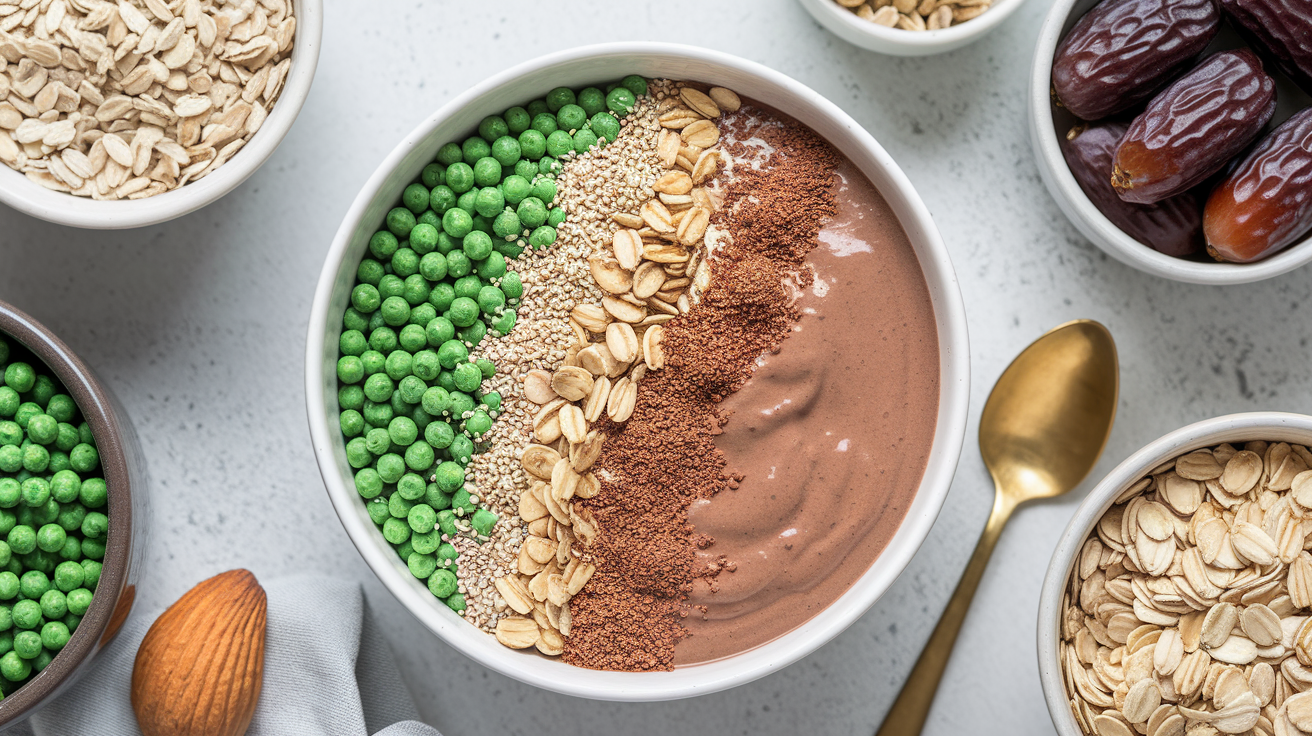
Plant protein powders, usually blends of pea, rice, hemp, or soy, deliver around 18 to 22 g of protein per scoop and 130 to 160 calories. They’re the go-to for vegan and dairy free recipes, but they behave differently than whey. Most plant powders are thicker, grittier, and need more liquid to blend smoothly. If you’re swapping plant protein into a whey based recipe, plan to add an extra 2 to 4 tablespoons of milk or water.
Hemp protein has a strong, earthy taste that works best in chocolate or peanut butter recipes where other flavors can cover it. Pea protein is neutral but thick. Great for overnight oats and puddings where you want creaminess. Rice protein is light and mild, but it can taste chalky if used alone. Most store bought plant powders are blends designed to balance amino acids and improve texture, so they’re easier to work with than single source powders.
Plant protein shines in these recipe types:
- Overnight oats – absorbs liquid slowly, creates thick texture
- Smoothies and smoothie bowls – works well with frozen fruit and nut butter
- No-bake bars and energy balls – sticky texture helps ingredients bind
- Energy bites – pairs well with dates, oats, and seeds
- Muffins and baked oatmeal – holds moisture if you increase wet ingredients
- Chia pudding – thickens naturally without clumping
If you’re new to plant protein in recipes, start with a chocolate or vanilla blend and use it in no-bake recipes first. That way you can adjust sweetness and texture without worrying about oven variables.
What Is Casein Protein in Thick and Creamy Recipes?
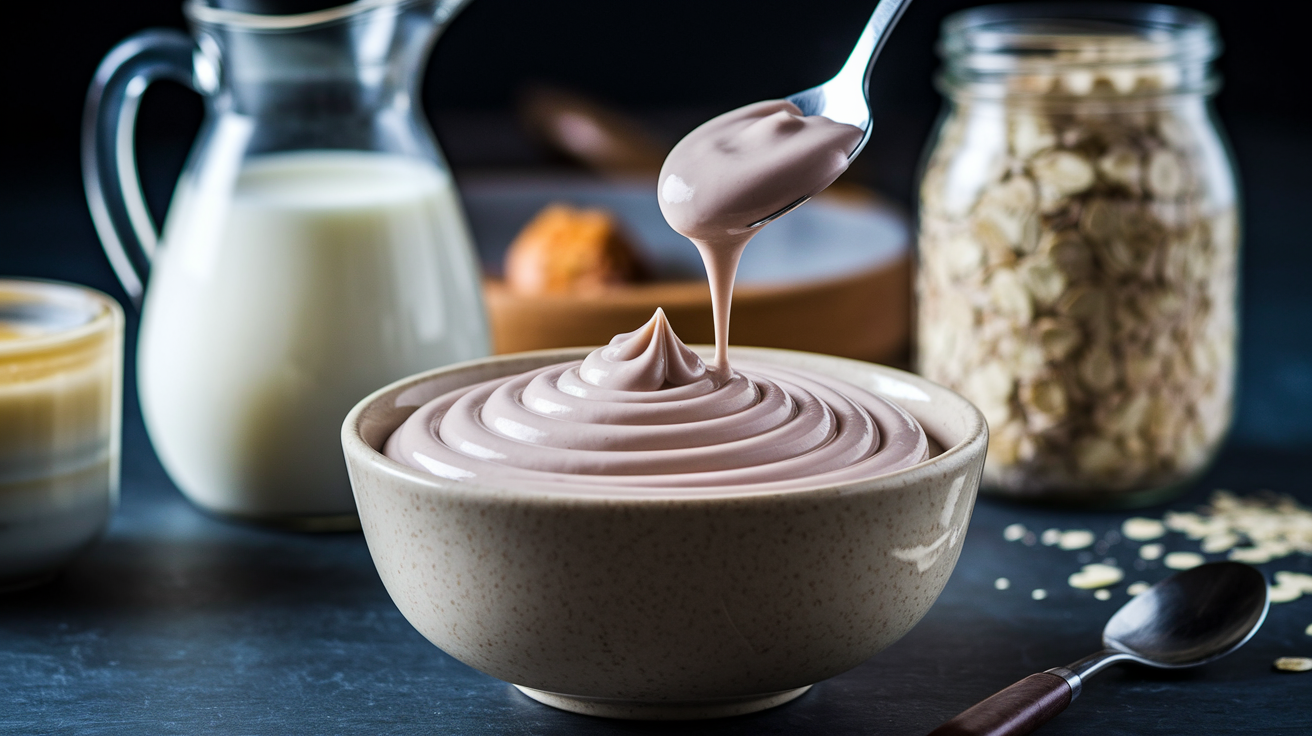
Casein is a slow digesting dairy protein that forms a thick, pudding-like texture when mixed with liquid. One scoop delivers about 24 g of protein. It’s the best choice when you want a recipe to feel rich and creamy without adding extra fat. Casein takes longer to break down in your stomach, so it keeps you full for hours. Useful for overnight oats or a pre-bed snack.
Because casein thickens so much, you’ll need more liquid than whey recipes call for. Start with the recipe amount, then add milk or water a tablespoon at a time until you get the consistency you want. In baking, casein can make pancakes or muffins dense, so it’s better suited for no-bake and stovetop recipes where you control texture as you mix.
Common recipe uses for casein:
- Protein pudding – mix with milk and chill for 10 minutes, tastes like mousse
- Protein mousse – whip with Greek yogurt for an airy dessert
- Thick overnight oats – creates a dense, filling breakfast
- Thick protein pancakes – works if you want a denser, more filling stack
If a recipe says “any protein powder,” casein will make it thicker and creamier than the instructions expect. That’s not bad, just something to know before you start mixing.
How to Make Protein Powder Recipes Step-by-Step
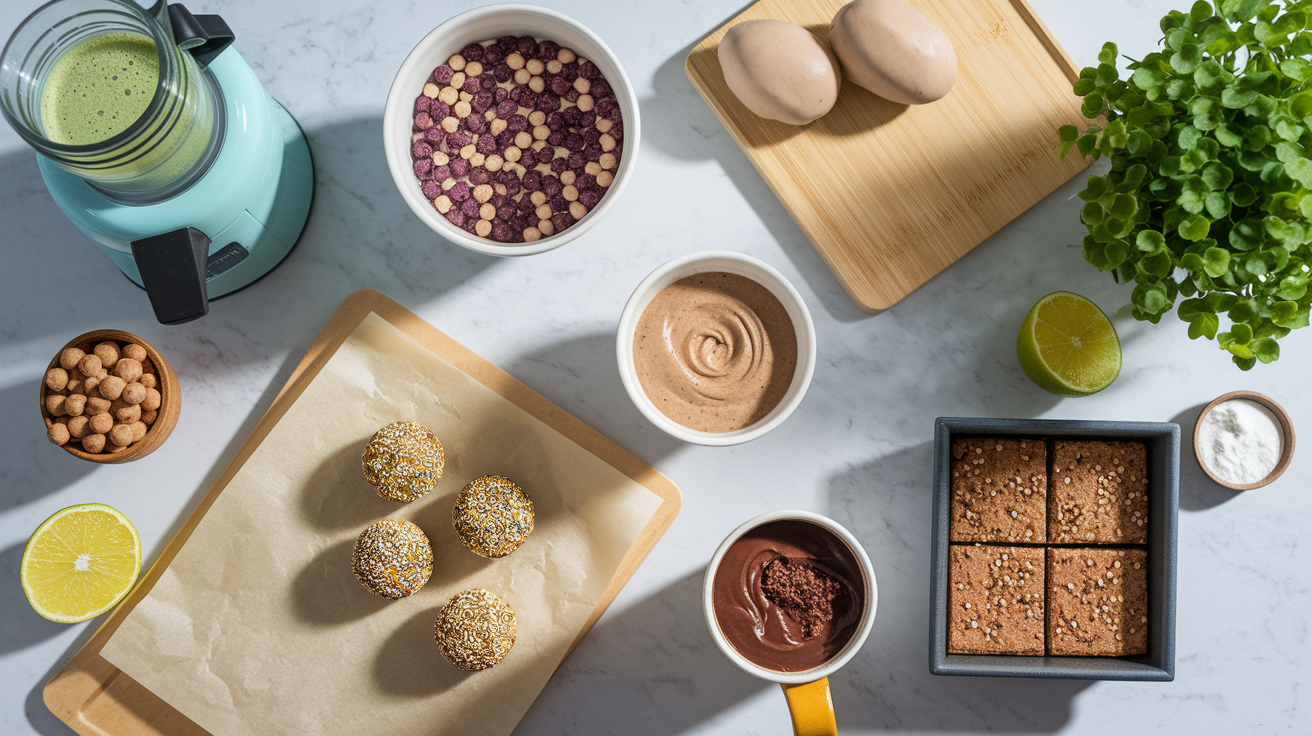
These five recipes cover breakfast, snacks, and single serve desserts. Each one uses about 1 scoop of protein powder and takes 15 minutes or less of active work.
How to Make a Basic Protein Smoothie Bowl
- Add 1 scoop (30 g) protein powder, 1 cup unsweetened almond milk, ½ cup frozen mixed berries, ¼ cup plain Greek yogurt, and 1 tablespoon almond butter to a blender.
- Blend on high for 30 to 45 seconds until smooth and thick. Thicker than a drinkable smoothie.
- Pour into a bowl and top with 2 tablespoons granola, 5 to 6 fresh berries, and 1 teaspoon chia seeds.
- Eat immediately with a spoon. Smoothie bowls don’t hold texture if stored.
- If too thick to blend, add 2 to 3 tablespoons more almond milk and pulse again.
Per serving: around 320 to 360 kcal, 30 g protein, 35 to 45 g carbs, 8 to 12 g fat.
How to Make Protein Pancakes
- In a medium bowl, mash ½ banana (about 50 g) with a fork until smooth.
- Add 1 scoop (30 g) protein powder, ½ cup rolled oats, 2 egg whites (or 1 whole egg plus 1 egg white), and ½ teaspoon baking powder. Stir until combined. Batter will be thick.
- Heat a nonstick pan over medium heat and lightly spray with oil.
- Pour about 3 tablespoons of batter per pancake. Cook 3 to 4 minutes until bubbles form on top, then flip and cook another 2 to 3 minutes.
- Makes 6 small pancakes. Serve with fresh fruit or a drizzle of maple syrup.
Per 3-pancake serving: around 220 to 280 kcal, 20 to 25 g protein.
How to Make No-Bake Energy Balls
- In a large bowl, mix 1 cup rolled oats, ½ cup natural peanut butter, ⅓ cup honey or maple syrup, 1 scoop (30 g) protein powder, and ¼ cup mini chocolate chips or dried fruit.
- Stir until everything sticks together. If too dry, add 1 to 2 teaspoons water.
- Roll into 12 balls, about 1 tablespoon of mixture each.
- Chill in the fridge for 30 minutes to firm up. Store in an airtight container for up to 10 days.
Per ball: around 110 to 140 kcal, 4 to 8 g protein.
How to Make a Protein Mug Cake
- In a microwave safe mug, whisk together 1 scoop (30 g) protein powder, 1 egg, 1 tablespoon almond flour, 1 tablespoon unsweetened cocoa powder, and ¼ teaspoon baking powder.
- Stir until smooth with no dry pockets. Batter should be thick but pourable.
- Microwave on high for 60 to 90 seconds. Start with 60 seconds, then check. Cake is done when it springs back lightly when touched.
- Let cool for 1 minute before eating. Top with a dollop of Greek yogurt or a few berries if you want.
Per mug cake: around 200 to 280 kcal, 18 to 26 g protein.
How to Make No-Bake Protein Bars
- Line an 8×8-inch pan with parchment paper.
- In a large bowl, mix 2 cups rolled oats, 1 cup natural almond butter, ⅓ cup honey or maple syrup, and 2 scoops (60 g) protein powder until combined.
- Press the mixture firmly and evenly into the lined pan. Use the back of a spoon or your hands.
- Refrigerate for 1 to 2 hours until firm, then lift out by the parchment and cut into 8 bars.
- Store wrapped individually in the fridge for up to 7 days, or freeze for up to 3 months.
Per bar: around 220 to 260 kcal, 10 to 18 g protein depending on powder type.
Comparing Protein Powder Recipe Approaches
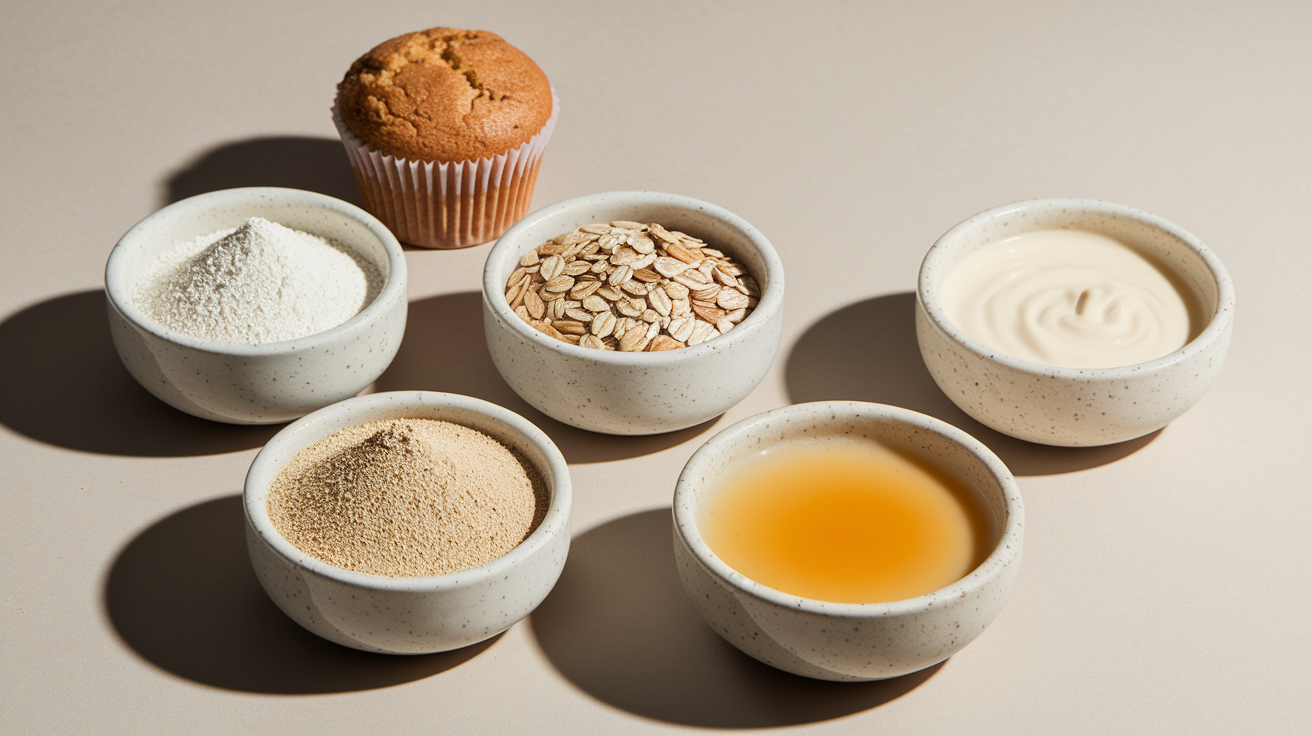
Different protein powders create different textures and require small adjustments in liquid. Whey gives the lightest, fluffiest results in baking. Plant blends are thicker and work best in no-bake or blended recipes. Casein turns everything creamy and dense, perfect for puddings and overnight preps. Collagen dissolves invisibly but adds less protein per scoop than the others.
When baking, the general rule is to replace 20 to 33% of the flour weight with protein powder, then increase the liquid or egg content by 10 to 15% to compensate. For example, if a muffin recipe calls for 300 g flour, you can swap in 60 to 100 g protein powder and add an extra 2 to 3 tablespoons milk or one additional egg to keep the texture right.
| Powder Type | Best Uses | Liquid Needs | Typical Protein per Scoop |
|---|---|---|---|
| Whey isolate / concentrate | Smoothies, pancakes, muffins, bars | Standard, recipe amounts work as written | 25 g protein, around 120 kcal |
| Plant blend (pea/rice/hemp) | Overnight oats, energy balls, smoothie bowls, bars | Add 2 to 4 tbsp extra liquid per scoop | 18 to 22 g protein, around 130 to 160 kcal |
| Casein | Puddings, mousse, thick overnight oats, protein fluff | Add liquid gradually, thickens fast | 24 g protein, around 120 kcal |
| Collagen peptides | Hot coffee, soups, savory dishes, bone broth | Dissolves in hot or cold, no texture change | 9 g protein per 10 g scoop, around 35 kcal |
For meal sized recipes like protein pancakes or baked oatmeal, aim for 20 to 30 g protein per serving. For snacks like energy balls or single cookies, 10 to 15 g per serving is plenty. If you’re new to swapping powders, start with a small batch and taste test before making a full recipe.
How to Use Protein Powder Recipes for Daily Meals and Benefits
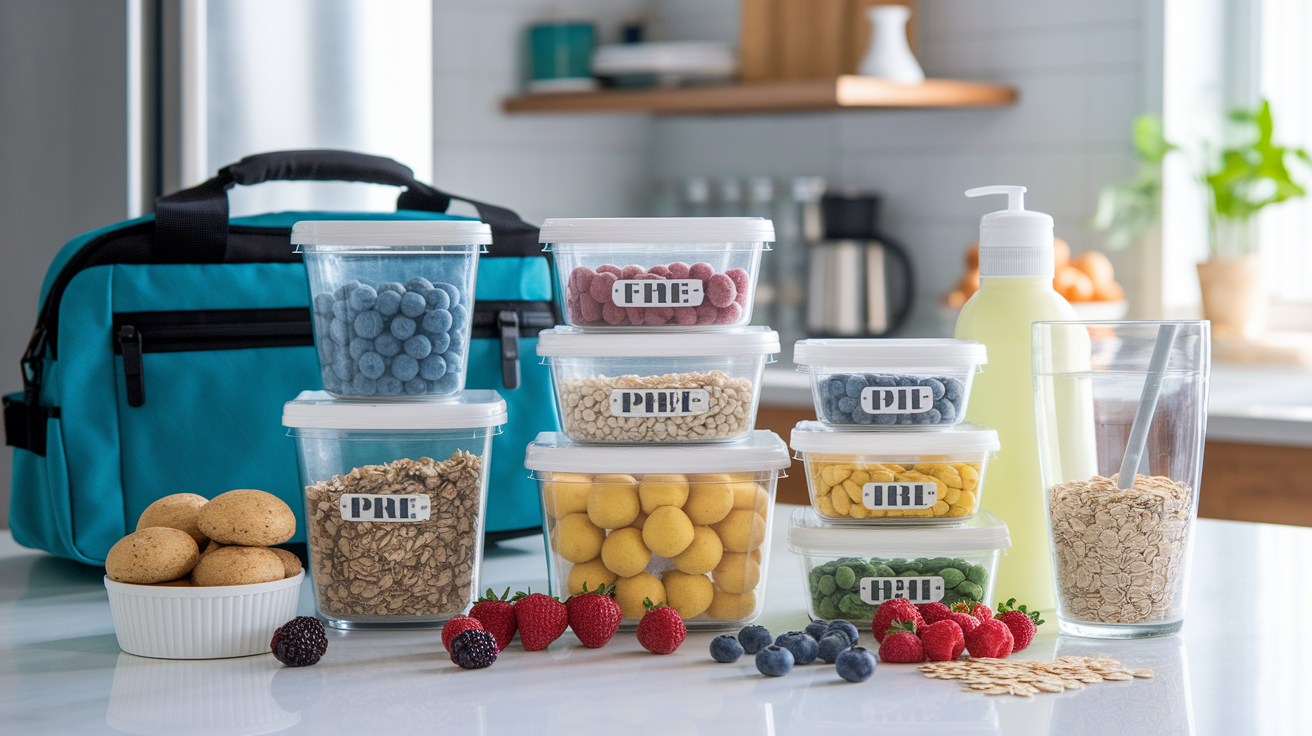
Protein powder recipes fit into daily routines without extra planning. Energy balls stay fresh in the fridge for 7 to 10 days, so you can make a batch on Sunday and grab two for a work snack all week. Baked goods like muffins or protein cookies last 5 to 7 days refrigerated or up to 3 months in the freezer. Wrap individually and pull one out the night before. Smoothies and smoothie bowls taste best fresh, but you can prep dry ingredients in bags and just add liquid when you’re ready.
Cost per serving usually falls between $0.75 and $3, depending on add-ins. A basic energy ball made with oats, peanut butter, and protein powder costs under $1 per ball. A protein pancake breakfast with berries and Greek yogurt runs about $2 to $2.50 per serving. That’s cheaper than a drive through protein box and gives you control over ingredients.
Meal timing matters if you’re tracking macros or training. Aim for 20 to 30 g protein post workout to support recovery. Protein pancakes, a smoothie bowl, or two protein bars all hit that range. For breakfast, 25 to 30 g keeps you full until lunch without needing a mid-morning snack. Pre workout snacks work best at 10 to 15 g so they digest quickly. Energy balls or a small mug cake fit that window.
Here are six ways to fit protein powder recipes into your week:
- Breakfast rotation – alternate protein pancakes, baked oatmeal, and smoothie bowls throughout the week
- Work snacks – pack energy balls or bars in your bag for mid-morning or afternoon fuel
- Pre workout fuel – eat 1 to 2 energy balls 30 to 60 minutes before training for quick energy
- Post workout recovery – blend a smoothie bowl or heat a protein muffin within an hour of finishing
- Freezer prep – bake a double batch of muffins or bars, freeze half, and rotate flavors weekly
- Family friendly options – protein pancakes and no-bake bars work for kids’ lunches without looking like “diet food”
If you meal prep, label containers with the date and protein content per serving. That way you know exactly what you’re eating and how it fits your daily target without doing math every morning.
Final Words
Turning a scoop into a bowl, pancake, energy ball, mug cake, or bar was the whole point. The post walked you through quick steps, portion cues, and simple swaps so you can actually make them.
You saw the pros and cons, and how whey, plant, and casein behave. There are easy fixes like adding liquid, checking bake time early, and storing or freezing snacks.
Use these protein powder recipes to hit your protein targets, save time with make-ahead snacks, and enjoy small, steady wins.
FAQ
Q: What can I make with my protein powder?
A: You can make smoothie bowls, pancakes, overnight oats, energy balls, mug cakes, and no‑bake bars with protein powder, each adding about 20–25 g protein per scoop for quick breakfasts, snacks, or desserts.
Q: Why do doctors say no to protein powder?
A: Doctors sometimes say no to protein powder because high intake can add extra calories, include additives or heavy minerals, interact with medications, or worsen kidney or thyroid issues if used without medical guidance.
Q: Which protein powder or shake is best for thyroid patients and for people on tirzepatide?
A: For thyroid patients and people on tirzepatide, choose a low‑sugar, high‑protein powder—whey isolate if tolerated, or a pea/rice blend if avoiding dairy—avoid added iodine or biotin, and check with your clinician.

