
Ever thought your plate could be your guide to smarter eating? Imagine a plate that’s divided into colorful sections: more than half is filled with fresh fruits and veggies, one quarter offers lean protein (like chicken or fish), and the rest is reserved for fiber-rich carbohydrates and healthy fats.
This way of eating is simple and practical. It gives your body steady energy, helps build strong muscles, and keeps you feeling full without any extra hassle. It’s like taking a well-planned path on a sunny day, a little step by step journey toward feeling great from the inside out.
Building Your Well Balanced Meals with the Balanced Plate Method
Imagine putting together a meal that's both tasty and smart, without getting bogged down in counting calories or the details of macros. The Balanced Plate Method does just that, it breaks your meal into simple, colorful sections that cover all the food groups you need. It's like having a handy visual map that guides you without any fuss.
Think about it this way: you fill half your plate with vibrant non-starchy fruits and vegetables that give you lots of vitamins, minerals, and fiber (fiber is what helps keep your digestion smooth). Then, scoop a quarter of your plate with lean protein to help build muscle and keep energy levels up. The last quarter is for fiber-rich carbohydrates and healthy fats, which provide steady energy throughout your day.
- 50% non-starchy fruits and vegetables – these are low in calories, full of fiber, and help keep your blood sugar steady
- 25% lean protein sources – great for muscle building, keeping you full, and giving your metabolism a little kick
- 25% fiber-rich carbs and healthy fats – they offer long-lasting energy and important fatty acids
You can tweak these portions based on what tastes good to you, how hungry you feel, or how active your day is. Maybe on a super busy day, you add a bit more energy-packed carbs, or on a slower day, a smidge more protein to help you recover. This method is all about flexibility and making sure every meal supports a balanced, healthy lifestyle while still tasting amazing.
Role of Essential Food Groups in Well Balanced Meals
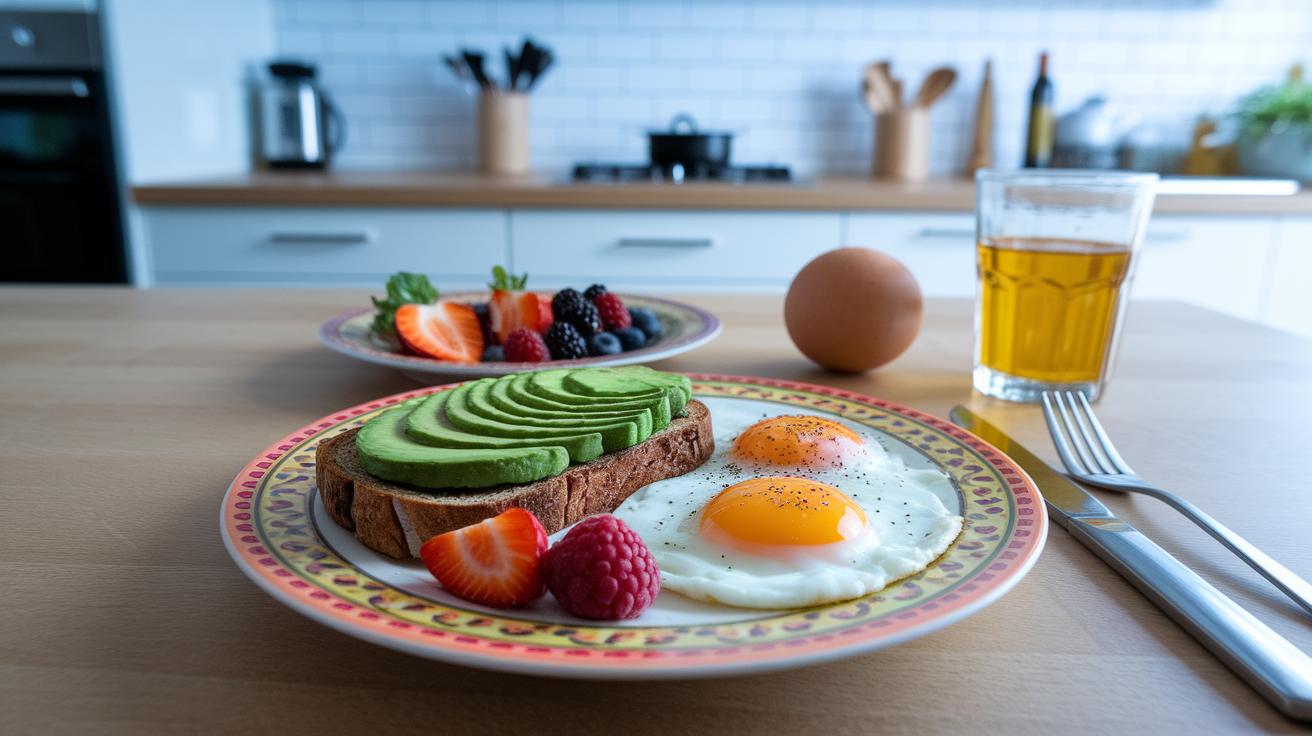
Lean proteins like chicken, fish, or beans are not only tasty but also help repair and strengthen muscles. They give you about 4 kcal per gram (a measure of energy) and boost the energy your body uses to digest food. This means you stay full longer while supporting your muscles.
Non-starchy fruits and vegetables, like leafy greens, berries, or bell peppers, help keep your blood sugar steady while offering a burst of vitamins, minerals, and fiber. Their crisp textures and refreshing flavors make every bite a small, joyful moment and help you stay energized throughout your day.
Whole grains such as brown rice or quinoa provide long-lasting energy from complex carbohydrates. And healthy fats from sources like avocado, nuts, or olive oil aid in nutrient absorption and add a satisfying fullness to your meals. When these groups come together, they create a balanced meal that fuels you for both activity and recovery.
9 Nutritional Harmony Recipes to Fill Your Plate
If you’re looking for meals that are smart, tasty, and keep your day balanced, these recipes are here to help. Each dish is built around whole, nourishing ingredients like eggs (a full protein boost), yogurt (for calcium that helps keep your bones strong), and avocado (rich in heart-healthy fats). And feel free to switch up the seasonings to suit your own taste.
For a bright breakfast, try these ideas:
- Oatmeal with Yogurt, Almonds, and Berries: Imagine a warm, inviting bowl with creamy yogurt, a pleasant crunch from almonds, and berries that add a tangy sweetness.
- Avocado Toast with Eggs and Orange: Enjoy the smooth, rich avocado teamed with protein-packed eggs and a spark of citrus brightness.
- Sausage Scramble with Potatoes: A hearty blend where lean sausage and comforting potatoes come together for a satisfying start.
Next, check out these creative midday ideas:
- Tuna Salad Pita: A simple, fresh meal featuring flaky tuna and crisp veggies snug inside a soft pita.
- Tofu and Brown Rice Bowl: A plant-based bowl where tender, marinated tofu meets nutty brown rice and a sprinkle of herbs for a burst of flavor.
- Protein Snack Plate: Perfect for on-the-go, this plate offers cheese slices, boiled eggs, and a handful of raw nuts to keep you energized.
Then, for dinner, explore these inspiring options:
- Pesto Chicken Pasta with Broccoli: Tender chicken and firm broccoli paired with a light pesto combine for a flavor-packed dish.
- Salmon Stir-Fry with Rice: A quick stir-fry featuring omega-rich salmon and vibrant vegetables served over steamed rice.
- Lentil and Sweet Potato Curry: A savory curry that warms your evening, loaded with hearty lentils and soft sweet potatoes.
If you’re looking for fresh twists or planning ahead, try swapping proteins based on what’s available. You can also batch-cook extra grains, proteins, or roasted veggies to mix and match throughout the week. This flexible approach makes it easy to enjoy new flavors every day without the stress of cooking from scratch.
Portion Control Techniques for Equilibrated Eating Practices
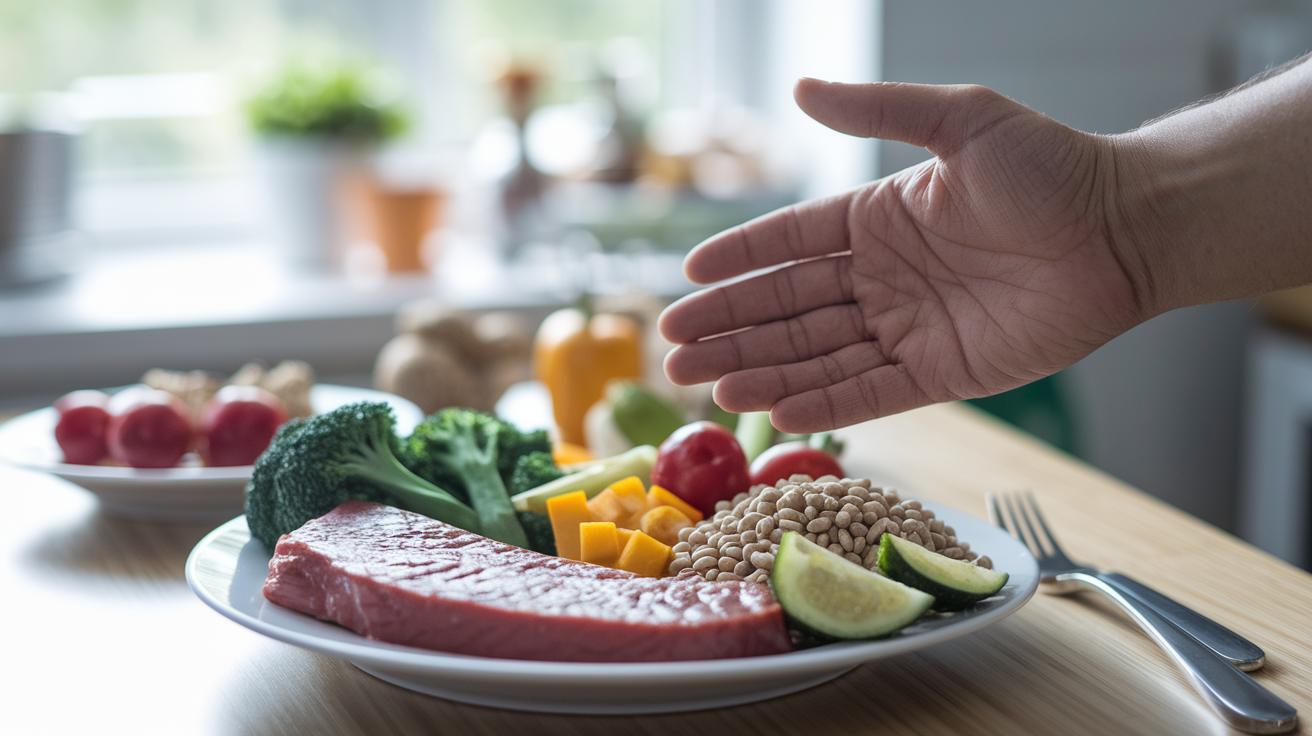
Measuring out your food with cups or a kitchen scale can really help you see the proper amount you need. But you can also use your hand as a simple guide, like a palm-sized portion for proteins or a fistful for veggies, which makes it easy to keep an eye on serving sizes.
Taking your time with each bite is super important too. Slow down, enjoy that refreshing flavor, and even try resting your fork between bites so you can really tune in to how you're feeling. It’s a friendly reminder to check in with your body as you eat.
A visual tool like the Balanced Plate can feel like a real lifesaver. Picture your plate divided into little sections that naturally signal balanced portions, no need to count every calorie. It’s an easy way to plan meals and ensure you’re nourishing your body right.
And remember to adjust your servings based on your activity level. On more active days, a slightly bigger portion might work well, whereas on quieter days, a little less might do the trick. Try different sizes until you find what makes you feel great, and listen to your hunger cues along the way.
Customizing Well Balanced Meals for Special Diets
If you're looking to give your meal a plant-based twist, try swapping out meat for tofu or legumes. These plant proteins bring a hearty punch of protein while adding unique textures and flavors, much like assembling a colorful puzzle on your plate.
For those who need to avoid gluten, consider using grains such as brown rice or buckwheat. These options serve as a solid, filling base, just like traditional grains, without the gluten. They also deliver fiber and important nutrients that sustain energy and satisfy hunger.
When planning meals to keep blood sugar steady, lean on high-fiber foods and lean proteins (foods that help build and repair your body without extra fat). A mix of beans or lean proteins with plenty of fresh vegetables offers a balanced, nourishing combo. For more insight, you might check out the type 2 diabetes self care guidelines available on that link.
If cholesterol is a concern, switching to plant-based spreads can bring a refreshing change. Avocado or nut-based spreads offer a creamy, satisfying alternative that also works to keep cholesterol levels in check.
To cut down on sodium without skimping on flavor, play around with herbs, a splash of citrus, or even a little vinegar. These ingredients brighten your dishes and bring a delightful zest to every bite while keeping your meals on the healthy side.
Meal Prep and Sustainable Eating Strategies for Daily Wholesome Dining
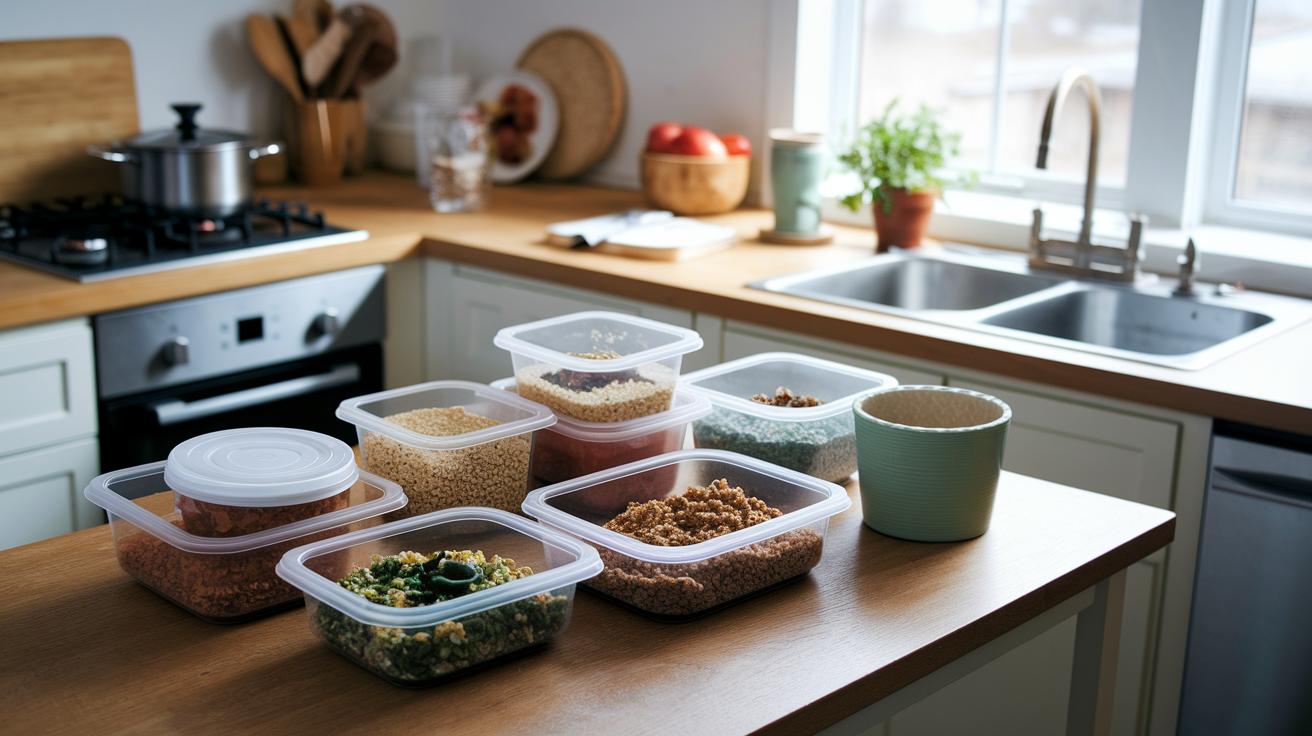
Batch cooking is like giving yourself a helpful boost for the week. Imagine spending a cozy afternoon preparing a hearty pot of quinoa (a nutrient-packed grain) and lean proteins, then filling up small, airtight containers. It's a simple trick that saves you time on busy days and keeps your food tasting fresh, similar to enjoying leftovers from a satisfying family dinner.
Relying on pantry staples can make whipping up a quick meal feel effortless. Think about a slow-cooker soup bubbling away with canned tomatoes, beans, and a blend of spices while you finish up other chores. This approach uses ingredients you probably already have, letting you create a warm, nourishing meal without the rush to hit the store.
Turning leftovers into a new dish adds a fun twist to your meals. Picture tossing roasted vegetables with a little olive oil over a crisp salad or mixing them into a speedy stir-fry. These creative ideas not only help reduce waste but also bring a burst of fresh flavor to your plate that’s both exciting and satisfying.
By choosing seasonal produce and ingredients that can be used in many dishes, you can cut down on food expenses while caring for the planet. This mindful method of dining not only benefits your wallet but also supports an eco-friendly lifestyle, making daily meals both wholesome and sustainable.
Optimizing Nutrient Planning and Energy Sustaining Meals
Planning your meals around your workouts can really help boost your performance. Have a light snack before your exercise, imagine enjoying a small bowl of yogurt with fruit, which gives you a nice mix of energy from carbs and muscle-supporting protein. Then, right after you crush your workout, a meal like chicken with quinoa not only helps your muscles recover but also keeps you energized for the rest of your day.
A super easy way to balance what you eat is by using the plate model. Picture your plate: half filled with your favorite fruits and veggies, and the other half split between lean proteins and fiber-rich carbs with a sprinkle of healthy fats. This simple visual keeps your meal planning on track and makes sure you get a good mix of everything your body needs while enjoying every bite.
Mixing the right foods together gives you that extra push of energy and helps you recover better. By eating every 3 to 4 hours, you can keep your blood sugar steady and your energy up all day. A mini-meal like a piece of fruit with a handful of nuts perfectly combines quick energy with protein, making it an ideal choice to support both your workout routine and everyday activities.
Infographic: Your Complete Nutrition Blueprint for Well Balanced Meals
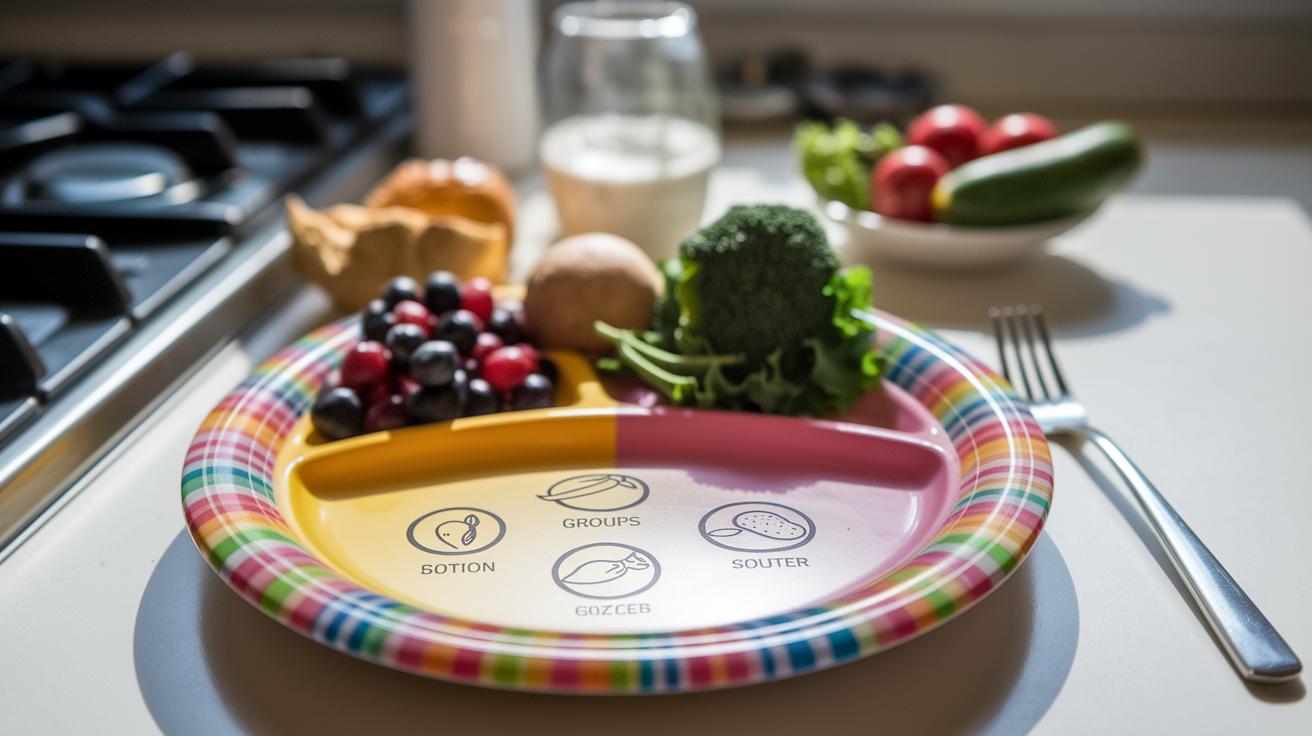
This handy one-page guide gives you a quick look at the Balanced Plate Method, making it perfect for anyone who wants to plan smart, yummy meals. It uses clear pictures and icons to show you simple nutrition tips in a fun way.
- Icons for each food group help you spot colors and types quickly
- Suggested portion sizes clearly mark sections of your plate
- Meal timing tips guide you on when to eat for steady energy
- Sample dish images spark ideas for creative cooking
- Easy-to-read labels match servings with their nutritional benefits
This visual guide takes the mystery out of healthy eating. Just one glance shows you how every food group plays a part in keeping your meals balanced and nourishing. It’s all about making good food choices part of your everyday routine.
Final Words
In the action, our guide showed you how to build colorful, nutritious plates using the Balanced Plate Method. We broke down food groups, shared creative recipe ideas, and offered portion control techniques that keep your plan easy to follow.
By adopting these simple steps and enjoying well balanced meals, you create a practical approach to healthy eating that adapts to your taste and activity levels. Embrace these tips and savor every bite as you fuel a vibrant life.
FAQ
What are well balanced meal recipes?
The well balanced meal recipes show how to combine fresh fruits, crisp vegetables, lean proteins, and fiber-rich grains to create wholesome dishes for breakfast, lunch, and dinner that support energy and overall well-being.
What is a perfectly balanced meal?
The perfectly balanced meal uses a simple ratio—50% fruits and vegetables, 25% lean protein, and 25% whole grains with healthy fats—to create a visually guided plate that fuels your body and satisfies hunger.
How can I plan a healthy diet for the week?
The healthy diet plan may involve using a weekly chart or food list to design meals that include all key food groups. This setup helps you enjoy varied meals each day for long-lasting energy.
How do you define a balanced diet with an example?
A balanced diet means eating a mix of food groups in proper portions. For example, a plate with crisp vegetables, a serving of lean protein, and whole grains demonstrates a simple, nourishing balance.
What is the #1 healthiest food in the world?
The #1 healthiest food is often considered to be leafy greens. They are packed with vitamins, minerals, and antioxidants that support energy levels, digestion, and overall health.

