
You don’t need an hour of stretching or an ice bath to fix morning soreness.
If you lift heavy and wake up stiff, two things happen, low circulation and dried-out tissues.
This quick 10-minute routine wakes your nervous system, moves blood into sore areas, and gives your muscles the protein and carbs they need.
It uses simple science like hydration, targeted mobility, light activation, and quick fueling.
Read on and learn the exact steps to reduce soreness, move better, and feel ready to train the rest of the day.
Quick Start: 10‑Minute Morning Recovery Routine (Don’t Bury the Lede)

You wake up sore. Hamstrings feel like guitar strings. Shoulders won’t lift past parallel. You want to stay in bed, but lying there just makes the stiffness worse. This 10‑minute sequence gets blood moving, wakes up your nervous system, and sets you up for better movement all day.
Here’s the routine:
-
Minute 0–2: Hydration and breathing – Drink 500–700 ml of water with a pinch of salt. Stand tall, breathe in through your nose for four counts, out through your mouth for six. Five rounds. Your tissues rehydrate and your nervous system gets the signal to wake up.
-
Minute 2–4: Hip and hamstring openers – Feet hip width. Step your right foot forward slightly, hips back, fold forward until you feel the stretch. Hold 20 seconds, switch legs. Twice per side. Blood flow kicks in within 30–90 seconds.
-
Minute 4–6: Thoracic and shoulder mobility – Hands behind your head. Rotate chest right, then left, hips stay still. 10–12 rotations each side. Then 10 arm circles forward, 10 backward.
-
Minute 6–8: Ankle and calf activation – Near a wall for balance. Rock forward onto your toes, hold two seconds, lower. 15 reps. Then 10 slow ankle circles per foot.
-
Minute 8–10: Protein and carb intake – Get 20–30 g protein and 25–40 g carbs in. Protein shake with a banana does the job. Eating right after waking helps replenish glycogen and starts muscle protein synthesis.
Do this before you check your phone. Takes less time than scrolling, and you’ll feel looser in minutes.
Benefits and Drawbacks of Common Morning Recovery Methods
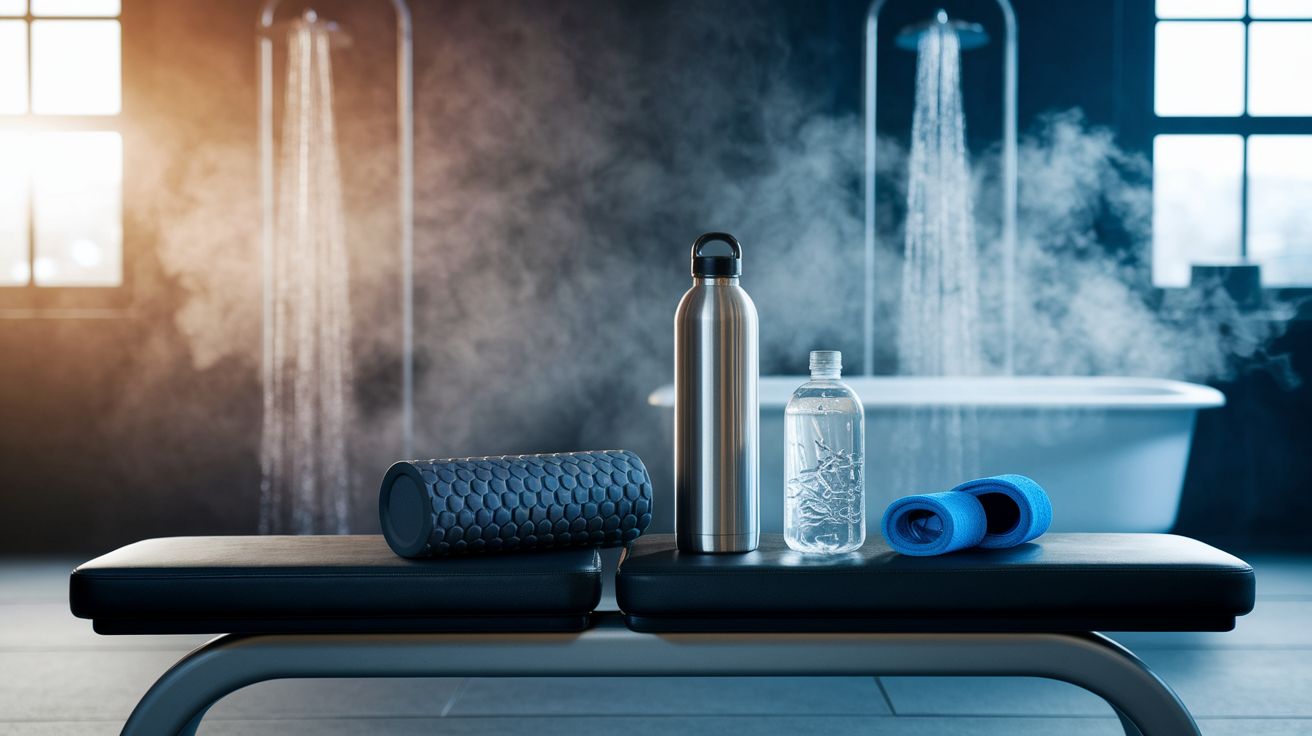
Most lifters throw static stretching, foam rolling, ice baths, and supplements into their morning without knowing what each one actually does. Some help. Others backfire if you use them wrong or at the wrong time.
What works:
Dynamic stretching increases blood flow and wakes up muscles without killing power output. Hydration right when you wake restores fluid you lost overnight and supports tissue repair. Light mobility drills improve joint range and reduce stiffness. Contrast showers boost circulation and may cut down on perceived soreness. Protein and carbs within 30 minutes support muscle protein synthesis and glycogen restoration.
What to watch:
Static stretching before training can drop power output by up to 5% if you hold it too long. Foam rolling only improves range temporarily, usually about 10 minutes. Cold exposure right after training may blunt hypertrophy by reducing the inflammation signals your body needs to adapt. Relying on supplements alone without fixing sleep, hydration, or nutrition won’t solve recovery. Overdoing mobility can lead to joint laxity and instability if you skip strength work.
Use each tool for what it’s meant to do.
Understanding Muscle Soreness and Fatigue

Delayed onset muscle soreness peaks 24–72 hours after training. Monday’s squat session makes Wednesday morning feel like you aged 20 years. The soreness comes from microtears in muscle fibers and the inflammation that follows. Your body’s repairing and rebuilding. The stiffness is just a side effect.
Morning stiffness is worse because you’ve been immobile for six to eight hours. Synovial fluid, the lubricant in your joints, doesn’t circulate much when you’re lying still. Muscles cool down, connective tissue tightens, inflammation pools in the areas you worked hardest. When you try to stand up, everything protests.
Main contributors to morning fatigue:
Reduced circulation. Blood flow slows overnight, so tissues don’t get as much oxygen or nutrient delivery.
Inflammation buildup. Byproducts of muscle repair accumulate in the damaged areas.
Nervous system lag. Your brain takes time to reconnect with muscle fibers after hours of inactivity.
Movement fixes most of this. You don’t need an hour of yoga. You just need to wake your body up.
Hydration and Electrolyte Optimization

You lose 300–500 ml of water overnight through breathing and sweating. Wake up dehydrated and your blood’s thicker, muscles are stiffer, nervous system is slower. Drinking water as soon as you get up restores fluid balance and helps your body start the repair process.
Electrolytes matter just as much as the water. Sodium and potassium regulate nerve conduction and muscle contraction. When those drop, you feel sluggish, weak, foggy. Lifters who train heavy need to replace what they sweat out, and that starts first thing in the morning.
Aim for 500–700 ml of water with electrolytes within 10 minutes of waking. If you sweat heavily or train in the heat, push closer to 700 ml.
Best sources of morning electrolytes:
A pinch of sea salt in your water, about 1/4 teaspoon gives you roughly 600 mg sodium. Coconut water provides potassium and small amounts of sodium. Electrolyte tablets or powders designed for athletes, look for 300–700 mg sodium per serving. Small glass of orange juice or a banana for potassium, about 400–450 mg per serving. Bone broth delivers sodium, potassium, and collagen in one shot.
Hydrate before coffee. Caffeine’s a diuretic, so if you drink it first, you’re starting the day even more dehydrated.
Morning Fueling: Protein and Carbohydrate Timing
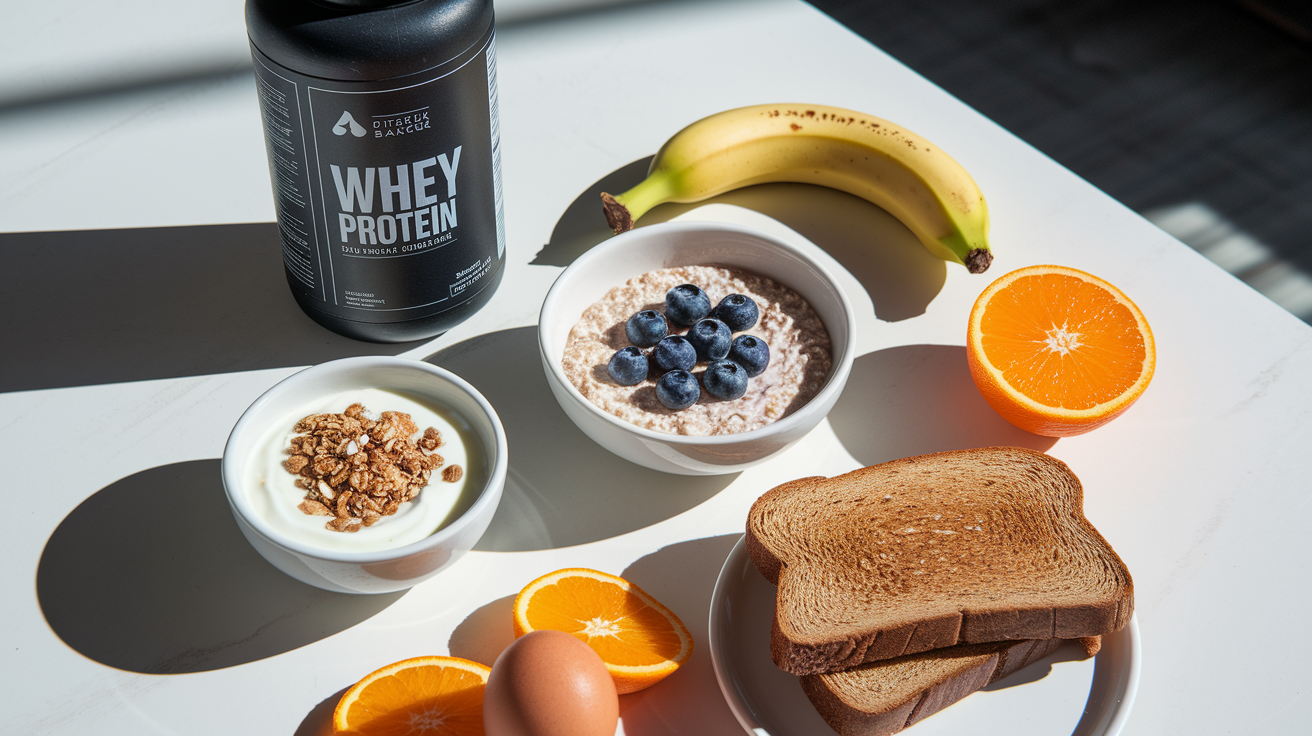
Your body spent the night repairing muscle tissue. That process slows down if you don’t refuel in the morning. Getting 20–30 g of protein within 30 minutes of waking stimulates muscle protein synthesis, the process that rebuilds and strengthens fibers. Pair it with 25–40 g of carbs to restore glycogen, the fuel your muscles use during training.
Eating early doesn’t just help recovery. It improves performance later in the day. Lifters who eat protein and carbs in the morning report better energy, less soreness, and improved training quality compared to those who skip breakfast or wait hours to eat.
Quick comparison of effective morning meals:
| Food | Protein (g) | Carbs (g) |
|---|---|---|
| 2 eggs + 1 cup oatmeal + banana | 18 | 55 |
| Protein shake (1 scoop whey) + medium apple | 25 | 30 |
| Greek yogurt (1 cup) + granola (1/2 cup) | 20 | 40 |
| 2 slices whole‑grain toast + 3 oz turkey + orange | 28 | 38 |
| Scrambled eggs (3) + sweet potato (1 medium) | 21 | 26 |
Keep it simple. You don’t need a gourmet breakfast. Just protein, carbs, and enough calories to support recovery without making you feel sluggish.
Mobility and Flexibility Work

Mobility drills reduce stiffness by increasing synovial fluid in your joints and waking up the nervous system. You’re not trying to stretch as far as possible. You’re trying to move blood into tissues and remind your body how to move through full ranges of motion.
Upper‑Body Mobility
Focus on shoulders, thoracic spine, and neck. These get tight from heavy pressing and pulling, and they mess up your posture if you leave them immobile.
Thoracic rotations. Hands behind your head, feet hip width. Rotate chest right, then left, hips stay still. 10–12 reps per side.
Shoulder circles. Arms out to the sides. Small circles forward for 10 reps, then backward for 10. Gradually make the circles bigger.
Neck tilts and turns. Tilt head right, hold five seconds, then tilt left. Turn to look over your right shoulder, hold, then turn left. Five times per direction.
Lower‑Body Mobility
Tight hips and hamstrings cause most of the problems lifters deal with in the morning. A few minutes of movement makes a huge difference when you sit, stand, or train later.
Hip circles. Stand on one leg, lift opposite knee to hip height, make slow circles with your knee. 10 circles clockwise, 10 counterclockwise, switch legs.
Walking lunges. Step forward into a lunge, drop back knee toward the ground, push back up. Alternate legs for 10–12 steps. Wakes up glutes, quads, hip flexors.
Ankle rocks. Stand near a wall for balance. Shift weight forward onto toes, hold two seconds, rock back onto heels. 15 reps.
Do this after hydration and before your meal. Joints will move easier and your nervous system will be primed for the day.
Foam Rolling and Self‑Myofascial Release

Foam rolling can increase range of motion for up to 10 minutes and helps reduce perceived soreness. Not a magic fix, but it breaks up tension in tissues and improves blood flow to areas that feel tight or knotted. The key is using it strategically, not as a 20‑minute pre‑workout ritual.
In the morning, keep it short. You’re trying to wake up tissues, not exhaust yourself. Roll for 1–2 minutes per area, moderate pressure. Hit a tender spot, hold there 10–15 seconds, then keep moving. You should feel relief, not pain.
Target these if you’re dealing with morning stiffness:
Quads. Lie face down, roller under your thighs, roll from just above knees to top of hips. Helps if your knees feel stiff or squats feel tight.
Hamstrings. Sit on the roller, hands behind you for support, roll from back of knees to just below glutes. Great for reducing tightness after heavy deadlifts.
Glutes. Sit on roller, cross one ankle over opposite knee, lean into the glute of the crossed leg. Roll slowly. Tight glutes pull on your lower back and hips.
Lats. Lie on your side, arm overhead, roller under your armpit. Roll from armpit down toward mid‑back. Opens up shoulders and improves overhead positioning.
Thoracic spine. Lie on back, roller under mid‑back, gently roll up and down. Keep core engaged so you don’t hyperextend your lower back.
Foam rolling works best after hydration and before dynamic stretching. Primes your muscles to move better.
Supplements That Support Morning Recovery
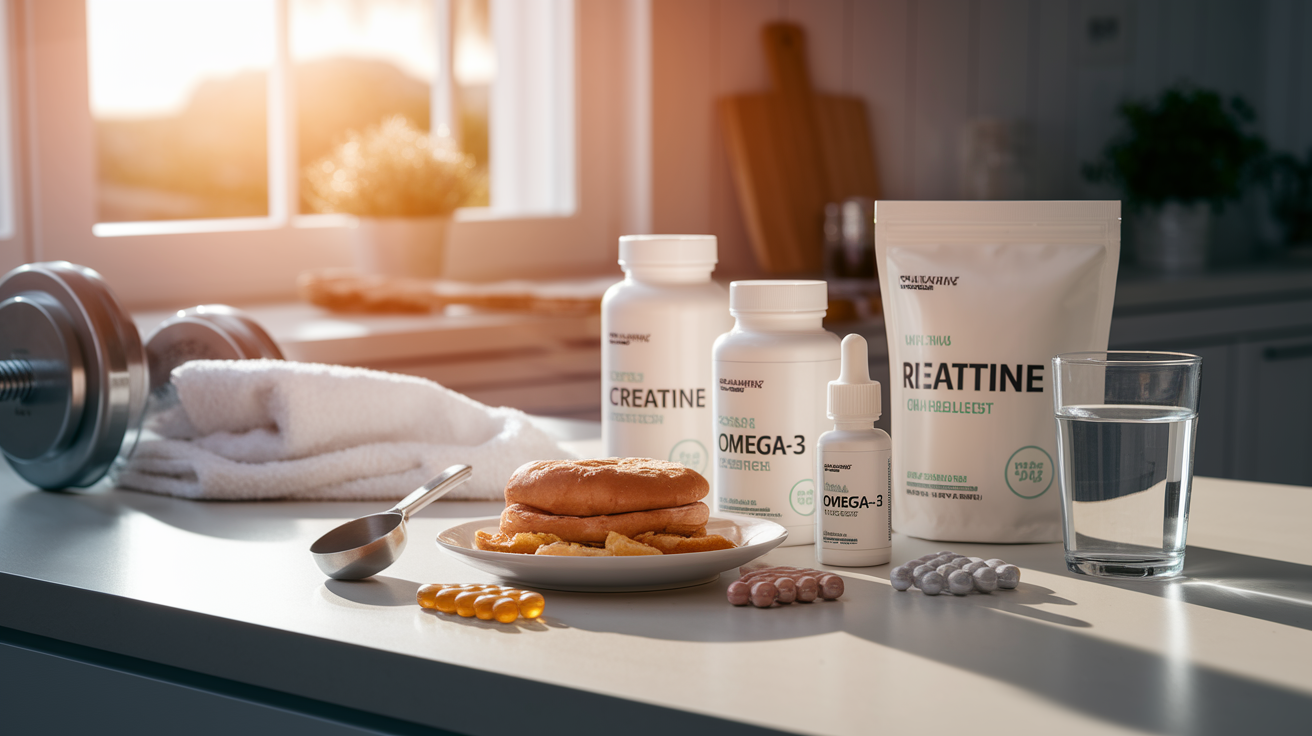
Supplements don’t replace sleep, hydration, or food. But if you’re already doing the basics, a few targeted supplements can support faster recovery and reduce morning soreness.
Ones backed by evidence:
Creatine (5 g daily). Supports ATP regeneration, helps your muscles recover energy stores faster. Take it in the morning with your first meal for consistency.
Magnesium (300–400 mg before bed). Aids muscle relaxation and reduces cramping. If you wake up with tight calves or stiff hips, magnesium may help.
Omega‑3 (1–3 g EPA+DHA daily). Reduces systemic inflammation and may lower perceived soreness after heavy training. Take with food to improve absorption.
Vitamin D (2,000–4,000 IU daily). Supports muscle function and immune health. Deficiency’s common in lifters who train indoors and can worsen fatigue.
Electrolyte powder (300–700 mg sodium per serving). Restores sodium, potassium, and magnesium lost overnight and improves morning performance.
Timing matters. Creatine and electrolytes work best in the morning. Magnesium before bed. Omega‑3 and vitamin D with a meal any time. Don’t take everything at once. Spread them out based on when your body needs them most. And if you’re on medication or have health conditions, check with a provider before adding anything new.
Assessing Sleep Quality for Better Recovery

Deep sleep is when most tissue repair happens. If you’re waking up sore, stiff, and groggy even after eight hours in bed, your sleep quality might be the problem. Sleep cycles run in 90‑minute blocks. Each cycle moves through light sleep, deep sleep, and REM. Miss too much deep sleep or REM, and your body doesn’t finish the repair work it started.
Poor sleep increases perceived fatigue, slows muscle protein synthesis, and reduces your ability to handle training volume. One bad night won’t ruin your progress. A week of bad nights will. Tracking your sleep helps you find patterns and fix problems before they compound.
You don’t need an expensive device. Just pay attention to these:
How long it takes to fall asleep. If it’s more than 20 minutes most nights, you’re either overstimulated or not tired enough. Try dimming lights an hour before bed and limiting screens.
How many times you wake up. Waking once or twice is normal. Four or five times means something’s off. Temperature, noise, stress, or blood sugar swings.
How you feel when you first open your eyes. If you feel heavy, foggy, or like you didn’t sleep at all, you likely spent too much time in light sleep and not enough in deep sleep.
Whether soreness feels better or worse than the night before. If soreness increases overnight, your body isn’t recovering. Check sleep duration, meal timing, and stress levels.
Adjust based on what you find. Go to bed 30 minutes earlier if you’re not getting seven to nine hours. Lower room temperature if you wake up hot. Eat a small protein and carb snack before bed if you wake up hungry or shaky.
Contrast Showers and Thermal Strategies

Alternating between hot and cold water increases circulation, reduces inflammation, and helps flush metabolic waste from tissues. Heat opens blood vessels and improves tissue elasticity. Cold constricts them and reduces swelling. When you alternate, you create a pump effect that moves fresh blood in and stale blood out.
How to Perform a Contrast Shower
Start with warm water to relax muscles and open blood vessels. Then:
-
Hot phase (60–90 seconds). Turn water as hot as you can tolerate without burning. Focus the stream on sore areas like back, shoulders, or legs.
-
Cold phase (30–60 seconds). Turn water as cold as it goes. Stay under it even though it’s uncomfortable. Breathe slowly and steadily.
-
Repeat 3–6 cycles. Alternate hot and cold, always end on cold. Final cold phase helps reduce lingering inflammation.
-
Dry off and move. Don’t sit down right away. Walk around, do light stretches, or start your mobility routine while your body’s still warm.
Contrast showers work best in the morning after heavy training days. They wake you up, reduce stiffness, and make movement feel easier right away.
Avoid cold exposure immediately after your workout. Cold blunts the inflammation signals your body uses to adapt and grow. If you want to use cold therapy, wait at least three to four hours post‑training, or save it for the next morning when the goal is symptom relief, not adaptation.
Managing Morning Inflammation
Inflammation spikes after heavy training. It’s part of the repair process, but too much makes you feel stiff, achy, and slow. Certain foods, movements, and habits reduce symptoms without interfering with adaptation.
You can’t eliminate inflammation. Just keep it from piling up. Here’s how:
Move within 10 minutes of waking. Light movement increases circulation and helps clear metabolic waste that pools overnight. Even five minutes of walking or stretching makes a difference.
Eat anti‑inflammatory foods at breakfast. Berries, fatty fish, leafy greens, and nuts all contain compounds that reduce inflammatory markers. Handful of blueberries in your oatmeal or a salmon omelet works.
Avoid high‑sugar meals early in the day. Sugar causes insulin spikes that can worsen systemic inflammation. Save high‑carb meals for around training when your body uses them for fuel.
Use omega‑3 supplementation. 1–3 g of EPA+DHA daily reduces inflammation and may lower soreness without blunting muscle growth.
Ice targeted areas only if swelling is present. Ice reduces swelling, but it also slows the repair process. Use it only on joints or areas with visible swelling, not on sore muscles.
If you’re consistently waking up with joint pain, stiffness, or swelling that doesn’t improve with movement, your training volume might be too high or your recovery inputs might be too low. Adjust your program before adding more supplements or therapies.
Routine Adjustments for Heavy‑Training Days vs Rest Days
Your morning routine should match your training load. Heavy days require more aggressive recovery inputs. Rest days benefit from lighter, less structured movement.
Heavy Training Morning Routine
You trained hard yesterday. You’re sore. Nervous system’s still fatigued. This routine prioritizes refueling and preparing your body for another session.
Hydrate immediately. 500–700 ml of water with electrolytes within five minutes of waking.
Foam roll for 5–7 minutes. Target quads, hamstrings, glutes, and lats. Moderate pressure, hold tender spots 10–15 seconds.
Dynamic stretching for 8–10 minutes. Hip openers, thoracic rotations, ankle rocks, shoulder circles. Move through full ranges without forcing anything.
Eat a higher‑carb breakfast. 30–40 g protein, 40–60 g carbs. Your body needs fuel to recover and perform later in the day.
Contrast shower for 6–10 minutes. 3–6 cycles of hot and cold to reduce stiffness and boost circulation.
Rest Day Morning Routine
You’re not training today. Your body needs movement, but it doesn’t need intense inputs. This routine prioritizes mobility, blood flow, and relaxation.
Hydrate with 500 ml of water. No need for heavy electrolyte loading unless you sweat heavily overnight.
Light mobility for 10 minutes. Focus on joints that feel tight. Slow, controlled movements. No forcing.
Walk for 15–20 minutes. Outside if possible. Light movement supports recovery without adding stress.
Eat a moderate‑carb breakfast. 20–30 g protein, 25–35 g carbs. Enough to support tissue repair without overloading.
Skip the contrast shower. Rest days don’t need aggressive recovery inputs. Warm shower’s fine if you want one.
Adjust based on how you feel. Wake up on a rest day feeling stiff and heavy, borrow a few inputs from the heavy‑day routine. Wake up after a hard session feeling fresh, you can dial back the intensity.
Final Words
Start your morning with the 10-minute routine: hydrate, dynamic stretches, quick mobility, and a 20–30g protein plus carbs snack.
We covered pros and cons of recovery tools, why morning soreness happens, hydration and electrolyte targets, and when to use foam rolling or contrast showers.
You also got practical fixes: sleep checks, smart supplements, and two versions of the routine for heavy-training mornings and rest days.
Treat this morning recovery routine for lifters as a simple template. Use it most days, tweak for heavy sessions, and log what helps. You’ll feel better and recover faster.
FAQ
Q: What is the 3 3 3 rule for lifting?
A: The 3-3-3 rule for lifting is a simple strength template: perform three sets of three heavy reps on main compound lifts, rest fully between sets, and add small weight once you hit all reps.
Q: Can you build muscle lifting in the morning?
A: You can build muscle lifting in the morning. Consistent progressive overload, enough sleep, and eating about 20–30g protein within 30 minutes after training keep growth on track.
Q: What is the 30 30 30 morning routine?
A: The 30-30-30 morning routine splits the first 90 minutes into three 30-minute blocks: movement and hydration, a focused priority task, then light recovery or planning to boost energy and clarity.

