
What if recovery was a team effort, not a solo fight?
Too often you jump from surgeon to therapist to primary care and no one is on the same page.
Recovery health bundles follow-up, rehab, nutrition, sleep, mental health, and behavior support into one plan that actually communicates.
The benefit: fewer complications, faster tissue repair, steadier mood, and less juggling for you.
Read on to learn simple, evidence-based steps you can use today: nutrition, sleep, graded movement, medication check-ins, and coordinated care that speed healing and keep progress steady.
Defining Recovery Health Across Physical, Mental, and Behavioral Healing

Recovery health is medical care built to help you heal after surgery, injury, illness, addiction, or a mental health crisis. It bundles medical follow-up, rehab coordination, nutrition planning, mental health counseling, and behavioral support into one system that actually talks to itself. You’re not ping-ponging between specialists anymore. You’ve got a care team tracking your progress, tweaking medications, catching setbacks early, and making sure your surgeon, therapist, and primary doctor are all looking at the same page.
These programs tackle the whole picture. Your body’s repairing tissue, your mind’s rebuilding resilience, and your daily habits are deciding whether you bounce back or stay stuck. Services include telecare check-ins, post-surgical prep, chronic disease management, dual treatment for substance use and mental illness, physical therapy coordination, and recovery coaching. Managing diabetes after a heart procedure? Rebuilding strength after a knee replacement? Staying sober while treating depression? Recovery health treats all those pieces as connected, not separate appointments you have to juggle alone.
Core recovery health categories:
- Post-surgery recovery handles wound care, pain management, mobility milestones, infection monitoring, and complication prevention
- Physical rehabilitation restores movement, strength, and function after injury, fracture, or stroke
- Chronic disease management covers diabetes, heart disease, kidney disease, and lung conditions that need ongoing medication, diet, and activity adjustments
- Substance use disorder recovery combines medication-assisted treatment, counseling, peer support, and relapse prevention
- Mental health recovery includes therapy, medication management, crisis planning, and daily coping strategies for depression, anxiety, PTSD, or bipolar disorder
- Co-occurring care treats both mental illness and substance use together, because splitting them doesn’t work
Recovery health isn’t passive. It’s an active care plan with scheduled follow-ups, measurable goals, and the tools you need to keep improving week by week.
Mechanisms Behind Effective Recovery Health Support
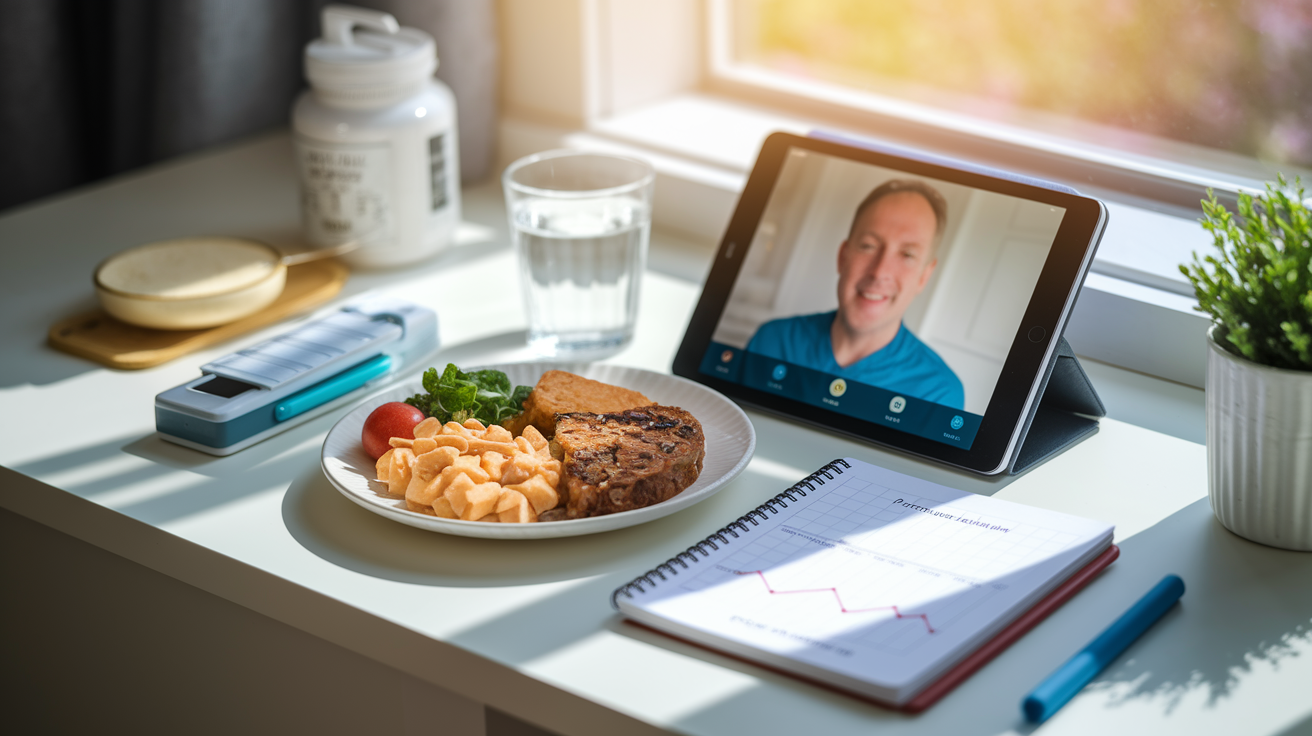
Recovery runs on biology, behavior, and consistent follow-up. Tissue repairs itself when you eat enough protein, sleep seven to nine hours, and avoid infections. Mental resilience rebuilds when you practice coping skills, take prescribed medications consistently, and talk through setbacks with a therapist or coach. Physical function returns when you move a little more each week without overloading injured tissue. Recovery health programs structure all of that so you don’t have to figure it out alone.
Care coordination keeps everything running. Your recovery team shares your treatment plan with your surgeon, primary care provider, and therapist so everyone’s monitoring the same stuff: wound healing, pain levels, lab values, medication adherence, mood stability, relapse triggers. Telecare lets you check in from home, report symptoms early, and adjust plans before small problems turn into hospital trips. Surgical optimization programs prep your body before an operation by improving nutrition, fitness, and glucose control. Research shows this cuts complications and shortens hospital stays.
Recovery also depends on practical supports. Peer recovery coaching gives you lived-experience guidance for managing addiction or mental illness. Occupational therapy teaches you how to dress or cook with limited mobility. Physical therapy rebuilds strength without re-injury. Pain management combines medication, ice, heat, and graded activity instead of just hoping the pain disappears. When those pieces work together, healing speeds up and setbacks shrink.
| Mechanism | How It Supports Recovery |
|---|---|
| Nutrition optimization | Provides protein, vitamins, and calories needed for tissue repair, immune function, and energy. |
| Sleep and circadian rhythm | Drives growth hormone release, memory consolidation, and inflammation control during deep sleep cycles. |
| Graded exercise and movement | Stimulates blood flow, prevents muscle atrophy, and gradually restores function without overloading healing tissue. |
| Medication management | Controls pain, infection, blood sugar, mood symptoms, and withdrawal to keep recovery on track. |
| Peer support and coaching | Reduces isolation, normalizes setbacks, and models coping strategies from someone who has lived through similar challenges. |
Types of Recovery Health Pathways
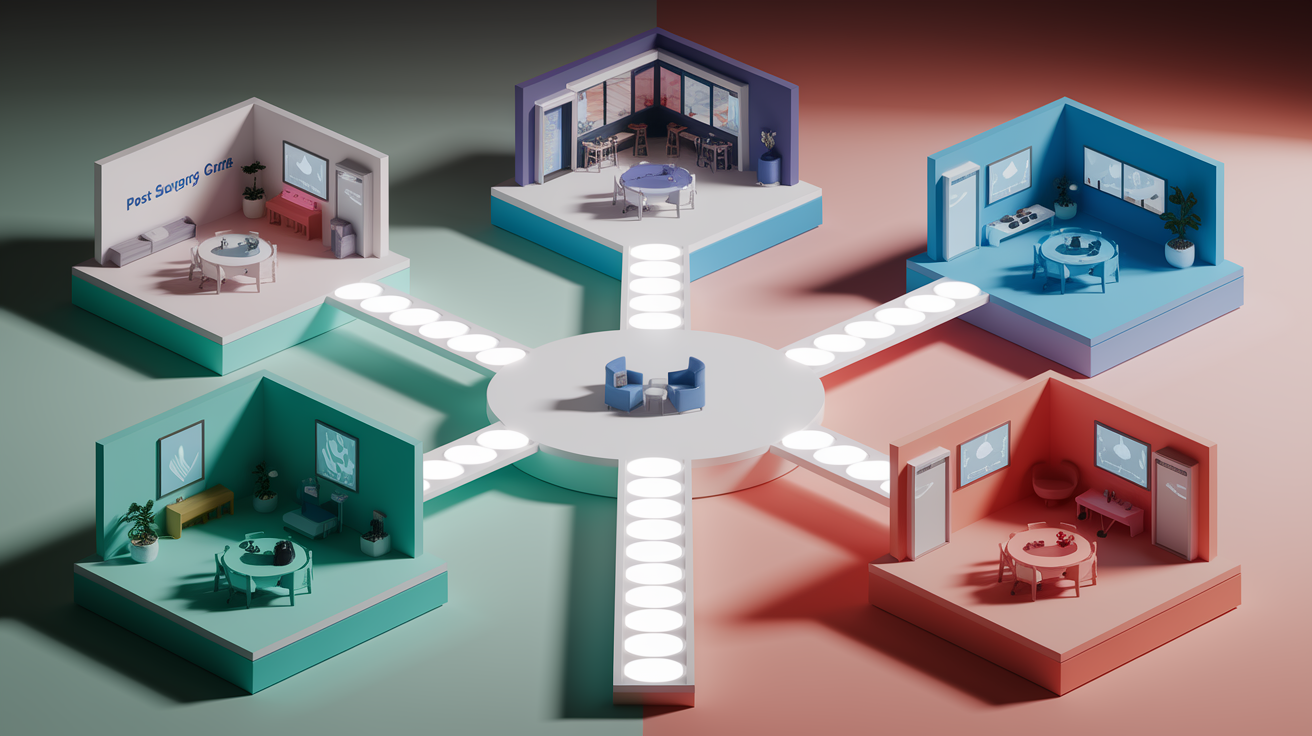
Recovery health isn’t one-size-fits-all. Your path depends on what you’re recovering from, how long it’ll take, and which services you need most. Some people heal from a single event, like surgery or a broken bone. Others manage ongoing conditions like diabetes or depression that need long-term support. And plenty of people juggle more than one recovery at once.
Post-Surgery Recovery
Post-surgery recovery focuses on wound healing, pain control, infection prevention, and hitting movement milestones. Your care team tracks incision closure, drain output, swelling, fever, and mobility markers like standing, walking, and stair climbing. Surgical optimization programs get you ready before the operation with better nutrition, weight management, glucose control, and smoking cessation. Studies show this can cut complication rates by 20 to 30 percent. After surgery, you follow a structured rehab plan with physical therapy, nutritional support, and regular check-ins to catch problems early.
Injury & Physical Rehab
Injury recovery rebuilds function after fractures, sprains, ligament tears, or traumatic accidents. Physical and occupational therapy walk you through progressive loading. You start with range-of-motion exercises, then add resistance, then functional movements like squatting or reaching overhead. Timelines vary. A simple ankle sprain might take four to eight weeks. A rotator cuff repair can need six months. Your therapist adjusts volume and intensity based on pain, swelling, and strength tests at each visit.
Chronic Disease Recovery
Chronic disease management is ongoing recovery. If you’ve got diabetes, heart disease, kidney disease, or lung disease, your care plan includes medication adjustments, lab monitoring, nutrition counseling, and exercise prescriptions tailored to your condition. Recovery here means stabilizing blood sugar, lowering blood pressure, preventing flare-ups, and slowing disease progression so you stay out of the hospital and keep doing what matters to you. Recovery Health Primary Care models combine office visits and telecare to track trends and step in before crises.
Substance Use Disorder Recovery
Addiction recovery treats substance use as a chronic brain disease, not a character flaw. Programs combine medication-assisted treatment (like buprenorphine or naltrexone), individual and group counseling, peer recovery coaching, and relapse-prevention planning. Early recovery (first three months) focuses on detox safety, stabilizing housing and routines, learning coping skills, and building a support network. Medium-term recovery (three to twelve months) works on triggers, relationships, employment, and sustained abstinence. Long-term recovery is about identity, purpose, and maintenance. Co-occurring programs treat substance use and mental illness together because treating just one leaves the other untreated, which drives relapse.
Mental Health Recovery
Mental health recovery rebuilds emotional stability, daily function, and quality of life after depression, anxiety, PTSD, bipolar disorder, or psychosis. Treatment includes psychotherapy (like cognitive-behavioral or trauma-focused therapy), medication management, crisis planning, sleep and activity routines, and social support. Recovery isn’t “cured.” It’s managing symptoms, recognizing warning signs, and having a plan when things get hard. Recovery coaches with lived mental health experience provide peer support, helping you set goals, navigate systems, and stay connected when isolation tries to pull you back.
All these pathways overlap. Recovering from surgery and managing diabetes? Your nutrition plan addresses both wound healing and glucose control. Sober and dealing with depression? Your therapist and recovery coach work as a team. Recovery health connects the dots so you don’t have to manage five separate problems in five separate places.
Real-World Examples of Recovery Health Programs in Action

A 52-year-old man scheduled for knee replacement enrolled in a surgical optimization program eight weeks before his operation. His care team included a primary care doctor, a registered dietitian, and a physical therapist. He lost 12 pounds through a personalized daily nutrition plan, started low-impact strength exercises to prep his legs, and learned pain management strategies and post-op movement cues. His surgeon got progress updates and adjusted the surgical timeline when the patient’s blood sugar stabilized. After surgery, his hospital stay was one day shorter than average, his pain scores were lower, and he hit his mobility milestones a week ahead of schedule. RecoverHealth: Optimize Your Surgical Results programs use this model to reduce complications and speed recovery.
A 29-year-old woman with co-occurring opioid use disorder and major depression worked with a one-on-one recovery coach for six months. Her coach had lived experience with addiction and mental illness, which helped the woman feel understood instead of judged. They met twice a week in her apartment and community spaces, practiced coping strategies for cravings and low mood, set small weekly goals like attending a support group or cooking one healthy meal, and coordinated with her prescriber and therapist. Over time, she regained contact with her sister, started part-time work, and reported feeling “like a person again, not just a diagnosis.”
A 67-year-old man recovering from a minor stroke got telecare check-ins every two weeks for three months. His primary care team monitored blood pressure, medication adherence, speech clarity, and arm strength remotely. When he reported new dizziness, his doctor adjusted his blood pressure medication the same day, preventing a fall. Physical and occupational therapy taught him adapted techniques for dressing and cooking with limited right-hand dexterity. By month four, he was independent at home and attending a weekly stroke support group.
Common features of successful recovery health programs:
- Personalized care plans built around your specific condition, timeline, and life context
- Care coordination so your providers share one plan and adjust it together
- Telecare and remote monitoring to catch problems early without extra office trips
- Peer support or recovery coaching from someone who has walked a similar path
Benefits and Limitations of Recovery Health Approaches

Recovery health programs deliver measurable results when they’re structured, personalized, and coordinated. People who go through surgical optimization have fewer infections, shorter hospital stays, and faster returns to work. Patients in co-occurring SUD and mental illness programs show higher rates of sustained abstinence, improved mood stability, and restored family relationships compared to those who get fragmented care. Physical rehab programs prevent chronic pain and long-term disability by guiding safe, progressive exercise. Telecare models increase access for people in rural areas, reduce transportation barriers, and allow real-time medication adjustments that prevent crises.
Quality of life improvements go beyond clinical numbers. Recovery health helps you regain employment, rebuild relationships, restore independence in daily activities, and reclaim personal dignity after illness or addiction has stripped those away. When your care team treats you as a whole person, not just a diagnosis, you’re more likely to stick with the plan, report setbacks honestly, and ask for help before small problems snowball.
Strengths of recovery health models:
- Evidence-based interventions like graded exercise, nutrition optimization, and medication management that research shows work
- Treating physical, mental, behavioral, and social factors together instead of separately
- Care coordination that reduces duplication, gaps, and conflicting advice
- Peer support that normalizes struggles and models real-world coping
- Telecare access that meets you where you are
Limitations exist. Access barriers remain. Not all communities have recovery coaches, rehab therapists, or integrated behavioral health. Insurance coverage is inconsistent. Some payers cover telecare and dietitians, others don’t. Cost information is often unclear, especially for newer programs like surgical optimization or peer recovery coaching. Program structures vary widely, so quality depends on the provider. If your care team doesn’t communicate well or your coach isn’t trained properly, coordination breaks down and you’re back to managing pieces yourself.
Common Misconceptions About Recovery Health

People often assume recovery follows a straight line. You get treatment, time passes, you’re healed. Real recovery is messy. You make progress, hit setbacks, adjust the plan, and keep going. A bad week doesn’t mean failure. It means you need a tweak, not a total restart. Recovery timelines vary based on your condition, age, support system, and how consistently you follow the plan. Comparing your week three to someone else’s week three wastes energy.
Another misconception is that substance use and mental illness are personal failures instead of brain diseases. Recovery Health Solutions and similar providers frame SUD and mental illness as chronic medical conditions that respond to treatment, medication, therapy, and lifestyle changes, just like diabetes or heart disease. Shame and stigma keep people from asking for help. Non-judgmental, peer-informed models work because they treat you as capable, not broken.
Telecare is often misunderstood as “less real” than in-person care. Telecare enables more frequent check-ins, faster adjustments, and better access for people who can’t take time off work or don’t have reliable transportation. It’s not a replacement for all visits, but it’s a practical tool that keeps you connected between office appointments.
Misconceptions to clear up:
- “Recovery is the same for everyone.” It’s not. Your plan depends on your condition, timeline, resources, and goals.
- “If you relapse or have a setback, you failed.” Setbacks are normal. Recovery is about getting back on track, not perfection.
- “Telecare is just video calls with no real help.” Telecare includes medication management, symptom monitoring, care coordination, and crisis intervention.
- “You only need recovery health if you’re severely ill.” Prevention and early intervention work better than waiting until things fall apart. Prehab and optimization are recovery health too.
Practical Recovery Health Strategies for Everyday Life
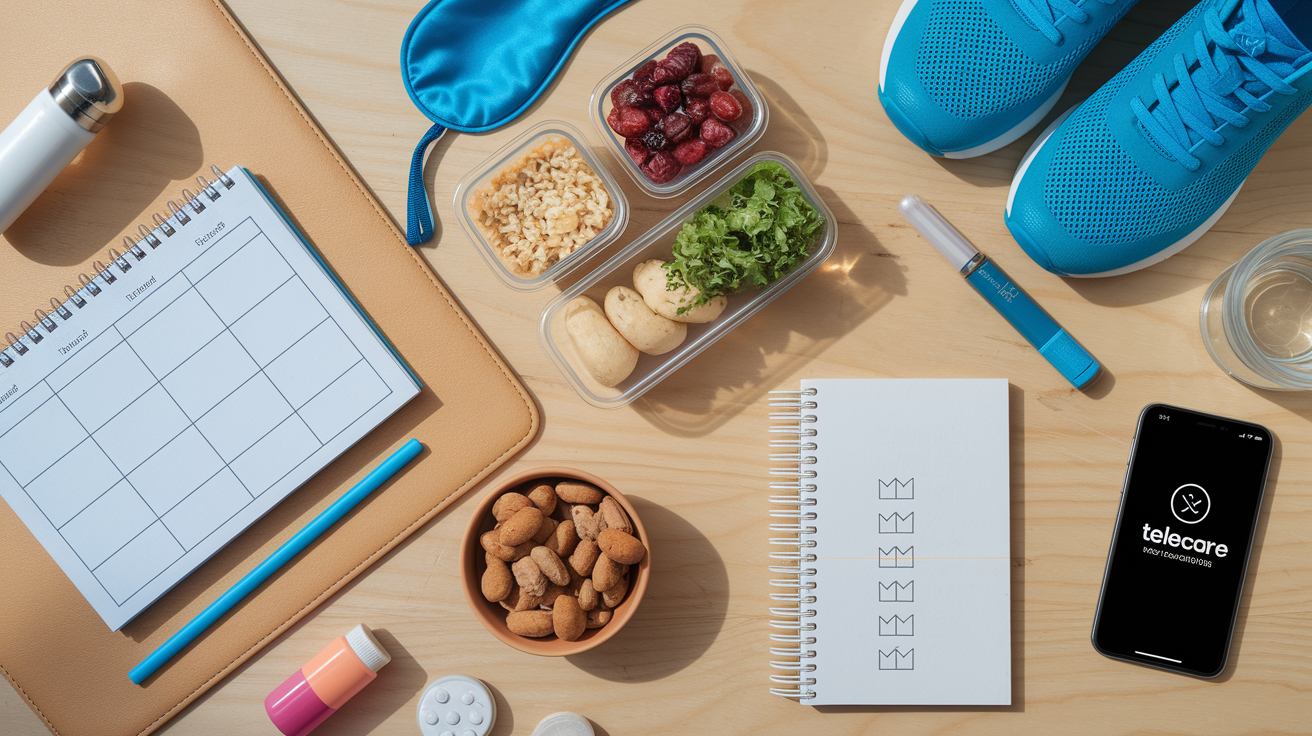
Start with a simple daily structure. Wake up and go to bed at the same time every day, even weekends. Eat three meals with protein at each one, like eggs, chicken, beans, or Greek yogurt. Drink water throughout the day. Aim for half your body weight in ounces. Sleep seven to nine hours in a cool, dark room without screens for the last hour. These basics drive tissue repair, hormone balance, mood stability, and energy more than any supplement.
Move a little every day, but respect your limits. Recovering from surgery or injury? Follow your physical therapist’s plan exactly. Managing chronic disease or mental health? Start with ten-minute walks and add five minutes each week. Graded activity means doing a bit more when you’re ready, not pushing through pain or exhaustion. Rest days are part of the plan. Active recovery, like stretching or gentle yoga, keeps blood flowing without overloading healing tissue.
Build coping strategies for hard days. Keep a list of three people you can text when cravings, pain, or low mood hit. Practice one grounding technique, like box breathing (inhale four counts, hold four, exhale four, hold four) or naming five things you see, four you hear, three you touch, two you smell, one you taste. Use your Recovery Telecare access to report symptoms early, not after they spiral. Catching a problem at day two is easier than managing it at week two.
Practical recovery steps to use every week:
- Track one metric daily. Pain level (0-10), mood (0-10), steps, sleep hours, or medication adherence. Write it down or use a phone app.
- Prep one recovery-friendly meal each Sunday. A big batch of grilled chicken, roasted vegetables, and rice you can portion and reheat all week.
- Schedule movement and rest. Mark your therapy exercises, walks, and rest days on a calendar so they’re non-negotiable.
- Check in with your care team weekly. Even a two-minute telecare message keeps you accountable and lets them adjust your plan.
- Practice one coping skill when stress is low. Don’t wait for a crisis to try grounding techniques. Build the habit when it’s easy.
- Celebrate small wins. Walking an extra block, sleeping through the night, or staying sober another day all count. Write them down.
- Ask for help before you need it. Reach out to your coach, therapist, or support group when you feel yourself slipping, not after you’ve already fallen.
Final Words
We mapped recovery health across medical, physical, mental, and behavioral needs, then explained how therapy, nutrition, sleep, telecare, and coaching speed healing.
You saw common pathways: post-surgery, injury, chronic disease, addiction, and mental health, plus real-world examples, benefits and limits, and myths to watch for.
Practical steps tie it together: pacing, nutrition, telecare access, and relapse planning. Use these next steps this week to build steady progress in recovery health. Small, consistent moves add up.
FAQ
Q: What is the meaning of recovery health?
A: The meaning of recovery health is a whole-person approach that covers medical, physical, mental, and behavioral healing, including primary care, telecare, rehab, nutrition, surgical optimization, recovery coaching, and SUD/mental health support.
Q: What should I do for recovery?
A: For recovery, you should follow your care plan: rest, graded rehab exercises, prioritize protein and hydration, improve sleep, manage pain, use telecare check-ins, and ask for recovery coaching or medication adjustments as needed.
Q: What is a recovery group?
A: A recovery group is a peer or clinician-led support meeting where people share goals, coping skills, accountability, education, and encouragement; it can be in-person or virtual and complements clinical care.
Q: What are the 5 C’s of recovery?
A: The 5 C’s of recovery are key principles often named as connection, commitment, coping skills, compassion, and continuity of care; they guide support, relapse prevention, and long-term wellbeing.

