
Think chugging 40 grams after every workout doubles your gains? It doesn’t. Aim for 20 to 40 grams of high-quality protein within about two hours after training — about 0.25 to 0.3 grams per kilogram of bodyweight per meal. That amount hits the leucine (the amino acid that kicks muscle repair into gear) target of roughly 2.0 to 2.5 grams, so you spark rebuilding without wasting protein. In short: hit the right per-meal dose, and your daily total will do the rest.
Optimal Post-Workout Protein Amount for Maximum Recovery
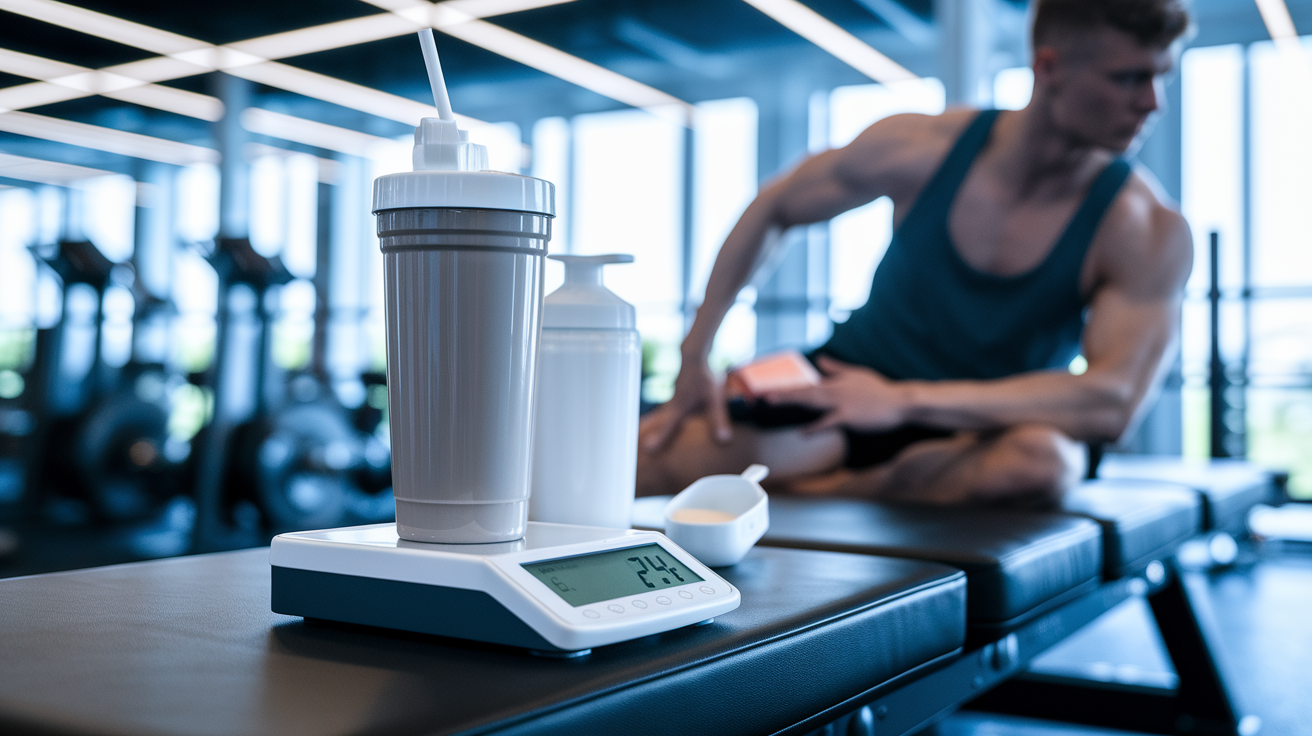
Shoot for 20 to 40 grams of high quality protein within a couple hours after you finish training. Studies back that range because it kicks off muscle protein synthesis without wasting protein or forcing your body to burn extra amino acids for fuel. A tighter formula is 0.25 to 0.3 grams per kilogram of bodyweight (0.11 to 0.14 grams per pound) per meal, and that per meal dose matters way more than chugging protein the second your workout ends.
Let’s say you weigh 80 kg (176 pounds). Multiply by 0.25 to 0.3 and you get 20 to 24 grams of protein for your post workout meal. That bodyweight approach accounts for size differences without making you overthink portions. Use it when you’re building your plate or mixing a shake.
Each dose needs about 2.0 to 2.5 grams of leucine to switch on muscle protein synthesis. Leucine is the amino acid that activates mTOR, the cellular pathway responsible for telling your muscles to grow and repair. A study of 48 men tested doses of 0, 10, 20, and 40 grams right after training. The 20 gram dose maxed out the muscle building signal. The 40 gram dose showed no extra benefit. You’re not getting twice the gains by doubling the protein. You’re just creating expensive urine.
| Bodyweight Example | Recommended Protein | Leucine Target |
|---|---|---|
| 60 kg (132 lb) | 15–18 g | ~2.0 g |
| 80 kg (176 lb) | 20–24 g | ~2.0–2.5 g |
| 100 kg (220 lb) | 25–30 g | ~2.5 g |
How Bodyweight and Training Type Influence Post-Workout Protein Needs

Heavier athletes need more protein per meal because their total muscle mass is larger, and more muscle requires more amino acids for repair. A 60 kilogram runner and a 100 kilogram powerlifter can’t use the same 20 gram shake and expect identical recovery outcomes.
Training intensity also matters. A hard squat session that leaves you sore for three days damages more muscle fibers than a light jog, so higher intensity sessions push you toward the upper end of that 20 to 40 gram range. Even within the same person, a heavy volume leg day asks for more protein than an easy mobility session.
Here’s how different training types shift your protein needs after the session:
Strength sessions. High loads, low reps, long rest. You’re toward the upper range (30 to 40 g) because you’re stressing the muscle maximally without burning through glycogen as fast as endurance work.
Hypertrophy sessions. Moderate loads, 6 to 12 reps, shorter rest. Classic muscle building work sits comfortably in the 20 to 30 g zone, matched to bodyweight.
HIIT workouts. Short, explosive intervals. Similar protein demand to strength work, especially if you include loaded movements like kettlebell swings or sled pushes.
Endurance workouts. Long steady runs or rides. Lower immediate protein demand (closer to 20 g) but higher daily carbohydrate needs to refill glycogen.
Low volume training. Light circuits, active recovery. You can stay at the lower end (15 to 20 g) and still recover fine.
Your daily protein total determines how much room you have in each meal. Strength athletes are often aiming for 1.4 to 2.0 grams per kilogram per day, and endurance athletes land around 1.2 to 1.4 grams per kilogram per day. If you split that into four or five meals, your post workout meal becomes one piece of a bigger puzzle, not the only meal that matters. Hit the per meal dose, then repeat it throughout the day to keep muscle protein synthesis going.
Protein Timing After Exercise and the Real “Anabolic Window”
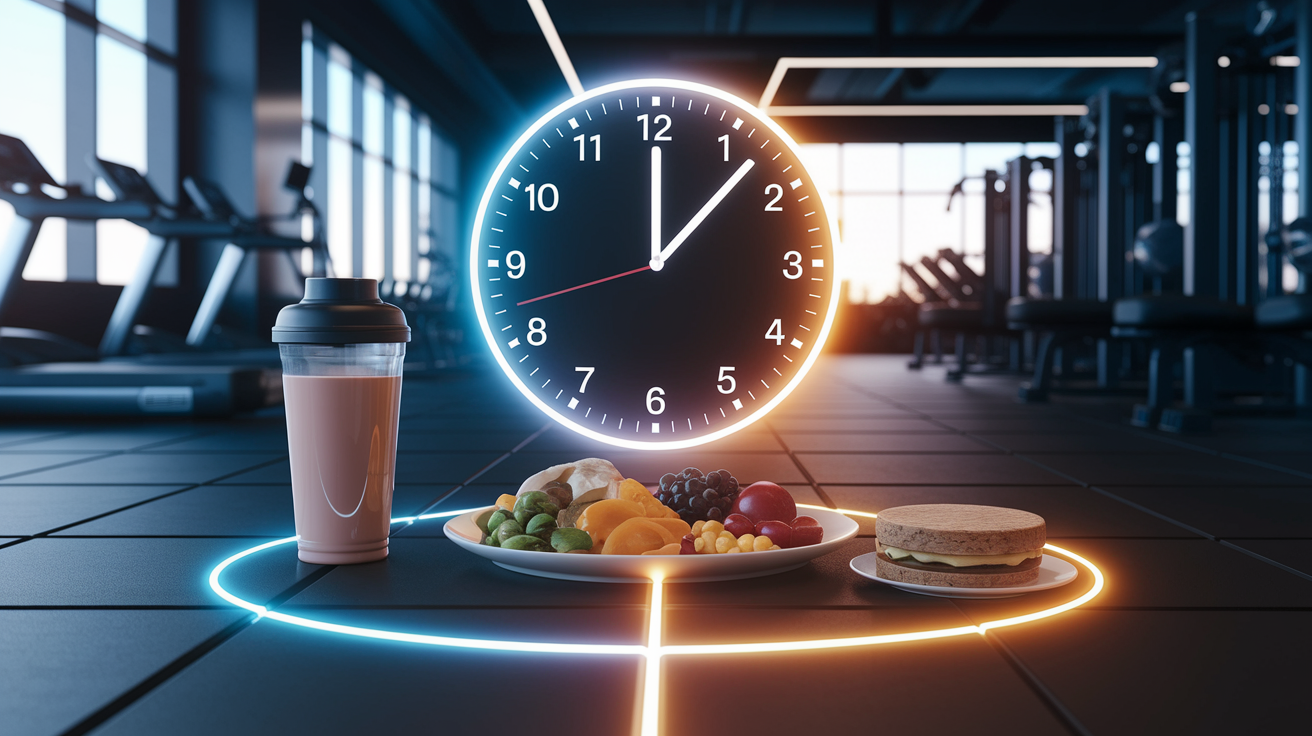
The old rule was simple. Drink your shake within 45 to 60 minutes or lose your gains. Newer research shows your muscles stay responsive to protein for at least 24 hours after training, with the highest sensitivity right after you finish and tapering off over the next few hours. The International Society of Sports Nutrition still recommends getting high quality protein within two hours after your session if muscle growth is your goal, but that’s more about consistency and being practical than a hard biological cutoff.
A few studies compared pre workout protein versus post workout protein. One gave 25 grams before training, another gave 25 grams right after, and they measured no significant difference in net muscle protein synthesis between the two groups. Another study found slightly higher MPS when 60 grams were taken 60 minutes before exercise versus immediately after, but the difference was small and the dose was unusually high. The takeaway isn’t that timing doesn’t matter at all. It’s that hitting your 20 to 40 gram dose and your leucine threshold matters more than obsessing over the exact minute you finish your last set.
In practice, aim to eat a protein rich meal or snack within about two hours of finishing your workout. If you train fasted in the morning, prioritize getting protein in soon after. If you had a solid meal two hours before your session, you have a bit more flexibility. Total daily protein and consistent training drive results more than perfect timing.
Here are four common timing misconceptions and what the evidence actually shows:
“You have to eat protein within 30 minutes or it’s wasted.” Muscle sensitivity peaks immediately but lasts for hours. Two hours is a safe, practical target.
“Pre workout protein ruins the anabolic window.” Pre workout protein can raise amino acids during and after training, which is fine. It doesn’t cancel out post workout needs.
“You need different protein doses for morning versus evening workouts.” Timing of day doesn’t change the 20 to 40 gram range. Your body processes protein the same way at 6 a.m. and 6 p.m.
“Protein timing matters more than total daily intake.” Reverse that. Daily total and consistent per meal doses beat perfect timing every time.
Best Protein Sources to Hit Your Post-Workout Target
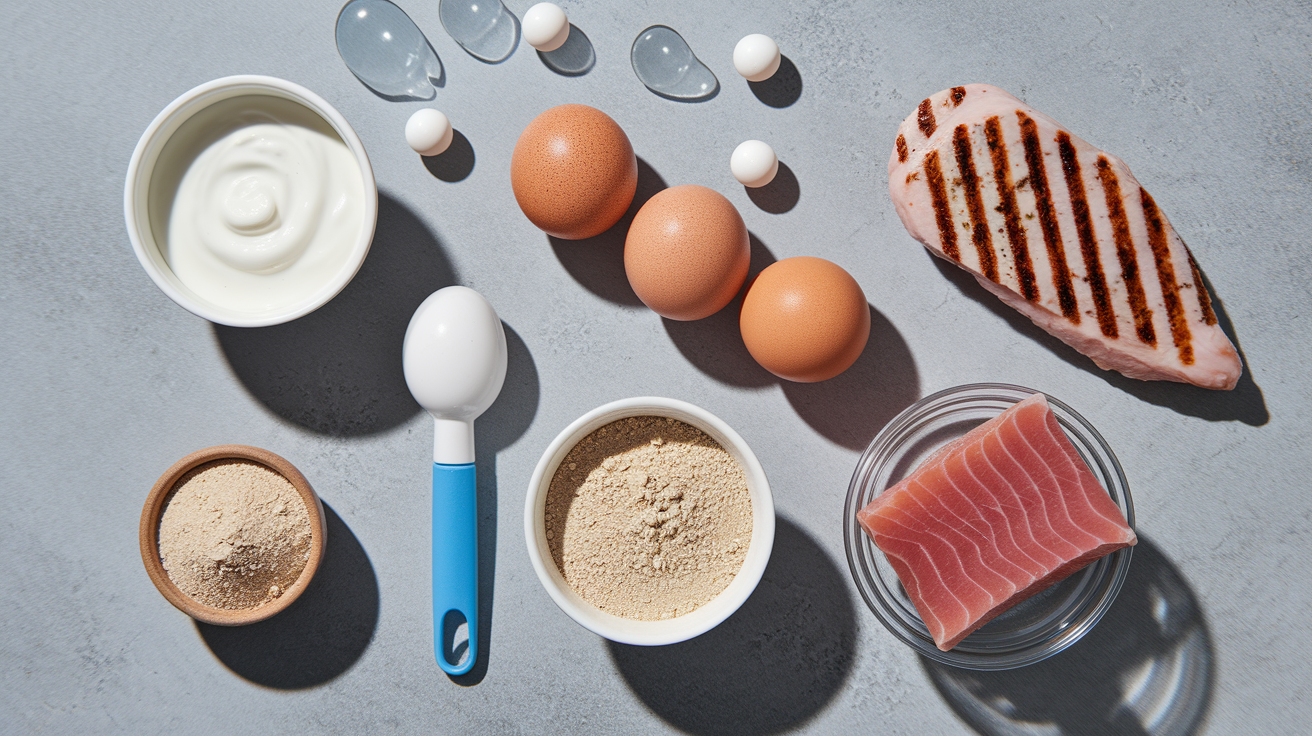
Not all protein sources digest at the same speed or deliver the same leucine punch. Whey protein digests quickly, with amino acids showing up in your bloodstream within 15 to 20 minutes. It’s about 10% leucine by weight, which makes it one of the easiest ways to cross that 2.0 to 2.5 gram leucine threshold in a single serving. Fast digestion matters after training because you want amino acids available when muscle protein synthesis is ramping up.
Whey isolate is the go to for most lifters. One scoop usually delivers 20 to 25 grams of protein with minimal carbs and fat, and it mixes in seconds. If you tolerate dairy and want simple post workout nutrition, whey is hard to beat. It’s cheap per gram of protein, shelf stable, and backed by decades of research showing it stimulates muscle protein synthesis better than most other single sources.
Casein is the opposite. It forms curds in your stomach and empties slowly over several hours. That makes it less useful right after training but great before bed. If you take casein at night, amino acids trickle into your system while you sleep, limiting the overnight drop in muscle protein synthesis. Some people blend whey and casein post workout when they know their next meal is hours away, but there’s no strong evidence that blends beat pure whey for the immediate post training window.
Plant proteins can work, but you need more of them to match whey’s leucine content and digestibility. Pea protein isolate is about 75% as effective as whey gram for gram, so if a study used 12 grams of whey, you’d want roughly 17.5 grams of pea isolate to get a similar effect. Six grams of essential amino acids (EAAs) are roughly equivalent to 12 grams of whey isolate or 17.5 grams of pea isolate. Eggs sit in the middle, with about 6 to 7 grams of protein per whole egg and an absorption rate around 3 grams per hour when cooked. A three egg omelet gives you roughly 18 to 21 grams of protein and takes a couple hours to fully digest.
Here are six quick hit protein sources with approximate protein content:
One scoop whey isolate. 20 to 25 g
1.5 cups low fat Greek yogurt. ~20 g
2.5 cups skim milk. ~20 g
Deck of cards portion of chicken breast. ~25 g
Three whole eggs. ~18 to 21 g
5 oz canned tuna. ~30 g
| Source | Type | Approx Protein | Leucine Rich? |
|---|---|---|---|
| Whey isolate | Fast | 20–25 g per scoop | Yes (~10%) |
| Casein | Slow | 20–25 g per scoop | Yes |
| Whole eggs | Medium | 6–7 g per egg | Moderate |
| Chicken breast | Medium | ~25 g per 3.5 oz | Yes |
| Pea protein isolate | Medium-Fast | ~20 g per scoop | Lower (~7%) |
Combining Carbs, Fats, and Protein for Better Post-Workout Recovery
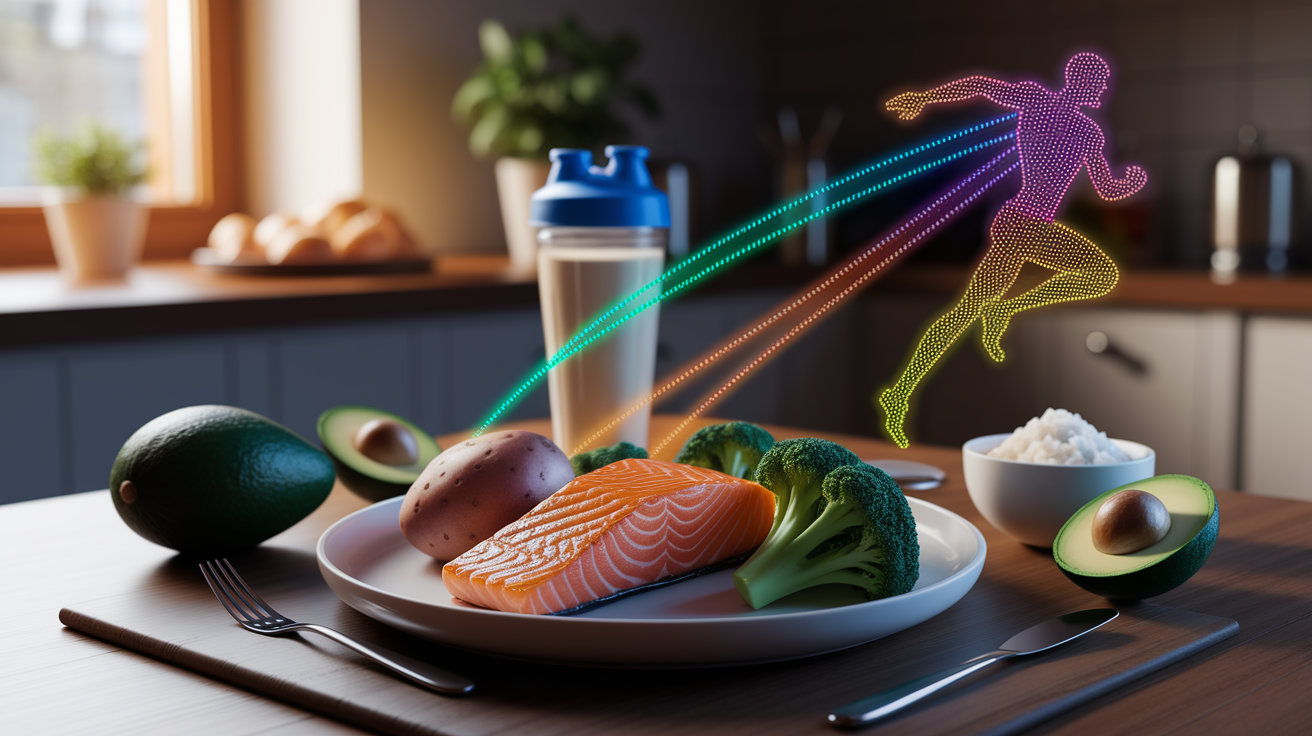
Protein repairs muscle, but carbohydrates refill glycogen stores and trigger an insulin response that helps shuttle nutrients into cells. Pairing 20 to 40 grams of protein with carbs after training speeds up glycogen resynthesis and keeps your energy systems ready for the next session. Endurance athletes who train multiple times per day need about 8 to 12 grams of carbohydrate per kilogram of bodyweight daily to keep glycogen topped off, and a chunk of that should come in the post workout window. Strength athletes can use less, but adding a banana, rice, or sweet potato to your post workout meal still helps recovery without hurting muscle protein synthesis.
Fat used to get blamed for slowing digestion and “ruining” the anabolic window, but a 2017 study found that whole eggs (which contain fat) stimulated muscle protein synthesis better than egg whites alone. A 2025 analysis confirmed that dietary fat in post workout meals doesn’t impair short term recovery and may even support longer term recovery for low to moderate intensity training. Fat slows gastric emptying, but it doesn’t blunt the muscle building signal in any meaningful way. If your post workout meal includes avocado, nuts, or a fattier cut of meat, you’re fine. Just don’t let fat replace your protein or carbs.
Here are five protein, carb, fat combos that work well after training:
Grilled chicken, brown rice, and a handful of almonds. Fast digesting protein, complex carbs, and healthy fats in one plate.
Salmon, sweet potato, and steamed broccoli. Omega 3s, slow carbs, and lean protein.
Whole eggs scrambled with spinach and whole grain toast. Complete protein, greens, and a moderate carb base.
Greek yogurt with berries, granola, and a spoonful of peanut butter. Whey rich dairy, quick carbs, and a bit of fat for satiety.
Protein shake blended with a banana, oats, and a tablespoon of flaxseed. Liquid convenience with balanced macros.
Practical Post-Workout Meal and Snack Ideas That Deliver 20 to 40g Protein
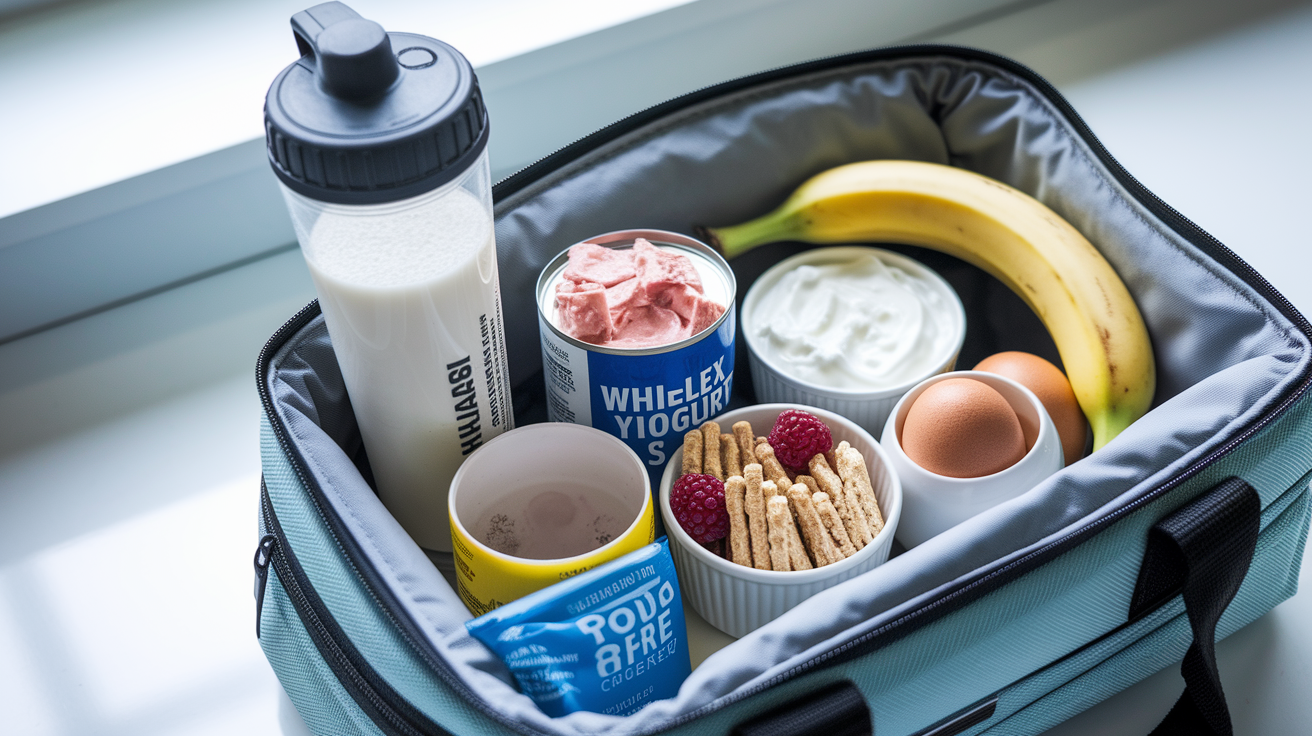
You don’t need to meal prep like a bodybuilder to hit 20 to 40 grams of protein. A simple plate or snack built around a single protein source and a carb will get you there. Whole food meals take longer to prepare but feel more satisfying and come with vitamins, minerals, and fiber that powders don’t provide. Protein shakes are faster and portable, which makes them useful when you’re training early, at lunch, or on the go.
Whole foods win for overall nutrition and satiety. Shakes win for speed and convenience. Both work. Pick the one that fits your schedule and preferences. If you’re home within an hour of finishing your workout, cook a real meal. If you’re rushing to work or school, toss a scoop of whey in a shaker bottle and drink it on the way.
Here are seven quick snacks that deliver at least 20 grams of protein:
Protein shake with one scoop whey and a banana. 20 to 25 g protein, fast carbs, portable.
5 oz can of tuna with whole grain crackers. ~30 g protein, moderate carbs, shelf stable.
Whole grain pita with 1/3 cup hummus and sliced turkey. ~22 g protein, fiber rich carbs.
Rice cakes with 3 tablespoons peanut butter. ~12 g protein (add a glass of milk to reach 20 g).
1.5 cups low fat cottage cheese with berries. ~25 g protein, natural sweetness.
Two hard boiled eggs and a protein bar. ~20 g combined, easy to pack.
Greek yogurt (1.5 cups) with granola. ~20 g protein, crunchy texture, satisfying.
| Meal | Protein | Carb Pairing |
|---|---|---|
| Grilled chicken with roasted vegetables and rice | ~30 g | Brown rice, roasted sweet potato |
| Egg omelet (3 eggs) with avocado on whole-grain toast | ~21 g | Whole-grain bread, avocado |
| Salmon fillet with quinoa and steamed broccoli | ~25 g | Quinoa, broccoli |
| Tuna salad sandwich on whole-grain bread | ~30 g | Whole-grain bread |
| Oatmeal with whey protein, banana, and almonds | ~25 g | Oats, banana |
Things to Keep in Mind When Planning Your Post-Workout Protein Routine

Post workout protein is one meal in a day full of meals. Muscle protein synthesis stays going for hours after training, but it also responds to every protein feeding you have throughout the day. Research shows that eating 20 to 40 grams of protein every 3 to 4 hours keeps muscle protein synthesis consistently going and supports better body composition than eating the same total protein in fewer, larger meals. Your post workout dose is important, but so is the meal three hours later, and the one after that.
Here are six reminders to keep your routine consistent:
Spread protein across the day. Four to five meals of 20 to 30 grams each beats two huge meals.
Include casein or a slow protein before bed. A scoop of casein or a cup of cottage cheese limits overnight muscle breakdown.
Track for a week. Use an app or notebook to see if you’re actually hitting 20 to 40 grams post workout and your daily total.
Adjust for deficits. If you’re cutting weight, protein needs stay the same or go slightly higher to protect muscle mass.
Time protein on rest days too. Your muscles are still repairing on off days. Keep your regular feeding schedule.
Prep portable options. Keep shaker bottles, protein bars, or canned tuna in your bag so missed meals don’t happen.
Age and sex can shift needs slightly. Older adults may benefit from the higher end of the range (closer to 30 to 40 grams per meal) because muscle protein synthesis becomes less sensitive with age. Women typically weigh less than men, so their absolute gram targets are lower, but the per kilogram formula (0.25 to 0.3 g/kg) works the same. Rest days don’t require a post workout meal, but you still need protein spread across the day to keep recovery rolling.
Final Words
Hit the weights? Aim for 20–40 g of protein after a session (about 0.25–0.3 g/kg). That range hits the leucine threshold and matches studies showing 20 g often does the job, while heavier or harder sessions can justify more.
Try to eat within two hours, but remember total daily protein and spacing (every 3–4 hours) matter most. Whole foods or a quick shake both work.
If you’re wondering how much protein to eat after a workout, start with this range and tweak as you go—small wins add up.
FAQ
Q: Is 50 grams of protein too much after a workout?
A: Fifty grams of protein after a workout is more than most people need; aim 20–40 g (about 0.25–0.3 g/kg). Heavier or very intense lifters might benefit, but >40 g rarely adds extra short-term benefit.
Q: What is the 3-3-3 rule gym?
A: The 3-3-3 rule in the gym is a simple training template: three exercises per session, three sets each, done three times per week. It’s a beginner-friendly way to build consistency without overdoing volume.
Q: Should I drink protein shakes on Zepbound?
A: Drinking protein shakes on Zepbound can help preserve muscle during weight loss; use them to meet your daily protein goal and a 20–40 g post-workout target. Check with your prescribing clinician for personalized advice.
Q: Is 7 grams of protein good after a workout?
A: Seven grams of protein after a workout is generally too low to maximize repair; aim 20–40 g or 0.25–0.3 g/kg and reach ~2–2.5 g leucine to properly stimulate muscle protein synthesis.

