Nutrition
7 Balanced Meals Plan For Radiant Health
By robertgrahm
July 8, 2025
Field Notes
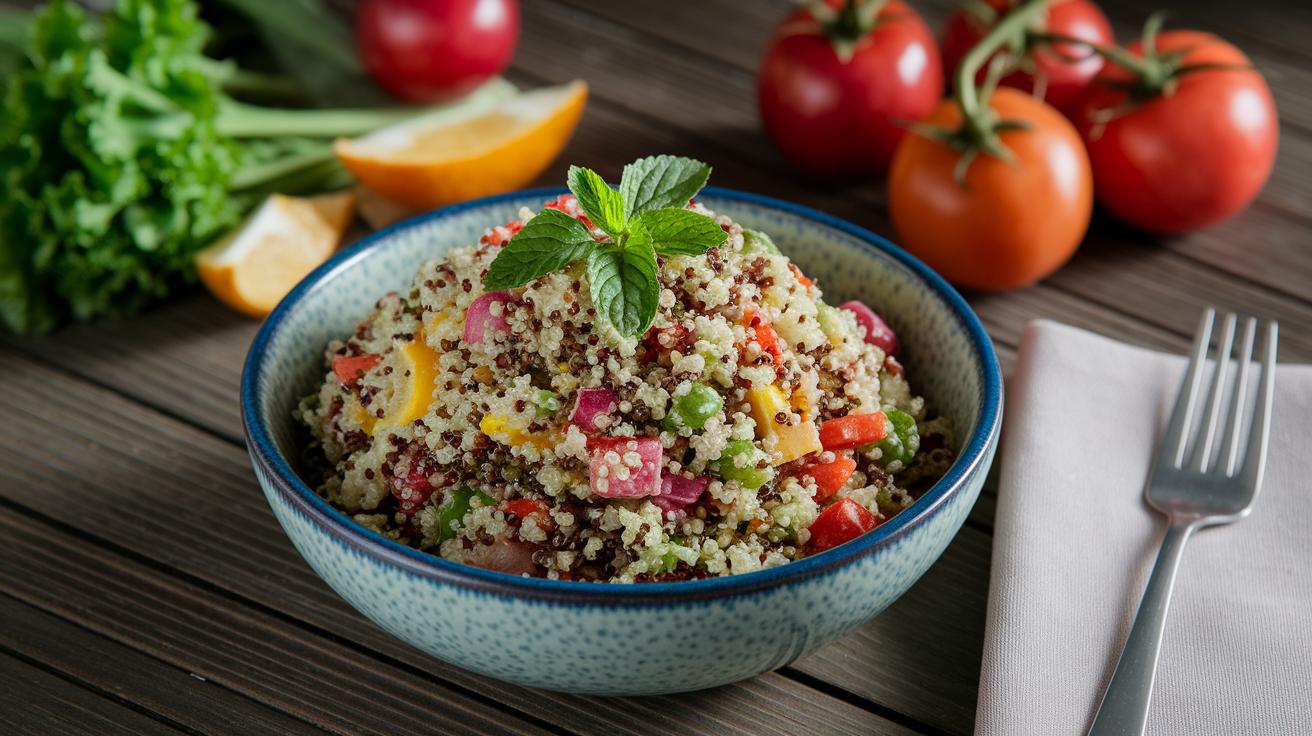
Ever wonder if your body can find its own balance? Well, it really needs your help. A healthy meal plan isn’t only about eating, it’s about giving your body the right mix of foods to keep you feeling lively and cheerful.
In this post, we’re diving into 7 meal plans that make your week feel both simple and delicious. Imagine starting your day with a burst of colorful fruits, enjoying the crunch of fresh vegetables, savoring lean proteins (like grilled chicken or tofu), and wrapping it up with whole grains and healthy fats. Together, these choices create a routine that supports glowing health and makes you feel energized every day.
Creating Your Balanced Meals Plan: The Essentials Revealed
Planning your meals ahead of time means setting a schedule for the whole week so you can cook and eat without worry. You pick out what you'll have for breakfast, lunch, dinner, and even snacks, removing the daily stress of figuring out what to eat. Imagine the ease of creating a weekly plan that gives you a detailed shopping list and a clear picture of nourishing meals for every day.
Taking a little time to plan out your meals pays off in more ways than one. It helps you save money by preventing those rushed trips to the store and cuts down on wasted food from last-minute impulse buys. When your meals are pre-planned, you’re always set with nutrient-rich foods (those packed with goodness that help keep you energized), so you can enjoy a steady burst of energy all day long.
At its core, a balanced meals plan is about mixing up five key food groups: fruits, vegetables, whole grains, proteins, and healthy fats. This variety not only keeps your meals exciting but also makes sure your body gets everything it needs. Picture a bright, colorful plate, each section filled with a different food group, just like a cheerful picnic that nourishes both body and soul.
Core Principles in a Balanced Meals Plan for Optimal Nutrition
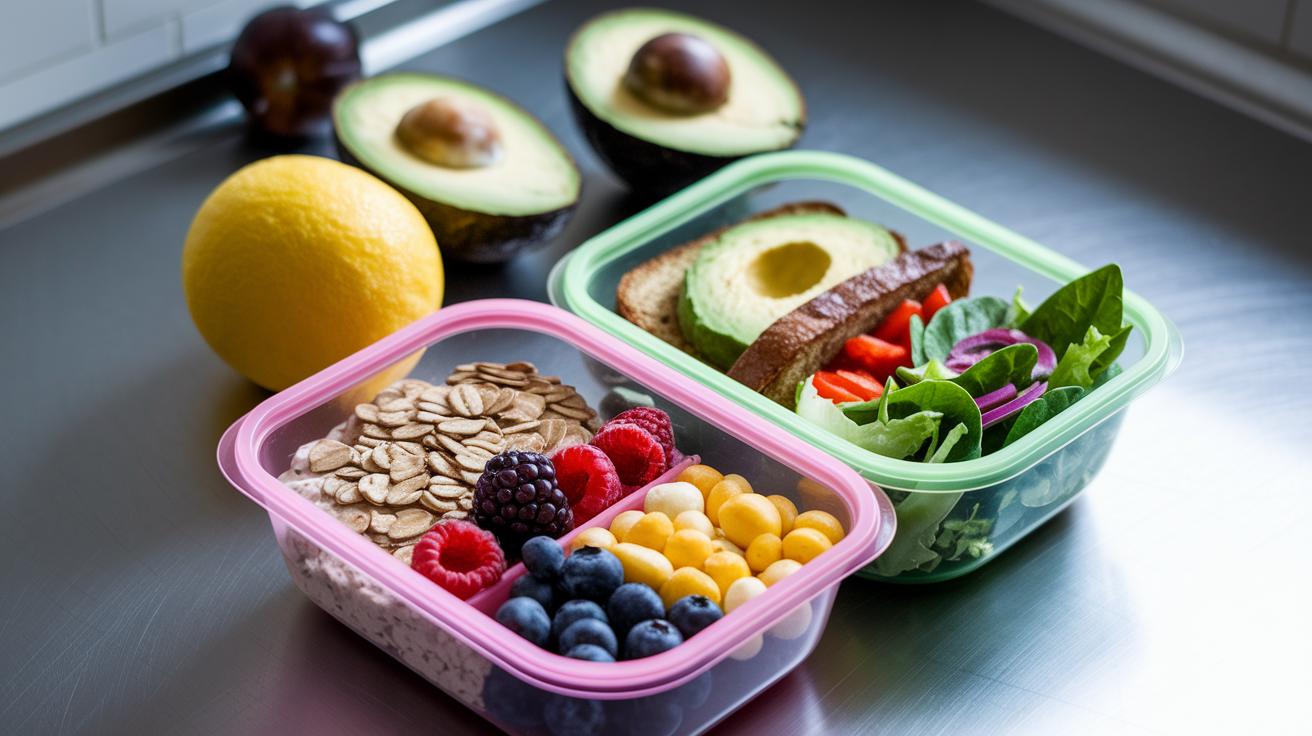
When you plan your meals with care, you create a simple and healthy outline for every day. These ideas help you build a meal routine that gives you the energy you need, all while keeping your diet balanced and full of nutrients.
Start by making sure your plate includes foods from every food group so you get a variety of nutrients. Have a good breakfast every day to kick-start your energy; it really works wonders for staying active and focused. And remember, balancing proteins (like lean meat or beans), healthy fats (think nuts or avocado), and complex carbohydrates (like whole grains) can help you feel full and keep your mind clear.
Try listening to your body through intuitive eating. This means enjoying your meals and noticing how your body reacts, almost like chatting with a friend over a healthy lunch. Also, focus on adding fruits and vegetables rich in fiber because they support digestion and overall wellbeing. Adding healthy snacks and mixing in different colors and textures can make every meal feel exciting and satisfying.
These simple habits turn eating into a fun and effortless part of your day. By trying out these tips, you not only boost your energy but also bring a creative spark into the kitchen. Isn’t it amazing how little changes like adding fresh berries or leafy greens can elevate your meal? If you’re curious about more nutrient-packed ideas, check out What is a superfood? and let your meals burst with vibrant, nourishing goodness.
Building a Weekly Balanced Meals Plan: Sample Schedule and Menus
Here’s a simple plan that shows what balanced meals might look like for a whole week. This easy-to-read schedule lets you see each meal clearly so you can shop and prepare your food without any fuss. It’s like planning a workout routine, each step has its place and purpose, making your day feel organized and full of energy.
| Day | Breakfast | Lunch | Dinner | Snack |
|---|---|---|---|---|
| Monday | Oatmeal with berries | Chicken salad wrap | Turkey chili with brown rice | Apple slices & peanut butter |
| Tuesday | Greek yogurt with granola | Veggie wrap | Grilled salmon, quinoa & broccoli | Carrot sticks |
| Wednesday | Smoothie bowl with banana & spinach | Quinoa salad with mixed greens | Stir-fry tofu with veggies | Handful of almonds |
| Thursday | Whole grain toast, avocado & egg | Lentil soup with whole wheat roll | Beef & vegetable stew | Orange segments |
| Friday | Protein shake with fruit | Fish tacos with cabbage slaw | Pasta with tomato basil sauce & side salad | Cottage cheese & pineapple |
| Saturday | Pancakes with fresh fruit | Caprese sandwich | BBQ chicken with sweet potato fries | Mixed nuts |
| Sunday | Scrambled eggs with whole grain toast | Light salad with chickpeas | Minestrone soup with sourdough bread | Dark chocolate piece |
Getting creative with your menu is all about using every bit of food you have. For example, if you’ve got some leftover roast chicken, rice, and mixed veggies, you can toss them together for a quick, tasty fried rice. And if you have extra yogurt lying around, why not bake it into a yummy oatmeal topping? These little tips help reduce waste and keep your meals exciting all week long.
Also, there are lots of apps and websites that offer ready-made meal schedule templates to make planning a breeze. Next time you’re looking for some fresh ideas on side dishes, check out 3. Healthy Salad Recipes For Pure Wellness for a burst of inspiration. Enjoy the journey towards a balanced and joyful lifestyle!
Portion Sizes and Nutrient Distribution in Your Balanced Meals Plan
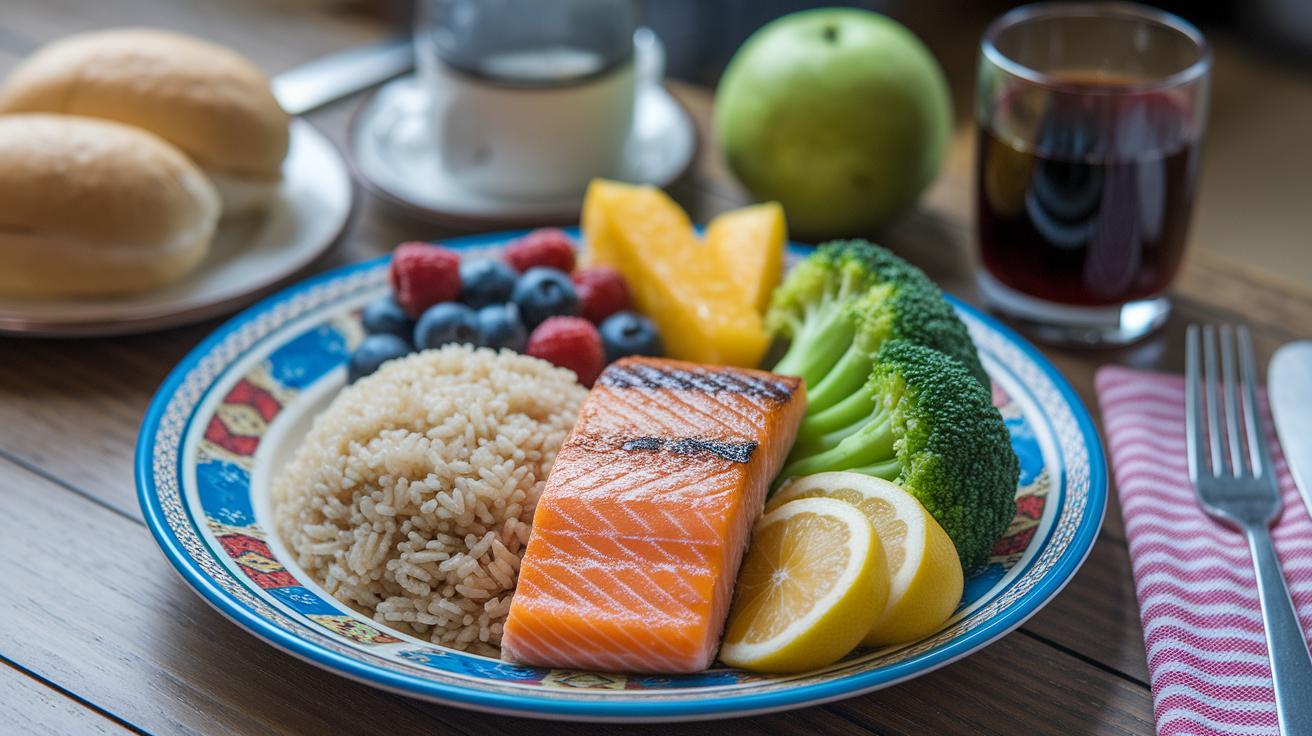
Imagine arranging your plate like a vibrant mini food gallery. Start by filling half the plate with a burst of colorful vegetables and fruits. Then, dedicate one-quarter to whole grains (think brown rice or quinoa, a simple type of grain that packs in fiber) and the remaining quarter to lean proteins, like chicken or tofu. This fun, visual trick helps ensure you enjoy a balanced mix of nutrients, much like setting up a well-thought-out workout routine where every part plays its role. A popular balance to aim for is 50% carbohydrates, 25% protein, and 25% fats. Picture your dinner: a scoop of brown rice, a helping of steamed broccoli, and a perfectly grilled piece of salmon all working together to keep you energized.
Keeping an eye on your calorie intake is another neat way to feel confident in your meal choices. Tracking calories can help maintain steady energy throughout your day and prevent those moments when you feel overly full. When you’re planning dinner, a quick look at ideas like those in High Protein Dinner Recipes: Tasty Healthy Choices can give you handy tips on getting the perfect protein portion. Little steps like these make it easier to stick to a balanced, controlled eating plan while still treating your taste buds to delightful, nourishing meals.
Adapting Your Balanced Meals Plan for Dietary Needs and Preferences
Customizing your meals plan means creating a healthy routine that’s just right for you. It’s like crafting your personal recipe for wellness, one that grows as you learn what your body loves. Whether you’re exploring a plant-based style or need gluten-free choices, every change helps make your meals feel naturally satisfying.
When you start tweaking your diet, think of it as a playful journey. Maybe try a bowl bursting with colorful veggies or switch to gluten-free quinoa for a light, fresh twist on old favorites. And if you’re after a boost of protein without overdoing the calories, consider adding a little spirulina (a nutrient-packed blue-green algae) for an extra punch. Low-calorie snacks and dishes inspired by different cultures can also mix up your routine in fun, tasty ways.
Personalizing your plan doesn’t have to drain your wallet, either. Experiment with seasonal produce, budget-friendly proteins, and simple ingredient swaps that keep things affordable. Take it step by step and enjoy each small change, it’s all part of feeling vibrant and confident every day.
Tools and Apps to Simplify Your Balanced Meals Plan

Online tools can make meal planning feel a lot less stressful. When you try these handy apps, you unlock simple ways to create healthy menus, keep track of your calories (energy from food) and nutrients (vitamins and minerals), and even plan your grocery shopping. They even include useful grocery list templates that make shopping for fresh ingredients a breeze.
One inspiring expert, who lost over 100 lbs and now runs marathons, swears by digital planning to stay on track with her goals. Whether you’re just starting out or already a meal planning pro, these tools offer an easy-to-use, organized system that takes the guesswork out of healthy eating.
- MealPlanner Pro: This friendly app provides weekly meal templates while tracking your nutrition.
- NutriList: It creates personalized grocery lists that perfectly match your balanced meals plan.
- CalorieCount Tracker: An app focused on monitoring both calories and nutrients.
- Recipe Organizer: A smart tool for storing and managing all your favorite healthy recipes.
Final Words
In the action of creating your balanced meals plan, we explored how a weekly schedule saves time, reduces waste, and supports nutrient-rich eating. We covered plate methods, creative menu tips, and personalized adaptations that fit various dietary needs. Each section showed how small tweaks can build lasting healthy habits. It’s exciting to see how a thoughtful balanced meals plan can set the stage for a stronger, clearer mind and an energized body. Keep experimenting and enjoy every bite along the way.
FAQ
Frequently Asked Questions
Q: What is a balanced meals plan template?
A: A balanced meals plan template provides a structured guide to organize your meals throughout the week. It outlines servings from all food groups and helps create a detailed grocery list, reducing daily decision fatigue.
Q: What is a 7-day healthy eating plan?
A: A 7-day healthy eating plan maps out your daily meals over an entire week. It includes options from fruits, vegetables, lean proteins, whole grains, and healthy fats to keep you energized throughout your day.
Q: Where can I find a balanced meals plan PDF that is free and covers a whole week?
A: A balanced meals plan PDF offers a downloadable tool that guides you through planning a week’s worth of healthy meals. It’s often available for free and helps you include every food group with ease.
Q: How does a balanced meals plan work for weight loss?
A: A balanced meals plan for weight loss carefully organizes meals with proper portions and nutrient distribution. It includes lean proteins, vegetables, whole grains, and healthy fats to support gradual and steady weight loss.
Q: What is included in a balanced diet food list?
A: A balanced diet food list features selections from fruits, vegetables, whole grains, lean proteins, and healthy fats. This list helps you choose nutrient-dense ingredients for every meal of the day.
Q: What are balanced meals for breakfast, lunch, and dinner?
A: Balanced meals for breakfast, lunch, and dinner involve planning each meal to incorporate key food groups. This strategy fuels your body with energy, supports weight management, and promotes steady nourishment throughout the day.
Q: What is a good balanced meal plan and what should a balanced meal look like?
A: A good balanced meal plan combines servings from all essential food groups. For example, a balanced meal could include scrambled eggs with whole-grain toast, a side of fresh fruit, and a lean protein salad to maintain energy and fullness.
Q: Which food is best for a balanced diet?
A: No single food stands alone as the best choice; a balanced diet benefits from combining fruits, vegetables, lean proteins, whole grains, and healthy fats. Each group offers unique benefits that work together to provide complete nutrition.