Recovery
Muscle Recovery After Workout: Feel Recharged Quickly
By cindymellow
June 24, 2025
Field Notes
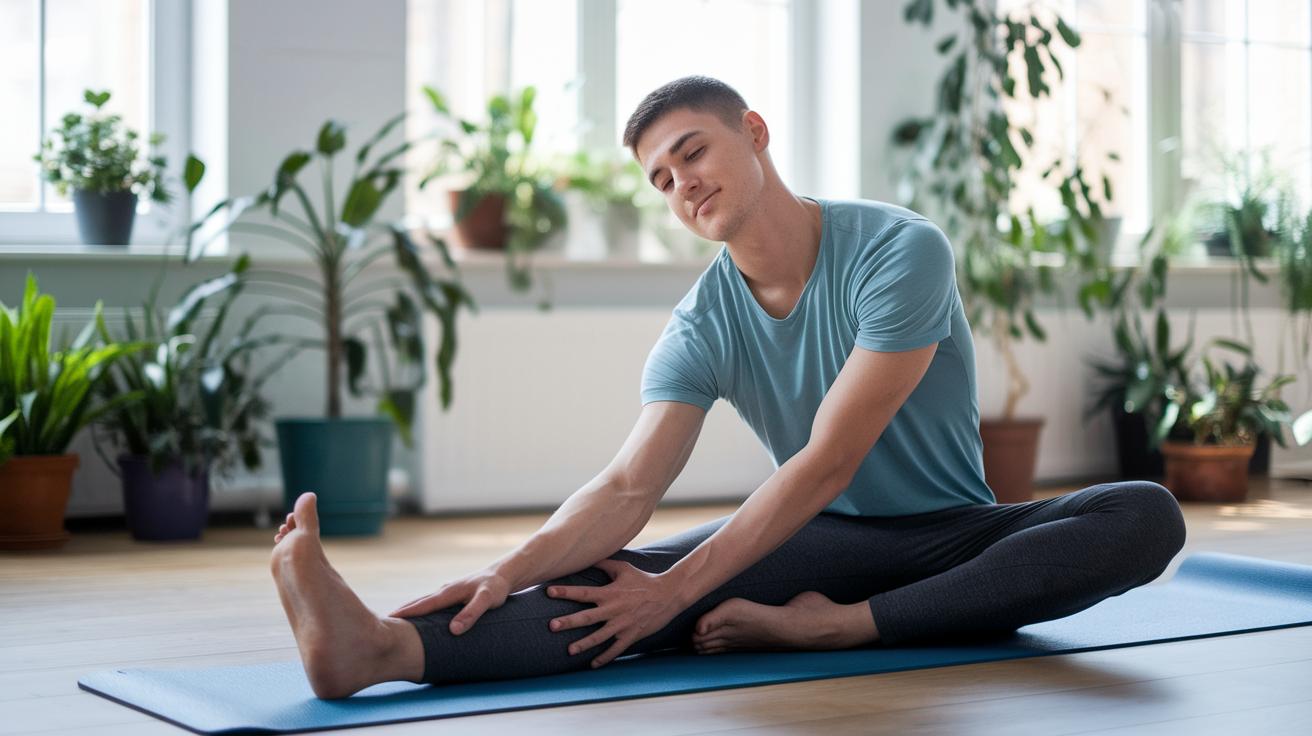
Ever been totally wiped out after a hard workout? It might be because your muscles need a little help bouncing back.
In this guide, I'll share a few simple tips to ease muscle soreness and get you feeling recharged quickly. We'll talk about cooling down with a few light stretches, enjoying a smart snack like Greek yogurt (a creamy, protein-rich dairy treat) with a banana (a naturally sweet and energy-boosting fruit), and giving yourself proper rest.
These steps may seem small, but they can really help your muscles recover and let you enjoy your workouts even more. Have you ever experienced that refreshing feeling after taking a moment to care for your body?
Essential Muscle Recovery Techniques After Workout
Right after you finish exercising, take a few minutes to cool down. A brisk walk or a few gentle laps around your favorite park can do wonders. Imagine yourself slowing down and enjoying a relaxing pace while your heart rate gradually lowers. This simple cool-down helps your body ease into recovery.
Next, fuel yourself with a snack that combines protein (the nutrient that helps repair muscles) and carbohydrates (which give you energy). A banana with a scoop of Greek yogurt, for example, is a tasty way to boost muscle repair right after your workout. Research shows that eating the right foods soon after exercising can really help your muscles recover and grow stronger.
Remember to plan your recovery time wisely. Depending on how hard you pushed yourself, your muscles might need one to three days to fully bounce back. It’s a good idea to include one or two rest days each week. On those days, try some light stretching or enjoy a gentle walk while sipping water with a pinch of salt, which can help keep you hydrated.
Also, be careful with pain relievers like ibuprofen. Instead of relying on these too much, listen to your body. If you're feeling a bit too sore, ease up on the workouts and try some light stretching until the discomfort fades away.
Here’s a simple plan to help you recover faster:
| Step | Action |
|---|---|
| 1 | Cool down for 5 to 10 minutes right after your workout |
| 2 | Refuel with protein and carbohydrates within 30 to 60 minutes |
| 3 | Schedule rest days to give your muscles time to repair |
Stick with these steps, and you’ll set yourself up for quick recovery and a more enjoyable workout next time.
Post-Workout Nutrition for Optimal Muscle Repair
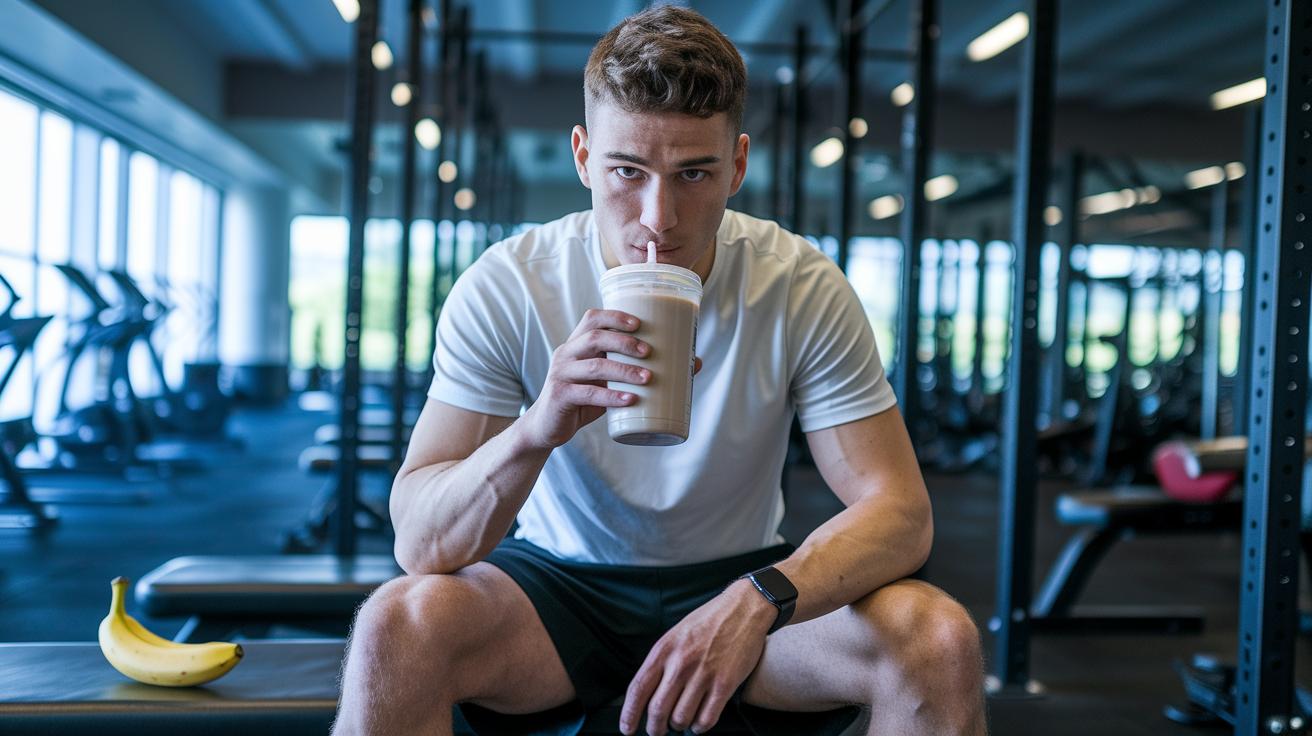
After you finish your workout, it’s time to treat your muscles right with some good fuel. Experts say you should have about 0.5 grams of high-quality protein per kilogram of your weight (that's a way to measure your body size) within 30 to 60 minutes. This protein acts like little building blocks that help your muscles repair and grow. Alongside that, you’ll want to refill your energy by having 1.2 grams of carbohydrates per kilogram each hour for the first four hours. Imagine mixing a scoop of protein powder with a banana, simple, delicious, and super effective. Have you ever noticed how energized you feel when you start nourishing your body right after a workout?
Hydration is just as important. To replace the water you lose during exercise, try to drink about 150% of your weight loss in water within four hours. A handy tip is to weigh yourself before and after your workout; for every 15 to 30 minutes of exercise, about 8 ounces of water is recommended. And don’t skip the electrolytes (minerals that help balance your fluids), a recovery drink with 20 to 30 mEq/L sodium can help keep your body balanced and speed up how quickly you bounce back.
Picture this: you’re enjoying a cool recovery drink and a small snack right after your gym session. This little routine not only gives your body the nutrients it needs but also jump-starts your muscle repair, leaving you feeling refreshed and ready for the next workout.
Active Recovery Protocols to Enhance Muscle Restoration
After a tough workout, why not give your muscles a gentle pick-me-up? Try some easy yoga, a slow walk, or even a casual bike ride. These activities are light enough to keep your blood flowing and help clear out any waste from your muscles without adding extra strain.
Imagine taking a peaceful stroll in your favorite park, where every step feels like a mini break for your body. It might help to dial down your usual workout intensity by about 30 to 40 percent and focus on quick, low-intensity movements. This way, your muscles get just the right kind of activity without the worry of extra fatigue.
Another simple tip is to spend a couple of minutes using a foam roller on each major muscle group. Think of it as giving yourself a gentle massage that boosts circulation and eases tension. It really works wonders when you want to feel more relaxed after a workout.
And don’t forget to include some deep, slow breathing. Take your time to fill your lungs with cool, refreshing air, then let it out slowly, releasing any leftover tightness. Combining these light exercises and mindful breathing helps your muscles recover while leaving you feeling recharged and ready for your next fitness session.
Rest Intervals and Sleep Quality in Muscle Recovery

Taking a day off from intense workouts every week lets your muscles mend and grow stronger. After a tough session, one rest day can feel like a mini getaway, letting your muscles quietly rebuild. Imagine spending a day relaxing with a gentle walk in the park, that light activity helps both your body and mind recharge without extra strain.
Sometimes after especially challenging workouts, your muscles might need one to three days to fully recover. Don’t forget to prioritize sleep during these times. When you get 7 to 9 hours of quality sleep each night, it helps repair your muscles by balancing important hormones and supporting the process of protein synthesis (where your muscle fibers are fixed and rebuilt). If you miss out on sleep, you might notice that your strength, focus, and reaction times aren’t as sharp, which could affect your performance in future sessions.
Stick to a steady sleep routine and give your body the rest it needs. Making sleep a non-negotiable part of your fitness plan will keep you energized and ready to tackle your next workout.
Therapeutic Tools and Techniques for Muscle Recovery
After a hard workout, there are some cool ways to help ease muscle soreness and get you ready to move on. Research shows that massage therapy (using gentle pressure to relax muscles) can really cut down on soreness and tiredness. Imagine a soothing massage where a light touch melts away tension, it feels like a little treat for your body.
Cold water immersion is another simple trick. Picture stepping into water that feels like a refreshing breeze, around 10 to 15 °C, for about 10 to 15 minutes. This chilly dip helps reduce swelling while cooling your tired muscles.
Right after a cold soak, a bit of heat can work wonders. Warming your muscles feels like warming up your hands on a brisk winter day, letting blood flow in and carrying oxygen and nutrients where they’re needed most.
If you like trying a mix of methods, contrast baths might be perfect for you. This technique means switching between hot and cold water, like taking a quick cold shower followed by a warm rinse, to boost blood flow even more.
Finally, spending 10 to 15 minutes with a foam roller can be a game changer. Think of it like giving yourself a mini self-massage that smooths out tight spots and increases circulation. Roll over each major muscle group and soon you’ll feel relaxed and recharged for your next workout.
Supplements and Anti-Inflammatory Foods for Recovery Support
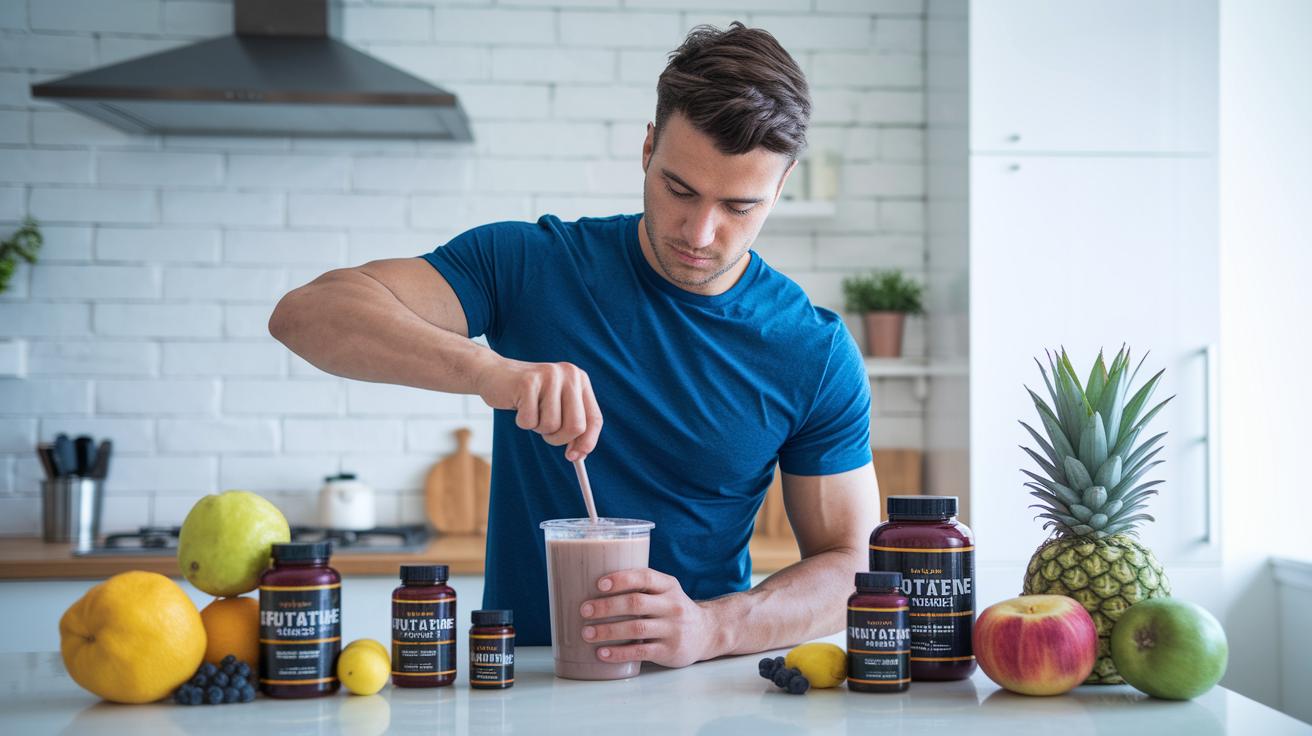
After a hard workout, your muscles need a little extra help to recover and feel better. Simple supplements like creatine (a natural substance that helps your muscles hold water) and glutamine (an amino acid that aids in muscle repair) can make a big difference. Research suggests that taking about 3 to 5 grams of creatine each day helps keep your muscles hydrated and ready to work. And adding 5 to 10 grams of glutamine right after exercise may reduce soreness and speed up the healing process.
You can also boost your recovery with foods rich in Omega-3 (healthy fats that help lower inflammation). Enjoying wild salmon, walnuts, and chia seeds can calm your body after an intense workout and support strong, healthy joints. Many athletes also add BCAAs (branched-chain amino acids that help rebuild muscle) and other essential amino acids into their meals or shakes to help kickstart muscle repair quickly.
It’s best to avoid things like alcohol, junk food, and added sugars because they can slow down your recovery and work against all those healthy nutrients. By choosing the right supplements and foods at the right times, you give your muscles the support they need to bounce back stronger and keep you moving every day.
Monitoring and Managing Your Muscle Recovery Timeline
After your workout, take a moment to really feel how your muscles are doing. Notice any soreness, and see how quickly your heart calms down after you push yourself. For example, if your heart takes a while to settle, it might be a sign to dial back the intensity next time. Quick tip: I once realized my heart got back to normal faster when I reduced my workout load by about 30% on lighter days.
Jot down what you’re feeling in a simple log. Write down the symptoms and any changes you notice. On days when you’re really tired, try cutting your workout intensity by 30–40%. These lighter days give your body a chance to repair without extra strain.
Also, your weight check before and after exercise is a useful hint for staying hydrated. Even a small change can show that you might need more fluids. Keeping track of these details helps you adjust your training schedule, making your plan more responsive and reducing the risk of overtraining or injury.
Be honest with your notes. Over time, this careful monitoring will guide you to better recovery and peak performance.
Final Words
In the action, we explored immediate cool-down tactics, proper nutrition for repair, and active recovery techniques like stretching and foam rolling. We examined the role of sleep and rest days, alongside therapeutic tools such as cold and heat therapy, to help your body recover fast.
Our article also highlighted easy ways to monitor your progress and adjust your routine for smoother muscle recovery after workout. Keep trying what works, stay persistent, and enjoy the satisfying feeling of progress!
FAQ
Frequently Asked Questions
What are some effective muscle recovery supplements?
The muscle recovery supplements, such as creatine and protein blends, help rebuild muscle tissue and reduce soreness. They work best when paired with proper hydration and balanced post-workout nutrition.
How long does it take for muscles to repair, and does age play a role?
The muscle repair time generally ranges from 1 to 3 days, with age influencing recovery speed. Younger individuals may bounce back faster, while older bodies might require slightly longer rest periods.
How can I recover muscles and ease soreness faster after a workout?
The methods to recover muscles faster include a proper cool-down, eating a nutrient-rich meal, staying well-hydrated, and engaging in light exercises like gentle yoga or walking to boost circulation and ease soreness.
What are the 4 R’s of recovery?
The 4 R’s of recovery are Rest, Replenish (with nutrients), Restore (through light activity), and Refuel (with hydration and balanced meals) to support muscle repair and overall performance.
Is it okay to exercise with sore muscles?
Exercising with sore muscles can be acceptable if you opt for light activity and gentle stretching. However, intense workouts while sore risk further strain, so listen to your body and adjust accordingly.