Recovery
Active Recovery Workout: Refresh Muscles With Ease
By cindymellow
July 1, 2025
Field Notes
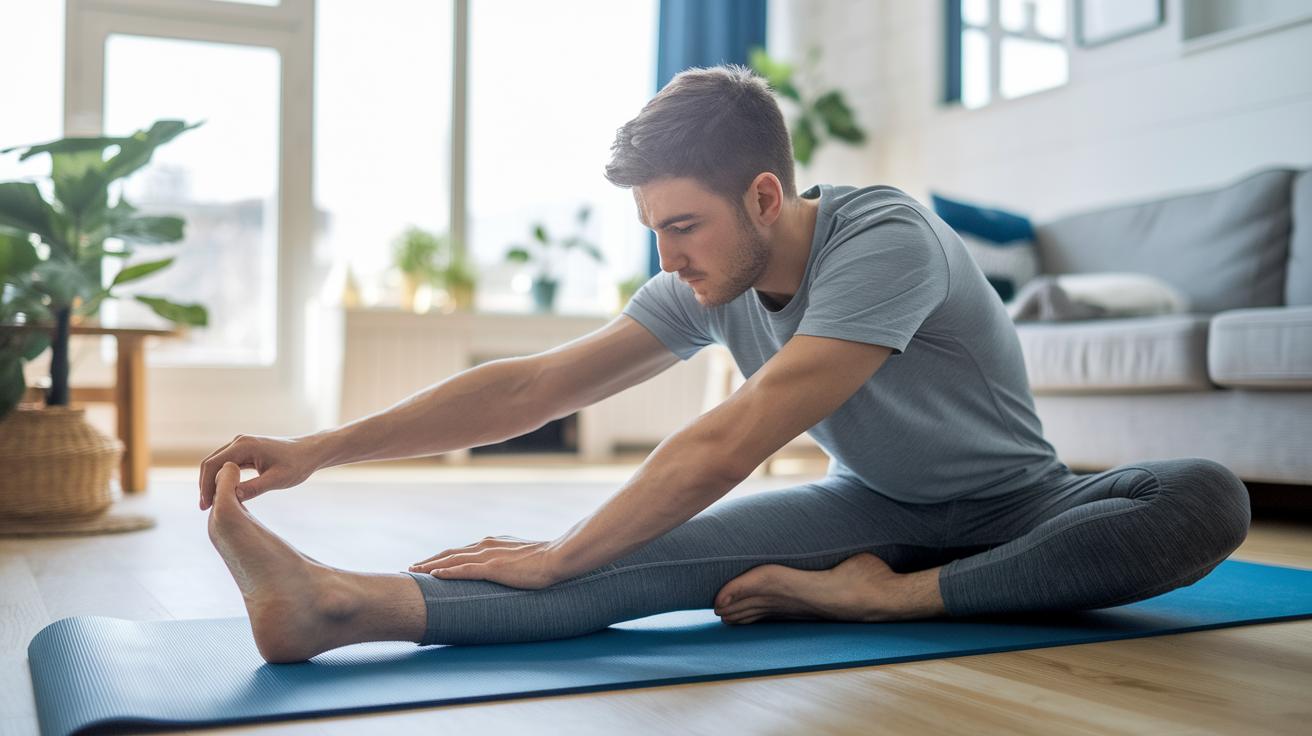
Ever wonder if a little movement on your off days might help your workouts? Instead of complete rest, trying some gentle exercise can help your muscles feel refreshed. It keeps your blood flowing and eases that nagging soreness after a tough session.
This simple routine works like a soft cool down, setting you up to do even better next time you train. Studies show that folks who keep moving on their rest days recover a bit faster overall. Have you ever felt ready and energized after a light walk or stretch?
So why not add a few minutes of easy exercises to your routine? It could ease your muscles and help your body feel better for every challenge ahead. Give it a try and see how a little movement can make a big difference in your fitness journey.
Active Recovery Workout Benefits And Essentials
Active recovery workouts let you move gently after a hard training session to keep your circulation flowing and help your muscles repair themselves. Think of it like cooling down, a light walk or an easy bike ride that keeps your blood moving and helps clear away extra waste from your muscles.
A fun fact: a study from the American Council on Exercise and Western State Colorado University found that people who did active recovery lasted three times longer in their next exercise session compared to those who just rested. This simple method not only eases muscle soreness but also helps deliver the nutrients your muscles need to get stronger for future workouts.
Some big benefits include better oxygen flow, less muscle stiffness, and faster removal of lactate (a substance that builds up from intense exercise). Adding easy moves like gentle stretches or low-resistance exercises after a tough workout can really speed up recovery. For instance, a short, light walk can warm down your muscles, letting them relax while still keeping active.
Active recovery workouts are a smart, budget-friendly way to stick to your routine while looking after your muscles. Mixing short, gentle sessions with your tougher workouts can lower the chance of injury and make your fitness journey more enjoyable and sustainable over time.
Essential Full Body Cool-Down Exercises In An Active Recovery Workout
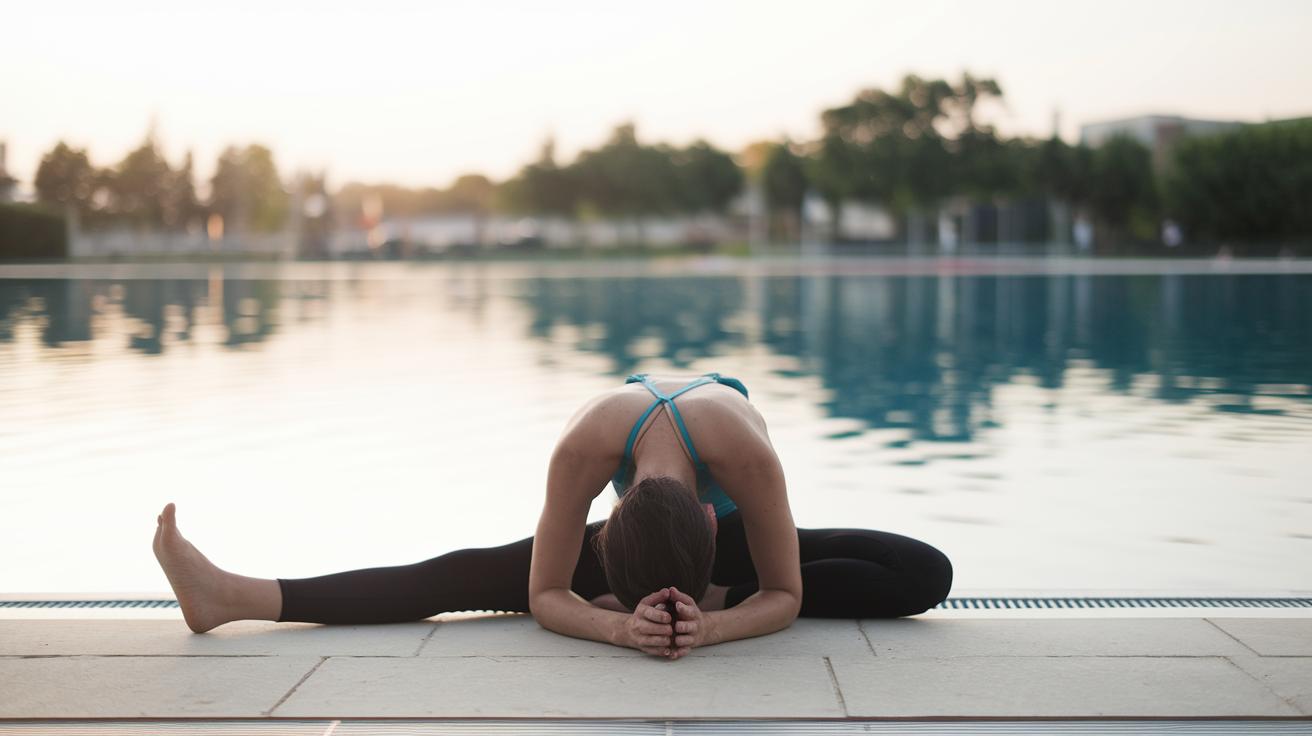
After a tough workout, it's important to cool down so your muscles can relax and recover. A blend of static stretches (holding a position) and dynamic moves (smooth, active motions) works wonders for improving your range of motion. Imagine slowly transitioning from high-energy movements to calming stretches.
Next, picture taking a gentle lap-pool session. In the water, try simple exercises like arm circles, leg swings, and torso twists. These moves help ease away tension while giving you that soothing stretch your muscles crave. Plus, you don't need any equipment, just the refreshing pool water to guide your body into relaxation.
Then, add a 30-minute light cardio session to your cool-down. Picture starting with the mountain pose (a full-body stretch), followed by a forward fold, then moving into cat-cow for a bit of spine flexibility, and finishing with child's pose to bring deep relaxation. Each step feels like a gentle, bodyweight exercise that gradually lowers your heart rate.
For a touch of playful movement, try slow-paced jump rope intervals. Do them for 20–30 seconds per set. They offer a light boost in your cadence without overexerting you, gently clearing away any remaining tension.
Finally, if certain muscles still feel tight, grab a foam roller. Slowly roll over areas like your calves, hamstrings, quadriceps (the muscles in your thighs), and glutes. These careful rolls help smooth out muscle fibers, leaving you feeling light, relaxed, and ready to keep enjoying your day.
active recovery workout: Refresh Muscles with Ease
Imagine a gentle 15 to 30 minute session that helps your muscles relax and recover while still keeping you moving at an easy pace. Aim for about 30 to 50% of your usual exertion so your body has time to sweep away lactate (a substance produced during heavy exercise) and repair itself without the extra strain.
Start with a friendly warm-up, maybe try a light jump rope or a slow ride on your bike for about five minutes. This simple routine gets your blood flowing and prepares your body, much like a gentle stretch before a big day.
Next, set up a mini circuit with simple bodyweight moves and some resistance bands (rubbery bands that help strengthen muscles). Picture doing a series of soft squats, gentle wall push-ups, and some easy band pulls. These moves fit together in a smooth flow, almost like a little dance that works all your muscles evenly without overwhelming them.
Then, mix in a bit of guided Pilates. Think of it as a quiet, controlled session focused on your core (the muscles in your stomach and back) to enhance muscle repair through gentle stretching and mindful breathing. It's a relaxed way to ease tension and help your body feel balanced.
Remember, keep your breathing slow and steady throughout. Deep, rhythmic inhales and exhales can really help you unwind and let your body settle into a calm state.
Feel free to enjoy this routine at your own pace, and let each movement remind you to take care of your body as lovingly as you would a cherished friend.
Integrating Gentle Movement Routines Into Your Active Recovery Workout Plan
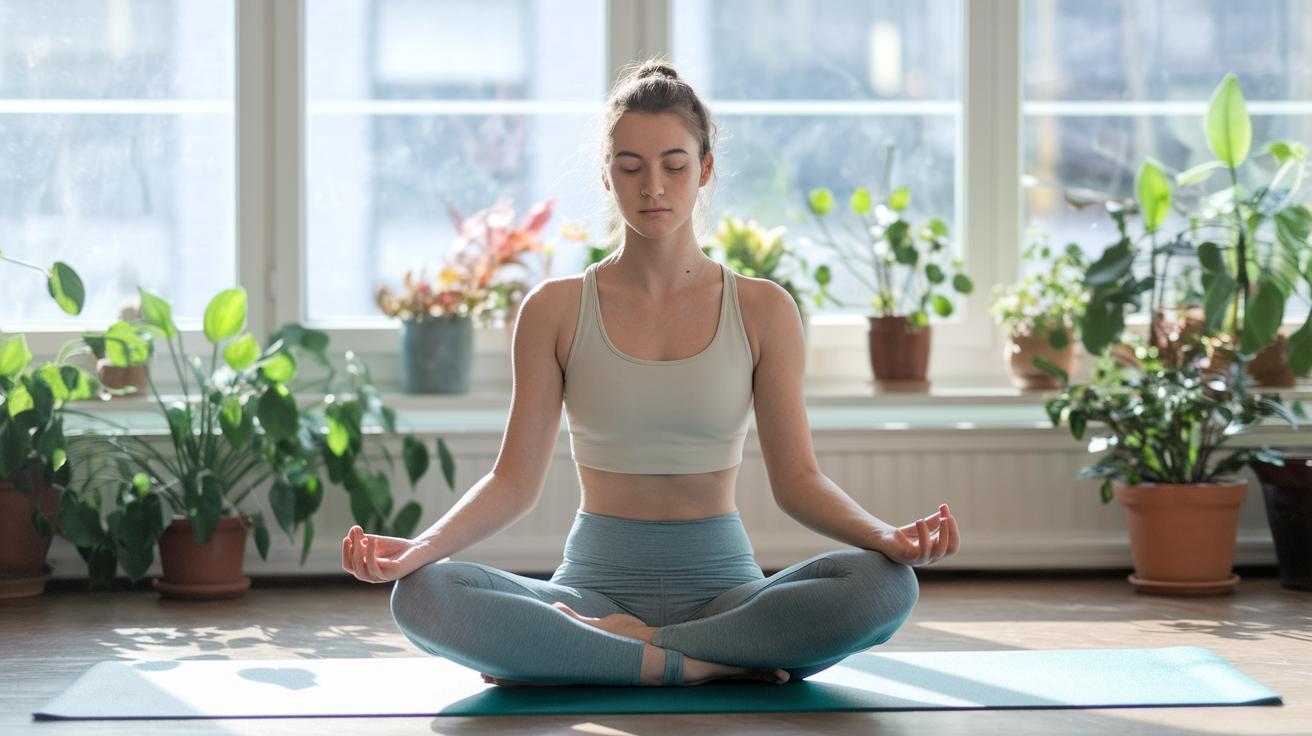
Plan on doing 2 to 3 active recovery sessions every week, with full rest days in between, to keep your body moving without overdoing it. This gentle approach helps boost blood flow and keeps you feeling loose. For example, try a quick 10 to 15-minute yoga flow, imagine a fast sun salutation series that leaves you refreshed and ready to take on the day.
Mix it up during these sessions with different, low-impact activities. You might combine a series of range-of-motion drills with a leisurely walk, where every step feels like a mini recharge. And if you’re up for it, add some light cross-training, like easy biking or a calm swim, to build endurance without high intensity.
Even on days without a full workout, a brief cooldown routine can fend off stiffness and keep you moving smoothly. Stick with these gentle, varied routines to create an active recovery plan that fits naturally into your week.
Active Recovery Workout Techniques For Runners, Cyclists, And Strength Athletes
For runners, it’s great to wind down gently after a hard run. Try a light jog or brisk walk right after finishing your workout to help your heart rate slow gradually. Then, add in some soothing stretches like hamstring sweeps (stretching the muscles at the back of your thighs), calf releases, and quad rolls. Imagine finishing your run with soft, sweeping movements that feel like a gentle massage for your tired muscles, readying you for the next challenge.
For cyclists, an easy recovery ride works wonders. After a tough session, hop on your bike and pedal at about half your usual effort for around 15 minutes. This smooth, low-key ride keeps your blood flowing without putting extra strain on your legs, almost like a relaxed cruise that helps everything settle.
For rowers, easing into your cooldown means taking it slow. Spend 10 to 15 minutes rowing at an easy pace. This gentle session helps move blood through your muscles and releases any tightness in your back and arms, leaving you with that calm, post-workout satisfaction.
Strength athletes, after those heavy lifts, deserve some quality recovery time too. Transition into active stretches and foam rolling (using a cylindrical foam tool to massage your muscles). Roll out your thighs and glutes slowly, letting each pass ease away stiffness and set your body up for your next session.
Team sports players can also enjoy a post-game muscle reset. A short routine that mixes mobility drills, core activation (exercises to strengthen your middle), and gentle stretching can do wonders. It’s like a team cooldown that keeps you moving slightly while giving your muscles the chance to repair and rebound for the next match.
Final Words
In the action, we walked through a balanced plan mixing dynamic post-workout recovery, cool-down rituals, and gentle movement routines. Breaking down exercises for runners, cyclists, and strength athletes helped show how low-intensity moves ease soreness while boosting blood flow and muscle repair. Each section offered clear steps to integrate mindful stretches and breathing into your day-to-day routines. Keep using an active recovery workout to feel refreshed after each session and enjoy every step toward living a healthier, happier life.
FAQ
What are active recovery workouts?
Active recovery workouts involve gentle movements after intense exercise. They boost blood flow, help with muscle repair, and reduce soreness through light activities like yoga, walking, or easy cycling.
How do active recovery workouts benefit athletes like runners and cyclists?
Active recovery helps athletes by using gentle motions—such as light jogging, slow cycling, or dynamic stretches—to enhance circulation and ease muscle stiffness, promoting faster muscle repair after strenuous efforts.
What are some examples of full body active recovery workouts?
Full body active recovery workouts include dynamic stretches, bodyweight exercises, guided Pilates sequences, and foam rolling routines. These methods work the entire body to improve circulation and support muscle recovery.
What is a 30-minute recovery workout?
A 30-minute recovery workout is a low-intensity session mixing gentle cardio, dynamic stretches, and foam rolling. This balanced routine aids in clearing lactate from muscles and reducing post-workout stiffness.
What is the 3-3-3 rule in the gym?
The 3-3-3 rule in the gym means performing three exercises, doing three sets for each, with three minutes of rest between sets. This format helps balance work and recovery during training sessions.
Is it better to take a full rest day or opt for active recovery?
Opting for active recovery over complete rest can keep muscles moving and boost circulation, which helps reduce stiffness. It provides a gentle approach to healing while still giving your body a break from intense exercise.
How can I perform an active recovery workout at home?
You can enjoy an active recovery workout at home by doing simple dynamic stretches, bodyweight drills, or a foam rolling session. These no-equipment routines help maintain blood flow and ease muscle tension.