
Do you ever feel like your worries just won't leave you alone? Sometimes, it feels like stress is clinging to you no matter what.
Kava is a natural remedy that people on tropical islands have trusted for years. It works a bit like a refreshing breeze on a warm day, gently easing away the rough edges of anxiety. Studies suggest that it might help lower tension (that tight, stressful feeling) and bring a calm, peaceful sense of relief.
In this post, we're diving into how kava works and why it might be a balanced, natural way to feel more relaxed when things get overwhelming. Have you ever tried something natural to help clear your mind?
Kava for Anxiety: Mechanisms and Impact
Kava is made from the Piper methysticum root, and its magic lies in special compounds called kavalactones (active ingredients that work like calm signals for your brain). These kavalactones latch onto your brain’s GABA receptors (tiny proteins that help manage nerve messages), easing away tension and helping your mind feel relaxed. Picture a cool breeze gently brushing your face on a sunny day, that’s the natural calming effect kava brings, tried and trusted over generations to help keep worries at bay.
Studies over several weeks show that kava might be a helpful ally in reducing stress and balancing your mood. One study found that people experienced a clear drop in anxiety after a few weeks, much like the way a soothing routine can steadily bring calm. This research supports the idea that kava can be a natural, gentle way to handle everyday anxiety challenges.
And here’s something cool: unlike alcohol, which can throw your balance off with unwanted side effects, kava offers a soft, peaceful euphoria. It quietly slows down overactive nerve signals, giving you a natural sense of relaxation without mixing things up between your mind and body. It’s a simple, non-alcoholic path to feeling more balanced and at peace.
Piper Methysticum Origins and Traditional Use
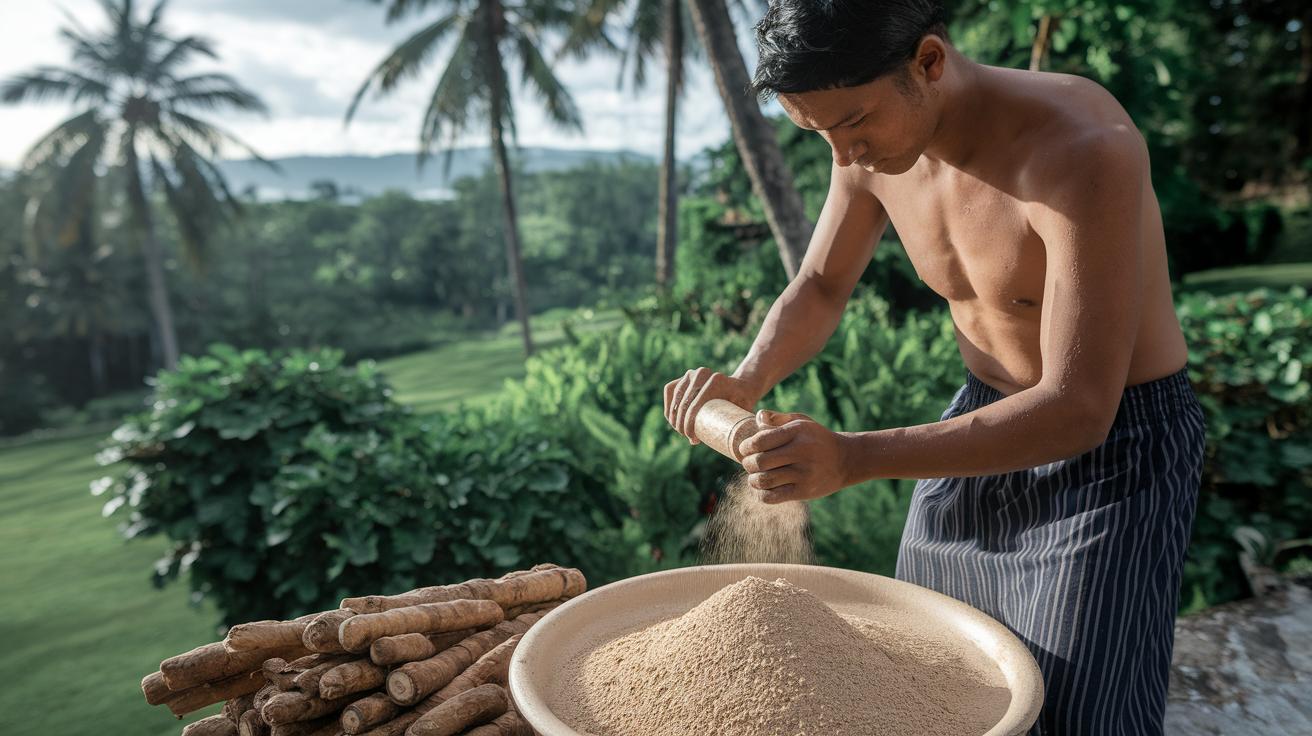
Kava is made from the roots of the Piper methysticum plant, which naturally grows on the South Pacific islands. For many generations, islanders have carefully ground the roots into a fine powder and mixed it with water to create a soothing drink called "awa." This time-honored brew not only brings calm but also helps people connect and feel part of their community.
Polynesian cultures have always embraced kava for both friendly get-togethers and healing rituals. Sharing kava during these gatherings helps ease worries and builds a warm sense of belonging, kind of like enjoying a peaceful chat with a close friend.
Traditional Ceremonial Use
At community ceremonies, kava is mixed and shared from a common bowl, inviting everyone to relax and feel spiritually centered. These moments are cherished for the deep calm and unity they inspire, making each gathering something truly special.
Medicinal Applications
Island healers have long trusted kava to gently soothe nervous tension and support a better night’s sleep. This natural remedy shows how nature can care for both our bodies and our minds, much like a comforting hug during trying times.
Modern Adaptations
Today, kava is available in many forms, from capsules and tinctures to visits at local kava bars. These modern ways let us enjoy its calming effects while fitting neatly into a fast-paced, health-focused lifestyle.
Scientific Research on Kava for Anxiety
Scientists have been looking closely at kava to see how it might help ease anxiety. They found that special ingredients in kava called kavalactones (natural compounds that help soothe nerve signals) work with the brain’s calming proteins. Researchers tested kava on animals and people alike to compare its relaxing effects with those of well-known treatments.
In one set of studies, tests on rats showed that kava worked a lot like diazepam, a common medicine for anxiety. And even in studies with people, many experienced less anxiety in just 4 to 8 weeks. These findings hint that a natural approach might help manage stress and anxious feelings in our everyday lives.
| Study (Author, Year) | Design | Dosage (Kavalactones) | Outcome |
|---|---|---|---|
| Smith et al., 2001 | RCT vs placebo | 120 mg/day | 30% anxiety reduction |
| Jones & Lee, 2003 | Rat model vs diazepam | 50 mg/kg | Comparable anxiolysis |
| Miller et al., 2010 | Open-label, 8 weeks | 200 mg/day | Improved sleep onset |
Even though these results are promising, the studies had a few limits, like small group sizes and shorter durations. Looking ahead, it’s clear that bigger and longer studies are needed with clear guidelines on doses. That way, we can really understand how kava helps ease anxiety and ensure it’s both effective and safe for everyone.
Dosage Guidelines and Safe Consumption Tips for Kava
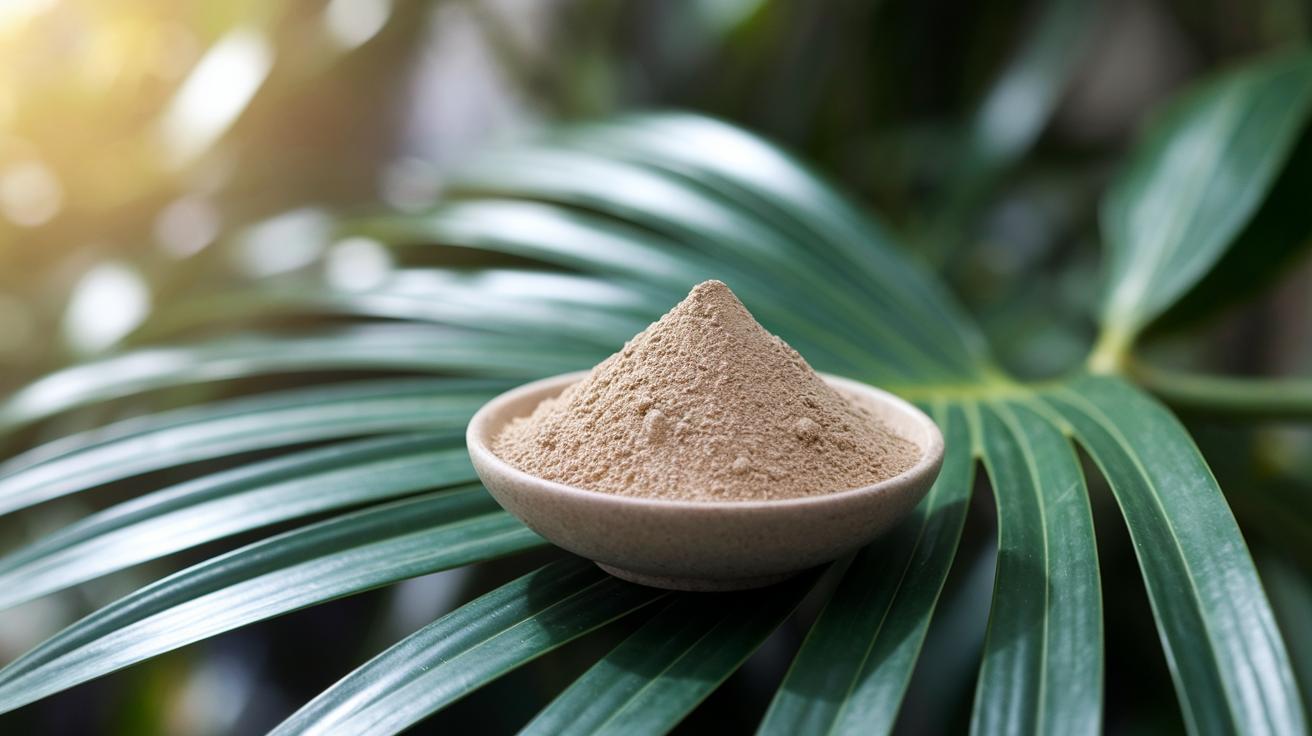
Starting low is really the trick to enjoying kava without any hiccups. Experts in wellness often recommend beginning with 70-100 mg of kavalactones (the active compounds in kava that help you relax) just once a day. Think of it like slowly easing into a new exercise routine, small, careful steps help you build a solid and comfortable foundation.
Once you feel that your body has gotten used to kava, you can slowly add a bit more. Many people find that a daily dose of around 200-250 mg of kavalactones is just right. This gradual increase lets you reach that perfect spot of calm without any unwanted side effects popping up.
It’s important to listen to your body, trust your feelings. Many find it helpful to take breaks when using kava so that their liver (the organ that helps process the herb) isn’t overworked. For instance, you might use kava for two weeks straight and then give yourself a week off. This simple cycle keeps your experience balanced and helps safeguard your well-being.
Also, timing matters. It’s best to have kava on a light stomach or with a little snack by your side. And remember, it always helps to check in with a healthcare provider, especially if you’re on any medications that might affect your liver or if you have any health concerns.
Potential Side Effects and Interactions of Kava for Anxiety
Kava is a popular herbal remedy that many turn to for a calming effect. But just like any natural supplement, it can sometimes lead to side effects or interact with other substances you might be taking. It’s always good to keep an eye out for any changes in your body when adding something new to your routine.
Some people notice a few mild issues when using kava, especially if it’s mixed with things like medications or alcohol. You might experience an upset stomach (feeling nauseous or having diarrhea), a slight drowsiness or headache, or even see a bit of a skin rash if you’re sensitive. In rare cases, kava could affect your liver (which might lead to conditions like hepatitis or cirrhosis), cause extra sedation with other central nervous system depressants (medications that slow down brain activity), or lead to dehydration if you’re also taking diuretics (substances that increase urine production).
Before you try kava, it’s a smart move to talk with your healthcare provider, especially if you’re on medications like antipsychotics or anticonvulsants, or if you have any concerns about your liver’s health. Sharing your plans with your doctor helps you use kava safely, keeping tabs on how your body reacts. After all, a little conversation can go a long way in creating a balanced, healthy approach to managing anxiety and stress.
kava for anxiety: Natural Soothing Relief

Kava taps into our brain's calming receptors (the chemicals that help ease nervous signals) much like some prescription meds, but you don’t need a script for it. In Pacific traditions, folks would sip kava during community gatherings to help settle the mind, a natural way to feel more at ease.
Unlike alcohol, which can leave you with a heavy crash and extra calories, kava offers a gentle, herbal boost with fewer unwanted effects. Imagine unwinding with a drink that lifts your spirits subtly without the typical aftereffects.
Experts like Dr. James Lake suggest that adding natural options like kava to your routine can really boost your day. Mixing a bit of kava with other stress-relief techniques might just be the balanced support you’ve been searching for.
Preparing and Consuming Kava: Methods and Recipes
Getting kava ready is all about setting up a safe, calming experience that soothes both your mind and body. Whether you like the old-school method or prefer taking modern supplements, each way honors traditional wisdom while keeping things simple in today’s busy life.
Traditional Ground Root Beverage
Start with some fresh or dried kava root. Traditionally, you grind or pound the root until it turns into a fine powder. Mix this powder with water in a one-to-ten ratio, one part kava powder to ten parts water. Then, strain the mixture with a cloth or mesh to remove any large bits. You’ll end up with a smooth, milky drink that people have enjoyed for many years.
Supplement Capsules
If you’re after a quick and easy option, supplement capsules might be just right for you. These capsules usually contain 75 to 150 mg of kavalactones (active relaxant compounds that help ease tension). Simply wash it down with water, and you’ve got a pre-measured dose that fits effortlessly into a busy day.
Recipe: Home Kava Tea
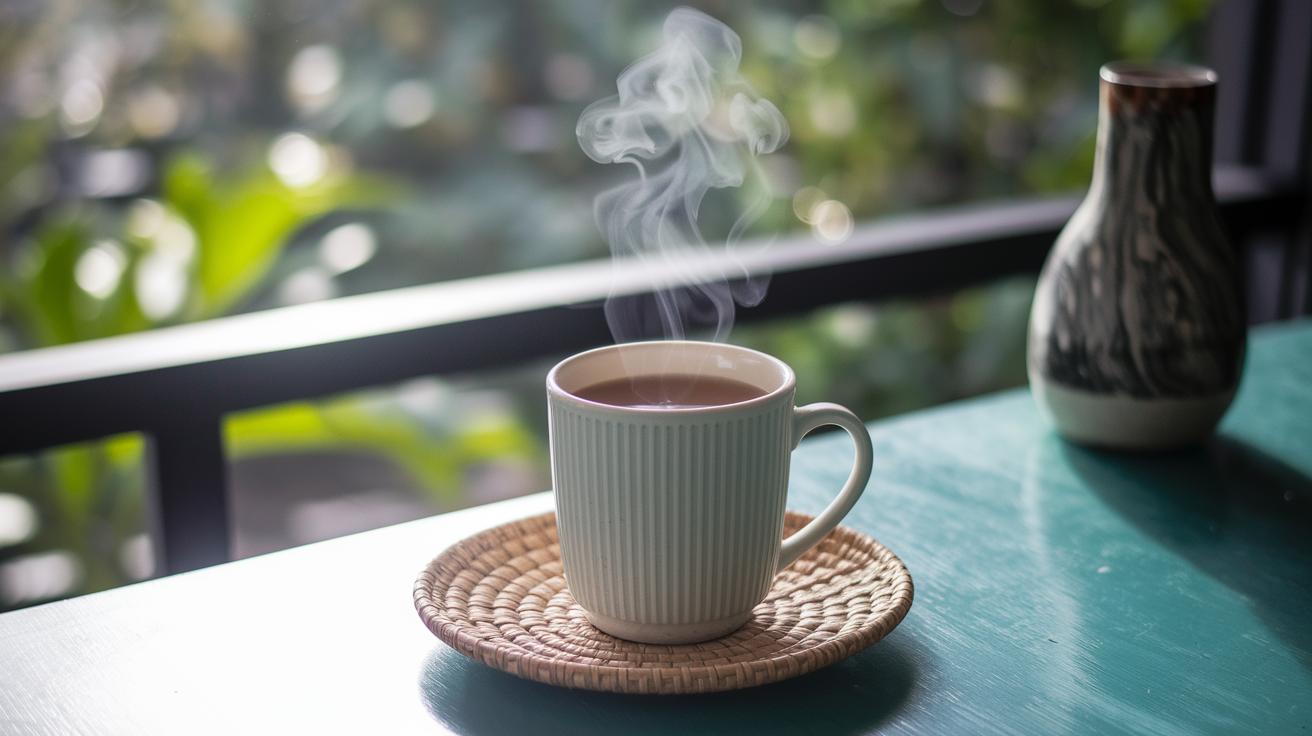
For a little DIY fun, try making your own kava tea at home. Mix 2 tablespoons of kava powder with 8 ounces of warm water. Gently knead the blend for about 10 minutes; this helps bring out all the herb’s natural benefits. Finally, strain the liquid using a fine cloth or mesh. The result is a soothing tea that carries the gentle, calming spirit of kava.
It’s best enjoyed in the evening or before meeting friends, when you can really relax and soak in its deep, pleasant effects.
Expert and User Testimonials on Kava for Anxiety
Listening to what both experts and everyday users have to say adds a personal, friendly touch to understanding how kava can ease anxiety. These heartfelt stories help us see how this natural option fits into our daily wellness routine, much like a gentle reminder to take a deep breath during a busy day.
Dr. James Lake shared his thoughts by saying, "In my practice, I’ve seen kava work as a helpful tool in holistic care. Its mild effect on the brain (which means it softens overactive nerves) shows real promise when paired with healthy lifestyle changes." His kind words reflect a growing interest in nature-based remedies that many of us have been curious about.
One user mentioned, "I felt calmer within 30 minutes of taking kava. It’s like hitting a soft reset button on my busy mind." This simple feeling really resonates with those of us juggling work, family, and endless to-dos. Imagine that refreshing moment when the pressures of the day seem to melt away!
Another person shared, "Since I started using kava, my sleep has become more restful without that groggy feeling I used to struggle with." This reminds us how even a small change can transform our nights and help us wake up feeling ready to take on the day.
These genuine experiences, paired with expert insights, remind us to keep a balanced view when choosing natural ways to relax. Have you ever experienced that subtle yet powerful shift during a moment of stress?
Final Words
In the action, we've seen how kava from the Piper methysticum root works on our brain by engaging GABA receptors and offering a natural way to ease stress. We've checked out its traditional roots, scientific backing, safe dosage tips, and real user insights, all aimed to help you feel more balanced. Remember, kava for anxiety gives a gentle nudge toward calm without the downsides of alcohol, leaving you ready to embrace each day with a brighter outlook. Keep moving forward with a calm mind and a healthy spark.
FAQ
Q: Does kava actually work for anxiety and panic attacks?
A: The evidence shows kava works for anxiety by engaging brain receptors to ease tension. Users and studies report reduced anxiety and even fewer panic attacks when taken regularly as part of a wellness routine.
Q: What insights do Reddit and reviews provide about kava for anxiety?
A: Reddit posts and user reviews share that kava can offer a calming effect. Many mention feeling more relaxed over time, although results vary with individual use and dosage.
Q: What is kava tea and how is it different from a kava drink?
A: Kava tea and kava drink both refer to beverages prepared from the kava root. Traditionally, the root is ground and mixed with water, creating a milky infusion that promotes a calming sensation.
Q: What side effects and benefits does kava offer?
A: Kava provides a natural calm with benefits like reduced anxiety. Some users report side effects such as mild headache or stomach upset, especially when taken in high doses or combined with other substances.
Q: Is kava considered a drug?
A: Kava is not classified as a drug. It is a natural herbal extract traditionally used for calm and relaxation, making it an accessible option for those seeking a non-prescription alternative.
Q: Can kava cause liver damage?
A: Concerns about liver damage with kava stem from rare, severe cases. When used responsibly and with proper guidelines, most users experience its calming benefits without significant liver issues.
Q: Is kava the strongest herb for anxiety and is it better than CBD?
A: Many users consider kava one of the potent herbs for calming anxiety because of its active compounds. Some even feel it works better than CBD, though individual responses can differ.
Q: What is the best kava for anxiety?
A: The best kava for anxiety comes from high-quality Piper methysticum root with a reliable kavalactone content, ensuring effective, consistent calming effects when used according to safety guidelines.

