
Ever wonder if taking it easy between workouts might actually help you go further? Active recovery is a simple way to give your muscles the break they need while still keeping you moving. Instead of stopping completely, try some light stretches or a gentle walk to clear away fatigue and keep your heart feeling steady. This relaxed effort helps prepare you for your next big challenge and can boost your overall performance. Ready to see how easy movements might upgrade your workout routine?
Active Recovery Protocols Explained: Foundational Principles & Benefits
Active recovery is all about those gentle, low-key movements you do between tougher workouts. Instead of simply lying around, these routines, like an easy stroll or slow stretching, help your body ease muscle tightness, boost circulation, and keep you moving smoothly. They give your muscles just enough action to keep nutrients flowing without adding extra tiredness.
When you keep up with light activity after a hard workout, your heart keeps a steady beat and your blood does a great job delivering oxygen and essential fuel (the nutrients that help your muscles recover) to where it’s needed most. Imagine finishing an intense session and then cooling down with a slow, calming walk. That gentle effort helps clear away any lingering fatigue and sets you up to feel refreshed and ready for the next challenge.
In a simple way, active recovery can be your secret weapon for staying at the top of your game. It helps flush out toxins, supports your overall exercise routine, and even keeps burnout from creeping in. Plus, it sharpens your mental focus, giving you that extra boost of motivation. So next time you finish a workout, try adding a few minutes of easy movements. It might just be what you need to keep your body and mind feeling balanced and ready for another great session.
Active Recovery Protocols: Elevate Your Performance

Active recovery helps you keep moving and stay flexible between tougher workouts. It’s all about gentle exercises that boost blood flow, deliver important nutrients to your muscles, and sweep away any leftover waste. Think of these movements as a tune-up, like giving your muscles a little pep talk before the next big session.
Try adding a few of these into your routine:
- Dynamic leg swings
- Flowing yoga sequences like sun salutations
- Walking lunges with twists
- Arm circles to help loosen up your shoulders
- Torso rotations to give your spine some extra flexibility
- Ankle mobility drills
Foam rolling is a superstar part of this routine. When you finish your workout, spend about 30 seconds gently rolling each main muscle group. This helps ease tight spots and feels like a soft, rhythmic beat that calms your muscles. It’s a simple way to get your body ready for your next high-energy session. Give it a try right after your active recovery, your body will thank you for keeping everything light and mobile.
Active Recovery Protocols: Low-Impact Cardio & Timed Sets
Active recovery practices are a gentle, friendly way to keep your heart happy while giving your muscles a break. Think of it like this: after a challenging workout, steady activities such as using an elliptical, trotting on a treadmill, cycling, hiking, or even a brisk walk, work wonders by keeping your heart engaged without putting stress on your joints. These low-intensity moves help boost blood flow, flush away metabolic byproducts (waste from your cells), and bring fresh nutrients to your muscles, kind of like treating your body to a mini tune-up.
Then there’s another cool trick: timed sets. After your workout, adding short bursts of exercise lasting between 30 seconds and 2 minutes can amp up your recovery. This method nudges your aerobic metabolism (your body’s process for using oxygen to get energy), supports fat loss, and refuels your energy levels. It’s like giving your body a clear signal to wind down efficiently while still keeping those muscles on track.
- 30-sec brisk walk followed by 30-sec rest
- 45-sec steady cycling, then rest for 15-sec
- 1-minute treadmill jog, then a quick 30-sec break
- 90-sec elliptical pace paired with 30-sec recovery now
Manual & Mechanical Aids in Active Recovery Protocols
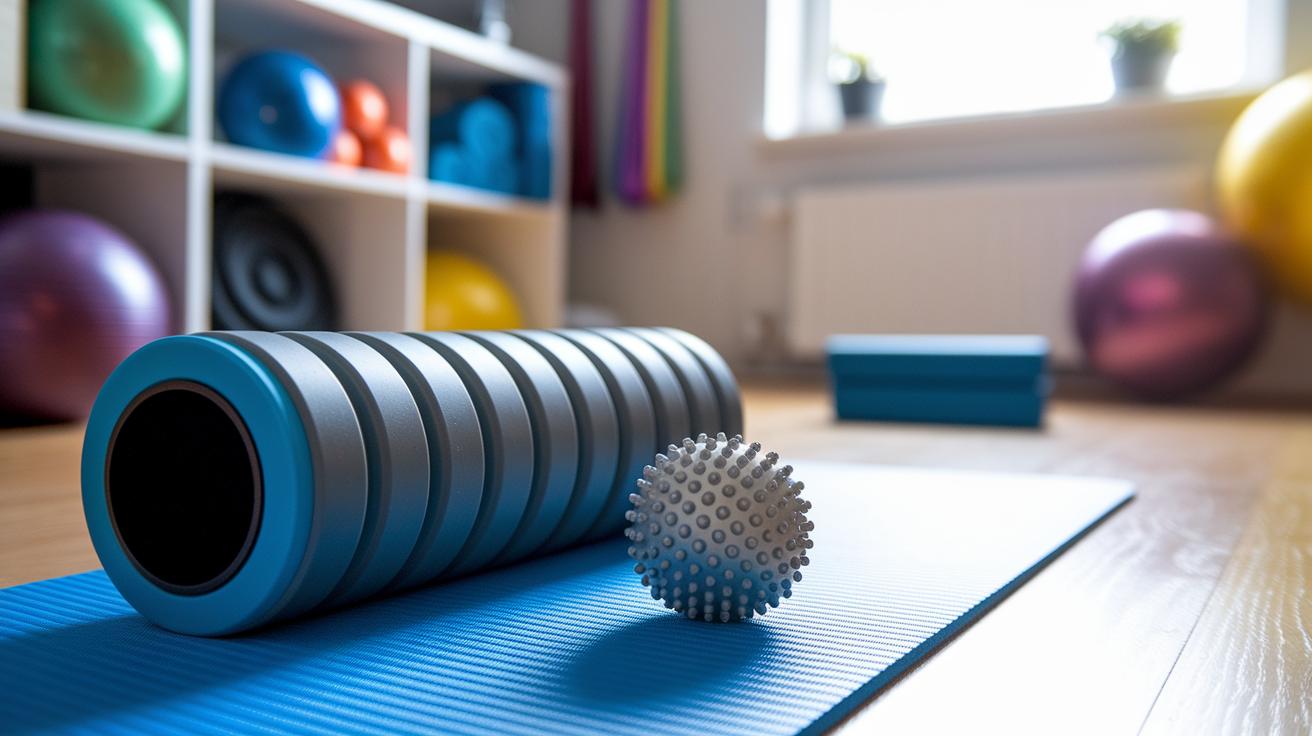
After a tough workout, taking a few moments for recovery with some handy tools can really help your body bounce back. These aids give you a gentle self-massage, help squeeze out any swelling, and ease muscle tightness (that’s what myofascial release means). They complement your movement routines by lightening up stiffness and boosting blood flow, so your muscles feel ready for the next session.
Here are some favorites:
- Foam Roller – A friendly tool for a soft self-massage that smooths out those tight spots.
- Massage Ball – Great for reaching and gently working out those little, stubborn areas.
- Compression Sleeve – Provides a snug, comforting squeeze that can ease swelling and improve circulation.
- Percussion Device – Sends quick, pulsing vibrations to help calm sore muscles.
- Trigger-Point Tools – Designed to target and release those specific muscle knots.
Adding these tools to your cool-down routine is both simple and super helpful. Just a few minutes with a foam roller or massage ball can ease your muscles and speed up recovery. Using these aids regularly helps create a smoother switch from workout time to relaxation, keeping you flexible and ready for your next adventure.
Designing Your Post-Workout Active Recovery Plan
Taking it easy between tough workouts is a smart move. When you add in recovery days, you give your body a chance to reset and prepare for the next challenge. Try mixing in bodyweight and core circuits such as pull-ups, chin-ups, pushups, split squats, lunges, and inverted rows (these are exercises that use your own body weight for resistance). Do these moves at a moderate pace and with lower intensity. It’s like giving your muscles a quick breather so they stay fresh and ready.
Below is a sample weekly plan to help you get started:
| Day | Activity | Duration |
|---|---|---|
| Monday | Core Circuit (pull-ups, pushups, inverted rows) | 20 min |
| Tuesday | Active Mobility & Light Cardio | 30 min |
| Wednesday | Bodyweight Circuit (chin-ups, split squats, lunges) | 25 min |
| Thursday | Active Recovery Walk + Stretch | 30 min |
| Friday | Core Stability & Light Circuit | 20 min |
| Saturday | Foam Rolling & Gentle Yoga | 30 min |
| Sunday | Mixed Bodyweight & Core Circuit | 25 min |
Tailor your recovery plan based on how hard you push yourself during workouts. If you need extra time for your muscles to rebuild, add a few more minutes of foam rolling (a self-massage tool that helps ease muscle tightness) or gentle yoga stretches. Remember, it’s all about listening to your body and adjusting as needed, so you feel strong and ready day after day.
Tracking & Optimizing Active Recovery Protocols

Measuring your progress is a great way to make sure your light workout days keep you feeling your best. Active recovery is simply giving your body time to move gently while avoiding fatigue. By checking a few key signs regularly, you can notice changes, adjust your routine, and decide whether to push a bit more or take it easy.
- Heart Rate Variability (HRV, which shows the time between heartbeats and reflects how well you recover) – Keeping an eye on your HRV can tell you if your body is bouncing back nicely.
- Sleep Quality – A good night’s sleep is a strong indicator of recovery. When you sleep well, you'll naturally feel more energized and nimble.
- Soreness Scale – Rate how sore your muscles feel each day. Over time, you might see patterns that tell you when your body is adapting or needing extra care.
- Mobility Tests – Try simple moves like bending or stretching; these can remind you of improvements in how your joints move and how flexible you are.
- Training Logs – Write down what you do during workouts and recovery days. Looking back at your notes can help you spot trends and celebrate progress.
Take some time every few weeks to review your numbers. Are you feeling less sore? Is your HRV getting better? Are your stretches feeling smoother? When you start seeing these positive changes, it might be the right moment to add a small challenge or even give yourself a few extra minutes of rest.
Listening closely to your body and using these simple signs as guides can keep your active recovery on track, giving you the energy and strength to feel fresh and ready for anything.
Final Words
In the action, the blog breaks down active recovery protocols into easy-to-follow parts, from simple cooldown routines and mobility drills to low-impact cardio and self-massage tips. It shows how these techniques boost circulation and ease muscle tension, setting you up for both strength gains and mental clarity. The post details timed sets and practical tracking methods so you can fine-tune your plan daily. Every small step toward refining your post-workout movement plan can leave you feeling refreshed, strong, and ready for more.
FAQ
Frequently Asked Questions
What are active recovery protocols?
Active recovery protocols involve low-intensity movement between training sessions that help boost blood flow, ease muscle stiffness, and improve mobility without causing additional fatigue.
What are some examples of active recovery protocols?
Active recovery examples include light stretching, easy-paced cardio like walking or cycling, and full body workouts that maintain movement without high impact.
What is the difference between active recovery and a rest day?
Active recovery protocols use gentle movements to stimulate blood flow, while a rest day means taking a break from exercise to allow the body to recover completely.
What are the benefits of active recovery?
Active recovery protocols help enhance circulation, reduce muscle soreness, and assist in removing metabolic waste, which supports overall performance and faster recovery.
How do you properly do active recovery?
Proper active recovery involves engaging in low-intensity activities, such as gentle stretching or light cardio, to promote blood flow and ease muscles without adding extra strain.
What are the three types of active recovery?
Active recovery protocols can include flexibility-based exercises like active stretching, core-focused routines such as Pilates, and low-intensity cardio sessions to aid muscle repair.
What are recovery protocols?
Recovery protocols refer to structured plans that integrate recovery techniques like light movement, stretching, and cooling down strategies to help the body repair and stay ready for more training.
What are five recovery techniques?
Simple recovery techniques include low-intensity cardio, dynamic stretching exercises, foam rolling, manual self-massage, and short, timed active sets to support muscle recovery.
What are examples of passive recovery?
Passive recovery examples include complete rest, minimal movement activities, or very light stretching that allows muscles to relax fully without engaging in vigorous exercise.

