
Do you ever feel super sore after a workout and wonder why things went off track? Maybe you skipped cooling down or forgot to drink enough water. Our muscles need a little extra care right after exercise, just like tending to a plant needs water and sunshine.
In this post, we share some common active recovery mistakes so you can turn that post-workout discomfort into better strength and more energy. Just a few simple tweaks can really boost your workout results. Let’s explore what small changes you can make to feel and move better.
Identifying the Top Active Recovery Mistakes to Avoid
Sometimes, we miss out on proper recovery techniques that can really help our muscles feel better. For example, not cooling down after a workout can leave behind unwanted metabolic waste that makes your muscles stiff and sore for the next session. A gentle cooldown helps your heart rate slowly come down and clears away lactic acid (a substance produced during exercise).
Another common slip-up is not drinking enough water. When you miss out on the recommended 2 to 3 liters of fluids daily, your muscles might not contract as well, and cramps or fatigue can kick in. Also, waiting too long to eat after your workout can cut short the muscle repair process. Having lean proteins with some carbohydrates within 30 to 60 minutes helps revive your energy and kickstarts protein synthesis (the process of rebuilding muscle).
Rest is a big deal, too. Many of us keep training without scheduling proper rest days, which can lead to overtraining. Not getting the 7 to 9 hours of sleep our bodies need might limit the release of growth hormones that are vital for muscle repair. Incorrect stretching might hurt your muscles rather than help, and skipping mobility work can limit how well you move. Relying only on supplements or ignoring pain (which is often the body’s way of giving you a warning) can hide signs of injuries that need attention.
Taking a balanced approach to active recovery is essential. Mix in cool-down routines, proper hydration, timely meals, and ample rest into your workout plan. These small changes can lead to noticeable improvements in your muscle health and overall performance.
Why Skimping on Cooldown Routines Hurts Active Recovery
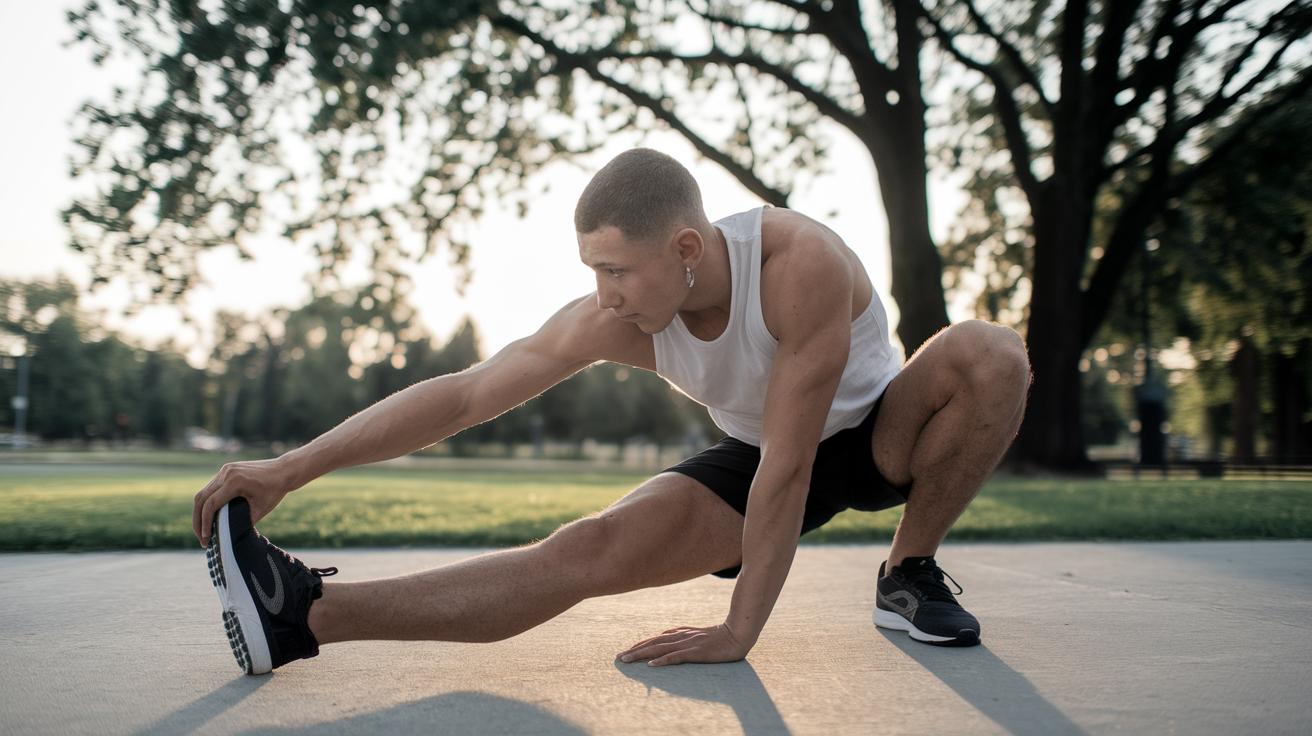
Skipping your cooldown routine isn’t just forgetting a step, it can really throw off your body’s recovery. Right after a workout, your heart is still beating fast and your muscles are warmed up. Without a slow wind-down, substances like lactic acid (a buildup from exercise that can make muscles stiff) can pile up, leading to more discomfort and slower recovery.
Taking just 5 to 10 minutes for a proper cooldown can make a big difference. It helps gently lower your heart rate through a mix of dynamic stretches (active movements that get your muscles ready) and static stretches (longer holds that relax your muscles). Adding in some calm, controlled breathing can boost blood flow and help your muscles clear out waste, easing soreness later.
It’s easy to skip this step when you’re eager to move on, but that quick decision might set you back. Without a proper cooldown, you could find yourself feeling stiffer and less ready for your next workout.
| Cooldown Method | Purpose | Ideal Duration |
|---|---|---|
| Light Walking | Gradually lower heart rate | 3–5 mins |
| Dynamic Stretching | Activate flexibility and movement | 3–5 mins |
| Static Stretching | Release muscle tension | 2–3 mins |
| Controlled Breathing | Boost oxygen flow | 1–2 mins |
The Hidden Cost of Neglecting Hydration During Active Recovery
When you don't drink enough water, it affects more than just your thirst, it can cause your muscles to work less efficiently and slow down the process of clearing out waste from your workout. Without enough water, your muscles can’t contract as well, which may leave you feeling sore for longer and hurt your workout progress.
Studies recommend drinking 2–3 L of water or drinks with electrolytes (minerals that help balance fluids) every day. Plus, having an extra 500–750 mL shortly after exercising can really help wash away toxins and keep your muscles in top shape. Even small dehydration, like losing 2% of your body weight from water loss, can drop your performance noticeably.
Keeping an eye on your water intake is just as important as sticking to your workout plan. Try measuring how much water you drink during the day. You might be surprised at how a bit more water right after a workout can make your muscles feel better and speed up your recovery.
Ignoring the Post-Exercise Nutrition Window in Active Recovery

After your workout, your body becomes super ready to take in nutrients. Extra blood flow and improved insulin action quickly direct these nutrients to your muscles. Recent studies show that this metabolic boost sparks processes like mTOR activation (a key factor in muscle repair) and efficient glycogen rebuilding (restoring your energy reserves).
Including foods with natural anti-inflammatory benefits or omega-3 fatty acids (healthy fats that reduce swelling) can enhance your recovery even more than the usual protein and carb mix. For instance, try making a smoothie: blend one cup of spinach, half a cup of berries, half a cup of Greek yogurt, and a scoop of protein powder. This tasty mix fuels muscle repair while helping to ease post-workout inflammation.
New meal options include:
| Meal Idea | Key Benefits | Example |
|---|---|---|
| Spinach Berry Protein Smoothie | Boosts nutrient absorption and eases inflammation | “Blend one cup spinach, half a cup berries, half a cup Greek yogurt, and one scoop protein powder.” |
| Salmon & Quinoa Salad | Supplies omega-3s and complete proteins for muscle repair | “Toss together grilled salmon, quinoa, mixed greens, and a drizzle of olive oil.” |
| Cottage Cheese with Pineapple | Offers light protein and natural sugars to restore glycogen | “Mix half a cup of cottage cheese with fresh pineapple chunks.” |
These fresh meal ideas add a new twist to your post-workout routine, offering a creative way to help your body bounce back and keep you thriving on your journey to a balanced, healthy lifestyle.
Overtraining and Rest Days: Active Recovery Pitfalls to Avoid
Straining your body without proper breaks can really work against you. It may boost stress hormones (cortisol), drain your energy stores (glycogen), and increase your risk of injury. When you push too hard without planned rest, your muscles don't have time to mend, leaving you feeling wiped out.
Research shows it’s best to give each muscle group 24 to 72 hours to recover. Plus, including one or two full rest days each week helps keep your body balanced and ready for the next challenge. Instead of stacking intense workouts back-to-back, try adding in lighter recovery activities like a gentle bike ride or some calming yoga. Picture ending a tough session with a relaxing walk or some easy stretches, it’s a smooth way to set up your recovery.
Signs of Overtraining
- Persistent tiredness
- A drop in performance
- A higher-than-usual resting heart rate
- Shifts in mood
Structuring Rest Days
Aim for one or two complete rest days each week. On these days, you can either take it easy by simply relaxing or opt for gentle activities that get the blood flowing without overworking your muscles. Listen to your body and follow a recovery pace that feels right for you, ensuring you don't jump back into hard workouts too quickly. A balanced schedule like this helps keep progress steady while keeping injuries at bay.
Skipping Mobility and Stretching: Sabotaging Active Recovery

Missing out on proper mobility can leave all your workout efforts feeling wasted. When you skip proper stretches or do them the wrong way, those tiny muscle tears might get worse and make it even harder to bounce back. Instead, try moves like downward dog, pigeon pose, and child’s pose. And don’t forget about 10 minutes of foam rolling to help free up the fascia (that’s the tissue around your muscles) and improve flexibility. For instance, holding a downward dog for about 30 seconds might let your shoulders and back relax noticeably.
Skipping these essential steps can lead to stubborn stiffness and a limited range of motion. Incorporating light, dynamic stretches before your workout and calming, static holds afterward really supports smoother recovery. This thoughtful routine helps prevent minor injuries from turning into bigger issues and keeps your muscles flexible. Imagine sinking into a child’s pose after exercising and feeling the tension melt away with each slow, steady breath. It’s a simple practice that can make a big difference in keeping you active and ready for your next challenge.
Tracking Your Active Recovery: Preventing Future Mistakes
Keeping track of your recovery is like chatting with a wise workout buddy. When you jot down details like your sleep quality (aim for 7 to 9 hours so your body feels refreshed), your everyday water intake, how sore you feel (on a scale of 1 to 10), your heart-rate variability (a simple measure of how well your heart is recovering), and the amount of exercise you do, you begin to see clear patterns in how your body reacts.
It might be surprising to see that on nights when your sleep isn’t as good, you feel extra sore the next day. Or you might notice that after a really intense workout, your heart-rate variability drops, as if your body is asking for a bit more rest. This little log helps you pick up on those signs so you can adjust your routine and keep moving forward with renewed energy.
- Sleep quality (7–9 hrs)
- Daily fluid intake
- Soreness ratings (scale of 1–10)
- Heart-rate variability
- Workout loads
By keeping an eye on these details, you can make smarter choices about your recovery. It’s like having a personal guide that helps you avoid mistakes and ensures your next workout is as balanced and refreshing as a cool breeze on a sunny morning.
Final Words
In the action of every workout, we highlighted active recovery mistakes to avoid, like skipping cooldown routines, underestimating hydration, and delaying post-workout nutrition. We pointed out how overtraining and improper stretching can disrupt repair, while tracking metrics can fine-tune your routine. Each tip ties back to a balanced approach to building strength and mental clarity. This practical recap leaves you well-equipped to keep your recovery smooth and effective. Keep moving forward and enjoy every step toward a healthier, happier you.
FAQ
What is the 3-3-3 rule gym?
The 3-3-3 rule in the gym suggests a balanced approach where you spend three minutes warming up, three minutes exercising at a moderate pace, and three minutes cooling down. It aims to boost overall recovery.
What are the disadvantages of active recovery?
The active recovery approach can sometimes lead to extended muscle soreness if done too intensely and may not give muscles enough time to fully heal when proper rest is skipped.
What gym mistakes should I avoid?
Gym mistakes to avoid include skipping proper cooldown routines, underestimating hydration needs, overtraining without scheduled rest days, and using incorrect stretching, all of which can hinder muscle repair.
How to properly do active recovery?
To properly do active recovery, include a structured cooldown with light stretches, drink enough fluids, and snack on a protein and carbohydrate mix within 30–60 minutes after exercise to support muscle repair.

