
Have you ever wondered if your dinner could give your muscles the boost they need after a hard workout? High protein meals work like magic to help rebuild tired muscles and refill your energy levels when you're feeling spent.
Picture a plate filled with lean turkey or fish, paired with a side of vibrant greens and a warm, roasted sweet potato. Every recipe we share is packed with at least 30 grams of protein, giving you the strength to power through your day and recover faster.
Ready to make dinner a delicious part of your fitness journey? Let's dive in and cook up some muscle-building meals that taste as good as they feel.
High Protein Dinners for Muscle Gain: Energizing Boost
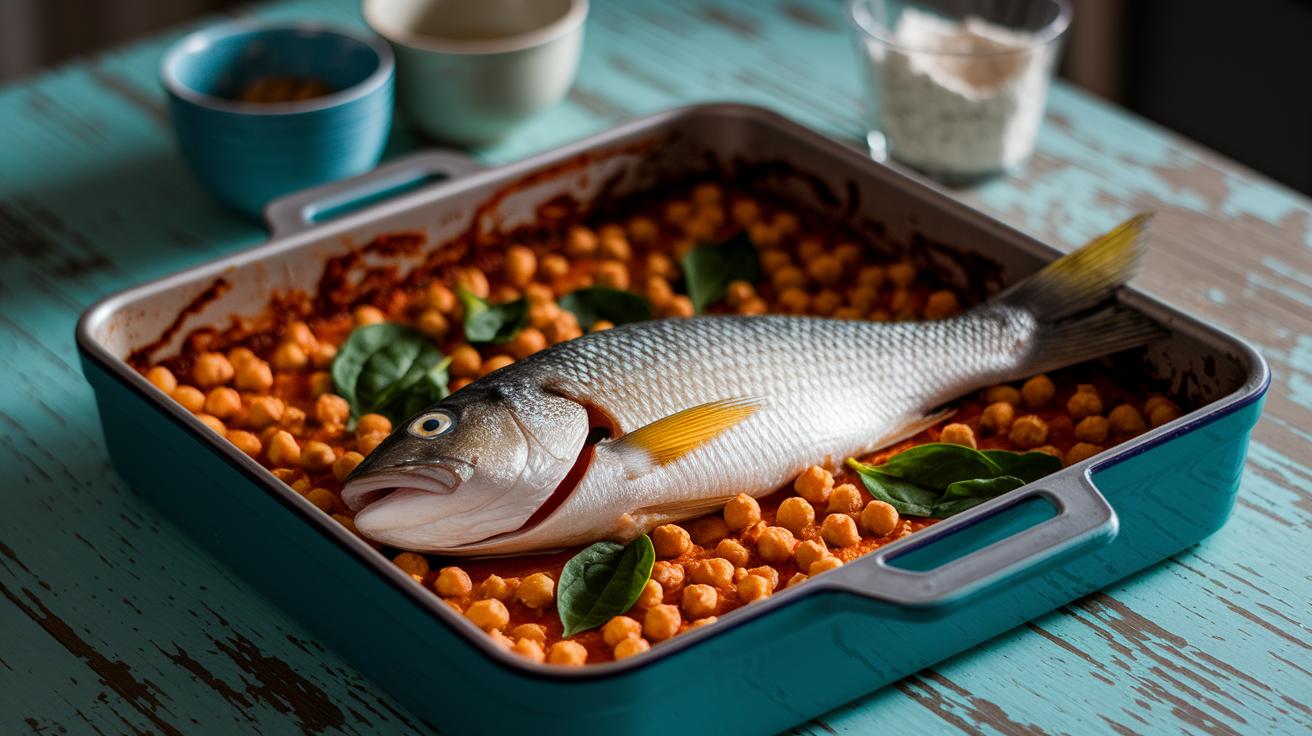
If you're searching for dinner ideas that pack at least 30 grams of protein per serving, you're in for a real treat. These recipes are crafted to help soothe and rebuild muscles after a hard workout, using lean proteins, wholesome carbs, and plenty of tasty extras to delight your palate. Take the Snapper Tray Bake with Spicy Tomato, Chickpeas & Spinach, for example, it's a burst of vibrant flavors and textures all in one simple dish.
This collection has something for everyone. From hearty turkey and sweet potato meals to light, zesty fish options, there’s a recipe to fit every taste and busy evening. Whether you have 10 or 15 minutes to whip up dinner, these meals make it easy to support muscle repair and recharge your energy levels. Picture cooking a firecracker chicken dinner with green beans on a hectic day, quick, nutritious, and oh so delicious!
| Recipe | Calories | Protein (g) | Prep Time | Cook Time |
|---|---|---|---|---|
| Snapper Tray Bake with Spicy Tomato, Chickpeas & Spinach | 500 | 38 | 10 min | 25 min |
| Grilled Chicken & Warm Potato Salad | 620 | 50 | 15 min | 20 min |
| Mediterranean Veggie Tray Bake | 450 | 30 | 10 min | 25 min |
| Turkey & Sweet Potato Skillet | 500 | 58 | 10 min | 20 min |
| Salmon & Quinoa with Pesto | 600 | 40 | 15 min | 20 min |
| Firecracker Chicken with Potatoes & Green Beans | 620 | 40 | 15 min | 25 min |
Next up, check out the following section where you'll find simple tips on putting together your dinner plate with macro-friendly guidance. This little add-on will help you get the most out of these meals for muscle repair and sustained energy.
Constructing Balanced Muscle-Building Dinner Plates
Macronutrient Breakdown
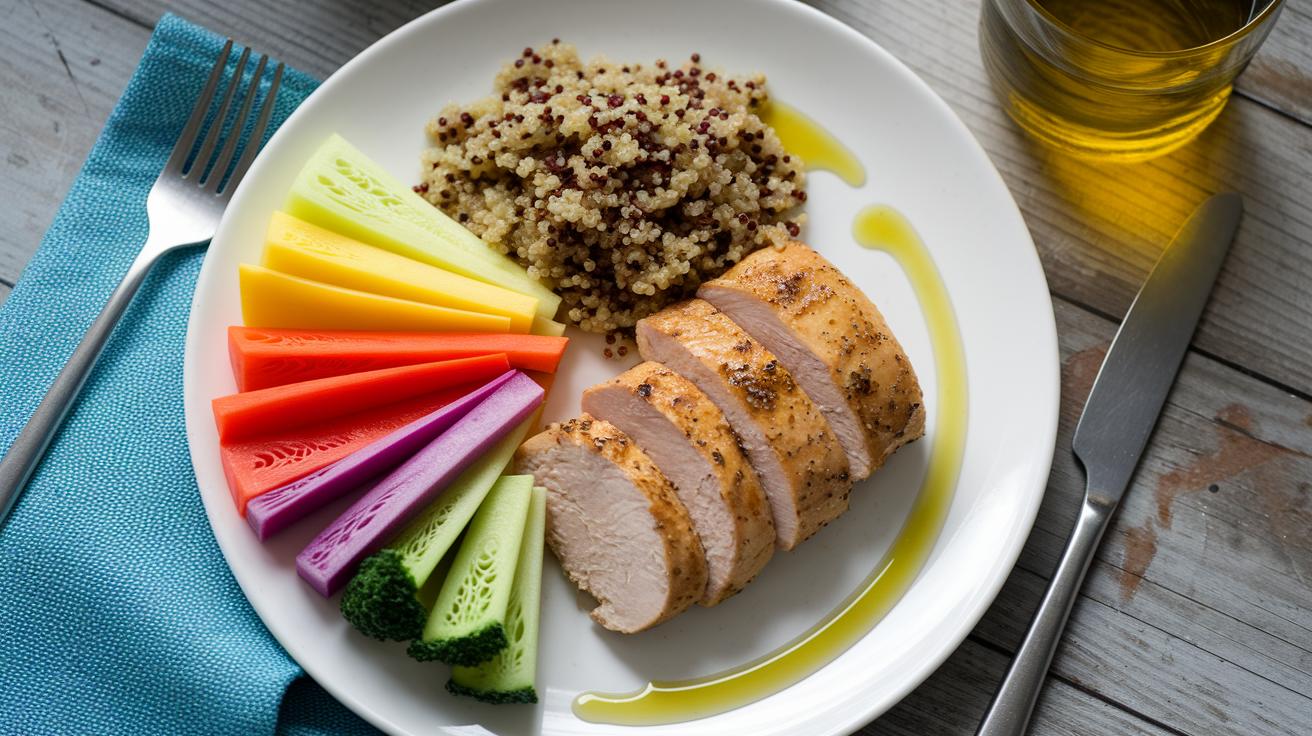
Try to fill your plate so that about 30 to 40 percent of the calories come from complete protein sources (these proteins have all nine essential amino acids, including leucine, which helps kickstart muscle repair and growth). Enjoy these proteins after a workout when your body is ready to rebuild. Next, add moderate amounts of complex carbohydrates (think whole grains or legumes that break down slowly to give lasting energy); aim for 20 to 30 percent. These carbs steadily refill your muscle’s energy stores so you can feel ready for the next challenge.
Don’t forget about healthy fats, like a splash of olive oil or a few slices of avocado. These should make up another 20 to 30 percent of your meal, helping to balance hormones and boost overall well-being after a tough exercise. When you’re piecing together your dinner plate, you might want to check out ideas in the Recipes for balanced meals section or explore tips on a Balanced diet and portion control approach.
Portion Size Guidelines
Imagine your plate is like a simple pie. Half of it should be loaded with colorful vegetables that add vitamins and crunch. Reserve a quarter for protein , around 6 ounces for most dishes works well , and fill the last quarter with complex carbohydrates, which is usually about 1 cup. And for that extra healthy touch, mix in 1 to 2 tablespoons of a good fat. This simple setup not only tastes great but also fuels your muscles for a speedy recovery.
Meal Prep Strategies for Protein-Packed Evening Meals
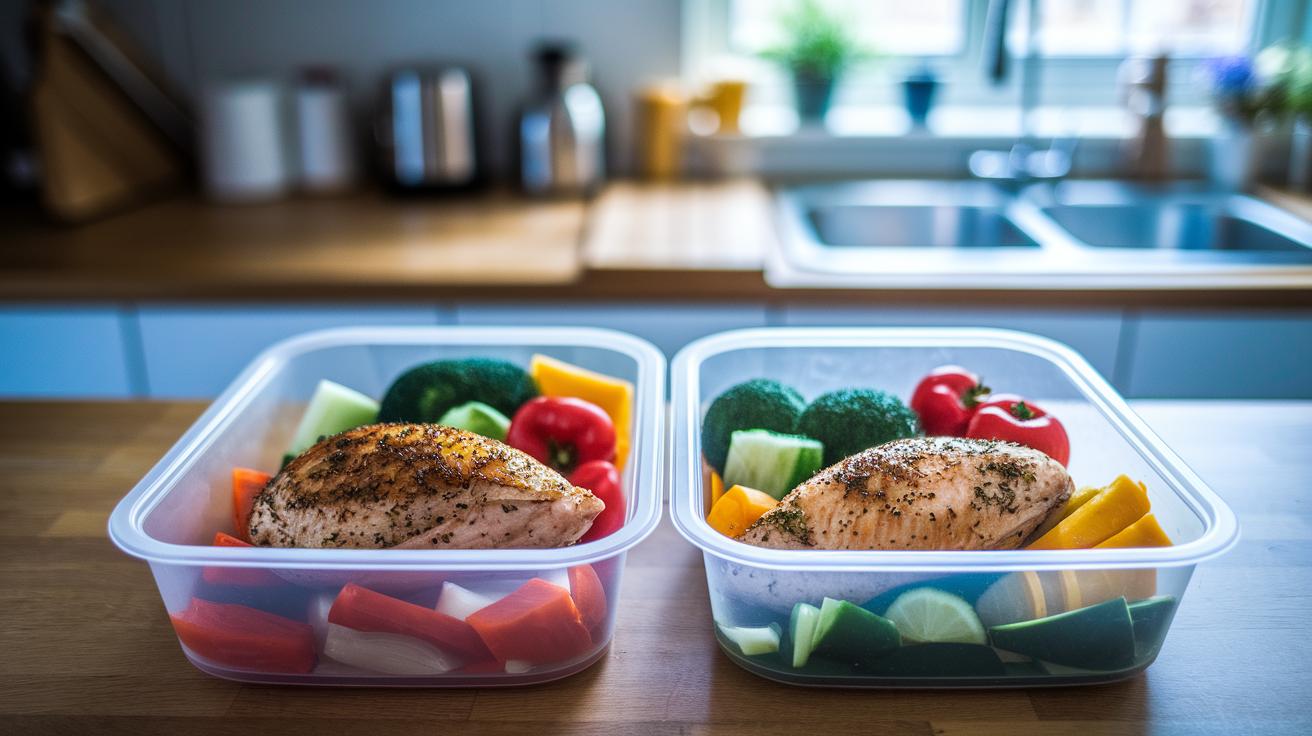
Batch-cooking can truly change your evenings, especially when things get busy. It means you spend a little extra time now to have tasty, protein-filled meals ready later. When you prepare a few days’ worth of lean proteins like chicken, fish, or tofu (tofu is a soft, plant-based protein), you set the stage for dinners that not only feel satisfying but also help your muscles recover and stay strong.
When I first tried this method, I noticed I wasn’t scrambling at the last minute to cook something quick. It felt like taking a small break for yourself. And who doesn’t appreciate a little extra time after a long day?
Here’s how you can keep things simple and effective:
- Try cooking your proteins in a slow cooker or on a sheet pan. This lets you focus on other things while the food does its magic.
- Once everything’s cooked, divide your meal into 5 or 6 containers so every dinner is a complete, protein-packed treat.
- It helps to label each container with the date and an estimated protein count, making it easy to know what’s fresh.
- Prepare a few versatile sauces – for example, a creamy tahini or zesty pesto – to switch up the flavors without extra fuss.
- Mix up your proteins by using different options like chicken, fish, or tofu. This keeps your meals interesting while meeting varied nutritional needs.
- If you end up with extra portions, freeze them. This means there’s always a backup on those extra busy nights.
- And finally, plan your week’s menu ahead of time so every container supports that muscle repair and growth you’re working for.
Remember, it’s all about making life a bit easier without compromising on nutrition. Keep your meals fresh by storing them properly in the fridge using airtight containers. And when you freeze extras, label them clearly, too. Enjoy the ease and peace of mind that comes with knowing your healthy dinner is already set and ready when you need it!
Customizing High-Protein Dinner Recipes with Smart Substitutions
Vegan and Vegetarian Swaps
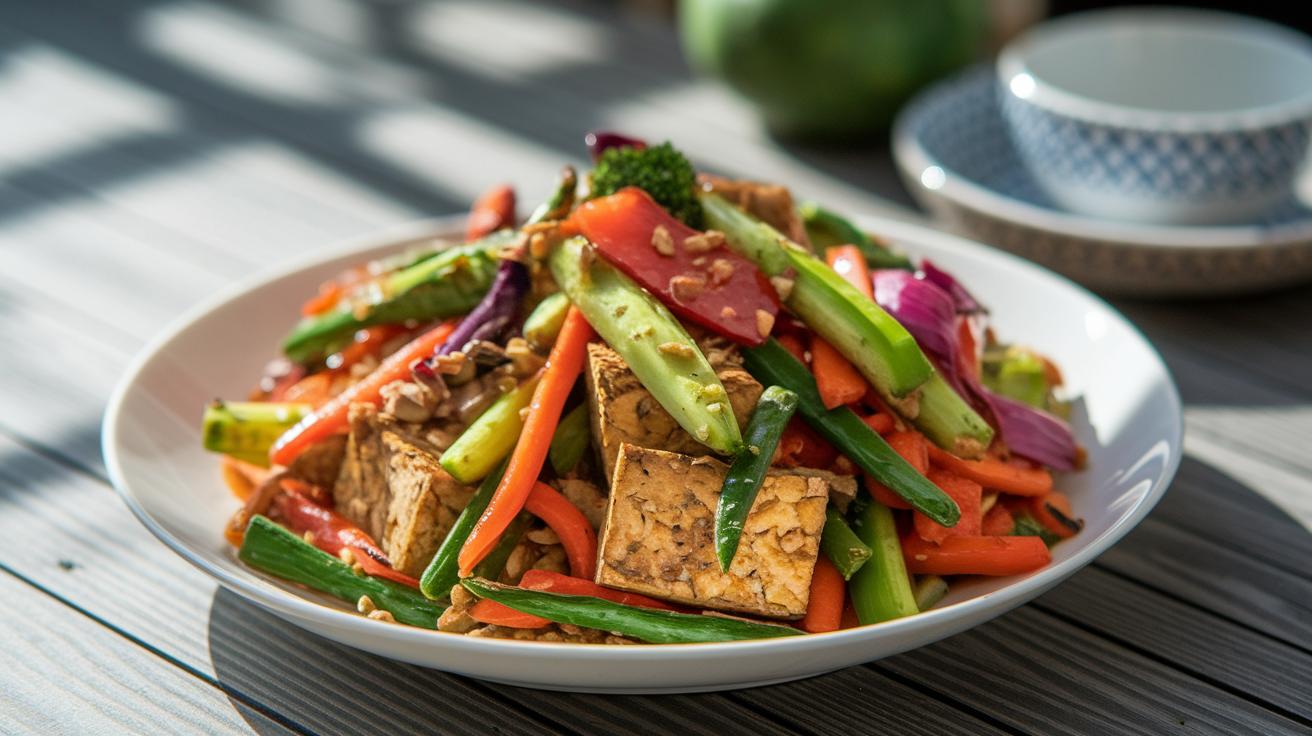
Imagine turning your favorite chicken stir-fry into a plant-based delight. Instead of chicken, try using tofu (a soft, protein-packed soy product) or tempeh (a firmer soy cake) for a satisfying twist. Use about 6 ounces of tofu to match the protein usually found in chicken. It’s like giving your meal a fresh, vibrant makeover.
You can also experiment with seitan (a wheat-based protein) for a chewy texture in hearty stews or tray bakes. Or, why not toss in some chickpeas or lentils? They boost both protein and fiber, creating a cozy, filling dish. Mixing these plant proteins is a wonderful way to meet your nutritional needs while keeping the flavors you love.
Low-Carb and Gluten-Free Options
If you’re looking to cut back on carbs, swap white rice for cauliflower rice or zucchini noodles. These choices add a delightful crunch and burst of freshness. Consider using gluten-free grains like quinoa or buckwheat for a protein-rich boost without any gluten. They keep your meal light yet nourishing.
For creamier sauces, try blending in Greek yogurt or silken tofu. They provide extra protein and a smooth texture while trimming down on fat. This approach makes your dinner not only healthier but also smart and adaptable. Enjoy experimenting with these alternatives as you create a balanced, protein-packed meal every time.
Complementary Side Dishes to Enhance Dinner for Muscle Growth
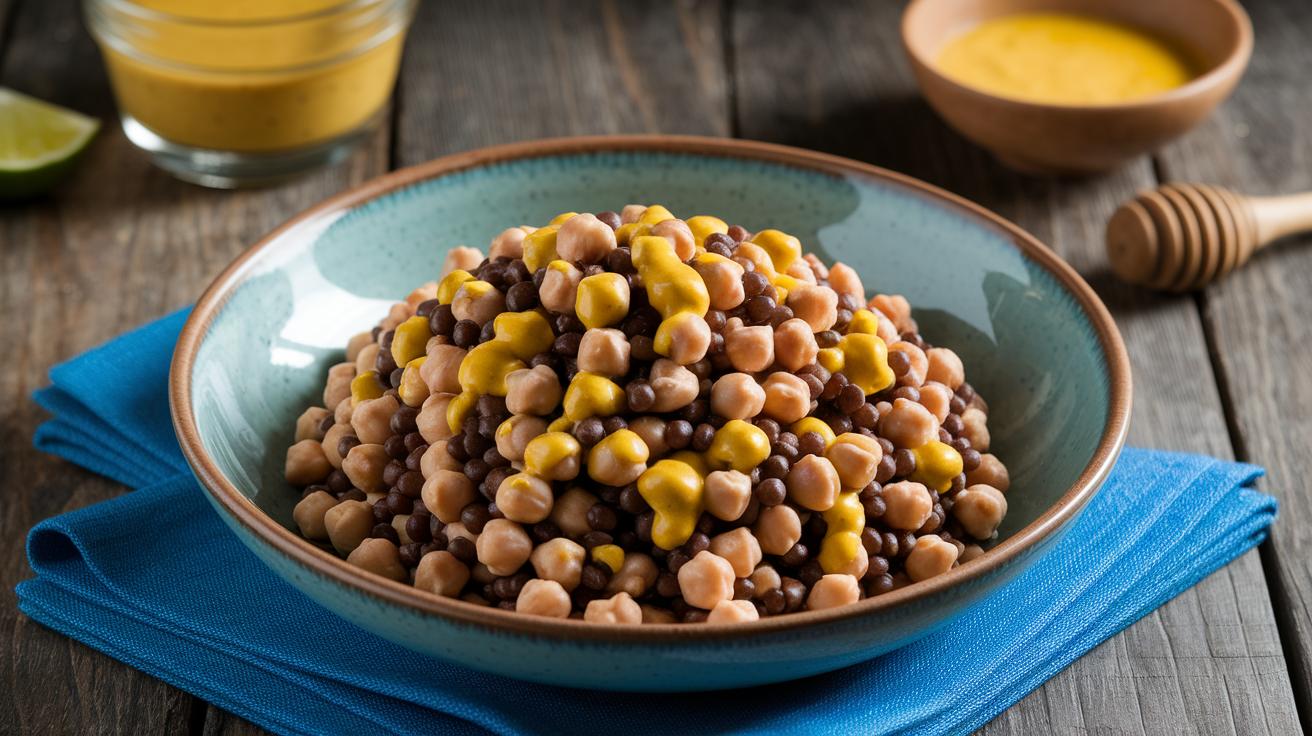
The Chickpea & Lentil Salad with Honey Mustard is a burst of flavor and nutrition. It combines protein-packed chickpeas and lentils with a zesty honey mustard dressing, offering a satisfying crunch blended with savory and sweet notes. At 350 calories and 20 grams of protein per serving, this salad adds a refreshing twist while boosting your meal’s overall nutritional value.
Next up is the Warm Potato Salad with Olive Oil & Herbs. Imagine tender potatoes lightly drizzled with olive oil and sprinkled with fresh herbs, the kind of comforting dish that feels like a warm hug. With 280 calories and 6 grams of protein, it delivers energy-rich carbohydrates to keep you going, perfectly complementing hearty main dishes like roasted or grilled proteins.
Then, add a light and crisp touch to your dinner with Steamed Broccoli & Edamame with Lemon. This dish brings together fiber-rich broccoli and satisfying edamame beans, all brightened by a squeeze of fresh lemon for that extra zing. At just 160 calories and 12 grams of protein, it rounds out your balanced, muscle-building dinner with a delightful pop of freshness.
Timing and Macronutrient Distribution for Optimal Post-Workout Recovery
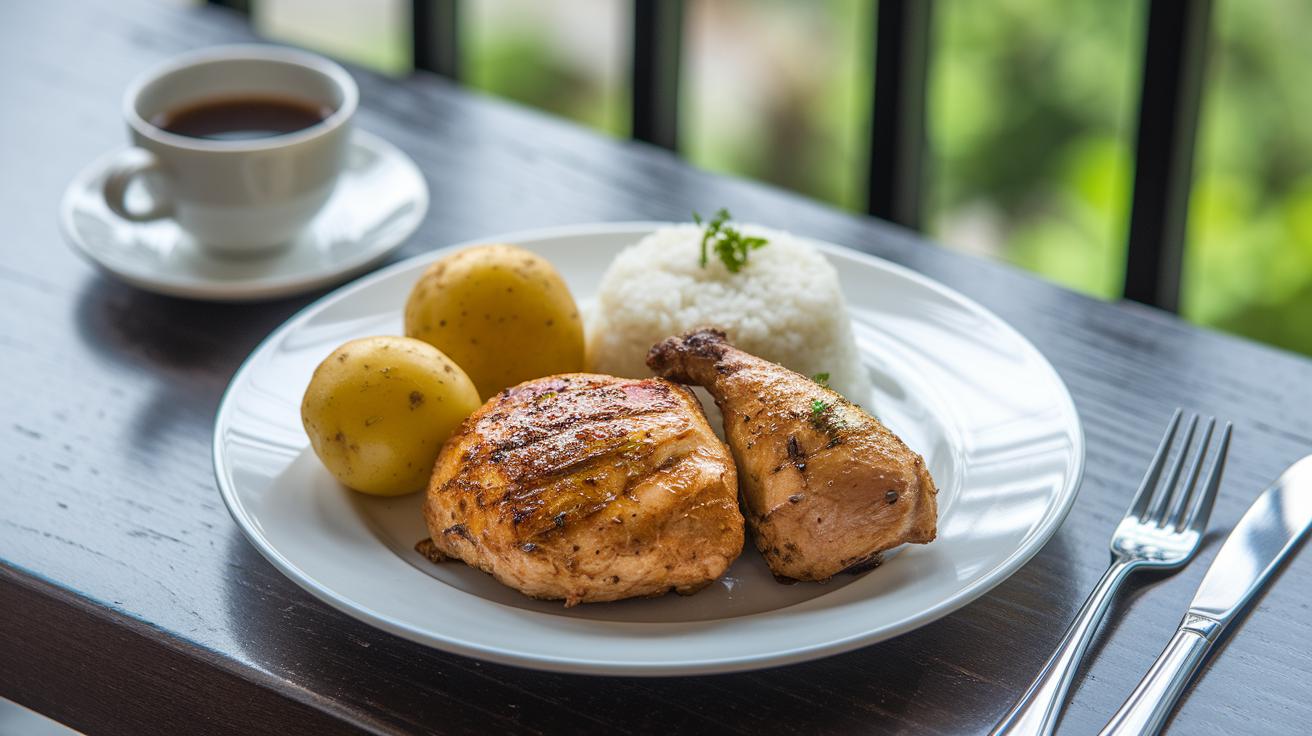
Right after your workout, it’s important to eat without delay. Having dinner within 30 to 60 minutes helps kickstart muscle protein synthesis (the process where your body repairs and builds muscles). Aim for about 0.3 to 0.4 grams of protein per kilogram of your bodyweight during this meal. Think of it as giving your muscles the perfect fuel when they’re most ready to absorb it. For example, after a challenging session, you might enjoy a plate of tender grilled chicken with white rice and some boiled potatoes. This quick refuel acts like a spark, helping repair your muscles efficiently.
Fast-digesting carbohydrates, such as white rice and potatoes, are also key because they quickly boost insulin levels, a hormone that helps move amino acids (the building blocks of protein) into your muscles. Pairing these carbs with lean protein creates a smart combo for recovery. It’s like sending a swift messenger to deliver the ingredients your muscles need when they are most effective at soaking them up. By planning your meal timing and focusing on the right mix of nutrients, you set yourself up for a smooth recovery and stronger muscle growth.
Final Words
In the action of whipping up muscle-building meals, we've highlighted a mix of recipes, balanced dinner plates, and smart meal prep strategies. You learned to swap ingredients to fit your needs and add tasty side dishes that pack a nutritional punch. Each section offered simple tips on timing and macro splits to boost recovery. These ideas and techniques help keep your plan fresh and fun, so go ahead and enjoy high protein dinners for muscle gain on your path to a healthier lifestyle. Keep shining and savor every step!
FAQ
What are some simple and easy high protein dinners for muscle gain?
Simple high protein dinners for muscle gain are easy recipes that combine lean proteins with veggies and whole grains. They support muscle repair and are convenient to prepare, making them a perfect choice after work.
How does the Reddit community view high protein dinners for muscle gain?
The Reddit community shows that high protein dinners for muscle gain involve creative recipes packed with lean, nutrient-rich ingredients. Users recommend mixing proteins with fiber-rich vegetables to boost muscle growth.
How do high protein dinners for muscle gain support weight loss?
High protein dinners for muscle gain for weight loss combine lean proteins with fiber and healthy fats to keep you full while promoting muscle repair and overall fat loss, striking a balance between energy and recovery.
What are high protein dinner options for vegetarians focusing on muscle gain?
High protein dinner options for vegetarians include lentils, chickpeas, tofu, or tempeh paired with whole grains and colorful veggies. These meals deliver essential amino acids needed for muscle repair.
What does a 7-day meal plan for muscle gain include?
A 7-day meal plan for muscle gain offers a structured week of balanced meals featuring lean proteins, whole grains, and veggies—all designed to promote muscle repair and steady gains.
What benefits does high protein meal prep offer for muscle gain?
High protein meal prep for muscle gain saves time by allowing you to cook lean proteins in batches. It helps maintain consistent protein intake to support muscle repair and growth throughout the week.
Which protein food is best for muscle gain?
Which protein food is best for muscle gain depends on your needs, but lean choices like chicken, turkey, fish, and plant-based proteins such as tofu are excellent options to provide vital amino acids.
Is 200g of protein too much for muscle gain?
Is 200g of protein too much for muscle gain depends on your body weight, activity level, and goals. It might exceed the needs of some individuals, so personal nutrition advice is recommended.
What makes a dinner the best option for muscle gain?
The best dinner for muscle gain mixes high-quality proteins with complex carbs and healthy fats. This balanced meal supports muscle repair, aids recovery, and fuels your body effectively post-workout.
How can you achieve 40g of protein in one meal?
How to get 40g protein in one meal involves adding a large portion of lean proteins such as chicken, fish, or tofu, along with protein-rich sides like Greek yogurt or quinoa, to easily meet your target.

