
Ever notice your heart pounding or your muscles tensing when stress pops up? Your body sends you little signals, like a fast heartbeat or a surprise headache, to let you know things aren't quite right.
When you pay attention to these hints, it's like your body is whispering, "Hey, take a break!" In this article, we're chatting about what these signs mean and how you can listen in to take a moment for yourself.
It's all about catching those familiar cues and giving yourself a chance to relax and feel better.
Primary Physical Stress Manifestations
When your body meets a sudden challenge, it releases hormones like adrenaline and cortisol (chemicals that help you react quickly) to get you ready for action. It might feel like you're sprinting even when you're not in a race. For example, when your heart starts pounding unexpectedly, it’s your body’s way of saying, “Hey, I’m on alert!”
Everyone’s body speaks its own language when it comes to stress. Some people might break into a sweat and have racing thoughts, while others feel their muscles tighten or notice a headache. These signs can be mild or sharp, and they show that your body is responding to stress.
- Increased heart rate
- Excessive sweating
- Racing thoughts
- Muscle tension
- Headaches
- Back pain
- Neck stiffness
- Gastrointestinal upset (stomach pain or acid reflux)
Research tells us that many, about 77%, feel stress in their physical health, and around 33% experience serious symptoms. But stress doesn’t look the same for everyone. The same stress factor might make one person’s body react quickly, while another person feels a gentle tingle instead. Sometimes you’ll notice just one sign; other times, several appear together. Listening to these cues is important because it helps you understand your own stress levels. Have you ever paused to check in with your body when stress hits?
Physiological Impact of Stress on the Body

When you face a sudden threat, your body kicks into gear by activating the HPA axis (a stress-managing system) and releasing cortisol (a hormone that gives you a quick burst of energy). This hormone ramps up your blood sugar, heart rate, and blood pressure, getting your muscles ready to spring into action. It’s almost like an internal pep talk, urging you to be alert and ready to move.
Short bursts of stress can actually help sharpen your focus and prepare your body for a challenge. But if that cortisol lingers too long, your body starts to feel the strain. In the moment, acute stress is a handy boost, yet when it sticks around, it can weaken your immune system, invite unwanted weight gain, trigger inflammation, and even throw your metabolism (how your body turns food into energy) off balance. If you’re looking for ideas on how a balanced diet can help regulate your hormones, check out these nutritional strategies for stress management at https://factcheckx.com?p=920.
Constantly high cortisol levels can push your body into a state of overload, increasing your risk of chronic health issues and making recovery tougher. Over time, that unrelenting pressure can sap your overall resilience, so even simple daily tasks may start to feel more exhausting.
| Hormone | Peak Time After Stressor | Physiological Effect |
|---|---|---|
| Adrenaline | 3-5 minutes | Increases heart rate; prepares muscles for rapid action |
| Cortisol | 20-30 minutes | Raises blood glucose; regulates stress response |
| Glucose | Varies | Provides fuel to muscles and brain |
Cardiovascular and Respiratory Stress Reactions
When you feel stressed, your heart starts beating faster and might even miss a beat. It’s like your body’s way of saying, “Get ready!” This quick change is part of your natural fight-or-flight response, gearing you up for action.
At the same time, you might notice your breathing becoming fast and shallow. You could start taking quick, short breaths that make you feel a bit light-headed or dizzy. This happens because your lungs aren’t getting enough air, which can feel like a tight squeeze in your chest. Imagine breathing so quickly during a tense moment that you struggle for a deep, steady breath, your body is signaling that it's on high alert.
Over time, dealing with constant stress can put extra pressure on your heart and lungs. This may cause temporary spikes in blood pressure (the force of your blood pushing against your vessel walls) and leave you feeling worn out. Everyday activities might feel extra tiring when your heart and lungs are always working hard. It’s a gentle reminder to listen to your body and take a moment to relax.
Musculoskeletal Tension and Pain from Stress
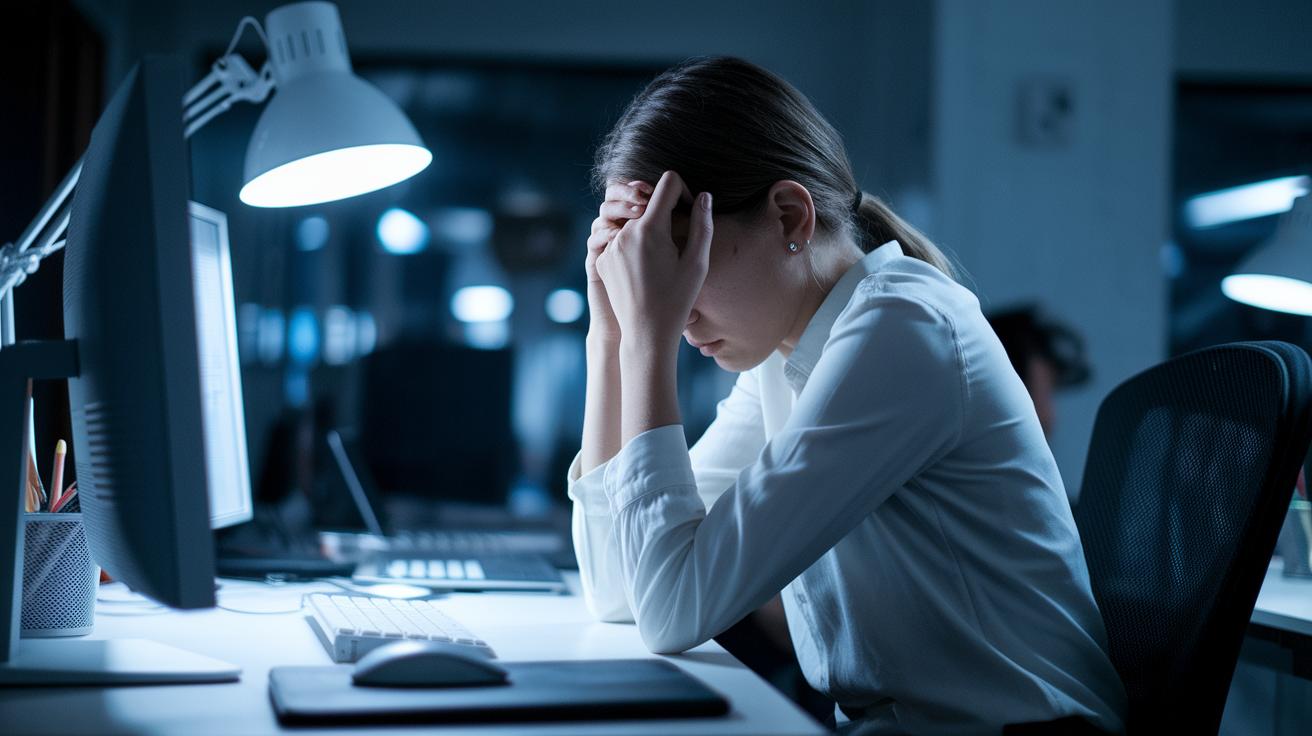
Chronic stress can make your upper body feel tight and heavy. You might notice your shoulders and neck getting stiff, as if you're carrying extra weight all day. Even a short guided meditation (a method to help you relax and clear your mind) can ease that tension and show you simple ways to unwind.
Stress often sneaks in poor posture too. When you're overwhelmed, you may slouch in your chair or hunch over your tasks before you even realize it. This constant strain can make your back feel sore long after the busy day is over. A bit of stretching or mindful movement can help reset your posture and ease some of the burden.
Sometimes, stress even leads to habits like clenching your jaw. That extra tightness can cause discomfort and even small muscle tremors around your jaw. Taking a brief pause to consciously relax can really help. Noticing these small signals gives you the chance to gently relieve the pressure on your muscles.
Digestive and Abdominal Stress Indicators
When you feel stressed, your body sends out a hormone called cortisol (a substance your body makes when you're anxious) that slows your digestion. This slowdown can leave you feeling bloated or even change your appetite in unexpected ways, as food lingers in your stomach a bit longer.
An imbalance in cortisol can also bring on common tummy troubles like indigestion, constipation, or sometimes even diarrhea. It might even trigger acid reflux or heartburn when you're under a lot of pressure, making meals less enjoyable.
Everyday challenges, like being stuck in traffic or racing against deadlines, can suddenly overwhelm you, leading to nausea or stomach pain. Imagine hurrying to finish a project and then feeling that uneasy churning in your belly; it's your body’s way of saying, "Slow down a bit." If you notice cramps, a feeling of fullness, or sudden bouts of nausea during a busy day, consider them friendly reminders to take care of yourself. And if you need quick relief, you might want to check out this guide on easing abdominal discomfort: https://healthyfax.com?p=2159. Recognizing these signals early can help you manage stress and soothe your digestive system.
Neurological Impact and Sleep Disturbances in Stress

When you’re stressed, your body triggers changes that can really throw off your sleep. It’s like when you’re tucked into bed but your mind just won’t stop racing with thoughts and worries. High levels of cortisol (a stress hormone that can upset your natural sleep cycle) make it hard to settle down. You might find yourself lying awake, tangled in "what-ifs" and concerns, while your body craves some calm and deep rest.
When stress sticks around for too long, the tiredness follows you into the day. That sluggish, foggy feeling makes even simple tasks feel tougher than usual. It’s as if your energy is drained, leaving you visibly worn out. Trying out a gentle sleep meditation (a practice that uses calming techniques to help your mind relax) might help reset your sleeping pattern, even though finding the perfect fit can take some experimenting. Each small step towards better sleep can clear your mind and boost your overall well-being, letting you enjoy both active and restful moments more fully.
When to Seek Professional Help for Stress-Related Physical Symptoms
If you’ve been feeling stress signals for over two weeks or if they seem to be getting stronger, it might be a good idea to talk to a professional. When your body sends warning signs like chest pain or really bad headaches, don’t brush them off. Sometimes these signals mean your body is having a hard time keeping up with stress.
When you notice changes like unexpected weight loss, feeling tired all the time, or just not feeling like yourself, these can be hints that you need extra help. A doctor or therapist may suggest things like a bit of counseling, medicine, or other ways to help both your body and mind feel better. It’s important to listen to your body. Addressing these signs early can help you find balance and avoid other problems down the road.
Final Words
In the action, we explored how our bodies react under pressure, from adrenaline rushes to muscle tension and even changes in sleep patterns. We broke down how stress affects everything from the heart and digestion to the nervous system, sharing clear signs and simple ways to recognize physical symptoms of stress.
Our chat today reminds us that noticing these signals helps us pivot toward healthier habits. Keep embracing the small wins and tweaking your routine to feel better every day. Stay positive and proactive, heart in mind and body in motion.
FAQ
What are the common stress symptoms in women?
The common stress symptoms in women include physical signals like headaches and muscle tension, along with digestive upset and fatigue. They also display emotional signs such as anxiety and mood shifts.
What are the emotional, behavioral, and mental symptoms of stress?
The emotional, behavioral, and mental symptoms of stress include irritability, mood swings, disrupted sleep, and changes in appetite. They also cause racing thoughts and issues with concentration.
What are five physical symptoms of stress?
The five physical symptoms of stress include an increased heart rate, sweating, muscle tension, headaches, and stomach discomfort, all of which happen as the body releases stress hormones.
Can stress make you physically sick?
Stress can make you physically sick by triggering a fight-or-flight reaction that disrupts digestion, weakens immune response, and causes various aches and discomfort throughout the body.
How long does it take for the body to recover from stress?
The body typically takes days to weeks to recover from stress, depending on the stress duration, individual health, and the effectiveness of rest and recovery practices.
What are the signs that your body is shutting down from stress?
The signs your body is shutting down from stress include severe fatigue, persistent headaches, constant muscle tension, digestive issues, and even chest pain, indicating that stress has overwhelmed your physical resilience.

