
Have you ever felt your heart beat so fast it felt like it was out of control during a moment of sudden fear? Imagine if you had a pause button to press when everything gets too much.
In just a few simple steps, you can help your mind and body find calm. Try using easy breathing methods (simple, focused breaths) and tuning in to your senses, like noticing the cool air on your skin or focusing on a pleasant aroma, to ease your anxiety right away.
This guide shares practical tips to help quiet a panic attack quickly, giving you the power to feel more in control when things seem overwhelming.
Fast-Acting Relief Strategies for Panic Attacks
When you feel panic rising, it’s really important to act quickly. Sometimes that overwhelming feeling can make your heart race and your thoughts spin, but a few simple steps can help calm both your body and mind. Think of these tips as your own little toolkit to regain control when things feel out of hand.
Try this breathing exercise: breathe in deeply for 4 seconds, letting your belly fill up with air. Then hold that breath for 7 seconds, giving your body a moment to reset. Now, slowly exhale for 8 seconds, letting go of all that built-up tension. Keep repeating this until you notice your heart slowing down, almost like pressing a pause button during a busy moment.
You can also use the 5-4-3-2-1 grounding method. Look around and name 5 things you see, 4 things you can feel, 3 things you hear, 2 things you smell, and 1 thing you taste. It’s a gentle way to bring your senses back into the present.
Another idea is to try progressive muscle relaxation. This means tensing your major muscle groups and then relaxing them to help your body let go of stress. Or, if you prefer, imagine a peaceful scene, maybe a quiet lakeside at sunrise, that makes you feel safe and calm.
A quick splash of cold water or even an ice pack can also work wonders by giving your system a refreshing jolt toward calm. And don’t forget self-soothing affirmations. Whisper to yourself gentle, reassuring phrases like “I am safe,” which can do a lot to ease your mind. Even a bit of light, gentle stretching or another form of easy movement can help diffuse that rising anxiety.
These steps are just the beginning of your toolkit for managing panic. Stay tuned, as we’ll dive into more detailed breathing techniques and muscle relaxation guides in the next sections.
Deep Breathing Steps in Anxiety Attack Remedy
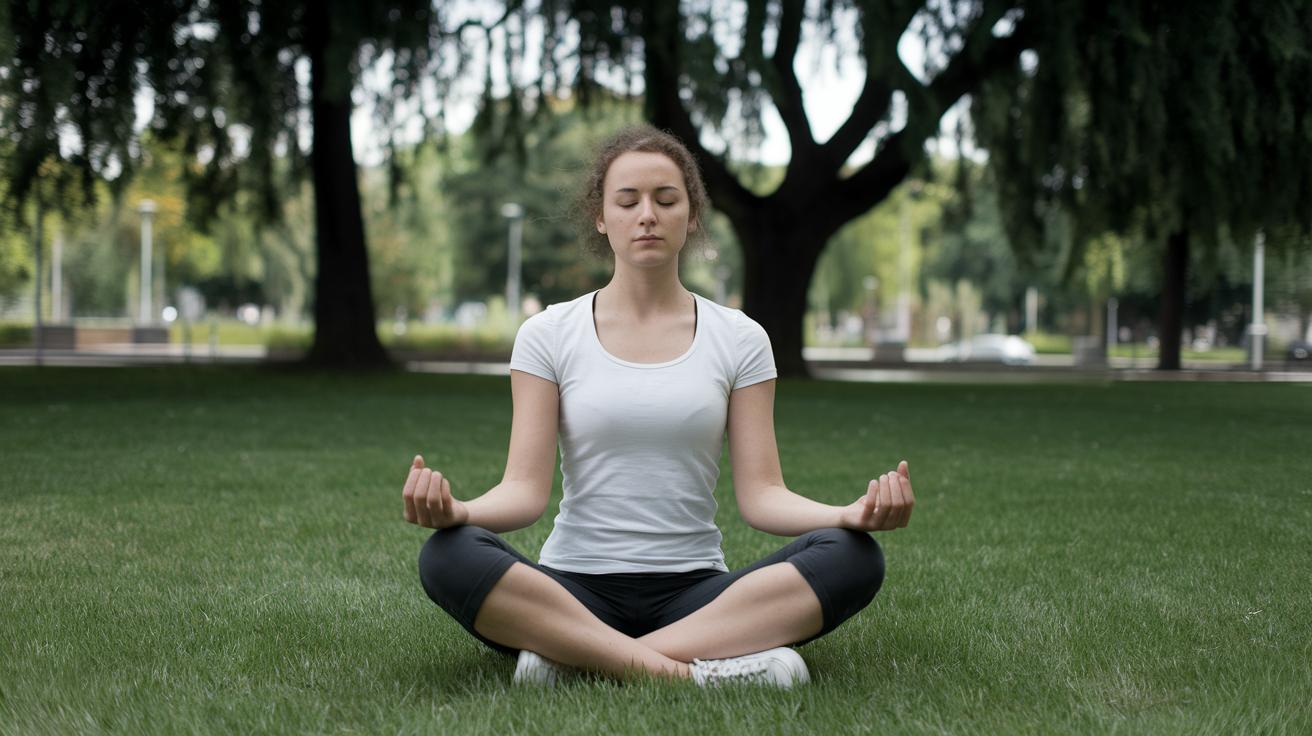
When anxiety strikes, deep belly breathing can help calm your body and mind. Taking slow, clear breaths not only lowers your heart rate and blood pressure but also eases that familiar fight-or-flight feeling. By closing your eyes, counting each breath, and focusing on the rhythm of your inhale and exhale, you gently shift away from panic and welcome a sense of relief. Even the 4-7-8 method, where you breathe in for 4 seconds, hold for 7, and exhale for 8, is supported by research showing that mindful breathing can ease stress and smooth out your physical reactions during an anxiety attack.
- Breathe in slowly through your nose for 4 seconds, and notice how your belly rises.
- Keep that calm by holding your breath for 7 seconds.
- Let the air out gently through your mouth for 8 seconds, imagining tension melting away.
- Repeat these steps until you start to feel steadier and more relaxed.
Muscle Relaxation and Visualization in Anxiety Attack Remedy
When anxiety hits, a great approach is to combine muscle relaxation with calming imagery. You deliberately tighten and then relax your major muscles while picturing a peaceful, safe place. For example, if you clench your fists or lift your shoulders, you feel an even deeper sense of relief when you let go. This gentle physical release is paired with imagining a quiet park at dusk or a soft ocean shoreline, allowing your mind and body to feel instantly calmer.
Try this simple technique to help shift your focus away from anxiety. It’s like giving your body a mini reset, easing away stress little by little while bringing mental clarity.
Here’s a step-by-step guide to try:
- Sit comfortably and clench your fists for 5 seconds. Then, slowly release while picturing a clear blue sky.
- Tighten your shoulder muscles, hold them for 5 seconds, then let them drop, thinking of soft, rolling hills.
- Gently squeeze the muscles in your face, then relax, imagining a quiet, serene garden.
- Contract your leg muscles, hold for 5 seconds, then ease them, picturing a calm, flowing stream.
- With each muscle release, take a deep, slow breath, imagining that every exhale carries away your stress.
Give this a go next time anxiety creeps in. It might just be that small, mindful pause you need to feel refreshed and at ease.
Nutritional and Lifestyle Supports for Anxiety Attack Remedy
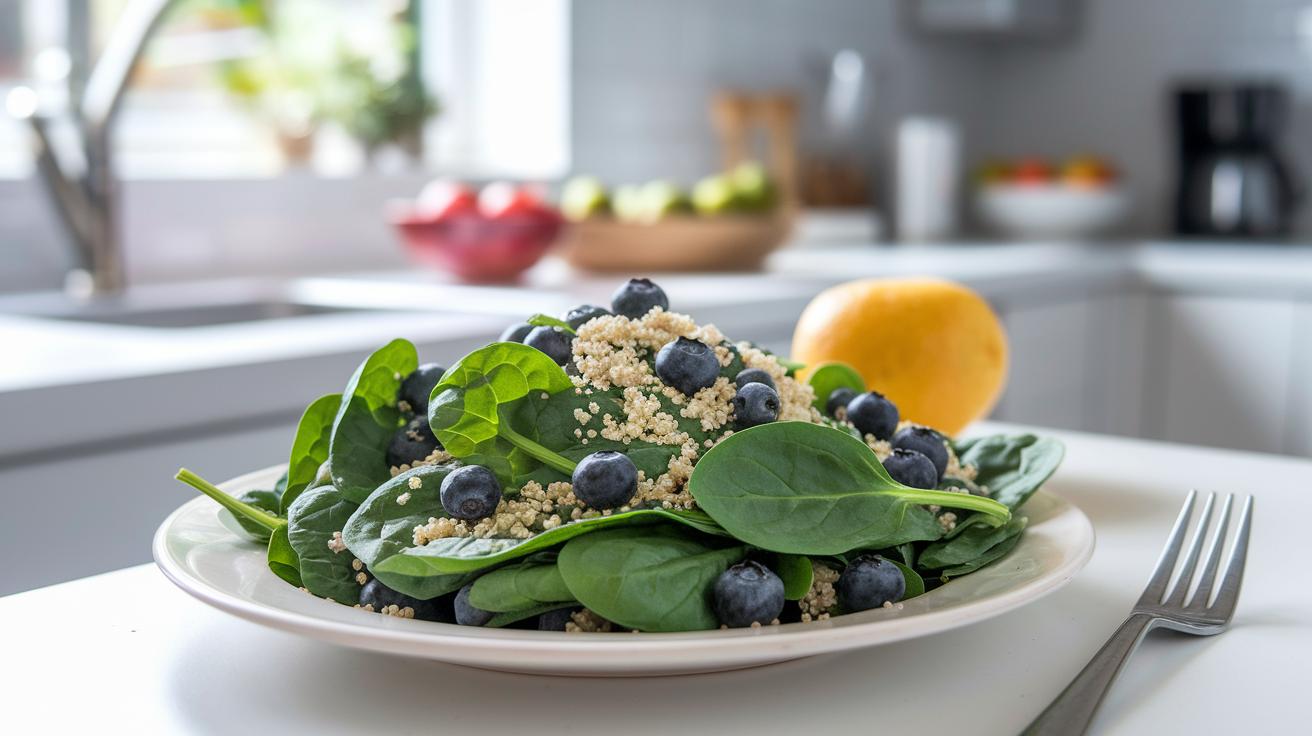
If you're looking for a way to feel more at ease, remember that your diet and lifestyle can really make a difference. Start by choosing whole foods that help produce serotonin (a natural brain chemical that supports a balanced mood). Lean proteins, whole grains, and fresh vegetables give your body the nutrients it needs to fight off stress and stay calm.
You might also want to cut back on caffeine, processed sugar, and alcohol. These can create sudden energy spikes that might leave you feeling even more on edge. A meal plan built around natural ingredients not only provides energy but also gives you the essential building blocks for a peaceful mind. Plus, adding mindful snacking and drinking plenty of water throughout the day can help keep your energy levels steady. Foods loaded with natural antioxidants and anti-inflammatory benefits (which ease stress and brighten your mood) really add extra help in managing anxious feelings.
| Food/Nutrient | Benefit | Suggested Serving |
|---|---|---|
| Spinach | Magnesium for muscle relaxation | 1 cup raw |
| Blueberries | Antioxidants to lower stress | 1/2 cup |
| Quinoa | Complex carbs for steady energy | 1 cup cooked |
| Salmon | Omega-3 for brain health | 3 oz |
Making simple lifestyle adjustments is important too. Try to stick to a regular sleep schedule, aiming for 7 to 9 hours each night. A good night's sleep helps your body repair itself and recharges you for the day ahead. Additionally, even a short walk or some light yoga can release endorphins (the feel-good chemicals) that soothe your nerves and help you face the day with confidence.
- Aim for 7 to 9 hours of quality sleep each night.
- Include 30 minutes of moderate physical activity daily.
- Keep a routine meal schedule to maintain steady energy throughout the day.
Herbal Supplements as Part of an Anxiety Attack Remedy
Herbal supplements offer a warm, natural path to soothe your nerves when anxiety hits hard. Imagine the gentle scent of lavender calming your mind, the natural power of this herb can help diffuse stress. Herbs like ashwagandha and rhodiola (which support your nervous system, essentially your body's communication network) work to ease tension and bring balance back to your day. And then there's a cup of chamomile tea, its mild, comforting flavor can quiet your mind and body like a soft embrace on a challenging day.
Many people find that adding an organic blend of these herbal relaxers to their daily routine makes stressful moments feel more manageable. This plant-based mix quietly complements other anxiety management methods, working together to help you feel supported. Have you ever noticed how a simple natural remedy can add that extra layer of comfort when everything seems overwhelming?
- Lavender – eases stress through its gentle, calming aroma.
- Ashwagandha – an adaptogen (a natural helper that lets your body handle stress) that promotes a sense of calm.
- Rhodiola – supports your body in managing stress effectively.
- Chamomile – known for its soothing, relaxing touch that softens hard, hectic moments.
Professional Help and Safety in Anxiety Attack Remedy
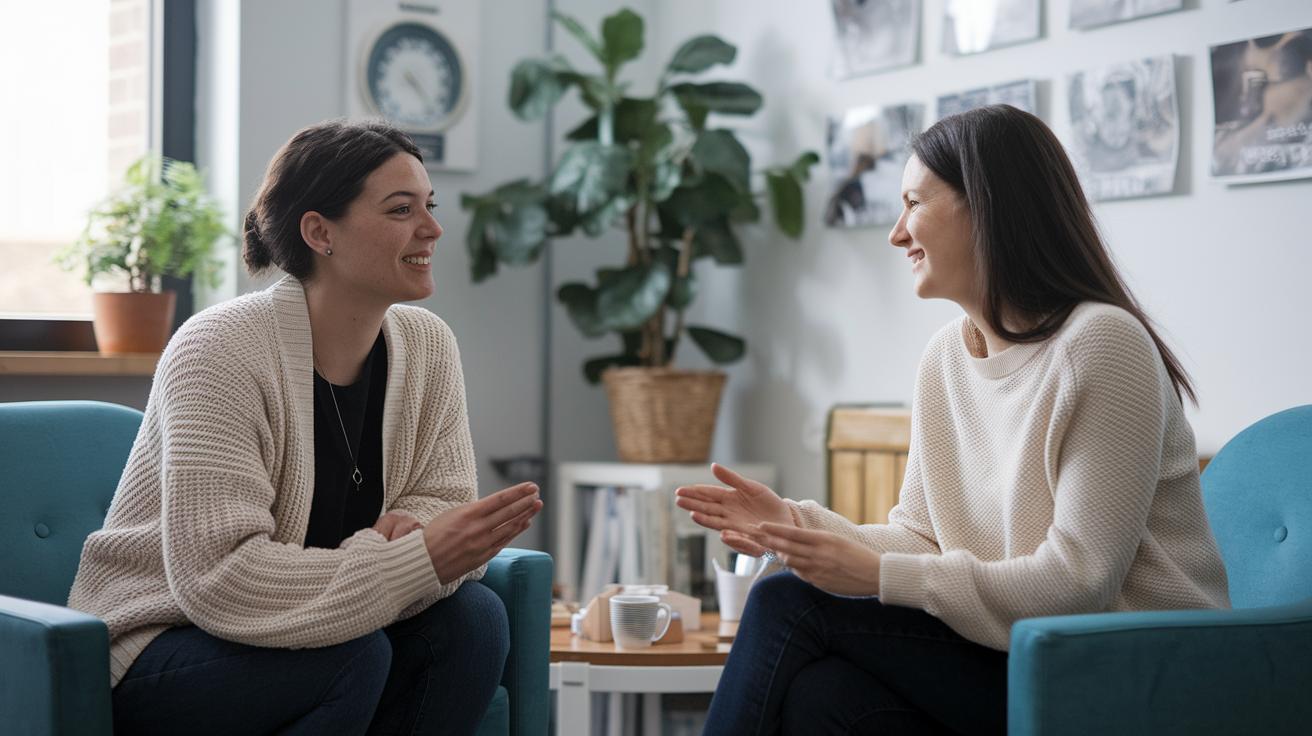
When anxiety feels like too much and quick fixes just aren’t enough, talking with an expert can really help. A caring mental health counselor can work with you to build practical coping skills. They might use therapies like Cognitive Behavioral Therapy (CBT) (a way to change unhelpful thoughts) that gently guide you toward feeling more in control. Sometimes, doctors might prescribe medications such as benzodiazepines (like alprazolam) to ease anxiety, but these medicines come with risks like physical dependence. That’s why they need to be taken exactly as your doctor advises. Adding mindfulness exercises, like those you can learn in programs such as meditation for anxiety, can also give your mind a soothing break when stress peaks.
It’s important to notice signs that mean it's time to seek further help. These signs include:
| Warning Sign | Description |
|---|---|
| Unrelenting Panic | Anxiety that stays even when you try different methods to ease it |
| Interference with Daily Life | Struggles at work, school, or home because of anxiety |
| Harmful Thoughts | Ideas of self-harm or thoughts about suicide |
When you notice any of these signals, it’s a sign to take a pause and reach out for help. Remember, you deserve support that goes beyond quick fixes. A professional can offer you personalized advice and strategies that help build a steadier, more balanced life over time. Taking that step to ask for help isn’t a sign of weakness, it shows how much you care about your well-being.
Final Words
In the action, we've unlocked rapid tactics like the 4-7-8 breathing and grounding steps paired with muscle relaxation and calming imagery to help ease an immediate panic. We've also touched on nutrition tips, herbal supplements, and the importance of professional advice.
Using this anxiety attack remedy, these methods work together to calm both body and mind. Embrace these practical techniques and hold onto the optimism that each small change brings a refreshing dose of balance and well-being.
FAQ
What is the difference between a panic attack vs anxiety attack?
The panic attack versus anxiety attack difference is that panic attacks hit suddenly with intense fear and physical signs, while anxiety attacks build gradually with steady worry and tension.
What are ways to calm an anxiety attack?
The ways to calm an anxiety attack include deep breathing, grounding exercises like the 5-4-3-2-1 method, muscle relaxation, and repeating gentle, affirming phrases to ease stress.
How can you calm an anxiety attack at night?
The method to calm an anxiety attack at night involves deep breathing, soft lighting, soothing sounds, and reminding yourself that you are safe, helping to ease your mind into rest.
How do you reduce anxiety immediately?
The approach to reduce anxiety immediately focuses on quick breath control with techniques like 4-7-8 breathing, a splash of cold water, and grounding exercises to shift focus from worry.
What are the symptoms of an anxiety attack?
The anxiety attack symptoms include a rapid heartbeat, shortness of breath, trembling, and overwhelming worry. Recognizing these signs can help prompt a quick response to manage the stress.
How can one stop panic attacks forever?
The method to stop panic attacks forever involves long-term strategies such as therapy, practicing regular relaxation techniques, and lifestyle adjustments. Consistent professional support may also be needed.
How do you distract yourself during a panic attack?
The distraction during a panic attack can be achieved by using grounding techniques like the 5-4-3-2-1 game, which shifts your attention to what you see, touch, and hear, breaking the cycle of fear.
What are the symptoms of an anxiety attack in females?
The female anxiety attack symptoms are similar to general signs like a racing heart and sweating, though hormonal influences might make the experience and intensity vary slightly for women.
How should you deal with an anxiety attack?
The way to deal with an anxiety attack involves practicing calming techniques like controlled breathing, progressive muscle relaxation, and grounding exercises while reassuring yourself that the feeling will pass.
What is the 3-3-3 rule for anxiety attacks?
The 3-3-3 rule for anxiety attacks means identifying three things you see, three things you can touch, and three sounds you hear, which helps redirect your focus from anxiety to the present.
What should you take for anxiety attacks?
The suggestion on what to take for anxiety attacks ranges from prescribed medications to herbal teas and over-the-counter remedies, but these should always be discussed with a health professional for safe use.
How can you snap out of panic attacks?
The method to snap out of panic attacks involves using techniques like deep, slow breathing and grounding exercises, or even a quick cold-water splash, to quickly bring your focus back to the present.

