Recovery
Active Recovery For Endurance Training Boosts Results
By cindymellow
July 31, 2025
Field Notes
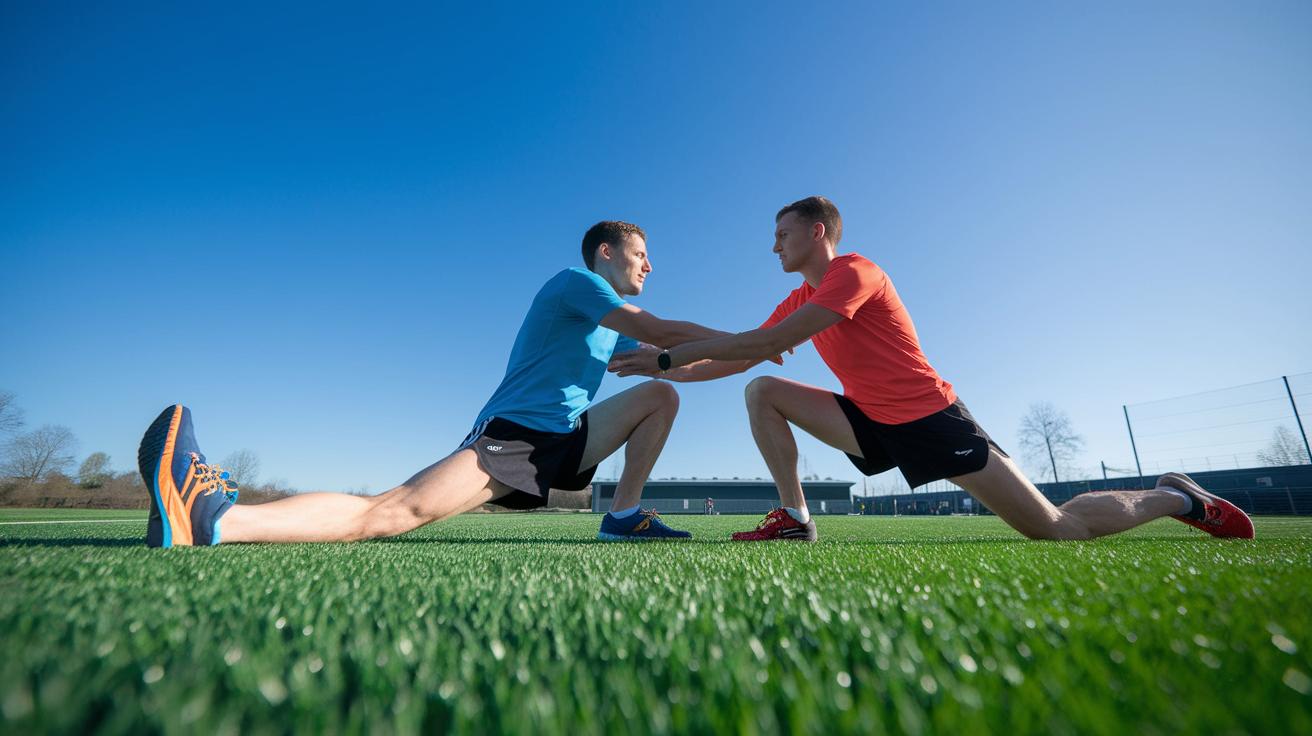
Have you ever thought that easing up after a tough workout might actually boost your results? Instead of always pushing harder, try spending a few minutes moving lightly, a gentle bike ride or a slow jog. It helps clear out lactate (a buildup from intense exercise) while inviting fresh oxygen into tired muscles.
This simple trick speeds up your body's repairs and fills you with more energy for what comes next. Active recovery makes your training smarter and helps you enjoy a balanced, effective workout.
Boosting Endurance Training Performance with Active Recovery
Active recovery is like giving your body a chance to catch its breath and rebuild after a challenging session. Picture this: after a long, tiring run, you hop on a bike for a gentle 20-minute ride. That easy pace helps your body clear out lactate (a buildup that happens during hard exercise) and boosts blood flow, delivering fresh oxygen to your hardworking muscles.
This isn’t about pushing harder, it's about smart, mindful movement once you're done with intense training. A slow jog or an easy cycle can lift your heart rate just enough to kick-start your metabolism. And honestly, these relaxed sessions leave you feeling recharged and full of energy for your next challenge. Even elite athletes add a few minutes of active recovery to speed up their bounce-back time and performance gains.
When you make room for light exercise right after a strenuous workout, you're helping your body flush out waste and reduce stress fast. Combined with a good night’s sleep and healthy food, this approach lets your muscles rebuild stronger each time. So, weave active recovery into your routine and enjoy a steady boost in performance and energy every day.
Active Recovery for Endurance Training: Definition and Performance Benefits
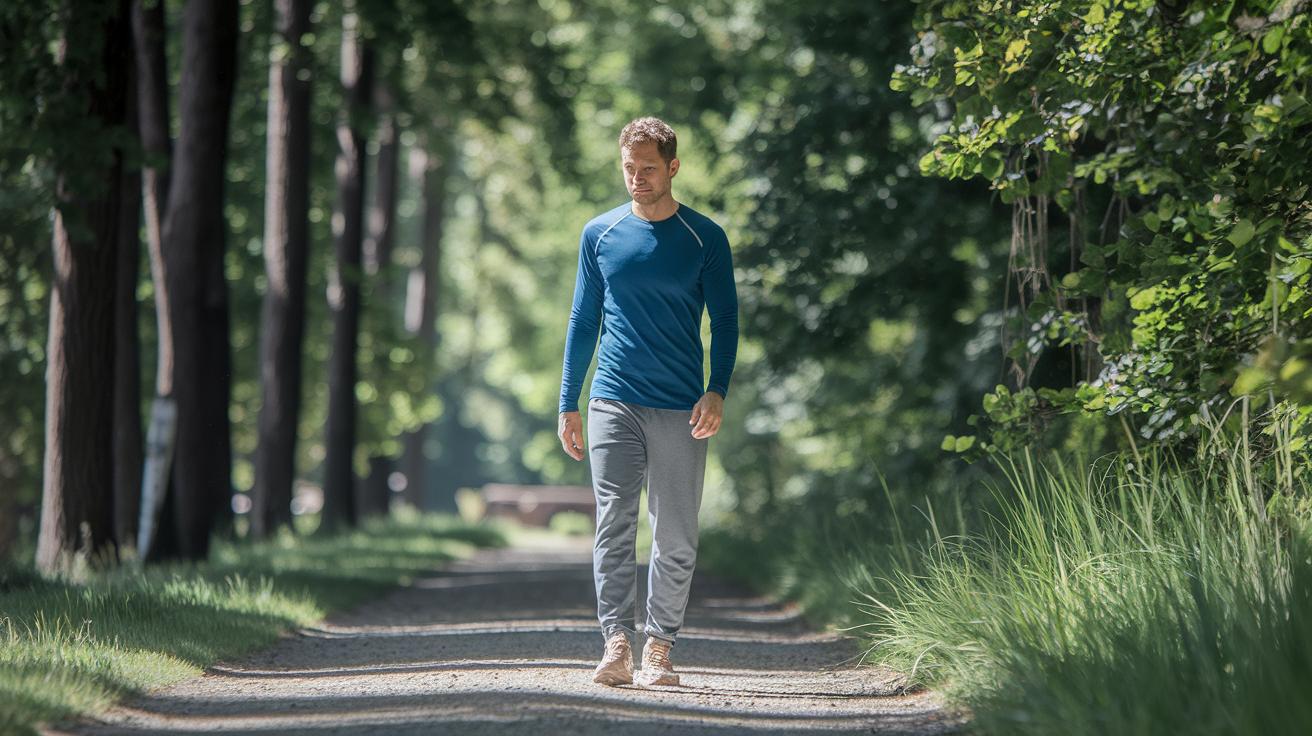
Active recovery means taking it easy after a tough or long workout. It’s about doing light activities that keep your blood moving without stressing your muscles. For example, a gentle walk or a relaxed bike ride helps move blood through tiny vessels (capillaries), which clears out waste and brings in fresh oxygen for tired muscles.
This low-key exercise helps control inflammation (your body’s way of healing) so you end up with less soreness later. It even boosts oxygen intake during sleep, especially in deep, slow-wave sleep when your body is busy repairing itself.
A simple 15-minute light jog can work wonders, keeping your muscles loose and speeding up waste removal so you’re all set for your next workout.
Comparing Active vs Passive Recovery in Endurance Training
Active recovery means easing into gentle movement after an intense workout. Imagine finishing a long run and then taking a relaxed 15-minute walk. This simple activity keeps your muscles warm and your blood flowing, which helps remove waste like lactate (a substance created when you work hard). It also brings more oxygen and nutrients to your muscles, which speeds up repair and eases stiffness.
Passive recovery, on the other hand, is all about complete rest. While resting may seem like the best way to recover, staying completely still can leave your muscles feeling tight and a bit sluggish because your circulation slows down. Think about a day when you do nothing after a grueling workout, waking up might come with stiff joints and less flexibility.
Active recovery is like giving your body a gentle tune-up. It helps clear away waste and keeps your joints moving freely. By keeping your body softly active, you set a rhythm that maintains muscle flexibility and primes you for the next challenge, making it a smart choice for boosting both recovery and performance.
Movement-Based Recuperation Techniques for Endurance Athletes

Active recovery is all about moving gently to help your body heal. When you choose these lighter activities, you boost blood flow (which carries oxygen to your muscles) and help clear out waste that builds up after a hard workout. These methods let you recover smoothly without putting too much strain on your body.
-
Low-intensity jogging: Try a light jog for 15 to 30 minutes, keeping your heart rate around 50 to 60% of its max. This easy pace helps deliver fresh oxygen to tired muscles and clears away metabolic waste. Imagine a relaxed jog around your neighborhood, letting every step refresh your legs.
-
Cycling: Enjoy a calm bike ride for 20 to 40 minutes, keeping your effort at about 50 to 65% of your max heart rate. This gentle ride helps remove lactate buildup (a substance that can make muscles feel sore) while keeping your blood flowing steadily. Picture yourself riding along a peaceful, scenic route with a soft breeze guiding you.
-
Pool swims: Swim a few easy laps in a pool for 20 to 30 minutes. The water’s buoyancy lightens the load on your joints, easing inflammation and muscle fatigue. Think of smooth, flowing strokes that cool your body like a refreshing dip on a warm day.
-
Dynamic stretching circuits: Spend 10 to 15 minutes on dynamic stretches that move your major muscle groups. These moves help warm up and lengthen your muscles gradually, preventing stiffness. Envision yourself smoothly transitioning from one stretch to the next, almost like a gentle dance that awakens your body.
-
Yoga flows: Dedicate 20 minutes to a calming yoga flow focused on deep, steady breathing and gentle poses. This practice not only helps stretch your muscles but also soothes your nervous system. Picture a peaceful sequence that leaves both your body and mind feeling lighter and more balanced.
-
Foam rolling or self-massage: Use a foam roller or massage stick on your quads, calves, and hamstrings for 5 to 10 minutes per area. This simple technique can ease tight spots and boost blood flow, making your muscles feel more relaxed.
-
Light resistance-band work: Try 2 to 3 sets of 15 repetitions with a resistance band. This low-impact exercise gently activates your muscles without overloading them, kind of like tuning your strings before a big performance.
-
Gentle plyometric drills: Engage in soft hops or low-height jumps for about 8 to 10 minutes. These small, controlled moves help boost circulation while reawakening the responsiveness in your muscles. It’s a fun way to wake up your body after intense training.
Each of these techniques offers a little nudge to help you recover, keeping you ready for your next energetic workout. Take your time, listen to your body, and enjoy the journey back to peak performance.
Structuring Active Recovery Schedules for Endurance Training
Think of your recovery days like your favorite workout sessions. After a long run, try to fit in a gentle 20-minute jog within the next day at about 50% of your max heart rate (which is roughly half the fastest your heart can beat during exercise). This soft pace helps your body sweep away waste products and lets your muscles keep moving without added stress.
Then, about two days later, hop on your bike for 30 minutes at around 60% of your max heart rate. Picture cruising along a quiet road with each pedal stroke easing those tight muscles and boosting your blood flow, pretty refreshing, right?
On your third recovery day, enjoy a 25-minute swim at an easy pace. The water’s buoyancy takes some pressure off your joints, while the cool feel of the water soothes tired muscles. And don’t forget to keep yourself well-hydrated; aim for 16 to 24 ounces of fluid for every pound you lose in sweat.
After any recovery workout, take a moment for proper nutrition. Within 30 minutes, have around 200 to 300 calories of low-glycemic carbs (complex sugars that don’t spike your blood sugar) and then, in the next 2 to 3 hours, enjoy a meal with about 20 grams of protein. This simple routine helps refill your energy stores, rebuilds your muscles, and steadily improves your endurance.
Isn’t it great how a structured yet gentle recovery plan can set you up for even better performance? Enjoy the process, listen to your body, and keep moving forward on your fitness journey.
Final Words
In the action, we explored how active recovery for endurance training boosts your workout results. Step-by-step, we looked at how low-intensity workouts help clear waste, increase oxygen flow, and repair muscles after vigorous activity.
We compared movement-based recovery with complete rest and shared practical ideas like light jogging, cycling, and pool swims. Every active recovery session helps you feel more refreshed and ready to take on your next challenge. Keep moving, stay balanced, and enjoy feeling great!
FAQ
What are examples of active recovery for endurance training?
Active recovery examples include light jogging for 15–30 minutes, easy cycling, gentle pool swims, yoga flows, dynamic stretching, and foam rolling. These activities boost circulation and help muscles recover.
What do endurance recovery supplements do?
Endurance recovery supplements, often containing electrolytes, amino acids, and antioxidants, assist in replenishing nutrients lost during workouts, reducing muscle soreness, and supporting overall muscle repair.
Why is rest and recovery important for athletes?
Rest and recovery are vital because they let athletes repair muscles, clear lactate buildup, and restore energy levels. This process reduces injury risk and enhances overall performance.
How does active recovery compare to a full rest day?
Active recovery involves light, low-intensity movement that boosts blood flow, while a full rest day means no exercise at all. Both methods help restore energy, but gentle movement can further stimulate metabolic processes.
How can I recover effectively from endurance training?
Effective recovery from endurance training includes low-intensity activities like a light jog, cycling, or yoga, combined with proper hydration, balanced nutrition, and enough sleep to aid muscle repair.
What is the optimal recovery time for an endurance athlete?
The optimal recovery time usually ranges from 24 to 48 hours, allowing muscles to repair and body systems to clear waste products, which helps restore energy and performance.
How long should my active recovery session last?
An active recovery session typically lasts between 15 and 40 minutes. The duration should be tailored to your workout intensity and personal fitness level to promote gentle muscle rejuvenation.