
Ever wonder if a relaxed routine can help your muscles bounce back after a tough workout? Home active recovery is like giving your body a gentle tune-up with easy, low-impact moves you can do right at home. Imagine the fresh, cool feel of a soft breeze on a hot day, soothing your tired muscles and encouraging better blood flow. With these simple routines that ease tension without any fancy equipment, you can help your body recover and get ready for your next workout. It’s a rewarding habit you can enjoy every day.
Getting Started with Your Home Active Recovery Workout
Active recovery means giving your body a gentle break with easy, low-intensity movements you can do right at home. It helps boost the flow of blood (the liquid that carries oxygen and nutrients to your muscles) and clears out any waste after a hard workout. Think of it as a soft tune-up for your body, much like a light stretch after a long, tiring run.
When you try a home active recovery workout, you learn to treat your muscles with care while still keeping them moving. Since you don’t need much equipment, these routines are perfect for easing stiffness and improving how you move. Imagine the refreshing feeling of a cool breeze on a warm day, your body can experience that ease and freedom after a little time dedicated to recovery.
Here are some key benefits:
| Benefit | How It Helps |
|---|---|
| Increases blood flow | Keeps your muscles nourished and helps them recover |
| Reduces stiffness and soreness | Makes your muscles feel less tight and more relaxed |
| Minimal equipment needed | Easy routines you can do anywhere |
| Boosts mobility and flexibility | Helps you move more freely |
| Enhances endurance for future workouts | Lets you push harder next time |
Mixing short recovery sessions into your regular routine shows your muscles some love while giving them a chance to shake off any fatigue. These low-impact moves might remind you of that calming moment when you feel a gentle wind on your face after a busy day. Try to add these sessions two to three times each week, and you may notice a real difference in how quickly you bounce back after more intense activities.
For more details on active recovery workouts, check out the “Further Reading” link at https://fitandglossy.com?p=646.
The Science Behind Home Active Recovery Workouts

When you try home active recovery workouts, you're giving your body a gentle boost to help ease tired muscles after a tough session. Even light movement can wake up your blood flow (that’s what carries oxygen and nutrients to your muscles) and get your lymphatic system going (this system helps remove waste naturally). It’s a simple way to let your muscles know that healing time has begun, setting you up for a smoother return to your next workout.
Working at about 20–40% of your maximum effort means you're keeping your muscles gently engaged. This lighter activity can reduce the soreness you might feel later (that stiff feeling after exercise) by making sure your muscles get a little help with nutrients and waste removal. In doing so, your body feels more relaxed and ready for the next burst of energy.
Some studies even show that taking it easy like this can triple your endurance compared to just sitting still. This easy movement not only speeds up muscle repair (the process of mending muscle tissue) but also helps your heart cool down after a workout. It’s a smart, science-backed way to cut down on recovery time and keep you feeling great.
home active recovery workout: Energize and soothe muscles
Plan out your home active recovery sessions for two or three days each week or right after tough workouts. Keep these sessions short, just 10 to 30 minutes, so you can adjust them to how your body feels on any given day.
Mix things up by switching between different recovery activities. For instance, try a 20-minute gentle ride on your bike (a low-impact cardiovascular workout that helps boost blood flow) that makes you feel like you're cruising on a breezy afternoon. Or, try a 20-minute restorative yoga flow where each move relaxes stress and gradually opens up your muscles. Both options help soothe your body while keeping your pace light and enjoyable.
Create your own routine by tuning into what your body needs on any given day. Some days, a 10-minute full-body stretch might feel just right, while on others, you might want to spend a bit more time giving extra attention to sore muscles. Listen to your body, adjust the time and effort you put in, and treat each session as a little moment of self-care after a solid workout.
Essential In-House Restorative Exercises and Demonstrations

Refresh your daily routine with these seven gentle exercises, perfect for recovering at home. They take up very little space and come with clear, friendly instructions, so you feel safe and relaxed as you ease away muscle tightness and improve your flexibility. Imagine moving slowly through each exercise, stretching with a calm focus, and feeling the pleasant release of tension with every move.
| Exercise | Target Area | Duration/Reps |
|---|---|---|
| Prone Shoulder Sweep | Chest and shoulders | 10 reps |
| Reach and Rotate Opener | Shoulders and back | 8 reps each side |
| Cat-Cow | Back and core | 10 smooth reps |
| Reverse Lunge | Glutes and quads | 10 reps per leg |
| Quad Hip Stretch | Quads and hips | Hold 20-30 seconds per side |
| Lying Hamstring Stretch | Hamstrings | Hold 20-30 seconds |
| Plank to Toe Tap | Full body | 12 alternating reps |
Keep your pace slow and steady to really enjoy every stretch. Focus on moving with care: keep your belly muscles a little tight (this means your core is engaged) and breathe slowly as you work through each move. Picture the soothing feeling as your body relaxes with each controlled movement, leaving you refreshed and calm.
Modifications and Progressive Options for Every Fitness Level
If you're just starting out or your muscles feel tight, try using smaller stretches and shortening your hold times. Ease into each move slowly, and don't hesitate to pause and take a deep breath between motions. It’s a gentle way to build flexibility and feel safer as you work out at home, like taking a small, reassuring step towards feeling better each day.
For those ready for a bit more challenge, consider adding extra elements. You could hold each stretch a little longer or sync your breathing with your movements (breathe in deeply and then slowly exhale). Maybe try using a light resistance band (a stretchy tool that adds gentle tension) or extend your stretches bit by bit over several weeks. This steady, gradual increase helps you progress while keeping things safe, so adjust at your own pace and listen to what your body is telling you.
Setting Up Your Living Space for Effective Recovery Sessions
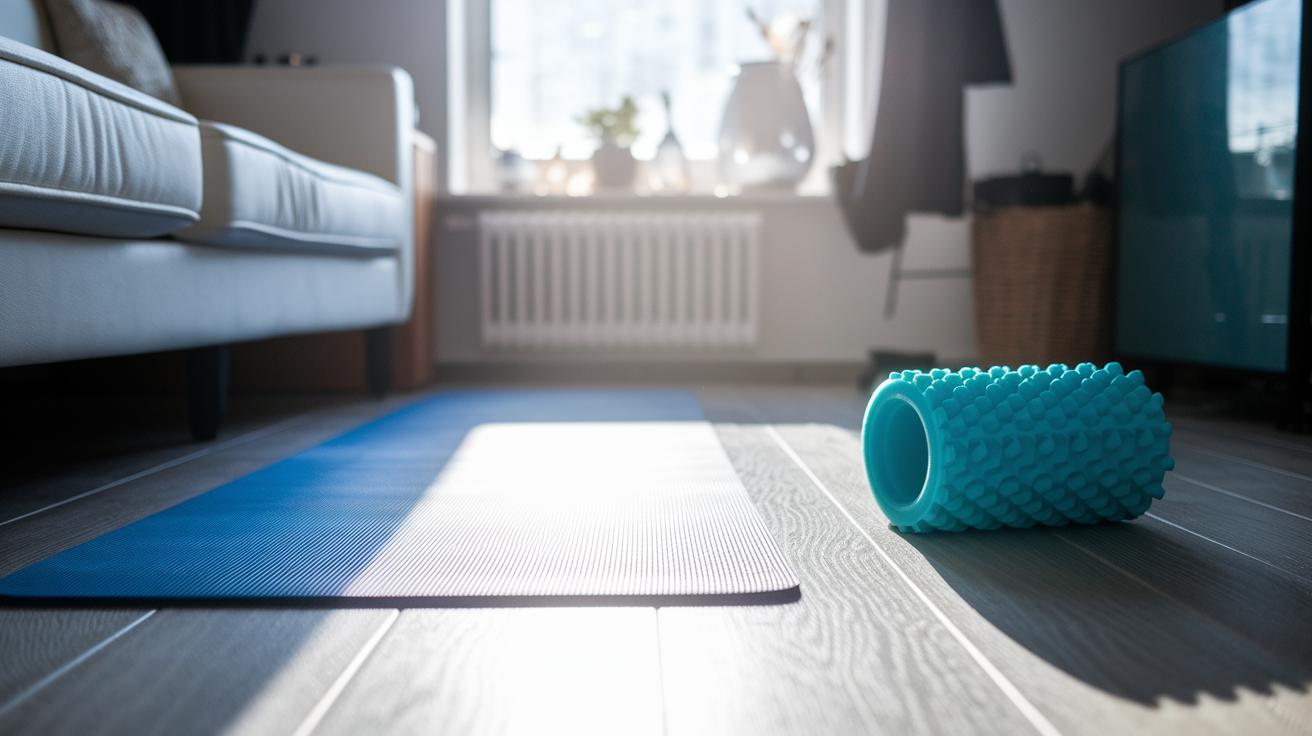
Pick a clear, open spot in your home to do your recovery exercises. A tidy area lets you move around safely, almost like having your own mini studio. Let in plenty of natural light and fresh air. Picture the cool, crisp breeze as if you were stepping out for a short morning walk. This simple setup helps make each session a relaxing time for your muscles.
Gather a few key tools to boost your workout routine. A yoga mat gives you a comfy place to exercise, and a foam roller helps loosen tight muscles. You can add a resistance band (a stretchy tool that gives gentle tension) if you want a bit of extra support. And maybe play some soothing music or follow a friendly coach’s video to add a spark of energy to your space.
Sample 20-Minute Home Active Recovery Workout Routine
Start your recovery with this easy 20-minute flow that gently wakes your muscles and helps you feel fresh again. This routine begins with a quick warm-up to get your body moving, moves into some smooth mobility work, and then targets key stretches before finishing with a calming core cooldown. Think of it as a little self-care fitness session that eases you out of a tough workout.
| Step | Exercise | Duration |
|---|---|---|
| 1 | Dynamic Warm-Up (arm circles, hip openers) | 3 minutes |
| 2 | Mobility Flow (Cat-Cow [a gentle back stretch] → Reach & Rotate) | 5 minutes |
| 3 | Targeted Stretch (Quad Hip Stretch → Hamstring Stretch) | 7 minutes |
| 4 | Core Cooldown (Plank to Toe Tap → deep breathing) | 5 minutes |
This routine is just right for softening tight muscles after hard work. Try doing it two or three times a week or even right after a strenuous session. Listen to your body, if a move feels too easy or too tough, feel free to tweak it a bit. Enjoy the balanced mix of gentle moves and mindful breathing to keep your muscles relaxed, flexible, and ready for more activity.
Final Words
In the action, we explored how a home active recovery workout can boost your movement while easing muscle tension. We covered the science behind gentle exercises, built a plan to fit your needs, and even offered tips on setting up a cozy space. Each section shared clear, low-impact options to help you feel refreshed and strong. Remember, small, consistent steps make a big difference. Enjoy every moment as you care for your body and mind, and embrace the positive energy each session brings.
FAQ
Q: What is a 30-minute active recovery workout at home?
A: A 30-minute active recovery workout at home uses low-impact exercises like gentle stretching, some Pilates moves and light calisthenics (bodyweight activities) to ease muscle tension and boost recovery.
Q: What are some active recovery workout examples and plans?
A: Active recovery workouts can include a dynamic warm-up, controlled stretches, and core-focused movements. These routines, whether for CrossFit or athletes, ease soreness and improve blood flow after intense sessions.
Q: How can I do a home active recovery workout with no equipment?
A: A no-equipment active recovery workout at home may use bodyweight moves like cat-cow, reverse lunges, and plank variations. These exercises improve mobility and relieve muscle stiffness without extra gear.
Q: What is the best active recovery workout?
A: The best active recovery workout blends dynamic warm-ups, steady stretches, and restorative exercises at 20–40% of maximum effort to reduce muscle stiffness and support faster recovery after hard sessions.
Q: What does the 3-3-3 rule at the gym mean?
A: The 3-3-3 rule at the gym describes three minutes for warm-up, three minutes for low-key exercise, and three minutes for cooldown, ensuring a smooth transition that maintains an active recovery flow.
Q: How can I have an active rest day at home?
A: An active rest day at home means including low-impact moves like gentle mobility flows, light stretching, or restorative yoga to keep muscles moving without overexertion while letting them recover.
Q: What is the 6 12 25 rule?
A: The 6 12 25 rule sets specific durations for recovery elements, guiding how long to hold or perform stretches to maximize muscle relaxation and stimulate effective blood flow during recovery sessions.
Q: How do active stretching, Pilates, and high-intensity interval training fit into recovery?
A: When modified for recovery, active stretching, Pilates, and high-intensity interval training increase blood flow and enhance flexibility without causing extra strain, making them great for easing muscle soreness.
Q: What are PNF and ballistic stretching for active recovery?
A: PNF stretching (a technique using muscle contraction and relaxation) and ballistic stretching (using controlled bouncing motions) can be included in active recovery routines if performed cautiously to improve flexibility.
Q: Why is cooling down important after a workout?
A: Cooling down gradually lowers your heart rate, boosts blood circulation, and helps reduce muscle soreness. This essential step aids in recovery and preps your body for the next workout.

