
Ever thought about staying active when you're taking a break instead of stopping all together? A lot of fitness fans find that mixing gentle movement with some quiet downtime can lessen muscle soreness and even boost your workout performance. For example, a slow bike ride (cycling at an easy pace) or a light walk (a calm stroll) helps clear out muscle build-up. At times, simply giving your body a rest lets your muscles repair themselves. Picking the right mix might just be your secret to a better routine. So, listen to what your body tells you, and see how a balanced recovery can make you feel even more energized.
Active vs Passive Recovery: Defining Key Concepts
Active recovery means keeping your body gently moving during rest times. It’s like taking a light walk between sets or enjoying a slow bike ride after heavy lifting. This light movement helps improve blood flow, which in turn helps clear out lactic acid (a build-up that can make your muscles feel sore) and lowers inflammation. Think of it as a mini warm-up that preps your muscles for the next burst of activity. For example, imagine a runner who takes a few extra minutes to stroll after a hard sprint, this small effort can help them run longer next time.
Passive recovery, on the other hand, is all about giving your body a full break. This means sitting or lying down so your tissues have a peaceful moment to mend. When you feel really worn out or are dealing with some pain, this complete rest lets your body heal without any extra effort.
Both recovery methods work to ease muscle strain and help prevent injuries.
- Active recovery, like a gentle walk or cycling, helps manage muscle soreness and fatigue naturally.
- Passive recovery gives you a quiet time-out, letting your body recover fully when it needs that extra rest.
Choosing between active and passive recovery comes down to listening to your body and its signals. Which one feels right for you might change from one workout to the next!
Active Recovery Benefits and Mechanisms
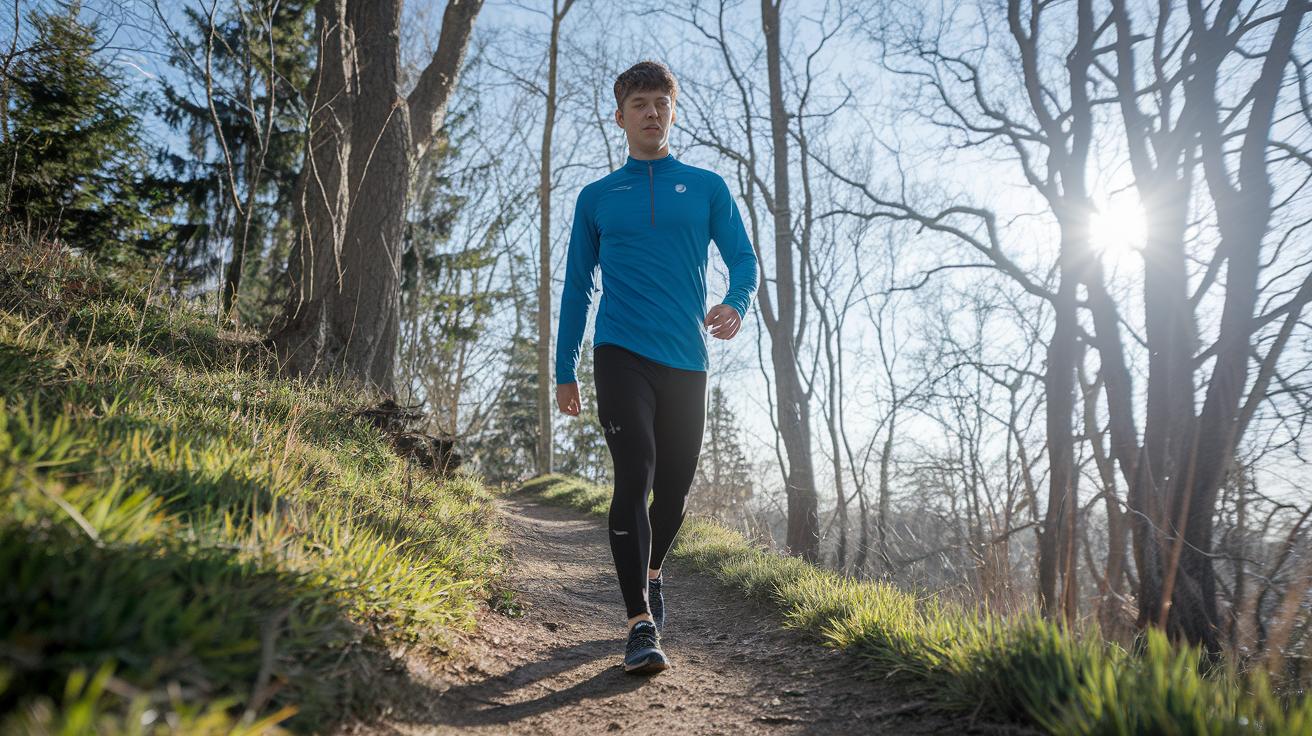
Active recovery helps your body bounce back quicker by keeping your blood circulating and reducing muscle acidity (the build-up of chemicals that can cause soreness). Researchers even found that athletes who kept moving lightly during their breaks ran three times longer in their next session compared to those who stopped completely. Have you ever tried taking a slow walk after a hard sprint? It can really help your muscles feel ready for more.
Swimming research shows similar benefits. In one study, light activity wiped out 68% of blood lactate, which is the lactic acid (a substance that contributes to muscle soreness) that builds up during intense exercise. Simple activities like low-speed cycling or a calm stroll can boost your joint mobility and keep your blood flowing smoothly.
Many athletes mix light recovery moves between tough sets to keep their muscles engaged and their joints lubricated. Next time you work out, consider adding a bit of low-intensity movement, like those found in an Active Recovery Workout, to ensure your body stays ready for the next challenge.
Passive Recovery Advantages and Appropriate Use
When your body needs a full break, passive recovery is your go-to approach. It’s especially handy when you’re mending from an injury, feeling under the weather, or struggling with overtraining signs like long-lasting fatigue or mood ups and downs. Think of it this way: you let your muscles enjoy a quiet day, much like watching a bouncing ball slowly come to a stop before you set it rolling again.
One popular method in this phase is a sports massage, also called myofascial release (a technique that eases muscle tightness and improves joint movement). Imagine booking a session with a massage therapist who knows just how to unwind your tension, it’s like giving your body a fresh start. Pair these massages with plenty of sleep or complete downtime, and you’re setting the stage for smoother recovery and a calmer mind.
Many experts recommend taking one full day each week solely for passivity. This planned day off protects tired muscles and gives your mind a refreshing pause. Picture a day devoted entirely to relaxation, no heavy movement, just uninterrupted healing for both your body and your spirit.
Muscle Recovery Timeline offers extra tips on how to spread out these well-deserved rest days.
Choosing Active or Passive Recovery: Contextual Guidelines

When planning your recovery days, trust what your body is telling you. Instead of sticking to strict rules, choose the option that feels best. If you’re still buzzing after a hard workout or a refreshing cooldown, active recovery might be the way to go. Try a gentle walk or light cycling to ease muscle tension and get ready for your next session, it’s like taking a quick deep breath before a big race.
But sometimes, when your muscles feel sore or your mood dips from being really tired, taking a full rest could be more helpful. Complete rest or a solid night’s sleep gives your body the chance to heal, especially if you’re recovering from injury or a tough training day. So ask yourself: Do I feel light and ready, or do I need a day of stillness to recharge?
It’s a smart idea to mix active and passive recovery into your routine. On days when you need a little movement to keep your blood flowing and muscles engaged, a light exercise is perfect. On other days, when you’re feeling overtrained or need to relax mentally, a full day of rest can act as a reset button.
You can also try helpful strategies on your recovery days. Consider extras like compression socks (special socks that help reduce swelling), making small ergonomic changes to ease tension, staying well hydrated, and doing dynamic stretches. These simple steps can boost the benefits of active recovery while ensuring that when you choose to rest, your body gets the quiet time it needs to repair itself.
In the end, every athlete should listen to their own body and adjust their recovery methods based on how they feel. Trust your inner signal, and blend both active and rest days seamlessly into your overall training plan.
Active Recovery Techniques and Sample Routines
Active recovery means keeping your muscles and joints moving gently after a tough workout. Instead of stopping cold turkey, you give your body a little "reset" to help flush out the lactic acid (a byproduct of intense exercise) and ease tension. Picture this: after a high-energy session, you take a calm, purposeful walk for 5–10 minutes, letting your blood flow and muscles relax.
A simple approach could start with a brisk walk for 5 minutes to warm up your body, followed by 3 minutes of dynamic leg swings. These are gentle movements where you swing each leg forward and back, imagine your legs moving like a soft, swinging pendulum. Next, opt for an 8-minute light bike ride at a steady pace, similar to what you'd experience in an indoor cycling class, to further enhance your blood flow without any extra strain. Wrapping up with 4 minutes of foam rolling helps massage your muscles, easing any tight spots and setting you up nicely for your next challenge.
Here’s a quick look at the routine:
| Activity | Duration |
|---|---|
| Brisk Walk | 5 minutes |
| Dynamic Leg Swings | 3 minutes |
| Light Bike Ride | 8 minutes |
| Foam Rolling | 4 minutes |
This routine is like a mini-refresh session for your body. It keeps you moving gently so that you remain active and ready to tackle your next intense workout. Have you ever felt that satisfying blend of calm and energy after easing through a recovery routine? It’s those little moments that make maintaining a balanced lifestyle truly rewarding.
Passive Recovery Advantages and Appropriate Use

Take a moment to give your body and mind a genuine break with these simple, practical rest day ideas. A full night of sleep helps your muscles rebuild and gives you a boost for the next day. For example, sticking to a fixed bedtime like, "I hit the sack at 10 PM and wake up refreshed," can make all the difference.
Imagine a gentle massage that works on your sore areas. Sports massages, or myofascial release (a method to lessen muscle tightness), help break up knots and improve how your joints move. Picture a caring therapist slowly rubbing out those tender spots, much like smoothing out a wrinkled shirt.
Another great tip is to try wearing compression garments. These are like a comforting, firm hug for your muscles that helps reduce swelling after a hard workout. Imagine sliding into a snug sleeve that gently wraps your arm, making you feel supported and calm.
Also, finding the right position when you rest can ease muscle strain and support healing. Try different chairs or adjust your lying down to see what feels best. One small change, like propping your pillow slightly higher, might be all you need to enjoy a more comfortable rest.
| Rest Practice | Benefit |
|---|---|
| Consistent sleep | Helps repair muscles and boosts energy |
| Myofascial release massage | Eases muscle tightness and improves joint movement |
| Compression garments | Supports muscles and reduces swelling |
| Ergonomic rest postures | Minimizes tension and promotes healing |
These simple practices not only ease physical stress but also give your mind a restful break, helping you to keep going strong and balanced every day.
Scheduling Recovery: Sample Weekly Plan for Active vs Passive Days
Getting plenty of rest between workouts is really important to keep your body in top shape. Mixing gentle, active recovery days with full rest days helps prevent overtraining while giving your muscles the time they need to repair. On days when a little movement is good for boosting blood flow and light muscle activity, try some low-intensity exercise. And on days when you feel like you need a complete break, it’s perfectly fine to sit back and let your body heal naturally.
Here’s a friendly, easy-to-follow weekly plan:
- Monday: Strength training. Challenge yourself with focused exercises, then let your recovery routines work quietly in the background.
- Tuesday: Active recovery. Enjoy a brisk walk paired with some dynamic stretches (movements that gently warm up your muscles) and savor the feeling of a refreshing, light movement.
- Wednesday: Cardio day. Get your heart pumping with a continuous session that wakes up your heart and lungs.
- Thursday: Passive rest. Take it easy and allow your muscles and joints a full day to mend, much like a quiet pause after a busy day.
- Friday: Interval training. This involves bursts of intense activity followed by recovery, building endurance while keeping an eye on not overdoing things.
- Saturday: Active recovery. Consider gentle cycling to keep your blood flowing without putting too much stress on your muscles.
- Sunday: Choose between complete rest or a calming restorative yoga session. Either option helps you unwind and finds balance in your body.
Remember, pairing balanced nutrition with these recovery days is just as important. A wholesome meal plan can boost muscle repair and keep your energy levels steady. For more ideas on mixing healthy eating with your exercise routine, check out our Balanced Diet and Exercise Benefits article.
Using this mix of rest and light activity can help protect you from injury while keeping your performance steady and strong.
Final Words
In the action, we explored the differences between active vs passive recovery. We learned how a brief walk or gentle cycling helps keep muscles moving while complete rest gives tissues time to mend.
We also looked at ways to arrange recovery days, combining workout sessions with much-needed rest for stronger performance and lower stress. Embracing both active vs passive recovery options can boost your overall well-being and set you up for a lifestyle that feels both balanced and uplifting. Stay positive and keep moving forward.
FAQ
What is the difference between passive and active recovery?
The difference between passive and active recovery means that active recovery uses gentle movement—like walking or cycling—to clear lactic acid, while passive recovery means complete rest for tissues to repair naturally.
What are some examples of passive recovery?
Examples of passive recovery include sitting, lying down, or getting a good night’s sleep along with a sports massage to let muscles relax fully without additional physical effort.
How does active recovery benefit bodybuilding?
Active recovery benefits bodybuilding by incorporating light activities, such as easy cycling or walking between heavy lifts, which boost blood flow, lessen muscle fatigue, and support steady strength gains.
What are some active recovery exercises?
Active recovery exercises consist of gentle walking, easy cycling, and dynamic stretching that help flush out lactic acid and keep muscles moving after intense workouts.
What is passive recovery in refrigeration?
Passive recovery in refrigeration means that the system settles back to a resting state without extra energy input, allowing refrigerants to settle naturally, similar to how full rest helps muscles recover.
What is the difference between active and passive rehabilitation?
The difference between active and passive rehabilitation lies in movement; active rehabilitation incorporates gentle exercises to boost circulation, while passive rehabilitation relies on complete rest and treatments like massage for healing.
What is the difference between active and passive resting?
The difference between active and passive resting is that active resting uses low-level movement, such as a slow walk, to improve blood flow, while passive resting involves total stillness to allow the body to fully relax.
What is active recovery?
Active recovery refers to engaging in low-intensity exercise after a hard workout so that gentle movement boosts circulation, eases muscle stiffness, and promotes faster recovery.
What are the advantages of passive recovery?
The advantages of passive recovery include allowing the body and mind to rest completely, which helps tissues repair and reduces overall fatigue after strenuous physical activity.
How should one choose between active and passive recovery?
Choosing between active and passive recovery depends on your physical feelings; if you feel energetic and stiff, opt for light movement, whereas if you feel sore or exhausted, complete rest might be the best option.

