Research
Push Pull Legs Planner Printable Simplifies Workout Tracking
By ninariverside
November 23, 2026
Field Notes
Still logging workouts on your phone and calling it efficient?
Paper often wins for speed, fewer distractions, and clearer progress at the gym.
This ready-to-print Push-Pull-Legs planner gives you sheet layouts with date, bodyweight, exercises, sets, reps, RPE, previous results, and a notes area, all printer-friendly so you can start today.
No spreadsheet setup, no battery, no weird formatting.
If you want faster in-gym logging and a simple way to compare sessions, this planner makes tracking so easy you’ll actually keep it up.
Download the Ready-to-Print Push–Pull–Legs Workout Planner
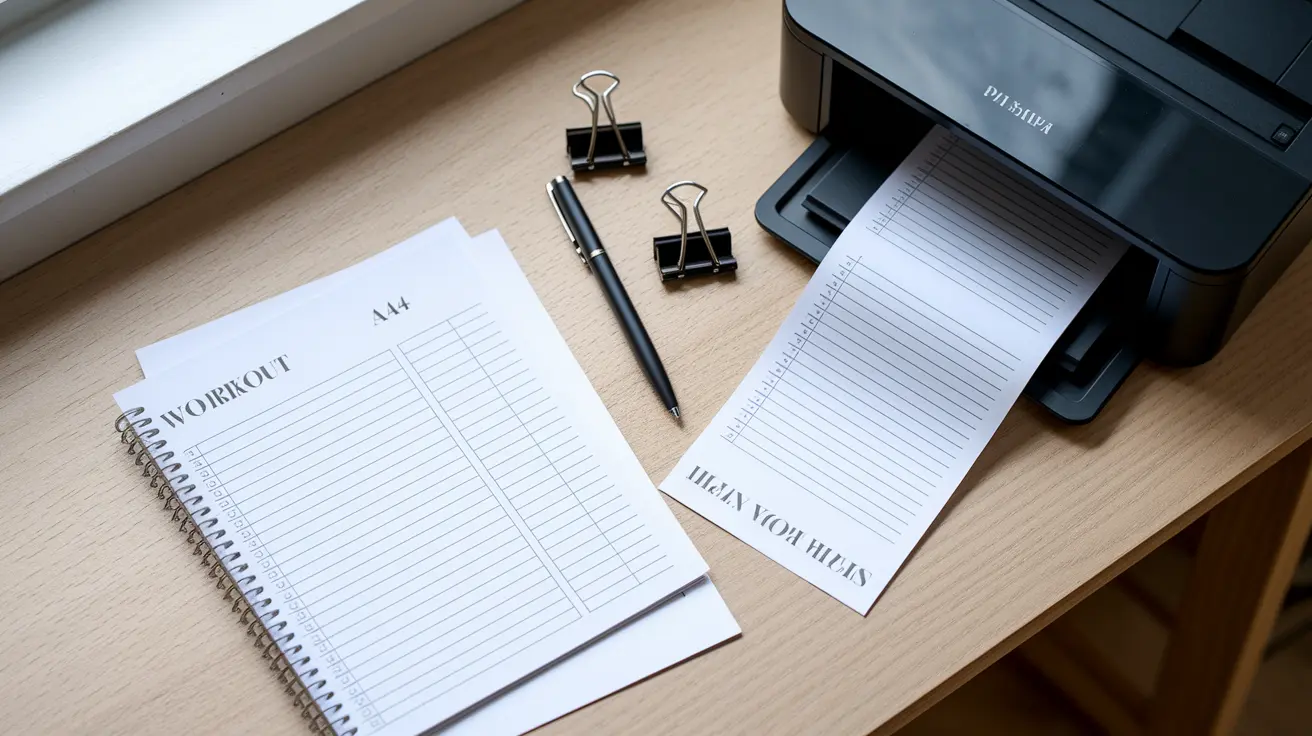
These attachments give you a complete Push Pull Legs tracking planner template printable in just a few clicks. No spreadsheet building or blank notebook required. Each file is a ready-to-use PPL printable template designed for standard home or office printers, so you can start logging your next session today instead of formatting cells tonight.
Download your files:
- [Compact PPL planner — US Letter PDF]
- [Compact PPL planner — A4 PDF]
- [Extended PPL planner — A4 and US Letter PDF pack]
- [PPL planner — A4 and US Letter 300 DPI PNG pack]
Included at a glance: each printable workout log sheet covers session details like date and bodyweight, exercise performance across sets and reps, intensity through RPE, a spot for previous results, and room for notes. It’s all built into a customizable printable workout planner that stays easy to scan mid-workout.
The PDF attachments open fine in any standard PDF reader, no special software needed. The PNG files work with common photo viewers and note-taking apps, which is handy if you prefer pulling up your log on a tablet. Because the design uses a white background, thin rules, and skips photos entirely, this black and white printer friendly layout keeps ink use low whether you’re running a quick compact page or the full minimalist gym log printable A4 version.
Pros and Cons of a Printable Push–Pull–Legs Tracking Planner
Paper and digital tools solve different problems. A push pull legs tracking planner template printable works great for in-the-moment logging, while something like an editable Google Sheets PPL tracker shines when you want charts and totals calculated automatically. Neither is wrong. It just depends on how you like to work.
| Pros | Cons |
|---|---|
| Fast handwritten logging between sets | No automatic totals or calculations |
| No battery or charging required | Physical pages to carry to the gym |
| Fewer phone distractions mid-workout | No built-in exercise demonstrations |
| Easy side-by-side session comparison | Limited writing space per row |
| Low printing cost per page | Recurring paper use over time |
| Flexible space for personal notes | Less searchable than digital history |
| Binder-friendly for long-term archiving | Risk of losing or damaging pages |
| Easy manual annotations and marks | No automated data validation |
If you like seeing automatic charts or want a searchable record of every session you’ve ever logged, it’s worth keeping an Excel workout log template printable or a simple spreadsheet running in parallel. Use the paper copy as your at-the-gym printable gym progress tracker, then transfer numbers into your spreadsheet once a week if you want the best of both. You don’t have to pick just one.
Organising Push Exercises and Accessories
(((alt-img3)))
A push day printable planner works best when chest, shoulder, and triceps movements stay in their own lane. Mixing in a pulling or leg exercise by accident, which happens more than you’d think when you’re tired and filling in a log fast, throws off how the block reads later. Enter your heaviest compound presses first, since those usually set the tone for the whole session, then work down to smaller isolation moves as you fill the remaining rows.
Here’s how most Push sessions break down into categories:
- Horizontal chest presses
- Vertical shoulder presses
- Chest isolation movements
- Lateral or front delt accessories
- Triceps isolation exercises
Once your main presses are logged, use whatever rows are left for accessories. Think lateral raises, cable flyes, overhead triceps extensions, or triceps press downs, the kind of hypertrophy workout planner printable work that rounds out a session without needing heavy loads. If your version includes warm-up rows, keep those separate from your working sets. Lumping a warm-up set into your working-set count makes your session volume look bigger than it actually was, which messes with how you judge progress down the line.
Grip, Assistance, and Progression on Pull Day
(((alt-img4)))
The Pull block is where rows, pulldowns, pull-ups, rear delt work, and biceps exercises live. This is the part of your pull day training log printable that tends to carry the most variables, so getting the details right here matters more than you’d expect.
Grip and assistance method need to stay consistent if you want your numbers to actually mean something. Say you did a wide overhand pulldown last week and switch to a neutral grip pulldown this week. Even if the machine shows the same weight stack, you’re not really comparing the same exercise. Your body is doing a different job, so don’t be surprised if the numbers don’t line up the way you’d expect.
A few Pull-specific details worth jotting down every time:
- Overhand, underhand, or neutral grip
- Narrow, medium, or wide hand position
- Pull-up band colour or assistance level
- Full, partial, or modified range of motion
- Elbow or shoulder feedback
When you’re ready to push for more, pick one Pull movement and aim for one small improvement, maybe an extra rep or a slightly heavier pull, while keeping grip and assistance exactly the same as last time. This is where a PR log and milestone tracker earns its keep. It helps you tell the difference between a genuine strength gain and a number that only went up because you switched bands or changed your grip width.
Warm-Ups, Rest, Mobility, and Readiness for Leg Day
(((alt-img5)))
Squats, dead
Final Words
Grab the ready-to-print pack, match the file to your paper, and print a quick test page. Files include compact and extended PDFs plus a 300 DPI PNG pack in A4 and US Letter.
Use the Push, Pull, and Legs blocks to log exercises, grips, warm-ups, rest, and one next-session target. Follow print tips: 100% scale, grayscale, short-edge duplex so rows stay correct.
Bring a sheet to the gym, note weights and RPE, compare with past entries, and pick one small improvement. The push pull legs tracking planner template printable makes this simple and portable. Start today and build steady progress.
FAQ
Q: Which exercise on which day in the gym? What is a good workout routine for push-pull legs?
A: The best exercises per gym day follow a Push–Pull–Legs split: Push (bench, overhead press, dips), Pull (rows, pull-ups, face pulls), Legs (squats, deadlifts, lunges). Pick 3–4 main moves plus 1–2 accessories.
Q: Is there a 100% free workout app? Where can I download a free PDF home workout plan?
A: Yes — some apps are fully free; search your app store for “free home workout.” For PDFs, check reputable fitness blogs, community forums, or nonprofit health sites for downloadable, printer-ready home workout plans.