Research
Push Pull Legs Meal Plan Fuels High-Protein Dinner Recovery
By carterblackwell
November 23, 2026
Field Notes

Is your dinner failing your gains?
Most people pile on sets and call it a day, then eat whatever’s easy after training.
Here’s the simpler way: a seven-day push-pull-legs dinner plan that hits 30–50 g of protein per meal so your muscles actually repair and grow.
No strict timing, clear portions, and swaps for busy nights.
Read on for practical dinners—chicken, salmon, beef, and vegetarian options—with per-serving protein and macro estimates that make recovery easy and repeatable.
Seven-Day PPL Dinner Plan at a Glance
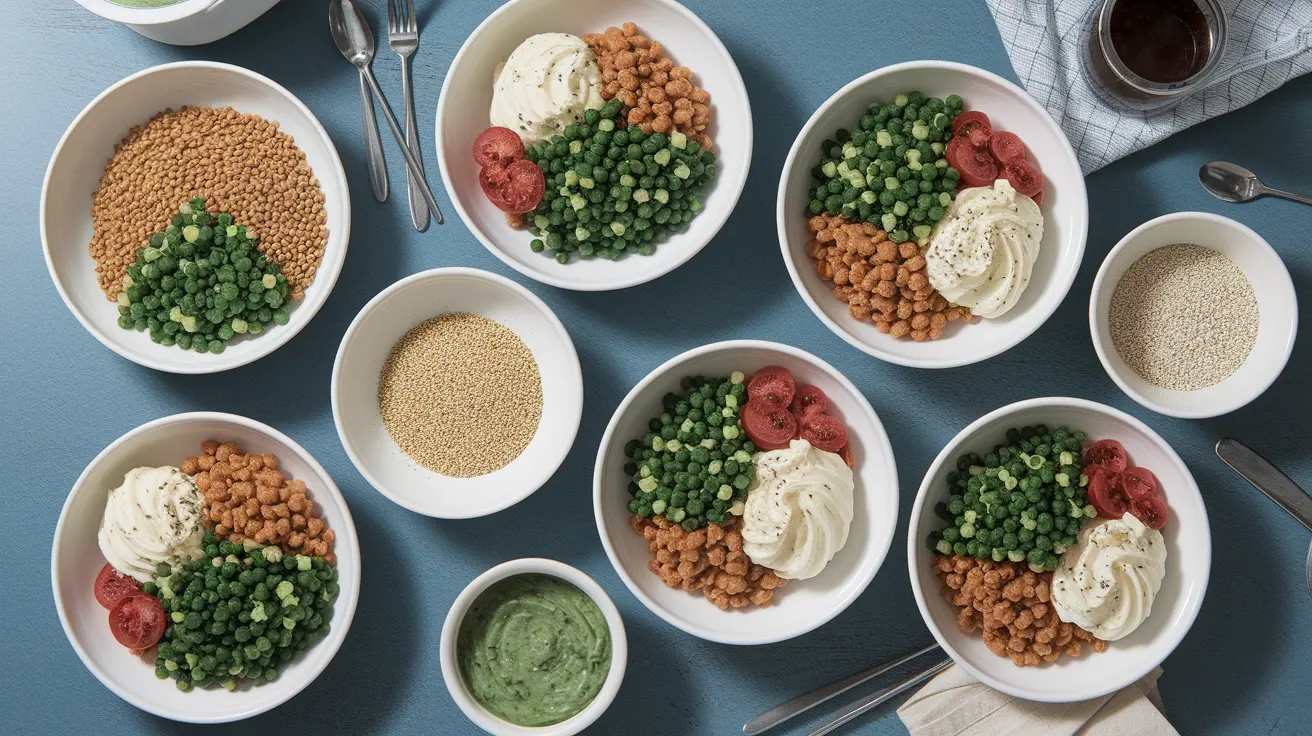
Every dinner in this push pull legs meal plan lands in that 30-50 g protein sweet spot, and each one works whether you eat it within 30 minutes of your last set or closer to the two-hour mark. No stressing over exact minutes here. Just eat when you can, ideally sooner.
Here’s the full week, built around your training split, with per-serving protein amounts spelled out so you’re not guessing.
| Day | PPL Session | Dinner | Main Portion Sizes | Protein | Carbohydrates | Fat | Estimated Calories |
|---|---|---|---|---|---|---|---|
| 1 | Push | Chicken, sweet potato, broccoli | 170 g chicken breast, 200 g sweet potato, 150 g broccoli | 42 g | 38 g | 14 g | ~460 kcal |
| 2 | Pull | Salmon, quinoa, greens | 170 g salmon, 150 g cooked quinoa, 100 g greens | 42 g | 35 g | 16 g | ~520 kcal |
| 3 | Legs | Lean beef, potato, asparagus | 170 g lean beef, 200 g potato, 150 g asparagus | 42 g | 40 g | 15 g | ~530 kcal |
| 4 | Push | Turkey and bean chilli | ~200 g cooked turkey, 1 cup beans, crushed tomatoes | 48-50 g | 40-45 g | 10-12 g | ~620 kcal |
| 5 | Pull | Tuna and whole-wheat pasta bowl | 120 g tuna, 80 g dry whole-wheat pasta | 42 g | 56 g | 6-8 g | ~540 kcal |
| 6 | Legs | Chicken thigh, brown rice, avocado bowl | 170 g chicken thigh, 150 g cooked brown rice, veg, 50 g avocado | 35 g | 35 g | 18 g | ~520 kcal |
| 7 | Rest | Black-bean and mushroom burger | 2 patties, whole-wheat bun, side of Greek yoghurt | 35-40 g | Moderate-high | Moderate | Varies |
Keep in mind these numbers are estimates. The brand of chicken you buy, how much oil hits the pan, and whether your potato is 180 g or 220 g will all nudge the macros around a bit. Think of this table as your map, not a locked contract.
Why PPL Training Changes Dinner Recovery Needs
(((alt-img2)))
Every push, pull, or legs session creates small tears in your muscle fibers. That’s not a bad thing, it’s actually the whole point. Your body repairs that damage stronger than before, but only if it has the raw materials to do it. Protein supplies the amino acids that stop the breakdown and start the rebuild. Skip the protein, and you’re basically leaving the repair crew without tools.
That’s where daily totals and per-meal targets come in together. The general target is 1.6 to 2.2 g of protein per kilogram of body weight, or roughly 0.7 to 1.0 g per pound, spread across 3 to 5 meals. So if you weigh 80 kg, you’re looking at somewhere between 128 and 176 g of protein across the whole day. Split that evenly and each meal should land around 0.4 to 0.55 g/kg, which works out to roughly 30 to 45 g for that same 80 kg lifter. Dinner isn’t the only meal that matters, but since it often follows training, it carries extra weight for recovery. There’s also a leucine angle worth knowing. About 2.5 to 3 g of leucine per meal seems to max out muscle protein synthesis, and most 30 to 40 g servings of animal protein clear that bar without you having to measure anything.
Carbs tell a different story depending on the day. Push and pull sessions burn through glycogen, sure, but usually not as aggressively as a heavy squat and deadlift leg day does. A strength focused ratio of roughly 1:1 to 2:1 carbs to protein tends to work well for push and pull dinners. Leg day, though, often calls for leaning toward that higher end, sometimes even approaching the 3:1 ratio recommended in the [“4 Best Recovery Meals After an Endurance Workout”](https://google.com/goto?url=CAESiQEBxCJF1yawUSsads2pTCo3jbT4QEiDms7QkWF1K-0E6CZWs6gITIkhcEoE6u3arxt1lHidFhMyka9FrYRUgS27xGWHh7l0fFYFtlPQKshx6
Final Words
Dinner choices here all hit the 30–50 g protein target and can be eaten 30 minutes to 2 hours after evening training.
You’ve got push, pull, and legs recipes with exact portions, timing tips, meal-prep steps, and simple swap ideas so you can hit protein and carbs when it matters.
Use this push pull legs meal plan high-protein dinners for recovery as a week to try, track how you feel and perform, then tweak portions. Small changes keep progress steady. You got this.
FAQ
Q: How much protein should each PPL dinner provide?
A: Each PPL dinner should provide 30–50 g of protein, roughly 0.4–0.55 g/kg per meal, which supplies the 2.5–3 g leucine needed to maximise muscle repair.
Q: Can I eat these dinners after evening training and when should I eat them?
A: These dinners can be eaten within 30 minutes–2 hours after evening training; if dinner is delayed beyond 90 minutes take 20–30 g whey or have casein/cottage cheese before bed.
Q: What dinners work best for Push, Pull, and Legs days?
A: Best dinners for PPL: Push — chicken or turkey chilli; Pull — salmon or tuna pasta; Legs — lean beef or chicken thigh with extra carbs for glycogen.
Q: How many carbohydrates should I eat after leg sessions versus push or pull?
A: Aim for about 60–80 g carbs after demanding leg sessions and 40–60 g after many push or pull sessions to replenish glycogen and support recovery.
Q: Can plant-based dinners meet recovery protein targets?
A: Plant-based dinners can meet recovery targets if you combine sources to reach 30–50 g protein, for example two black-bean patties plus Greek yoghurt or added tofu/tempeh.
Q: How should I meal-prep the seven-day PPL dinner plan?
A: Meal-prep the seven-day plan with a Sunday batch and a small midweek refresh: cook grains, chilli, patties, and protein portions; keep fish fresh and freeze later-week meals.
Q: How accurate are the listed macros and how do I adjust portions?
A: Macros are estimates and vary by product, cooking fats, and portion weight; keep dinner protein 30–50 g, add carbs for higher volume, and adjust fats to meet calorie goals.
Q: How long do prepared dinners keep and how should I reheat them?
A: Prepared foods usually last 3–4 days for cooked meat and seafood, 4–5 days for grains, and 2–3 months frozen; reheat meat to 74°C/165°F before serving.
Q: When should I see a nutrition professional about this plan?
A: See a registered dietitian if you have kidney disease, prescribed medical diets, severe allergies, persistent digestion issues, unexplained fatigue, disordered eating, or competitive goals needing custom targets.