Research
Push Pull Legs Post-Workout Nutrition Fuels Faster Recovery
By carterblackwell
November 18, 2026
Field Notes
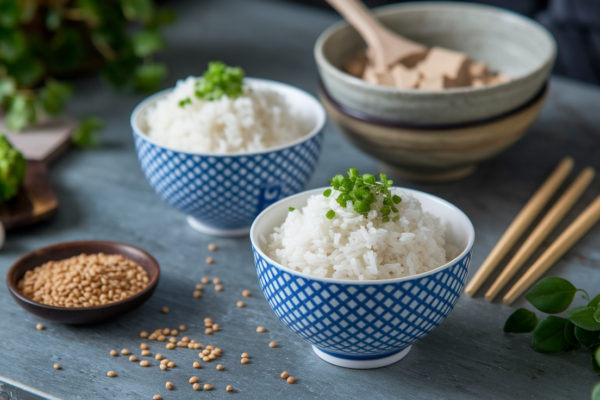
What if your post-workout meal matters more on leg day than on push day?
Protein repairs muscle and carbs refill the fuel you just burned, so what you eat after a session changes how fast you recover.
Match protein and carbs to the demands of push, pull, or legs and you’ll bounce back quicker, lift heavier next time, and feel less sore.
This post gives simple timing targets (about 20–40 g protein after most sessions, more carbs for leg days) and easy, realistic meal ideas you can make tonight.
PPL Recovery Targets, Timing, and Meal Choices at a Glance
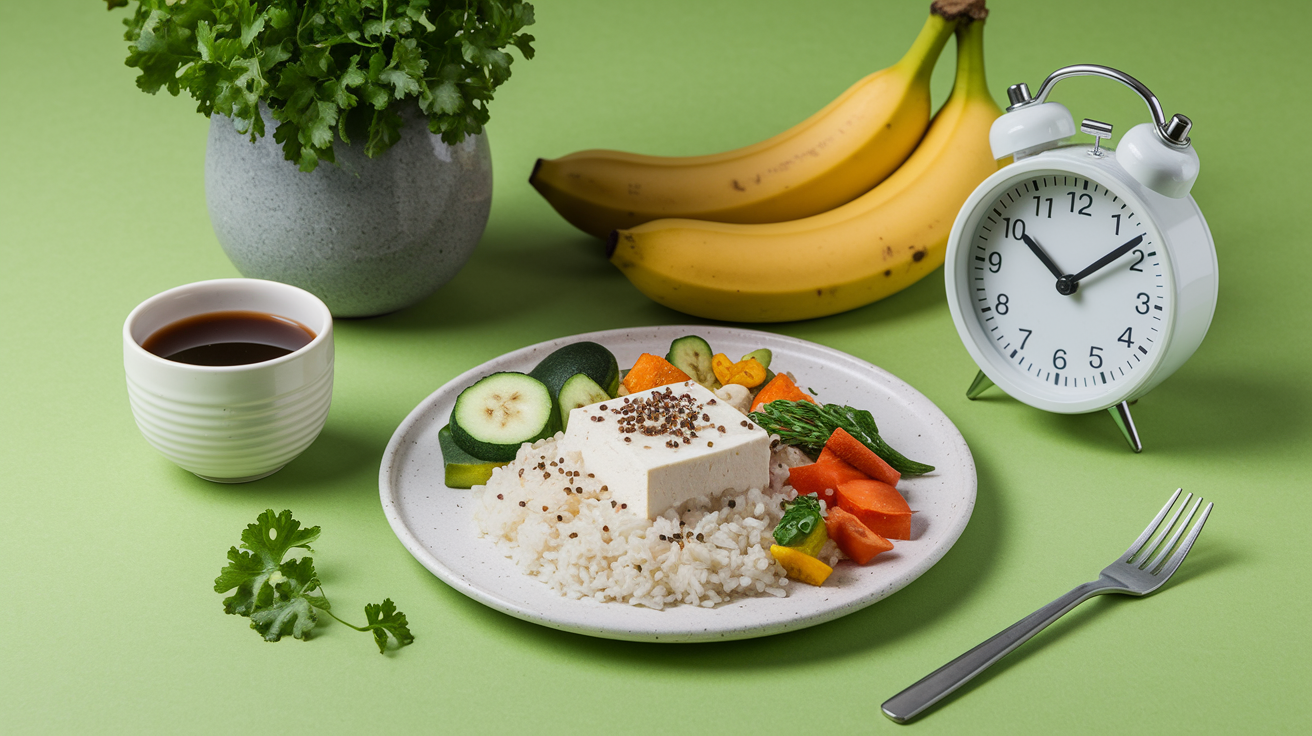
Protein and carbs handle two totally different jobs once you’re done training. Protein gives your muscles what they need to repair and grow (that’s muscle protein synthesis, if you want the technical term). Carbs refill the glycogen you just torched. But here’s the thing, even with perfect timing, none of this replaces the basics. Your total daily calories and protein intake still decide most of your progress. Think of post-workout meals as one piece of the puzzle, not the whole picture.
A good starting point is 0.3 to 0.5 g of protein per kg of body weight right after training. For most lifters, that lands somewhere between 20 and 40 g. Try to eat within 0 to 2 hours of finishing your session. Leg days tend to need more carbs than push or pull days, since squats, lunges, and deadlifts burn through glycogen faster and in bigger amounts, especially across multiple working sets. For a full breakdown of combining protein, carbs, hydration, and timing, this resource on post-workout nutrition and meal examples covers it well.
| PPL Workout | Protein Target | Carbohydrate Target | Fat Range | Quick Option | Complete Meal | Timing | Calorie-Goal Caveat |
|---|---|---|---|---|---|---|---|
| Push | 25-35 g | 30-60 g | 5-15 g | Whey, banana, rice cakes | Chicken, rice, vegetables | 0-2 hours, next protein meal in 3-4 hours | Scale carbs up or down to fit cutting, maintenance, or gaining goals |
| Pull | 25-40 g | 40-70 g | 5-15 g | Tuna sandwich and fruit | Salmon, sweet potato, greens | 0-2 hours, next protein meal in 3-4 hours | Adjust bread, fruit, or sweet potato portion instead of adding extra calories |
| Legs | 30-50 g | 60-100+ g | 5-15 g | Whey-oat-banana smoothie | Lean meat, rice, vegetables, fruit | 0-2 hours, next protein meal in 3-4 hours | Use upper carb range only if volume, recovery time, and daily calories support it |
Comparing Recovery Formats, Benefits, Limitations, and Supplements
(((alt-img2)))
Here’s something worth knowing, changing your meal size across a push, pull, leg rotation is optional. It can help with recovery and planning. But it shouldn’t push aside what actually matters most, your total daily protein, calories, and nutrients.
Advantages:
- Better carbohydrate allocation based on which muscle groups just worked hardest
- Easier preparation for your next session, especially if it’s within 12 hours
- Convenient meal planning since you know roughly what each day needs
- Portions that actually reflect how hard that specific session was
Limitations:
- Can turn into unnecessary complexity if you overthink every gram
- Calorie and macro estimates from food labels or apps are rarely perfectly accurate
- Easy to overeat after a tough session just because you feel like you “earned it”
- Total daily nutrition still matters more than any single post-workout meal
| Recovery Format | Best Use | Typical Protein | Typical Carbohydrates | Fat Approach | Main Limitation |
|---|---|---|---|---|---|
| Whey-based shake | Limited time or low appetite | 20-30 g | 20-40 g | Kept low for fast digestion | Lacks fiber and long-term fullness |
| High-protein portable snack | Meal delayed by travel or work | 15-25 g | 20-30 g | Low to moderate | Often smaller than a full meal’s needs |
| Complete whole-food meal | Balanced recovery and satiety | 25-50 g | 40-100 g | Moderate, 10-20 g | Takes longer to prepare and digest |
| Plant-based meal | Vegetarian or vegan trainees | 20-35 g |