Research
Push Pull Legs Frequency: 3-Day vs 6-Day Showdown
By derekthornfield
November 18, 2026
Field Notes

Think you must train six days to build muscle?
Think again.
Three-day push-pull-legs can beat a crowded six-day week if you actually stick to it and recover well.
But six-day PPL gives more practice and an easier way to spread high volume if you sleep, eat, and manage stress.
This post breaks down the real pros and cons and tells you which setup fits your schedule, experience level, and recovery so you can pick the one you’ll actually follow.
The Short Verdict: When 3-Day or 6-Day Push Pull Legs Works Best
Go with 3-day PPL if you’re after something simple and flexible, something that’s actually easy to recover from. It hits each muscle roughly once a week, slots into almost any schedule, and it’ll still pack on muscle as long as you push your sets and keep adding weight over time. Go with 6-day PPL if your recovery game is solid (we’re talking real sleep, enough food, stress that’s not spiraling) and you want more reps at your lifts, tighter set quality, and a cleaner way to spread a heavy weekly workload across more days.
Six days isn’t automatically the winner here. More gym visits only help if your body can actually bounce back from them, and if you’ll show up for all six, week after week. A missed 6-day plan loses to nobody. But a 3-day plan you actually stick to beats almost everything else on the table.
Which one’s right for you comes down to a handful of personal factors. Your main goal (size, strength, or just staying active), how long you’ve been lifting, how many days you genuinely have free, your sleep quality, your stress load outside the gym, and how fast your body tends to recover from hard sessions. Two people chasing the exact same goal can land on completely different setups once recovery and lifestyle get factored in.
| Factor | 3-Day PPL | 6-Day PPL | Better Fit |
|---|---|---|---|
| Muscle frequency | ~1x per week | ~2x per week | Depends on goal |
| Weekly time | 2.25 to 4.5 hours | 3 to 7.5 hours | 3-day for limited time |
| Session length | 60 to 90 minutes | 30 to 75 minutes | Depends on daily availability |
| Recovery | More full days off | Less full rest, lower per-session fatigue | 3-day for poor recovery |
| Hypertrophy potential | Strong, if sets stay hard | Strong, often easier to distribute volume | 6-day if volume is high |
| Strength practice | Fewer heavy exposures | More frequent lift practice | 6-day for skill building |
| Schedule flexibility | Easy to shift around | Harder to reshuffle | 3-day for unpredictable weeks |
| Suitable experience level | Beginner to intermediate | Intermediate to advanced | Depends on recovery capacity |
Calendar Logistics for 3-Day and 6-Day PPL Schedules
(((alt-img2)))
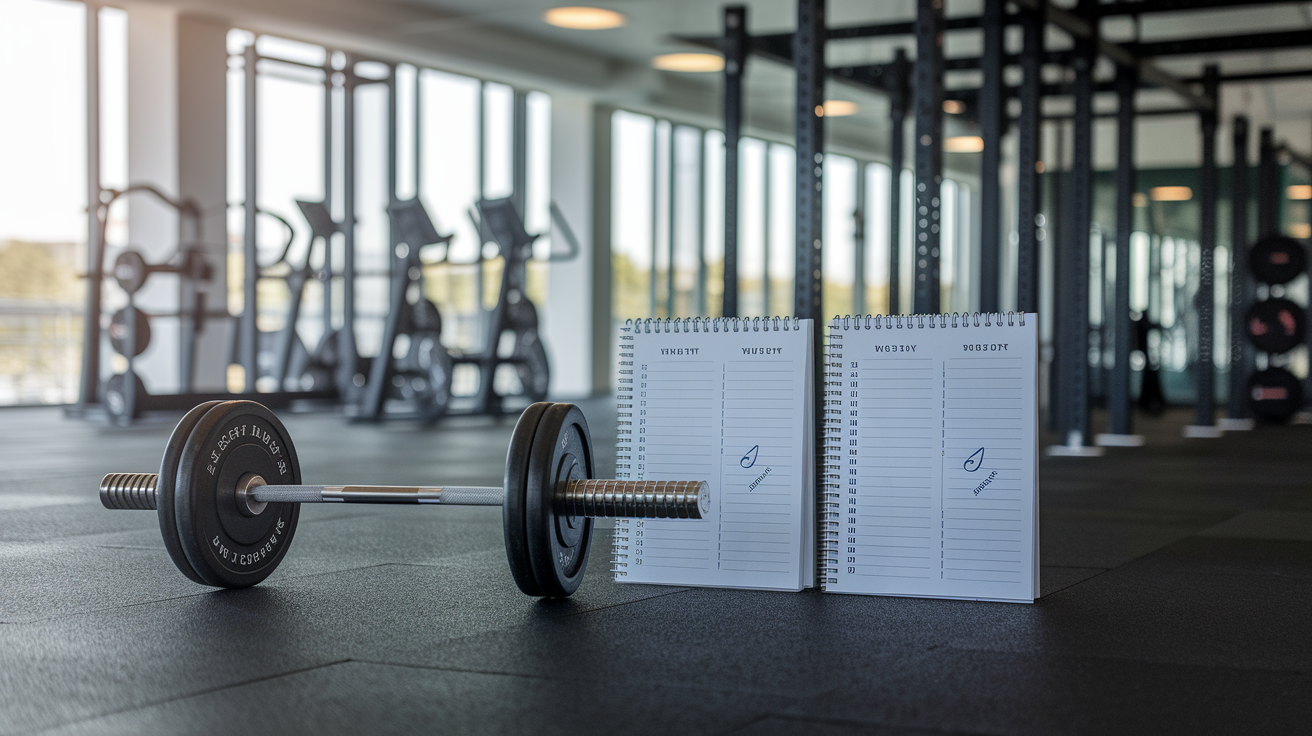
A classic 3-day setup looks like this. Push on Monday, Pull on Wednesday, Legs on Friday. That leaves Tuesday, Thursday, Saturday, and Sunday wide open. And those four open days aren’t just rest, they’re your safety net. If life gets messy on Wednesday, Tuesday or Thursday is sitting right there waiting, ready to catch your Pull day without throwing off the rest of your week.
A 6-day setup runs Push, Pull, Legs Monday through Wednesday, then repeats the same three days Thursday through Saturday, with Sunday as your one rest day. This calendar is tighter. You’re skipping resistance training just one day out of seven, so there’s a lot less room to maneuver. Skip Tuesday’s Pull session and you either squeeze it in somewhere later, or you accept that muscle group only gets trained once that week.
This is where fixed-week scheduling and rolling sequences start to matter. Fixed-week scheduling means Push always lands on Monday, Pull always on Wednesday, same spots every single week. A rolling sequence just means you go Push, Pull, Legs, Push, Pull, Legs in order, no matter what day it happens to fall on. Trip comes up, work gets brutal, you lose two sessions? You don’t try to “catch up.” You just pick back up with whatever’s next in the sequence. It’s a much less stressful way to handle a busy life, and honestly it works for both frequencies, though it tends to matter more on the 6-day plan, where a disruption creates a bigger ripple.
Before you lock in either schedule, ask yourself:
- How many days a week can I realistically commit to training?
- What’s the longest session I can fit into my day without rushing through it?
- Are weekends actually available, or do I need something that fits entirely inside the workweek?
- If I miss a workout, am I shifting my fixed calendar around it, or just picking the rolling Push-Pull-Legs sequence back up where I left off?
Hypertrophy Potential on 3-Day vs 6-Day Push Pull Legs
(((alt-img3)))
Muscle growth really comes down to three things. How many hard sets you log each week, how much effort you’re actually bringing to those sets, and whether you’re pushing more weight or reps over time. Frequency, meaning how many times you train a muscle weekly, mainly changes how that weekly volume gets delivered. It doesn’t decide whether growth happens at all. A practical target for most lifters sits somewhere around 10 to 20 hard sets per muscle per week.
Here’s the catch though. Try to cram 15 to 20 sets for one muscle into a single session, and your later sets probably won’t match the intensity of your first ones. Fatigue pi
Final Words
Choose 3-day PPL for simplicity, schedule flexibility, and easier recovery. Choose 6-day PPL when you can recover well and want more frequent practice and better volume distribution. Six days isn’t automatically better — adherence and recoverable weekly volume matter more than visit count.
Think about your goal, experience, sleep, stress, and available days before switching. Weigh those factors — that’s the practical push pull legs frequency 3 day vs 6 day pros and cons — and pick the plan you can stick with.
FAQ
Q: Is push pull legs good for gaining muscle?
A: Push Pull Legs is good for gaining muscle when weekly volume, effort, and progressive overload match your recovery; pick 3-day for simplicity or 6-day to spread volume and practice lifts more.
Q: What is the 3-3-3 rule for workout?
A: The 3-3-3 rule for workouts means doing three sets of three reps across three sessions per week for a main lift, focusing on heavy, simple strength work and consistent practice.
Q: What is the mother of all exercises?
A: The mother of all exercises is the squat, because it trains quads, glutes, hips, and core while building overall strength, stability, and movement transfer to many daily and athletic tasks.
Q: Is leg day 3x a week good?
A: Leg day three times a week can be good when you split weekly volume, manage intensity, and recover well; lower per-session sets if soreness, rising RPE, or joint pain starts to impair performance.