Research
Push Pull Legs 6 Day Routine Doubles Weekly Gains
By derekthornfield
November 20, 2026
Field Notes

Think training six days a week will just wreck your recovery?
A Push/Pull/Legs 6 day routine doubles the weekly stimulus, but only if you mix heavier A days with higher-rep B days and give muscles rest between sessions.
It runs Push, Pull, Legs twice from Monday to Saturday and keeps workouts around 60–75 minutes so you’re not rushed.
If you have solid technique and time for six focused sessions, this plan trains each muscle twice weekly for faster strength and size gains.
Your Training Week at a Glance
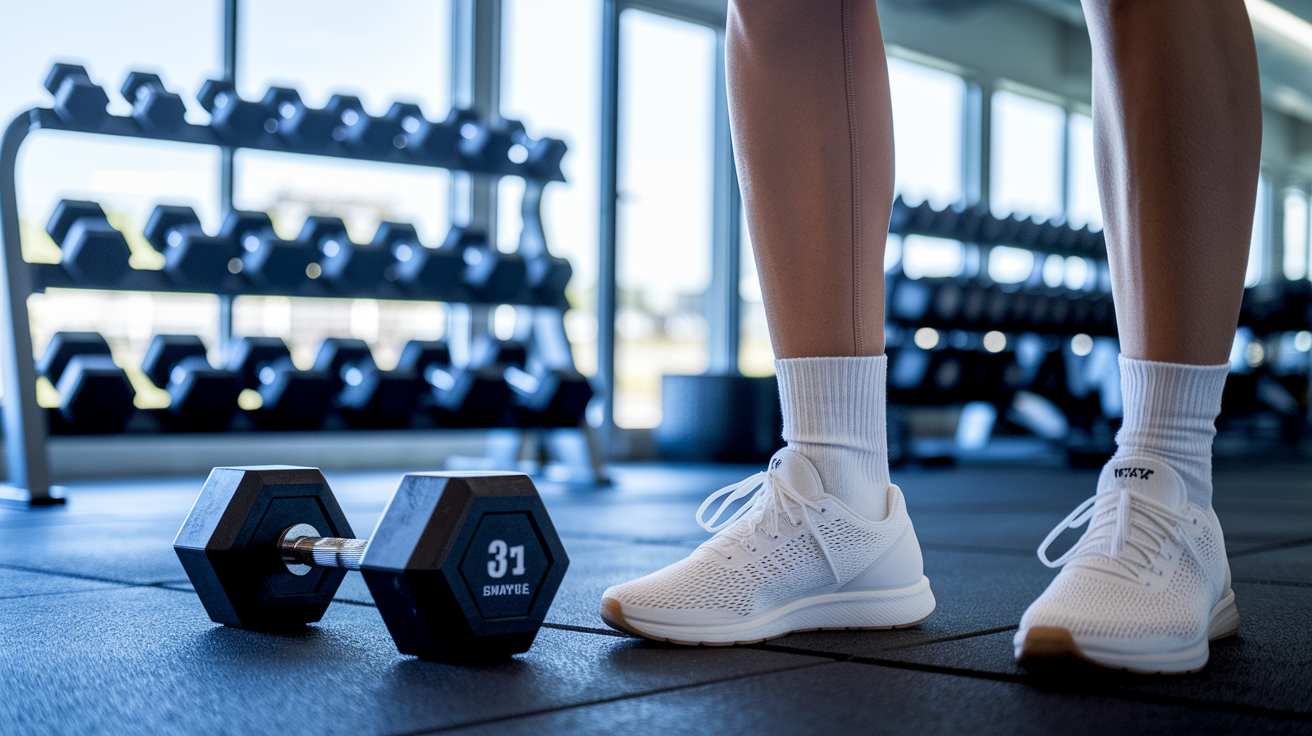
This schedule runs a Push/Pull/Legs pattern twice through, Monday to Saturday, with Sunday left open as a full rest day. The two versions of each session aren’t carbon copies. Push A and Push B use different exercises and rep ranges, so you’re hitting the same muscles from a slightly different angle each time.
| Day | Session | Main Muscle Groups | Primary Emphasis |
|---|---|---|---|
| Monday | Push A | Chest, shoulders, triceps | Heavier pressing |
| Tuesday | Pull A | Back, rear delts, biceps | Heavy rows and vertical pulls |
| Wednesday | Legs A | Quads, hamstrings, glutes, calves | Squat emphasis |
| Thursday | Push B | Chest, shoulders, triceps | Hypertrophy pressing |
| Friday | Pull B | Back, rear delts, biceps | Back volume and arm work |
| Saturday | Legs B | Quads, hamstrings, glutes, calves | Unilateral and posterior chain work |
| Sunday | Rest | Full body | Recovery and light mobility |
| Push A | Pull A | Legs A | Push B | Pull B | Legs B |
|---|---|---|---|---|---|
| Bench press, incline press, overhead press | Deadlift, barbell row, pull up | Back squat, Romanian deadlift, leg press | Incline press, dumbbell press, shoulder press | Chest supported row, chin up, one arm row | Front squat, split squat, stiff legged deadlift |
Most sessions take 60 to 75 minutes. Running the longer accessory lists? Give yourself up to 90 minutes so you’re not rushing rest periods just to beat the clock. Every workout opens with the heaviest compound lift of the day and winds down with isolation work or core training, keeping your energy focused where it matters most.
Sunday works as the rest day because it bookends the week cleanly after Saturday’s leg session. That said, if Sunday’s your busiest family day, or Monday mornings are brutal for you, shift the rest day wherever it fits your life better. Just keep the Push, Pull, Legs, Push, Pull, Legs sequence intact so each muscle group still gets its full 48 hours or so before round two.
Why a 6 Day Push/Pull/Legs Split Trains Each Muscle Twice Weekly
(((alt-img2)))
A PPL split organizes training around movement patterns instead of individual muscles. Push day covers anything where you’re pressing weight away from your body: chest, shoulders, triceps. Pull day covers anything where you’re pulling weight toward you: back, rear delts, biceps. Legs day picks up everything below the waist. This naturally spreads the workload so you’re not hammering the same joints and muscles two days in a row.
Running this split six days a week means every muscle group gets trained twice instead of once. A 2016 meta-analysis published in Sports Medicine found that training a muscle at least twice weekly led to greater muscle growth than training it just once. That’s a meaningful data point, but frequency alone isn’t magic. Your weekly volume, the effort you bring to each set, and your consistency over time still do most of the heavy lifting here (pun intended).
This six day layout is built mainly for intermediate lifters, people who’ve already got decent technique on the big compound lifts and some training history under their belt. New to lifting? Start with a three day Monday/Wednesday/Friday version instead and build your work capacity first. Advanced lifters, on the other hand, often need more individualized volume and exercise selection than a general template can offer.
Before jumping into six days a week, run through this quick check:
- Consistent lifting experience and sound compound lift technique
- Work capacity for six focused sessions without shortening exercise form
- Enough weekly time for six workouts lasting roughly 60 to 75 minutes
- No current injury or medical restriction that makes high frequency training unsuitable
Push Day Workouts for the 6 Day PPL Routine
(((alt-img3)))
Push A is built around heavier horizontal and vertical pressing, the kind of loads that challenge you in the 5 to 8 rep range. Push B shifts gears toward moderate rep volume and different pressing angles, giving your joints a break from max effort bar work while still building size.
Monday Push A: Heavier Chest and Shoulder Training
- Barbell bench press, 4 sets x 5 to 8 reps, rest 2 to 3 minutes
- Incline dumbbell press, 3 x 8 to 12, rest 90 to 120 seconds
- Standing barbell overhead press, 3 x 6 to 8, rest 2 minutes
- Dumbbell lateral raise, 3 x 12
Final Words
This plan runs Push/Pull/Legs twice from Monday through Saturday, with Sunday as a full rest day. A and B sessions swap exercises or rep ranges so you don’t repeat the same workout.
Keep sessions near 60–75 minutes, do compounds first, finish with isolation, and use double progression (add reps then weight). Stop most sets with 1–3 reps in reserve and track your work.
Pair training with 1.6–2.2 g/kg protein, solid sleep, and the weekly rest day. If fatigue appears, follow the stepwise adjustments in the article. Use this push pull legs 6 day routine schedule as a template. Small, steady progress wins. You’ve got this.
FAQ
Q: What is the exact weekly schedule and how do Push/Pull/Legs A and B differ?
A: The weekly schedule follows Push/Pull/Legs twice from Monday through Saturday, with Sunday as a full rest day. A and B versions change exercises, angles, or rep ranges so workouts aren’t identical.
Q: Which muscles does each session target?
A: Push trains chest, shoulders, and triceps; Pull trains back, rear delts, and biceps; Legs trains quads, hamstrings, glutes, and calves. Each muscle group is worked twice weekly.
Q: How long should each session take and what order should exercises follow?
A: Sessions target 60–75 minutes (up to 90 for extras). Start with the most demanding compound lift, then secondary compounds, and finish with isolation or core work.
Q: Who should use a 6-day PPL split and should beginners start here?
A: A six-day PPL suits intermediate lifters with consistent technique and time for six weekly sessions. Beginners should start with a three-day PPL and progress when ready.
Q: How often does this routine train each muscle per week and why?
A: This routine trains each muscle twice per week because twice-weekly frequency often produces better hypertrophy than once-weekly, assuming total weekly volume and effort are appropriate.
Q: What are example exercises for each A and B session?
A: Push A: bench, incline, overhead press. Pull A: deadlift, barbell row, pull-up. Legs A: back squat, RDL, leg press. B sessions swap angles, add unilateral or higher-volume choices.
Q: How should sets, reps, rest, and effort be structured?
A: Sets and reps: main compounds 3–5 sets of 3–6, secondary compounds 3–4 sets of 6–10, accessories 2–4 sets of 8–15. Rest 2–3 minutes for big lifts, 60–90 seconds for accessories, aim RPE 7–9.
Q: How do I progress load and reps safely?
A: Use double progression: pick a rep range, add reps until you hit the top on every set, then increase weight by small increments (2.5–5 lb upper, 5–10 lb lower).
Q: Can I do this program at home with dumbbells or bands?
A: Yes. Substitute bench with push-ups or dumbbell press, rows with one-arm rows or band pulls, squats with goblet or split squats—keep the same movement patterns and controlled reps.
Q: What nutrition and recovery habits support six weekly workouts?
A: Aim for 1.6–2.2 g/kg protein daily, spread across meals. Use a 250–500 calorie surplus to gain or a 300–500 deficit to lose. Sleep 7–9 hours, hydrate, and do mobility 2–3 times weekly.
Q: How do I tell normal soreness from problems, and what adjustments help?
A: Normal soreness is temporary and improves; warning signs are persistent soreness, falling performance, poor sleep, or recurring joint pain. Reduce accessory volume, lighten second sessions, swap exercises, or deload 40–60%.