
Have you ever wondered if taking it easy could actually boost your workouts? Active recovery might seem too simple, but it could be the trick for helping your muscles heal faster and feel less sore.
Imagine finishing a tough workout and then going for a gentle bike ride that cools you down. That’s what active recovery feels like, a relaxing, low-key session where you stay in Zone 1 (about 50-60% of your max heart rate). It lets you keep moving without overtaxing your muscles.
It’s a friendly way to give your body a break while still working toward your fitness goals. Ready to try something new and treat your muscles with a little kindness?
Understanding the Active Recovery Heart Rate Zone
Active recovery is when you choose gentle, low-intensity activities on your rest days instead of just sitting still. It isn’t like passive rest (simply lying down); it keeps you moving at a calm pace that refreshes your body. Think of it like a stroll that warms you up without leaving you out of breath, just enough to feel renewed.
Zone 1 is the home of active recovery, defined as 50-60% of your maximum heart rate. This means you’re working at a level that feels easy and sustainable, perfect for keeping the body in motion. Picture yourself on a light bike ride, feeling the cool air on your face while still being able to chat comfortably.
Sessions in this zone usually last somewhere between 15 and 40 minutes, depending on your fitness and schedule. Keeping it in Zone 1 not only helps deliver fresh oxygen to tired muscles, it also speeds up lactate clearance (the way your body washes away fatigue) and eases muscle soreness. In a nutshell, active recovery gears your body up for your next tougher workout without overdoing it.
Active Recovery Heart Rate Zone Elevates Workout Efficiency
Calculating your maximum heart rate accurately makes a big difference in your recovery sessions. When you know your true heart rate, you can stick to a safe, low-intensity range that helps your muscles repair and reduce soreness. It’s all about training smart and giving your body the chance to reset.
One simple method to estimate your maximum heart rate is to subtract your age from 220. There’s another approach that uses 208 minus 0.7 times your age, which might offer a more accurate number. Some people even opt for heart rate variability testing (that's when you check how much your heart rate naturally fluctuates) or lab evaluations to get a finer adjustment. So, if you're 40 years old, the 220 formula would give you around 180 beats per minute, while the alternative method might suggest a slightly different value.
Once you have your maximum, aim to keep your heart rate between 50 and 60 percent of that number during active recovery. For instance, if your maximum is 180 bpm, try to stay in the 90 to 108 bpm range. Also, keep in mind that if you’re a bit dehydrated, your heart rate can jump by about 7 beats per minute for every 1 percent drop in body weight. It’s a little detail, but one that helps you adjust your workout for the very best recovery.
Monitoring the Active Recovery Heart Rate Zone
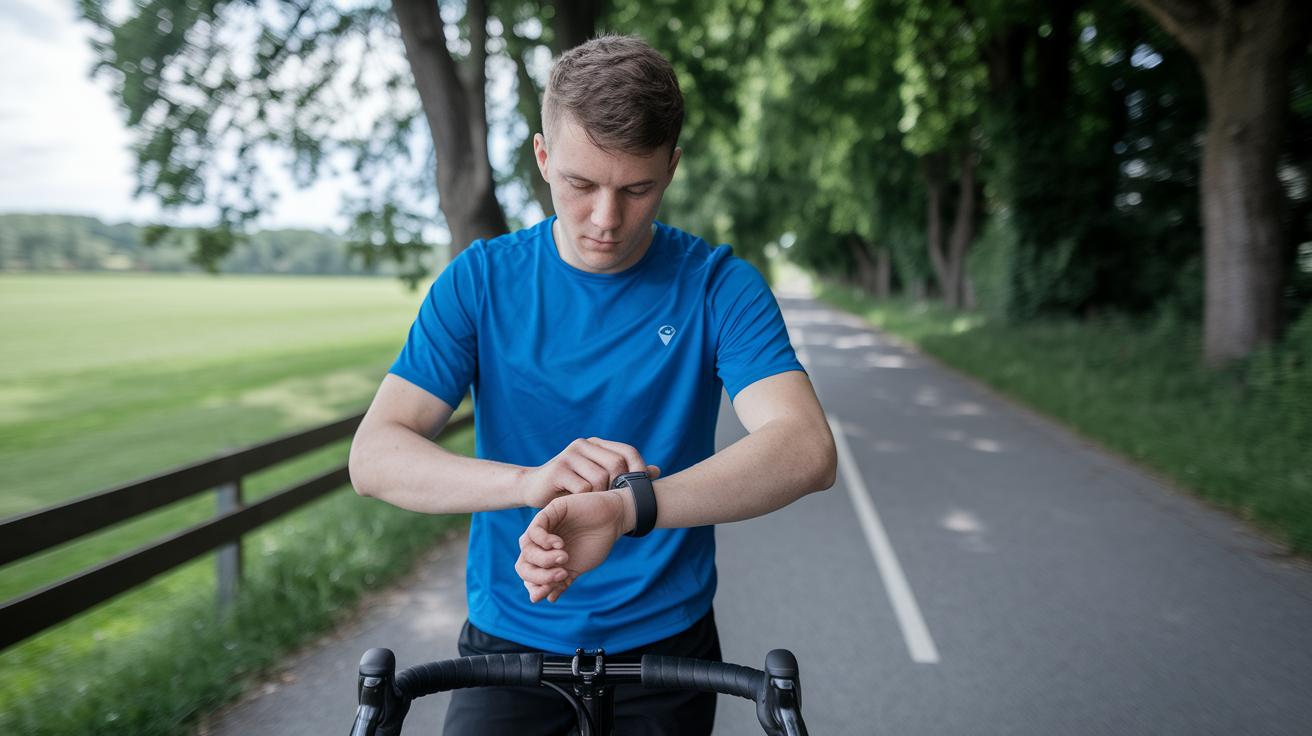
Wearable devices like chest straps, wrist monitors, and smartphone apps make it really easy to track your heart rate in real time. It’s almost like having a mini coach on your wrist. When you check your watch during a calm bike ride or a gentle walk, you can see if your heart is staying in that easy, light effort zone.
You can also just do a simple pulse check with your fingers. Place your index and middle fingers on your wrist (this is called the radial pulse) or on the side of your neck (the carotid pulse). Count the beats you feel for 15 seconds and then multiply by four to get your beats per minute. It works best when you have settled into a light activity, making sure you stay in the safe 50 to 60 percent maximum heart rate zone.
Real-time feedback is super helpful. Most devices let you set alerts so you know when your heart rate starts to go a bit too high. When you notice it creeping up, slow down your pace. This little change helps your body clear lactate (a chemical that builds up during exercise) more efficiently and avoids putting too much strain on your heart.
Benefits of Staying in the Active Recovery Heart Rate Zone

When you keep moving at a light pace after a workout, you help your muscles get more oxygen. This gentle motion lets your body clear out lactate (a kind of buildup in muscles), so you feel less sore later. Think about a slow, easy walk after a brisk run, it helps ease the tightness in your muscles and leaves you feeling relaxed.
The first hour after a heavy workout is really important. Often called the Golden Hour, it's when your body clears out waste the fastest. Staying in a gentle heart rate zone during this time helps remove the buildup quickly, which means less muscle stiffness and a faster recovery. It’s like giving your muscles a little reset right when they need it most.
Over time, making active recovery a regular part of your routine can improve your joint mobility and lower your risk of injuries. By gently moving and keeping your heart rate low, your muscles and joints learn to adapt and work better for you. This means that every workout is followed by a recovery session that helps you feel balanced and ready for the next challenge.
Sample Active Recovery Heart Rate Zone Workout Plan
Active recovery days are all about moving gently and taking care of your body without overdoing it. Think of it as a time to let your muscles clear out exercise byproducts and to ease away any tightness after a hard workout. It's a chance to get your body and joints moving just enough to feel refreshed. You can choose a session length between 15 and 40 minutes depending on how you feel today. A blend of light, steady cardio and simple strength moves can be both effective and fun, making it easier to stick with your routine.
| Exercise | Duration | Target HR Zone | Notes |
|---|---|---|---|
| Walking | 20 min | 50–60% MHR (maximum heart rate) | Keep a pace where you can chat easily |
| Bodyweight squats | 2×10 reps | 50–60% MHR (maximum heart rate) | Move slowly and with control |
| Dynamic stretching | 5 min | N/A | Focus on hips and core |
| Stationary cycling | 10 min | 50–60% MHR (maximum heart rate) | Use low resistance |
| Foam rolling | 5 min | N/A | Work on quads, hamstrings, and calves |
When planning your recovery workout, listen to your body and adjust the time and effort as needed. If you're just starting or feeling especially tired, try keeping your sessions shorter or reducing the number of intervals so you don't overdo it. On days when you feel more energetic, you can slowly add more time to each exercise. This flexible approach helps your active recovery plan support your overall training while keeping extra fatigue at bay.
Integrating Active Recovery Heart Rate Zone Sessions into Your Training

Tracking your workouts using training logs or fitness apps makes it easy to plan gentle recovery days. Try fitting in one or two light sessions each week between your tougher workouts, and pair these with full rest days. Keeping notes on your sessions helps you see patterns, so you always know when your body is ready for a calm day or when it truly needs to rest.
When your muscles feel sore or extra tired, choose low-impact activities like a gentle walk, a leisurely bike ride, or a relaxed yoga session. These activities help ease any stiffness and let your body recover without overexerting, making it easier to jump back into your regular routine.
Pay attention to your heart rate trends over time by using wearables or simply checking your pulse. As your cardiovascular fitness improves, you might see your active recovery target zone rise a bit. Regularly updating these targets ensures your recovery routine remains both comfortable and effective, supporting your progress every step of the way.
Final Words
In the action, this blog post showed how keeping your heart rate in a low-intensity range can boost recovery and keep you feeling energized. We covered what active recovery means, simple ways to calculate your target heart rate, and how monitoring tools help you stay in the active recovery heart rate zone.
A brief plan outlined various activities, proving that a mix of movement and rest can reduce soreness and build endurance. Keep moving forward with a balanced routine and a positive mindset.
FAQ
How does an active recovery heart rate zone calculator work?
The active recovery heart rate zone calculator estimates your target range by using formulas like 220 minus age to find your maximum heart rate, then selecting 50–60% of that value for low-intensity recovery workouts.
How is the active recovery heart rate zone determined by age?
Calculating your active recovery zone involves using your age to estimate maximum heart rate (using formulas like 220 minus age) and then targeting 50–60% of that value to keep workouts gentle and effective.
Is a heart rate zone calculator useful for active recovery?
Yes, a heart rate zone calculator helps pinpoint the ideal recovery zone by converting age-based maximum heart rate into a 50–60% range, ensuring you stay in a low-intensity zone that aids muscle repair.
Is working in zone 5 heart rate dangerous?
Working in zone 5 is very intense and meant for short bursts; prolonged activity at this level can be risky, especially if you’re not well-conditioned, since it puts extra strain on your heart.
What does “orange zone” heart rate by age mean?
The term “orange zone” isn’t widely standardized. Instead, most formulas use age-based calculations to determine zones, with active recovery set at the low-intensity zone of about 50–60% of your maximum heart rate.
What are the benefits of training in zone 4 compared to recovery zones?
Zone 4 offers high-intensity benefits like improved endurance and cardiovascular strength, but for active recovery, it’s better to stick to a lower-intensity range for proper muscle repair and lactate clearance.
How does the zone 2 heart rate compare to the active recovery zone?
Zone 2 represents moderate intensity well-suited for building endurance, while the active recovery zone is lower, around 50–60% of your maximum heart rate, focusing on gentle recovery without added fatigue.
What is the best heart rate zone for active recovery activities like a recovery run?
The best heart rate zone for active recovery is 50–60% of your maximum heart rate, which helps boost oxygen delivery and speeds lactate clearance, ensuring your recovery run remains easy and effective.
Should active recovery be performed in zone 1 or zone 2?
Active recovery should be in zone 1, keeping your heart rate at 50–60% of your maximum. This intensity supports muscle repair and gentle circulation, whereas zone 2 is slightly more strenuous.

