
Have you ever thought that slowing down a bit might actually help boost your progress? I know many athletes push themselves hard every day, but gentle movement can really make a difference.
Active recovery is all about adding light activity to your routine. Think of easy cycling, foam rolling (that’s when you use a soft cylinder to massage your muscles), or yoga hip openers. These simple moves help release tight muscles and keep you moving smoothly, like the refreshing breeze during a calm morning walk.
By including these low-key exercises, you can cut down on soreness, improve your flexibility, and give your body a much-needed break after tough training. So, are you ready to see how taking it a bit easier can energize your overall routine?
active recovery for athletes: Energize Your Routine
Active recovery is all about taking it easy with gentle movements after a tough workout. These simple exercises get your blood flowing, ease muscle stiffness, improve your range of motion, and help fight off fatigue. They can really speed up your progress and keep your body in great working order.
- Light cycling for about 10 minutes to boost blood flow – Imagine a calm bike ride on a cool morning where the fresh air lifts your spirits.
- Foam rolling for 5 minutes to ease muscle tightness – Think of it like softly smoothing out the wrinkles in a favorite piece of fabric.
- Dynamic leg swings to ease muscle tension – Picture your legs moving slowly, helping to loosen those tight spots.
- Yoga hip openers to improve flexibility – Envision a gentle yoga pose that lets your hips relax and feel more free.
- Easy core exercises (like planks and bird-dogs) to keep your muscles engaged – Imagine a short, simple routine that tunes up your body without any heavy strain.
By adding these exercises to your routine, you can keep your body moving smoothly, make every training session count, and enjoy steady gains in your performance.
Scientific Comparison: Active vs. Passive Recovery

A recent study with 22 young athletes looked at two ways to recover after a tough workout. One group went for a gentle bike ride followed by some foam rolling (a self-massage technique that helps ease muscle tightness), while the other group took complete rest. It turns out that keeping a little movement in your routine clears out lactate (a substance that can make your muscles feel tired) more quickly than doing nothing at all. The active recovery not only sped up blood flow and nutrient delivery but also helped reduce muscle soreness and improved mobility, almost like giving your body a little boost of refreshment after a hard session.
| Key Factor | Active Recovery | Passive Recovery |
|---|---|---|
| Lactate Clearance | High effectiveness | Low effectiveness |
| Muscle Soreness | Noticeable reduction | Minimal change |
| Mobility & Blood Flow | Enhanced | Limited improvement |
| Nutrient Delivery | Accelerated | Slower |
In short, moving gently during your recovery can help repair muscles faster and reduce that lingering fatigue after intense workouts. While active recovery might be the way to go for quick muscle repair and a faster return to training, sometimes a full rest day is just what you need to recharge completely.
Essential Active Recovery Techniques and Regenerative Exercise Sessions
Tempo Work
When you slow down and focus on each movement, you're not just exercising, you’re waking up your muscles. Tempo work boosts blood flow and warms you up, much like a gentle dance that nudges nutrients into your muscles while sweeping away any built-up waste. Just picture moving slowly, feeling each stretch and contraction like a smooth, flowing dance that readies you for more energy.
Bodyweight & Core Circuits
Mixing in exercises like pull-ups, chin-ups, pushups, split-squats, lunges, and inverted rows keeps your muscles active without overdoing it. Think of it as a refreshing circuit that strengthens your core and upper body while giving your muscles a much-needed break between heavier sessions. It’s like a light reset that makes you feel balanced and ready to tackle your next challenge.
Mobility Work & Yoga
Combining mobility routines with yoga helps ease tight joints and improve movement. Imagine a set of yoga stretches or hip openers that feel as uplifting as watching the first light of sunrise. These exercises gently loosen up stiff areas, bringing more flexibility and a smoother range of motion to your day.
Low-Impact Cardio
Not all good cardio has to be hard on your joints. Activities like using an elliptical, stepping on a step mill, or enjoying a brisk walk raise your heart rate without too much stress. Think of this as your body’s smooth repair process, keeping your muscles and joints happy while you move.
Foam Rolling
Foam rolling is like a soft massage for your muscles. It helps ease tension and promotes relaxation by smoothing out those tight spots. Imagine gently rolling over your muscles, letting the foam release any knots and reduce inflammation, so you feel more comfortable and ready to move freely.
Easy Timed Sets
Finally, try doing exercises in easy, timed sets, anywhere from 30 seconds to 2 minutes per set. This gentle rhythm helps boost your aerobic (heart) metabolism with minimal strain, keeping your body alert and active without overexertion.
Each of these methods works together to help your body recover, build strength, and maintain flexibility after those intense sessions. Whether you're just beginning your fitness journey or looking for a balanced approach to recovery, these techniques are like little breaks that recharge you, making every workout a part of a healthy, balanced lifestyle.
Sample Restorative Workout Routines for Athlete Active Recovery
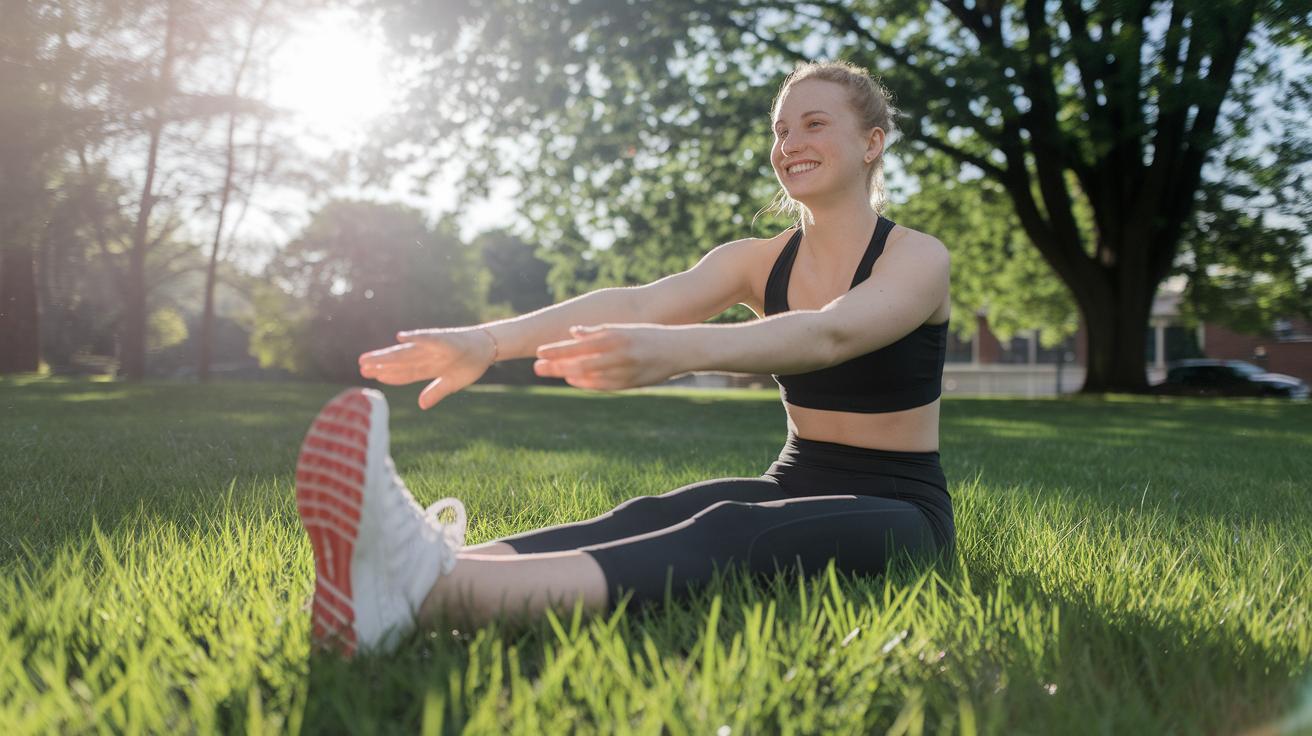
30-Minute Mobility Flow
Start your session with gentle, moving stretches that get the blood flowing. Try leg swings and arm circles for about 10 minutes so your muscles start to wake up. Then, settle into calm, steady stretches for your hamstrings and hip flexors for the next 20 minutes. This routine is like a mini moving meditation, easing any tension and inviting a light, refreshing stretch to every part of your body.
60-Minute Yoga Recovery
Begin by taking a few moments to focus on deep, slow breaths to center yourself. From there, ease into long-hold poses like pigeon or cow-face, interspersed with gentle twists that help open your chest and shoulders. This full hour is crafted to encourage your body’s natural rest mode (often called the parasympathetic response, which helps you relax) and soothe any muscle tightness. It’s all about easing into relaxation and stretching out gradually with each mindful breath.
45-Minute Low-Impact Circuit
Kick off with 10 minutes of easy cycling that gently gets your heart pumping without any harsh impact. Next, spend 10 minutes using a resistance band to wake up those stabilizing muscles, keeping everything light and easy. After that, move into 10 minutes of bodyweight lunges or squats, building endurance while caring for your joints. Round out your workout with 15 minutes of foam rolling, letting the foam soothe away any lingering tight spots. This balanced routine not only helps your body recover but also gives you a steady boost in circulation, setting you up perfectly for your next workout.
Preventing Injuries with Active Recovery Regeneration Strategies
Active recovery is a soft way to help your body fix small tears in your muscles and keep you moving smoothly. When you do gentle activities after an intense workout, your muscles get a chance to repair themselves and flush out waste. It’s like giving your body a soothing break so it can heal and stay flexible without adding extra stress.
Dynamic cooldown routines are another friendly step to keep injuries at bay. By slowly lowering your heart rate with easy movements, you let your muscles relax gradually. Think of it as a gentle landing after a big jump that helps your muscles unwind and get ready to power up again.
Pre-habilitation exercises target joint strength in places like your ankles, knees, and shoulders. Simple moves such as controlled squats and balance drills make these joints more stable so they don’t get overworked. This method not only helps prevent injuries, but it also keeps your overall performance stable by addressing any weak spots before they turn into bigger issues.
Scheduling Active Recovery: Dynamic Rest Day Protocols for Athletes
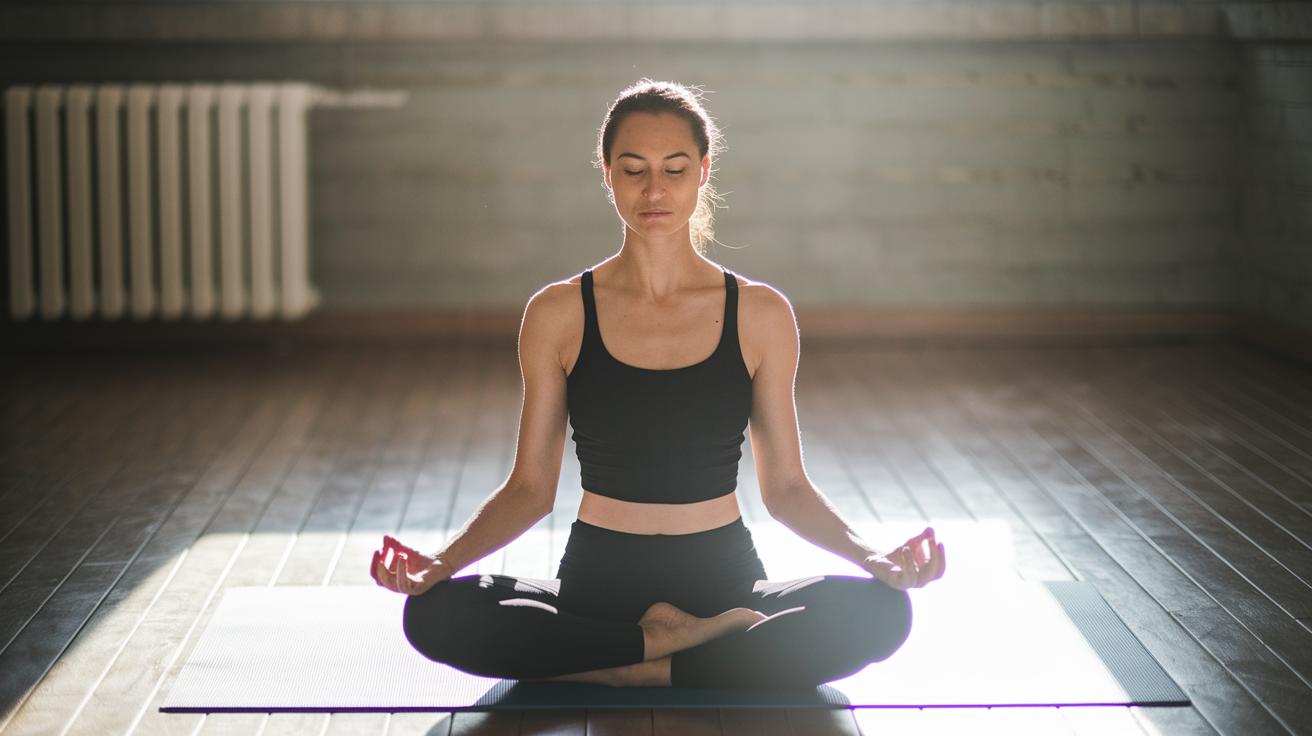
Plan on having one to two active recovery sessions every week, and try not to schedule them on back-to-back days. It’s all about matching how hard you’ve worked with a gentler pace later. For example, after a tough leg day, imagine easing into a calming yoga session that helps stretch your muscles and loosen up your joints (the parts of your body that connect your bones). On another day, simple mobility drills can softly wake up your muscles without overdoing it. And on a quieter weekend day, a slow bike ride can keep you moving gently while your body gets the recovery it needs.
Picture a week where intense workouts are balanced out by these light, soothing recovery sessions. Think about a Monday packed with energy, followed by an evening of mobility work that leaves you feeling relaxed. Then, after a challenging session on Wednesday, a brief, peaceful yoga practice can help calm and ease your muscles. Finally, a relaxed ride on your bike during the weekend wraps up the week with a refreshing burst of movement. It’s like taking little pauses that keep your body flexible and your blood flowing.
It also helps to adjust your recovery routine as your training ups and downs change. When you switch from high-intensity efforts to lighter days, syncing your recovery sessions makes the transition smooth and keeps you feeling balanced. With this flexible approach, you not only support your daily performance but also build lasting strength and endurance. Have you ever felt that a small break can make your next workout feel even better?
Expert Guidelines and Holistic Strategies for Active Athlete Recovery
Expert coaches share friendly advice to help you recover after tough workouts. They suggest mixing in gentle, mindful breathing during your cooldown. This simple act switches your system into rest mode (a state where your body relaxes and repairs itself), letting you recover naturally.
Adding a few easy yoga stretches can be refreshing. It soothes muscle tension and brings balance to both your mind and body, like taking a slow, deep breath on a cool morning. And don't forget to keep sipping water throughout your day, since proper hydration helps every cell in your body to work its magic during recovery.
It’s also wise to take a break from super hard sessions for a day or two. This little pause lets your muscles truly reset so you can bounce back stronger each time. Next, focus on getting good sleep and eating balanced meals. Think of it like tuning up your car: quality rest and nourishing foods work together to repair muscles and boost overall wellness.
When you treat your body kindly with these recovery habits, you’re not just letting your muscles mend, but also setting up success for your next challenge. Isn’t it amazing how a small change in your routine can give you a burst of energy and help you feel recharged?
Final Words
In the action, this article covered ways to boost blood flow and improve stretch routines, offered science-backed comparisons between active and passive rest, and laid out simple workout examples. It also shared practical tips on preventing injuries and fitting active recovery sessions into your weekly plan. Each step makes it clear that even moderate recovery practices can lead to gains in energy and mobility. Embracing active recovery for athletes can truly help you feel refreshed and ready to thrive every day.
FAQ
What is active recovery in sports and what are examples?
The active recovery in sports means using low-intensity movements to boost blood flow and reduce stiffness. It includes activities like light cycling, foam rolling, dynamic leg swings, yoga hip openers, and gentle core circuits.
What is the best active recovery for athletes and the best recovery for athletes?
The best active recovery for athletes involves low-effort exercises that improve circulation and ease muscle tension. Examples include light cardio, foam rolling, yoga stretches, and simple bodyweight routines geared toward muscle repair.
How do active recovery workouts differ from a rest day?
The active recovery workouts differ from a rest day by incorporating light exercises that keep the body moving and promote blood flow, while full rest simply stops physical activity without stimulating circulation.
Can I do a full-body active recovery workout at home or a 30-minute recovery workout?
The active recovery workout at home means you can design a full-body 30-minute session with dynamic stretches, light cardio, foam rolling, and basic core exercises to gently ease muscle tension and aid recovery.
What is the importance of rest and recovery for athletes?
The rest and recovery for athletes play an essential role in muscle repair, reducing fatigue, and lessening soreness, which helps support ongoing training and overall physical performance.
What are the 5 recovery techniques?
The 5 recovery techniques include light cycling to increase circulation, foam rolling to relieve muscle tightness, dynamic leg swings to ease stiffness, yoga hip openers to boost mobility, and basic core circuits to maintain muscle activation.

