
Ever wondered if your cooldown could be the secret to bouncing back faster after a tough workout? Active recovery cooldown moves work by gently lowering your heart rate while giving your tired muscles a refreshing burst of blood flow. Imagine your body like an engine cooling down after a long drive, it's a simple way to help your muscles wind down.
In this post, we'll share a few easy exercises that ease stiffness and boost circulation. You’ll get back to your workouts with less soreness and more energy. Ready to take your recovery to the next level? Let's dive in and get moving!
Active Recovery Cooldown Exercises: Purpose and Benefits
Active cooldown moves slowly ease your heart rate while giving tired muscles a gentle boost of blood flow. They help clear away waste from your muscles and lessen that stiff feeling. Think of your body like a car engine that needs a soft cool-down after running hard to avoid any damage.
These exercises work best right after a tough workout like strength training or a fun high-energy cardio session. When you start to relax, choose a few easy moves that keep your muscles awake without pushing them too hard. For instance, I love ending my gym time with gentle stretches that leave me feeling calm and ready for the next challenge.
- Less muscle soreness and tightness
- Better delivery of nutrients and oxygen (the food and air your body needs)
- Improved circulation for overall health
- More flexibility to help with future exercise
- Faster muscle repair so you’re ready sooner
Active recovery cooldown exercises not only help your muscles relax but also set you up for your next workout. Picture wrapping up a long run with light, flowing moves like slow arm circles or a gentle forward bend. This smooth transition from hard work to calm is essential. It allows your body to mend and re-energize for whatever comes next.
Dynamic Decline and After-Exercise Stretching Moves for Cooldown

Dynamic decline means easing your body from a full workout to a calmer state by gradually slowing down your movements. It’s like cooling off with a gentle wind after a fast run. This way, your muscles get a soft stretch, blood flow stays smooth, and your body adjusts better after a heavy session.
- Leg Swings: Stand next to something sturdy for support. Gently swing one leg forward and back about 10 times, then switch legs. Keep it smooth and controlled, and try to stand up straight to feel that stretch in your hip and thigh muscles.
- Arm Circles: Spread your arms out to the sides. Start with 15 small circles, then move into 10 larger ones. Let your arms move fluidly, slowing down as you go, so your shoulders and upper back get a comforting warm-up.
- Torso Twists: Stand with your feet about shoulder-width apart. Slowly twist your upper body 10 times on each side while keeping your hips still. This gentle rotation helps loosen any tension in your belly and back.
- Side Lunges: Take a side step into a lunge and hold it for two seconds, then come back to center. Do 10 lunges on each side. This movement wakes up your inner thighs and glutes with a dynamic, lively stretch.
- Standing Chest Opener: Stand tall with your hands clasped behind you. Slowly raise your arms to open up your chest, taking 10 deep, soothing breaths. Let your arms lower naturally as you feel your muscles relax.
Mixing these moves into your post-workout routine creates a smooth shift from intense activity to a gentle cooldown. It’s a continuous flow that feels more natural than just holding a stretch, helping your body recover while keeping the energy alive.
Low-Intensity Mobility Drills in Your Active Recovery Cooldown
After a workout, these gentle moves help your muscles and joints relax by boosting blood flow and easing tension. They set the stage for recovery, almost like a calm, cooling breeze after some hard work.
Arm Circles: Try doing 15 slow circles in each direction. This simple move helps loosen up your shoulder joints.
Leg Swings: Swing each leg forward and back 10 times to warm up your hips. It’s like a mini dance that gets your lower body feeling refreshed.
Mountain Pose: Stand tall and steady for 30 seconds. This pose is a quick way to improve your balance and posture, giving you that grounded feeling.
Forward Fold: Lean forward gently for 20 seconds to stretch your hamstrings and lower back. Keep it soft and gradual, just like easing into a relaxed state.
Child’s Pose: Rest in this position for 30 seconds, focusing on deep, even breaths. It soothes your back and shoulders, much like a warm hug on a cool day.
Torso Twists: Do 10 slow twists on each side to give your midsection a nice, gentle release.
Mixing these drills with a bit of dynamic stretching creates a cooldown that helps clear out tension and prepares your body for some well-deserved relaxation. Imagine finishing a light jog with a few arm circles, flowing into leg swings, and then settling into Mountain Pose, it’s like a brief, refreshing yoga routine that sends nourishing energy to every tired muscle.
Foam Rolling and Muscle Tension Release Techniques for Active Cooldown
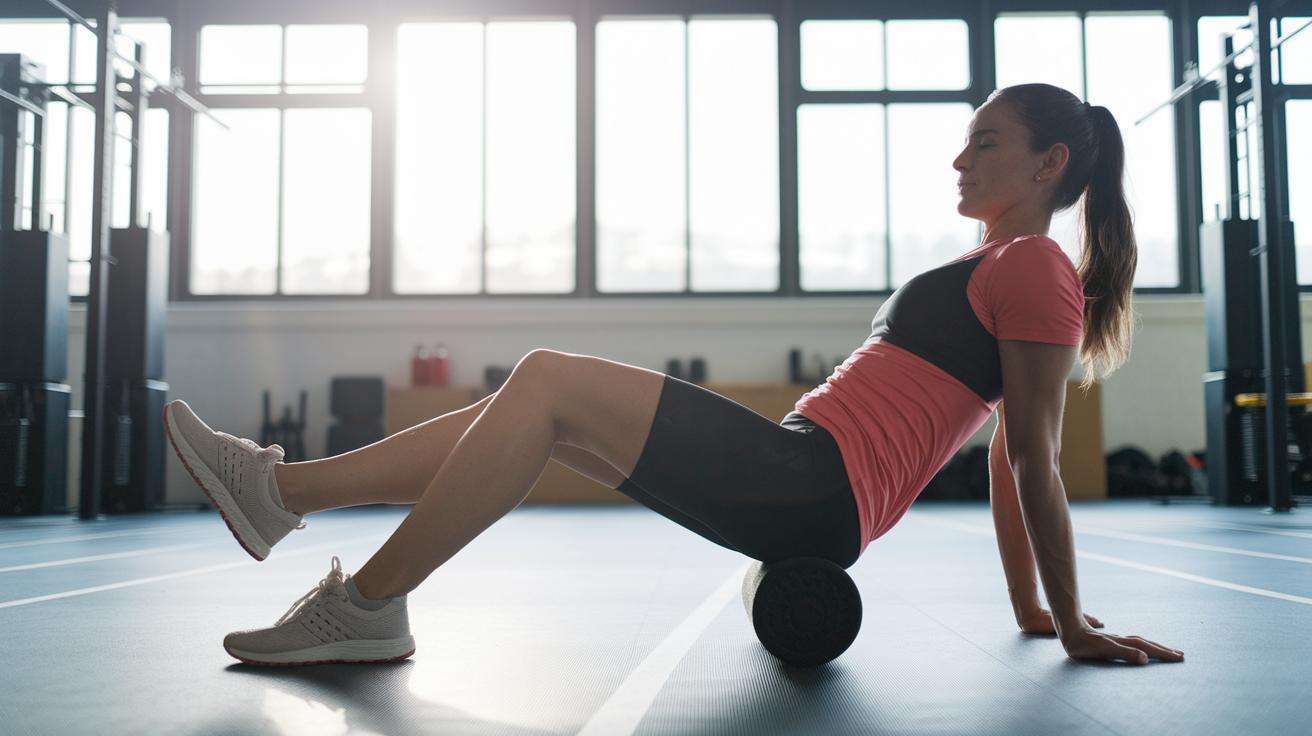
After a tough workout, using a foam roller feels just like a well-earned treat. It gently eases muscle tension and soothes soreness, leaving you refreshed and ready for your next workout. This technique works by pressing on those tight spots in your quads, hamstrings, glutes, and hips. You'll notice increased blood flow (that natural rush of oxygen and nutrients) and a smooth clearing of waste from your muscles. Think of it as a mini massage that not only cools you down but also stretches your body in a dynamic way.
- Find a comfy spot on the floor and place your foam roller under your quads. Roll slowly back and forth for about 30 to 45 seconds, keeping a steady pressure on any tight spots you feel.
- Next, sit down with the roller under your hamstrings. Spend around 30 seconds on each leg, focusing on those areas that seem extra tense, it's like giving your legs a gentle hug.
- For your glutes, sit on the foam roller and shift your weight to press into the sore areas. Hold this pressure for 20 to 30 seconds on each side. Let yourself take a deep breath and appreciate the relief.
- Finally, lie on your side and gently roll the outer hip region for 20 to 30 seconds. This simple step helps ease stiffness while inviting a calming sense of relaxation.
For an extra boost, try using a percussion tool like the Hypervolt 2 massager (a handheld device that uses rapid pulses to relieve muscle tension). Alternating between foam rolling and some light dynamic stretches after your workout creates a balanced routine that feels both revitalizing and comforting.
Designing a Gradual Workout Tapering Cooldown Plan
After a hard workout, it's key to give your body a chance to unwind for about 5–10 minutes. Start with gentle exercises that ease your heart rate down and help your muscles clear out lactic acid (the buildup that can cause soreness). Depending on whether you wrapped up a fast-paced cardio burst or a strength session, choose moves that match the effort you just put in. This slow, thoughtful cooldown, mixing easy drills and calm, held stretches, smoothly transitions you into a well-deserved rest and sets you up nicely for your next workout.
Assessing Workout Type
Think about the type of workout you just did. If you were pushing with quick, intense moves, take it down a notch with lighter, controlled exercises that target the muscles you worked hardest. It’s like switching gears after running a sprint.
Structuring Cooldown Phases
Break your cooldown into three simple parts. Begin with a dynamic segment that gently lowers your heartbeat. Next, add a mobility section to keep your joints happily moving. Finally, finish with static stretches that help your muscles relax and settle. This clear, step-by-step approach makes it easier to unwind and recover fully.
Monitoring and Adjusting
After cooling down, take a moment to notice how your body feels. If you spot any persistent tightness, you might need to tweak the time or intensity of each part of your routine. Listening to your body like this can help you achieve better muscle repair and lasting flexibility for your next session.
Final Words
In the action, this blog shows how easing into relaxation after exercise can boost your well-being. It explained active recovery cooldown exercises with techniques like dynamic stretching, low-intensity mobility drills, foam rolling, and a gradual taper to help your body wind down.
Key benefits include reduced soreness, improved blood flow, enhanced flexibility, better nutrient delivery, and smoother transitions into rest. Keep using these practices, and you’ll find that every workout feels a little lighter and more rewarding.
FAQ
What are active recovery cooldown exercises for beginners and at home?
The active recovery cooldown exercises refer to gentle, low-intensity moves you do after a workout. They help muscles recover and ease stiffness—perfect for beginners and easy to do at home.
What is a full body active recovery workout?
The full body active recovery workout uses whole-body movements that target multiple muscle groups. It lightens the workout load and promotes steady blood flow for better recovery.
What are cool down stretches after a workout and what is an active cooldown?
Cool down stretches consist of slow, controlled movements that lower your heart rate and relax muscles after exercise. An active cooldown uses these stretches to gradually guide your body into rest.
Are there cool down exercises with pictures available?
Many fitness guides include cool down exercises with pictures that show proper form. This vivid illustration helps you perform each move safely and reap the full benefits of your routine.
What are examples of warmup and cool down exercises?
Warmup examples include light jogging and arm swings to prepare your muscles, while cool down examples involve static stretches and mobility drills to ease tension after your workout.
What is the 3-3-3 rule in the gym?
The 3-3-3 rule involves gradually lowering your workout intensity in three parts over equal intervals. This technique helps your body shift smoothly from active exercise to a relaxed state.
What are active recovery workouts?
Active recovery workouts consist of light exercises performed after high-intensity sessions. They boost blood flow, reduce muscle soreness, and help you recover faster for your next activity.

