
Ever notice how a slow day can make your workout feel a bit off? Active recovery is all about giving your body a gentle push on rest days. Studies even show that some people can run or cycle three times longer after a light active session than after total rest.
I’m excited to share a simple, step-by-step plan that turns a quiet day into a refreshing, lively workout. Imagine feeling your muscles stay ready, your joints stay loose, and your spirit lifting with every move. Interested? Let’s dive in!
Step-by-Step Active Recovery Plan for Beginners
Having a plan on your rest days is really worthwhile. It paves a clear path to keep your body gently moving, even when it's time to take it easy. When you stick to a routine, your muscles stay active and your blood flows more smoothly, helping to ease soreness and get you ready for your next workout. For instance, research shows that active recovery might let you run or cycle three times longer in your next session compared to full rest. Kind of amazing, right? It shows how a simple plan can transform a recovery day into a refreshing workout.
-
Dynamic Warm-Up (5–10 minutes)
Begin with easy activities like leg swings, arm circles, or a light jog. These moves naturally lift your body temperature and encourage a gentle flow in your veins, setting the stage for the rest of your recovery. -
Mobility Circuit (4 rounds of 6–8 reps per exercise)
Include movements such as hip circles, shoulder rotations, and ankle rolls. Focus on smooth, controlled actions to help your joints move better and to fix any movement habits that might be holding you back. -
Low-Intensity Cardio (10–30 minutes at 60–80% of your maximum heart rate)
Choose a steady, light activity like air biking, swimming, or a gentle jog. This kind of exercise helps clear out any build-up of waste in your muscles and eases tension without pushing your body too hard. -
Static Stretch & Meditation (5–10 minutes)
Finish off with stretches that you hold comfortably to help boost flexibility and ease any lingering tightness. Then take a few minutes for simple meditation, focusing on slow, deep breaths to relax both your body and mind.
Always listen to what your body is telling you. If something feels too challenging or too light, adjust your time or effort. This way, your recovery stays balanced, nurturing both your body and your spirit.
Active Recovery Workout Examples for Full Body Recovery
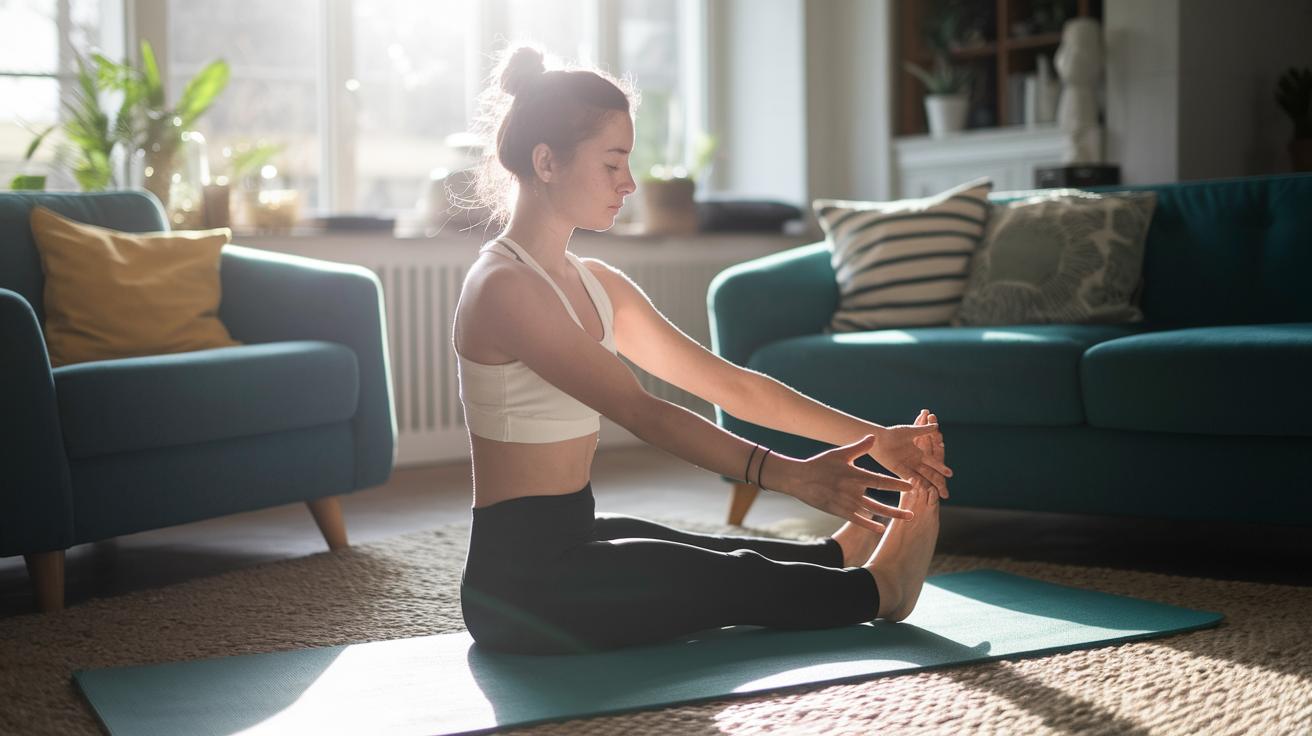
Finding the right workout can feel like choosing your favorite flavor of ice cream. Some days, you might love a breezy bike ride or a refreshing swim, while other days call for a gentle stretch session. These routines give you the freedom to pick an activity that is both fun and soothing.
Cycling and Cardio Routines
Imagine hopping on a bike or trying a light rowing session, where your heart gets to work at a comfortable pace. A 20-minute ride on a stationary bike, for example, can get your blood flowing without pushing you too hard. Picture the wind in your hair and a steady, easy spin that helps ease any muscle tightness.
Stretching and Yoga Sequences
When you feel like unwinding, a calm yoga session might be just right. A 20-minute restorative yoga routine can help untangle muscle knots and clear your mind, much like slowly melting away stress with each move. It’s a peaceful way to reconnect with your body and find a moment of clarity.
Bodyweight and Mobility Drills
Sometimes, a mix of simple bodyweight exercises is the best way to stay limber. Start with a 10-minute full body stretch, then try adding brief bursts of sled push or pull exercises. Imagine doing five rounds of 30-second intervals where you work just enough to keep your muscles active without overdoing it. This combo helps keep you flexible and gently boosts your conditioning.
| Exercise | Duration | Intensity |
|---|---|---|
| Recovery Ride | 20 min | 60–70% MHR |
| Restorative Yoga | 20 min | Low |
| Full Body Stretch | 10 min | Low |
| Sled Push/Pull | 5 x 30 sec | Moderate |
| Rowing | 15 min | 65–75% MHR |
Home-Based Active Recovery Routines Without Equipment
Recovering at home can feel refreshing and easy, even without any special equipment. Picture yourself in your cozy living room, gently stretching out tight muscles and keeping your body moving with simple, bodyweight exercises. These exercises help you feel more mobile and relaxed, even when you don’t have all the gym gear.
Try these easy moves:
- Cat-Cow: Do 2 rounds of 10 repetitions. This move warms up your spine and eases any tension in your back.
- Leg Swings: Do 2 sets of 15 reps for each leg. It helps loosen up your lower body and improves your hip flexibility.
- Torso Twists: Do 2 sets of 12 reps on each side. This exercise keeps your core supple while promoting even movement.
- Walking Lunges: Do 3 sets of 10 lunges on each leg. It gently activates your leg muscles and boosts your stability.
- Dynamic Core Recovery Exercise (Plank with Shoulder Taps): Hold a plank and alternate tapping your shoulders. Do this for 3 sets of 15 seconds to engage your core in a fun, dynamic way.
You can arrange these exercises into four rounds of mobility stations. For an extra boost, add an optional low-impact cardio session like a brisk walk or a light jog for 10 to 20 minutes. This whole routine should take you about 20 to 30 minutes and leaves you feeling relaxed and recharged.
Integrating Cross-Training into Active Recovery
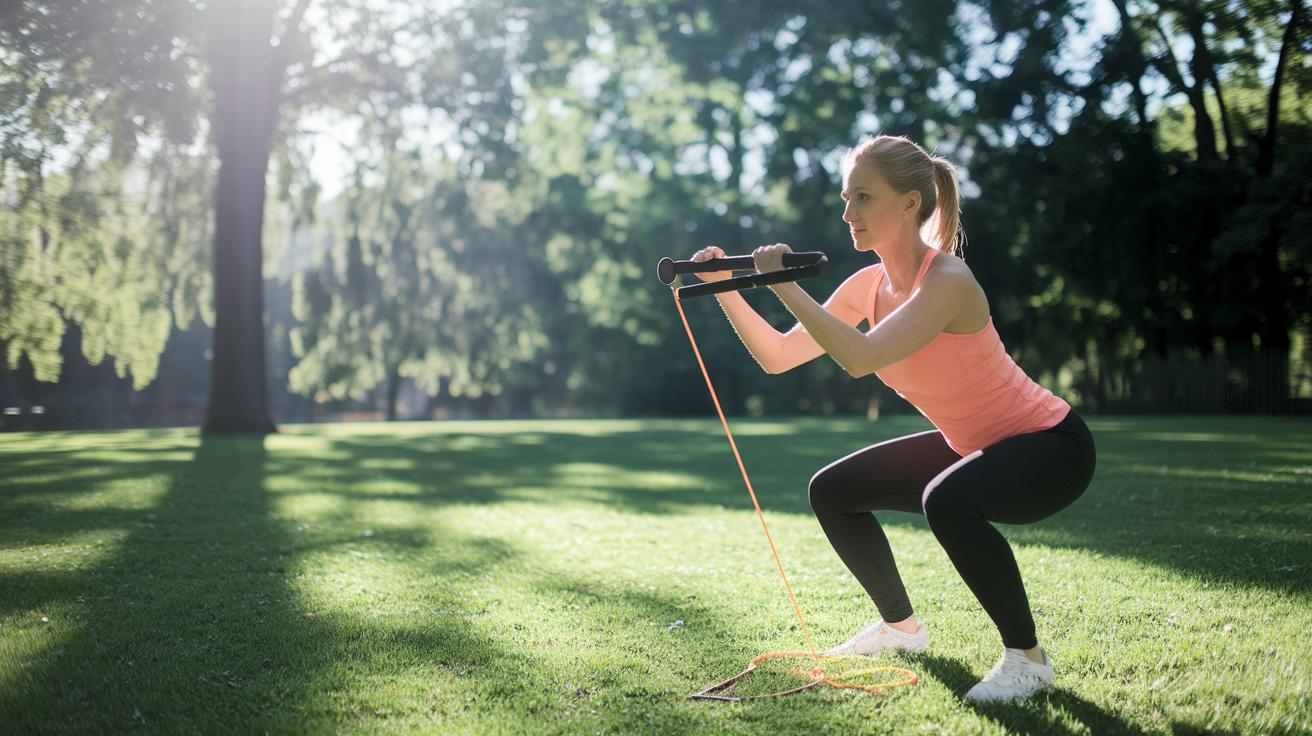
When you're easing into recovery, try switching up your routine with gentle, low-intensity moves. These exercises help your muscles move better, improve blood flow, and keep your workouts fun and fresh.
- Light Resistance Band Circuit: Do slow, controlled exercises with a resistance band for about 15 to 20 minutes. Picture yourself stretching the band while doing gentle squats, and feel your muscles getting steady support.
- Dynamic Core Drills: Strengthen your core with easy moves, like various planks, for 3 sets of 30 seconds each. You might try a plank where you lift one arm at a time, giving your core a mild, engaging workout.
- Low-Impact Brisk Walking: Enjoy a 20 to 30 minute walk at a pace that warms you up without tiring you. Imagine walking in a park where the fresh air calms your mind while your body stays active.
- Mindful Stretching Routine: Spend 10 minutes going through a series of smooth stretches to keep your body flexible and your mind at ease. Think of it like a slow, graceful dance with your shoulder rolls and hamstring stretches.
- Balance and Stability Exercises: Practice simple balance moves, such as standing on one leg, for about 10 to 15 minutes. Imagine reaching out with your arms to steady yourself while focusing on staying balanced and relaxed.
Switching these exercises weekly can keep your body and mind moving in new ways, ensuring you don't overwork any one part while still getting the best recovery benefits.
Understanding Active vs Passive Recovery for Improved Performance
Active recovery is like giving your body a gentle nudge to keep things flowing. Think of it as doing a light jog, easy cycling, or a few mellow stretches that help clear out the built-up waste from a hard workout while keeping your muscles warm and your joints loose. It’s a simple way to let your body heal without putting on extra strain. On the flip side, passive recovery means taking complete rest or barely moving at all, giving your muscles a chance to relax without any added work.
Research shows that a bit of movement can make a big difference. In fact, studies suggest that after some active recovery, you might find yourself running or cycling three times longer compared to when you rest completely. Experts recommend mixing both types of recovery based on how your body feels. For instance, if your muscles are still feeling stiff, try a gentle walk or some light stretching instead of going for full rest. This balance helps your workouts feel more natural and keeps you energized over the long haul.
Tips for Consistent Active Recovery and Preventing Overtraining
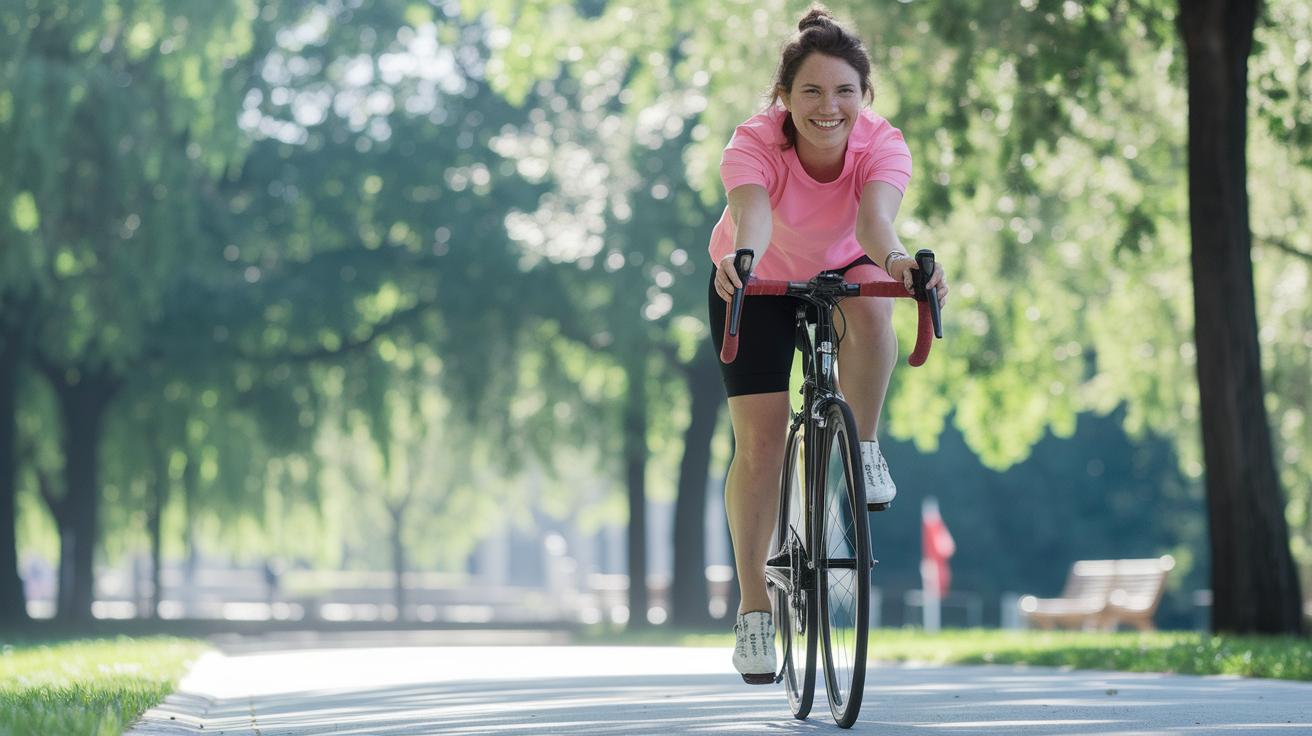
Sticking to a routine is the secret sauce for keeping your body relaxed and energized. It helps your muscles stay flexible, keeps fatigue at bay, and supports both your physical and mental well-being.
Here are some simple ways to do it:
- Plan regular recovery days: Aim for one or two days each week where you engage in gentle moves like easy cycling, simple stretches, or foam rolling (a technique using a roller to soothe muscles).
- Tune in to your body: Notice if you’re feeling extra tired or if soreness lingers longer than usual. This is your body’s way of saying, “Slow down a bit!”
- Switch up your workouts: Try mixing activities such as light cycling, stretches, or foam rolling for your calves, hamstrings, quadriceps, and glutes. This keeps the routine fun and helps prevent injuries.
- Add a moment of calm: A short meditation or deep breathing exercise can clear your mind and give your body a little extra care.
If that unusual tired feeling sticks around, it might be a good idea to check in with a coach for some personalized tips.
Final Words
In the action, we explored a structured sequence to boost recovery through easy, step-by-step routines. We covered dynamic warm-ups, mobility circuits, low-impact cardio, and cool downs with stretching and meditation.
Each section provided practical tips, including home-based moves and cross-training ideas to keep things fresh and enjoyable. Remember, learning how to do active recovery is all about listening to your body and making small adjustments that suit your pace. Keep moving forward and enjoy every step of your active recovery experience.
FAQ
How to do active recovery at home?
Active recovery at home means following a gentle routine that includes dynamic warm-ups, mobility moves, light cardio, and a cool-down stretch. This keeps your muscles moving without adding extra strain.
What are active recovery workout examples?
Active recovery workout examples include low-intensity activities like a recovery ride, restorative yoga, full-body stretches, and bodyweight mobility drills that boost blood flow and ease muscle tension.
How does active recovery differ from a rest day?
Active recovery differs from a rest day by using light movements to encourage circulation and reduce soreness, while a rest day involves little to no activity for complete muscle rest.
What are the benefits of active recovery?
Active recovery benefits include improved blood circulation, reduced muscle soreness, enhanced flexibility, and faster overall recovery, helping prepare your body for your next workout session.
How long should active recovery sessions be and what techniques work best?
Active recovery sessions typically last between 10 to 30 minutes and often include dynamic warm-ups, low-intensity steady-state cardio, static stretching, and meditation for a balanced cool-down.
How do active stretching and other stretching techniques compare?
Active stretching involves controlled muscle movements to increase flexibility, while methods like PNF stretching add resistance and ballistic stretching uses bouncing motions—all aiming to improve range of motion safely.
What is the 3-3-3 rule in the gym?
The 3-3-3 rule in the gym describes a routine with three sets, three repetitions per exercise, and three different variations that help balance challenge and recovery while building strength.
What are common recovery techniques used during workouts?
Common recovery techniques include low-intensity cardio, dynamic and static stretching, foam rolling, and short periods of meditation, which collectively aid in muscle relaxation and overall recovery.

