
Have you ever thought about making a foam roller part of your recovery routine? It works like smoothing out wrinkles in a favorite shirt by easing muscle tightness and boosting blood flow (the movement of blood through your body). You might feel that refreshing sensation, like a cool breeze after a brisk run.
In this post, I'll share how a few slow, steady rolls can help revive your muscles and shorten your recovery time. Imagine the satisfying feeling of loosened muscles and renewed energy. Stick around and discover how this simple tool can help you get back to your active self, ready for your next adventure.
Foam rolling for active recovery energizes muscles
Foam rolling is a self-massage technique that uses a cylindrical foam roller to press into your muscles and the fascia (the soft tissue wrapping around your muscles, bones, and joints). It works a bit like smoothing out wrinkles in fabric, gently easing tight spots and boosting blood flow to help your muscles feel energized and ready to move. For example, after a quick workout, rolling your calves can help loosen those stubborn knots, melt away built-up tension, and leave you feeling refreshed.
It’s best to add foam rolling into your routine either right before you warm up or during your cool-down. Just make sure you use slow, steady movements and moderate pressure. Listen to your body as you roll, if something doesn’t feel right, ease off a bit. With a little care, foam rolling can increase your flexibility and help you transition smoothly between exercises while speeding up recovery.
Key benefits of foam rolling for active recovery
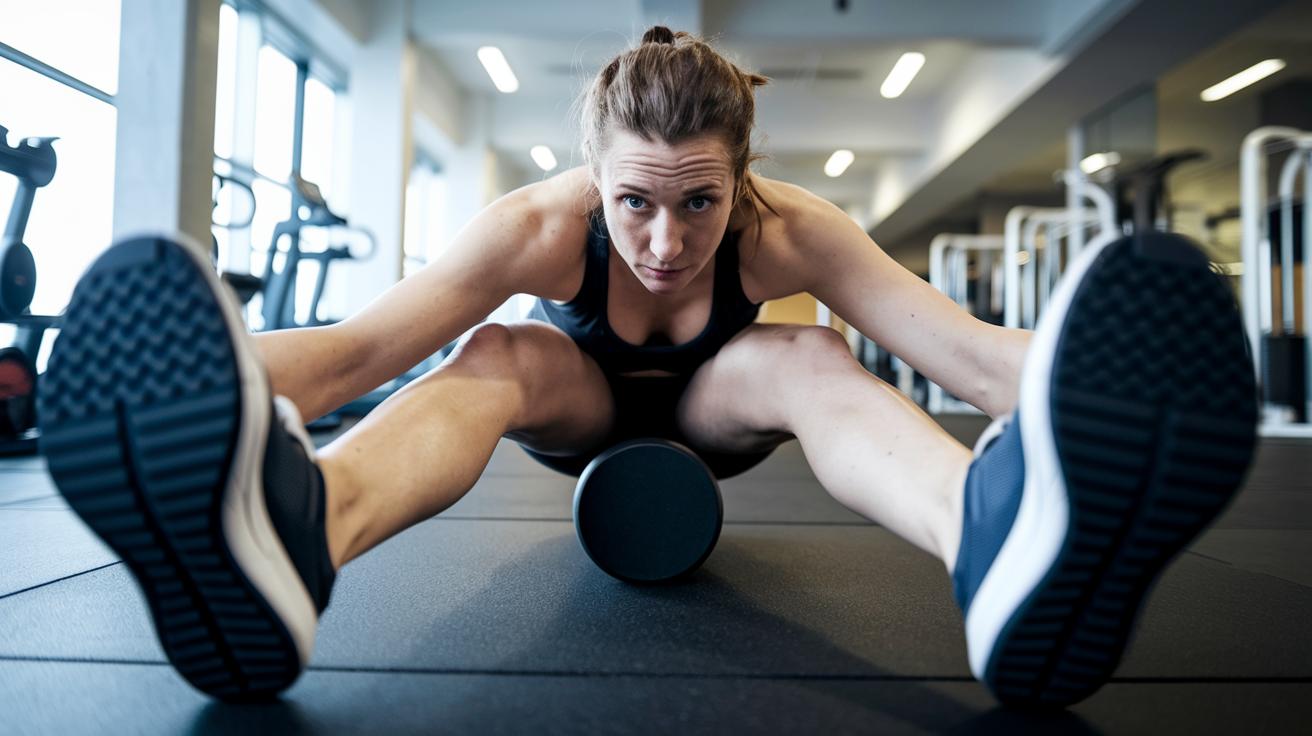
Foam rolling acts like a gentle massage for your muscles, helping to loosen tight spots while keeping your body feeling energized for each workout. It boosts blood flow, which means more oxygen and nutrients can reach your muscles, making your exercise routine feel smoother and more effective.
One clear advantage is that it eases muscle tension in key spots. For instance, rolling out your calves, quads (thigh muscles), or hamstrings can reduce tightness and lower joint stress, leaving your legs feeling lighter after a run.
It also ramps up circulation. That pressing action helps deliver fresh oxygen and essential nutrients throughout your muscles, kind of like enjoying a refreshing stretch mid-warm-up.
Another perk is faster relief from soreness. By gently targeting those tight knots in your muscles, foam rolling can ease post-workout discomfort, so you’re ready to get back to your routine sooner.
Plus, regular use increases your range of motion. With improved flexibility, your movements can feel as natural as a gentle morning stretch, making daily activities feel more effortless.
Lastly, foam rolling supports your overall performance by clearing away metabolic waste and reducing muscle fatigue over time.
Integrating these benefits into your active recovery plan can help you transition more smoothly between workouts and keep your body balanced and ready for new challenges.
Step-by-step foam rolling techniques for major muscle groups
Quadriceps
Lie down on your stomach or sit comfortably with your foam roller tucked under the front of your thigh. Make sure your body weight is spread out evenly. Roll slowly from your hip area to just above your knee in small, steady moves of about 2 to 3 inches. When you come to a sore or tender spot, take a pause and hold the pressure for 30 to 60 seconds, letting the tightness ease away. Keep your body straight, kind of like following a row of stepping stones, so you don’t put extra strain on your joints.
Hamstrings
Sit on the floor with your legs stretched out and place the foam roller below your hamstrings. Lean back a little so the roller supports the full length of your back thighs. Roll at a controlled pace from your knee back to your glutes. If you notice any knots or areas that feel especially tight, stop and let the pressure work for 30 to 60 seconds, as if you were slowly unwinding a tight rope. It’s all about giving your muscles a gentle, helpful massage.
Calves
Either sit or lie down comfortably and position the foam roller under your calf muscles. Make sure the roller supports your calf from ankle to knee. While rolling gently upward, you can slightly bend your foot to target different spots in the muscle. Keep your movements slow and take extra time on any sore spots for up to 60 seconds. This steady pressure helps relax the muscles without stressing your joints.
Upper Back
Lie on your back and set the foam roller along the middle of your back. Use your hands to support your head so that no extra pressure falls on your neck. Slowly roll upward toward your shoulders, feeling the tight bands in your upper back release bit by bit. This technique, often recommended by therapists, not only relieves tension but also helps you find a calm, balanced recovery.
Choosing the right foam roller for effective active recovery
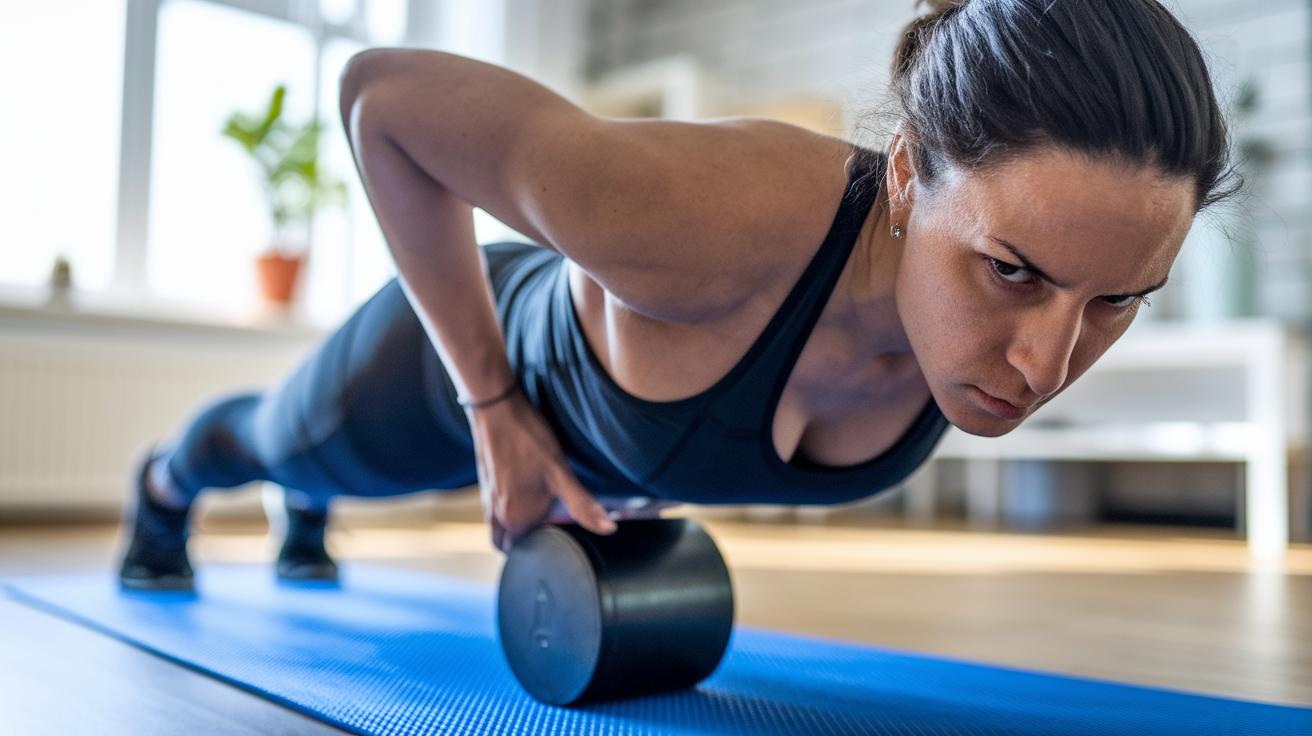
Foam rollers come in different feels that match your unique recovery needs. Some are soft and give a gentle rub, perfect if you're just starting out or if you have sensitive muscles. Others have a medium feel, which makes them a favorite during recovery sessions because they work well with a variety of muscles without being too harsh. Then there are firm rollers that offer a deep massage, great for easing out those stubborn knots after a tough workout.
| Roller Type | Density Level | Best Use |
|---|---|---|
| Soft Roller | Low Pressure | Great for beginners and sensitive muscles |
| Medium Roller | Balanced Pressure | Ideal for overall recovery |
| Firm Roller | Deep Release | Perfect for targeting deep muscle knots |
Choosing the right roller can really boost your recovery routine. If you’re just easing into foam rolling, a soft roller is a gentle start. For sessions where you need a bit more versatility, a medium roller works well. And if your muscles are extra tight, a firm roller might be the best fit to make you feel refreshed and ready for your next challenge.
Integrating foam rolling into a complete active recovery routine
Spend about 5-10 minutes using a foam roller during both your warm-up and cool-down to help loosen up your muscles. Then, try some simple dynamic stretches that go beyond just moving your quads, hamstrings, and calves. For instance, swing your leg forward and back to open up your hips, or do side lunges that gently work your inner and outer thighs. You can even mix in quick rounds of contrast bathing (switching between warm and cool water to boost blood flow) or practice steady, rhythmic breathing to ease any leftover muscle tightness. And remember, steer clear of rolling right over your joints or any recently injured spots. Whether you're at home or visiting a sports therapy center, make sure your recovery routine feels safe and balanced.
Final Words
In the action, foam rolling proves to be a practical tool for easing muscle tension and boosting circulation. The article outlined basic definitions, step-by-step techniques, and tips for choosing the right roller. Each section emphasized the benefits like reduced soreness and improved flexibility. By adding foam rolling for active recovery into your routine, you can enjoy smoother workouts and quicker, steady progress. Keep at it, enjoy the process, and feel proud of the effort you put into nurturing your body and mind.
FAQ
How to use foam rolling for active recovery?
Using foam rolling for active recovery means gently rolling out your muscles before or after exercise. It aids in relieving muscle tension and boosting blood flow while complementing your warm-up or cooldown routines.
Foam rolling for active recovery benefits
Foam rolling for active recovery benefits your body by easing muscle tightness, increasing circulation, reducing soreness, and enhancing range of motion. It helps prepare muscles for activity and supports recovery afterward.
Foam rolling for active recovery before and after
Foam rolling before a workout helps warm up muscles, while doing it afterward promotes faster recovery. Each session targets tight spots, stimulating blood flow and reducing post-exercise stiffness.
Best foam rolling for active recovery
The best foam rolling for active recovery involves a medium-density roller with a smooth surface. This type offers balanced pressure to relieve tight knots without causing discomfort or overwhelming sensitivity during recovery.
Foam Roller
A foam roller is a cylindrical tool for self-myofascial release, a method of gently massaging muscles. It reduces tightness, boosts circulation, and improves overall flexibility during your recovery routines.
Negative effects of foam rolling
Negative effects of foam rolling are rare when done correctly. However, using too much pressure or rolling over injured areas can lead to bruising, excessive soreness, or discomfort, so proper technique is key.
Foam roller exercises
Foam roller exercises involve slowly rolling over key muscle groups like calves, quads, and hamstrings. This technique relieves tight spots, improves circulation, and helps your muscles relax during recovery sessions.
Foam rolling for runners
Foam rolling benefits runners by easing tension in leg muscles, especially calves and quads. It enhances blood flow and decreases post-run muscle tightness, leading to improved performance and quicker recovery after runs.
Is foam rolling active recovery?
Foam rolling is active recovery as it gently works your muscles without intense effort. It promotes circulation, relieves tightness, and helps reduce soreness without overstraining your body.
Does foam rolling help running recovery?
Foam rolling helps running recovery by reducing leg muscle tightness, improving blood flow, and lowering post-run soreness. This method supports better mobility and quicker recovery, keeping you active and balanced.
When should you not foam roll?
You should not foam roll if you have an acute injury, severe pain, or if you’re applying pressure over a joint. Avoiding these areas helps prevent further irritation or damage during recovery.
Is foam rolling or stretching better for recovery?
Both foam rolling and stretching offer recovery benefits. Foam rolling directly tackles muscle tightness, while stretching improves flexibility. Using both methods together provides a balanced approach to muscle care.

