
Have you ever wondered if your cool-down routine could actually speed up your recovery? Active recovery stretches help your muscles heal faster by boosting blood flow (the movement of blood through your body) and easing muscle tightness. Imagine finishing a tough workout and then slowly moving through gentle stretches that feel like a refreshing break for your body.
These simple moves let your muscles relax and even get you ready for your next challenge. I like to think of them as a mini vacation for your body, they ease the soreness and improve flexibility so you feel recharged. Have you ever felt that surge of relief after slowing down your pace?
In this article, we're sharing some easy active recovery stretches you can try at home or at the gym. They are designed to decrease discomfort and help your body be ready for more action with renewed energy. So, why not give them a try?
Essential Active Recovery Stretch Moves
After a good workout, these gentle moves help keep your body moving safely. They guide you through easy, controlled motions that help repair tiny muscle tears (small fiber damages), boost blood flow, and ease soreness. It’s not just a cool-down, it’s a way to build muscles that are ready for more.
Each stretch targets different parts of your body. Imagine doing the Half-Kneeling Hip Flexor with steady focus, almost like feeling weight lift off your hips on a warm day. This move helps ease hip discomfort while working the glutes. Then there’s a move for the shoulders that helps them extend, another that feels like you’re stretching your back gently, and one that soothes tight neck muscles. You even get moves for your hamstrings, calves, triceps, and biceps. Every stretch brings relief and more flexibility.
It’s best to take a few moments to do these moves two or three times a week. Doing so helps your muscles recover faster and keeps soreness from slowing you down. You might even try a guided active recovery workout to make the most of these benefits.
Dynamic Flexibility Routines for Active Recovery
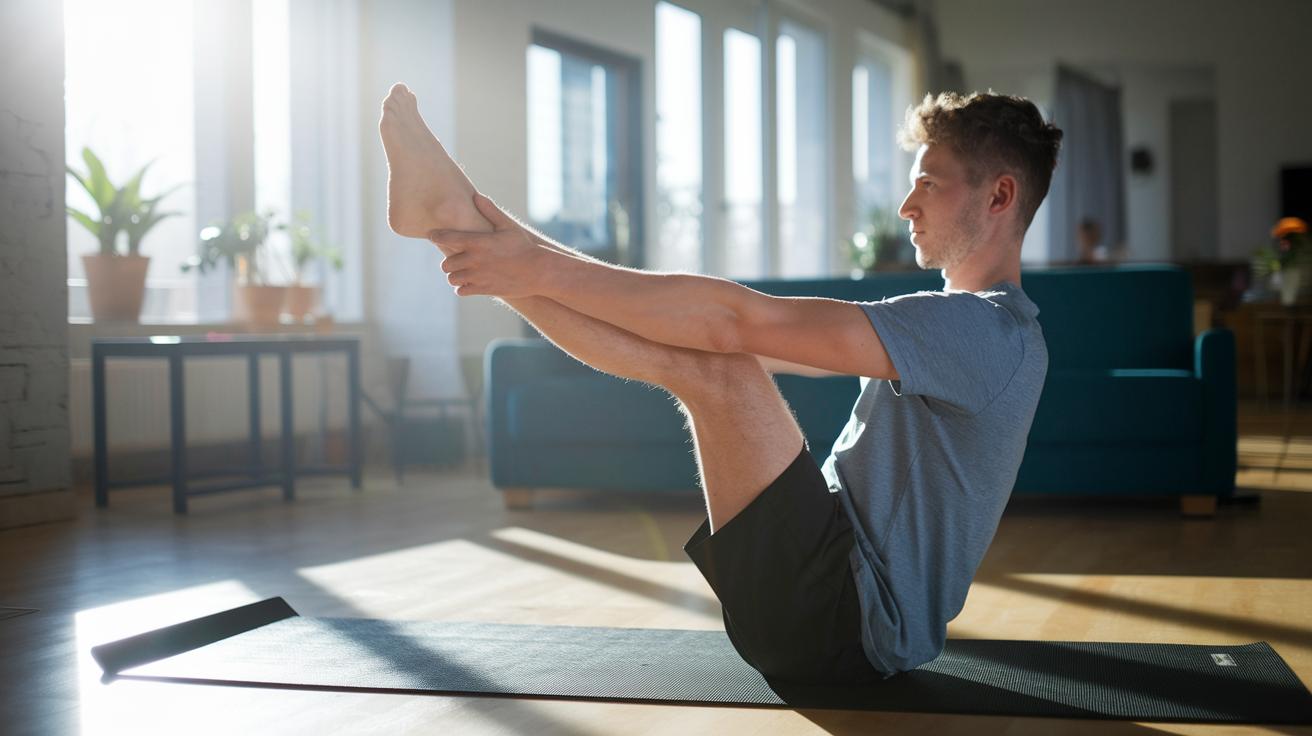
Active stretching uses gentle, controlled movements that bring oxygen-rich blood and essential nutrients right to your muscles. Instead of holding a single position, these routines involve moving through a full range of motion, almost like a wake-up call for your body. The ongoing movement boosts circulation, aids in muscle repair, and eases tension, leaving you feeling refreshed.
Rather than sticking to a static stretch, try dynamic cooling down with moves like leg swings, arm circles, and lunge flows. Imagine swinging your leg forward and back, gently stretching your hip and thigh muscles. Picture your arms making big, smooth circles, helping to loosen your shoulders and improve blood flow. And think about lunge flows, which work your glutes and quads with a fluid, rhythmic motion.
These post-workout routines not only lower your risk of injury but also improve muscle coordination and ease your body into recovery. They help you cool down step by step, reducing stiffness and speeding up healing. Incorporate these dynamic drills into your routine, and you’ll be giving your muscles the recovery boost they truly deserve.
At-Home Active Recovery Mobility Techniques
Imagine turning your living room or garage into a mini wellness studio without needing any fancy equipment. Just grab a small mat or stand close to a wall to steady yourself while you move through simple stretches that melt your tension away. For a start, try the Cat-Cow move. Arch your back gently, then round it slowly, like a soft, rolling wave. Picture yourself rocking your spine with care, each part relaxing a bit more.
Next, lay down comfortably for the Supine Assisted Hamstring Stretch. You can use a towel or even just guide your leg to help ease those tight hamstrings. It’s a simple move that makes your muscles feel much better without any extra tools. Then, step into the Spider-Man With Reach. Step one foot forward and stretch your arm out, opening up your hips and upper body. It feels like a burst of sunshine on a cool morning.
Another refreshing move is the Prone Shoulder Sweep. Lie face down and slowly slide your arm from one side to the other as if a cool breeze is softly brushing over you. This move gently releases any tightness in your chest and shoulders.
- Try Cat-Cow for a smooth, soothing spinal stretch
- Use the Supine Assisted Hamstring Stretch to ease tight muscles
- Add Spider-Man With Reach to free up your hips
- Do the Prone Shoulder Sweep to relax your shoulders
Aim to work through these moves two or three times a week. This simple routine keeps your muscles lively and ready, making every session a step toward a happier, balanced day.
Lower-Body Tension Relievers and Leg Cooldown Mobilizations

After a brisk run or an intense lower-body workout, a few gentle stretches can do wonders. These targeted moves help ease tightness in your hips, quads (the muscles at the front of your thighs), hamstrings (the muscles along the back of your thighs), and calves, making your cooldown feel smooth and relieving muscle tension.
Start with a Supine Assisted Hamstring Stretch. Lie on your back and slowly lift one leg using a soft towel for support. Picture yourself gently raising your leg as you take calm, steady breaths, each exhale helps release a bit more tension.
Next, try the Quadruped Hip Flexor. Get on your hands and knees, then slide one leg forward. This simple shift helps loosen up your hip flexors (the muscles at the front of your hips) and makes your everyday movements feel a little easier.
Give the Standing Calf Stretch a try, too. Stand close to a wall, lean forward slowly, and feel a controlled stretch running along your calf (the muscle at the back of your lower leg). Then, move on to the Piriformis Stretch, which targets your glutes. This stretch is perfect for easing tension that might build up after a long run or a challenging workout.
- Supine Assisted Hamstring Stretch – Lie on your back and slowly lift one leg, gently holding the stretch.
- Quadruped Hip Flexor – From your hands and knees, slide one leg forward while keeping your core tight.
- Standing Calf Stretch – Stand by a support and lean into the stretch to smooth out tension in your calf.
- Piriformis Stretch – Sit or lie down, cross one leg over the other, and move gently to release tightness.
Keep your posture steady and remember to breathe deeply throughout each stretch. This mindful approach not only lowers stiffness but also prepares your lower body to take on the next challenge with ease.
Upper-Body Relaxation Moves and Core Stabilization Stretches
Getting these moves into your routine can really help ease upper-body tension and boost your flexibility. Start with the Prone Shoulder Sweep. Lie on your belly and slowly slide one arm across your body, as if a gentle breeze is clearing away any stiffness.
Next, try the Quadruped Overhead Shoulder Stretch. Get on your hands and knees, then lift one arm upward, imagine pulling back a curtain to let in a bright, refreshing light.
Now, move on to the Overhead Triceps Stretch. Raise one arm, bend your elbow, and carefully guide your hand toward the opposite shoulder blade, like reaching out for a light switch in a dim room.
Then, do the Standing Bicep Stretch. Stand tall and extend one arm behind you while gently tilting your torso. Think of it as slowly opening a door to let in a cool, calming breeze.
Finally, connect with your core using the Cat-Cow Stretch. Arch your back as you breathe in and round it as you breathe out. Picture the smooth, flowing motion of gentle waves on a quiet shore.
Here's a quick look at the benefits of these moves:
| Stretch | Benefit |
|---|---|
| Prone Shoulder Sweep | Relieves chest tightness and eases shoulder stiffness |
| Quadruped Overhead Shoulder Stretch | Encourages better shoulder extension |
| Overhead Triceps Stretch | Releases tension in the triceps |
| Standing Bicep Stretch | Eases tension along the arms and chest |
| Cat-Cow Stretch | Supports core stability and calms the spine |
Take a moment between each move, breathe deeply, and let your muscles relax. Enjoy the soothing, balanced feeling that comes with a little self-care.
Active Recovery Stretch Safety Tips and Modifications
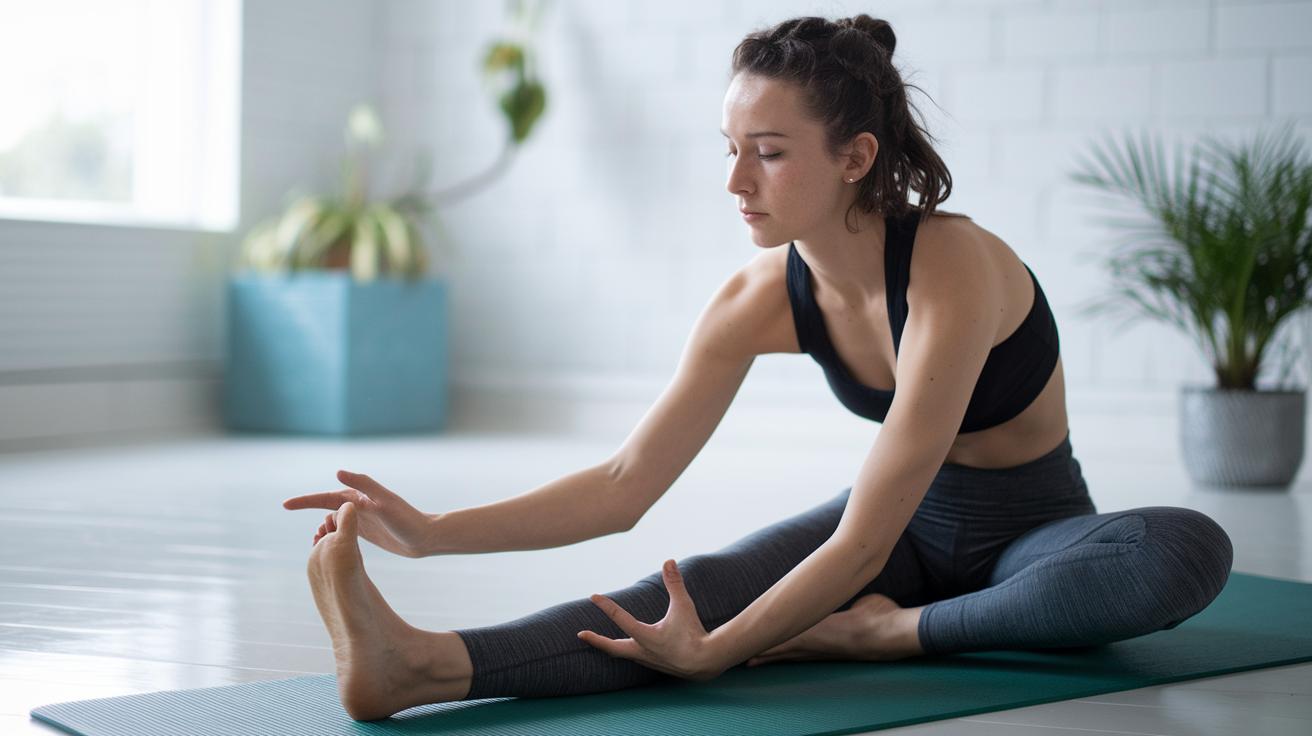
Begin your active recovery session with a gentle warm-up. Even a few minutes of brisk walking can help your muscles wake up, just like starting a car slowly before driving off. Keeping your spine in its natural position helps protect your back, much like a strong pillar holding everything up.
Take care to avoid any bouncing or quick, jerky moves. Instead, move slowly and steadily so your muscles have time to stretch safely, like gently pulling a soft rubber band. If a particular stretch feels too intense, try making the movement smaller. For example, during the Spider-Man stretch, you can limit your reach to keep things comfortable.
- Experiment with band-assisted stretches to help ease tight muscles.
- Always listen to your body – if you feel a sharp pain, take a break.
- Adjust the intensity and duration of your stretches based on how you feel.
These easy-to-follow tips help prevent joint strain and muscle overuse. Focus on moving mindfully, and soon each stretch will feel both safe and rewarding on your path to recovery.
Sample Full-Body Active Recovery Stretch Routine
This handy guide brings together familiar stretches into one smooth routine, perfect for easing muscle tension and boosting recovery. Think of it as a refreshing break that helps you reset without overcomplicating things.
• Cat-Cow (60 sec): Flow between arching your back high and rounding it gently. Imagine your spine moving like the rhythmic rise and fall of ocean waves, loosening up with each gentle beat.
• Half-Kneeling Hip Flexor (60 sec each side): Step forward and let that hip loosen up. It’s like experiencing a cool, deep breath that eases tightness, inviting comfort with every move.
• Quadruped Overhead Shoulder Stretch (45 sec each side): Open your shoulders wide as if you’re drawing back a curtain to welcome warm sunlight. This move helps free up your chest and open your heart.
• Spider-Man With Reach (45 sec each side): Gently rotate your torso as you extend your reach, much like stepping into a refreshing burst of morning air that clears out tension.
• Supine Assisted Hamstring Stretch (60 sec each leg): While lying on your back, slowly lift each leg with care. Picture a soft, supportive lift that helps smooth out any lingering tightness.
• Piriformis Stretch (45 sec each side): Cross one leg over the other to relax your glutes, almost like giving yourself a gentle, comforting hug that eases strain.
• Standing Calf Stretch (60 sec each leg): Lean forward gradually, imagining a soft wave unfolding from your calf, releasing tension with every stretch.
• Overhead Triceps Stretch (45 sec each side): Reach behind your head to give those triceps a nice, simple stretch. It’s a straightforward move that makes you feel light and refreshed.
• Standing Bicep Stretch (45 sec each side): Extend your arm to the side, as if you’re opening a gate to let in a breeze of fresh, revitalizing air.
Do the sequence once more to reap even more benefits. This balanced routine is a simple daily blueprint that combines familiar moves into one comprehensive recovery flow, helping you feel rejuvenated and ready for the next step in your wellness journey.
Final Words
In the action of building strength and ease, this article covered a variety of movements, from top active recovery stretches that ease muscle tension to dynamic routines that keep your body moving. It also shared at-home mobility techniques, lower-body cooldowns, and upper-body moves paired with core stabilization tips. Each section provided simple steps and safety pointers to help you adapt and progress at your own pace. Embrace these active recovery stretches to boost muscle recovery and keep your body and mind refreshed. Keep moving and smiling along the way.
FAQ
What is a full body active recovery workout?
A full body active recovery workout uses gentle moves that target all major muscle groups, boosting blood flow and easing muscle soreness after tough workouts.
What are active recovery exercises?
Active recovery exercises include light stretches, gentle dynamic drills, and easy cardio designed to improve circulation and reduce muscle stiffness after exercise.
How can I do an active recovery workout at home?
An active recovery workout at home involves simple, equipment-free routines like Cat-Cow, leg swings, or Supine Assisted Hamstring Stretch, making it easy to relieve tension without a gym.
What are active recovery stretches at home?
Active recovery stretches at home are gentle, flowing movements—like Spider-Man With Reach or Upper Trap/Scalene Stretch—that help ease muscle tension and boost your mobility without needing special gear.
Is stretching active recovery?
Stretching can serve as active recovery when it involves controlled, moving stretches that increase blood flow and help the muscles relax after exercise.
What type of stretching is best for recovery?
A mix of gentle active stretches and dynamic movements, such as lunge flows and leg swings, works best for recovery because they promote circulation and improve flexibility.
What are active recovery workouts for athletes?
Active recovery workouts for athletes involve low-intensity stretches and mobility drills designed to reduce muscle strain, improve circulation, and help maintain overall flexibility during heavy training.
What active recovery examples work in a CrossFit routine?
In CrossFit routines, examples include dynamic stretches like PNF stretching (a method using muscle contraction) and active mobility drills that ease muscular tension between high-intensity rounds.
Is it good to stretch during recovery?
Stretching during recovery helps relieve muscle tightness, increases blood flow, and supports healing, making it a beneficial addition to your post-workout routine.
What does a 30-minute recovery workout look like?
A 30-minute recovery workout often combines full-body stretches, dynamic moves, and light mobility drills to boost circulation, reduce soreness, and gently prepare your body for your next exercise session.

