
Ever wondered if a post-workout snack can help you feel more refreshed the next day? Some people say rest is enough, but giving your body the right fuel can help your muscles repair (repair: when your muscles rebuild and heal after exercise). Imagine easing that sore feeling after a tough workout by simply feeding your body what it needs. In this blog, I’ll share easy nutrition ideas that support active recovery, lessen muscle discomfort, and keep your energy steady. Picture a recovery that not only soothes you but also sets you up perfectly for your next session.
Active Recovery Nutrition Fundamentals
After a hard workout, you might feel sore, that familiar, achy feeling called DOMS (delayed onset muscle soreness). It usually starts about 12 hours after exercise and can peak between one to three days later. This soreness happens because tiny tears form in your muscles when you work out hard. Think of it like a friendly nudge telling you, "Hey, your muscles need some care!" It’s your body’s way of reminding you that rest and the right nutrients go a long way in rebuilding strength.
Keeping things moving during your recovery can actually help your muscles heal. Light activities like a brisk walk or a gentle bike ride boost blood flow. This increased circulation acts like a delivery service, bringing in amino acids (the building blocks of muscle) and glucose (a basic energy source) to help repair muscle fibers, while also clearing out waste. Imagine finishing a light jog and feeling a little more relaxed as any tightness begins to fade. Staying lightly active on your rest days may help reduce stiffness and support speedy muscle repair over the important 48-hour recovery period.
When it comes to eating on rest days, think of your nutrition as a four-part plan. First up is protein, like a serving of lean chicken or a cup of yogurt, to help rebuild those muscles. Next, include carbohydrates such as whole grains or fruit to refill your energy stores with glycogen (a stored form of sugar). Then, add healthy fats from sources like fatty fish or a handful of nuts to balance your hormones and ease inflammation. Finally, remember that vitamins, minerals, and plenty of fluids are key to keeping your body running smoothly. Embrace this well-rounded plan. Fueling your body with balanced choices can make that journey back to your next workout feel a lot smoother.
Optimal Nutrient Timing for Active Recovery

After a good workout, giving your body the right fuel is key to helping your muscles repair and feel strong. Right after exercising, during the anabolic window (0 to 60 minutes after your workout), your body is ready to absorb nutrients like a sponge. Try having around 20–30 grams of protein with 1.0–1.2 grams per kilogram of carbohydrates (sugars that quickly give you energy). It’s kind of like refilling your car’s gas tank after a long drive so you can hit the road again.
For the next 2 to 6 hours, keep refueling to help your muscles rebuild and to top up your glycogen stores (the energy your body saves for later). You might grab a protein shake for a fast boost, but a well-prepared meal with lean protein, whole grains, and fresh vegetables works just as well. Imagine a plate that not only satisfies your hunger but also mends those tiny muscle tears from your workout, setting the stage for better recovery and ongoing performance.
| Recovery Phase | Timing | Recommended Nutrients |
|---|---|---|
| Anabolic Window | 0–60 min | 20–30 g protein + 1.0–1.2 g/kg carbohydrates |
| Sustained Refueling | 2–6 hours | Additional protein and carbohydrates |
| Extended Recovery | Beyond 6 hours | Balanced meal with lean protein, carbs, and healthy fats |
Macronutrient Considerations in Active Recovery Diet
Chicken and turkey offer all the essential proteins your body needs. These proteins include amino acids (the building blocks of protein) like arginine and glutamine that help repair your muscles. Fatty fish such as salmon and tuna bring in omega-3 fatty acids (healthy fats that can ease inflammation) while also supporting muscle growth and refueling energy. Even dairy products like milk and yogurt, or a refreshing glass of chocolate milk, supply whey protein to give your muscles the extra boost they need.
Balanced meals that combine protein, carbs, and fats work wonders for active recovery. Foods like whole grains and fruits refill your energy tank, whereas healthy fats from nuts, seeds, and olive oil help keep your hormones balanced and reduce swelling. Mixing these whole foods into your daily routine creates a friendly team for muscle repair and overall well-being.
- Lean Protein Sources
- Carbohydrate Boost Foods
- Healthy Fat Options
Hydration Strategies for Active Recovery
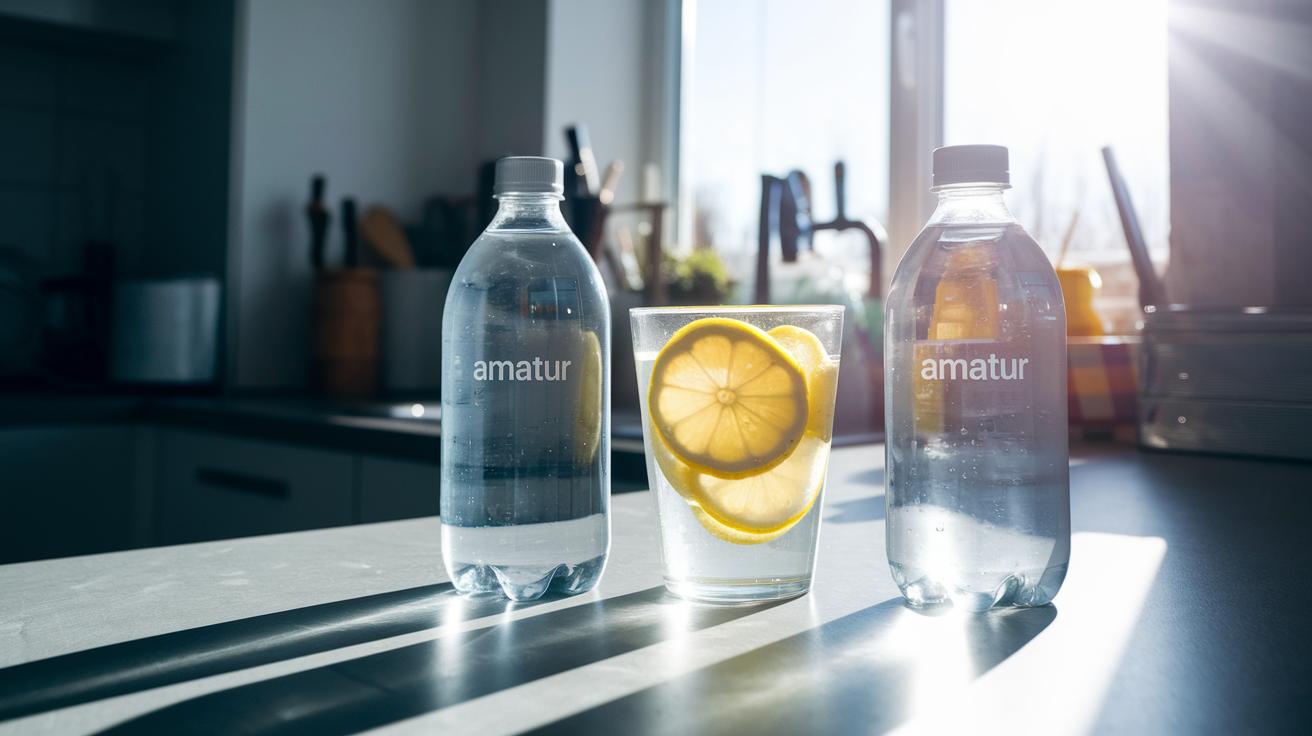
Staying hydrated is really important when your body is recovering after exercise. When you work out, you lose water through sweat. This can slow down how well the nutrients travel in your body and make it harder to keep your cool. Drinking water before, during, and after exercise helps keep your blood full of fluid which carries the good stuff to your muscles. It’s a bit like keeping your car engine well-oiled so that everything runs smoothly.
Timing matters a lot too. Sipping water throughout your workout keeps your body ready for recovery. When you drink water before exercising, you give your muscles a strong start. Then, as you move, that steady flow of water helps wash away waste and bring in fresh nutrients. This simple habit can keep tiredness at bay and leaves you feeling light and refreshed when you finish.
For a fun twist during your recovery, try making your own electrolyte drink. Mix water with a small pinch of salt and a squeeze of lemon or lime (these fruits add a burst of flavor and vitamin C) to replace the sodium and potassium lost in sweat. This easy drink not only quenches your thirst but also supports your muscles as they repair themselves.
Anti-Inflammatory Foods for Active Recovery
When you finish an intense workout, some foods can really help your body bounce back. Adding items like tart cherry juice to your routine can feel like a gentle, refreshing reset. This juice is packed with anthocyanins (natural compounds that ease muscle soreness and help store sugar for energy), which makes it a clever tip to smooth out muscle tightness and keep repairs on track.
After you work out, let your meal plan include other tasty, anti-inflammatory choices. For instance, fatty fish such as salmon or tuna offer omega-3 fatty acids (healthy fats that reduce inflammation) to ease those stubborn aches. And don’t forget cinnamon, it’s been shown in many studies to lower inflammation markers while boosting antioxidants that support recovery. Garlic, with its savory flavor, is another great pick; it helps lower common inflammation markers and improves your body’s overall defense against stress.
- Tart Cherry Juice
- Fatty Fish (Salmon, Tuna)
- Cinnamon
- Garlic
Active Recovery Nutrition Tips: Feel Revitalized

When you take a break from those intense workouts, eating the right foods can really help your body bounce back. Think of each meal and snack as a little repair kit, filled with protein, carbs, healthy fats, and antioxidants (substances that help protect your cells). After exercise, your muscles are ready to heal, so choosing balanced, easy-to-digest foods gives them the amino acids (the building blocks of protein) and energy to fix those tiny muscle fibers.
A smoothie with protein powder, berries, and a splash of almond milk can be a refreshing boost right after your workout. And a simple fruit bowl with a handful of nuts offers both easy carbs and a bit of protein, keeping your energy steady and helping prevent muscle breakdown.
Planning your meals thoughtfully lets you fuel your body's repair process all day long. A wholesome breakfast might include whole grains with eggs and veggies, providing a mix of protein and fiber. Then, a post-workout snack can quickly deliver the amino acids needed for recovery. For lunch and dinner, you can build your plate around lean proteins like chicken, turkey, or even plant-based options, paired with complex carbohydrates and a drizzle of healthy fats. Every bite works together to give you lasting energy, calm inflammation, and refill your body's stored energy (glycogen).
| Meal/Snack | Key Nutrients | Example Items |
|---|---|---|
| Breakfast | Protein, Complex Carbs, Antioxidants | Oatmeal with eggs and berries |
| Post-Workout Snack | Amino Acids, Simple Carbs | Smoothie with protein powder and banana |
| Lunch | Lean Protein, Fiber, Healthy Fats | Grilled chicken salad with avocado |
| Afternoon Snack | Protein, Micronutrients | Greek yogurt with honey and granola |
| Dinner | Lean Protein, Complex Carbs, Omega-3s | Salmon with quinoa and steamed veggies |
Each carefully chosen meal works like a well-timed recovery session. Enjoy the process and feel those revitalizing benefits on your rest days.
Final Words
In the action, our blog explored active recovery nutrition fundamentals, optimal nutrient timing, and balanced macronutrient considerations to help ease muscle repair.
We broke down hydration strategies and anti-inflammatory foods, and even suggested practical meal ideas that keep rest days effective yet light.
By embracing active recovery nutrition tips, fueling up with quality foods, and caring for your body, every meal becomes a step forward toward a refreshed and balanced lifestyle.
FAQ
What are muscle recovery supplements?
Muscle recovery supplements include vitamins, minerals, and proteins that help repair wear and tear after workouts. They support muscle repair by providing key nutrients your body needs to rebuild tissue.
What foods help with muscle soreness and repair?
Foods that help with muscle soreness include lean proteins, fatty fish, dairy, whole grains, fruits, and vegetables. They fuel muscle repair, reduce inflammation, and support muscle growth during active recovery.
What nutrition supports athletes for recovery?
Recovery nutrition for athletes means balancing proteins, carbohydrates, and healthy fats to support muscle repair and energy restoration after workouts. This balanced approach promotes healing and sustains overall performance.
How can I recover muscles faster after a workout?
Recovering muscles faster involves active recovery techniques, proper nutrient intake, and hydration. Light exercises boost blood flow, which helps deliver proteins and carbs needed for speedy tissue repair.
How does muscle recovery time vary by age?
Muscle recovery time can vary by age, as younger bodies often repair more quickly while older muscles might need extra rest and tailored nutrition. Adjust your active recovery to suit your body’s speed of repair.
What are the R’s of recovery nutrition?
The R’s of recovery nutrition refer to refuel (with carbohydrates), rehydrate (with fluids), rebuild (with proteins), and sometimes rest. These simple steps guide meal planning to enhance muscle repair and minimize soreness.
How do I properly do active recovery?
Proper active recovery means engaging in light activities like walking or gentle cycling, along with balanced nutrition and adequate hydration. This approach boosts blood flow, helping muscles to heal and reduce soreness.

