
Have you ever noticed that a little easy movement after a tough workout can make you feel better right away? Active recovery (light exercise that helps your muscles heal) is like giving your muscles a gentle stretch after they’ve worked hard.
Imagine taking a relaxed bike ride or a peaceful walk, where you feel the cool breeze and let go of muscle tension. Studies even show that light activity helps boost oxygen in your body (that’s the gas your muscles need) and speeds up the repair process.
This simple, mindful approach can be the perfect way to wrap up your workout and set you up for even more energy next time. Give it a try and enjoy the refreshing boost it brings!
How Active Recovery After Workout Accelerates Muscle Repair
Active recovery is like giving your body a gentle nudge on your rest days. Instead of completely taking a break with a nap or a relaxing bubble bath, you keep it moving with a light workout. Imagine going for a gentle bike ride or a brisk walk, the cool, refreshing air and steady heartbeat help flush out muscle waste and set the stage for quicker recovery.
When you move gently after a hard workout, your muscles get more oxygen and the nutrients they need to repair and grow. Light activities such as easy stretching or a short walk can improve flexibility and reduce the risk of muscle tightness or injury. Have you ever felt that soothing relief after a pleasant evening walk? That’s exactly what active recovery can do, it eases muscle tension and helps you feel balanced.
During a proper cooldown, keeping your muscles moving just enough to not strain them lets your body heal naturally, without taxing it further. Studies show that a bit of movement helps prevent overtraining and sets you up for your next session without feeling worn out. Making active recovery a regular part of your routine not only speeds up muscle repair but also creates a strong habit for long-term fitness.
In truth, active recovery is a smart way to stay engaged with your body even on days off. It’s all about moving gently to help your muscles repair faster, keeping you both strong and ready for more exciting training sessions ahead.
Effective Low-Intensity Exercises for Active Recovery After Workout
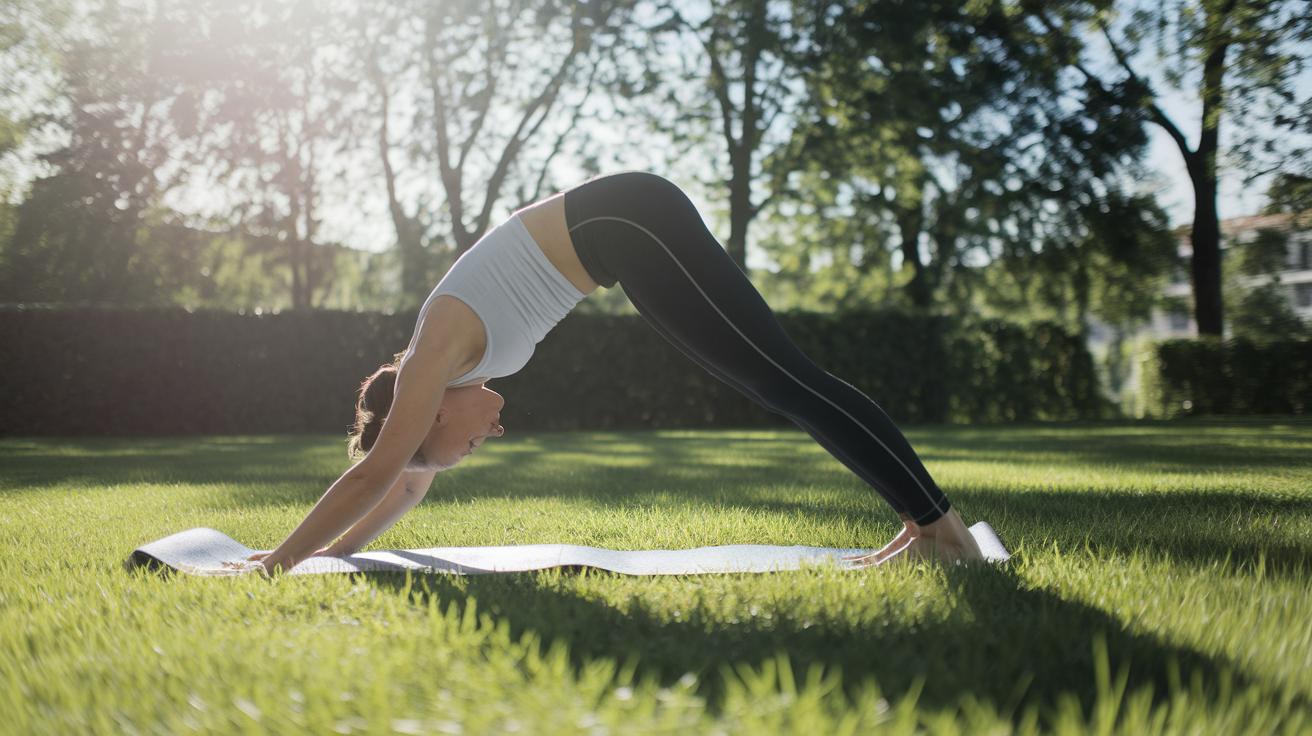
After a tough workout, your body craves gentle movement. It’s like giving your muscles a warm hug after hard work. Even just 20 minutes of slow-paced activity can help your muscles heal better than resting completely.
Imagine a 30-minute session that mixes light cardio with calming yoga poses. Start by standing tall in Mountain Pose, then gently fold forward to stretch away any tightness. Moves like Forward Fold, Cat-Cow, and Child's Pose help ease tension and boost blood flow while keeping you at a safe, low intensity.
You can also add in jump rope intervals at a relaxed pace. Try jumping lightly for 20 to 30 seconds, then take a break. This keeps your heart beating gently and your muscles limber.
Another helpful idea is foam rolling. Picture yourself slowly rolling over a foam roller to ease stiffness in your calves, hamstrings, quads, and glutes. This method helps you work out any knots while keeping your body active without overdoing it.
Below is a sample exercise routine you might try:
| Exercise | Duration/Intensity |
|---|---|
| Swimming with gentle dynamic movements | 15 minutes, easy pace |
| Light cardio with relaxing yoga poses | 30 minutes |
| Slow, steady jump rope bursts | 20–30 seconds per set |
| Foam rolling for muscle release | 5–10 minutes |
- Focus on slow, controlled movements.
- Keep the intensity low for a gentle recovery.
- Use dynamic stretches to help boost your blood flow.
Embrace these low-intensity exercises and enjoy a recovery that leaves you feeling refreshed and ready for your next workout.
At-Home Mobility and Stretching for Active Recovery After Workout
Start with warm-up mobility drills to gently prepare your muscles. Begin with shoulder circles – imagine slowly drawing big circles with your arms so you feel warmth spreading through your shoulders. Then, do hip openers; stand on one leg and swing your opposite leg in small arcs to ease lower-back tightness. Finish with ankle rolls, rotating your feet in both directions to keep your joints free to move.
Next, follow a cooldown routine that combines yoga poses and foam rolling. Stand in Mountain Pose to lengthen your spine, then move into a Forward Fold to relieve tension in your back and legs. Flow into Cat-Cow Pose – think of gently arching and rounding your spine like a slow, calming wave – before settling into Child’s Pose to soothe your mind and body with deep, slow breaths.
For muscle tension relief, add foam rolling or self-massaging on tight spots like calves and glutes. For example, roll over your calves slowly to smooth out any tight spots.
- Warm-up Mobility Drills: Shoulder circles, hip openers, ankle rolls
- Cooldown Routine: Mountain Pose, Forward Fold, Cat-Cow Pose, Child’s Pose, followed by foam rolling
Timing and Safety in Active Recovery After Workout

After a tough workout, try to spend about 20 to 45 minutes on gentle recovery activities, and aim to do these sessions within one or two days after your intense exercise or during your planned rest days. This timing helps your muscles clear out waste (like lactic acid) and get a fresh dose of oxygen and nutrients, all without extra strain.
Keep your heart rate under 60% of its maximum, that means stay gentle and easy on the body. Consider light stretching, a relaxed walk, or slow cycling. These gentle moves help ease any tightness and boost blood flow, all while preventing extra tiredness or soreness. Instead of fully resting, this kind of active recovery keeps your muscles moving in a safe and feel-good way.
Here are a few simple tips to follow when cooling down:
- Listen to your body; aim for a mild feeling of effort rather than pain.
- Stick with gentle moves that ease tightness.
- Adjust your activity duration based on how your muscles feel after a hard workout.
By following these tips, you can help reduce muscle fatigue and get ready for your next workout session, all while keeping your comfort and safety in mind.
Structuring Your Active Recovery After Workout Plan
Imagine setting up your week like a balanced dance, mixing two or three high-energy workouts with one or two gentle movement days. After a tough session, ease into a cool down with some dynamic stretches and feel the tension melt away. This relaxed routine is an essential part of recharging your muscles.
Right after your workout, try moving through a quick flow. Think of a series of leg swings, gentle torso twists, or even a mellow Forward Fold that helps your body start repairing itself. On days when you're not pushing hard, set aside about 30 minutes just for mobility work. Listen to your muscles; if they're feeling extra tight, let your recovery period stretch a bit longer.
Here are a few tips to keep in mind:
- Switch between high-intensity workouts and recovery days with light drills or stretch routines.
- Watch for signs of fatigue or soreness and tweak how long you recover accordingly.
- Pair your routine with good nutrition to give your muscles the right fuel.
- Staying consistent with active recovery makes a big difference in your performance and helps reduce downtime.
Planning your recovery in this thoughtful way creates a healthy balance between hard work and rest. It’s a simple yet effective strategy to keep you feeling vibrant and ready for whatever comes next.
Final Words
In the action of embracing active recovery after workout routines, this post explored how low-intensity exercises reduce muscle soreness and boost circulation. We talked about gentle cooldowns, at-home mobility moves, and smart recovery timing to keep muscles flexible and safe. Each tip, from light cardio to mindfulness in stretching, builds a plan that supports both physical strength and mental clarity. Embracing these strategies can lighten the load and refresh your body, paving the way for a more balanced, powerful workout experience. Keep moving with energy!
FAQ
What is an active recovery workout?
An active recovery workout means doing low-intensity movements after training to help reduce muscle stiffness, boost blood flow, and speed up muscle repair.
What are the benefits of active recovery after a workout?
The active recovery after a workout benefits your muscles by reducing tightness, increasing oxygen flow, and speeding up repair, all while lowering the chance of injury.
What are examples of active recovery exercises?
Active recovery exercises include gentle activities like swimming, yoga poses (Mountain Pose, Forward Fold), light jump rope intervals, and foam rolling to relieve tight muscles.
How does active recovery differ from a typical rest day?
The active recovery vs rest day contrast is that active recovery includes gentle movement to keep muscles engaged, whereas a rest day means complete relaxation without any structured exercise.
What does a full-body active recovery workout look like?
A full-body active recovery workout engages both upper and lower body through a mix of light cardio, dynamic stretches, and foam rolling, aiming for balanced muscle activation and flexibility.
How long should an active recovery session be?
The active recovery workout duration is typically 20–45 minutes, which is enough time to boost circulation and help ease muscle soreness without overstraining.
When should I do an active recovery workout?
The timing for active recovery is best within 24–48 hours after a strenuous workout or on designated rest days, helping your muscles repair and stay flexible.
Does active recovery really work?
Active recovery works by promoting blood flow, easing muscle tension, and supporting quicker repair, making it an effective complement to intense training sessions.
What is the 3-3-3 rule at the gym?
The 3-3-3 rule at the gym typically involves performing three sets of a specific exercise three times per week, serving as a structured guideline to work out effectively.

