
Ever wonder if a little movement after a hard workout could actually help you perform better? It’s like when you feel a slight limp or tightness in your muscles, the perfect time for a light, refreshing activity that eases the tension and gets your blood flowing. Instead of taking complete rest, try a gentle walk or a few calming yoga poses (simple stretches that help your body recover).
Imagine feeling that satisfying crunch of fatigue melt away as you move! Research even shows that just 15 minutes of easy activity can boost your results and prepare you for your next session.
This article dives into how these gentle exercises help ease soreness and fit naturally into a balanced, healthy lifestyle.
Understanding Active Recovery: Definition and Key Benefits
Active recovery workouts give your body a chance to bounce back after a heavy session without overdoing it. Think of it like treating your muscles to a gentle pat on the back, simple activities such as a leisurely walk, a light jog, or some calming yoga. These moves help keep your blood flowing and ease your muscles without adding extra stress.
Research shows that even a little light movement after hard exercise can make a real difference. For instance, a 15-minute walk after strength training can help your body clear out waste and get ready for your next round. In one study, people who did gentle activities like an easy bike ride ended up performing better in later workouts compared to those who just rested.
Active recovery brings six key benefits. It boosts blood circulation, which helps flush out waste; delivers more oxygen and nutrients to tired muscles; reduces muscle soreness; speeds up the repair process; improves flexibility; and lowers the chance of injury. When you add these benefits together, each workout becomes not only more effective but also a more balanced part of your overall fitness journey.
Essential Low-Intensity Moves for Active Recovery Workouts

Active recovery is all about smooth, calming movement to help your body relax while keeping the blood flowing. Think about an easy walk, a gentle jog, a calm bike ride, or even a soothing swim. You can mix in simple yoga poses like Mountain Pose (standing tall and grounding yourself) or Child’s Pose (a relaxing, protective stretch). Adding light mobility moves, like using a resistance band (a stretchy piece of workout gear) or following a guided routine, keeps things fun and simple without overloading you. These sessions usually last anywhere from 20 to 60 minutes, so your body stays active without getting too tired.
| Exercise Category | Sample Move | Recommended Duration |
|---|---|---|
| Walking | Easy walk | 20-30 minutes |
| Light Jogging | Gentle jog | 20-30 minutes |
| Cycling | Easy cycling ride | 20-40 minutes |
| Swimming | Leisurely swim | 20-30 minutes |
| Restorative Yoga | Mountain and Child’s Pose flow | 20 minutes |
| Mobility Drills | Light resistance band sequence | 20 minutes |
Remember to listen to your body during these sessions. When you start feeling light, refreshed, and free of extra strain, you'll know you're at just the right intensity. If any move feels too hard, adjust the time or speed until your body sends you calm, clear signals.
Crafting Your Active Recovery Workout Plan
When planning your recovery workouts, try fitting them into your week about one to three times, spending anywhere from 20 to 60 minutes each session. This gentle movement gives your muscles a chance to breathe after a tough workout, much like a refreshing cool-down walk.
Keep your sessions short enough so you don’t add extra tiredness, but long enough to boost blood flow and help clear out the by-products of exercise (that’s your body’s way of cleaning up after a workout). A nicely timed recovery session can leave you feeling recharged before you take on your next big exercise.
It’s also smart to balance these active days with full rest days. Recovery workouts should leave you feeling refreshed, not worn out. On your rest days, try light stretching or even just a quiet day at home where your body and mind can fully relax.
And remember, this plan is all about you. Listen to your body and adjust as needed. If a session leaves you feeling a bit drained, shorten it or tone down the intensity next time. Sometimes, a chat with a personal trainer or just tuning in to how you feel can fine-tune your routine, keeping your muscles happy and your overall well-being in check.
Active Recovery Workout Examples for Common Training Styles

Cycling Recovery Workouts
After a hard workout, try an easy 20-minute spin on your bike. It’s a friendly way to ease away from muscle tightness while helping blood move smoothly through your legs. Just keep your pedaling light, and you’ll help your muscles relax without pushing them too hard. It’s a perfect break that gets you ready for your next adventure.
Restorative Yoga Sessions
A 20-minute yoga flow can be a calming escape for your body. Mix simple poses like Mountain Pose (standing tall and steady) with Forward Fold (a gentle bend that relaxes your back) to help your muscles loosen up. Enjoy the slow, steady pace and focus on deep, mindful breathing. This gentle routine can make you feel peaceful and ready to take on your day.
Full Body Stretch Routines
Spend 10 minutes stretching your entire body and notice how it helps you move more freely. Do a few dynamic stretches that target every major muscle group, holding each one softly so your muscles can unwind. This stretch routine is a great way to wind down after a heavy weight session or a quick cardio burst, setting you up for a better workout next time.
Foam Rolling Sequences
Try a 10-minute foam rolling session to give your muscles some extra care. Use a foam roller (a simple tool to help relieve muscle tightness) on areas like your calves, hamstrings, quads, and glutes. By gently rolling over your muscles, you can ease those little knots and boost blood flow. It’s a relaxed, effective routine that preps your body nicely for the next workout.
How to Optimize Intensity and Technique in Active Recovery Workouts
Active recovery means giving your body a break while still keeping your muscles moving. It’s like taking an easy, gentle stroll that allows your muscles to stay active without overworking them. Imagine a quiet park where each step is soft and light, letting your muscles relax as you enjoy the fresh air and calm surroundings.
Deep, slow breathing plays a big role as well. When you take a deep breath, it activates your body’s rest and digest system (the part that helps you relax), easing tension in your muscles. Picture yourself sitting up straight, inhaling slowly through your nose until your belly rises, then exhaling gently through your mouth. This simple act can help your shoulders relax and may even lower your heart rate a few beats.
Pay close attention to the signals your body sends you. If you notice your muscles loosening or your breathing settling into a calm rhythm, you’re on the right track. But if you feel a bit of strain or the pace becomes too much, give yourself permission to slow down. Take a short pause with a few deep breaths, letting yourself reset and keeping your workout genuinely restorative.
Balancing Active Recovery Workouts with Full Rest Days
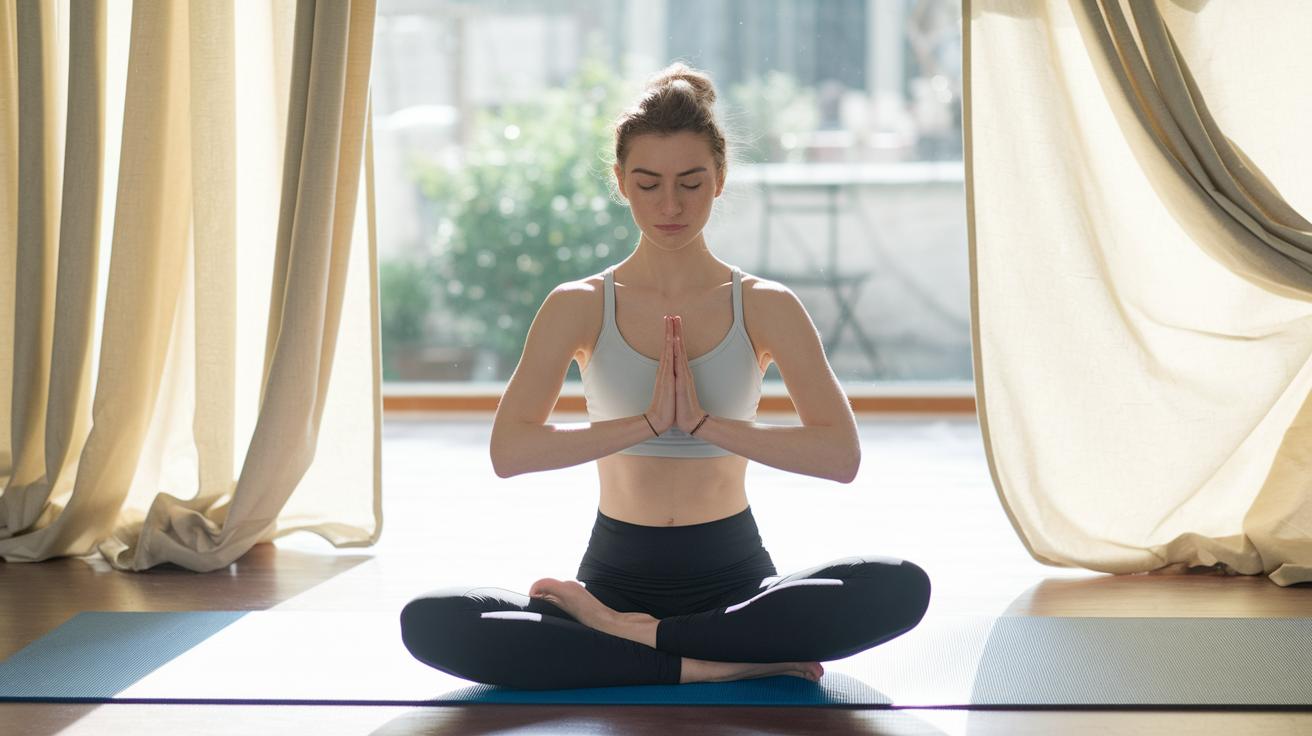
Active recovery means doing light activities like a gentle walk or a calm yoga session that help keep your blood moving and ease muscle stiffness. On the other hand, passive recovery is about giving yourself a full break, think of it as enjoying a cozy nap or a few quiet minutes of meditation to let your muscles completely relax.
Both methods help your body heal, but they do it in different ways. Active recovery keeps you moving just a bit, which boosts circulation and can make you feel refreshed after a tough workout. It’s like a soft cool-down that whispers to your muscles, “All right, time to relax.” Meanwhile, passive recovery is your chance to let your body catch up and mend without any extra effort.
When you’re planning your weekly routine, try alternating between these two approaches. Maybe after an intense session, set aside 30 minutes for a light walk or an easy yoga stretch. Then, follow it up with a day where you truly rest and let your body take a break. This kind of mix can lower your risk of injury and keep your muscles steadily repairing so you can keep moving forward.
Always pay attention to what your body is telling you. If you notice that your muscles still feel really tight or your energy lags behind despite gentle activity, it might be a sign to add more complete rest days into your schedule. Sometimes, giving your body that extra downtime is exactly what you need.
Final Words
In the action, this article broke down active recovery and its benefits, from boosting circulation and muscle repair with low-intensity moves to planning weekly sessions. We talked through simple cooldown exercises, mindful techniques, and the balance between active recovery workouts and full rest days. Each tip is ready for you to add into your routine and feel the energy in every step. With these effective strategies, you can build strength, ease soreness, and enjoy every moment of a balanced, healthy lifestyle.
FAQ
What are active recovery workouts?
Active recovery workouts are low-intensity exercises that promote healing and reduce muscle soreness. They boost blood flow, helping clear metabolic waste and speed up muscle repair.
What are some active recovery workout examples at home or for beginners?
Active recovery at home can include walking, light jogging, easy cycling, and restorative yoga. These exercises work well for beginners and often require little to no equipment.
What is the best exercise for recovery?
The best recovery exercise is usually a low-effort activity like walking or easy cycling. This gentle movement increases circulation and reduces muscle stiffness, aiding faster recovery.
What do the 3-3-3 rule and the 6-12-25 rule mean in a gym?
The 3-3-3 and 6-12-25 rules are workout guidelines that help balance warm-up, exercise, and cool-down periods. They provide structure to ensure workouts stay effective and support recovery.
How do stretching techniques like active stretching, PNF stretching, and ballistic stretching contribute to recovery?
Techniques such as active stretching, PNF (assisted stretching), and ballistic (dynamic stretching) help improve flexibility and reduce soreness by promoting smooth, restorative muscle movements during recovery.
How do active recovery workouts benefit athletes?
For athletes, active recovery workouts improve circulation, reduce post-exercise stiffness, and speed muscle repair. This helps them maintain flexibility and perform better in future training sessions.
Can Pilates be incorporated into an active recovery routine?
Pilates can be a gentle addition to an active recovery routine. It emphasizes core strength and controlled movement, which supports muscle balance, flexibility, and a calm recovery process.

